

Hotel in Washington DC, United States
The Jefferson, Washington, DC
250Pearl PointsQuiet Luxury Stay



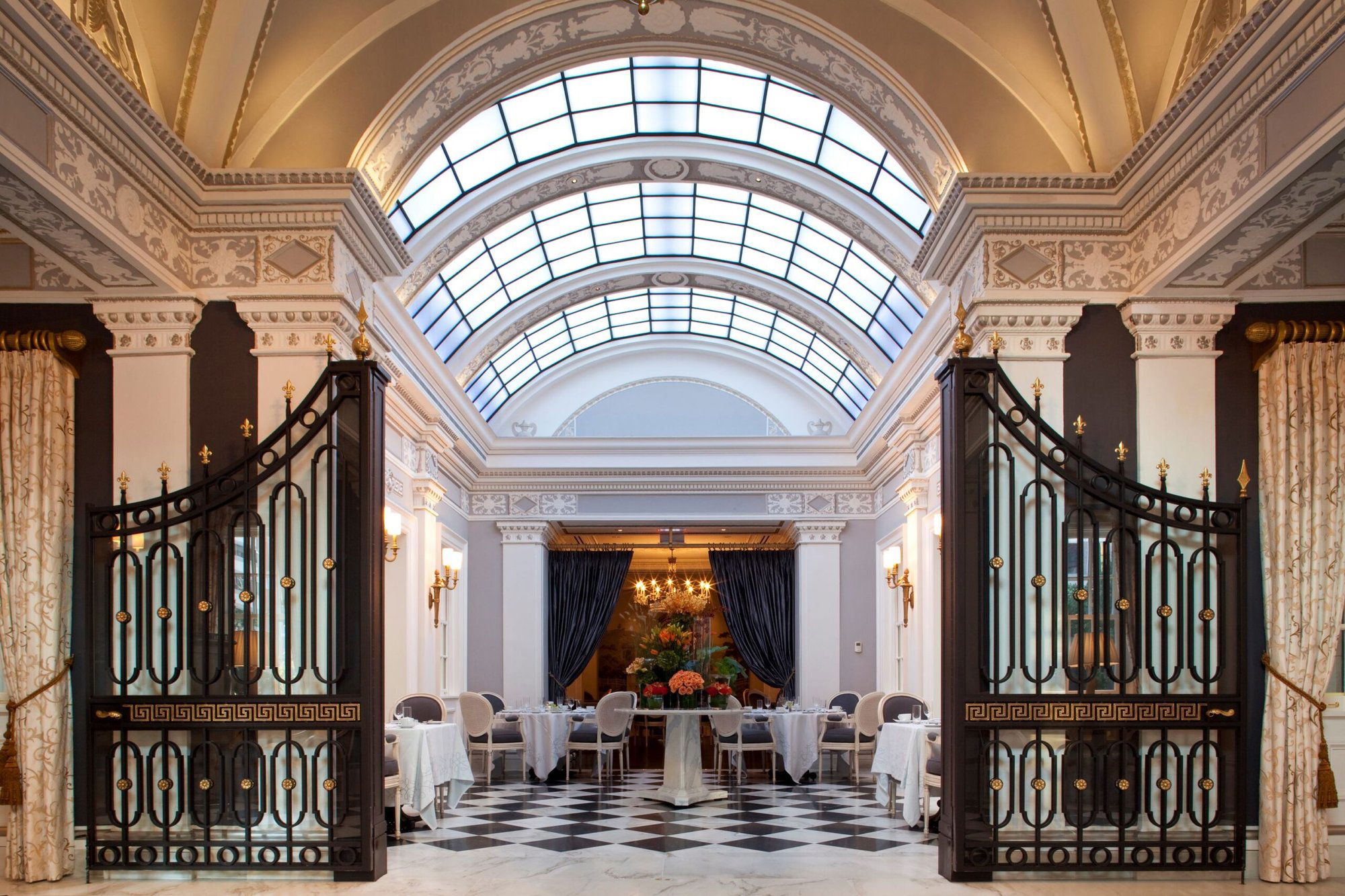
About The Jefferson, Washington, DC
A polished Washington, D.C. hotel for travelers who want quiet luxury, serious service, and a dining program suited to conversation rather than spectacle. The Jefferson is stronger for business stays, couples' weekends, and wine-led dinners than for guests chasing a lively lobby scene.
For a stay in Washington, D.C. where the hotel brief calls for a polished, business-casual setting, The Jefferson, Washington, DC is a relevant name to consider. The verified signals are concise rather than expansive: business casual dress code, Forbes Recommended recognition for 2026, Virtuoso Luxury Hotel Partner recognition for 2026, and Star Wine List recognition for 2026.
The Jefferson, Washington, DC works well on this page as a carefully framed option, not as a place to over-describe beyond the verified record. If you are comparing it with other hotels, the useful distinction is whether you want this specific property and its confirmed credentials, or whether another option better matches your plans.
A fit when confirmed recognition matters
Choose The Jefferson, Washington, DC over Hotel Washington if the confirmed recognitions and business casual dress code matter to the trip. Hotel Washington may make more sense for travelers who want a different hotel choice. The Jefferson is the more sensible call when the name, dress code, and third-party recognition are enough to put it on the shortlist.
For business travel, the safest grounded takeaway is that The Jefferson, Washington, DC is a Washington, D.C. hotel with a business casual standard and recognized hotel credentials. Travelers comparing broader options can also consider Kimpton Banneker Hotel by IHG, The Darcy, The St. Regis Washington, D.C. Hotel Washington, or Mayflower Inn, depending on the kind of stay they want.
The verified dining-related signal is wine recognition
The confirmed dining-related signal is Star Wine List recognition for 2026. That makes wine recognition part of the case for considering The Jefferson, Washington, DC, but the page should not assume a specific menu format, cuisine, chef, bar scene, or service style beyond what is verified.
That also means it is not the automatic choice for every Washington, D.C. stay. Use the confirmed facts as the filter: business casual dress code, Forbes Recommended recognition, Virtuoso Luxury Hotel Partner recognition, and Star Wine List recognition. For the full city scan, use Our full Washington, D.C. hotels guide, with dining, drinks, and activities split across Our full Washington, D.C. restaurants guide, Our full Washington, D.C. bars guide, and Our full Washington, D.C. experiences guide.
Booking specifics, room categories, prices, hours, amenities, and service details should be confirmed directly before planning around them. Based on the verified record alone, The Jefferson, Washington, DC is best treated as a Washington, D.C. hotel with a business casual standard and several confirmed 2026 recognitions.
Frequently Asked Questions
How is the pool and spa at The Jefferson, Washington, DC?
The verified information here does not establish pool or spa details for The Jefferson, Washington, DC. If those amenities are central to the trip, confirm them directly before booking and compare with another Washington, D.C. option such as The St. Regis Washington, D.C.
Is The Jefferson, Washington, DC good for business travel?
The Jefferson, Washington, DC can be considered for business travel if you want a Washington, D.C. hotel with a business casual dress code and confirmed third-party recognition. Compare it with Kimpton Banneker Hotel by IHG if you are deciding between different hotel choices in the city.
How is the location of The Jefferson, Washington, DC?
The verified location to state is Washington, D.C. Choose The Jefferson, Washington, DC over Hotel Washington if its confirmed credentials are a better fit for your trip.
Which room category is best at The Jefferson, Washington, DC?
The verified information provided does not establish a best room category at The Jefferson, Washington, DC. Confirm current room types, views, and layout details directly before booking.
When is the best time to book The Jefferson, Washington, DC?
The verified information provided does not establish a specific best booking window for The Jefferson, Washington, DC. If you want this property specifically rather than The Darcy or Hotel Washington, check availability early and confirm the current terms before committing.
Location
1200 16th Street Northwest
Washington DC, United States
Compare The Jefferson, Washington, DC
How It Compares
Pick The Jefferson, Washington, DC over Hotel Washington if the stay needs to feel quieter and more private. Hotel Washington is the better fit for travelers who want a more visible downtown setting and a livelier social mood; The Jefferson is the stronger call for composed service, business dinners, and lower-key luxury.
The Darcy and Kimpton Banneker Hotel by IHG are more practical cross-shops when value and easier booking matter more than a formal luxury feel. They make sense for shorter DC trips or travelers who plan to spend little time in the hotel. The Jefferson is worth the harder booking effort when the hotel itself is part of the occasion.
The St. Regis Washington, D.C. is the closer luxury comparison for formality and classic service cues. Choose St. Regis for a grander brand-led stay; choose The Jefferson for a more discreet mood. Mayflower Inn works as an alternative only if the trip brief shifts away from central DC convenience.
Where to Look If This Is Full
If The Jefferson, Washington, DC is unavailable, try The St. Regis Washington, D.C. first for a similarly formal luxury stay in the city. If value and booking ease matter more, The Darcy is the cleaner fallback.
How It Compares
Pick The Jefferson, Washington, DC over Hotel Washington if the stay needs to feel quieter and more private. Hotel Washington is the better fit for travelers who want a more visible downtown setting and a livelier social mood; The Jefferson is the stronger call for composed service, business dinners, and lower-key luxury.
The Darcy and Kimpton Banneker Hotel by IHG are more practical cross-shops when value and easier booking matter more than a formal luxury feel. They make sense for shorter DC trips or travelers who plan to spend little time in the hotel. The Jefferson is worth the harder booking effort when the hotel itself is part of the occasion.
The St. Regis Washington, D.C. is the closer luxury comparison for formality and classic service cues. Choose St. Regis for a grander brand-led stay; choose The Jefferson for a more discreet mood. Mayflower Inn works as an alternative only if the trip brief shifts away from central DC convenience.
Recognized By


Explore Washington DC
Save or rate The Jefferson, Washington, DC on Pearl
Keep this venue in your Pearl passport, rate it after you visit, and track it alongside every other place you collect.