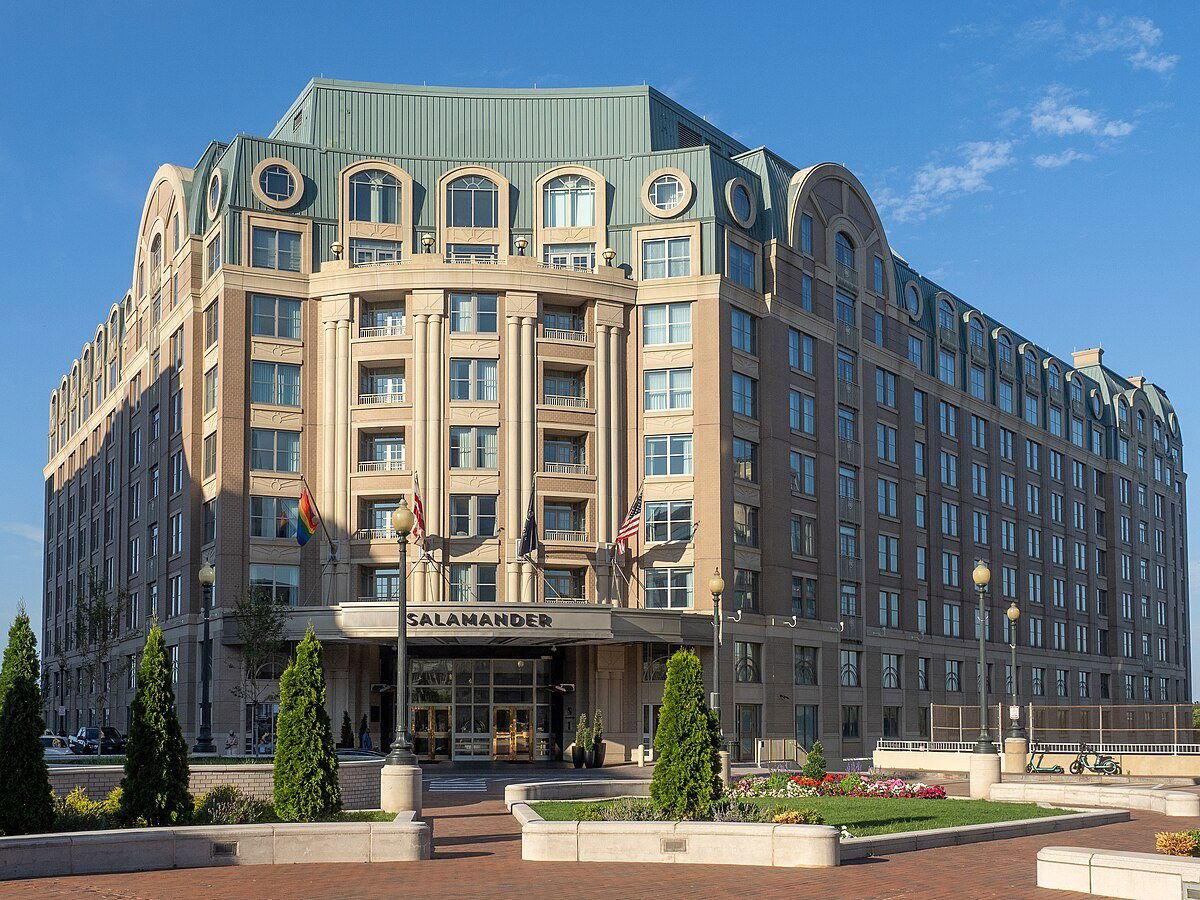
Photo: “Salamander Washington DC Hotel” by Ajay Suresh · CC BY 2.0 · Resized from the original.





Salamander Washington DC
Southwest Federal Center, Washington DC
Hotel in Washington DC, United States
 Book with Pearl
The Read
Waterfront Large-Format Luxury
Why go
Salamander Washington DC is worth booking if the trip needs a polished, calmer base near the capital's core rather than a nightlife-heavy neighborhood. It suits business travelers, first-timers, and couples who value space, composed service, and recent luxury-hotel recognition; cross-shop the Wharf hotels for more waterfront energy and the historic-core hotels for a more ceremonial D.C. feel.
About Salamander Washington DC
Salamander Washington DC is a Washington, D.C. hotel to consider if you want a polished stay and prefer to compare options by recognition, live rates, and the details that matter for your trip. Its recognition includes Preferred Hotels Preferred Residences recognition for 2025, MICHELIN Guide Hotels Selected recognition for 2025, and 2026 recognition from Forbes, Virtuoso, and Star Wine List. Those signals make it a credible candidate, but travelers should still confirm current rooms, amenities, dining, and policies directly before booking.
A polished Washington, D.C. base
The safest way to evaluate Salamander Washington DC is as a Washington, D.C. hotel option. If your itinerary depends on a specific part of the city, confirm travel times and the current hotel details before committing.
Use the hotel's recognition as one input, not the whole decision. Preferred Hotels Preferred Residences, MICHELIN Guide Hotels Selected, Forbes Recommended, Virtuoso Luxury Hotel Partner, and Star Wine List recognition all add useful context, but they do not replace checking the current room type, rate, cancellation terms, and on-property offerings for your dates. If you are comparing premium Washington, D.C. stays, it is reasonable to cross-shop Salamander Washington DC with InterContinental Washington D.C. The Wharf, Pendry Washington DC, The Wharf, Riggs Washington D.C. Waldorf Astoria Washington DC, and Willard InterContinental.
Choose it when the stay needs to be smooth, not flashy
Dining, spa, room-category, and service specifics should be checked against the hotel's current offerings before committing. The strongest grounded recommendation is to book only after matching the live rate and room details to the kind of Washington, D.C. stay you want.
For business or leisure travel, the case depends on your schedule and preferences. Salamander Washington DC has confirmed hotel recognition, but the best choice may change once you compare it with InterContinental Washington D.C. The Wharf, Pendry Washington DC, The Wharf, Riggs Washington D.C. Waldorf Astoria Washington DC, and Willard InterContinental for your dates.
Reservations: compare live rates, availability, cancellation terms, and room details before booking. Dress: smart casual is the dress-code guidance. Budget: compare the total stay cost against other premium Washington, D.C. hotels rather than relying on recognition alone. Who should choose it: travelers who want a recognized Washington, D.C. hotel and are satisfied after confirming the current details. Who should cross-shop: guests who are still deciding between Salamander Washington DC and other premium Washington, D.C. options.
For broader trip planning, use Our full Washington, D.C. hotels guide, then pair the stay with Our full Washington, D.C. restaurants guide, Our full Washington, D.C. bars guide, and Our full Washington, D.C. experiences guide.
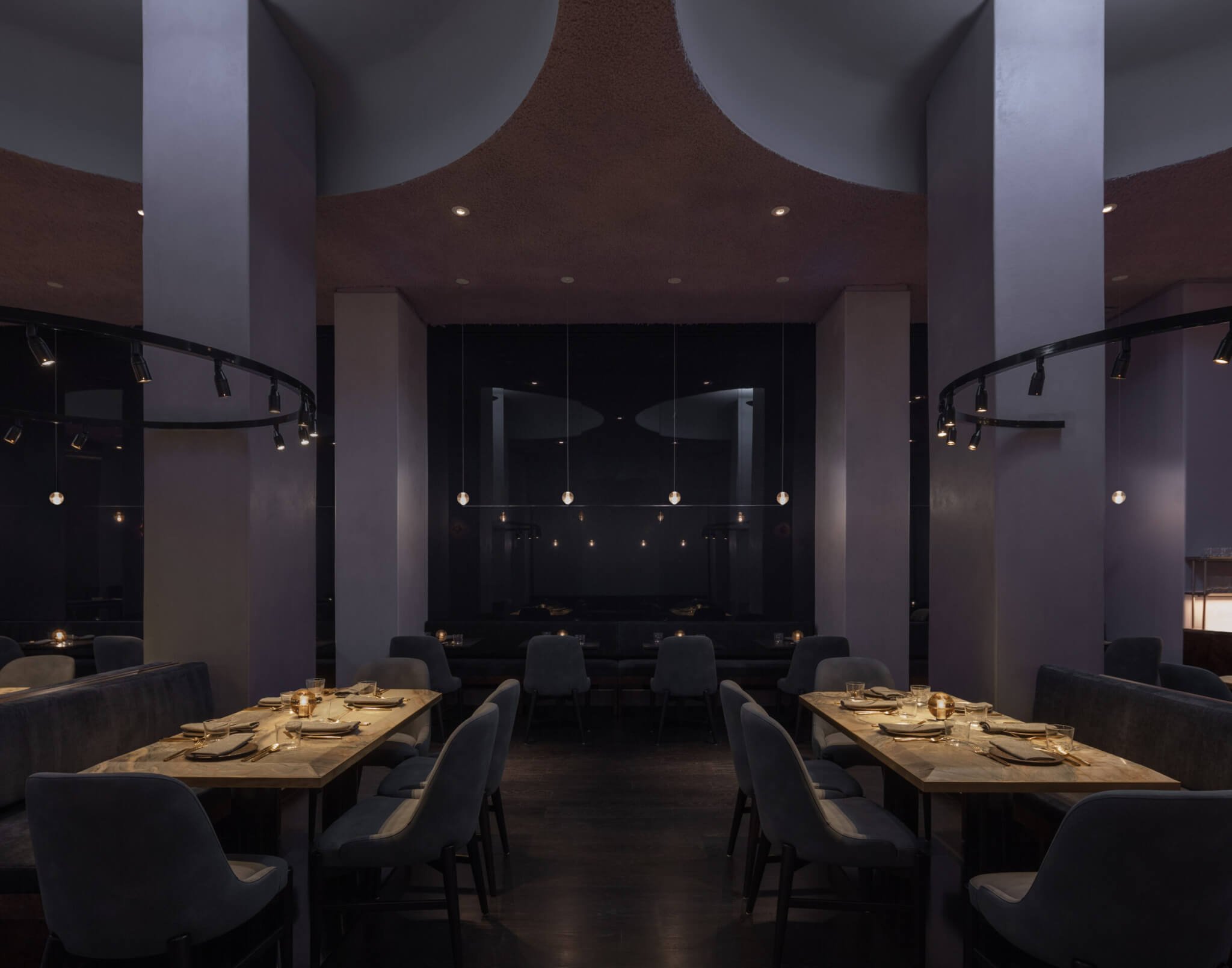
Inside Salamander Washington DC
Planning details
- Location
- 1330 Maryland Ave SW, Washington, DC 20024
- Website
- salamanderdc.com
- Phone
- +1 877-401-9818
The take
The Take
The Vibe
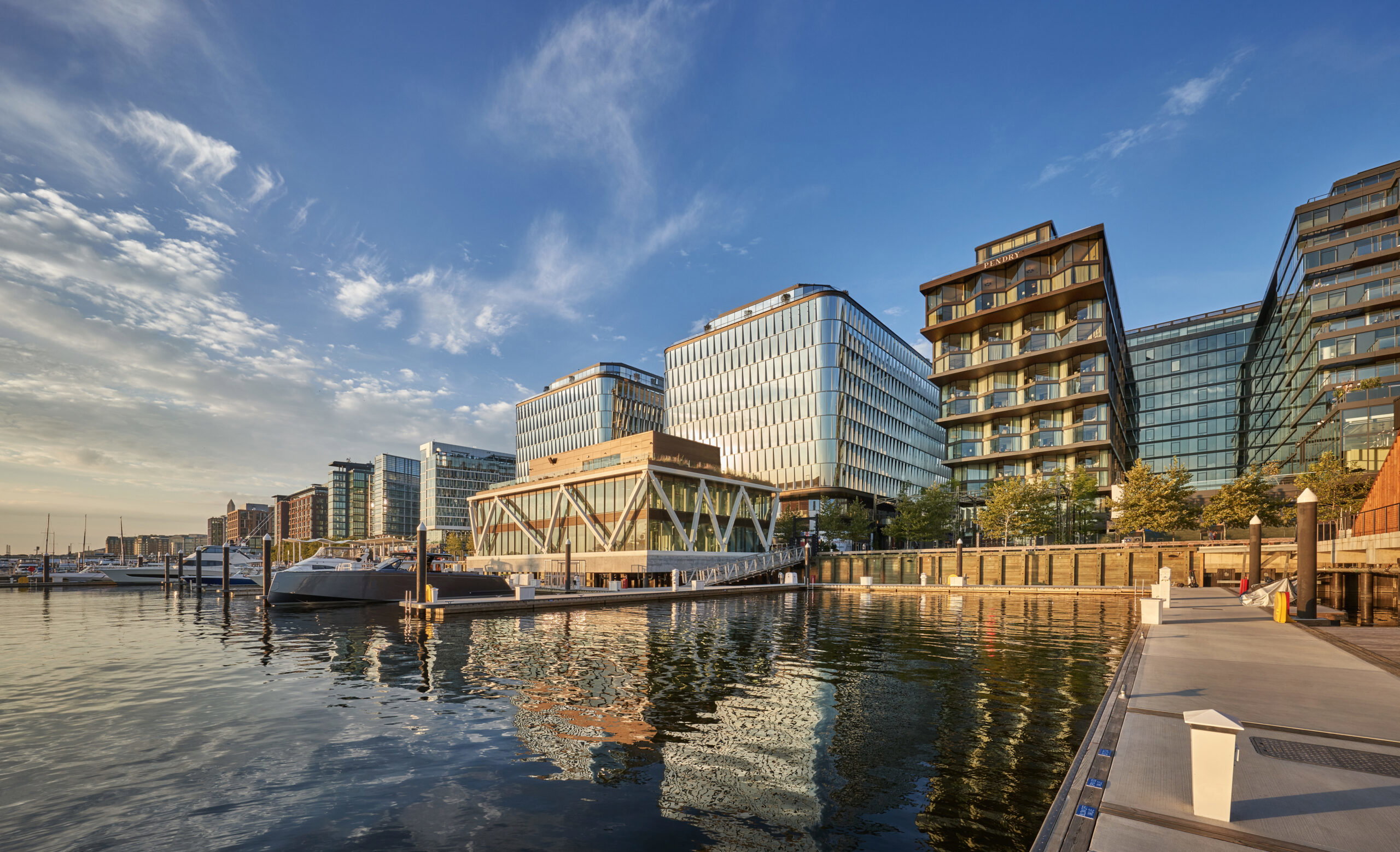
Salamander Washington DC presents itself as a large, water-facing luxury anchor at the Wharf, trading old‑Washington formality for a more open, scenic posture. The building’s scale is managed through detail, but the defining impression is its relationship to the Tidal Basin and Potomac: long sight lines across the river, framed seasonal cherry blossoms, and a visual connection to the waterfront neighborhood. That combination gives the hotel a quietly grand, locally rooted presence — serene and appealing to guests who value distinctive views and immediate access to the Wharf’s active waterfront setting.
Best For
The hotel is especially well suited to business and diplomatic travelers who prioritize location and access: it sits between two Metro stations and is conveniently close to Reagan National Airport, making meetings and transfers straightforward. It also serves couples and leisure visitors seeking a weekend escape or a romantic stay, thanks to the waterfront setting and nearby National Mall walks. Families and guests celebrating special moments benefit from the hotel’s scale and neighborhood amenities, which place cultural sites and waterfront attractions within easy reach.
Stay Tips
When booking, request a water‑facing room to maximize the hotel’s key asset — views of the Tidal Basin, The Wharf and the Potomac — and to enjoy the cherry‑blossom framing in late March and early April. Take advantage of the hotel’s strong transit positioning: arriving via the nearby Metro stations or Reagan National Airport is typically easier than driving in the city. For city‑center plans, note that the National Mall is a short walk north, so plan arrivals and departures with nearby transit connections to avoid peak traffic.
Venue details
Ambiance
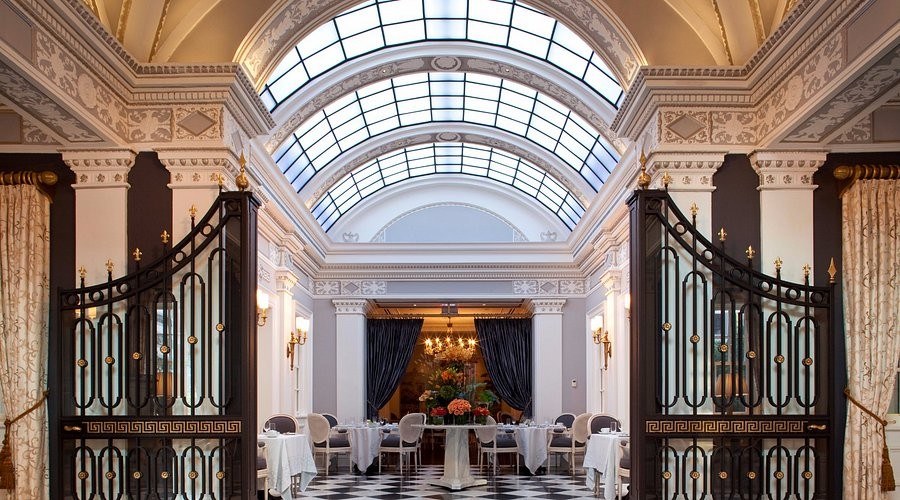
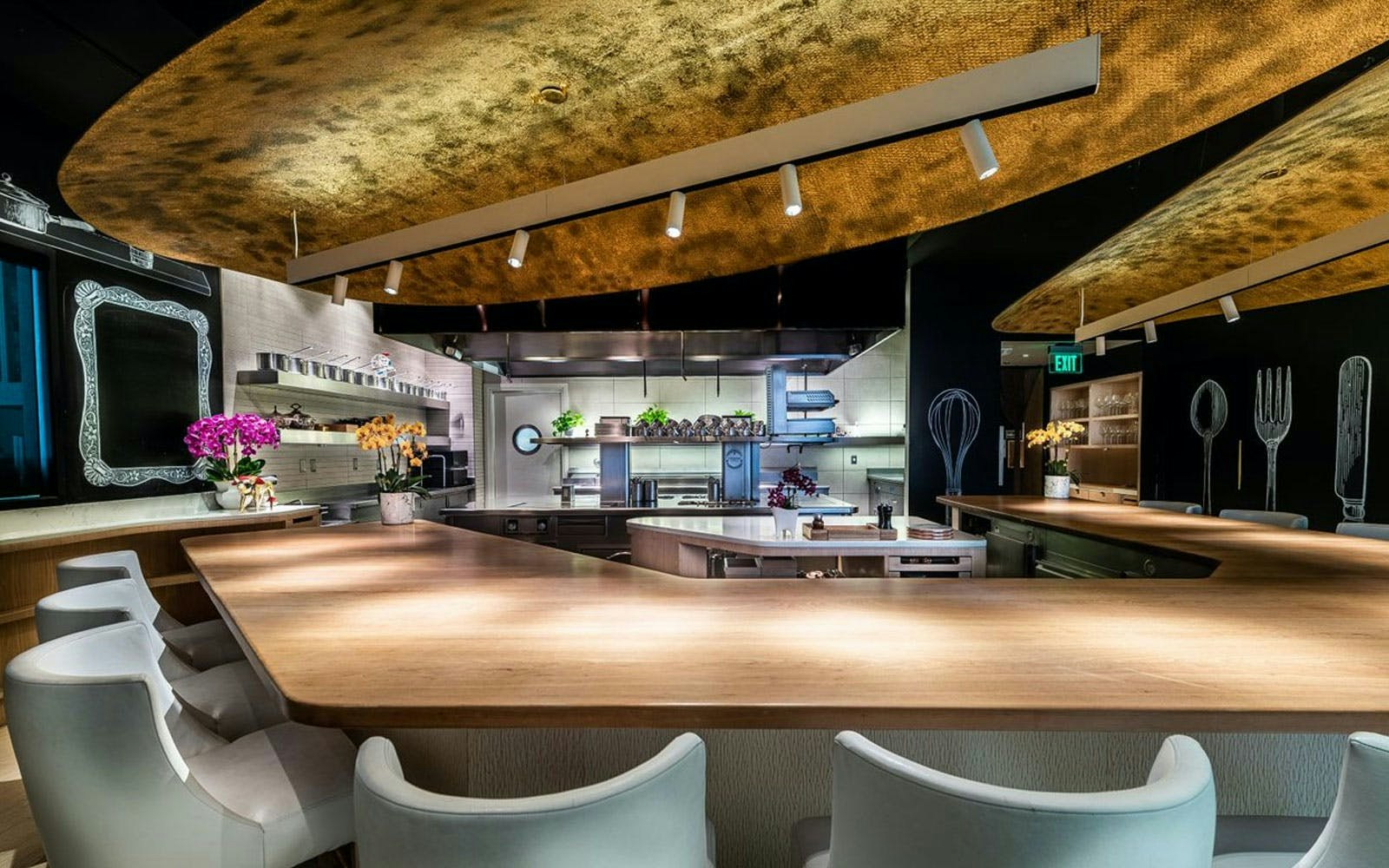
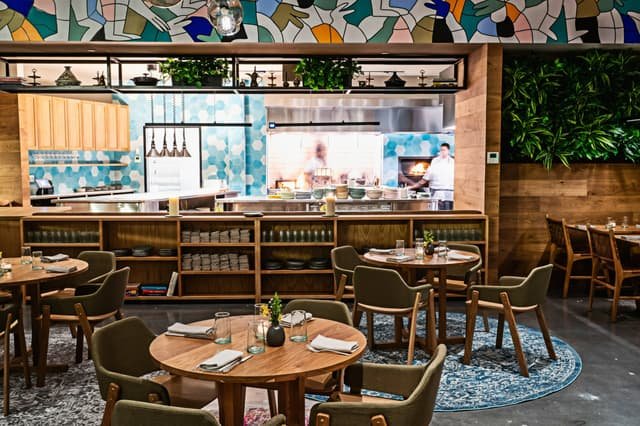
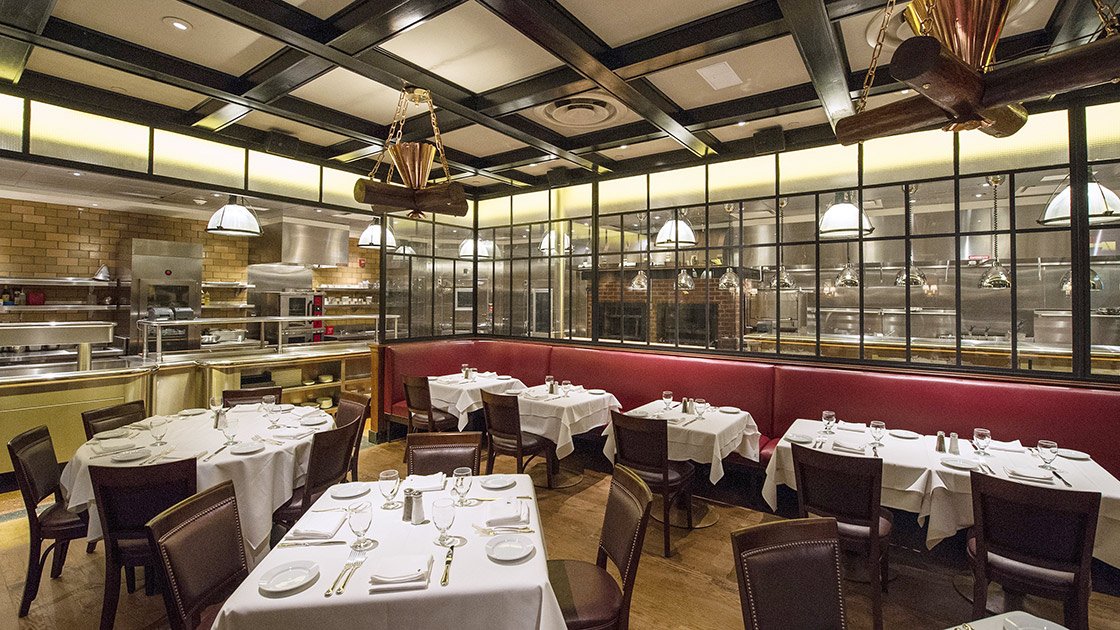
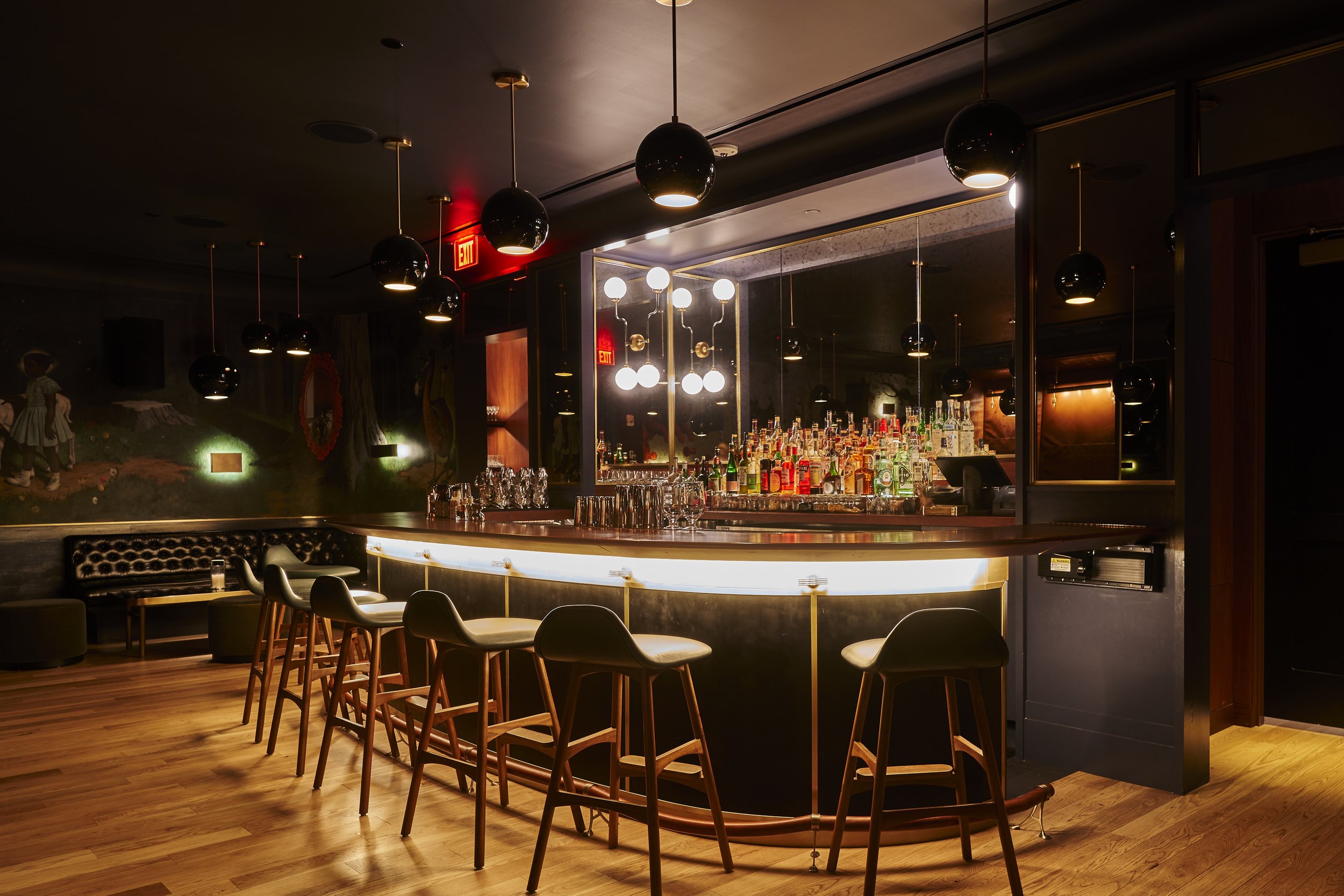
Serene and refined with bright, modern design; elegant lobby and terrace with sweeping 270-degree water views; calm urban oasis balancing contemporary luxury with residential warmth.
Tags
Vibe
Best For
Experience
Amenities
View
Accessibility
About the Stay
- Rooms
- 373
- Check-in
- 15:00
- Check-out
- 11:00
- Property Style
- Contemporary Luxury with Residential Inspired Design; Newly Renovated with Emphasis on Timeless Elegance and Modern Amenities in an Urban Waterfront Setting.
- Design Style
- Bright, Sophisticated Modern Aesthetic with Spa Inspired Bathrooms, Marble Finishes, Floor to Ceiling Windows, and Smart Technology; European Inspired Decor with Chic Furnishings.
Know before you go
Know Before You Go
- Getting there
- 1330 Maryland Ave SW, Washington, DC 20024
Planning details
Location



Also consider
Also Consider
- InterContinental Washington D.C. The Wharf, Notable alternative
- Pendry Washington DC, The Wharf, Notable alternative
- Waldorf Astoria Washington DC, Notable alternative
- Willard InterContinental, Notable alternative
- Riggs Washington D.C., Notable alternative
Hotel context
How it compares with nearby D.C. hotels
Choose Salamander Washington DC when the stay needs calm, space, and a more controlled luxury-hotel rhythm. InterContinental Washington D.C. The Wharf is the more practical pick for travelers who want to be directly in the Wharf flow, while Pendry Washington DC, The Wharf is better for guests who want a sleeker, more social waterfront feel.
For classic D.C. atmosphere, Waldorf Astoria Washington DC and Willard InterContinental are stronger if the hotel itself should feel like part of the sightseeing plan. Salamander Washington DC is less about landmark drama and more about a polished base that works across business and leisure days.
Riggs Washington D.C. is the better cross-shop for design-minded travelers who want a more downtown, personality-forward stay. For booking difficulty, treat Salamander Washington DC as a harder reservation around peak D.C. weeks; if rates jump, the Wharf and historic-core alternatives may offer a cleaner value depending on the itinerary.
Explore Washington DC
Around this place
Discover more on Pearl
Unlock the full Salamander Washington DC guide in Pearl, including awards, comparisons, FAQs, planning details, and nearby places.
Compare Salamander Washington DC
| Venue | Location | Awards |
|---|---|---|
| Salamander Washington DC | Washington, D.C. | 2026 Forbes Recommended2026 Virtuoso Luxury Hotel CollectionStar Wine Lists 20262025 Michelin Selected HotelsPreferred Hotels Preferred Residences 2025 |
| InterContinental Washington D.C. The Wharf | Washington, D.C. | No published awards |
| Pendry Washington DC, The Wharf | Washington, D.C. | 2026 Forbes Recommended2026 Virtuoso Luxury Hotel CollectionStar Wine Lists 20262026 Mr & Mrs Smith Luxury Hotels2025 Michelin 1 KeyPreferred Hotels L.V.X. Collection 20252024 Michelin 1 Key |
| Waldorf Astoria Washington DC | Washington, D.C. | 2026 Virtuoso Luxury Hotel Collection2026 Forbes 4-StarStar Wine Lists 20262025 Forbes 4-Star |
| Willard InterContinental | Washington, D.C. | No published awards |
| Riggs Washington D.C. | Washington, D.C. | No published awards |

How Salamander Washington DC compares with similar nearby venues.
FAQ
Frequently Asked Questions
How is the dining at Salamander Washington DC?
Star Wine List recognition for 2026 is confirmed, but travelers should check the hotel's current dining and beverage details directly before making plans around an on-site meal.
Which room category is best at Salamander Washington DC?
Choose based on the current room descriptions, rate, cancellation terms, and the needs of your Washington, D.C. trip. If you are still deciding, compare Salamander Washington DC with Willard InterContinental and Pendry Washington DC, The Wharf for your dates.
Is Salamander Washington DC good for business travel?
It can be a sensible Washington, D.C. option to consider for business travel, especially if you value confirmed hotel recognition. Forbes Recommended and Virtuoso Luxury Hotel Partner recognition for 2026. Confirm the current location details, meeting logistics, room setup, and services before booking for a work trip.
How does Salamander Washington DC compare to nearby hotels?
Compare it by live rate, room details, cancellation policy, recognition, and the parts of Washington, D.C. you plan to visit. InterContinental Washington D.C. The Wharf, Pendry Washington DC, The Wharf, Riggs Washington D.C. Waldorf Astoria Washington DC, and Willard InterContinental are natural cross-shops for travelers considering premium hotels in the city.
How is the pool and spa at Salamander Washington DC?
If wellness amenities are important to your stay, check Salamander Washington DC's current facilities, hours, reservation requirements, and access rules directly before booking.