
Vomo Island, Fiji
Vomo Island
Hotel in Vomo Island, Fiji
 Book with Pearl
The Read
Seclusion-First Pacific Retreat
Why go
Book Vomo Island, Fiji if you want a private-island Fiji stay with credible hotel recognition and easier booking conditions than smaller, more secluded peers. Value depends on room choice: pay up for view, beach access, outdoor space, or privacy, not just extra square footage. Compare closely with Likuliku Lagoon Resort, Six Senses Fiji, Turtle Island, Dolphin Island, and InterContinental Fiji Golf Resort & Spa before committing.
About Vomo Island, Fiji
Vomo Island, Fiji is a venue in Vomo Island. To assess it, focus on its recognition and practical details before booking.
The clearest quality signal is its La Liste Top Hotels 2026 recognition, where it is listed with a score of 96.5pts. The dress code is smart casual. Beyond those points, specific claims about facilities, room categories, dining formats, pricing, transfers, or guest programs should be checked directly with the venue before making plans.
Choose this for a Vomo Island option
Vomo Island, Fiji is best considered by travelers specifically looking at Vomo Island and wanting a venue with a La Liste Top Hotels 2026 listing. If you are comparing broader Fiji options, Dolphin Island, Turtle Island, Likuliku Lagoon Resort, Six Senses Fiji, and InterContinental Fiji Golf Resort & Spa are natural names to cross-shop, but the right choice will depend on current availability, rates, and the experience each property offers for your dates.
Before committing, confirm the details that matter most to your stay, such as room type, inclusions, meal arrangements, transfer logistics, and any special requirements directly with Vomo Island, Fiji.
Where the room decision matters
Details about specific room categories, views, layouts, or inclusions are not available. Treat room selection as a direct-question exercise: ask the venue what differs between categories and whether those differences affect the experience you care about most.
The La Liste Top Hotels 2026 score of 96.5pts gives Vomo Island, Fiji a recognition marker, but it should not replace practical filtering. Use the accolade as one positive signal, then check current rates, booking terms, stay details, and any on-property arrangements before deciding.
Planning details
- Location
- Vomo
- Website
- vomofiji.com
The take
The Take
The Vibe
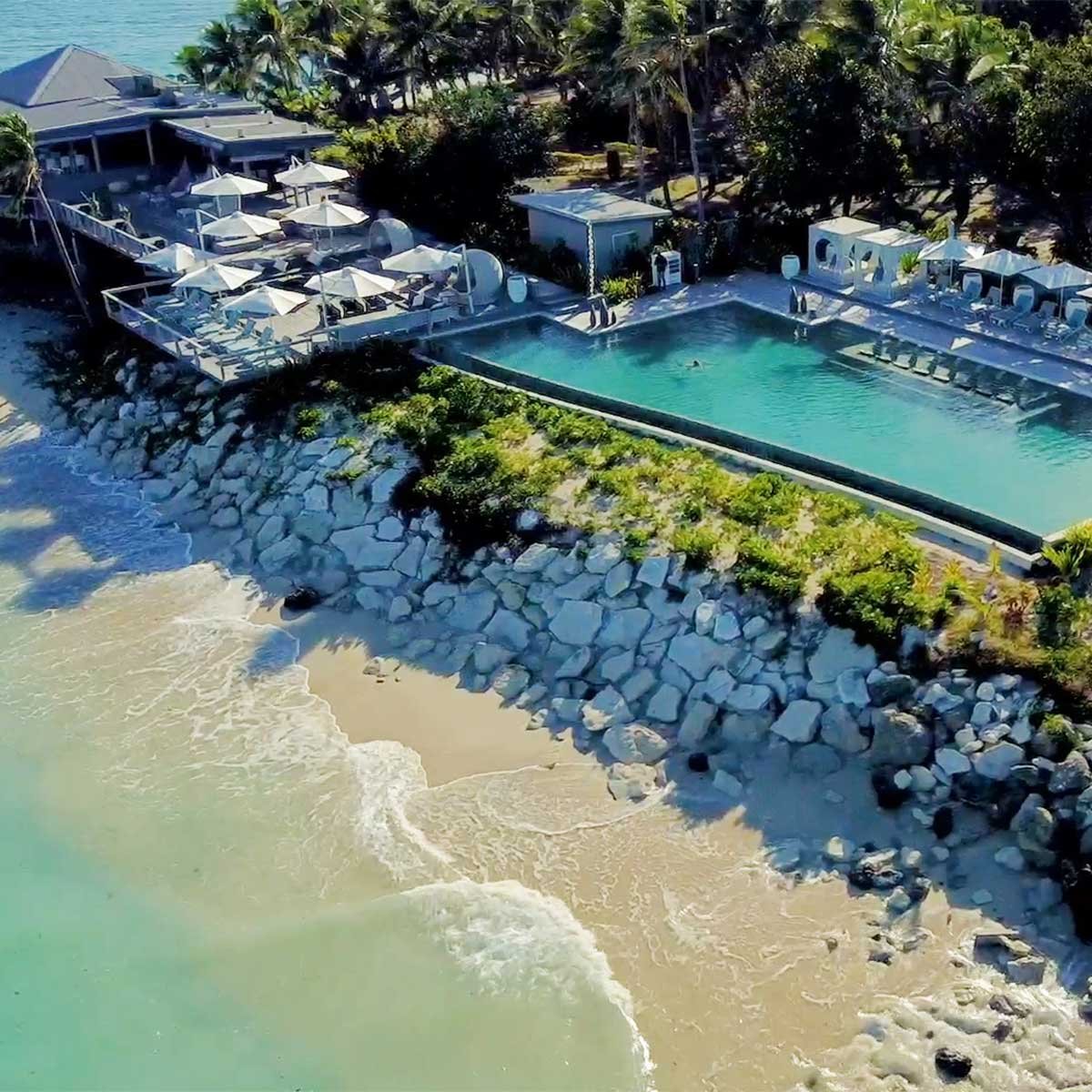
Vomo Island reads as a quietly confident private-island resort that prioritises the natural setting above theatrical infrastructure. Arrival by light aircraft or helicopter compresses the shift from mainland travel to total seclusion, setting a hushed, exclusive tone from the first moments. The property’s high La Liste score and the editorial framing of its architecture as ‘‘in dialogue with the environment’’ underline an understated, refined luxury: facilities exist to serve the island rather than overpower it. Expect an elegant but muted sensibility—luxury that favors calm, space and the view over spectacle.
Best For
Vomo suits travelers seeking privacy and celebration in equal measure. It is ideal for honeymooners and couples on romantic getaways—its seclusion and short private-flight access make arrivals part of the experience. Families and wellness-minded guests find the island setting conducive to low-key relaxation, while the property’s recognition among top luxury hotels positions it for anniversaries and destination weddings. In short, Vomo is best for people who want a secluded, beachside escape where the environment is the centerpiece.
Stay Tips
Book transfers and logistics early: the description stresses light-aircraft or helicopter transfers from Nadi, and those connections are part of the overall experience, so reserve them when you confirm your stay. Anticipate a remote, island-focused stay that benefits from advance planning—timed arrivals and clear coordination with the resort avoid gaps in service. Because the property is framed as a high-end, restrained resort, expect curated service and limited walk-in options; secure any special requests, event bookings or celebratory arrangements ahead of time.
Venue details
Ambiance
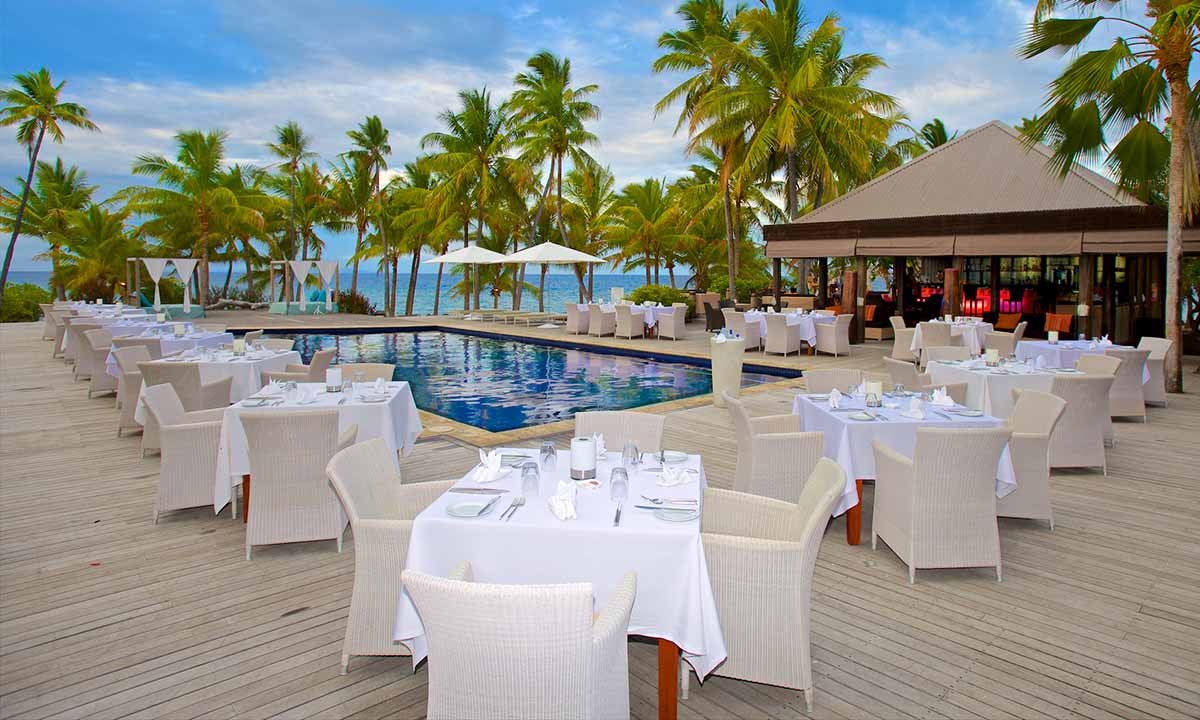
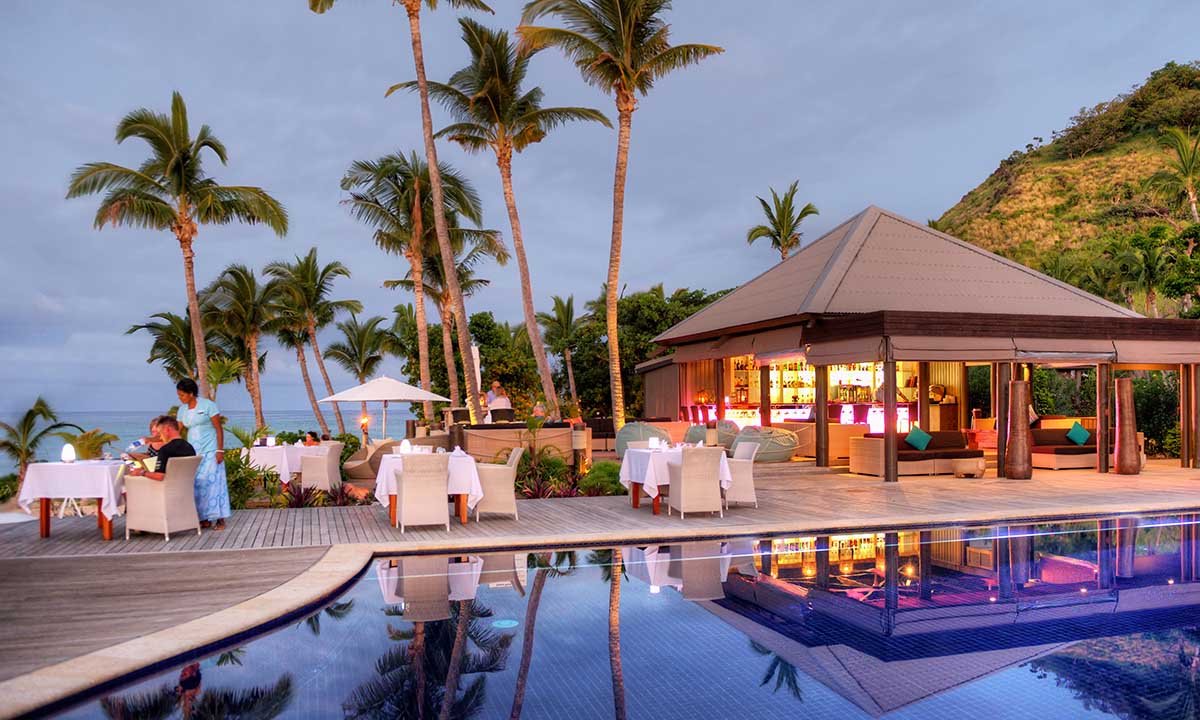
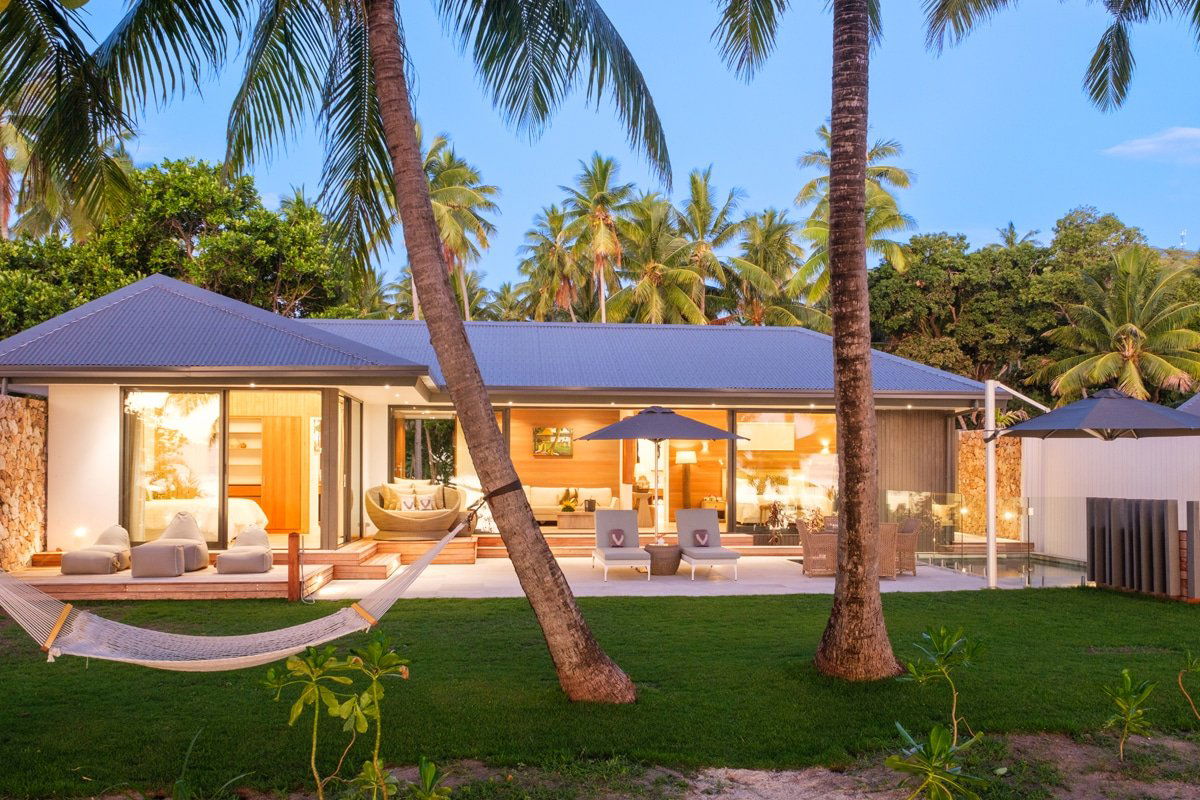
Tranquil and elegant with natural lighting from expansive beachfront decks and outdoor areas, praised for its quiet, private magical atmosphere amid soft sands and coral reefs.
Tags
Vibe
Best For
Experience
Amenities
View
About the Stay
- Rooms
- 0
- Check-in
- 14:00
- Check-out
- 11:00
- Property Style
- Luxurious Private Island Villas with Private Pools and Beachfront Access
- Design Style
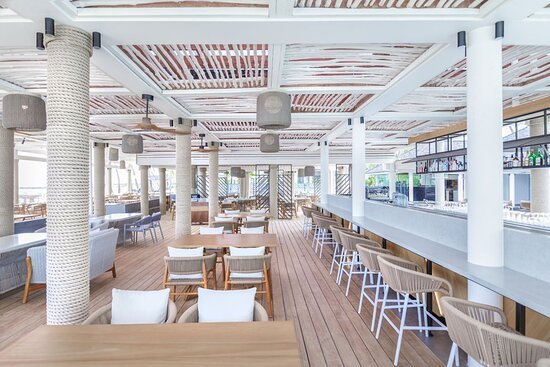
- Sophisticated Tropical Elegance with Spacious Open Air Decks and Premium Fijian Aesthetics
- Breakfast
- Included
- Airport Transfer
- Available
- Pool
- Yes
- Spa
- Yes
- Families
- Welcome
- Cancellation
- Moderate
Know before you go
Know Before You Go
- Getting there
- Vomo
Planning details
Location
Vomo · Directions
Recognition and awards

Also consider
Where to look if dates do not work
If Vomo Island, Fiji is unavailable, start with Likuliku Lagoon Resort for a couples-focused island stay or Six Senses Fiji if wellness and a broader resort program matter more. For a more convenience-led Fiji trip, InterContinental Fiji Golf Resort & Spa is the safer fallback.
Hotel context
How Vomo Island, Fiji compares
Choose Vomo Island, Fiji if you want a private-island resort that feels special without the highest-friction booking profile. Turtle Island and Dolphin Island are better fits for travelers chasing deeper seclusion and a more exclusive-feeling island stay, but they are less forgiving choices if dates, group mix, or budget are flexible rather than fixed.
Likuliku Lagoon Resort is the stronger cross-shop for couples who want a more romance-led resort mood, while Six Senses Fiji makes more sense for guests who care about wellness programming and a bigger branded-resort ecosystem. Vomo is the middle path: private-island atmosphere, credible recognition, and easier booking conditions.
InterContinental Fiji Golf Resort & Spa is the practical alternative if value means broader resort facilities, golf, and simpler movement around Fiji rather than island separation. Pick InterContinental for convenience; pick Vomo when the island setting is the reason for the trip.
Explore Vomo Island
Around this place
Discover more on Pearl
Unlock the full Vomo Island, Fiji guide in Pearl, including awards, comparisons, FAQs, planning details, and nearby places.
Compare Vomo Island, Fiji
| Venue | Location | Awards |
|---|---|---|
| Vomo Island, Fiji | Vomo Island | 2026 La Liste Top Hotels |
| Likuliku Lagoon Resort | Yaro | 2026 La Liste Top Hotels |
| Six Senses Fiji | Malolo Island | 2026 Forbes Recommended2026 Virtuoso Luxury Hotel Collection2026 Mr & Mrs Smith Luxury Hotels2026 La Liste Top Hotels2026 Michelin 2 Keys2025 Forbes Recommended2025 Michelin 2 Keys |
| Turtle Island | Yasawa Islands | 100 Most Incredible Hotels in the World · 2026 |
| InterContinental Fiji Golf Resort & Spa | Viti Levu | No published awards |
| Dolphin Island | Dolphin Island | 2026 Virtuoso Luxury Hotel Collection2026 Forbes 5-Star2025 Forbes 5-Star |






How Vomo Island, Fiji compares with similar nearby venues.
FAQ
Frequently Asked Questions
How is the location of Vomo Island, Fiji?
Vomo Island, Fiji is in Vomo Island. If location is central to your decision, confirm travel and transfer details directly with the venue before booking. InterContinental Fiji Golf Resort & Spa can be a useful broader Fiji comparison if you are weighing a different resort style.
When is the best time to book Vomo Island, Fiji?
Information about a best booking window is not available. If you are interested in Vomo Island, Fiji, check availability, rates, and booking conditions directly with the venue. Its La Liste Top Hotels 2026 score of 96.5pts is a useful quality signal, but timing should be based on current inventory and your travel dates.
Is Vomo Island, Fiji family-friendly?
Information about specific family facilities or policies is not available. If you are planning a mixed-age trip, ask Vomo Island, Fiji directly about room setup, activities, dining arrangements, and any age-related policies. Turtle Island and Six Senses Fiji may also be worth comparing depending on your priorities.
Do loyalty programs work at Vomo Island, Fiji?
Information about loyalty-program participation or points benefits is not available for Vomo Island, Fiji. If loyalty perks are important, confirm directly with the venue and compare current terms with other Fiji options such as InterContinental Fiji Golf Resort & Spa.
How does Vomo Island, Fiji compare to other hotels?
For comparison: Vomo Island, Fiji is in Vomo Island, has a smart casual dress code, and is listed by La Liste Top Hotels 2026 with a score of 96.5pts. For broader Fiji comparisons, consider Dolphin Island, Turtle Island, Likuliku Lagoon Resort, Six Senses Fiji, and InterContinental Fiji Golf Resort & Spa, then check current rates, inclusions, and stay details with each venue.
Is Vomo Island, Fiji good for business travel?
Information about business-travel facilities or services is not available. If you need work-related amenities, ask Vomo Island, Fiji directly about connectivity, meeting spaces, and practical arrangements. InterContinental Fiji Golf Resort & Spa may be another Fiji option to compare depending on your requirements.