
Casa La Siesta
Los Parralejos, Vejer de la Frontera
Hotel in Vejer de la Frontera, Spain
 Book with Pearl
The Read
Andalusian Cortijo Seclusion
Why go
Casa La Siesta is worth booking for a quiet Cádiz countryside stay where service feel and privacy matter more than resort scale. It is strongest for couples and special occasions, less convincing for travelers who need extensive facilities, loyalty-program mechanics, or a town-center hotel rhythm.
About Casa La Siesta
Casa La Siesta in Vejer de la Frontera has two clear signals: La Liste Top Hotels (2026) lists it at 90pts, and it carries the Mr & Mrs Smith Seal of Approval (2026). Beyond those recognitions and a casual dress code, further details are limited, so the safest way to evaluate the stay is to confirm directly before booking rather than to rely on assumptions about facilities, pricing, room types, dining, or services.
A Vejer de la Frontera stay with limited public detail
Casa La Siesta is a Vejer de la Frontera venue with confirmed 2026 recognition. It does not specify a specific address, neighborhood, service format, room count, amenities list, restaurant program, or price band. That makes it important to decide based on your needs: ask the property directly about room configuration, arrival details, facilities, and any dining or special-occasion arrangements before committing.
The La Liste Top Hotels 2026 score gives the stay a useful quality signal, while the Mr & Mrs Smith Seal of Approval adds another recognition point. Those facts support considering Casa La Siesta for a hotel shortlist in Vejer de la Frontera, but they do not describe a particular style of stay.
Who should book it, and who should look elsewhere
Book Casa La Siesta if the confirmed recognitions are enough to put it on your shortlist and you are comfortable verifying the practical details directly. Look elsewhere if you need published certainty on amenities, room categories, pricing, dining, wellness facilities, or loyalty benefits before making a decision.
The dress code is casual. For anything more specific, including event requirements, family or group suitability, accessibility, and arrival logistics, contact the venue directly. Do not assume a particular hotel format or service level.
Use it as a Vejer de la Frontera reference point, then compare carefully
For broader planning, pair Casa La Siesta with Vejer de la Frontera research and add meals from Our full Vejer de la Frontera restaurants guide. Keep the comparison practical: key facts are the venue name, Vejer de la Frontera, casual dress code, and 2026 recognitions.
For hotel cross-shopping, compare Casa La Siesta with Casa Palacio María Luisa, Hotel Boutique V, Palacio de Sancti Petri, SO/ Sotogrande Spa & Golf Resort Hotel, and The Riad Tarifa. Use those names as alternatives to investigate, but do not assume they offer the same setting, service style, facilities, or location details without checking each property directly.
Planning details
- Location
- Camino de los Parralejos, s/n, 11150 Vejer de la Frontera, Cádiz
- Website
- casalasiesta.com
- Phone
- +34 956 73 95 51
The take
The Take
The Vibe
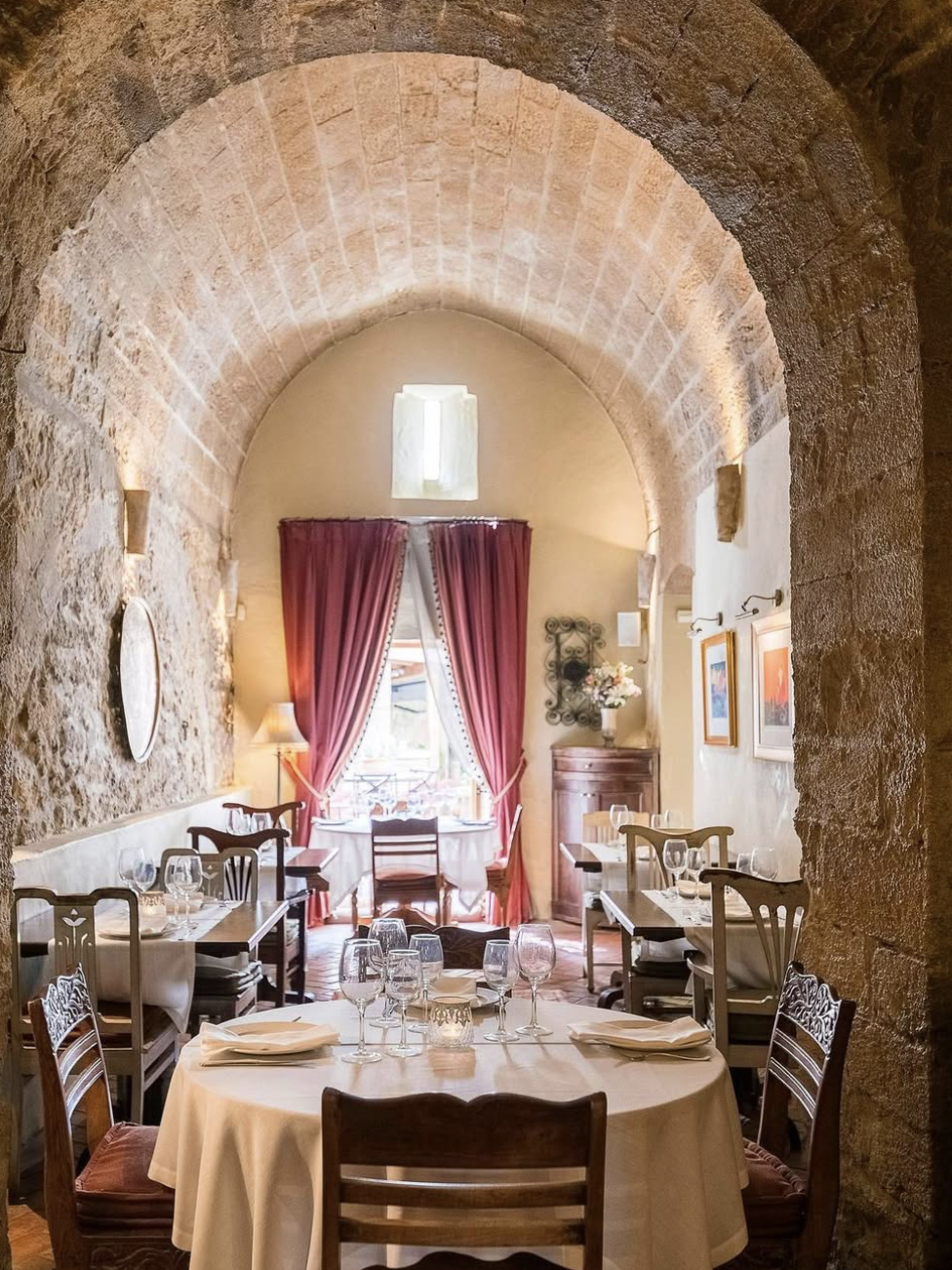
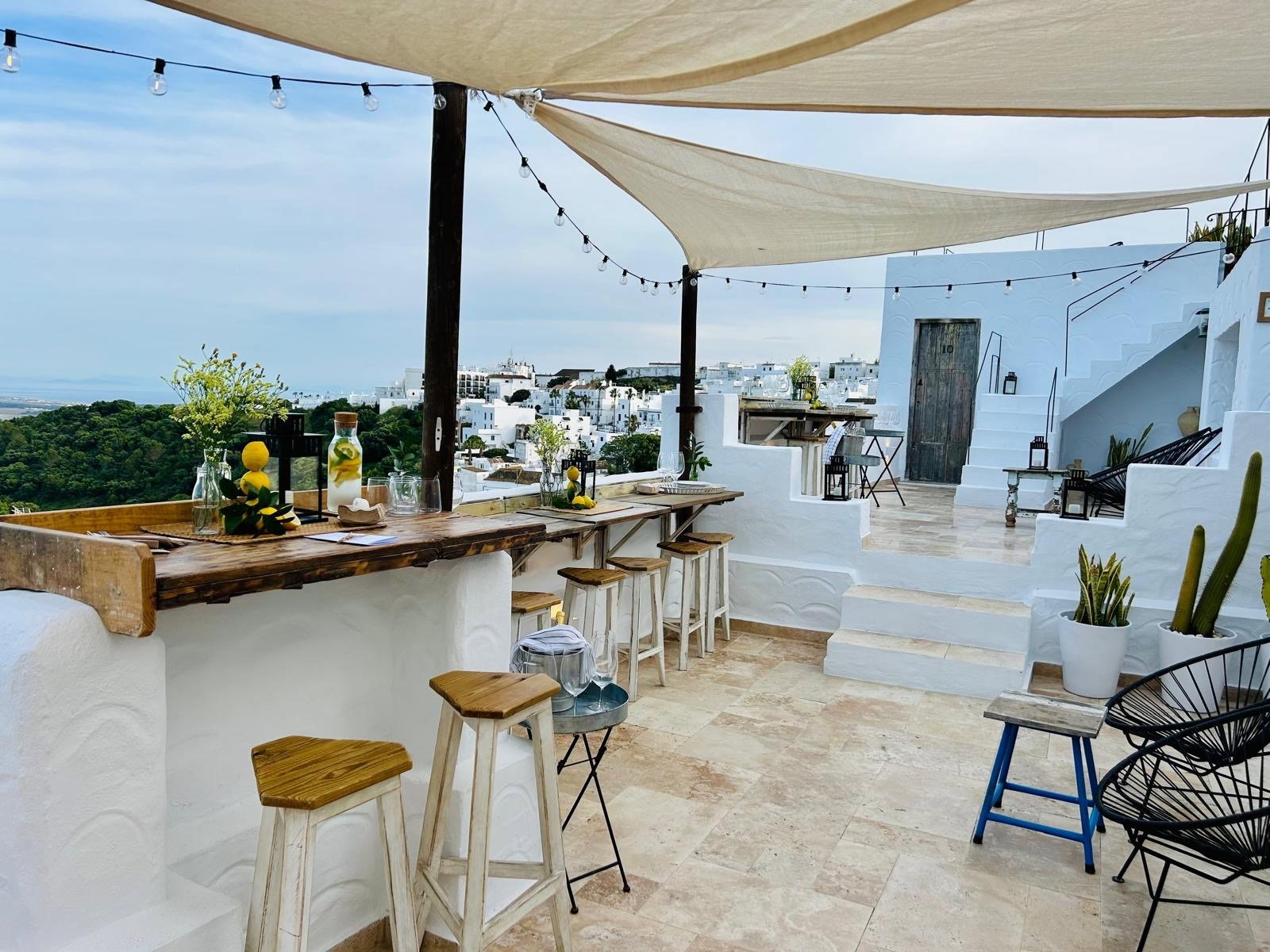
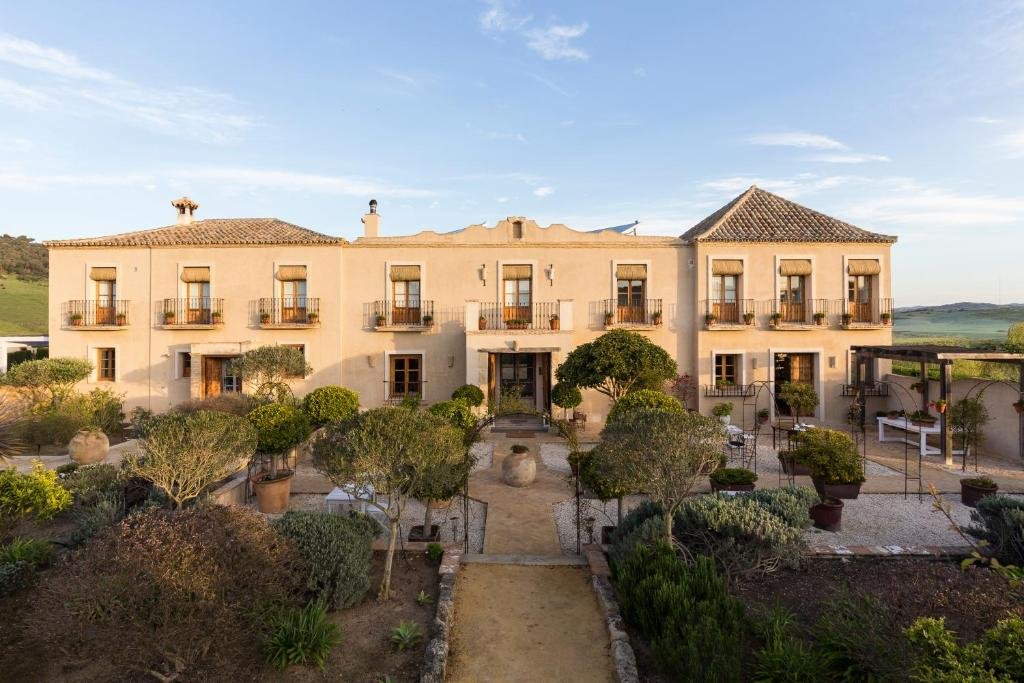
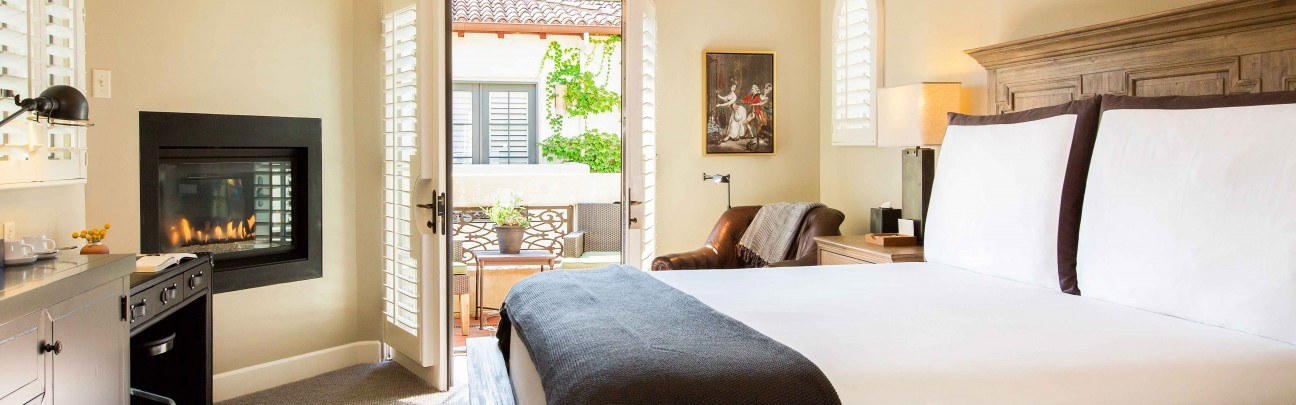
Casa La Siesta presents as a whitewashed cortijo reimagined as a design-led rural hotel. The architecture — thick, temperature-regulating walls and a careful conversion of traditional Andalusian building types — is foregrounded, so the place reads as an intentional object rather than a generic property. Its small scale and owner-operated sensibility produce a refined, low-key sophistication: light is flattened to pale gold at certain hours, and the levante wind punctuates afternoons, lending a quietly dramatic coastal temperament to the inland setting.
Best For
This is a hotel for travelers who prize place and design over standardised resort programming. It suits couples on honeymoons or romantic getaways, anniversary and weekend-escape seekers, and small groups drawn to calm, wellness-oriented rural stays. The property rewards guests who prefer slower, more considered travel — those who appreciate architecture, olive-grove approaches and the intimacy of a limited-key, owner-run experience rather than large-brand uniformity.
Stay Tips
Book well in advance: the text emphasises a small-scale, owner-operated format where fewer rooms and bespoke character are the draw. Expect trade-offs inherent to rural conversions and arrive knowing the reward is atmosphere rather than standardized amenities. Pack for changeable conditions — the levante wind arrives most afternoons — and allow time for the approach through scrubland and olive groves. Embrace a relaxed pace on site and plan logistics ahead given the property's rural location and distance from major resort infrastructure.
Venue details
Ambiance
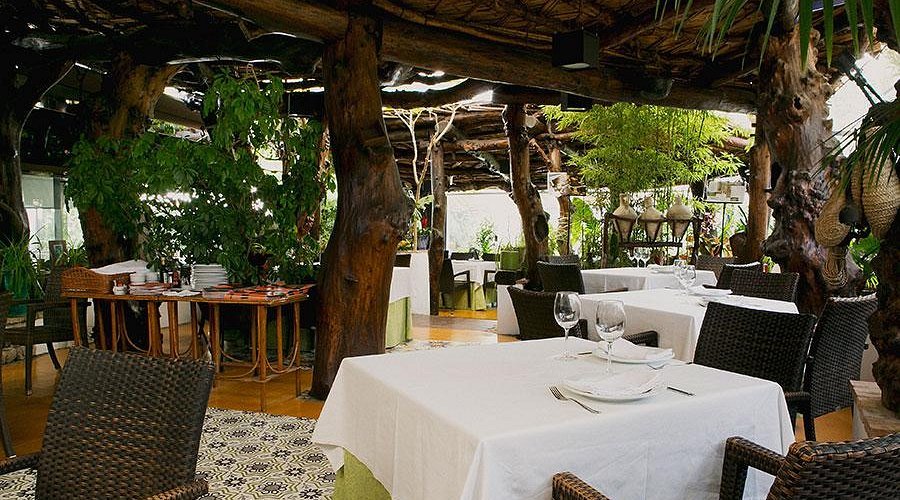
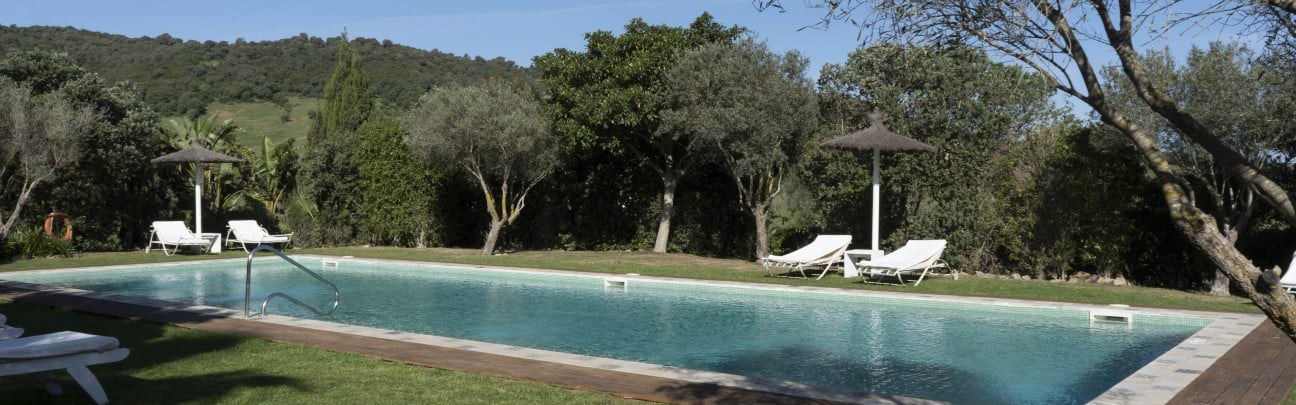
Serene and relaxing with perfect evening lighting, tranquil ambient music, lush gardens, and a peaceful countryside setting ideal for unwinding.
Tags
Vibe
Best For
Experience
Amenities
View
Accessibility
About the Stay
- Rooms
- 11
- Check-in
- 15:00
- Check-out
- 11:00
- Property Style
- Restored Country Retreat with Extensive Gardens and Private Terraces
- Design Style
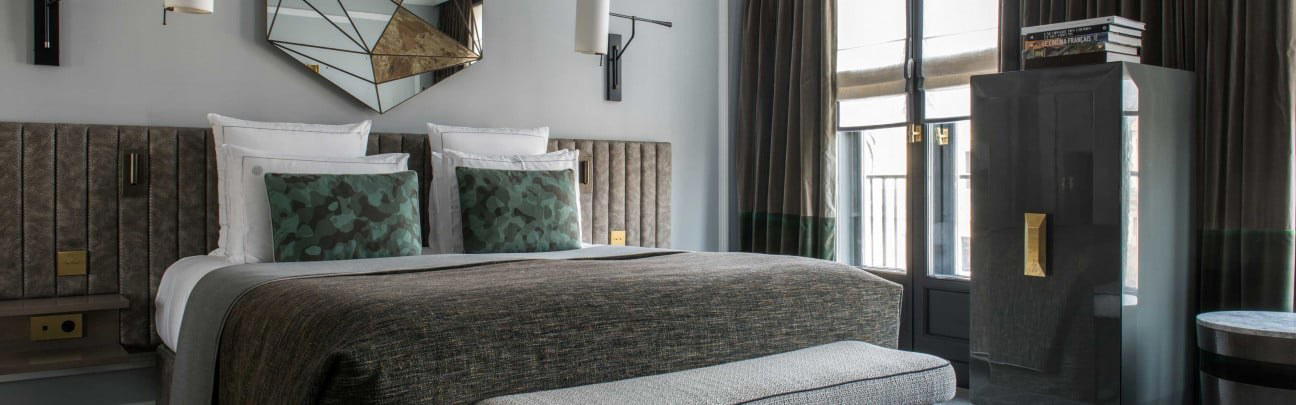
- Andalucian Rustic Elegance with Charming, Finely Tuned Details
Know before you go
Know Before You Go
- Getting there
- Camino de los Parralejos, s/n, 11150 Vejer de la Frontera, Cádiz
Planning details
Location
Camino de los Parralejos, s/n, 11150 Vejer de la Frontera, Cádiz · Directions
Recognition and awards

Also consider
Also Consider
- Hotel Boutique V, Notable alternative
- Palacio de Sancti Petri, Notable alternative
- Casa Palacio María Luisa, Notable alternative
- The Riad Tarifa, Notable alternative
- SO/ Sotogrande Spa & Golf Resort Hotel, Notable alternative
Hotel context
How It Compares
Choose Casa La Siesta over Hotel Boutique V if the trip is built around rural calm rather than being closer to town energy. Hotel Boutique V is the cleaner cross-shop for travelers who want a more compact boutique-hotel feel, while Casa La Siesta is the better call for a quieter celebration where the setting does more of the work.
Palacio de Sancti Petri and SO/ Sotogrande Spa & Golf Resort Hotel make more sense if facilities are the deciding factor. Casa La Siesta is easier to frame as an intimate hotel choice; those two are better cross-shops for guests who want a larger-property structure, more resort rhythm, or a broader activity base.
Casa Palacio María Luisa is the stronger alternative for a polished city-style stay, while The Riad Tarifa works better for travelers who want Tarifa's atmosphere instead of Vejer's countryside. If booking ease matters, Casa La Siesta is a low-friction option; if the goal is a busier local scene, cross-shop the town and coast options first.
Explore Vejer de la Frontera
Around this place
Discover more on Pearl
Unlock the full Casa La Siesta guide in Pearl, including awards, comparisons, FAQs, planning details, and nearby places.
Compare Casa La Siesta
| Venue | Location | Awards |
|---|---|---|
| Casa La Siesta | Vejer de la Frontera | 2026 Mr & Mrs Smith Luxury Hotels2026 La Liste Top Hotels |
| Hotel Boutique V | Vejer | No published awards |
| Palacio de Sancti Petri | Cádiz | Leading Hotels of the World 20262025 Michelin Selected Hotels |
| Casa Palacio María Luisa | Jerez de la Frontera | No published awards |
| The Riad Tarifa | Tarifa | No published awards |
| SO/ Sotogrande Spa & Golf Resort Hotel | Cádiz | No published awards |


How Casa La Siesta Vejer de la Frontera compares with similar nearby venues.
FAQ
Frequently Asked Questions
Which room category is best at Casa La Siesta?
Room categories are not specified at Casa La Siesta. Choose only after confirming the current room options directly with the property, especially if privacy, outdoor space, accessibility, or group layout matters for your stay in Vejer de la Frontera.
How is the location of Casa La Siesta?
Casa La Siesta is in Vejer de la Frontera. A specific street address, neighborhood, or landmark-based location is not available, so confirm arrival directions directly with the venue before traveling.
What is check-in like at Casa La Siesta?
Check-in procedures, arrival style, or front-desk arrangements are not specified at Casa La Siesta. Confirm check-in time, directions, and any arrival requirements directly with the property before your stay in Vejer de la Frontera.
How does Casa La Siesta compare to other hotels?
Casa La Siesta is recognized for its La Liste Top Hotels (2026) 90pts listing and Mr & Mrs Smith Seal of Approval (2026). For comparison, consider Casa Palacio María Luisa, Hotel Boutique V, Palacio de Sancti Petri, SO/ Sotogrande Spa & Golf Resort Hotel, and The Riad Tarifa, while verifying each property's location, facilities, and service details directly.