


Viceroy Bali
Ubud
Hotel in Ubud, Indonesia
 Book with Pearl
The Read
Valley-Edge Villa Seclusion
Why go
Book Viceroy Bali if the priority is a quieter, high-comfort Ubud base with credible luxury recognition rather than a walkable town stay. It is better suited to couples and plan-ahead leisure trips than travelers who want constant access to central Ubud on foot.
About Viceroy Bali
Viceroy Bali is an Ubud hotel option for travelers comparing premium stays with notable recognition. Its credentials include Michelin 1 Key (2025), Small Luxury Hotels of the World Member (2025), and Forbes Recommended (2026). Taken together, those references make the hotel easier to place in a shortlist, especially for travelers who prefer to begin with third-party recognition rather than with broader marketing language. Its dress code is smart casual, which is also useful to know in advance because it sets a simple expectation for how guests may want to pack and present themselves during the stay.
Viceroy Bali is best approached as a recognized Ubud stay, with more detailed questions about room types, dining formats, facilities, pricing, and exact location best checked directly before booking. That distinction matters: the hotel can be meaningfully considered on the strength of its recognition, while trip-specific details should be reviewed as part of the booking process. For travelers comparing alternatives, Adiwana Suweta is another option to review alongside Viceroy Bali, particularly if the final choice depends on how each property matches the structure of a specific trip.
Book for a recognized Ubud stay
Viceroy Bali is in Ubud, has Michelin 1 Key recognition for 2025, is a Small Luxury Hotels of the World Member for 2025, and is Forbes Recommended for 2026. Those credentials give travelers a clearer basis for shortlisting the hotel. They do not describe every part of the guest experience, but they do provide a useful framework for evaluating the property against other stays. For many travelers, that can be enough to move it into consideration before the more practical checks begin.
That does not automatically make it the right choice for every itinerary or budget. If the decision depends on specific facilities, room categories, dining, transport, or inclusions, confirm those directly before booking. The same applies if the stay needs to fit around a particular pace of travel, a preferred level of formality, or a wider Ubud plan. In those cases, the recognition should be treated as a starting point, not the whole answer. For comparison, The Purist Villas & Spa, Jannata Resort & Spa, Asvara Villa, Kamandalu Ubud, and Adiwana Suweta may also be worth reviewing.
Who should cross-shop before committing
Choose Viceroy Bali if external recognition is an important part of the booking decision. It is a sensible candidate for travelers who want a premium Ubud stay supported by named credentials and who are comfortable checking the remaining details themselves. Cross-shop Kamandalu Ubud, The Purist Villas & Spa, Jannata Resort & Spa, Asvara Villa, and Adiwana Suweta if you want to compare other stays before committing. That comparison is especially useful when the choice is not simply about recognition, but about how confidently each hotel answers the practical questions that matter for your trip. For broader planning, use Our full Ubud hotels guide alongside Our full Ubud restaurants guide.
Inside Viceroy Bali
Planning details
- Location
- Br. Nagi, Jl. Lanyahan, Petulu, Kecamatan Ubud, Kabupaten Gianyar, Bali 80571
- Website
- viceroybali.com/en
- Phone
- +62 361 971777
The take
The Take
The Vibe
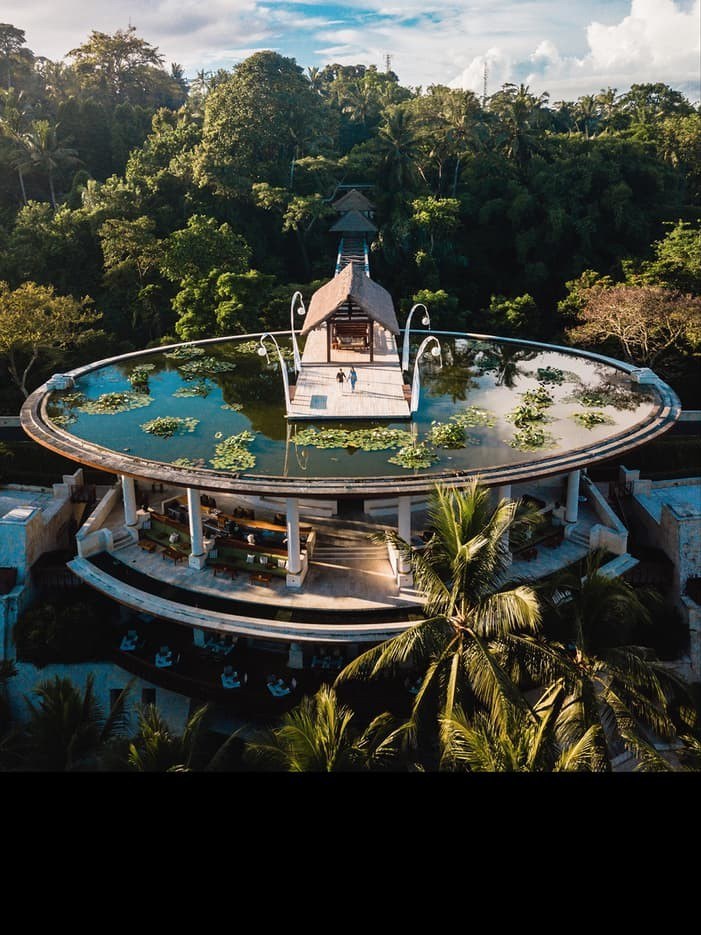
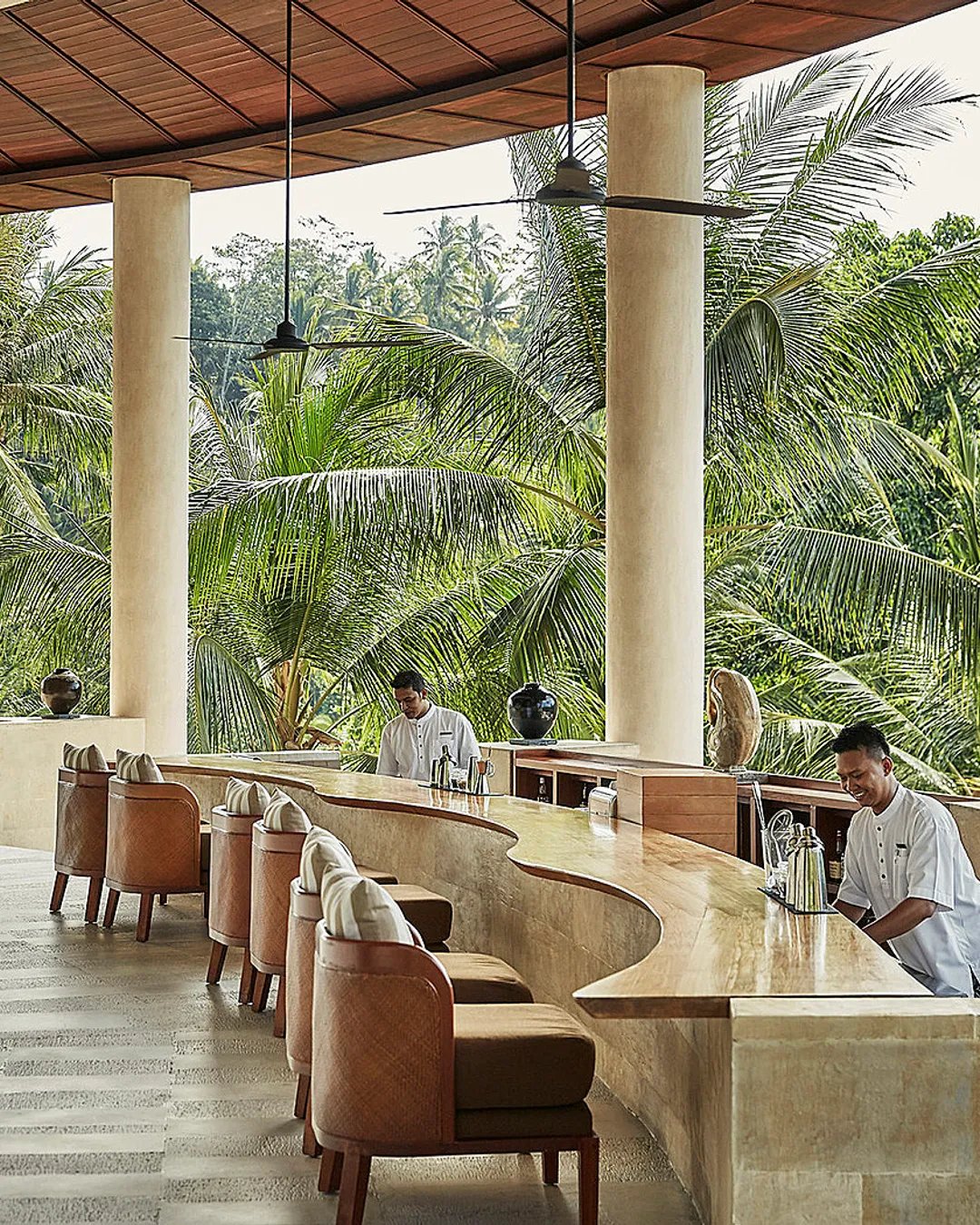
Viceroy Bali reads like a quietly luxurious, small-scale retreat. The family-owned property deliberately keeps to 30 villas and the owners live on-site, so the experience favors personable service over the scale and polish of international chains. Perched on a high ridge, most sight lines tumble into the steep Lembah Valley and the jungle canopy sits at eye level, which gives common areas and villas an immersive, hushed quality. The hotel feels intimate and slightly secretive—a hidden gem in Ubud’s roster of high-end stays—where handcrafted hospitality and the dramatic valley setting define the mood.
Best For
This hotel is best for travelers seeking an inland alternative to Bali’s busy coast: guests who want privacy, personalized service and immersive valley views. The description emphasizes a change of register for those arriving from Seminyak or Canggu—elevation and jungle replace beachfront energy—so it appeals to visitors who prioritize scenery and seclusion over nightlife and beach access. The compact 30-villa scale and on-site ownership signal a property geared toward quieter, more contemplative stays rather than large-group tourism.
Stay Tips
Keep the property’s small scale in mind: the 30-villa count has been maintained rather than expanded, and the owners live on-site, so capacity is limited and service is highly personalized. If those qualities matter to you, plan and book early to secure the type of villa and sight lines you prefer. Expect an inland experience—ask about valley-facing accommodations or views when reserving to take full advantage of the ridge-top setting described in the hotel overview.
Venue details
Ambiance
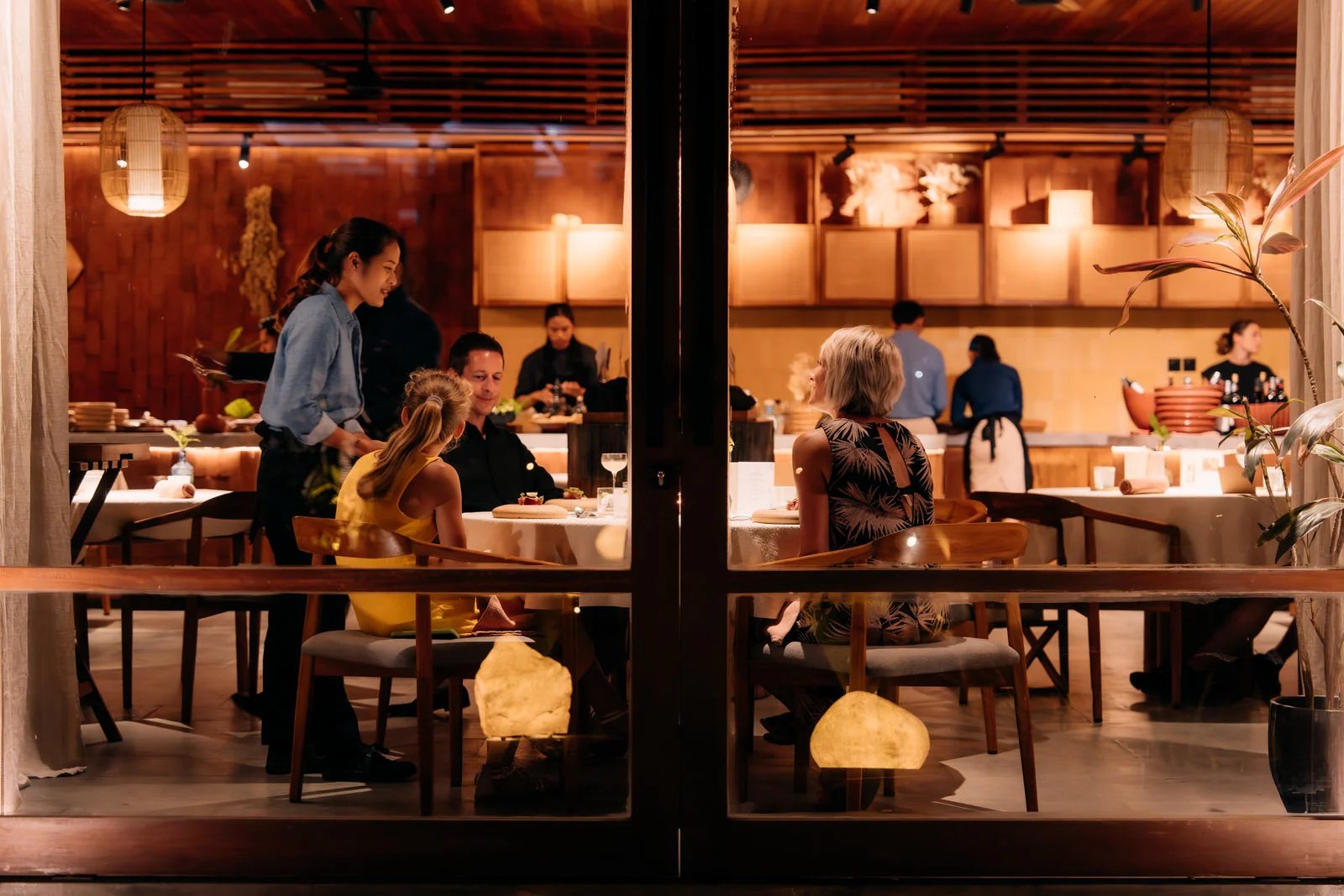
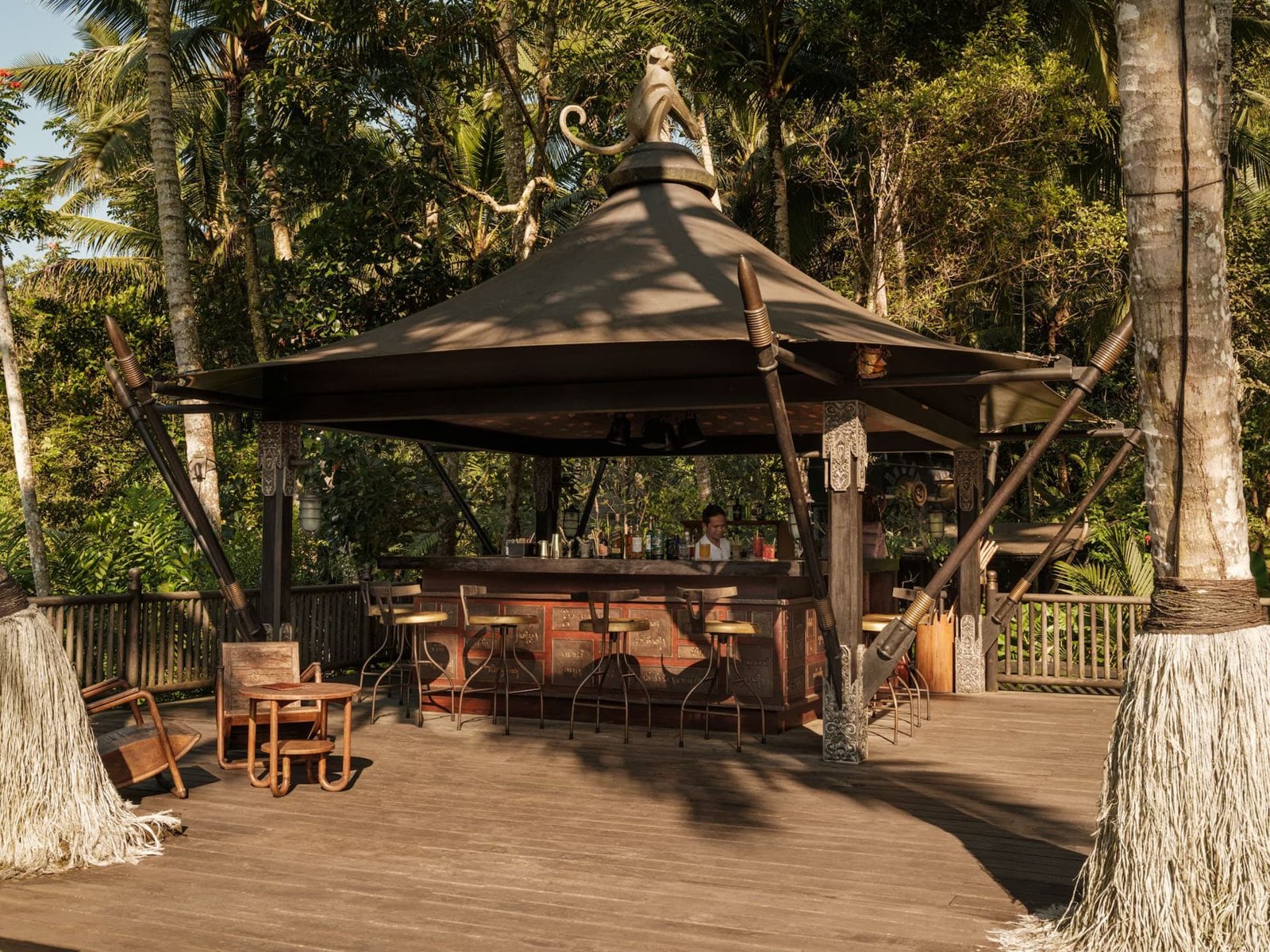
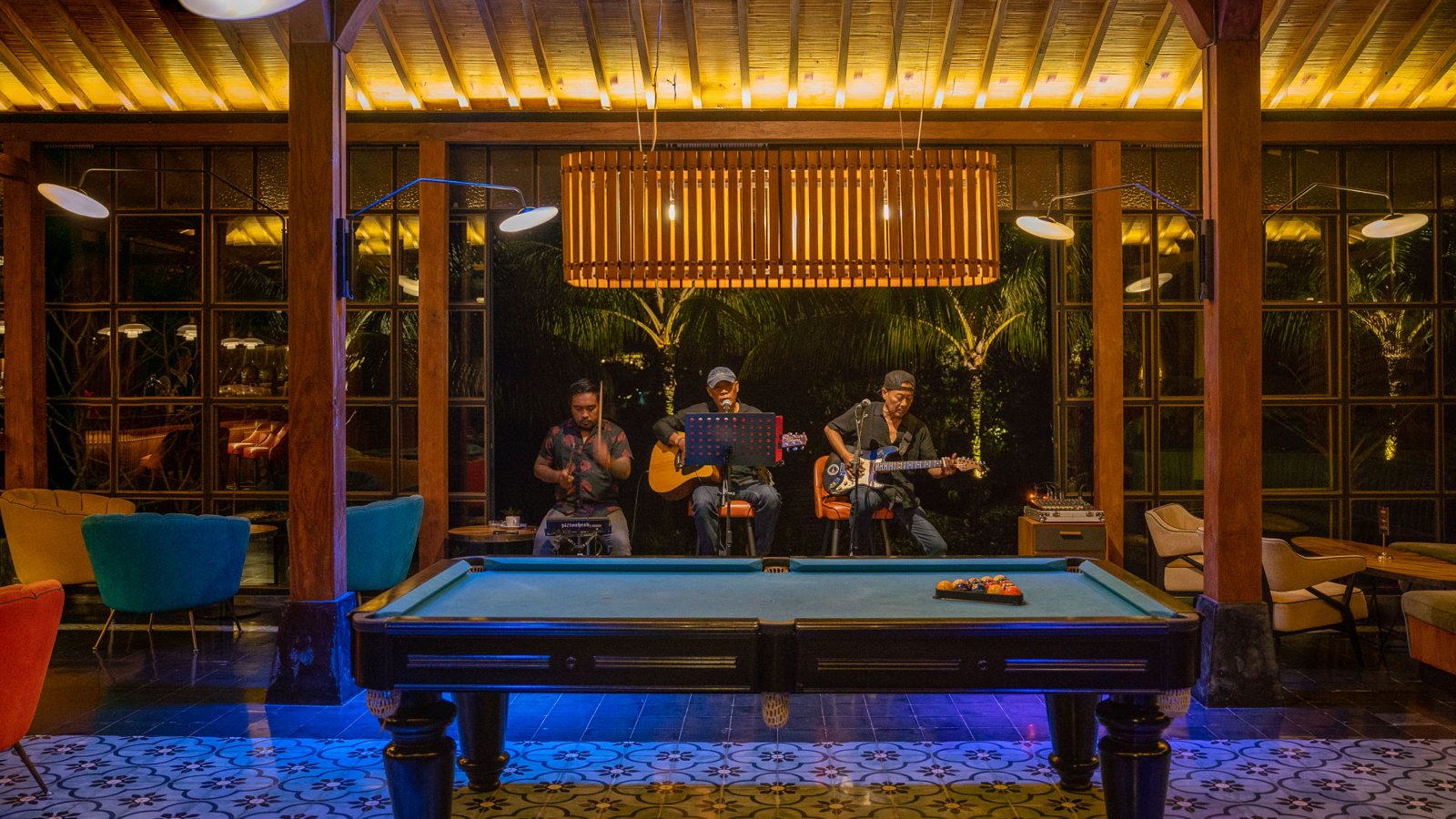
Elegant and relaxed atmosphere with lush jungle views, thatched roofs, and Zen-like tranquility from guest reviews praising serene settings and luxurious pools.
Tags
Vibe
Best For
Experience
Amenities
View
About the Stay
- Rooms
- 40
- Property Style
- Luxury Villa Resort with Balinese Architecture and Modern Comforts
- Design Style
- Balinese with Thatched Roofs, Open Air Pavilions, and Contemporary Luxury
Know before you go
Know Before You Go
- Getting there
- Br. Nagi, Jl. Lanyahan, Petulu, Kecamatan Ubud, Kabupaten Gianyar, Bali 80571
Planning details
Location
Br. Nagi, Jl. Lanyahan, Petulu, Kecamatan Ubud, Kabupaten Gianyar, Bali 80571 · Directions
Recognition and awards


Also consider
Where to look if this is full
Try Kamandalu Ubud first if the goal is another resort-led Ubud stay. Try The Purist Villas & Spa or Adiwana Suweta if the priority is keeping the trip easier to price and plan.
Hotel context
How it compares in Ubud
Viceroy Bali is the stronger splurge choice if external recognition and a polished resort setting matter. Compared with Kamandalu Ubud, it reads as the more confidence-led luxury pick; Kamandalu is the better cross-shop for travelers who want a broader resort feel and may be less focused on formal hotel accolades.
The Purist Villas & Spa and Adiwana Suweta are the more practical alternatives if value and easier planning matter more than prestige. They make sense for travelers who want an Ubud stay without committing to the hardest-to-secure end of the category.
Asvara Villa and Jannata Resort & Spa are better backups when privacy and a villa-style mood are the main goals. Choose Viceroy Bali when the trip needs a more assured luxury signal; choose those peers when the stay is more about space, simplicity, and lower pressure on the budget.
Explore Ubud
Around this place
Discover more on Pearl
Unlock the full Viceroy Bali guide in Pearl, including awards, comparisons, FAQs, planning details, and nearby places.
Compare Viceroy Bali
| Venue | Location | Awards |
|---|---|---|
| Viceroy Bali | Ubud | 2026 Forbes RecommendedMichelin 1 Key 20252025 Michelin 1 Key2025 Forbes RecommendedSmall Luxury Hotels Member 2025 |
| Kamandalu Ubud | Gianyar | No published awards |
| The Purist Villas & Spa | Ubud | 2025 Michelin 1 Key |
| Adiwana Suweta | Ubud | No published awards |
| Asvara Villa | Bali | No published awards |
| Jannata Resort & Spa | Bali | No published awards |
How Viceroy Bali Ubud compares with similar nearby venues.
FAQ
Frequently Asked Questions
Is Viceroy Bali good for business travel?
Viceroy Bali is in Ubud and has luxury recognition, including Michelin 1 Key (2025) and Forbes Recommended (2026). Whether it suits a business trip depends on the traveler's schedule, transport needs, and required facilities, which should be checked directly before booking.
When is the best time to book Viceroy Bali?
If Viceroy Bali is a priority for a Ubud trip, it is sensible to book once travel dates are firm. Its credentials include Small Luxury Hotels of the World Member (2025) and Michelin 1 Key (2025); check current availability before reserving.
Which room category is best at Viceroy Bali?
How does Viceroy Bali compare to nearby hotels?
Viceroy Bali has Michelin 1 Key (2025), Small Luxury Hotels of the World Member (2025), and Forbes Recommended (2026) recognition. Kamandalu Ubud, The Purist Villas & Spa, Adiwana Suweta, Asvara Villa, and Jannata Resort & Spa are useful alternatives to compare when weighing other stays.
Do loyalty programs work at Viceroy Bali?
Viceroy Bali is a Small Luxury Hotels of the World Member (2025). Travelers interested in loyalty benefits, booking-channel perks, or program eligibility should confirm those details before reserving.
How is the pool and spa at Viceroy Bali?
If the pool or spa is central to the stay, confirm the current offerings, hours, access rules, and any booking requirements directly with Viceroy Bali.
How is the dining at Viceroy Bali?
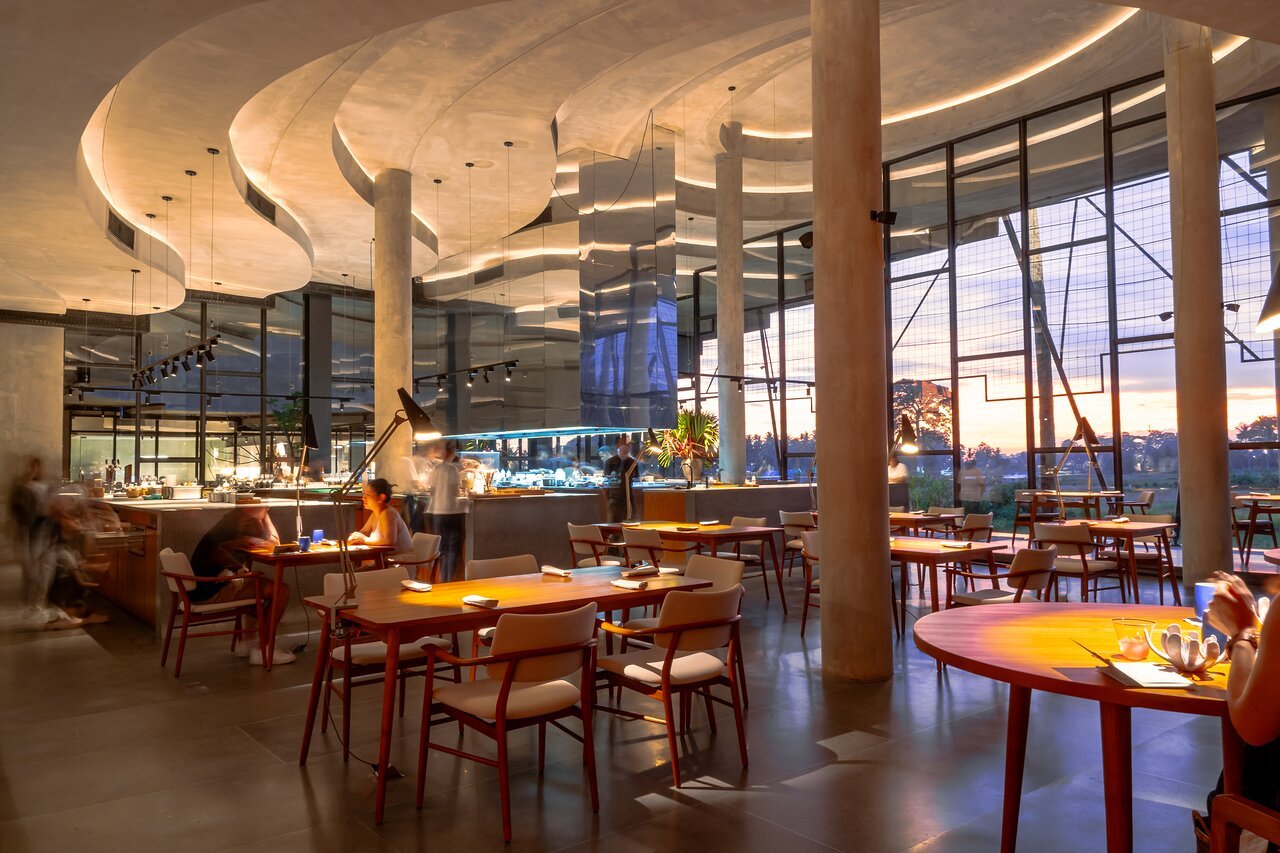
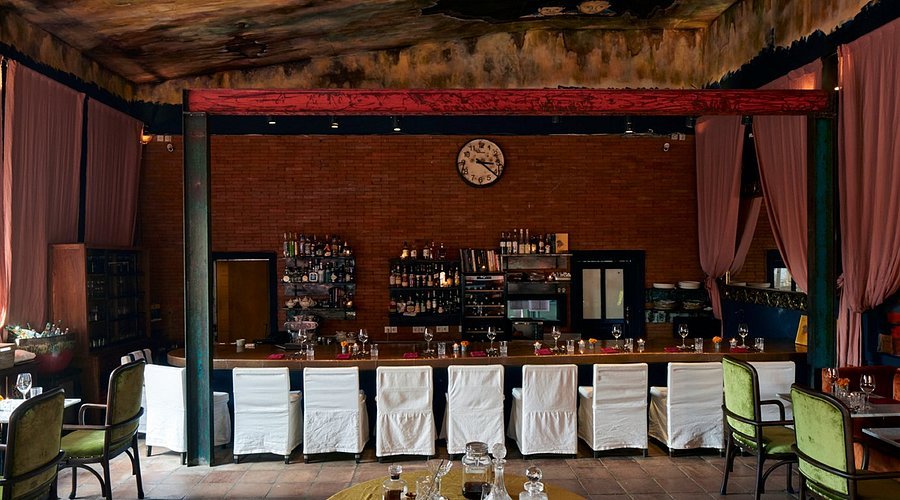
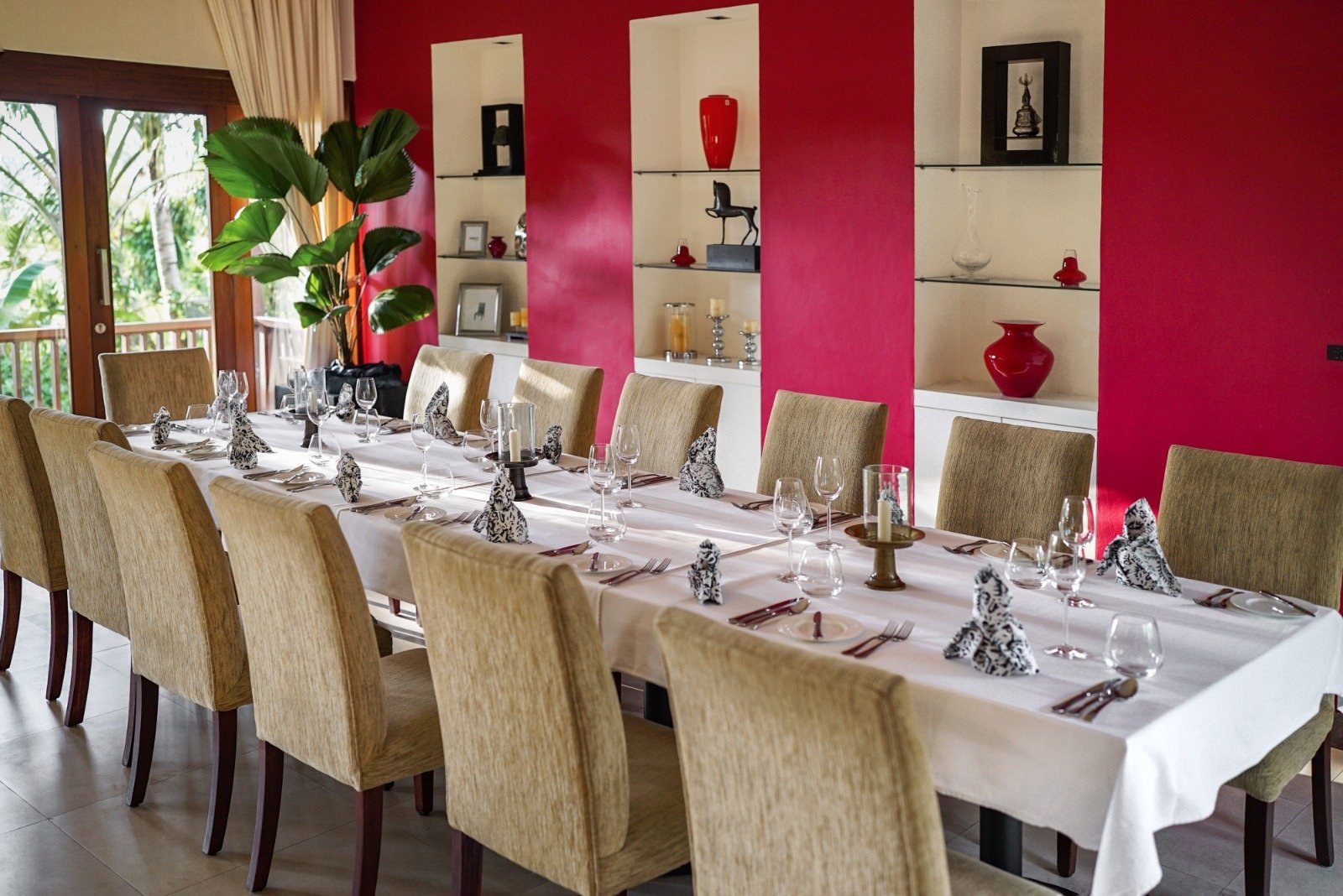
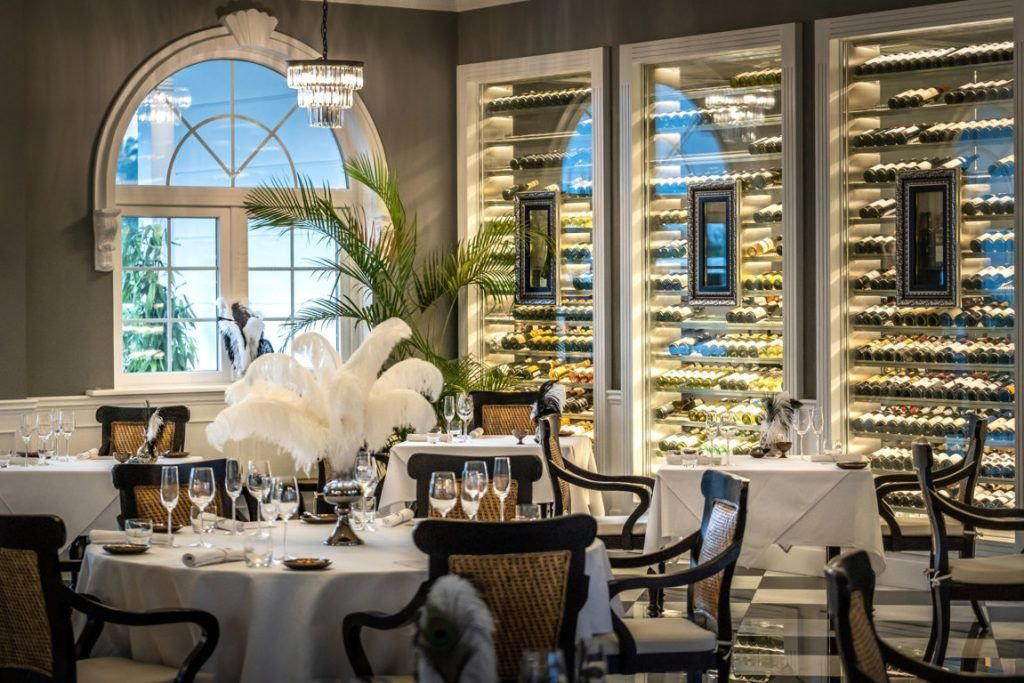
Viceroy Bali has a smart casual dress code. If dining is important to the stay, confirm the current restaurants, menus, hours, and reservation requirements directly with Viceroy Bali.