
Adiwana Suweta
Ubud
Hotel in Ubud, Indonesia
 Book with Pearl
Why go
Adiwana Suweta is a strong Ubud shortlist pick for couples and celebration trips that need a calm base rather than a large resort. Its MICHELIN Guide hotel selection for 2025 gives it a credible trust signal, but travelers who want major facilities, loyalty benefits, or a clearer dining-led stay should compare nearby Ubud alternatives before booking.
About Adiwana Suweta
Adiwana Suweta is a hotel in Ubud with a smart casual dress code and MICHELIN Guide, Hotels Selected recognition for 2025. Travelers should check current room types, facilities, dining, rates, and policies directly with the hotel or booking channel before committing.
For a Ubud stay, the practical question is whether Adiwana Suweta's profile matches the trip you are planning. If the recognition from the MICHELIN Guide is a useful trust signal and Ubud is the right base, it belongs on the shortlist. If your decision depends on specific amenities, dining details, loyalty benefits, or room configurations, check those details before booking.
A Ubud hotel with MICHELIN Guide recognition
Adiwana Suweta is listed in the MICHELIN Guide hotel selection for 2025. For travelers who prefer curated hotel options over an unvetted search, that recognition is a meaningful signal.
Travelers comparing hotel options in the area may also look at COMO Uma Ubud or The Purist Villas & Spa. Adiwana Suweta makes the strongest case when the combination of Ubud location, smart casual dress code, and MICHELIN Guide hotel recognition is enough to continue with a direct availability and policy check.
Who should book, and who should cross-shop
Bookers should treat Adiwana Suweta as a candidate for a Ubud hotel stay, not as a property where assumptions about facilities or dining should drive the decision. Confirm the room category, inclusions, cancellation terms, and any on-site services that matter to your trip before paying.
If you are comparing other stays, Jannata Resort & Spa, Chapung Sebali, and Asvara Villa are natural names to check alongside Adiwana Suweta. The right choice will depend on current availability, room needs, policies, and the kind of Ubud stay you want.
The practical verdict: Adiwana Suweta is worth considering if you want a Ubud hotel with MICHELIN Guide Hotels Selected recognition for 2025 and a smart casual dress code. Cross-shop before committing if your decision depends on specific amenities, dining, room layouts, or program benefits.
Planning details
- Location
- Jl. Suweta No.99, Ubud, Kecamatan Ubud, Kabupaten Gianyar, Bali 80571, Indonesia
- Website
- adiwanahotels.com/suweta-resort-ubud-bali
- Phone
- +62 361 6205050
The take
The Take
The Vibe
Adiwana Suweta presents itself as a quietly assured design-led hotel set on one of Ubud's residential streets. The property's architecture is foregrounded: compound walls, temple gates and garden greens form a continuous streetscape that privileges spatial coherence over spectacle. The write-up frames the hotel as part of a second tier of Ubud accommodation — smaller, curated stays where architectural storytelling and adherence to Balinese spatial systems define the experience. That emphasis on place-making produces a serene, restrained atmosphere that feels intimate and deliberate rather than flashy or sprawling.
Best For
This hotel suits travelers who value architectural intent and a quieter Ubud address. It appeals to guests seeking proximity to the palace and ceremonial heart without the bustle of Monkey Forest Road or Hanoman's retail strip. The comparison with larger international resorts makes clear that Adiwana Suweta prioritises atmosphere, design coherence and a scaled, curated stay — ideal for visitors who prefer thoughtful spatial design and calm streets over expansive branded amenities and all-inclusive programming.
Venue details
Ambiance
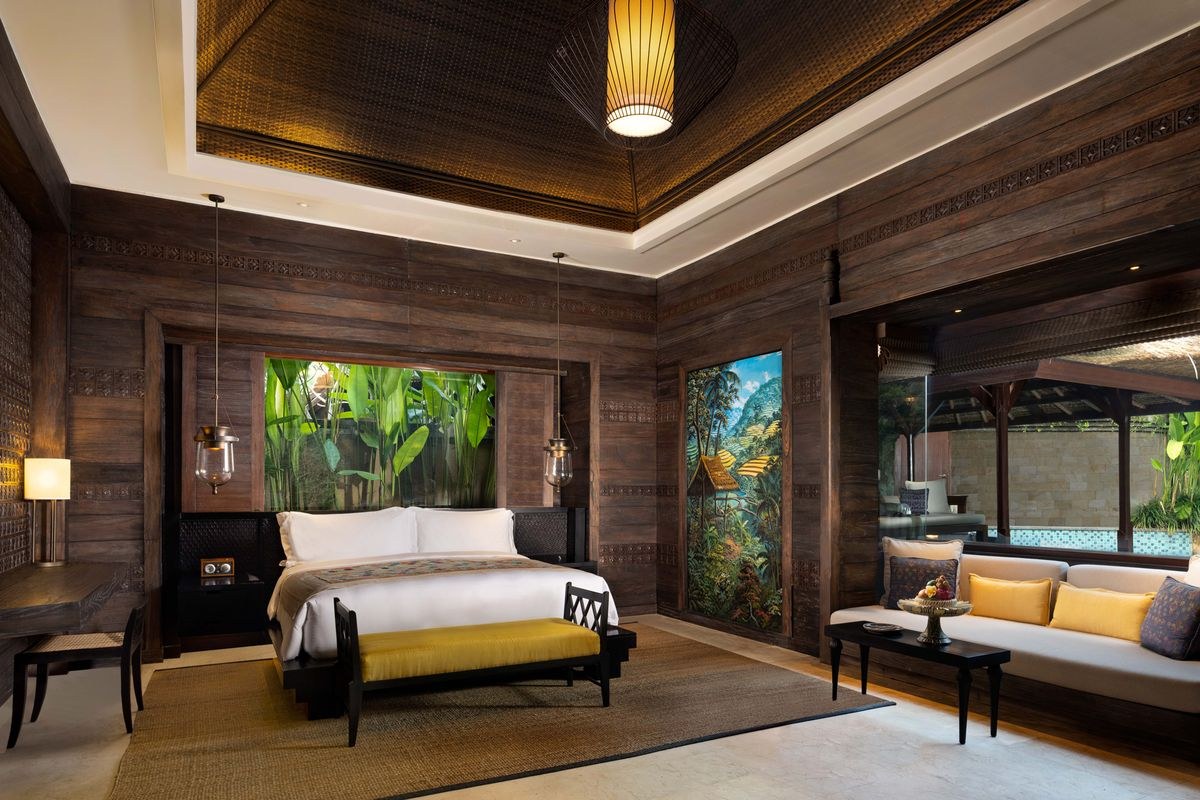
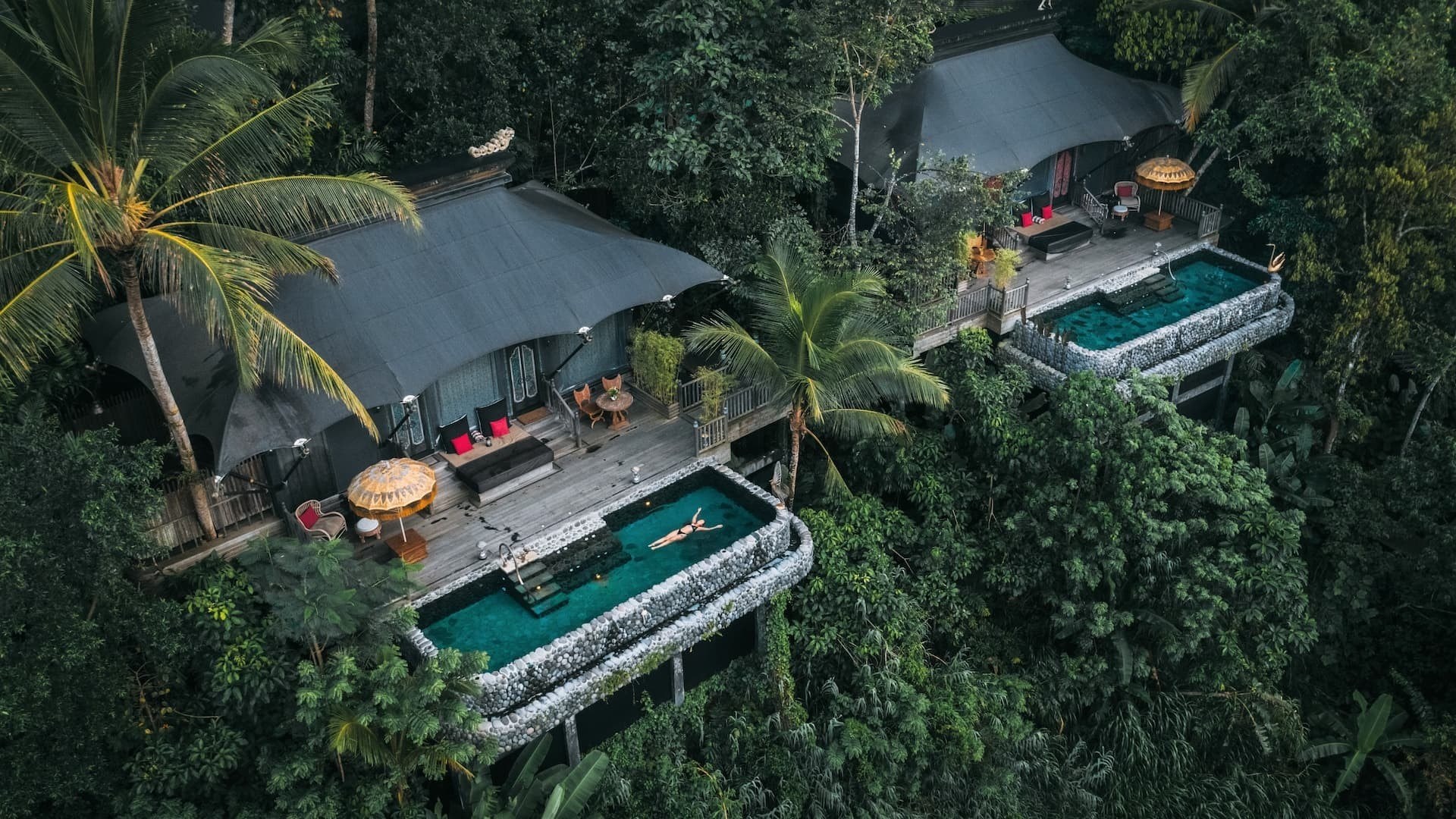
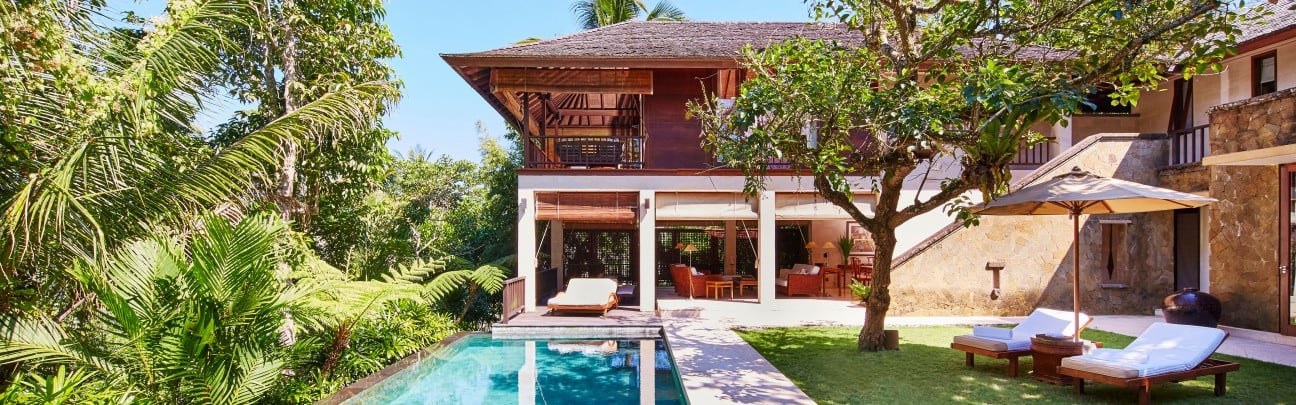
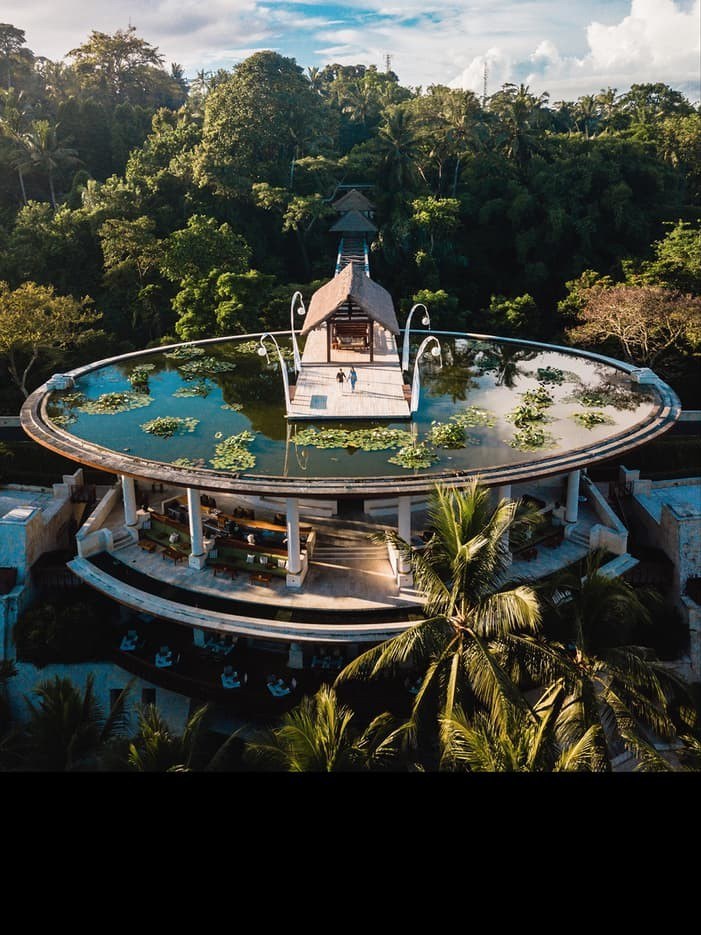
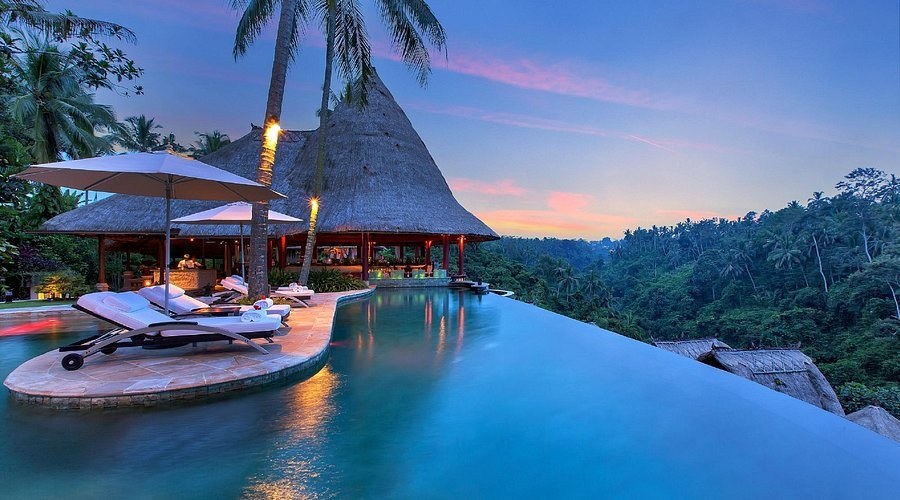
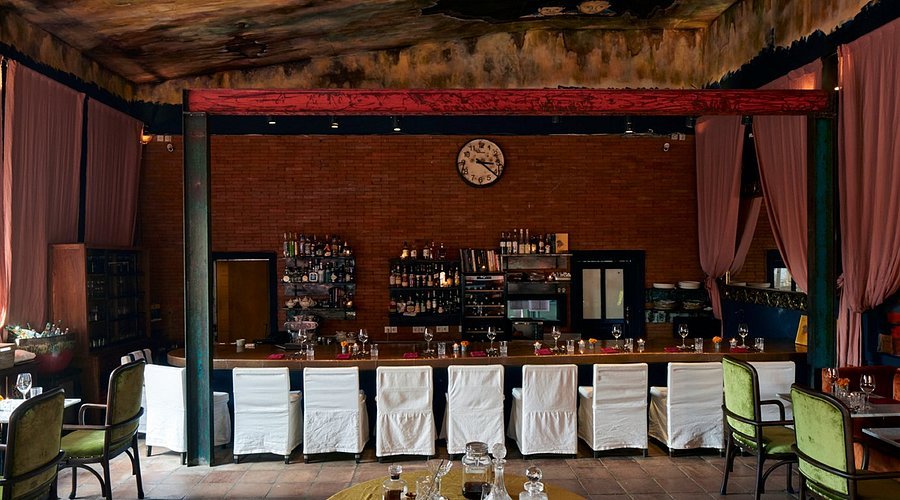
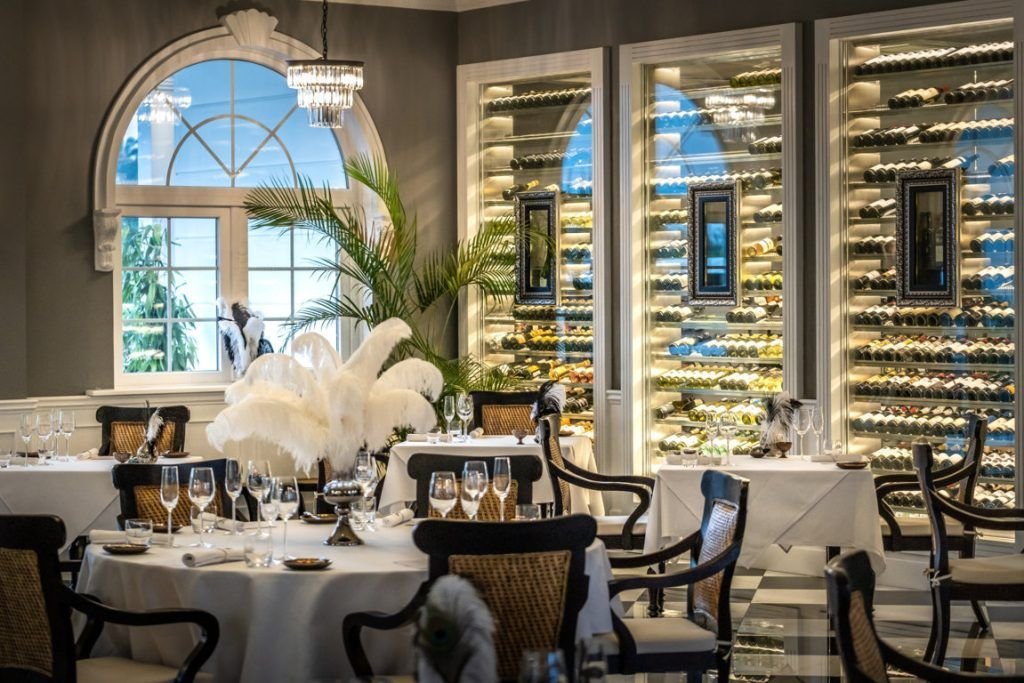
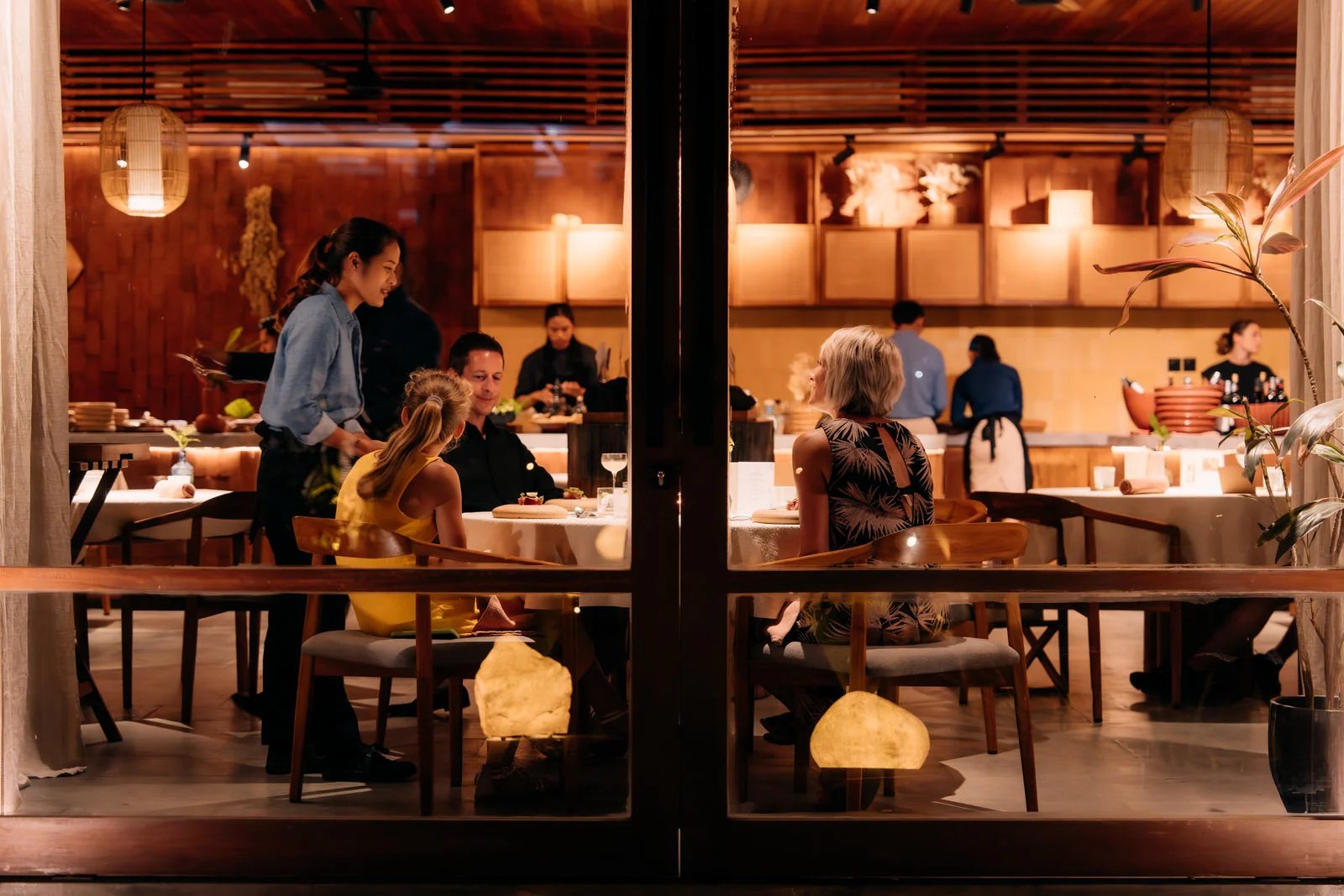
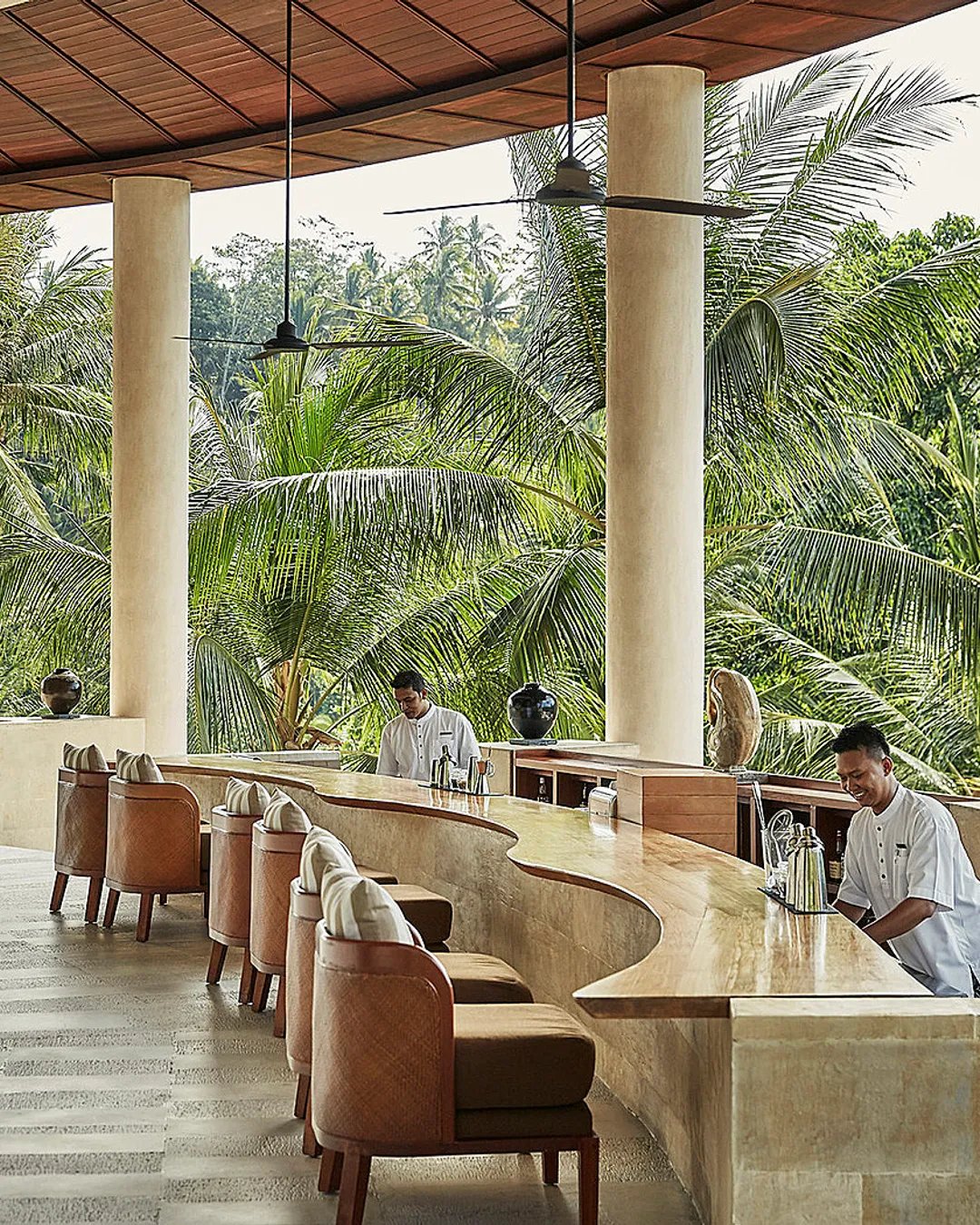
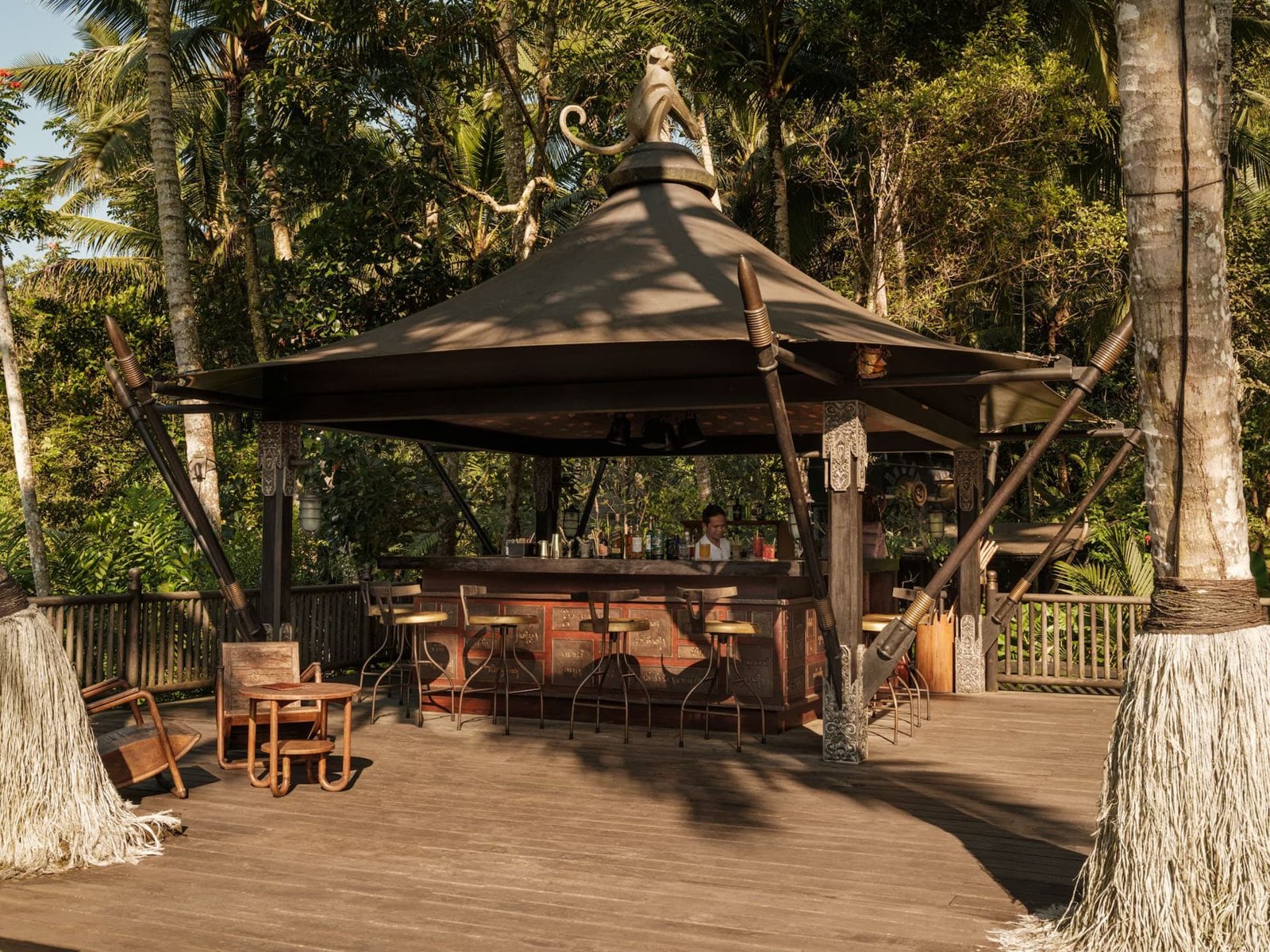
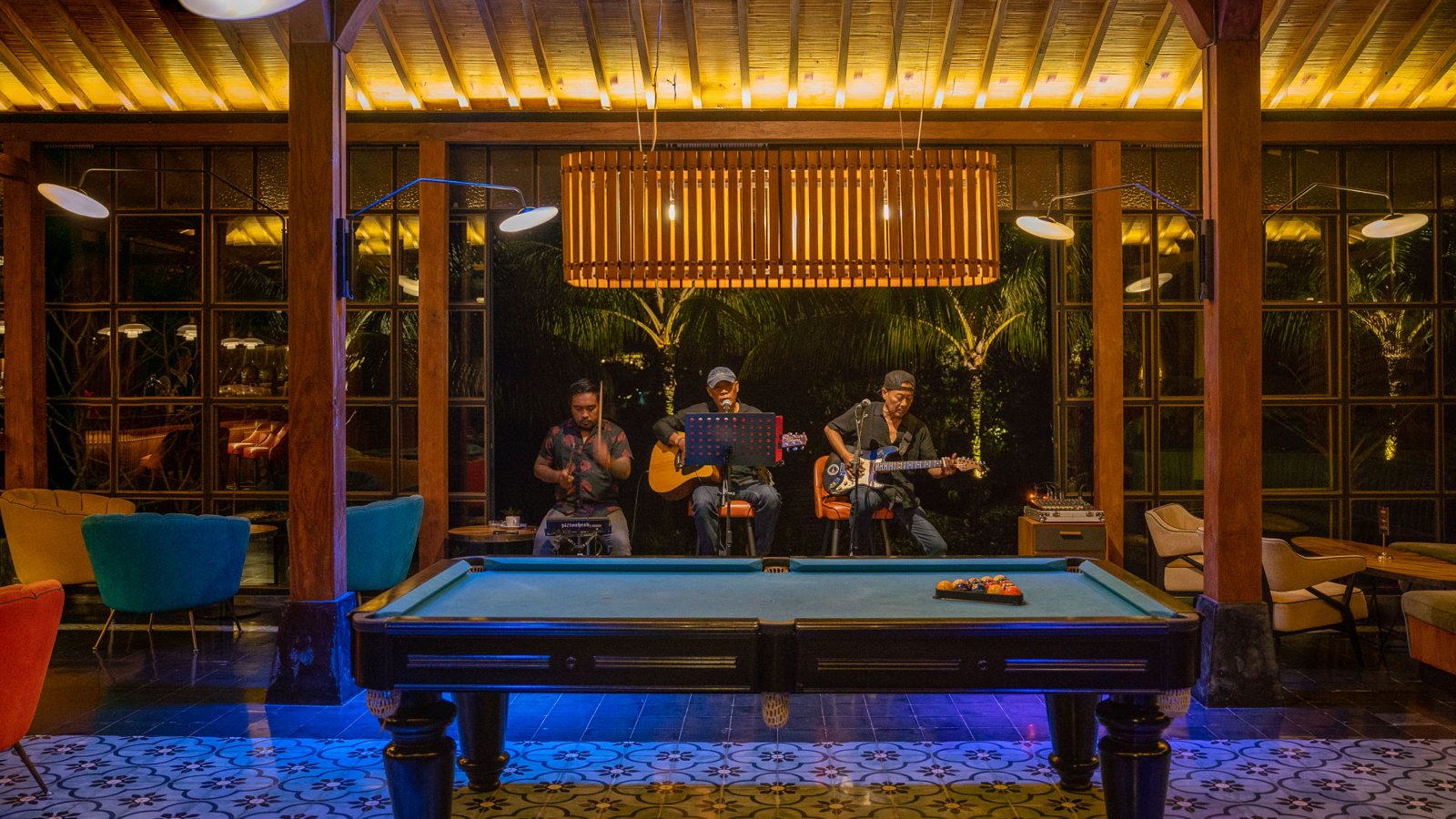
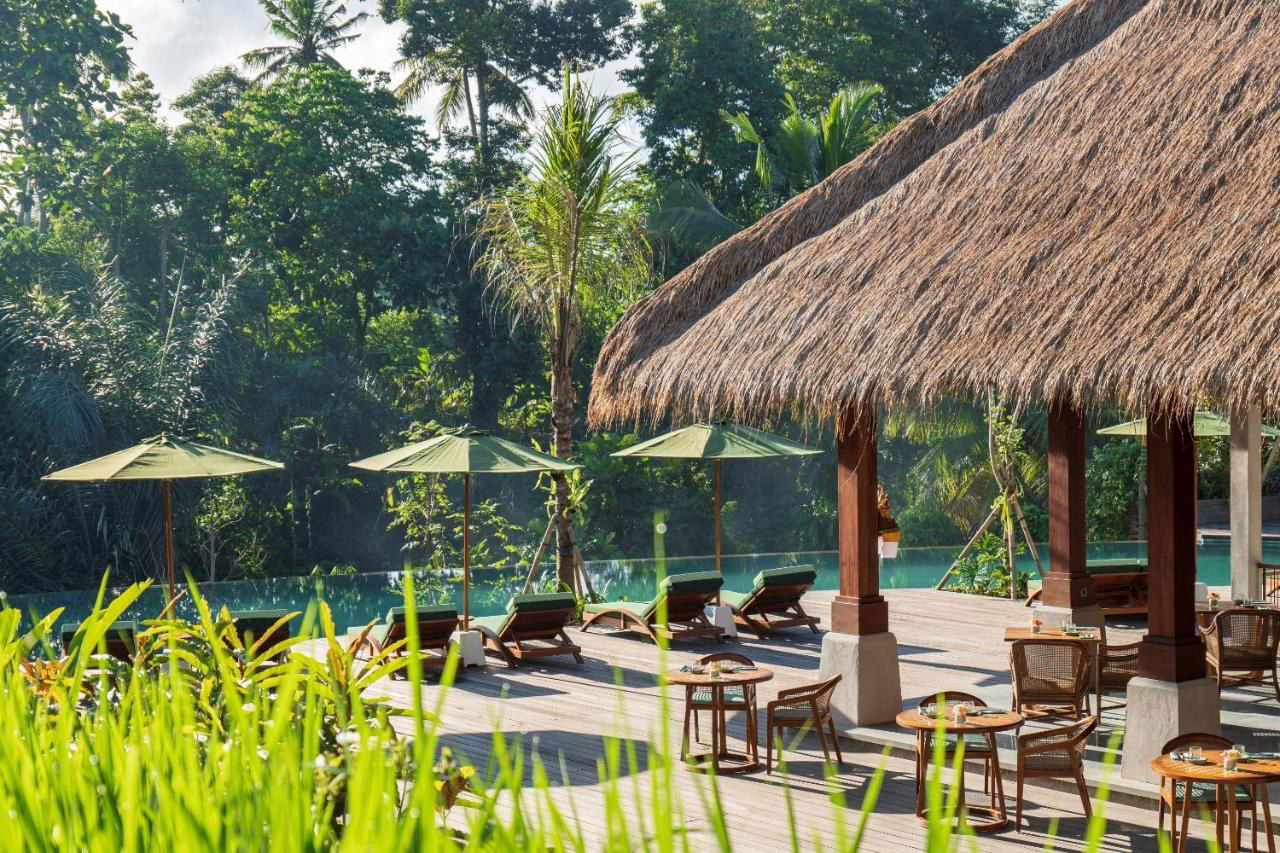
Serene and tranquil with lush jungle and garden surroundings, featuring high ceilings, hand-painted murals, and warm Balinese hospitality creating an intimate luxury atmosphere.
Tags
Vibe
Best For
Experience
Amenities
View
Accessibility
About the Stay
- Rooms
- 34
- Check-in
- 14:00
- Check-out
- 12:00
- Property Style
- Contemporary Balinese Luxury Resort Blending Modern Design with Traditional Cultural Elements and Eco Friendly Practices.
- Design Style
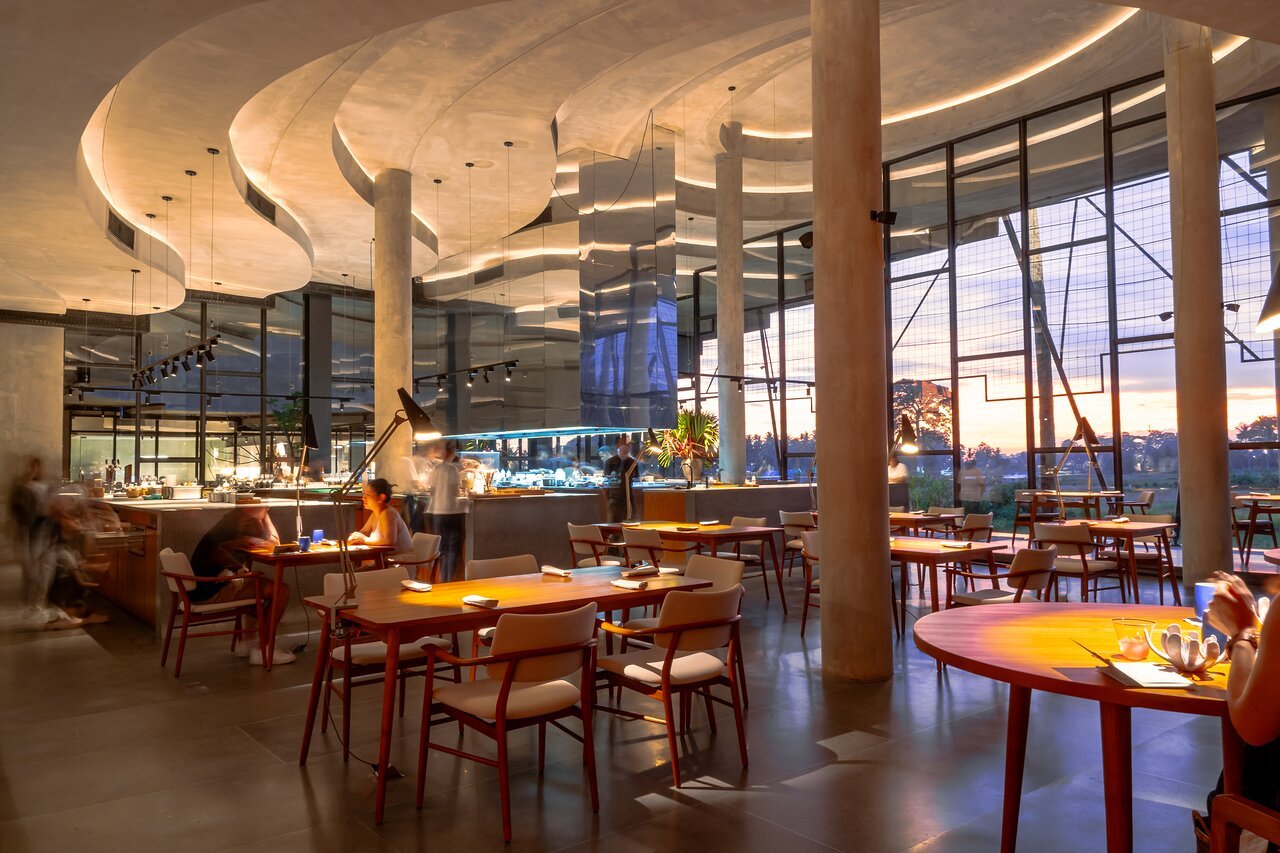
- Contemporary Balinese with High Ceilings, Carved Detailing, Hand Painted Murals, Natural Materials, and Jungle Facing Architecture.
Know before you go
Know Before You Go
- Getting there
- Jl. Suweta No.99, Ubud, Kecamatan Ubud, Kabupaten Gianyar, Bali 80571, Indonesia
Planning details
Location
Jl. Suweta No.99, Ubud, Kecamatan Ubud, Kabupaten Gianyar, Bali 80571, Indonesia · Directions
Recognition and awards
Also consider
Also Consider
- The Purist Villas & Spa, Notable alternative
- Asvara Villa, Notable alternative
- Jannata Resort & Spa, Notable alternative
- Chapung Sebali, Notable alternative
- COMO Uma Ubud, Notable alternative
Hotel context
How it compares in Ubud
Adiwana Suweta is the better fit if the priority is a quieter Ubud base with a curated-hotel signal rather than a large resort identity. COMO Uma Ubud is the stronger cross-shop for travelers who want a more established international luxury feel, while The Purist Villas & Spa is the more direct comparison for a villa-and-spa stay within Ubud.
For ambiance, choose Adiwana Suweta for softer retreat energy and a north Ubud base. Choose Chapung Sebali if the trip needs a broader resort mood, or Jannata Resort & Spa if the group wants a resort-style stay outside the central flow. Asvara Villa is the clearer alternative when private-villa framing matters more than a hotel setting.
Booking difficulty is listed as easy for Adiwana Suweta, which helps if the trip is coming together close to travel dates. Value will come down to the live rate and room category: pick this hotel when calm and location feel justify the spend, but cross-shop COMO Uma Ubud for brand confidence and The Purist Villas & Spa for a more villa-forward comparison.
Explore Ubud
Around this place
Discover more on Pearl
Unlock the full Adiwana Suweta guide in Pearl, including awards, comparisons, FAQs, planning details, and nearby places.
Compare Adiwana Suweta
| Venue | Location | Awards |
|---|---|---|
| Adiwana Suweta | Ubud | 2025 Michelin Selected Hotels |
| The Purist Villas & Spa | Ubud | 2025 Michelin 1 Key |
| Asvara Villa | Bali | No published awards |
| Jannata Resort & Spa | Bali | No published awards |
| Chapung Sebali | Ubud | 2025 Michelin 1 Key |
| COMO Uma Ubud | Ubud | 100 Most Incredible Hotels in the World · 20262026 Mr & Mrs Smith Luxury Hotels2025 Conde Nast Best Resorts · #12025 Michelin Selected Hotels |



How Adiwana Suweta Ubud compares with similar nearby venues.
FAQ
Frequently Asked Questions
Which room category is best at Adiwana Suweta?
The best room category depends on your trip. Check current room descriptions, occupancy limits, and inclusions directly with the hotel or booking channel before choosing. Adiwana Suweta is in Ubud.
How is the dining at Adiwana Suweta?
For dining, check the hotel's current restaurant and menu information before booking. Adiwana Suweta has MICHELIN Guide Hotels Selected recognition for 2025, a hotel listing distinction rather than a restaurant-format or menu detail.
Is Adiwana Suweta family-friendly?
If you are traveling with children or a larger group, confirm occupancy rules, room layouts, and relevant policies before booking. The Purist Villas & Spa and Jannata Resort & Spa are also worth checking as comparison options.
Is Adiwana Suweta good for business travel?
How is the pool and spa at Adiwana Suweta?
If pool and spa facilities are important to the trip, confirm current availability and access with the hotel before booking. Chapung Sebali is another option to compare for a Ubud stay.
Do loyalty programs work at Adiwana Suweta?
Check the booking channel and hotel policies before committing. COMO Uma Ubud is another nearby option to compare if program benefits or brand consistency matter to your decision.