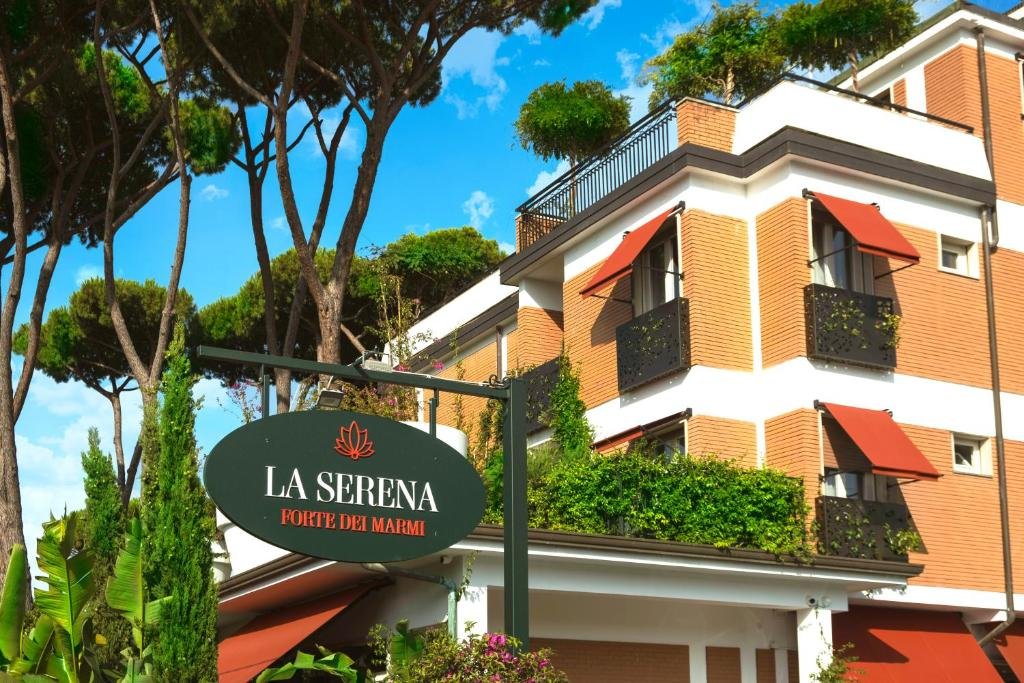


La Serena Hotel Forte Dei Marmi
Forte dei Marmi, Tuscany
Hotel in Tuscany, Italy
 Book with Pearl
The Read
Price
$300–500per night
Why go
La Serena Hotel Forte Dei Marmi is a good fit for a polished Forte dei Marmi stay when timing and rate line up, especially for couples or celebration trips. Cross-shop closely in peak summer: Grand Hotel Imperiale, Hotel Principe Forte dei Marmi, Villa Roma Imperiale, Hotel Byron, and The Magic Forte dei Marmi may suit different budgets and atmosphere preferences.
About La Serena Hotel Forte Dei Marmi
La Serena Hotel Forte Dei Marmi is a Tuscany hotel with a smart-casual dress code and 2026 recognition from Star Wine List and Forbes Soon To Be Rated. Travelers should check room types, amenities, rates, and booking conditions directly before choosing it for a specific trip.
The best approach is practical comparison rather than assumption. Consider La Serena Hotel Forte Dei Marmi if its dates, price, and details fit your Tuscany plans, then compare it with other named options before committing.
Book for the season, not just the room
The safer way to assess La Serena Hotel Forte Dei Marmi is to focus on the offer available for your exact dates. Value depends on what the hotel confirms at the time of booking, including room category, amenities, services, and rates.
Star Wine List and Forbes Soon To Be Rated give the hotel a useful 2026 recognition signal. Still, those accolades should not replace direct checks on the essentials: room type, cancellation terms, inclusions, and any services that matter for your stay.
Who should choose it over other hotel options
La Serena Hotel Forte Dei Marmi is worth considering if you want a smart-casual Tuscany hotel and are comfortable confirming the practical details directly. If you are comparing before booking, also look at Grand Hotel Imperiale, Hotel Principe Forte dei Marmi, Villa Roma Imperiale, Hotel Byron, and The Magic Forte dei Marmi.
The decision is simple: book when the offer matches your plans. If key details are unclear, compare the alternatives first and ask the hotel directly before committing.
Planning details
- Location
- Via Matteo Civitali
- Website
- laserenahotel.it/?r=0
- Phone
- 39-0584-881-188
The take
The Take
The Vibe
La Serena positions itself as a contemporary outlier on the Versilian coast, favoring bold colour, modern art and curated interiors over the region's usual patina and rustic references. The hotel reads like a boutique design project—confident, visually focused and quietly luxurious—appealing to travellers who prize curation over provenance. Its scale and clientele skew private and low-key, so public spaces feel considered rather than boisterous. Overall the property delivers a restrained, stylish experience that feels intentional and personal, a refined counterpoint to the more historic or heritage-driven hotels in Tuscany.
Best For
This hotel is best for travellers who want a quietly polished coastal escape rather than a conventional Tuscan retreat. It suits design-minded couples on a romantic getaway, guests seeking a tranquil weekend escape, and people who prefer discreet luxury and thoughtful interiors to heritage storytelling. The property rewards repeat visitors and those who already know the area, so it's ideal for guests who appreciate privacy, contemporary curation and a low-key coastal setting rather than a bustling resort atmosphere.
Venue details
Ambiance
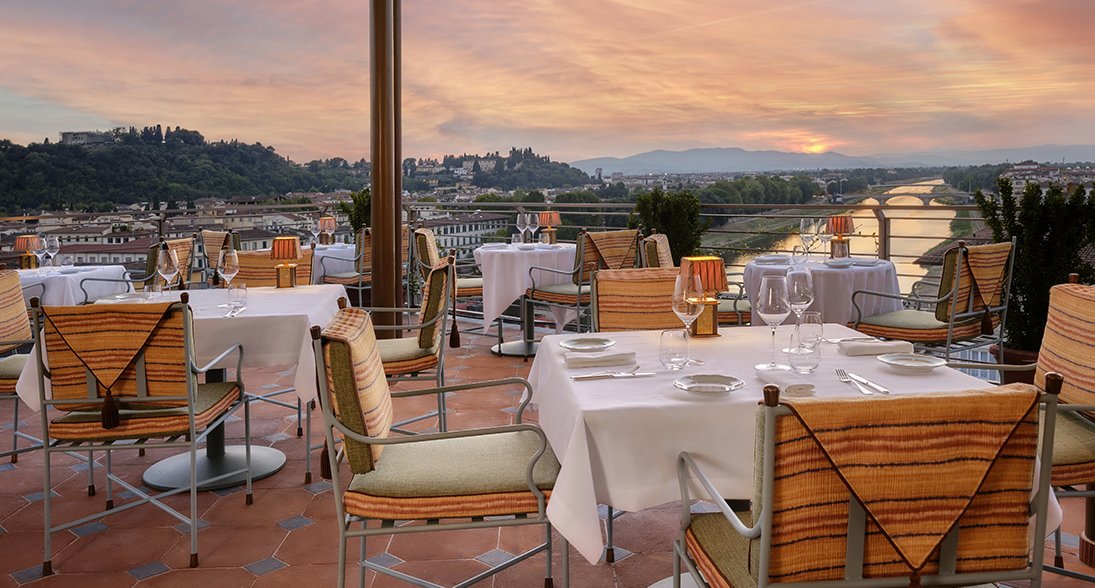
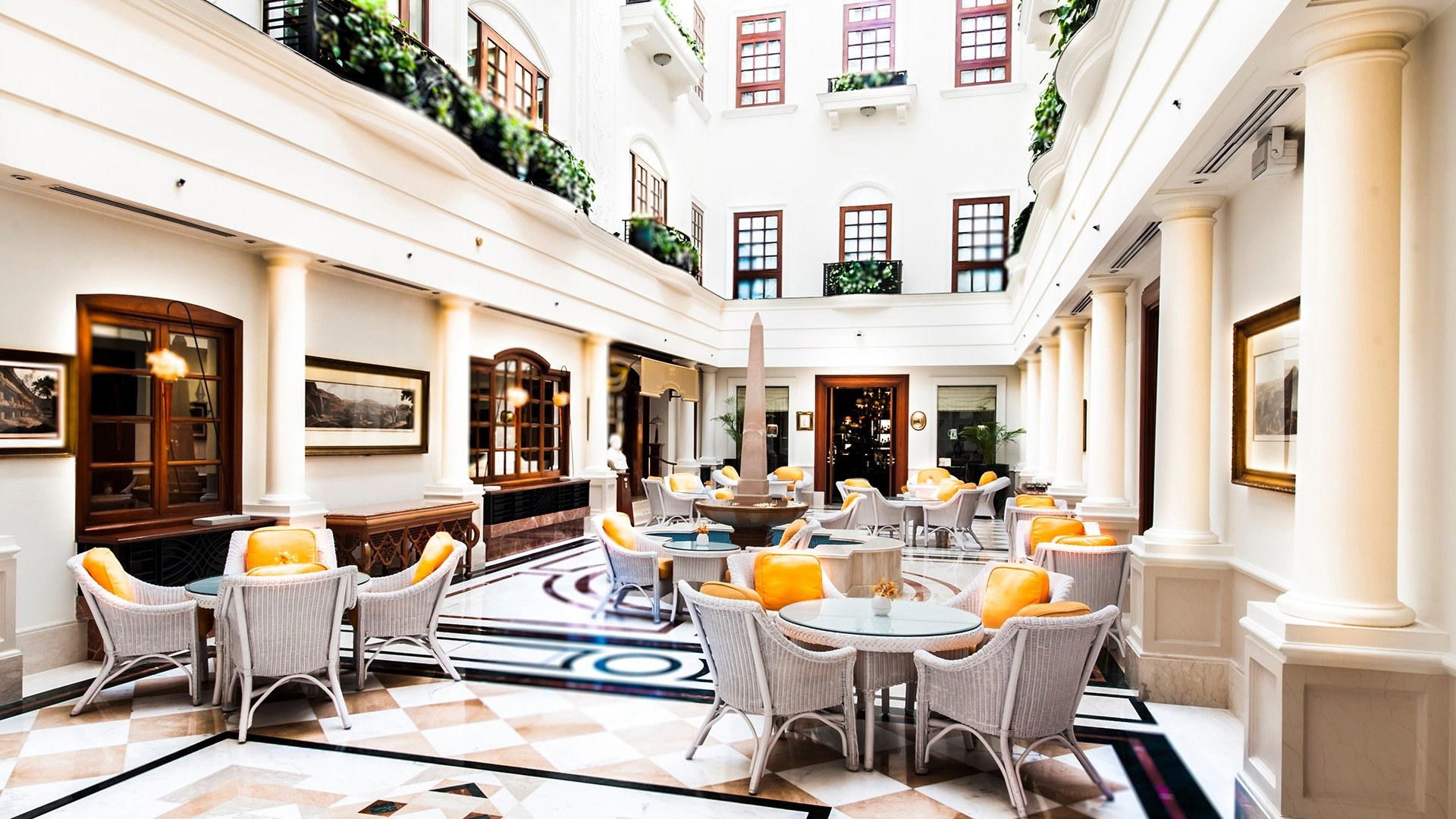
Soft natural light, warm woods, vibrant artworks, and manicured gardens create a refined, artistic, and relaxed atmosphere.
Tags
Vibe
Best For
Experience
Amenities
View
Accessibility
About the Stay
- Rooms
- 30
- Check-in
- 14:00
- Check-out
- 11:00
- Property Type
- Boutique hotel
- Property Style
- Art Led Luxury Boutique with Hyper Personalized Service
- Design Style
- Contemporary Minimalist with Vibrant Art and Natural Materials
- Airport Transfer
- Available
- Pool
- Yes
- Families
- Welcome
- Cancellation
- Moderate
Know before you go
Know Before You Go
- Getting there
- Via Matteo Civitali
Planning details
Location
Recognition and awards


Also consider
Also Consider
- The Magic Forte dei Marmi, Notable alternative
- Grand Hotel Imperiale, Notable alternative
- Hotel Principe Forte dei Marmi, Notable alternative
- Villa Roma Imperiale, Notable alternative
- Hotel Byron, Notable alternative
Hotel context
How it compares in Forte dei Marmi
Choose La Serena Hotel Forte Dei Marmi if the rate is meaningfully better than the bigger-name luxury options and the trip is centered on a composed coastal stay. Grand Hotel Imperiale and Hotel Principe Forte dei Marmi are the more obvious cross-shops when the budget allows for a higher-service, more established hotel experience.
For atmosphere, Villa Roma Imperiale and Hotel Byron are better comparisons for travelers who want a quieter, more residential-feeling stay. La Serena makes more sense when the priority is a polished base and the booking window is already tight, not when the hotel itself needs to be the main event.
If value is the deciding factor, also compare The Magic Forte dei Marmi. During peak Forte dei Marmi dates, the right answer is often the hotel with the cleanest rate-to-room match rather than the flashiest name.
Explore Tuscany
Around this place
Discover more on Pearl
Unlock the full La Serena Hotel Forte Dei Marmi guide in Pearl, including awards, comparisons, FAQs, planning details, and nearby places.
Compare La Serena Hotel Forte Dei Marmi
| Venue | Location | Awards |
|---|---|---|
| La Serena Hotel Forte Dei Marmi | Tuscany | Star Wine Lists 20262026 Forbes Soon To Be Rated |
| The Magic Forte dei Marmi | Forte dei Marmi | No published awards |
| Grand Hotel Imperiale | Forte dei Marmi | 2025 Michelin Selected HotelsPreferred Hotels L.V.X. Collection 2025 |
| Hotel Principe Forte dei Marmi | Forte dei Marmi | 2026 Virtuoso Luxury Hotel Collection2026 Forbes 4-StarLeading Hotels of the World 20262026 Michelin 1 Key2025 Michelin 1 Key2025 Forbes 4-Star2024 Michelin 1 Key |
| Villa Roma Imperiale | Forte dei Marmi | No published awards |
| Hotel Byron | Forte dei Marmi | No published awards |






How La Serena Hotel Forte Dei Marmi compares with similar nearby venues.
FAQ
Frequently Asked Questions
When is the best time to book La Serena Hotel Forte Dei Marmi?
Book when the hotel can confirm the room type, rate, cancellation terms, and any inclusions that matter for your Tuscany stay. Star Wine List and Forbes Soon To Be Rated recognition for 2026 are useful signals, but practical booking details should be checked directly.
Do loyalty programs work at La Serena Hotel Forte Dei Marmi?
If loyalty benefits matter, confirm directly with La Serena Hotel Forte Dei Marmi before booking and compare with options such as Grand Hotel Imperiale or Hotel Principe Forte dei Marmi.
How is the location of La Serena Hotel Forte Dei Marmi?
How does La Serena Hotel Forte Dei Marmi compare to other hotels?
Compare rates, room types, policies, and services for your dates. Other options to check include Grand Hotel Imperiale, Hotel Byron, Hotel Principe Forte dei Marmi, Villa Roma Imperiale, and The Magic Forte dei Marmi.
Is La Serena Hotel Forte Dei Marmi good for business travel?
Which room category is best at La Serena Hotel Forte Dei Marmi?
Ask the hotel to confirm the available categories, views, bed setup, inclusions, and cancellation terms before choosing.