
XELA Tulum
Tulum
Hotel in Tulum, Mexico
 Book with Pearl
Why go
XELA Tulum is a practical shortlist pick for travelers who want a design-led stay on Tulum's beach road without a difficult booking process. Its 2026 Design Hotels membership is the main trust signal; choose it for location and design positioning, but confirm room category details before paying for an upgrade.
About XELA Tulum
XELA Tulum is a Tulum hotel, listed as a 2026 Design Hotels member. Beyond that recognition, details are limited, so it is best evaluated as a design-positioned Tulum stay rather than as a hotel with a fully documented set of amenities, services, dining, or room-specific claims.
Choose it if room design matters more than resort depth
XELA Tulum's 2026 Design Hotels membership places it in a design-conscious hotel context. As details regarding room categories, amenities, dining, price, or services are not specified, travelers should confirm any must-have features directly before booking rather than assuming a particular resort program or room setup.
For wider planning in Tulum, use Our full Tulum hotels guide, then cross-check restaurants, bars, and activities through Our full Tulum restaurants guide, Our full Tulum bars guide, and Our full Tulum experiences guide.
Who should shortlist it
XELA Tulum makes the most sense for travelers who value a Design Hotels-affiliated stay in Tulum and are comfortable verifying practical details before committing.
Planning details
- Location
- Carr. Tulum-Boca Paila KM 8.7, Tulum 77780, Mexico
- Website
- xelatulum.com
The take
The Take
The Vibe
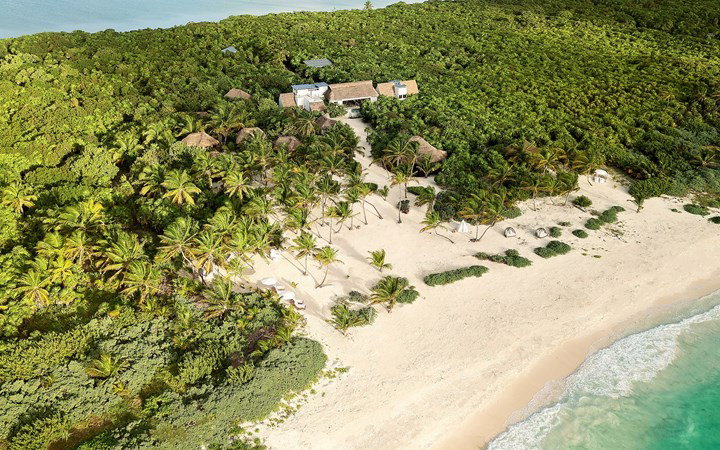
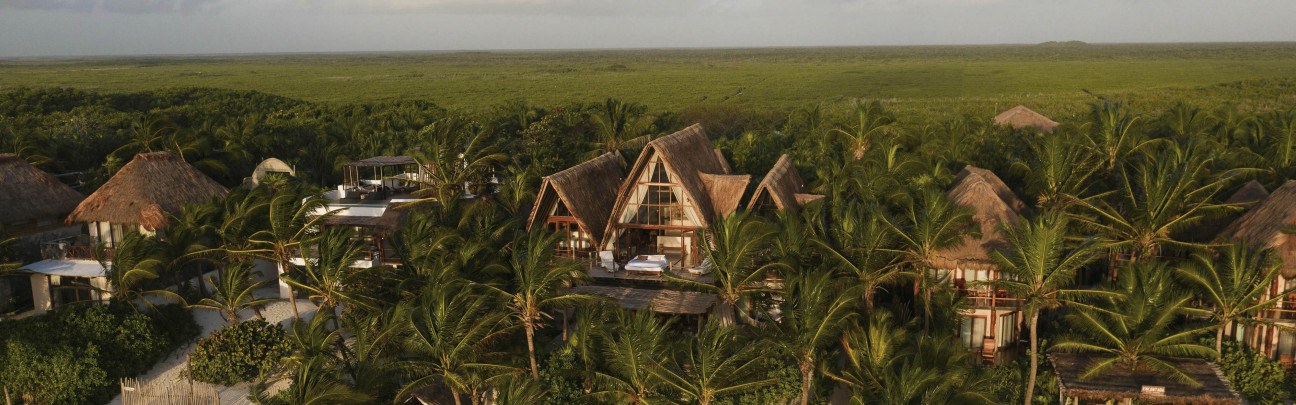
XELA Tulum presents a quietly chosen seclusion rather than a performative social scene. Set well down the Boca Paila corridor where development thins and mangroves close in, the property leans into a house‑guest, private‑villa format that privileges proximity to the Caribbean over public programming. The tone is deliberately low‑key: guests arrive expecting privacy and slow rhythms, and the hotel responds with uninterrupted outdoor space and an intimate staff presence. It reads less like a buzzing beach club and more like a considered retreat for travelers who value solitude, thoughtful design and unobtrusive service.
Best For
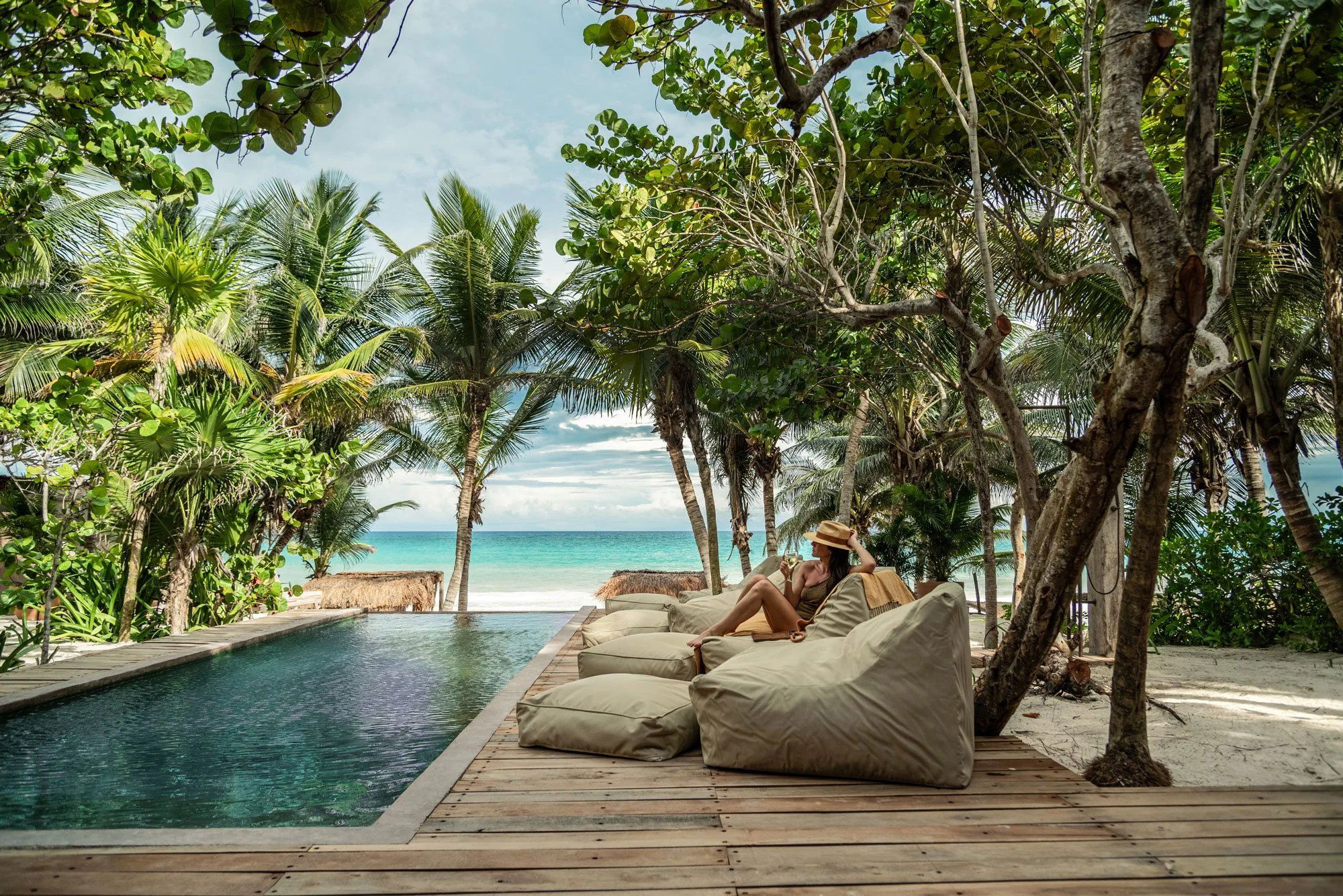
This property is best for travelers seeking privacy and a slow, beach‑adjacent escape rather than on‑strip nightlife. Its private villa layout and remote location suit couples and small groups who plan ahead, honeymooners and anyone after a wellness‑minded break by the sea. Because the stay centers on undisturbed coastline and personalized staff attention, it appeals to guests who prioritize having outdoor space, including a private pool, and a flexible daily rhythm over the amenities and social programming of busier Tulum hotels.
Stay Tips
Book well in advance and come prepared to embrace the house‑guest rhythm: arrivals are deliberate and the property caters to guests who plan their stay ahead of time. Expect flexible service hours and a high staff-to-guest ratio that makes bespoke requests straightforward. Treat the team as a resource for timing activities and arranging beach access rather than assuming a bar‑forward, walk‑in social scene; availability of shared amenities is oriented around the private‑villa model.
Venue details
Ambiance
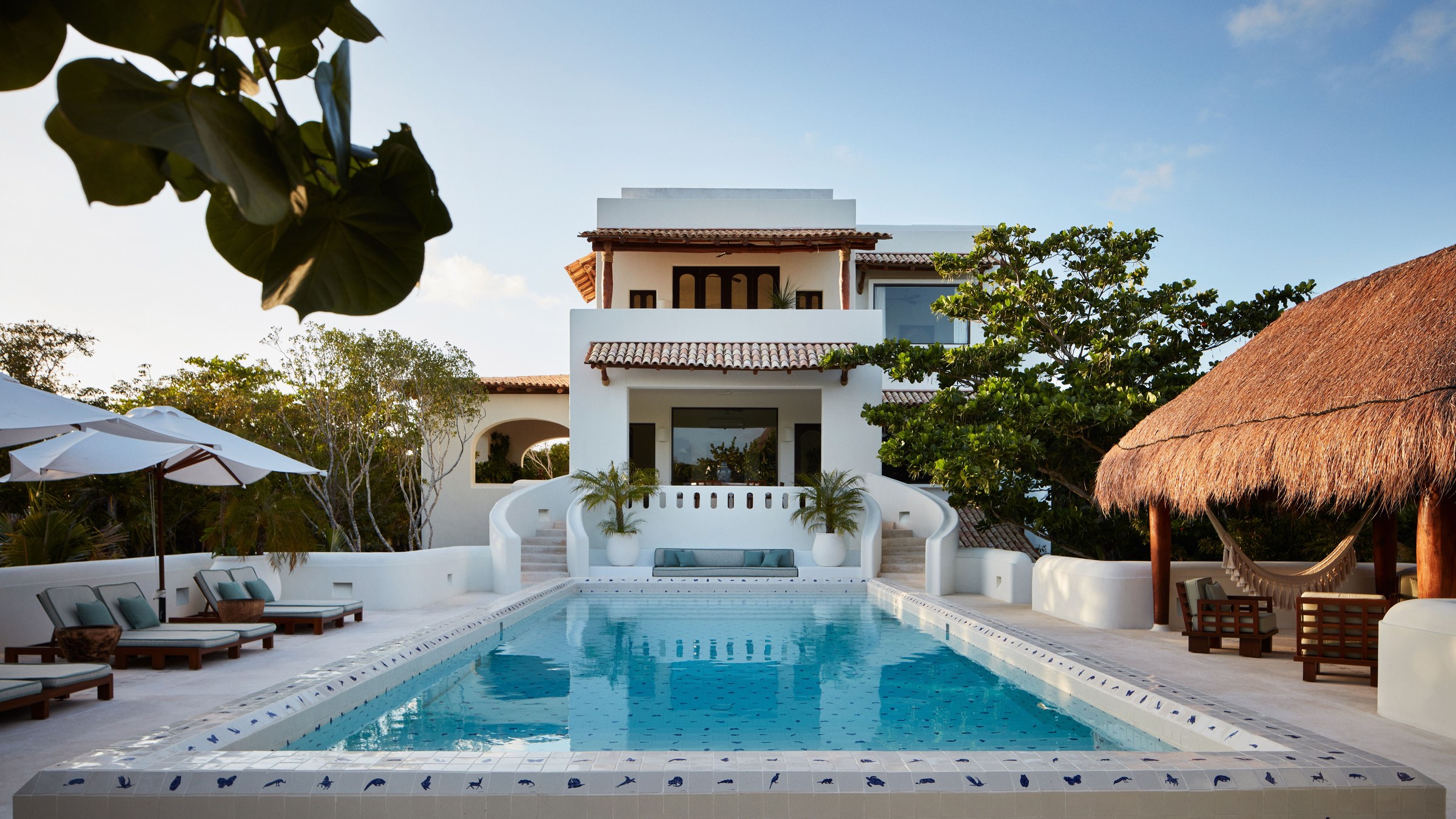
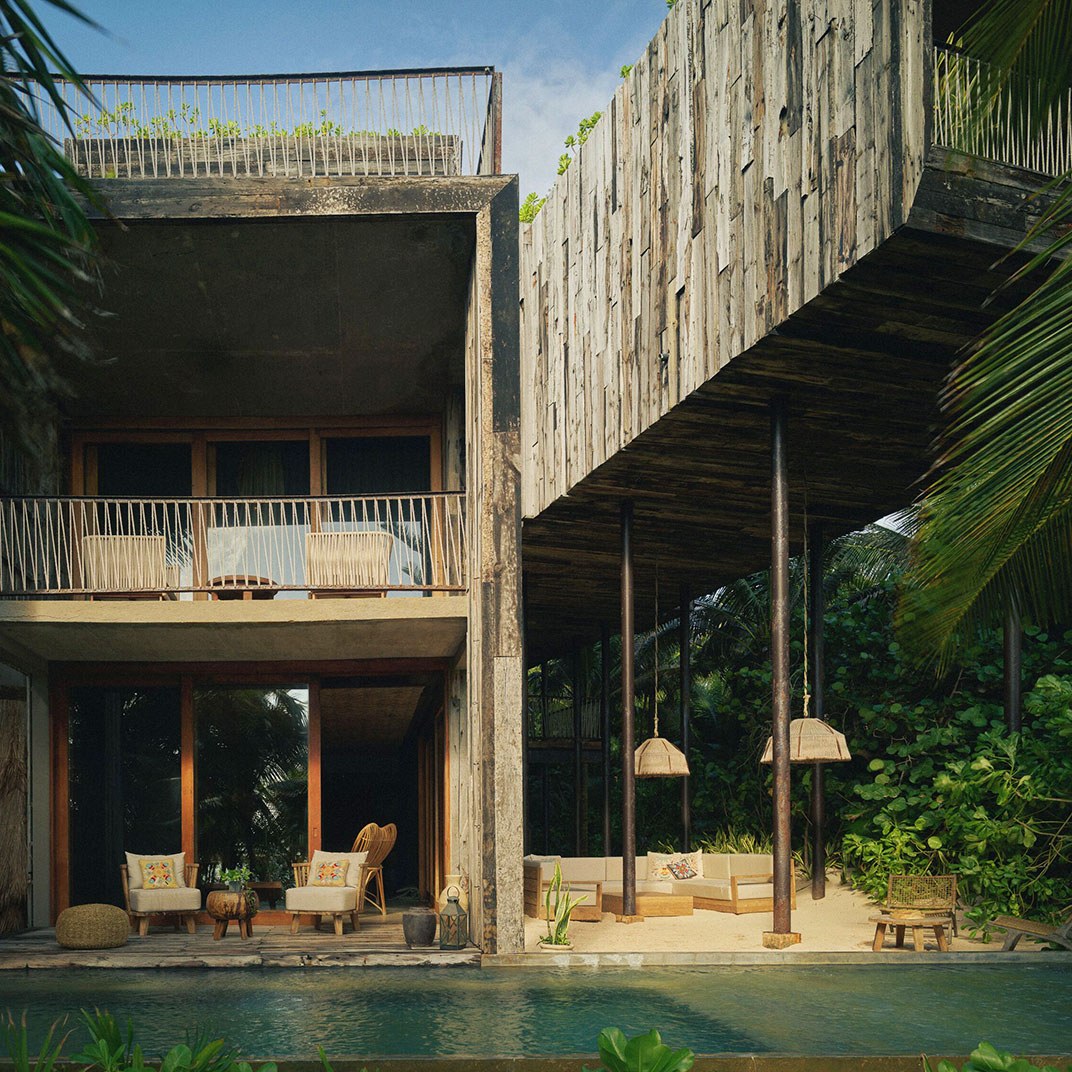
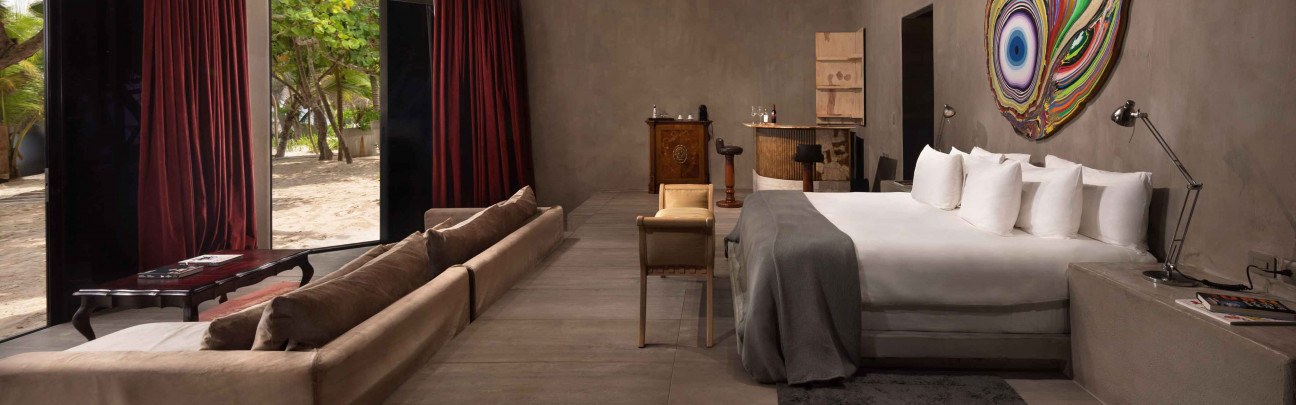
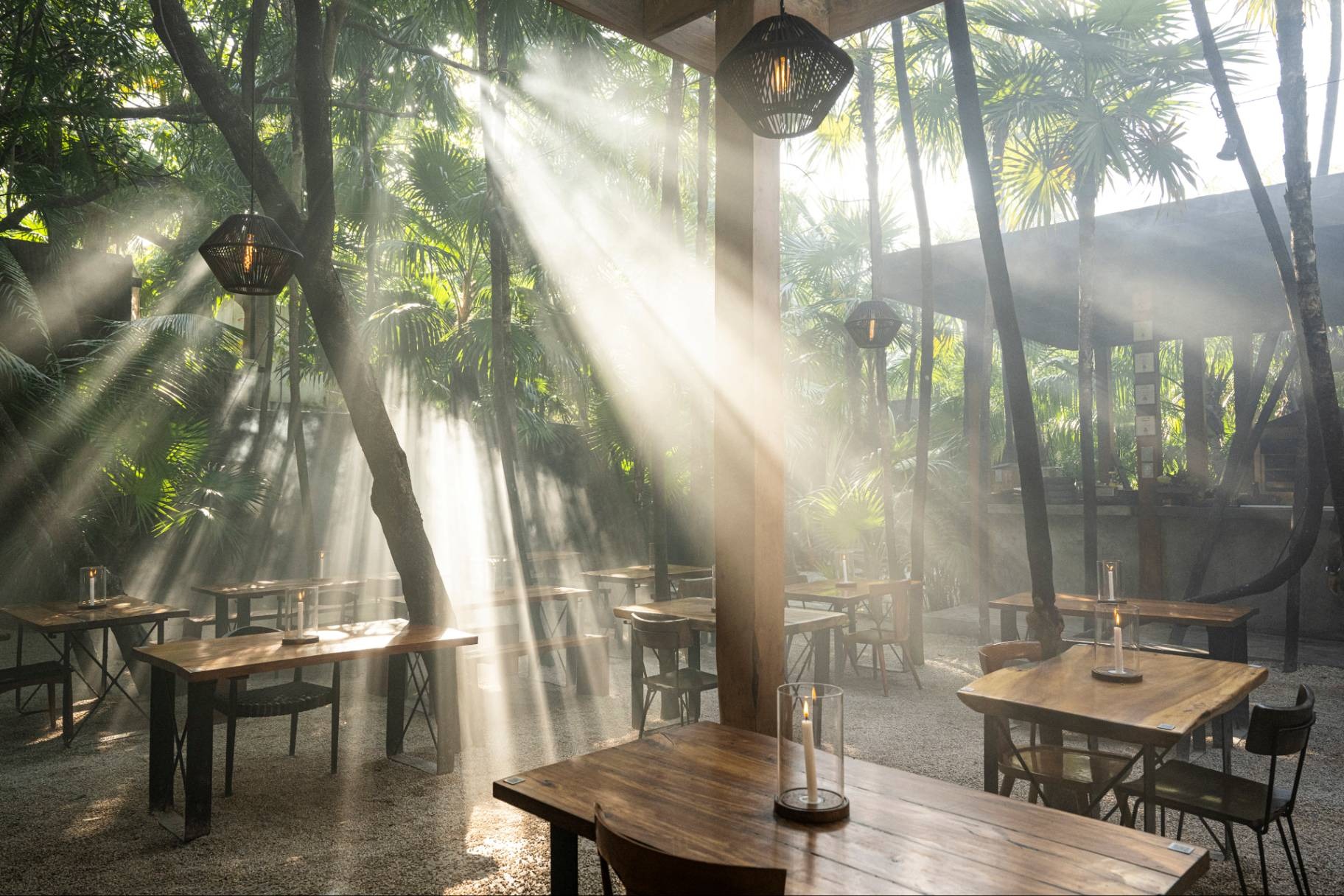
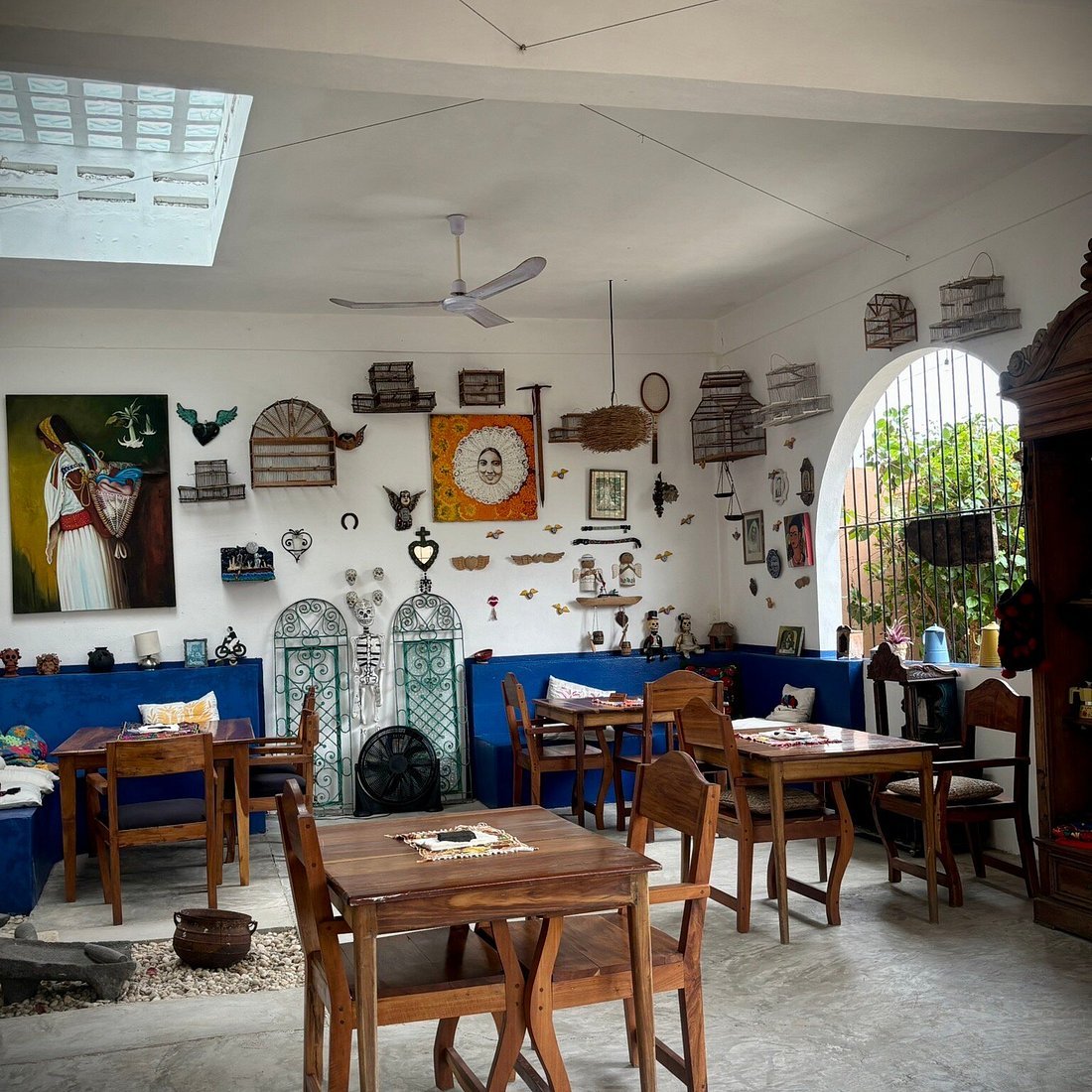
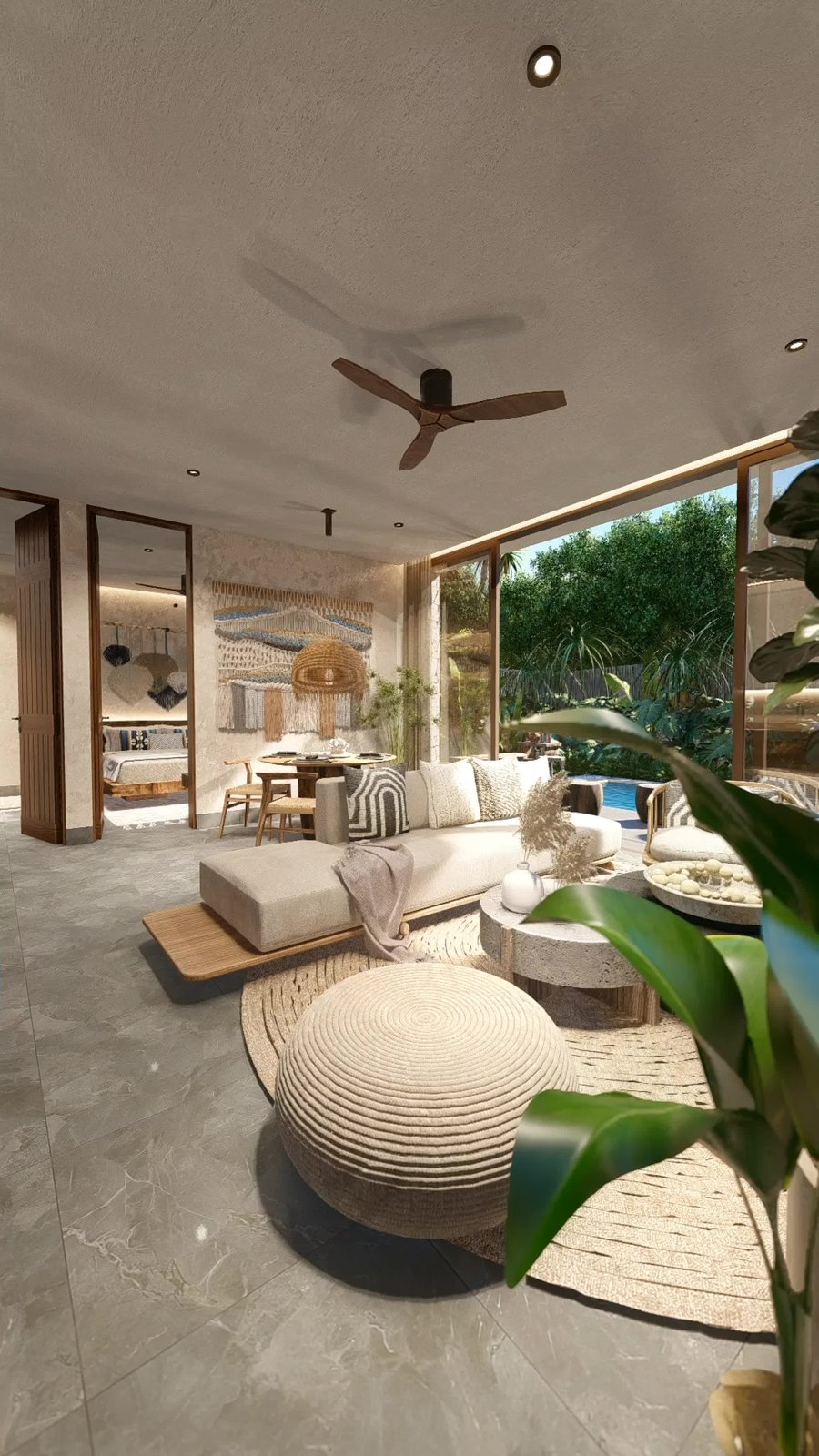
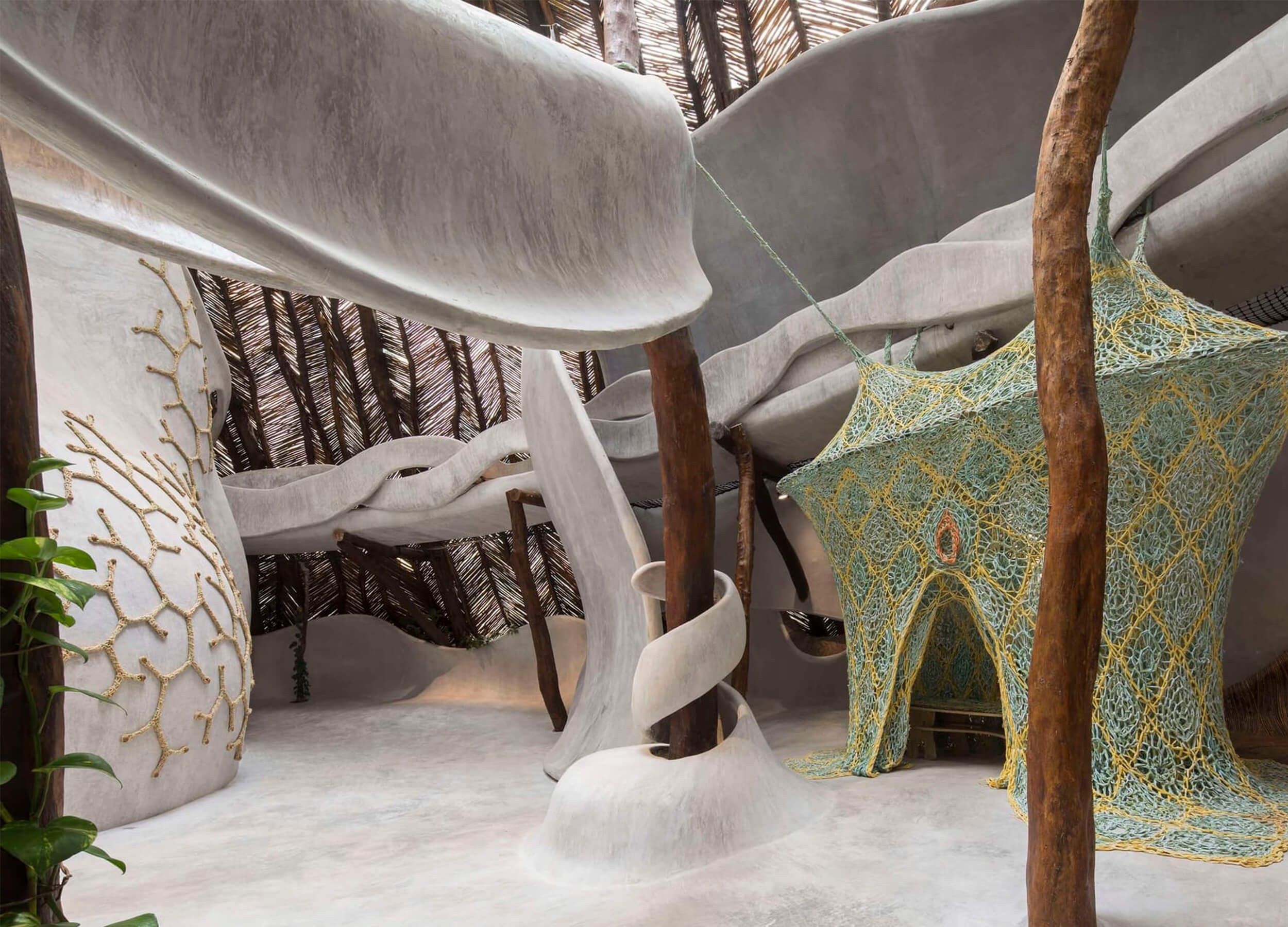
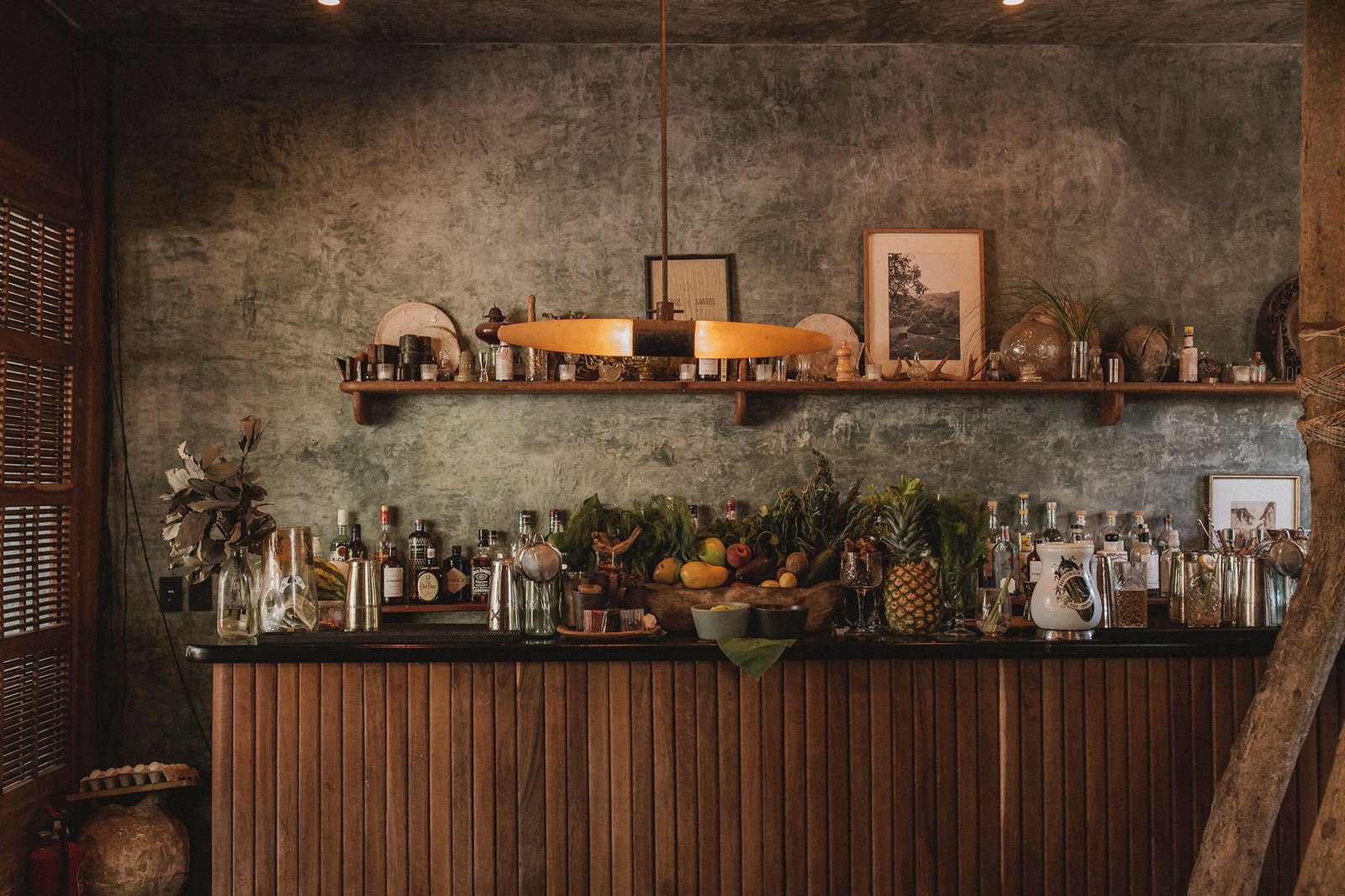
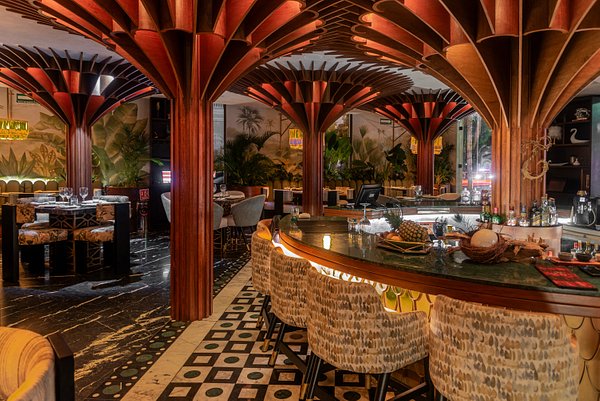
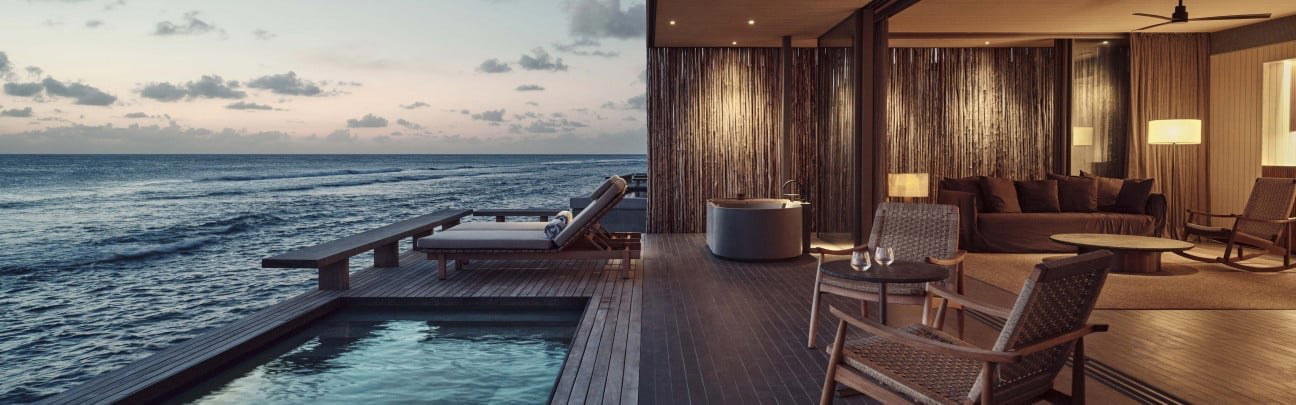
Tranquil and minimalist with soft sand-like hues, organic materials, seamless indoor-outdoor flow, and a homely yet luxurious beach house atmosphere praised for its quiet serenity.
Tags
Vibe
Best For
Experience
Amenities
View
About the Stay
- Rooms
- 12
- Property Type
- Boutique hotel
- Property Style
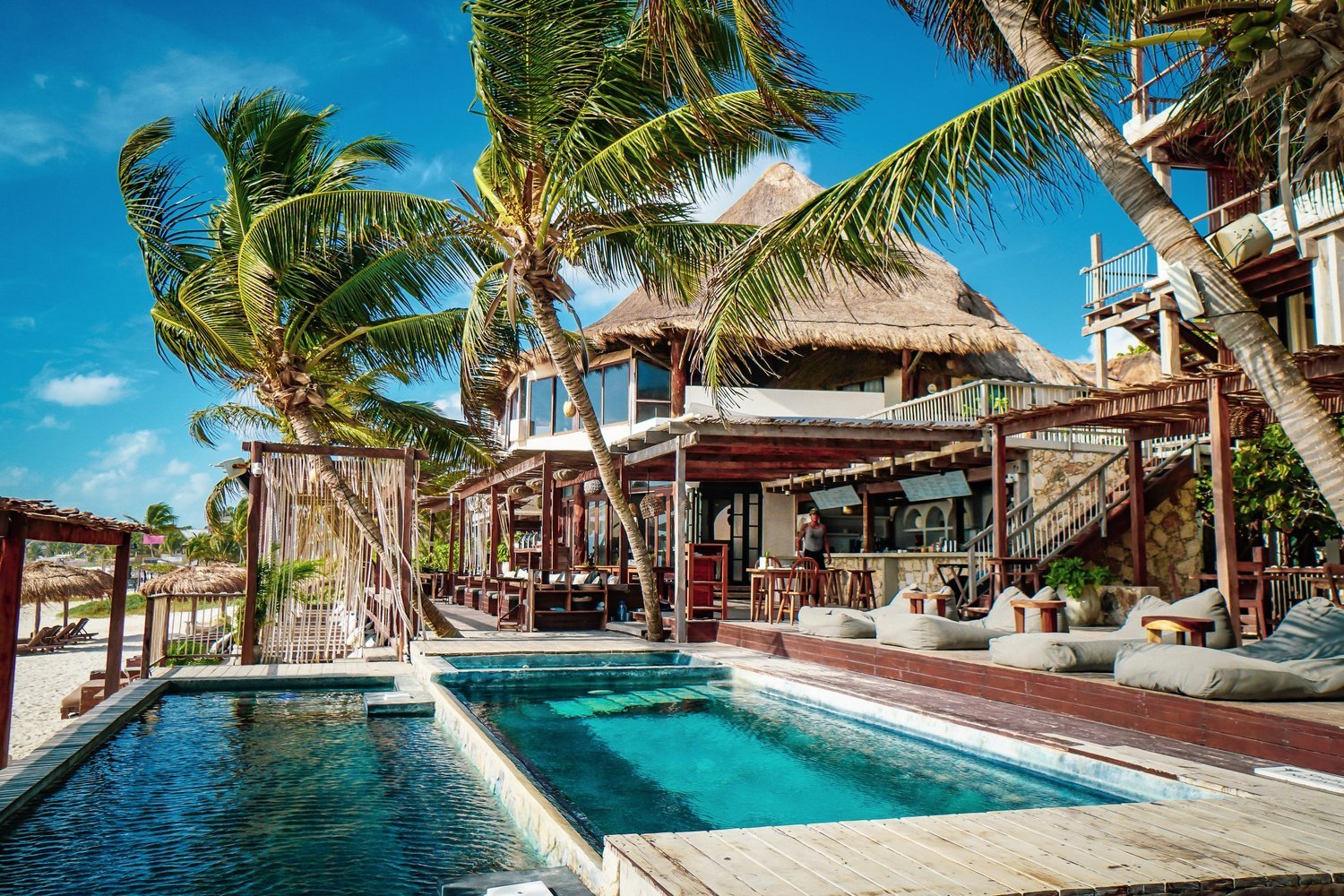
- Private Coastal Villa Transformed Into a Laid Back Luxury Boutique Retreat with Minimalist Beach House Architecture.
- Design Style
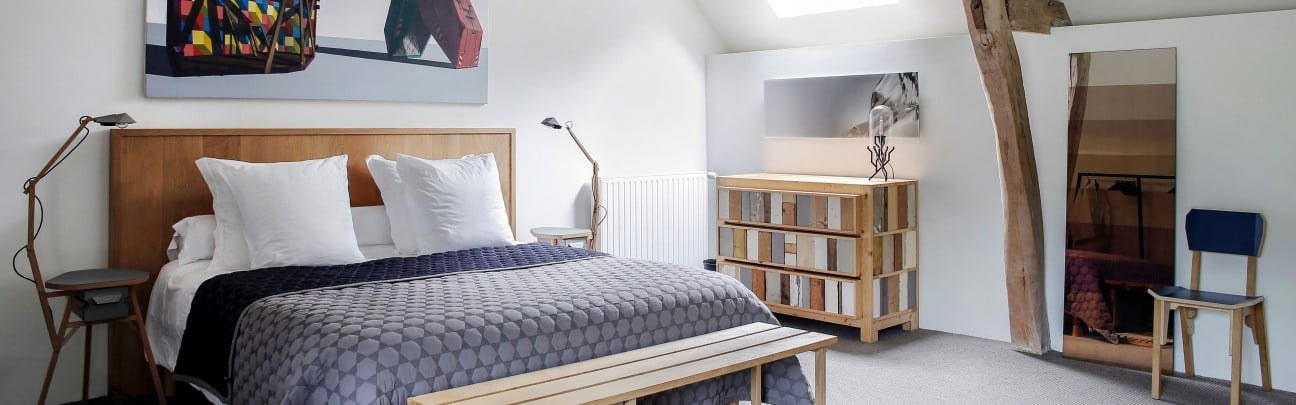
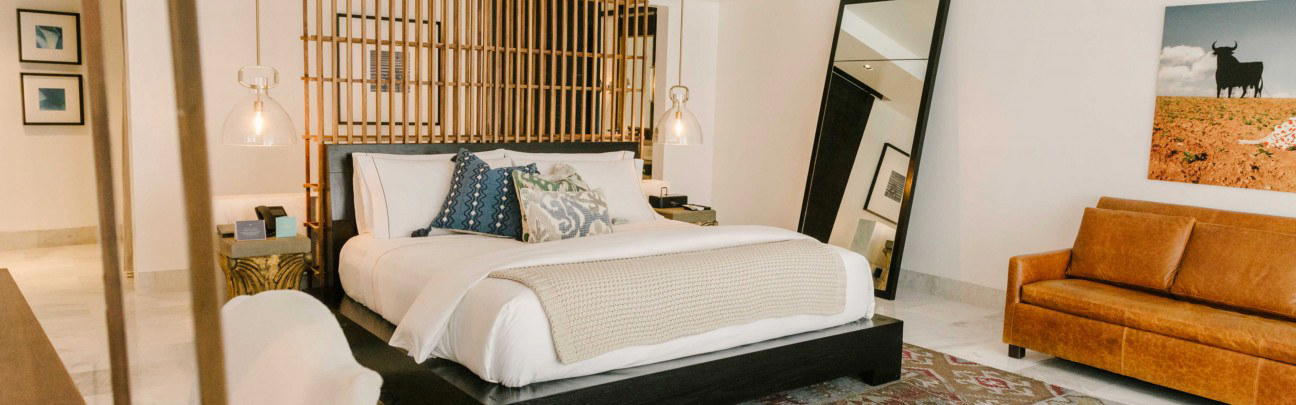
- Organic Minimalism Blending Local Mexican Influences, Soft Sand Hues, Warm Oranges, Woven Fibers, and Stone Finishes.
- Breakfast
- Included
- Airport Transfer
- Available
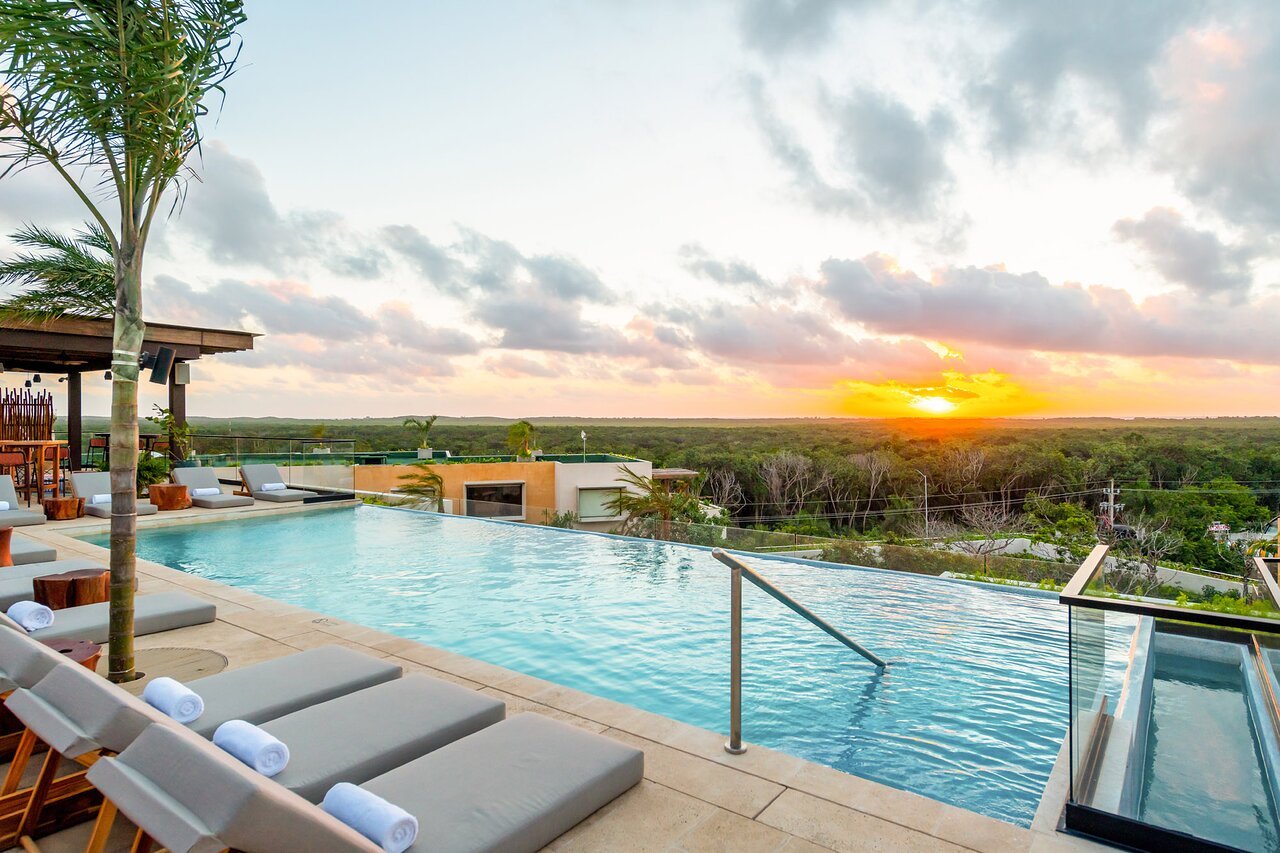
- Pool
- Yes
- Spa
- Yes
Know before you go
Know Before You Go
- Getting there
- Carr. Tulum-Boca Paila KM 8.7, Tulum 77780, Mexico
Planning details
Location
Carr. Tulum-Boca Paila KM 8.7, Tulum 77780, Mexico · Directions
Recognition and awards
Also consider
Also Consider
- Encantada Tulum, Notable alternative
- La Valise Tulum, Notable alternative
- Sueños Tulum, Notable alternative
- Chiringuito Tulum, Notable alternative
- NEST Tulum, Notable alternative
Hotel context
How It Compares
Against Encantada Tulum, La Valise Tulum, and NEST Tulum, XELA Tulum is the cleaner choice if booking ease and design positioning matter more than chasing a heavily documented boutique-hotel reputation. La Valise and NEST are better cross-shops for travelers who want a more established Tulum beach-stay narrative; XELA is the one to price-check when availability is the deciding factor.
Sueños Tulum and Chiringuito Tulum are useful alternatives for travelers comparing ambiance and value for money in the same city. If the room category at XELA is priced close to those peers, lean toward the property with the clearest room layout and inclusions for your group size. If XELA is easier to secure at the right category, it is the lower-friction pick.
Explore Tulum
Around this place
Discover more on Pearl
Unlock the full XELA Tulum guide in Pearl, including awards, comparisons, FAQs, planning details, and nearby places.
Compare XELA Tulum
| Venue | Location | Awards |
|---|---|---|
| XELA Tulum | Tulum | 2026 Design Hotels Collection |
| Encantada Tulum | Tulum | No published awards |
| La Valise Tulum | Tulum | 2026 Virtuoso Luxury Hotel Collection2026 Mr & Mrs Smith Luxury Hotels2025 Michelin Selected HotelsSmall Luxury Hotels Member 2025 |
| Sueños Tulum | Tulum | No published awards |
| Chiringuito Tulum | Tulum | No published awards |
| NEST Tulum | Tulum | No published awards |



How XELA Tulum compares with similar nearby venues.
FAQ
Frequently Asked Questions
How does XELA Tulum compare to nearby hotels?
XELA Tulum is best compared as a Design Hotels-affiliated Tulum stay. If you are also considering Encantada Tulum, La Valise Tulum, Sueños Tulum, Chiringuito Tulum, or NEST Tulum, compare the specific room, service, and amenity details that matter for your trip before choosing.
How is the location of XELA Tulum?
XELA Tulum is in Tulum. A precise location within Tulum is not specified, so confirm the exact location directly if proximity to a particular part of Tulum matters for your plans.
What is XELA Tulum known for?
XELA Tulum is known for its 2026 Design Hotels membership in Tulum.