ORA Hotel Priorat
Torroja del Priorat village center, Torroja del Priorat
Hotel in Torroja del Priorat, Spain
 Book with Pearl
Why go
ORA Hotel Priorat is a good fit if the trip is about quiet Priorat atmosphere and design-led lodging rather than resort facilities. Its 2026 Design Hotels Member recognition gives it a clear trust signal, but value depends on whether the room and village setting matter more than loyalty benefits, spa depth, or a broader hotel campus.
About ORA Hotel Priorat
ORA Hotel Priorat is a hotel in Torroja del Priorat. Its clearest positioning is simple: it is a 2026 Design Hotels Member, the dress code is smart casual. For facilities, dining, room types, service style, prices, hours, or on-site amenities, check directly with the hotel before booking.
That makes the decision less about comparing a long list of extras and more about whether the basics fit the trip. If you want to stay in Torroja del Priorat and value the Design Hotels connection as a trust signal, ORA Hotel Priorat is worth considering. If your decision depends on particular amenities, room configurations, dining arrangements, loyalty benefits, or spa and pool details, confirm those points with the property rather than assuming they are part of the stay.
Choose it for Torroja del Priorat and a Design Hotels connection
The strongest reason to keep ORA Hotel Priorat on the shortlist is its location in Torroja del Priorat, together with its 2026 Design Hotels Member recognition. The hotel may appeal to travelers who want their accommodation decision centered on place and a recognized hotel affiliation rather than on facilities or programming.
The value case should be handled carefully. Do not assume a specific dining format, beverage program, spa offering, pool setup, room count, price level, or service model unless the hotel confirms it directly. Treat ORA Hotel Priorat as a Torroja del Priorat hotel with smart casual dress code guidance and Design Hotels membership, then verify any trip-critical details before committing.
Who should skip it
Travelers who need details about extensive facilities, family services, spa access, dining arrangements, loyalty-program benefits, or specific room layouts should not rely on assumptions. ORA Hotel Priorat may still be a fit, but if any of those details would make or break the stay, contact the hotel directly before booking.
Comparison shopping can also help if you are deciding between ORA Hotel Priorat and other regional options such as Gran Hotel Mas d'en Bruno, Hotel Somnifabrik, Terra Dominicata, Terra Dominicata - Hotel & Winery, or Le Meridien Ra Beach Hotel & Spa. Use those names as reference points for your own research, but verify each property's current location, amenities, policies, booking terms independently.
Quick reference: choose ORA Hotel Priorat if you want a Torroja del Priorat stay with 2026 Design Hotels Member recognition and a smart casual dress code; pause and verify directly if your decision depends on specific amenities, dining, room, price, or service details.
Planning details
- Location
- Carrer Major, 25, Torroja del Priorat 43737, Spain
- Website
- marriott.com/en-us/hotels/bcnvh-ora-hotel-priorat-a-member-of-design-hotels/overview
The take
The Take
The Vibe
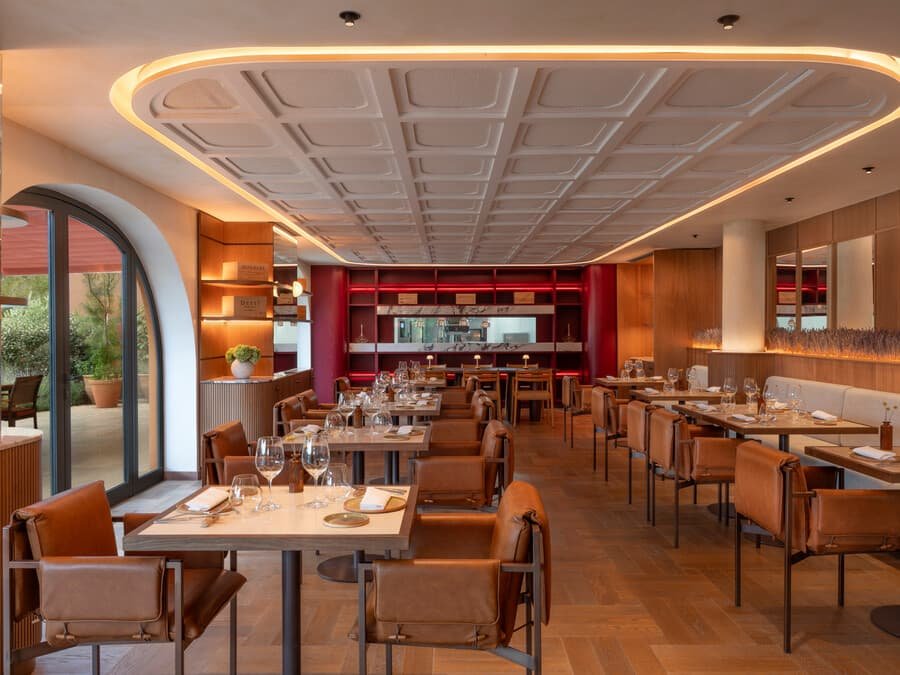
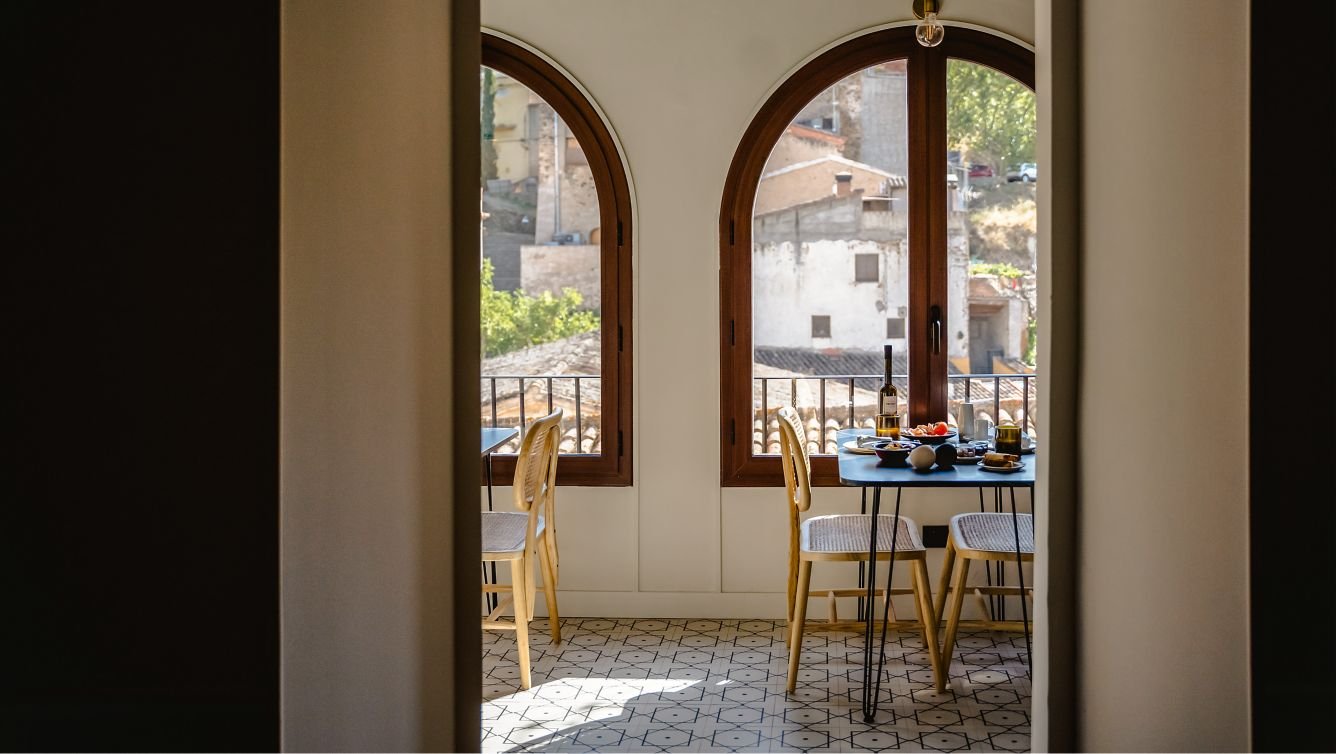
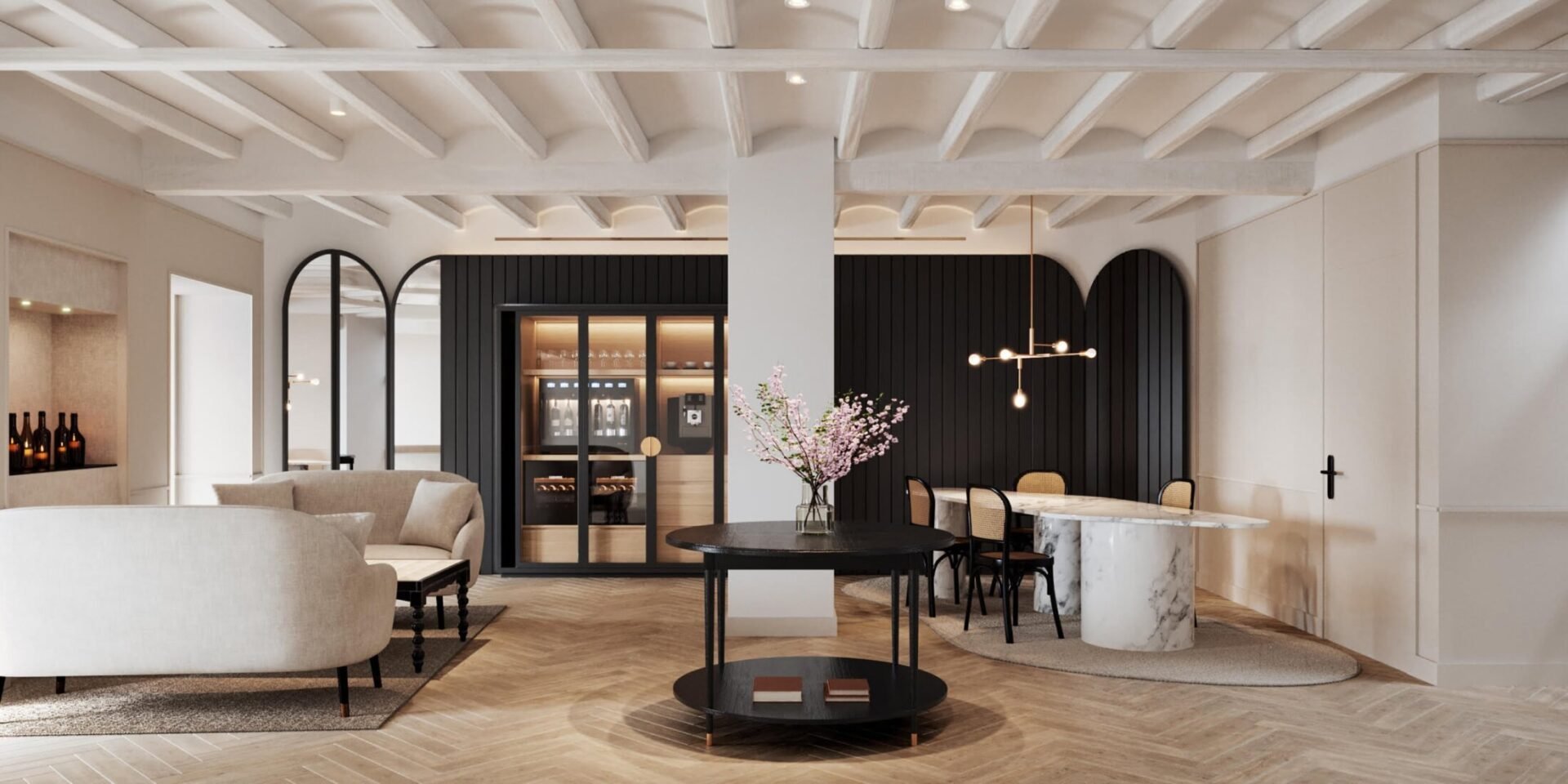
ORA Hotel Priorat presents itself through its building before its service: an 18th-century abbey in the compact, stone-built village of Torroja del Priorat. The architecture and local geology — terraced llicorella hillsides — set the tone, and the property leans on that history rather than theatrical hospitality gestures. The experience feels restrained and place-specific: rooms and public spaces register the weight of centuries and vineyard life. Rather than modern gloss, the hotel favors an austere, authentic character that appeals to travelers who value historic fabric and a quiet, tightly scaled setting that feels more like staying in a lived-in part of the village than a hotel.
Best For
ORA is best for travelers focused on wine, history, and small-scale regional exploration. Guests who come to Priorat to visit cellars, walk steep vineyard terraces, and compare Garnacha and Cariñena production will find its location and building especially relevant. It suits couples and solo travelers seeking a slower, place-specific stay rather than resort-style amenities: the text explicitly contrasts what this hotel offers with spa or pool programmes popular elsewhere. In short, this is a base for wine-focused itineraries, village discovery, and sober architectural character rather than amenity-led leisure.
Stay Tips
Book with the region's pace in mind: prioritize scheduling cellar visits and vineyard walks in advance, since the copy emphasizes guests arriving to explore cellars and steep vineyard terrain. Expect a boutique, historically anchored property rather than resort facilities — the description notes guests are not typically here for spa or pool programmes. Pack sturdy shoes for slopes and terraces and allow extra time for travel between village lanes and dispersed cellars. Reserve early during popular tasting seasons to secure dates, as small, village-centered properties tend to have limited room inventory.
Venue details
Ambiance
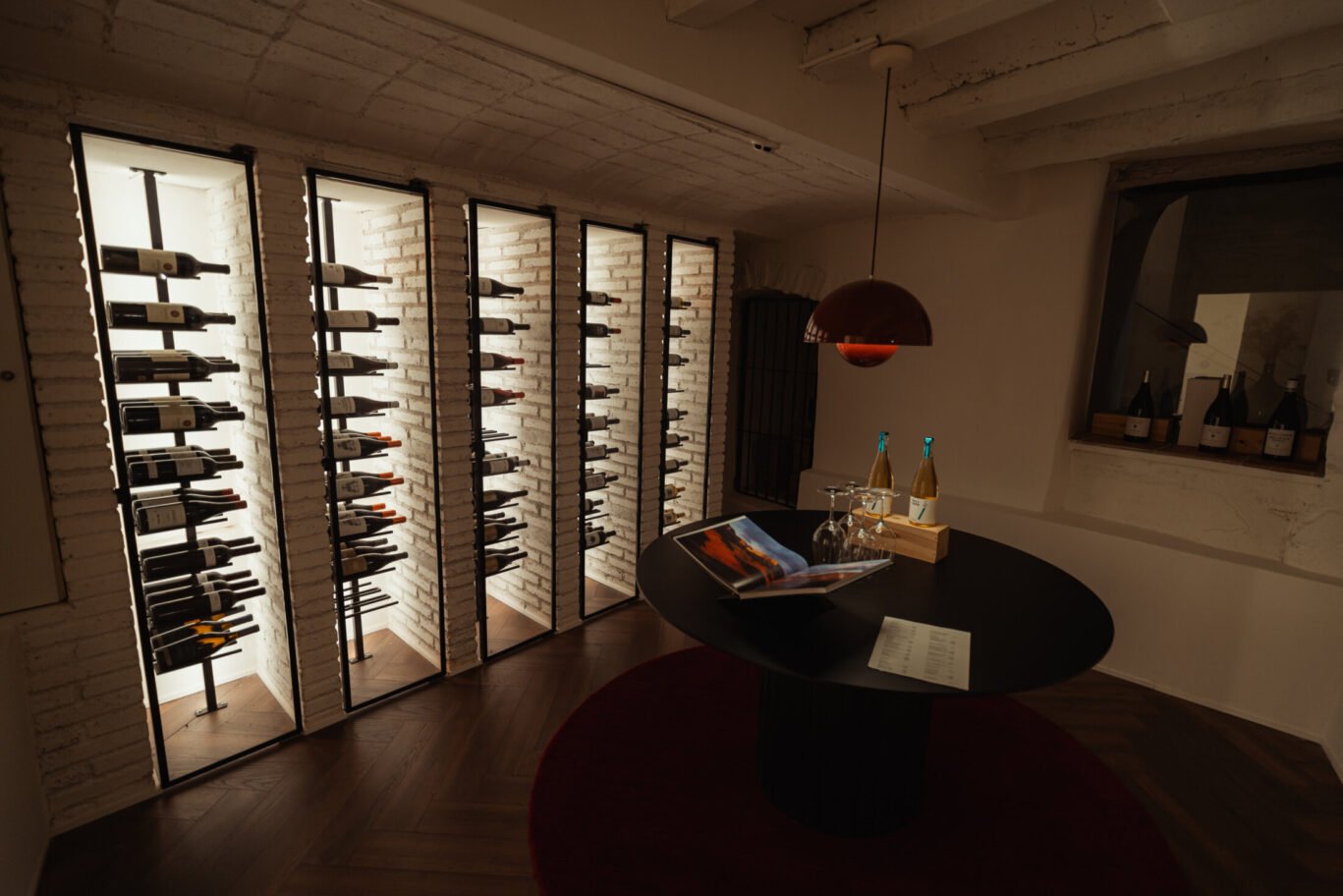
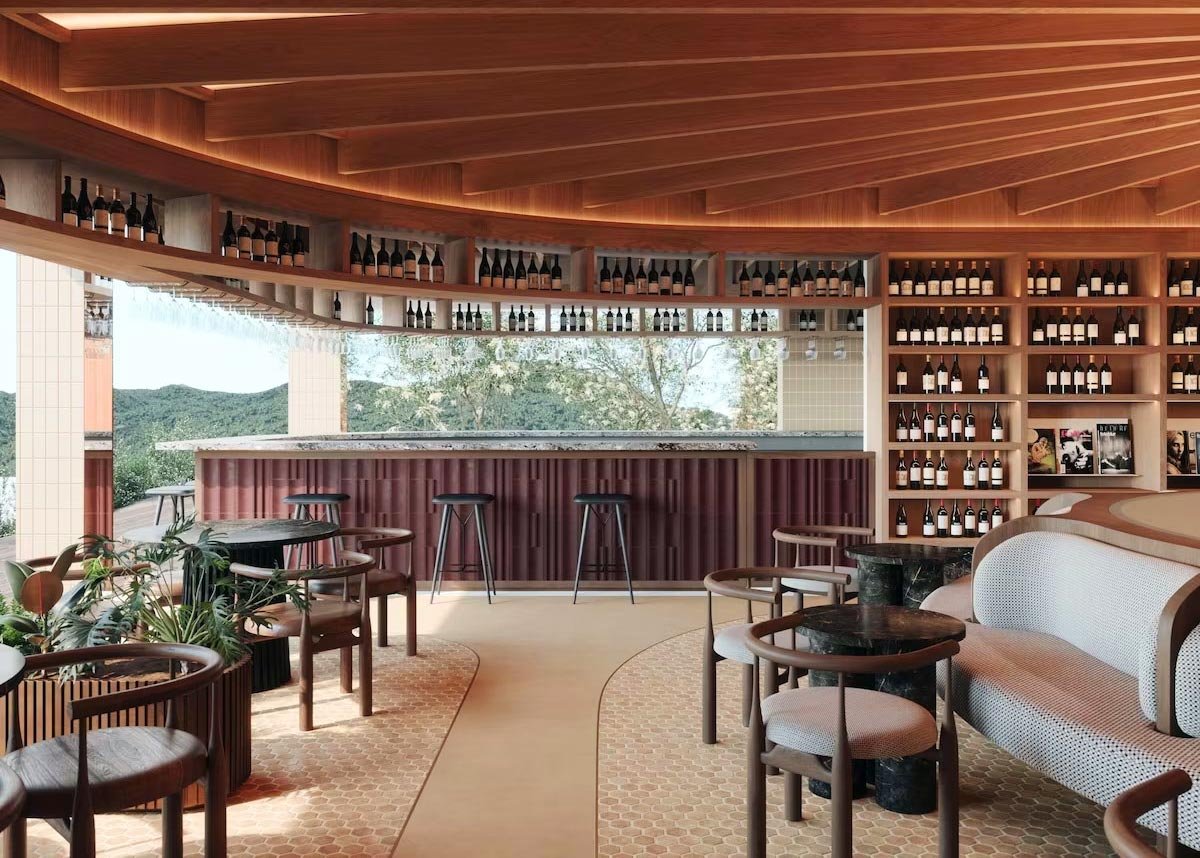
Warm, intimate, and tranquil with soft lighting in elegantly appointed common areas; a refined yet relaxed atmosphere enhanced by a honesty wine bar and library spaces.
Tags
Vibe
Best For
Experience
Amenities
View
Accessibility
About the Stay
- Rooms
- 13
- Check-in
- 16:00
- Check-out
- 11:00
- Property Style
- Contemporary Design Integrated Into a Historic 18th Century Abbey with Curated Vintage Furnishings and Intelligent Home Automation.
- Design Style
- Old World Charm Meets Minimalist Contemporary; Rustic Materials Like Wicker Paired with Custom Made Furniture and Carefully Controlled Lighting.
Planning details
Location
Carrer Major, 25, Torroja del Priorat 43737, Spain · Directions
marriott.com/en-us/hotels/bcnvh-ora-hotel-priorat-a-member-of-design-hotels/overview
Also consider
Also Consider
- Gran Hotel Mas d'en Bruno, Notable alternative
- Terra Dominicata, Notable alternative
- Terra Dominicata - Hotel & Winery, Notable alternative
- Le Meridien Ra Beach Hotel & Spa, Notable alternative
- Hotel Somnifabrik, Notable alternative
Hotel context
How ORA Hotel Priorat compares in Priorat and nearby
Choose ORA Hotel Priorat if the priority is quiet design in Torroja del Priorat with easy booking friction. Gran Hotel Mas d'en Bruno is the more obvious cross-shop for travelers who want a fuller luxury-hotel feel in the same village, while ORA is the cleaner call for guests who care more about atmosphere and a smaller sense of place than a broader property experience.
Terra Dominicata and Terra Dominicata - Hotel & Winery make more sense if the hotel-winery format is central to the trip. ORA Hotel Priorat is better for travelers who want to stay village-based and treat the hotel as a calm design base between tastings, rather than making the property itself the wine-country compound.
Le Meridien Ra Beach Hotel & Spa is the alternative for travelers who want a larger beach-and-spa setup, not a Priorat village stay. Hotel Somnifabrik is worth comparing if value and simplicity matter more than a design-hotel signal. For readers who cannot get the right dates at ORA, start with Gran Hotel Mas d'en Bruno for the closest Torroja substitute, then compare Terra Dominicata if a winery-hotel format is the bigger draw.
Explore Torroja del Priorat
Around this place
Discover more on Pearl
Unlock the full ORA Hotel Priorat guide in Pearl, including awards, comparisons, FAQs, planning details, and nearby places.
Compare ORA Hotel Priorat
| Venue | Location | Awards |
|---|---|---|
| ORA Hotel Priorat | Torroja del Priorat | No published awards |
| Gran Hotel Mas d'en Bruno | Torroja del Priorat | 2026 Relais Chateaux Hotels2025 Michelin Selected Hotels2025 Relais Chateaux Award |
| Terra Dominicata | Escaladei | 2024 Michelin 3 Keys |
| Terra Dominicata - Hotel & Winery | Tarragona | No published awards |
| Le Meridien Ra Beach Hotel & Spa | Tarragona | No published awards |
| Hotel Somnifabrik | Valderrobres | No published awards |



How ORA Hotel Priorat, Torroja del Priorat compares with similar nearby venues.
FAQ
Frequently Asked Questions
Do loyalty programs work at ORA Hotel Priorat?
ORA Hotel Priorat is a 2026 Design Hotels Member. If points, elite perks, or member rates are important, check directly with the hotel or booking channel before reserving.
How does ORA Hotel Priorat compare to other hotels?
ORA Hotel Priorat can be compared with options such as Gran Hotel Mas d'en Bruno, Hotel Somnifabrik, Terra Dominicata, Terra Dominicata - Hotel & Winery, Le Meridien Ra Beach Hotel & Spa. For ORA Hotel Priorat, key details include its Torroja del Priorat location, smart casual dress code, 2026 Design Hotels Member recognition; verify current amenities and policies for each property before deciding.
How is the pool and spa at ORA Hotel Priorat?
If pool or spa access is important, check ORA Hotel Priorat's official channels before booking and compare current information with any other hotel you are considering.
Which room category is best at ORA Hotel Priorat?
Choose only after reviewing the hotel's current room descriptions or contacting ORA Hotel Priorat directly, especially if space, view, accessibility, or configuration matters for your stay in Torroja del Priorat.