The Royal Park Hotel Iconic Tokyo Shiodome
Minato, Tokyo
Hotel in Tokyo, Japan
 Book with Pearl
The Read
Shiodome Large-Scale Positioning
Why go
The Royal Park Hotel Iconic Tokyo Shiodome is worth considering if Shiodome access is the point of the trip. It is a practical Tokyo base for Ginza, Shinbashi, and Minato plans, with easier booking pressure than many luxury peers. Compare Conrad Tokyo for a fuller splurge and Park Hotel Tokyo for more personality.
About The Royal Park Hotel Iconic Tokyo Shiodome
The Royal Park Hotel Iconic Tokyo Shiodome is a Tokyo hotel with a smart casual dress code and recognition as a Preferred Hotels Member in 2025. Travelers should confirm room features, dining formats, wellness facilities, service style, pricing, and exact location details directly before booking.
If you are comparing Tokyo hotels, The Royal Park Hotel Iconic Tokyo Shiodome can be considered alongside Conrad Tokyo, GINZA HOTEL by GRANBELL, Hotel The Celestine Ginza, Park Hotel Tokyo, and The Blossom Hibiya, but the right choice depends on the current room, rate, policies, and services available for your dates.
Book as a Tokyo hotel option, then confirm the details
The case for The Royal Park Hotel Iconic Tokyo Shiodome is simple: it is a Tokyo hotel with a smart casual dress code and Preferred Hotels Member recognition in 2025. Details about restaurants, bars, room categories, spa or pool access, views, transit convenience, check-in style, or on-site amenities should be checked directly with the hotel or booking channel before you commit.
For comparison, Conrad Tokyo, Park Hotel Tokyo, Hotel The Celestine Ginza, The Blossom Hibiya, and GINZA HOTEL by GRANBELL are natural names to review when weighing other Tokyo hotel options. Compare current rates, cancellation terms, room descriptions, and listed amenities rather than relying on assumptions about the stay.
Know Before You Go
- Best for: Travelers considering a Tokyo hotel and willing to confirm current facilities before booking.
- Booking read: Confirm room type, rate rules, check-in details, and any services that matter for your stay.
- Atmosphere: The dress code is smart casual.
- Recognition: Preferred Hotels Member in 2025.
- Compare first: Conrad Tokyo, Park Hotel Tokyo, The Blossom Hibiya, Hotel The Celestine Ginza, and GINZA HOTEL by GRANBELL are useful Tokyo hotel comparisons.
The verdict: shortlist The Royal Park Hotel Iconic Tokyo Shiodome if you want to compare a Tokyo hotel option, but make the final decision only after confirming the current room, amenity, dining, and policy details for your dates.
Planning details
- Location
- 1-chōme-6-3 Higashishinbashi, Minato City, Tokyo 105-8333
- Website
- royalparkhotels.co.jp/ic/tokyoshiodome
- Phone
- +81 3-6253-1111
The take
The Take
The Vibe
The Royal Park Hotel Iconic Tokyo Shiodome presents the restrained confidence of a large-format Tokyo property. With 490 rooms and precision-driven Japanese service, it reads as modern and urbane rather than flashy; its scale is designed for consistency and operational polish. Situated in Shiodome’s southern arc, the hotel sits steps from dense rail links and within an easy walk of Ginza, Tsukiji Market and Hamarikyu Gardens, giving it a quietly scenic urban setting. It feels tailored to travelers who value efficient, dependable hospitality in a thoughtfully connected, metropolitan location.
Best For
Best for business travelers and groups, the Royal Park Iconic leverages its Shiodome address to shave time off transfers: dense rail connectivity, proximity to Shinkansen terminals and straightforward access to Haneda make it a practical base. Leisure travelers find walkable access to Ginza, Tsukiji Market and Hamarikyu Gardens for short urban outings, and the hotel’s large inventory of rooms absorbs mixed demand—corporate bookings, weekend stays and group travel—without sacrificing the consistency Japanese service is known for. It suits guests prioritising convenience, dependable service and easy links across central Tokyo.
Stay Tips
Reserve early and coordinate through corporate or group channels when planning large bookings: the hotel’s 490-room scale means it manages corporate, leisure and group demand, but popular dates and large blocks move quickly. Use its Shiodome location to optimise transfers—nearby rail links shorten trips to Shinkansen platforms and Haneda—and plan neighbourhood excursions on foot to Ginza, Tsukiji Market or Hamarikyu Gardens. For business travellers, confirm transport options at booking and inquire about group rates or meeting amenities through the hotel’s sales team to secure the best arrangements.
Venue details
Ambiance
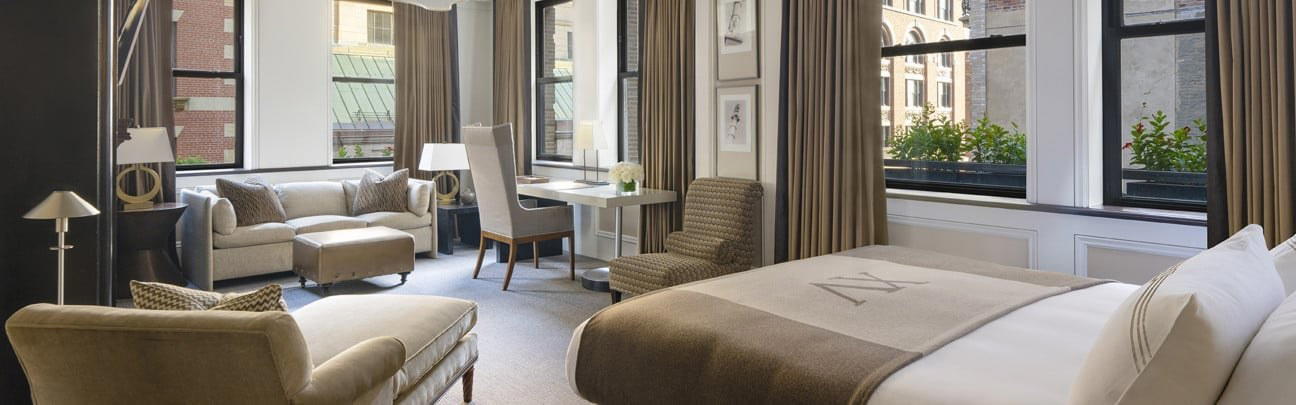
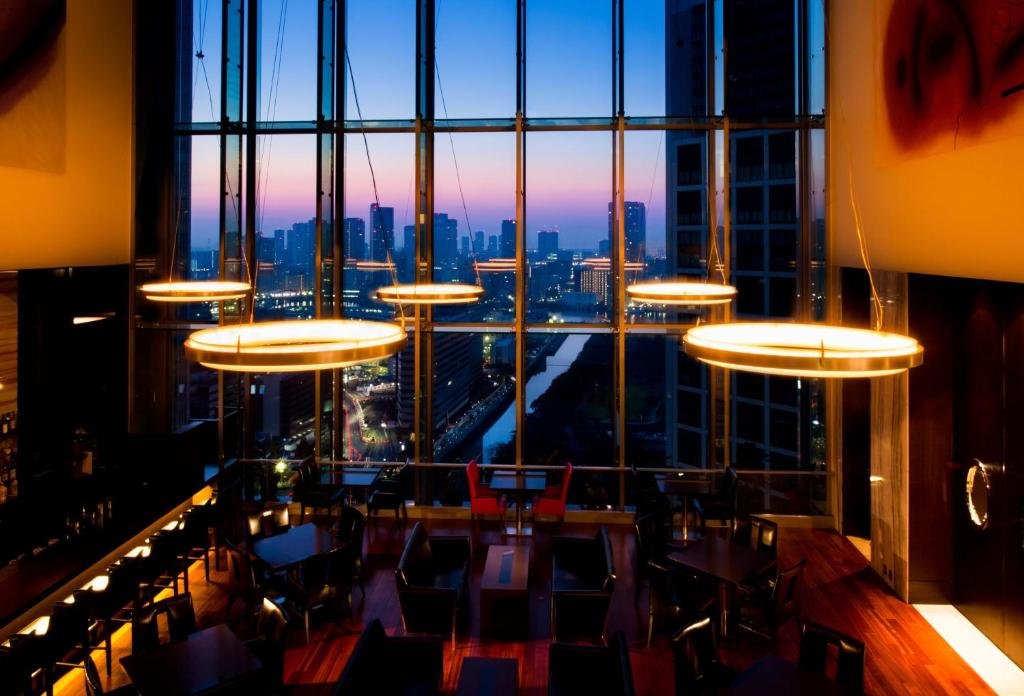
Sophisticated and serene atmosphere with stunning city skyline views from high floors and executive lounge.
Tags
Vibe
Best For
Experience
Amenities
View
Accessibility
About the Stay
- Rooms
- 490
- Check-in
- 15:00
- Check-out
- 11:00
- Property Type
- Design hotel
- Property Style
- Modern High Rise Urban Hotel with Executive Floors
- Design Style
- Contemporary Japanese Minimalist with City Views
- Families
- Welcome
- Cancellation
- Moderate
Know before you go
Know Before You Go
- Getting there
- 1-chōme-6-3 Higashishinbashi, Minato City, Tokyo 105-8333
Planning details
Location
1-chōme-6-3 Higashishinbashi, Minato City, Tokyo 105-8333 · Directions
Recognition and awards
Also consider
Also Consider
- Park Hotel Tokyo, Notable alternative
- Conrad Tokyo, Notable alternative
- Hotel The Celestine Ginza, Notable alternative
- The Blossom Hibiya, Notable alternative
- GINZA HOTEL by GRANBELL, Notable alternative
Hotel context
How It Compares
Park Hotel Tokyo is the better pick if personality matters more than a businesslike base, while The Royal Park Hotel Iconic Tokyo Shiodome is the cleaner choice for travelers prioritizing Shiodome access and an easier booking path. Both work for a Tokyo itinerary built around movement, but Park Hotel Tokyo has the stronger sense of place.
Conrad Tokyo is the splurge cross-shop. Choose Conrad if the stay needs deeper luxury cues, stronger service expectations, and a more complete hotel experience. Choose The Royal Park Hotel Iconic Tokyo Shiodome if the goal is a practical Minato base and the hotel is supporting the trip rather than defining it.
For value-focused city access, compare Hotel The Celestine Ginza, The Blossom Hibiya, and GINZA HOTEL by GRANBELL. The Celestine Ginza is the natural option for a Ginza-first stay, The Blossom Hibiya suits travelers who want Hibiya access, and GRANBELL is the sharper fit for a compact city stay closer to Ginza energy.
Explore Tokyo
Around this place
Discover more on Pearl
Unlock the full The Royal Park Hotel Iconic Tokyo Shiodome guide in Pearl, including awards, comparisons, FAQs, planning details, and nearby places.
Compare The Royal Park Hotel Iconic Tokyo Shiodome
| Venue | Location | Awards |
|---|---|---|
| The Royal Park Hotel Iconic Tokyo Shiodome | Tokyo | Preferred Hotels Member 2025 |
| Park Hotel Tokyo | Tokyo | No published awards |
| Conrad Tokyo | Tokyo | 2026 Forbes 4-Star2026 Virtuoso Luxury Hotel Collection2026 La Liste Top Hotels2025 Michelin Selected Hotels2025 Forbes 4-Star |
| Hotel The Celestine Ginza | Tokyo | No published awards |
| The Blossom Hibiya | Tokyo | No published awards |
| GINZA HOTEL by GRANBELL | Tokyo | No published awards |




How The Royal Park Hotel Iconic Tokyo Shiodome compares with similar nearby venues.
FAQ
Frequently Asked Questions
How is the dining at The Royal Park Hotel Iconic Tokyo Shiodome?
Which room category is best at The Royal Park Hotel Iconic Tokyo Shiodome?
Choose based on the current room descriptions, photos, rate rules, and policies shown by the hotel or booking channel for your dates.
What is check-in like at The Royal Park Hotel Iconic Tokyo Shiodome?
Confirm arrival time, luggage policies, identification requirements, and any payment or deposit rules directly before travel.
How does The Royal Park Hotel Iconic Tokyo Shiodome compare to nearby hotels?
Compare it with Conrad Tokyo, Park Hotel Tokyo, Hotel The Celestine Ginza, GINZA HOTEL by GRANBELL, and The Blossom Hibiya by checking current rates, room types, cancellation terms, and listed amenities for your dates.