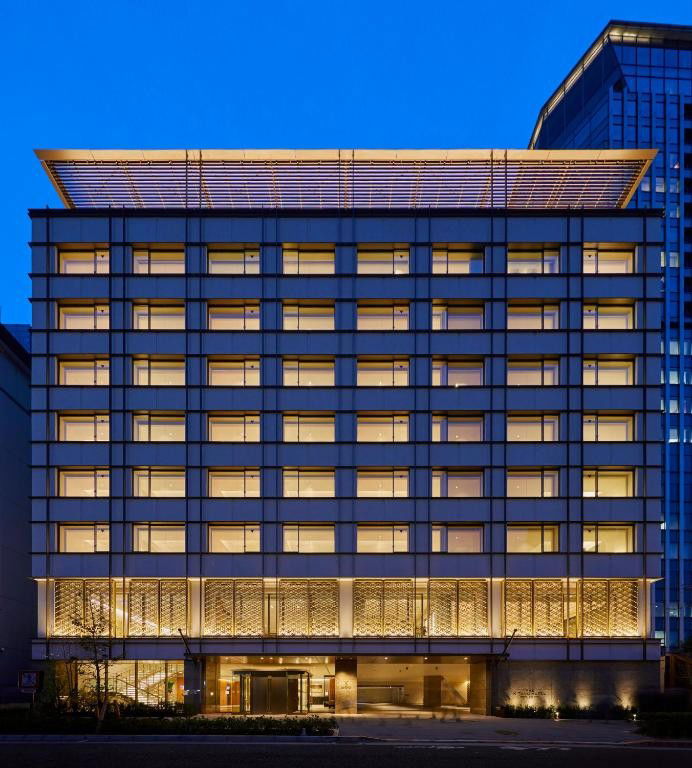

The Kitano Hotel Tokyo
Chiyoda, Tokyo
Hotel in Tokyo, Japan
 Book with Pearl
The Read
Chiyoda Altitude Calm
Why go
A sensible Chiyoda choice for travelers who want a calm Tokyo base rather than a high-drama luxury hotel. The 2026 Relais Chateaux Award gives it a credible service signal, but book for location and ease, not for a confirmed pool, spa, or destination dining program.
About The Kitano Hotel Tokyo
For travelers considering The Kitano Hotel Tokyo, the most useful signals are straightforward: it is a Tokyo hotel with a smart casual dress code and a Relais Chateaux Award (2026). Use those when deciding whether it belongs on a shortlist.
Evaluate the hotel as a Tokyo stay, and confirm practical trip details directly before booking, especially neighborhood, address, price point, room, amenity, and dining needs.
A Tokyo hotel to evaluate on confirmed essentials
The main quality signal is the Relais Chateaux Award for 2026. That recognition can make The Kitano Hotel Tokyo worth considering for travelers who want an award-recognized Tokyo hotel, but it should not be used to assume specifics about restaurants, rooms, views, wellness facilities, or service format.
The dress code is smart casual, which is helpful to know when planning the stay and any on-property time. If a specific dining program, bar focus, spa offering, pool, fitness setup, or destination-restaurant experience matters to your trip, check those details directly with the hotel before booking.
If the trip depends on a particular amenity, room type, meal period, view, or accessibility need, confirm those details directly with the hotel before committing. The strongest recommendation is simple: consider The Kitano Hotel Tokyo as an award-recognized Tokyo hotel, not as a property defined by assumed extras.
Who should choose it over other Tokyo hotel options
The Kitano Hotel Tokyo is most direct for travelers who value the award recognition and want to compare it with other Tokyo hotels before choosing. If you are deciding among several stays, compare the hotel directly with Granbell Hotel Akasaka, Hotel New Otani Tokyo Executive House Zen, Hotel New Otani Tokyo The Main, The Capitol Hotel Tokyu, and The Prince Gallery Tokyo Kioicho, a Luxury Collection Hotel based on your own required room, dining, and amenity needs.
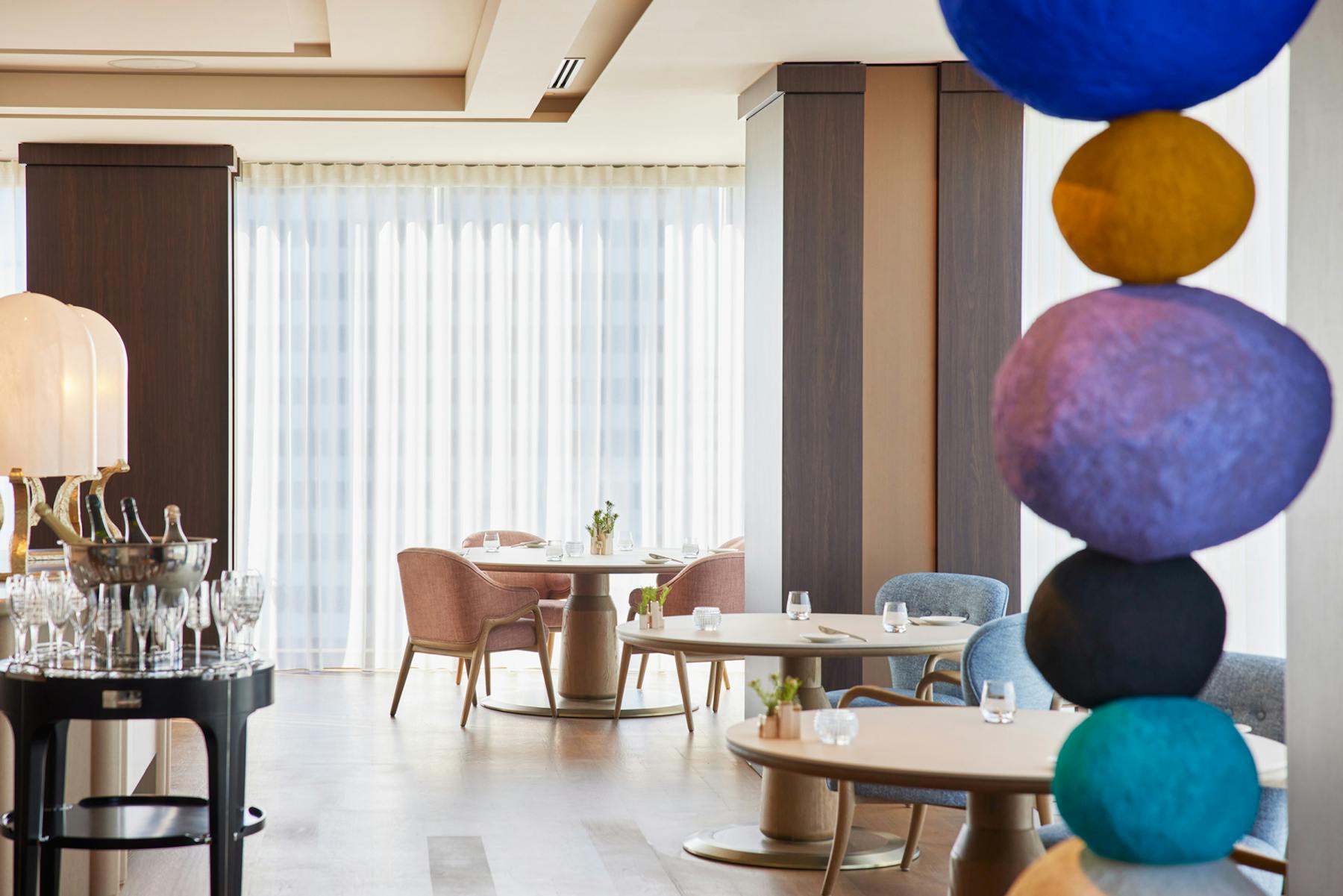
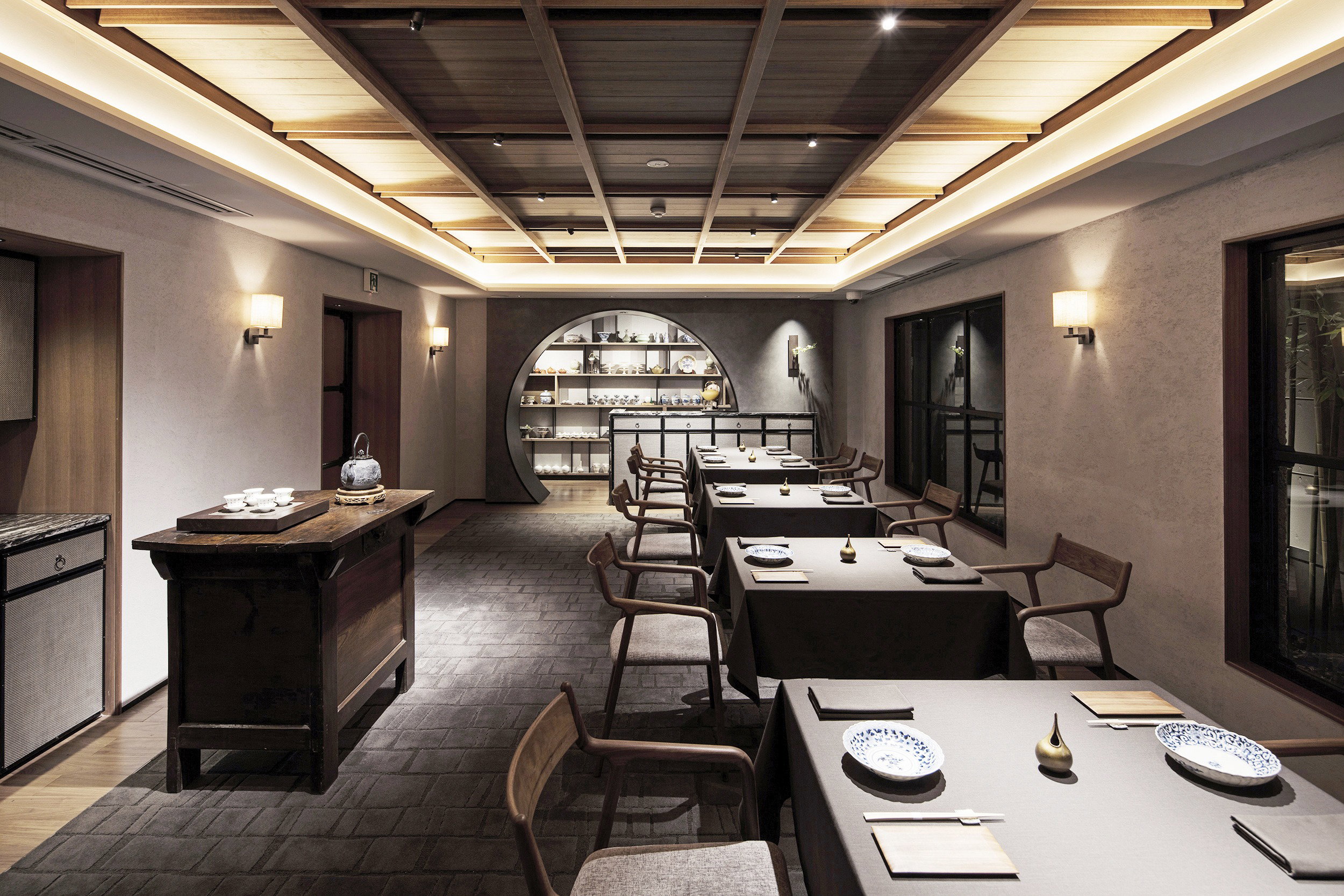
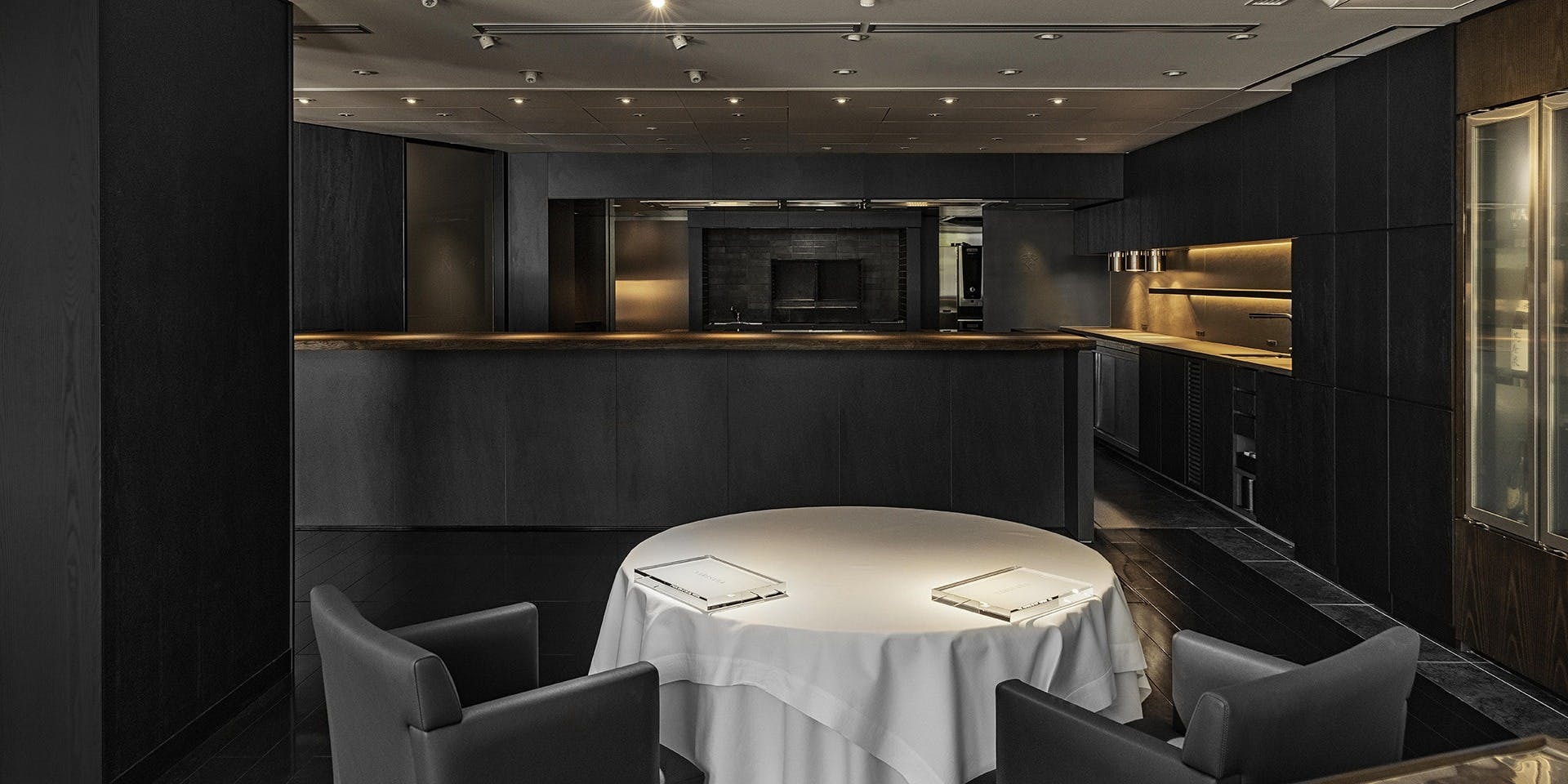
Dining should not be the deciding reason unless you have checked current restaurant details directly with the hotel. For cuisine, price, chef, menu format, lunch service, dietary accommodations, takeout, delivery, or beverage program needs, consult the hotel before booking. For broader planning around the city, use Our full Tokyo hotels guide alongside Our full Tokyo restaurants guide and Our full Tokyo bars guide.
Quick reference: choose it for a Tokyo hotel with smart casual dress code and Relais Chateaux Award (2026) recognition; confirm all room, amenity, dining, and location-specific needs directly before booking.
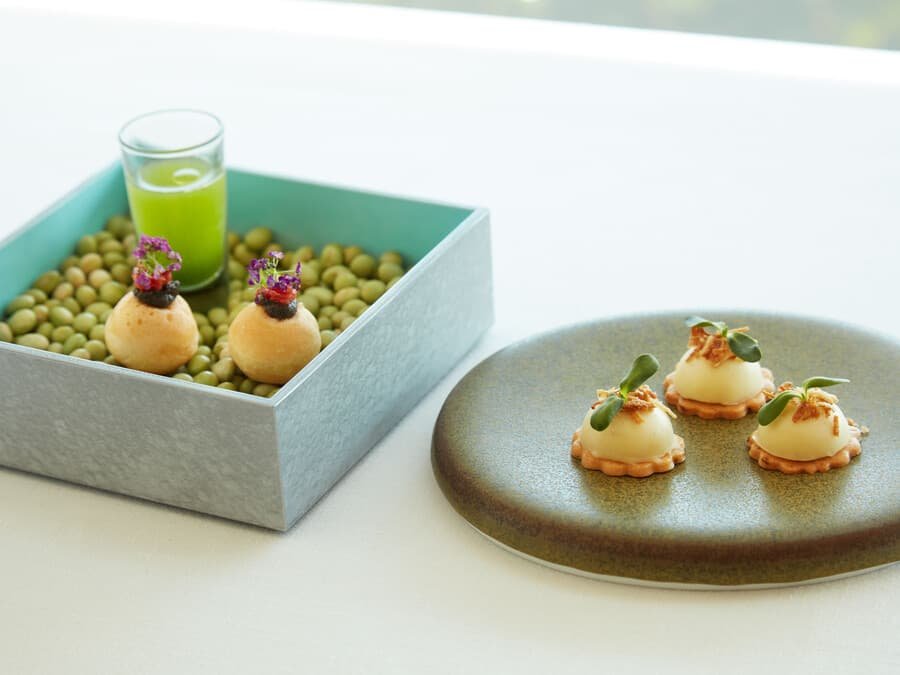
Inside The Kitano Hotel Tokyo
Planning details
- Location
- 2-chōme-16-15 Hirakawachō, Chiyoda City, Tokyo 102-0093
- Website
- kitanohotel.co.jp/tokyo
- Phone
- +81 3-3288-0015
The take
The Take
The Vibe
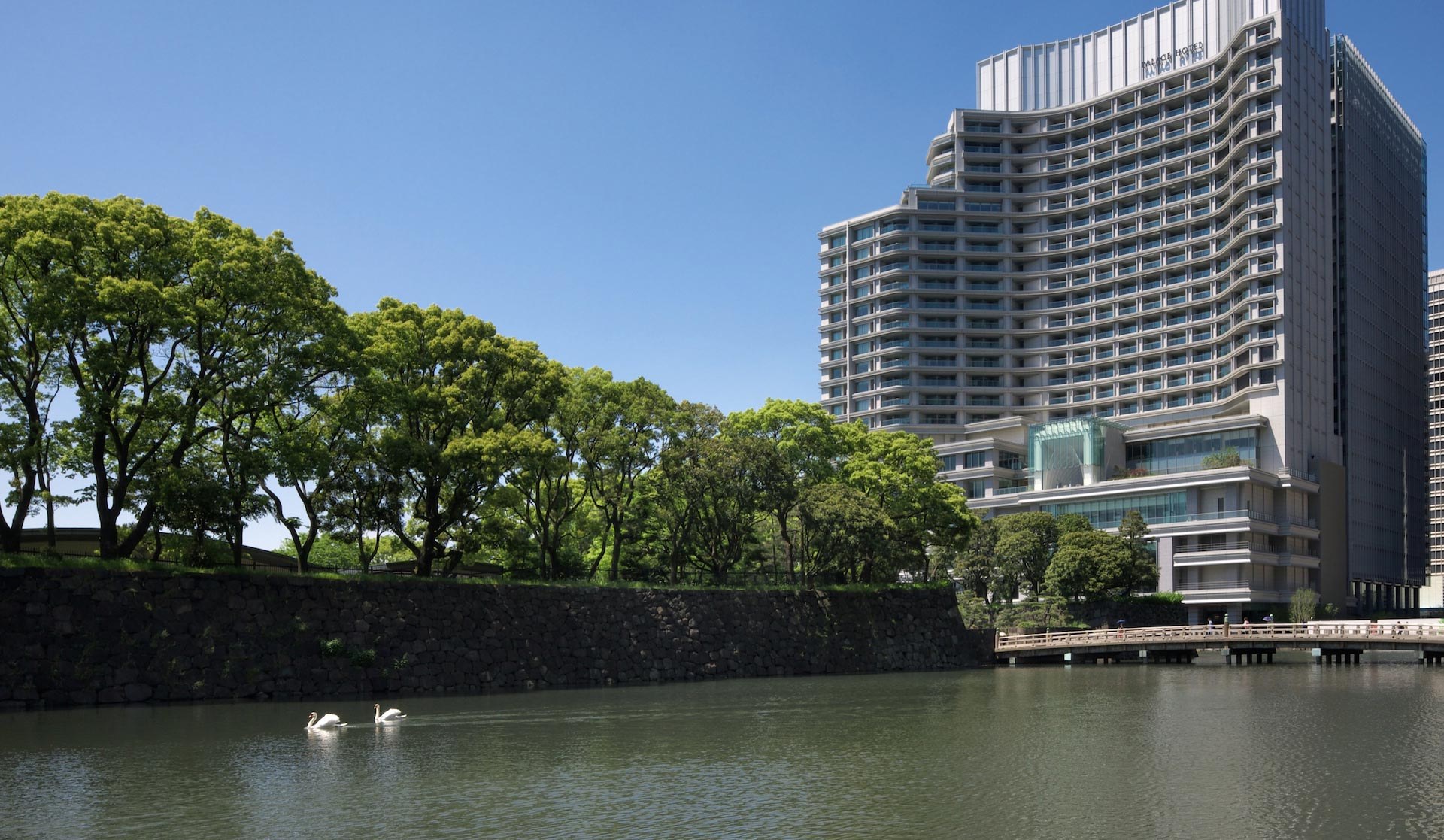
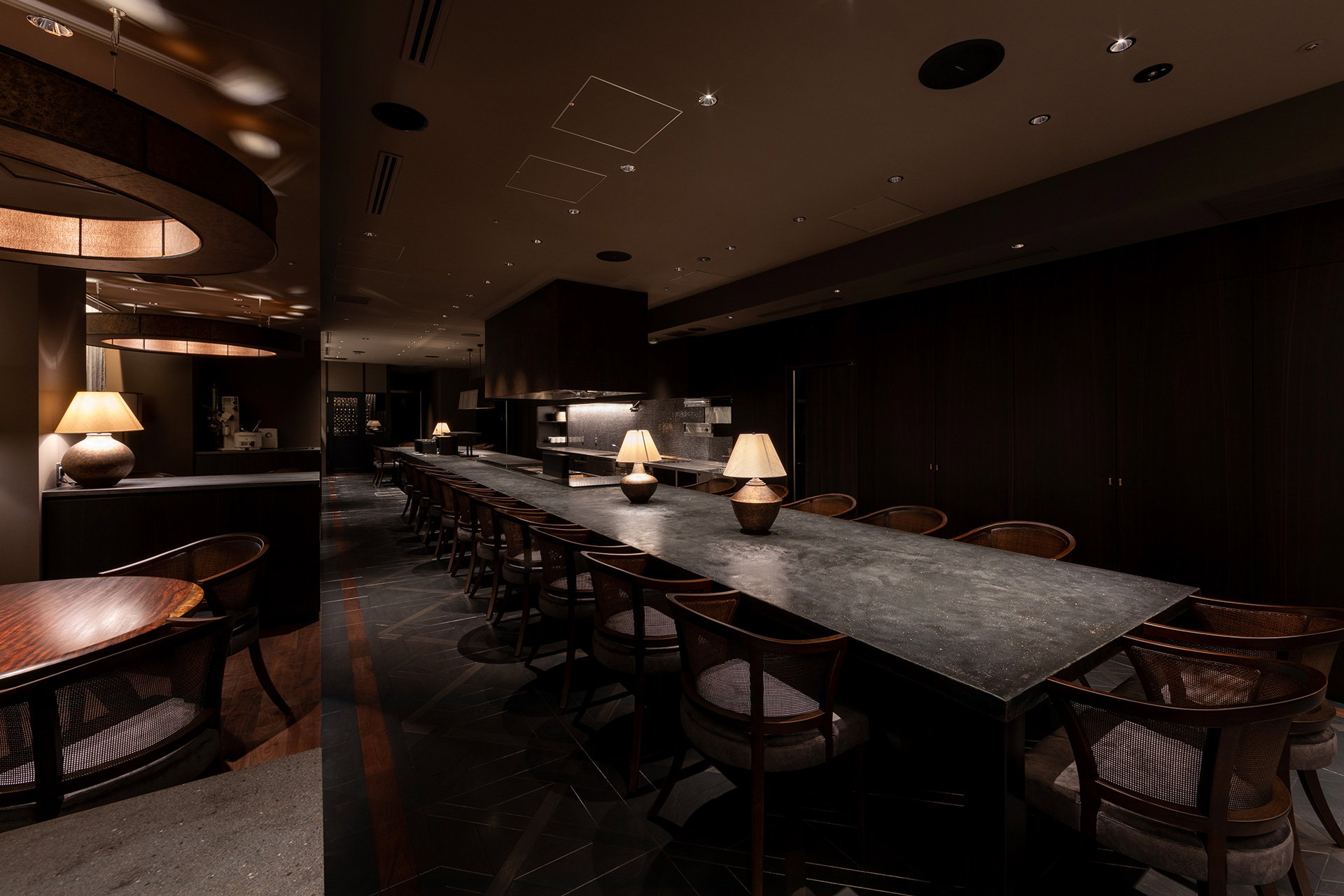
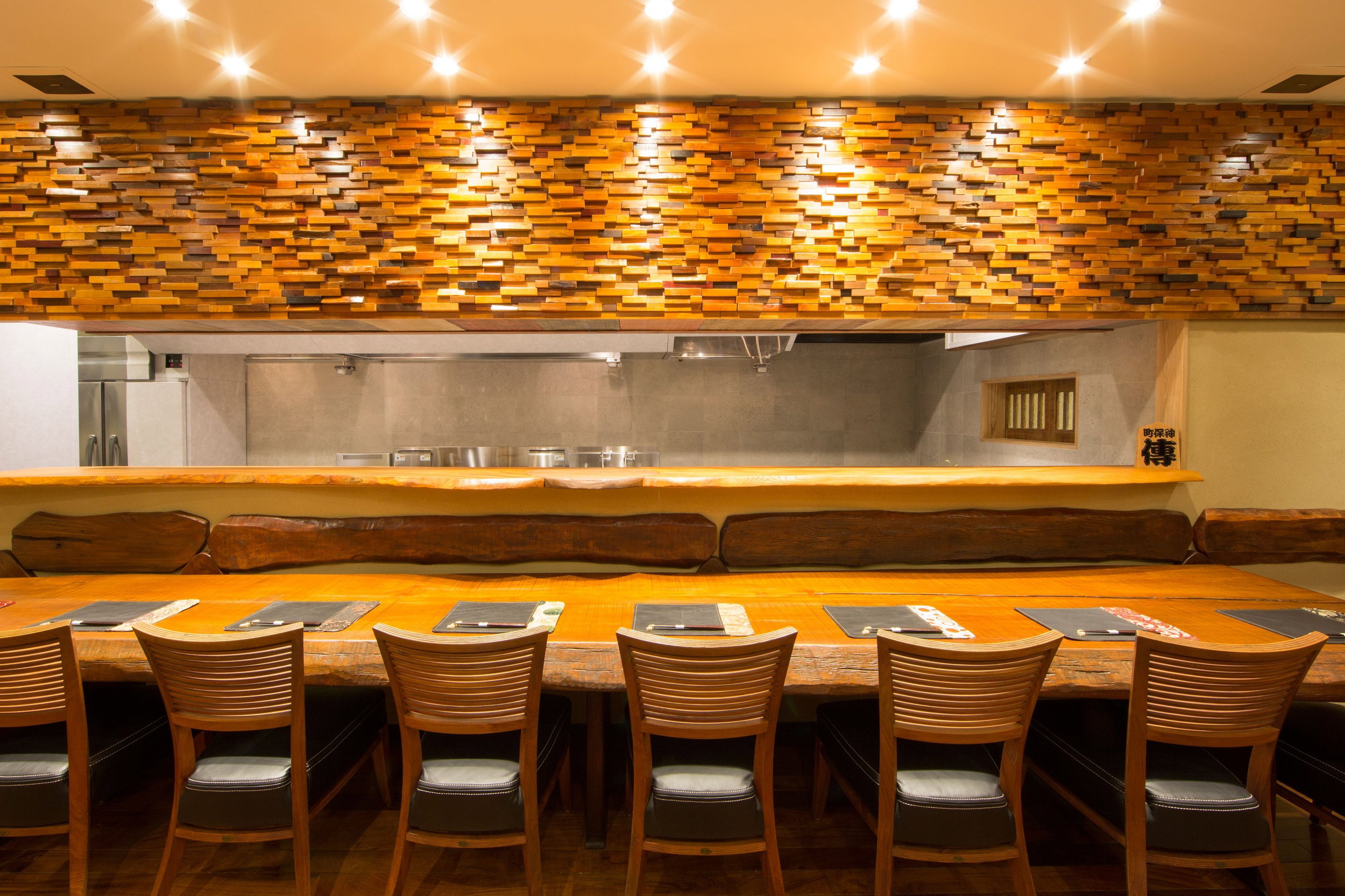
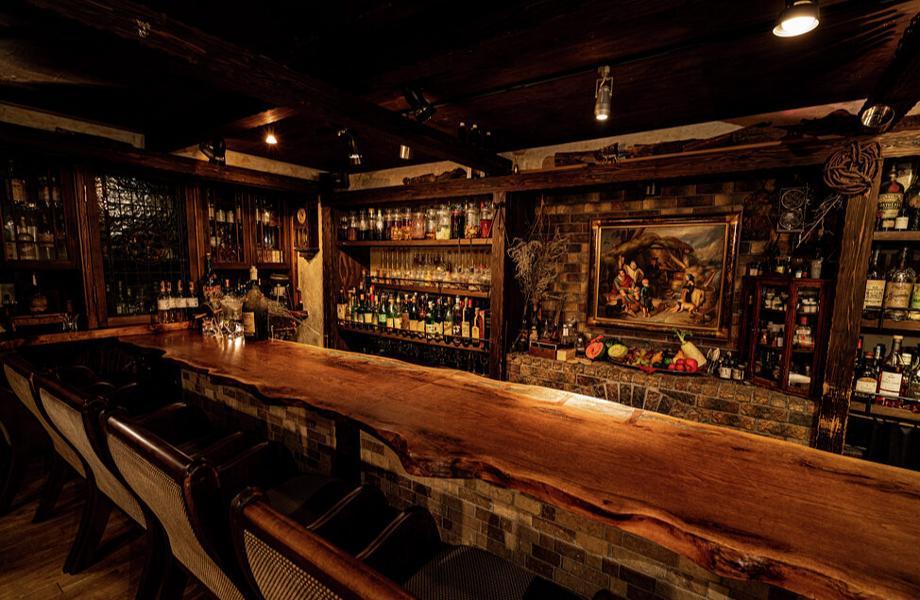
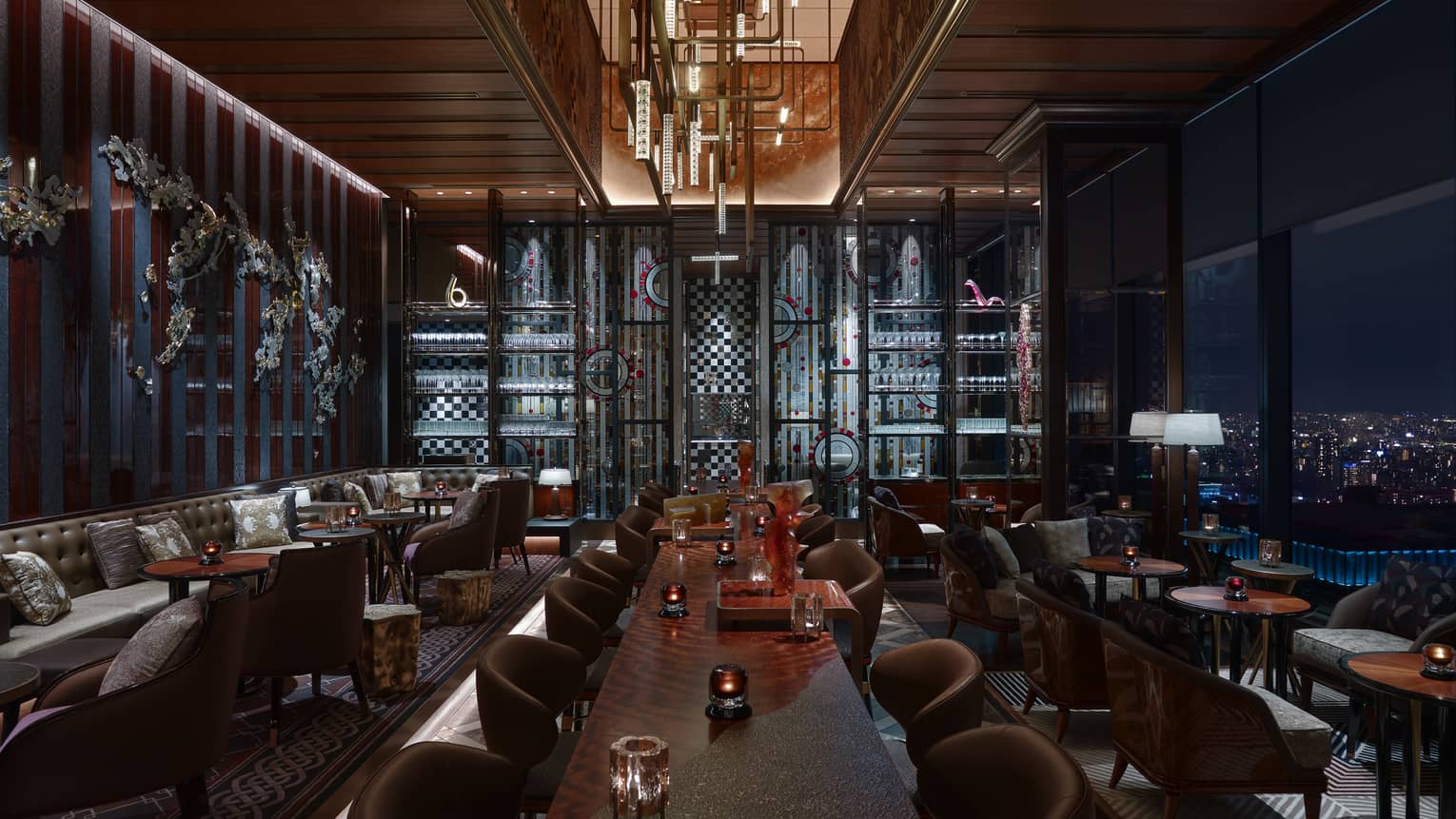
The Kitano Hotel Tokyo presents a restrained, refined presence in Hirakawachō, favoring timeless materials and quiet posture over theatrical design. It reads as formal without being cold: interiors and service aim for polish and discretion rather than spectacle. As a smaller, district-rooted property it occupies a calmer register of central Tokyo, where the street-level rhythm is shaped by ministries and law offices rather than nightlife or heavy tourism. Guests encounter a hotel that prioritizes composure and understatement — a steady, classic alternative to the city’s louder flagship properties.
Best For
This hotel suits travellers who want a central Tokyo base that feels calm and pragmatic rather than performative. Business-minded guests and visitors with appointments near government offices will find the location convenient, and leisure travellers who value quiet access to the Imperial Palace East Garden benefit from walkable proximity. The nearby Nagatacho station links directly to Ginza and Hanzomon lines, making the Kitano useful for guests whose itineraries extend across the city and who prefer a measured, restful home base after a day of meetings or sightseeing.
Stay Tips
Choose the Kitano when you want a quieter, more composed alternative to the city’s showier flagship hotels; its appeal rests on restraint and neighbourhood rootedness rather than high‑drama amenities. Rely on Nagatacho station for fast links into Ginza and beyond, and plan visits to nearby sights such as the Imperial Palace East Garden on foot. If you prioritise a calm central location for business or low-key sightseeing, book here as a practical, understated option rather than a destination defined by theatrical design or nightlife.
Venue details
Ambiance
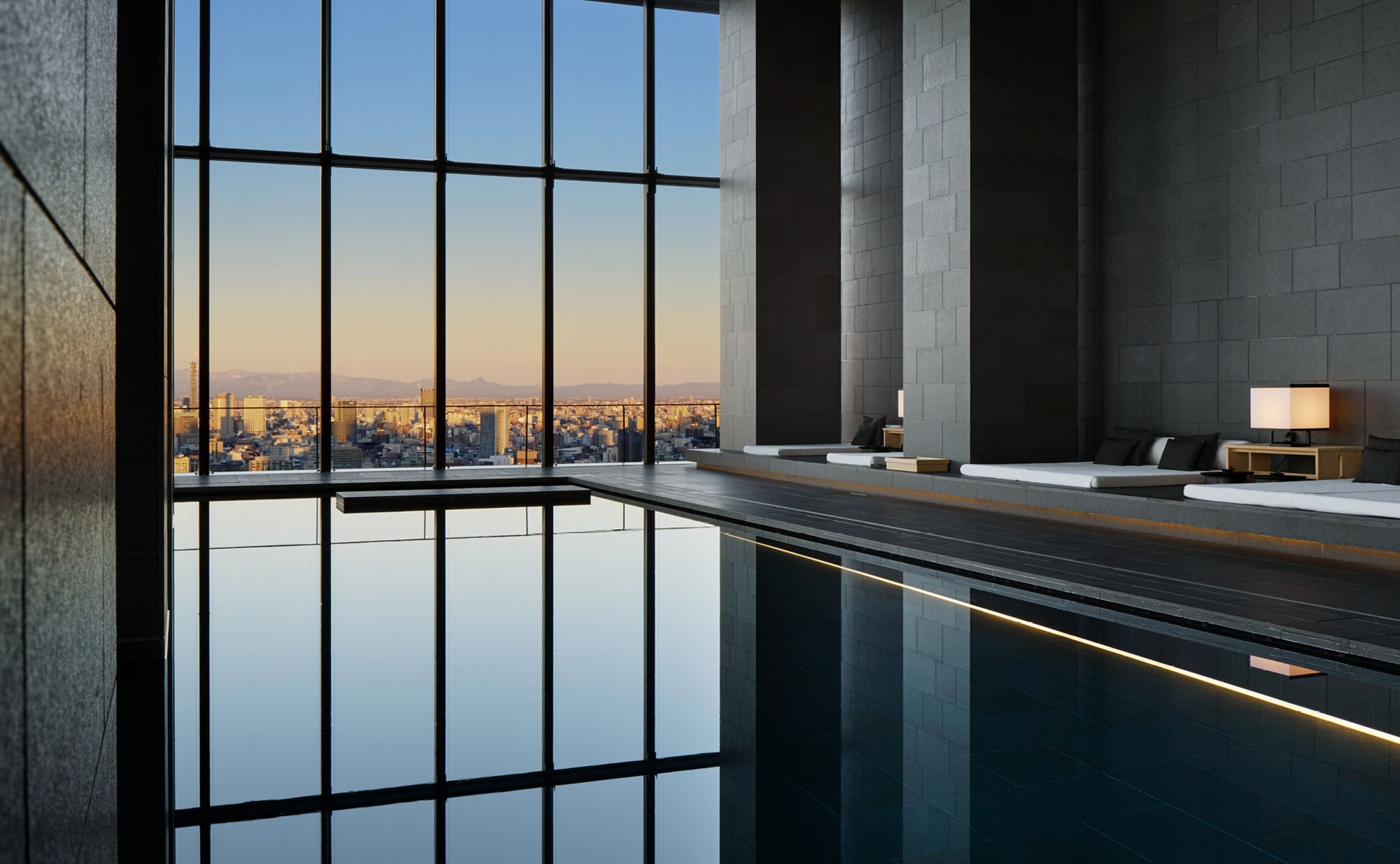
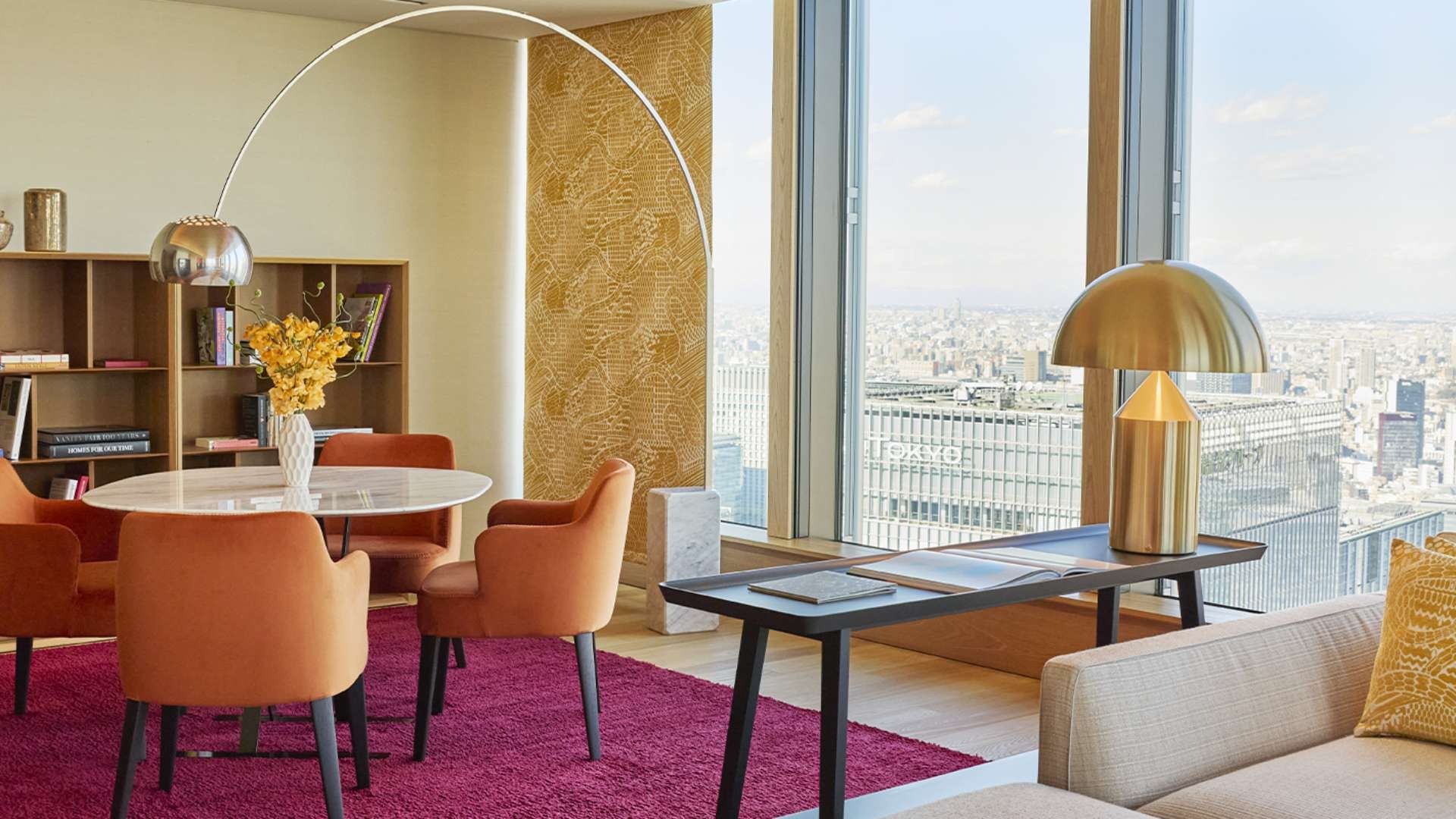
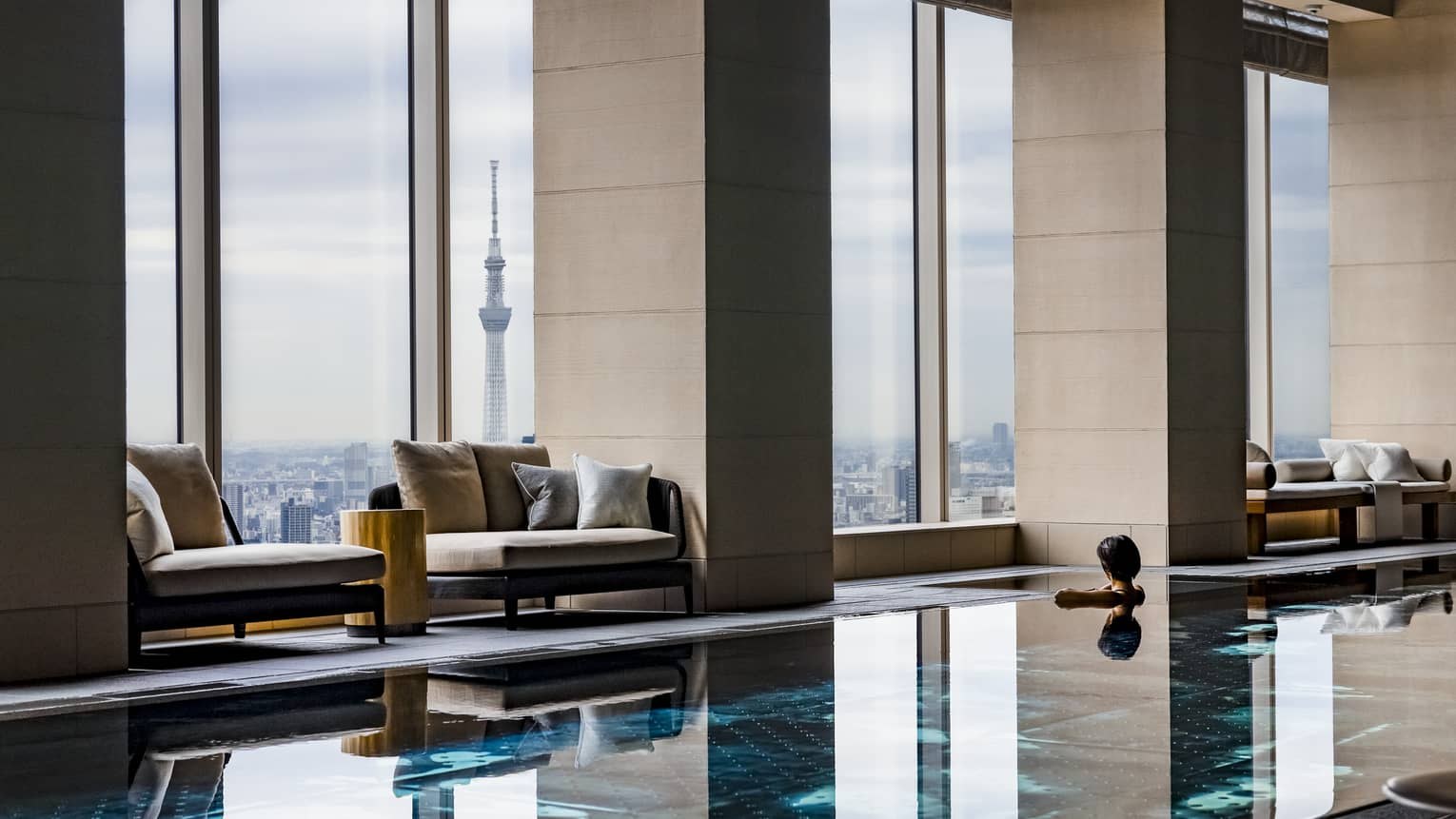
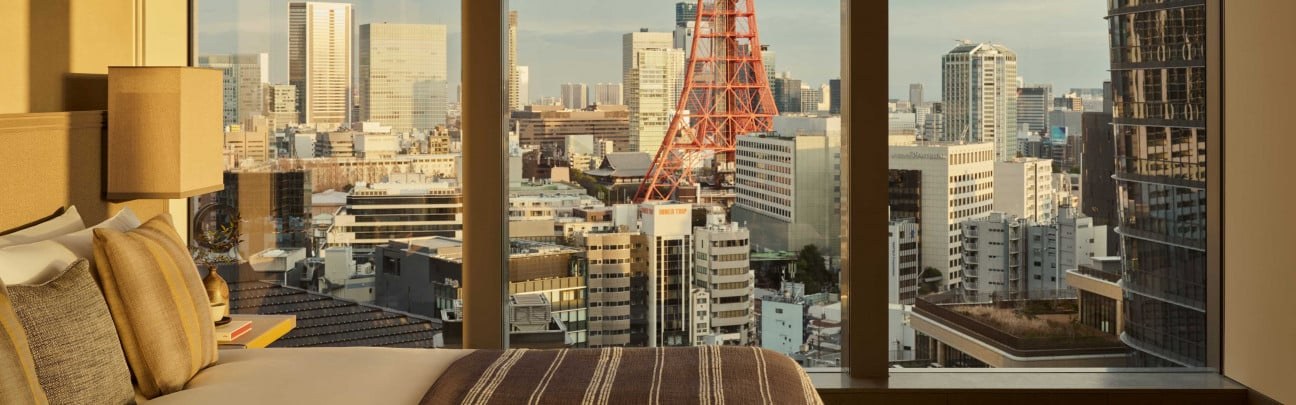
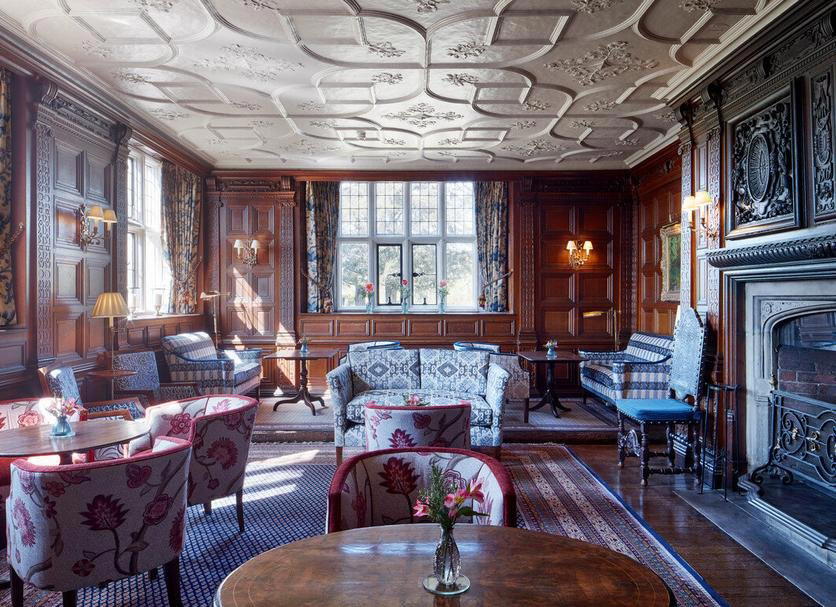
Sophisticated and relaxing with neutral natural interiors inspired by Japan's seasons, excellent soundproofing, and serene lighting in spacious, clean rooms.
Tags
Vibe
Best For
Experience
Amenities
View
Accessibility
About the Stay
- Rooms
- 70
- Check-in
- 15:00
- Check-out
- 11:00
- Property Style
- Relais & Chateaux Service Apartment Style Boutique Hotel
- Design Style
- Seasonal Japanese Inspired Minimalist Elegance with Neutral Tones
Know before you go
Know Before You Go
- Getting there
- 2-chōme-16-15 Hirakawachō, Chiyoda City, Tokyo 102-0093
Planning details
Location
2-chōme-16-15 Hirakawachō, Chiyoda City, Tokyo 102-0093 · Directions
Recognition and awards

Also consider
Good alternatives if this is not the right fit
Pick The Prince Gallery Tokyo Kioicho, a Luxury Collection Hotel if the occasion needs a more dramatic luxury setting. Choose Hotel New Otani Tokyo Executive House Zen if the priority is a higher-touch stay within a larger hotel complex.
Hotel context
How it compares with nearby Tokyo hotels
Choose The Kitano Hotel Tokyo if booking ease and a quieter Chiyoda base matter more than height, spectacle, or a large-hotel amenity circuit. The Prince Gallery Tokyo Kioicho, a Luxury Collection Hotel is the better fit for travelers who want a more dramatic luxury-hotel feel in the same broader area, while The Kitano is the calmer choice for business-focused stays and low-friction celebrations.
Granbell Hotel Akasaka is the sharper cross-shop if value and Akasaka access outweigh formal service cues. The Capitol Hotel Tokyu should be ahead on the list for guests who want a larger luxury property with more destination-hotel energy. The Kitano works better when the stay needs to feel composed rather than showy.
For travelers comparing the New Otani options, Hotel New Otani Tokyo The Main is the safer pick for a broader hotel complex, while Hotel New Otani Tokyo Executive House Zen is the higher-touch alternative within that ecosystem. The Kitano is easier to recommend when the priority is a central, quieter stay with a recognized service signal and less need for resort-style scale.
Explore Tokyo
Around this place
Discover more on Pearl
Unlock the full The Kitano Hotel Tokyo guide in Pearl, including awards, comparisons, FAQs, planning details, and nearby places.
Compare The Kitano Hotel Tokyo
| Venue | Location | Awards |
|---|---|---|
| The Kitano Hotel Tokyo | Tokyo | 2026 Relais Chateaux Hotels2025 Relais Chateaux Award |
| The Prince Gallery Tokyo Kioicho, a Luxury Collection Hotel | Tokyo | 2026 Forbes 5-Star2026 La Liste Top Hotels2026 Michelin 1 Key2025 Michelin 1 Key2025 Forbes 5-Star |
| Granbell Hotel Akasaka | Tokyo | No published awards |
| The Capitol Hotel Tokyu | Tokyo | 2026 Forbes 5-Star2026 La Liste Top Hotels2026 Michelin 2 Keys2025 Michelin 2 Keys2025 Forbes 5-StarPreferred Hotels Member 20252024 Michelin 2 Keys |
| Hotel New Otani Tokyo The Main | Tokyo | 2026 Forbes 4-Star2025 Forbes 4-StarPreferred Hotels L.V.X. Collection 20252024 Michelin 1 Key |
| Hotel New Otani Tokyo Executive House Zen | Tokyo | 2026 Virtuoso Luxury Hotel Collection2026 Forbes 5-Star2026 La Liste Top Hotels2026 Michelin 1 Key2025 Forbes 5-Star2025 Michelin 1 KeyPreferred Hotels Member 2025 |








How The Kitano Hotel Tokyo compares with similar nearby venues.
FAQ
Frequently Asked Questions
Is The Kitano Hotel Tokyo family-friendly?
Families considering The Kitano Hotel Tokyo should confirm room needs, family-focused features, children-oriented amenities, and practical requirements directly with the hotel before booking. Key planning notes: it is in Tokyo, has a smart casual dress code, and has a Relais Chateaux Award (2026).
What is check-in like at The Kitano Hotel Tokyo?
For check-in, confirm arrival time, luggage handling, service format, and any special arrival requests directly with the property.
How is the location of The Kitano Hotel Tokyo?
The Kitano Hotel Tokyo is in Tokyo. Use the hotel's official channels for exact address, neighborhood, landmark, and transit details before planning routes.
How does The Kitano Hotel Tokyo compare to other Tokyo hotels?
Choose The Kitano Hotel Tokyo if its core details fit your trip: Tokyo location, smart casual dress code, and Relais Chateaux Award (2026) recognition. For comparison, travelers may also review Granbell Hotel Akasaka, Hotel New Otani Tokyo The Main, Hotel New Otani Tokyo Executive House Zen, The Capitol Hotel Tokyu, and The Prince Gallery Tokyo Kioicho, a Luxury Collection Hotel, then decide based on room, dining, and amenity needs.
How is the dining at The Kitano Hotel Tokyo?
If dining is important to the stay, check The Kitano Hotel Tokyo's official channels for current cuisine, price, chef, menu format, meal periods, dietary accommodations, takeout, delivery, and beverage program details before booking.