Odaiba Ōedo-Onsen Monogatari
Kōtō, Tokyo
Hotel in Tokyo, Japan
 Book with Pearl
Why go
Odaiba Ōedo-Onsen Monogatari was Tokyo's most accessible onsen experience — a large-format Edo-style hot spring facility on the city's artificial island. Good for groups or couples after cultural novelty without a long journey. Arrive on a weekday morning to avoid peak crowds; for a quieter onsen stay, look to Hakone or Nikko instead.
About Odaiba Ōedo-Onsen Monogatari
Quick Take: Worth Visiting for a Day of Traditional Bathing Culture
Odaiba Ōedo-Onsen Monogatari is Tokyo's most accessible onsen theme park experience — a large-format hot spring facility on the artificial island of Odaiba, designed to evoke the atmosphere of an Edo-period town. If you want a full day of bathing, food stalls, and yukata-wearing without leaving the city, this is the easiest place to do it. It is not a ryokan, not a hotel, and not a spa in the conventional sense. Manage expectations accordingly, and it delivers.
The footprint is substantial. Multiple indoor and outdoor baths, a floor of food and drink vendors done up in festival-market style, and a yukata rental service are all included in the entry price. The experience is built for groups, couples, and families looking for something distinctly Japanese that does not require a bullet train journey. For a special occasion or date that trades fine-dining formality for cultural novelty, the atmosphere works — lively, communal, and genuinely immersive for first-time visitors to Tokyo's onsen scene.
The noise level and energy here run high during peak hours. Weekend afternoons in particular draw large crowds, and the shared bath areas can feel more theme park than retreat. If you are after quiet and contemplative soaking, book a private bath slot or arrive early on a weekday. For a meditative ryokan experience with proper onsen culture, properties like Gora Kadan in Hakone or Amanemu in Mie serve that purpose far better, though they require more planning and a higher budget.
Location is a real consideration. Odaiba sits on reclaimed land in Tokyo Bay, reachable by the Yurikamome monorail or the Rinkai Line. It is not central, expect 30 to 45 minutes from Shinjuku or the Marunouchi district. That distance means you are committing a half-day at minimum. The flip side: the waterfront setting, with views across the bay toward the Rainbow Bridge, adds genuine atmosphere to the outdoor bath areas.
For Tokyo visitors who want to stay closer to the city centre and keep luxury options open, the full picture of what is available appears in our full Tokyo hotels guide and full Tokyo experiences guide. If a ryokan-style onsen stay matters more than a day-trip format, Fufu Nikko in Nikko, Nishimuraya Honkan in Kinosaki-cho, and Zaborin in Kutchan are the comparisons worth making. Within Tokyo itself, this is the most practical entry point into onsen culture without leaving the metropolitan area.
Planning details
- Location
- 2 Chome-6-3 Aomi, Koto City, Tokyo 135-0064, Japan
- Website
- daiba.ooedoonsen.jp
- Phone
- +81 3 5500 1126
The take
The Take
The Vibe
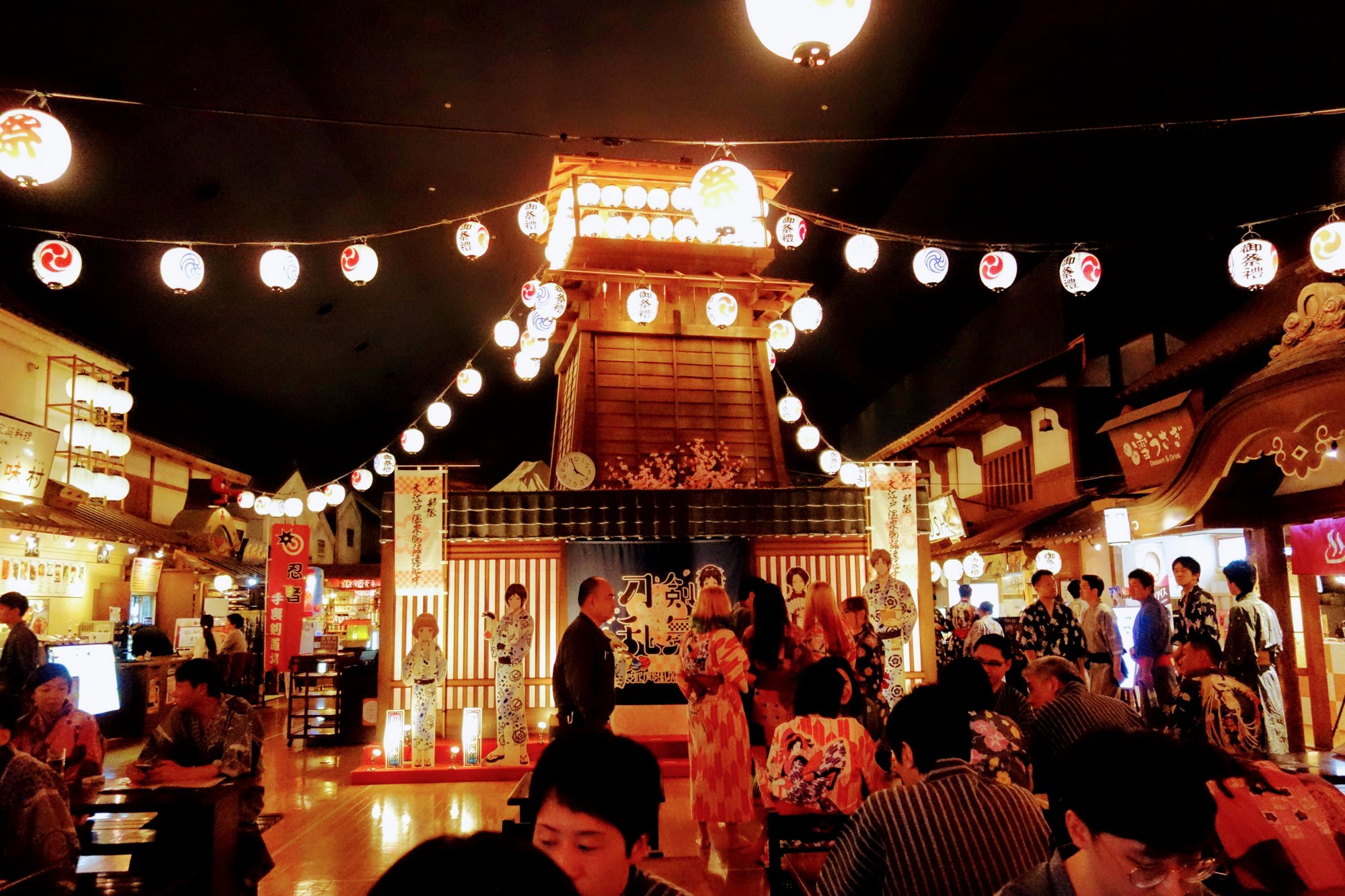
Odaiba Ōedo-Onsen Monogatari wears its theatricality openly: lanterns, wooden signage and an Edo‑period market‑town motif set a deliberately different tempo from central Tokyo. The complex reads as a staged version of tradition, where architecture and arrival cue a shift into communal bathing and shared leisure. At the same time the experience is relaxed and approachable — a modern, urban onsen that foregrounds social rituals as much as mineral water. The result is a charming, historic‑leaning destination that balances spectacle with the restorative rhythm of Japan’s hot‑spring culture.
Best For
This is a place for groups, families and anyone seeking a concentrated onsen experience without leaving the city. Its waters are tennen (natural hot spring) drawn from wells beneath Tokyo Bay, and the facility pairs multiple bath types with communal dining and entertainment under one roof. That combination makes it well suited to wellness‑oriented visits, relaxed group outings and weekend escapes: visitors come for bathing, but stay for the sociality, food and the theatrical Edo‑themed setting.
Stay Tips
Approach the complex via Aomi station and allow time to move through the designed sequence of spaces — the entrance deliberately signals a change of pace. Plan to sample a variety of baths and to include a meal, since communal dining and entertainment are integral parts of the experience. Note that the facility draws natural hot‑spring water from wells beneath Tokyo Bay, which is the editorially significant feature to prioritize when choosing this Tokyo flagship for a restorative, sociable visit.
Venue details
Ambiance
Festive and lively Edo-era atmosphere with lanterns, street food stalls, carnival games, and guests in yukata creating a traditional Japanese festival vibe.
Tags
Vibe
Best For
Experience
Amenities
About the Stay
- Rooms
- 50
- Check-in
- 17:00
- Check-out
- 09:00
- Property Style
- Edo Period Theme Park Ryokan
- Design Style
- Traditional Japanese Edo Era with Modern Onsen Facilities
- Breakfast
- Included
- Pool
- Yes
- Spa
- Yes
- Families
- Welcome
- Cancellation
- Moderate
Know before you go
Know Before You Go
- Getting there
- 2 Chome-6-3 Aomi, Koto City, Tokyo 135-0064, Japan
Planning details
Location
Also consider
Also Consider
- Bvlgari Hotel Tokyo, Notable alternative
- Aman Tokyo, Notable alternative
- Four Seasons Hotel Tokyo at Otemachi, Notable alternative
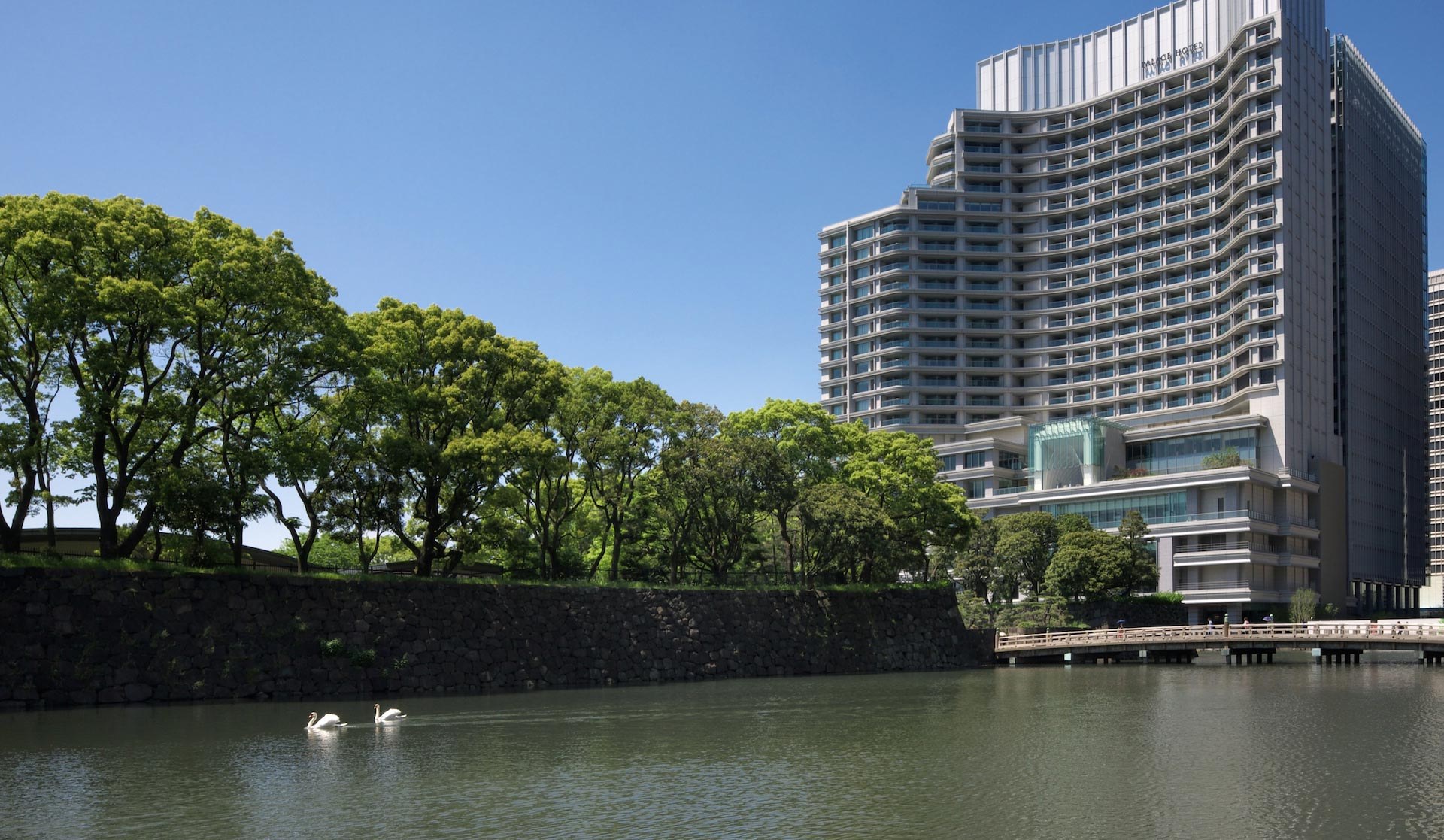
- Palace Hotel Tokyo, Notable alternative
- Andaz Tokyo, Notable alternative
Hotel context
Odaiba Ōedo-Onsen Monogatari occupies a different category from Tokyo's luxury hotel properties, but it is worth framing it against them because visitors choosing between a ryokan-style overnight and a day-trip onsen format often consider both. For pure luxury and service depth, Aman Tokyo and Bvlgari Hotel Tokyo operate at a completely different level, private, quiet, and built for guests who want stillness rather than a crowd. Neither offers onsen access, but both deliver the kind of curated bathing and wellness experience that Ōedo-Onsen cannot match in terms of atmosphere or service.
If your priority is a centrally located stay with strong design and easier booking, Andaz Tokyo and Palace Hotel Tokyo are the practical alternatives for a hotel base, while a dedicated day trip to Ōedo-Onsen serves the onsen element separately. Four Seasons Hotel Tokyo at Otemachi sits at the top of the central Tokyo hotel tier for service consistency and room quality. None of these overlap directly with what Odaiba Ōedo-Onsen Monogatari does, which is mass-format cultural bathing rather than boutique hospitality.
The clearest head-to-head comparison for the onsen experience itself is with properties outside central Tokyo. Gora Kadan in Hakone and Amanemu in Mie both deliver traditional onsen culture at a higher level of quality and calm, but require an overnight stay and a significantly higher budget. Odaiba Ōedo-Onsen Monogatari wins on accessibility and value for a half-day Tokyo experience. It loses on every dimension of atmosphere, exclusivity, and service quality. Choose it when you want onsen culture without leaving the city; choose the alternatives when the experience itself is the primary goal.
Explore Tokyo
Around this place
Discover more on Pearl
Unlock the full Odaiba Ōedo-Onsen Monogatari guide in Pearl, including awards, comparisons, FAQs, planning details, and nearby places.
Compare Odaiba Ōedo-Onsen Monogatari
| Venue | Booking Difficulty | Awards |
|---|---|---|
| Odaiba Ōedo-Onsen Monogatari | Easy | No published awards |
| Bvlgari Hotel Tokyo | Unknown | 2026 World’s 50 Best Hotels 1-50 · #242026 Forbes 5-Star2026 Virtuoso Luxury Hotel Collection2026 Robb Report Best Luxury Hotels in Tokyo2026 La Liste Top Hotels2026 Michelin 3 Keys2025 World’s 50 Best Hotels · #15Tatler Best Hotels Asia-Pacific 20252025 Michelin 3 Keys |
| Aman Tokyo | Unknown | 2026 Food & Wine Top 10 Global Hotels for Food and Drink · #52026 World’s 50 Best Hotels 1-50 · #112026 Forbes 4-Star2026 Virtuoso Luxury Hotel Collection2026 Robb Report Best Luxury Hotels in Tokyo2026 Mr & Mrs Smith Luxury Hotels2026 La Liste Top Hotels2026 Michelin 2 Keys2025 World’s 50 Best Hotels · #25 |
| Four Seasons Hotel Tokyo at Otemachi | Unknown | 2026 Forbes 4-Star2026 Robb Report Best Luxury Hotels in Tokyo2026 La Liste Top Hotels2026 Michelin 3 Keys2025 Conde Nast Best Hotels · #142025 Forbes 4-Star2025 Michelin 3 Keys2024 Michelin 3 KeysFour Seasons Hotels |
| Palace Hotel Tokyo | Unknown | 2026 World’s 50 Best Hotels 51-100 · #732026 Virtuoso Luxury Hotel Collection2026 Forbes 5-StarLeading Hotels of the World 20262026 La Liste Top Hotels2026 Michelin 3 Keys2025 Travel + Leisure 100 Favorite Hotels in the World · #712025 Forbes 5-Star2025 Michelin 3 Keys |
| Andaz Tokyo | Unknown | 2026 Michelin 1 Key2025 Michelin 1 Key2024 Michelin 1 Key |
















How Odaiba Ōedo-Onsen Monogatari stacks up against the competition.
FAQ
Frequently Asked Questions
Which room category is best at Odaiba Ōedo-Onsen Monogatari?
Ōedo-Onsen Monogatari is a day-use facility rather than an overnight hotel, so standard room categories do not apply. The core decision is whether to upgrade to a private bath reservation for smaller groups wanting privacy, or to use the large communal baths, which are the main draw and what most visitors book. For couples or solo visitors comfortable with communal bathing, the general admission format delivers the full experience.
What is check-in like at Odaiba Ōedo-Onsen Monogatari?
Arrival is handled at the front desk at 2 Chome-6-3 Aomi, Koto City, Tokyo. Guests receive a yukata (casual kimono) on entry, which is worn throughout the facility — this is part of the format, not optional. Lockers are provided for valuables. Busy weekend afternoons can mean short queues at entry, so arriving at opening or on a weekday morning is the practical move.
How is the location of Odaiba Ōedo-Onsen Monogatari?
The facility sits on Odaiba, Tokyo's reclaimed island in Tokyo Bay, which means it is further from central districts than most visitors expect. Access is via the Yurikamome monorail or Rinkai Line, adding 20-35 minutes from Shinjuku or Ginza. The trade-off is that Odaiba is far less crowded than central Tokyo, and the bay-area setting suits the unhurried pace of a half-day or full-day soak.
When is the best time to book Odaiba Ōedo-Onsen Monogatari?
Weekday mornings are the low-traffic window. Weekend afternoons and public holidays bring the largest crowds to the communal baths and food stalls, which reduces the relaxed atmosphere the venue is built around. If a weekend visit is unavoidable, arriving at or just after opening gives the quietest first few hours. Golden Week and year-end holiday periods are the dates most worth avoiding.
How is the dining at Odaiba Ōedo-Onsen Monogatari?
Dining is on-site and themed around a recreated Edo-period market street, with multiple food stalls and a sit-down restaurant. Options lean toward Japanese comfort food: ramen, yakitori, and seasonal dishes. It is sufficient for a full day visit and adds to the atmosphere, but this is not a destination meal — think of the food as supporting the bathing experience rather than a reason to visit in its own right.