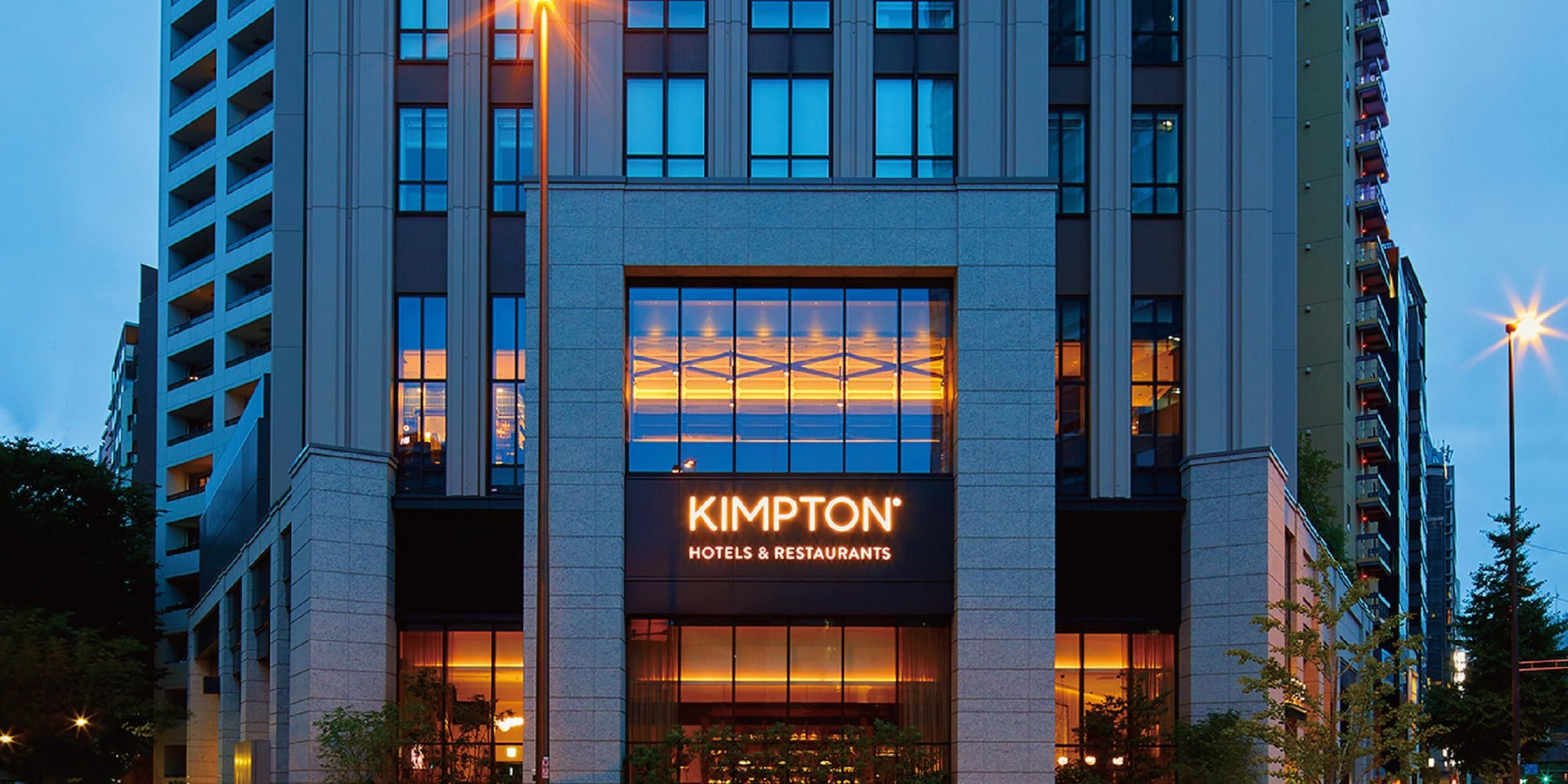


Kimpton Shinjuku Tokyo
Shinjuku, Tokyo
Hotel in Tokyo, Japan
 Book with Pearl
Why go
A design-forward Shinjuku hotel that makes sense for travelers who want polished style and easier booking pressure without committing to a full luxury-resort setup. The value is strongest when rates sit above basic station hotels but below Tokyo's heavier luxury tier; book for location and atmosphere, not as a pool-and-spa destination.
About Kimpton Shinjuku Tokyo
Kimpton Shinjuku Tokyo is a Tokyo hotel. Details include: the hotel is listed by the MICHELIN Guide in 2025, has 2025 World Luxury Hotel Awards recognition as both a country winner and regional winner, and notes a smart-casual dress code.
Specific room types, facilities, dining concepts, prices, service style, or neighborhood details beyond Tokyo are not specified. It is best to confirm current practical details directly before booking. Travelers comparing it with other Tokyo options should focus on the rate, cancellation terms, room category, and the amenities that matter most for the trip.
Book for confirmed recognition, then verify the stay details
The strongest reason to keep Kimpton Shinjuku Tokyo on a shortlist is its recognition. The hotel is selected by the MICHELIN Guide in 2025 and has 2025 World Luxury Hotel Awards recognition as a country winner and regional winner. These support its positioning as a notable Tokyo hotel, but they do not provide specific facilities, dining formats, wellness amenities, or service details.
If the stay depends on a particular feature, such as a pool, spa, dining venue, room configuration, or special service, confirm that information with the hotel before committing. The smart-casual dress code is the clearest practical detail to carry into planning.
Who gets the value here
Kimpton Shinjuku Tokyo is easiest to justify for travelers who want a Tokyo hotel with external recognition and are comfortable checking operational details before booking. It may also suit guests who prefer a hotel where a smart-casual standard is appropriate for the stay.
For comparison, price it against other named Tokyo options rather than against the entire city in the abstract. Apartment Hotel Shinjuku and Hotel Sunroute Plaza Shinjuku may be useful references, while Keio Plaza Hotel Tokyo, Keio Plaza Hotel Tokyo Premier Grand, and Park Hyatt Tokyo can help frame Kimpton Shinjuku Tokyo among other hotel choices in Tokyo.
Planning details
- Location
- 3 Chome-4-7 Nishishinjuku, Shinjuku City, Tokyo 160-0023, Japan
- Website
- kimptonshinjuku.com
- Phone
- +81 3-6258-1111
The take
The Take
The Vibe
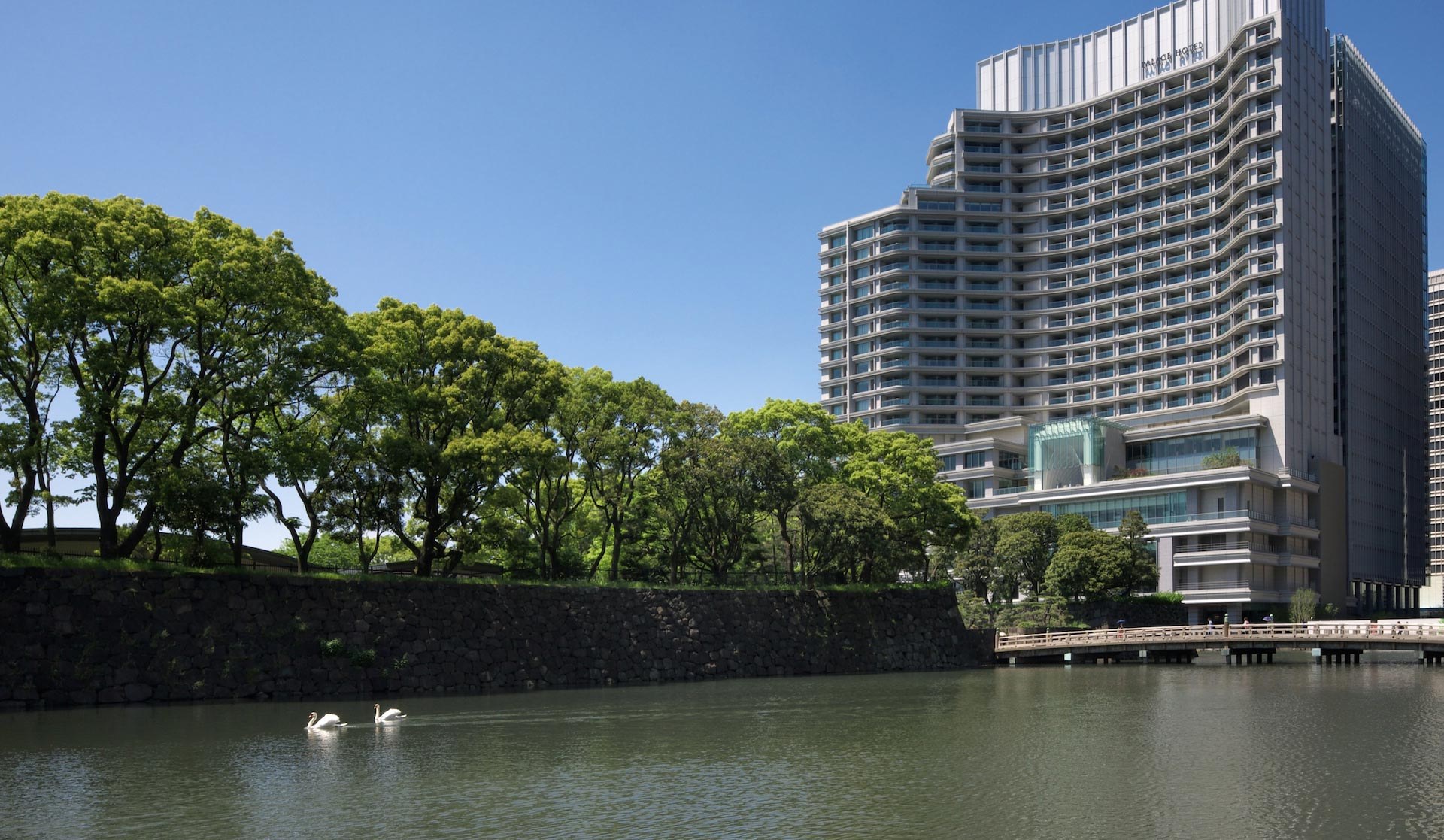
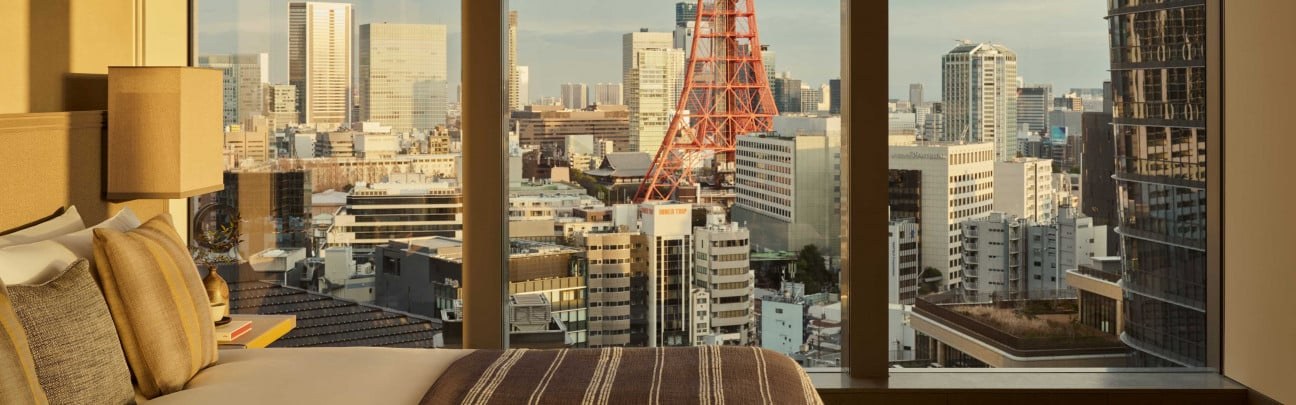
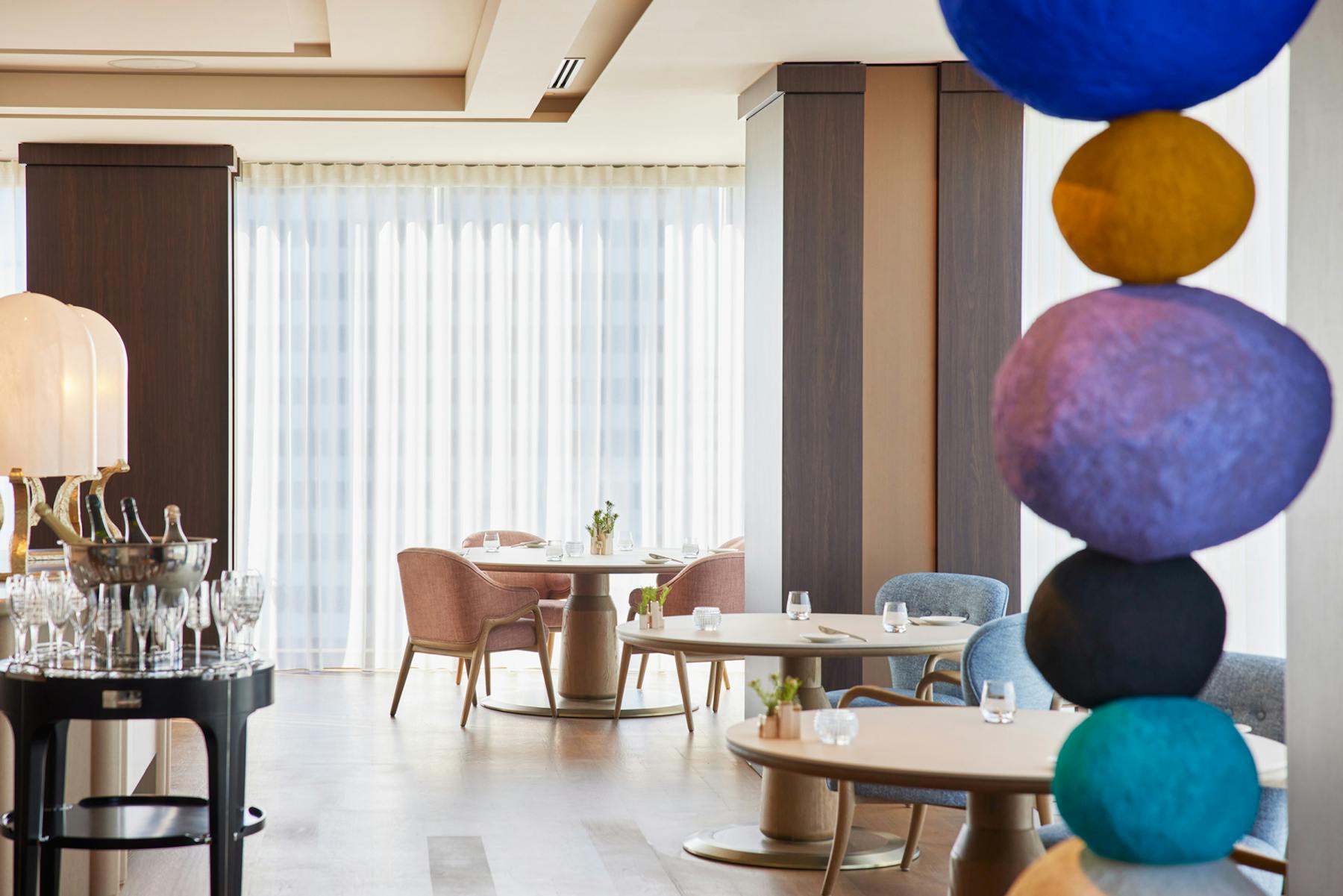
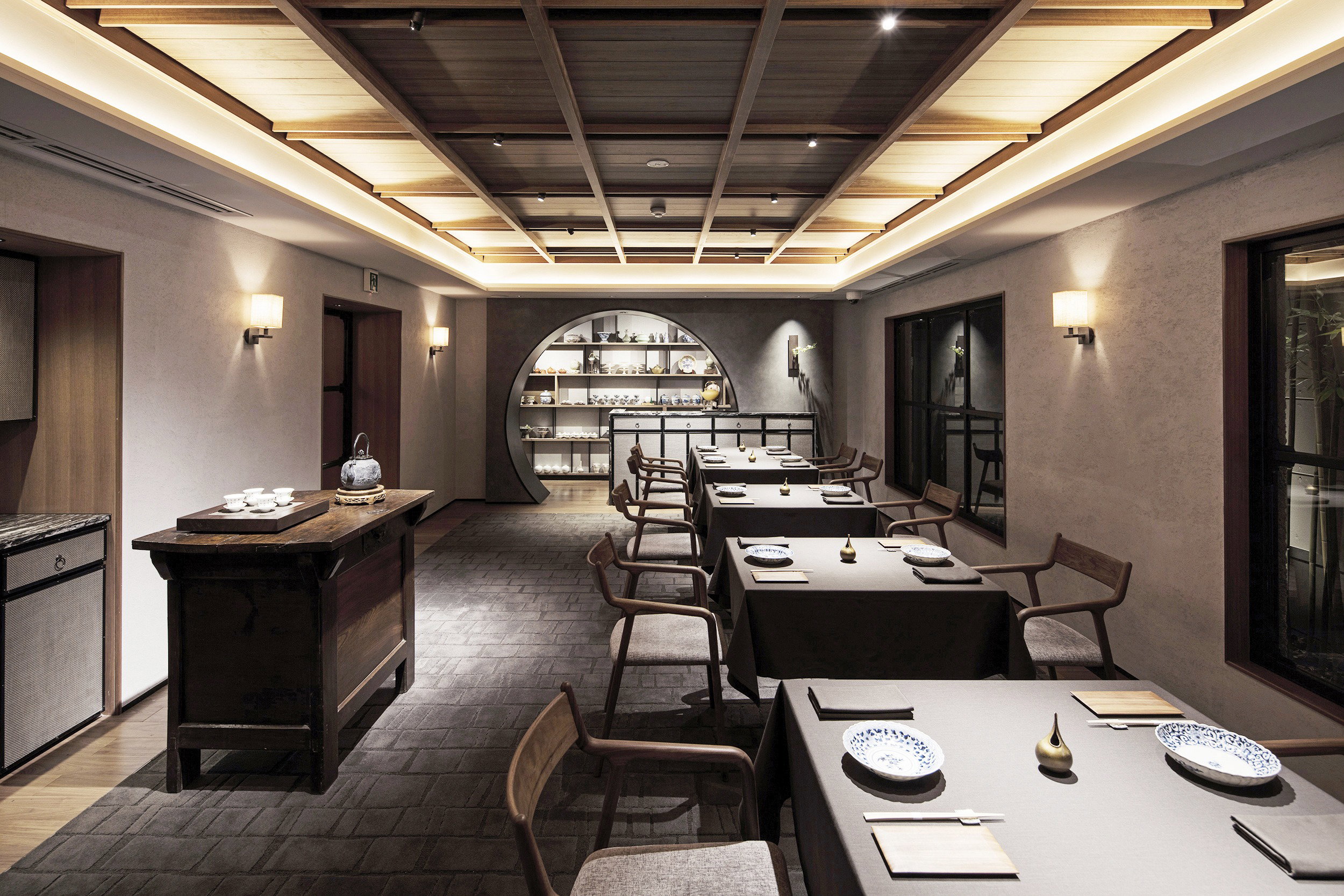
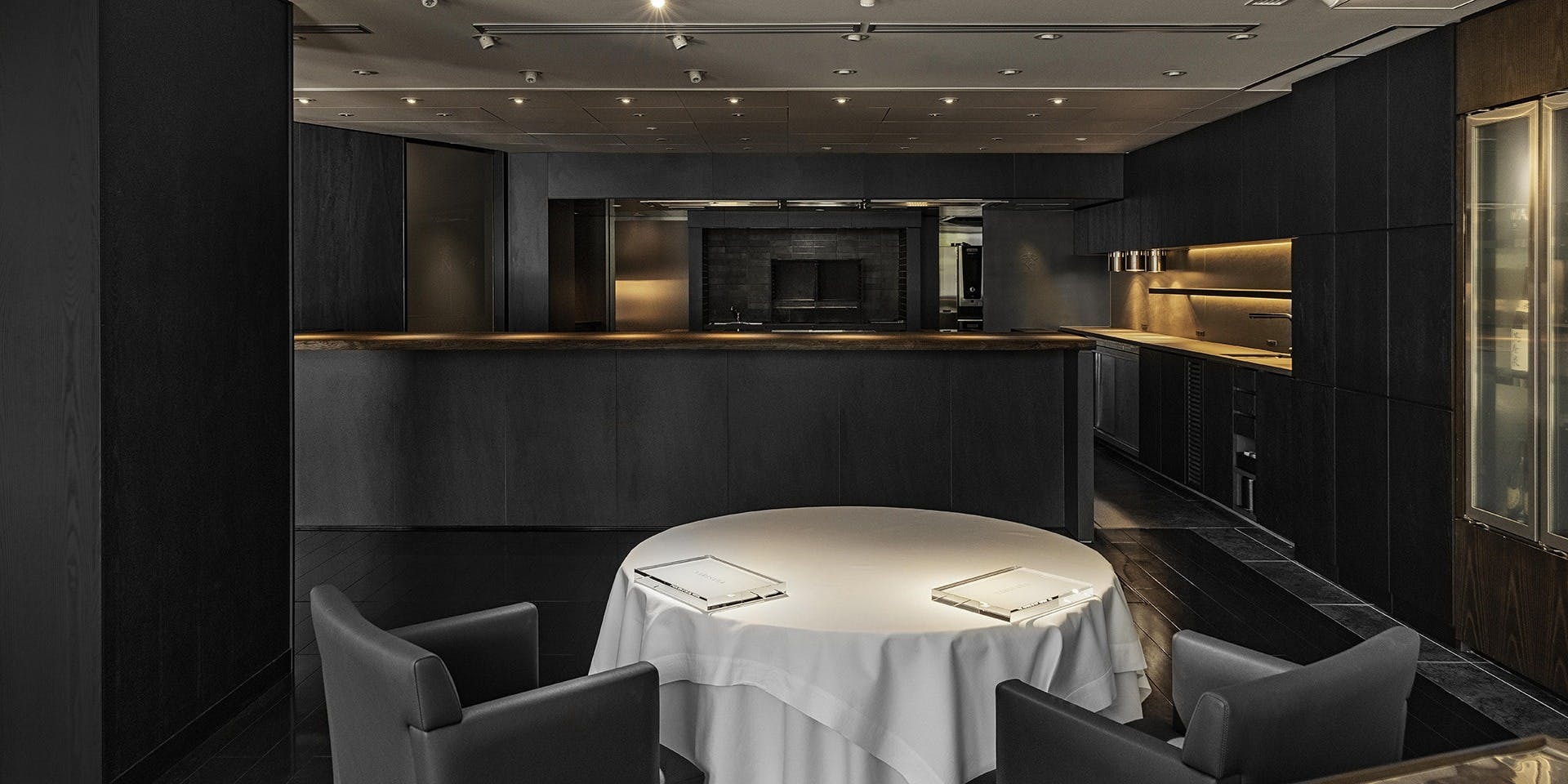
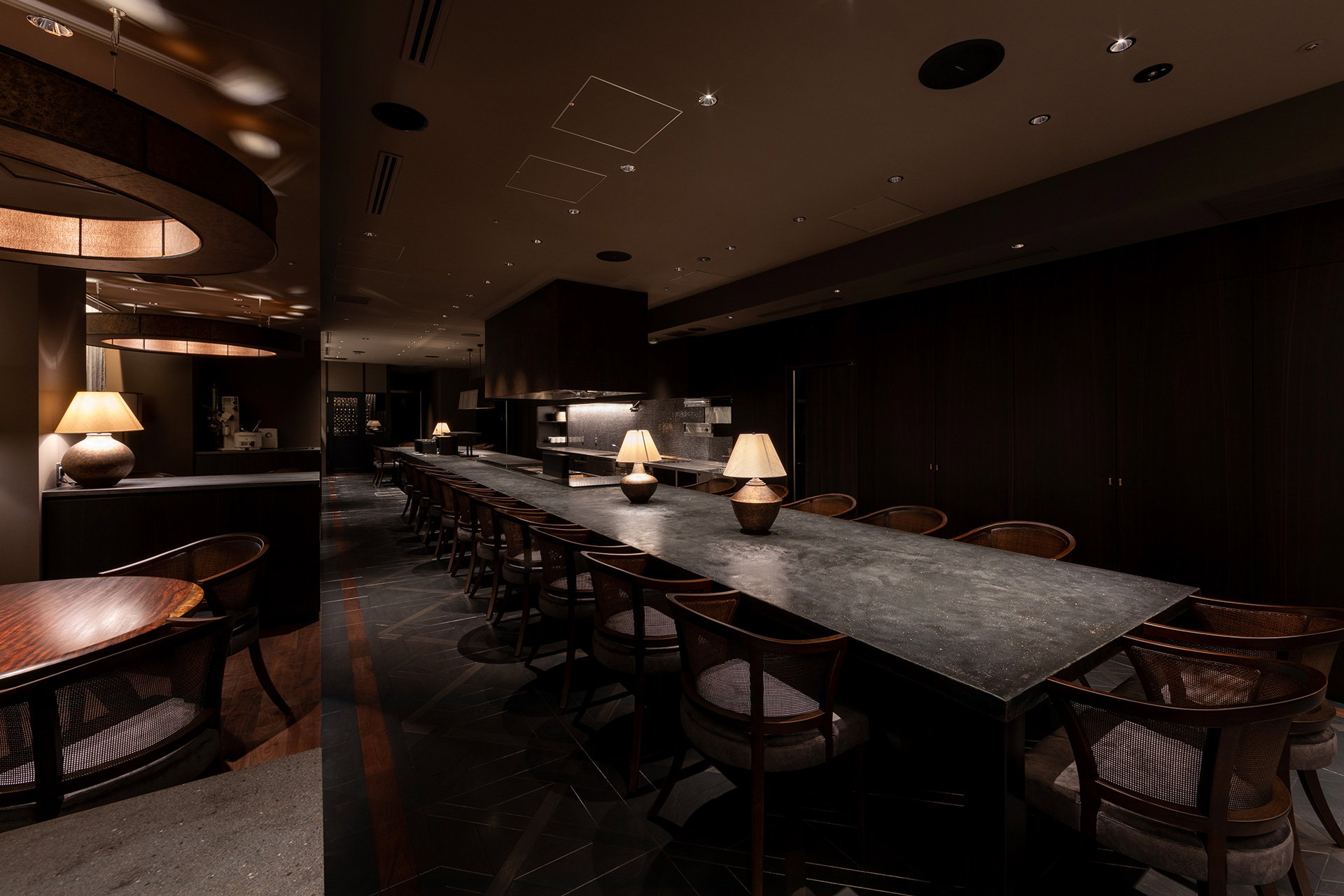
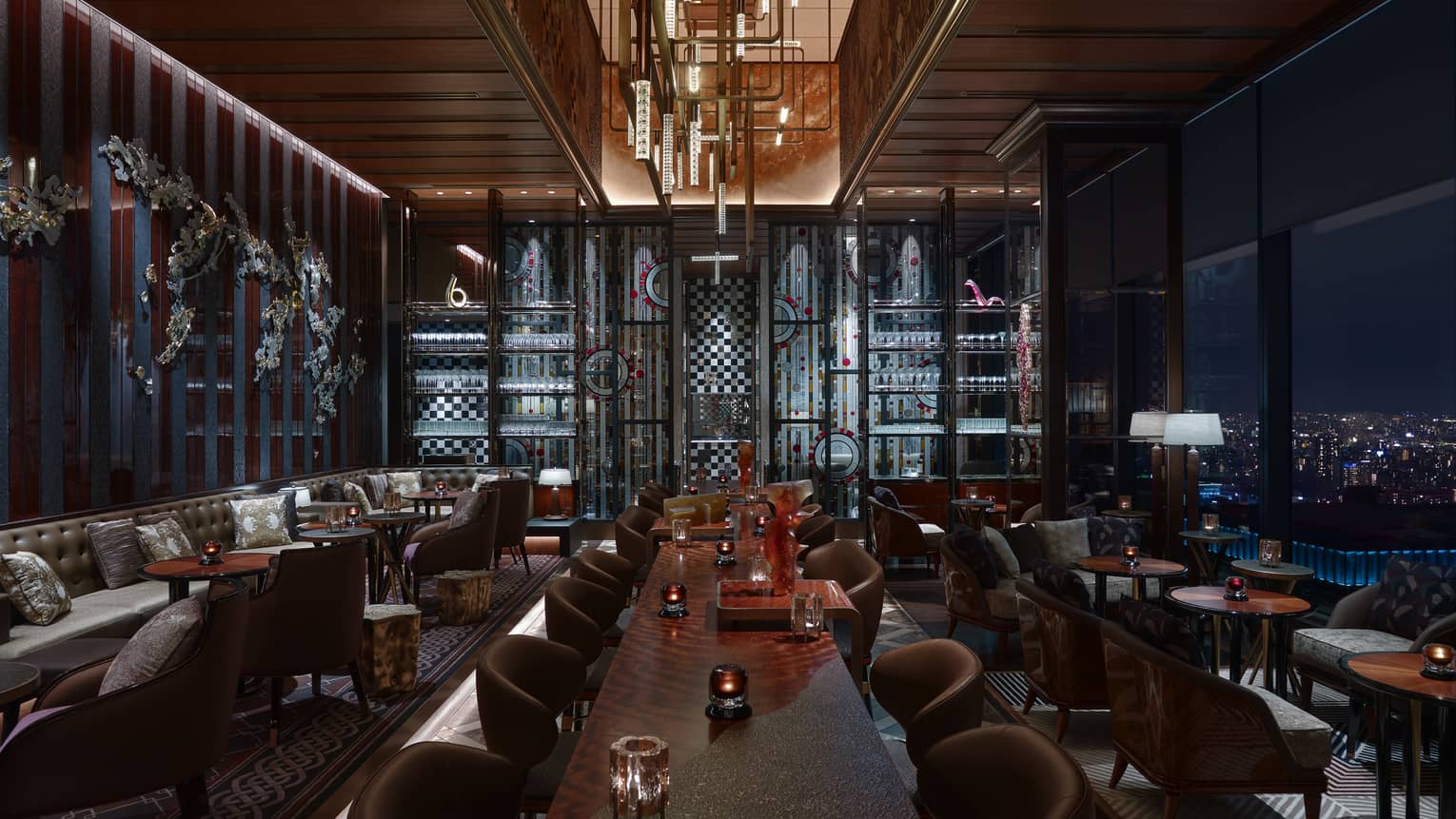
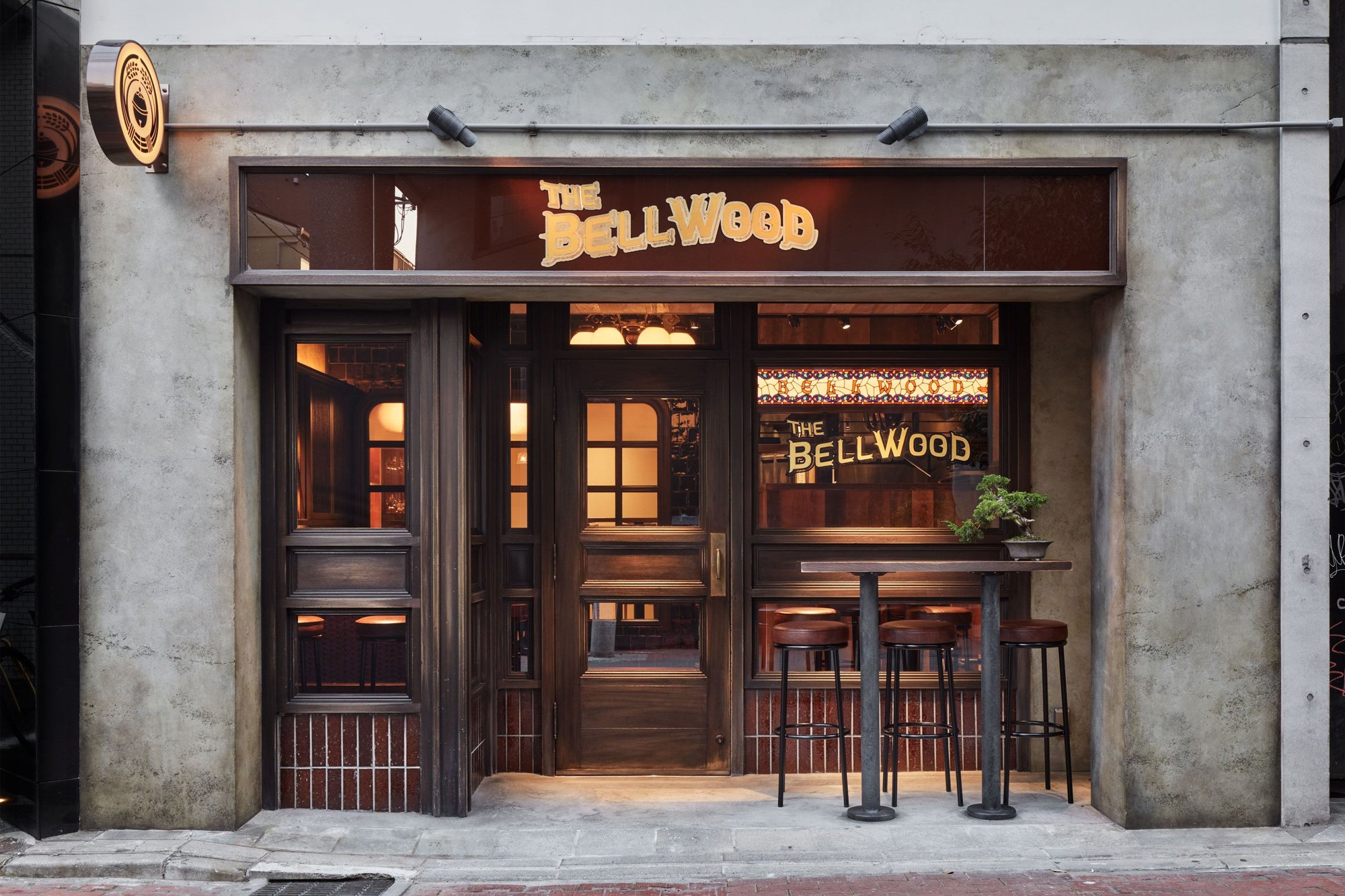
Kimpton Shinjuku Tokyo reads as a design-first, quietly confident hotel in the layered urban fabric of Nishishinjuku. It favors considered scale over monumentality: the building’s presence is deliberate rather than towering, and interiors and programming land with a design-conscious clarity. The property leans into atmosphere and aesthetic coherence, appealing to guests who appreciate curated details and an intimate, less corporate stay. Awards for luxury lifestyle and design underline a commitment to thoughtful materiality and atmosphere, so the overall feel is refined and restrained — a modern, low-key refuge amid Shinjuku’s denser towers.
Best For
This property suits travellers who want the conveniences of Shinjuku without the scale or formality of tower hotels. Located a short approach from Shinjuku Station’s west exits, it is practical for business travellers based in the working district and for weekenders seeking a design-forward escape. The hotel positions itself as a lifestyle-format alternative: guests who prioritise coherent interiors, curated atmosphere and a quieter neighbourhood setting find it especially rewarding. Its awards for luxury lifestyle and design signal an elevated, contemporary experience rather than a palace‑style or panoramic tower stay.
Venue details
Ambiance
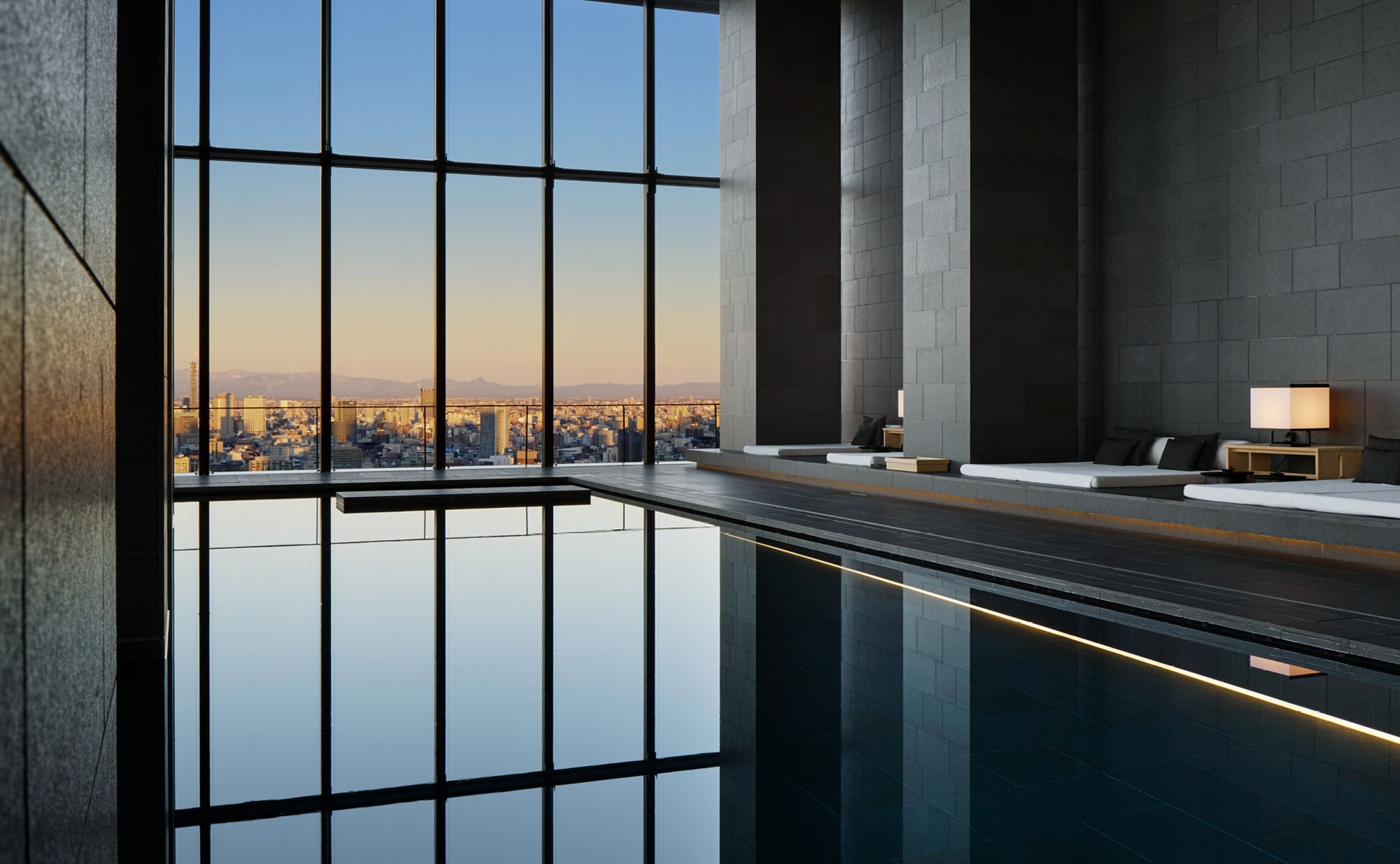
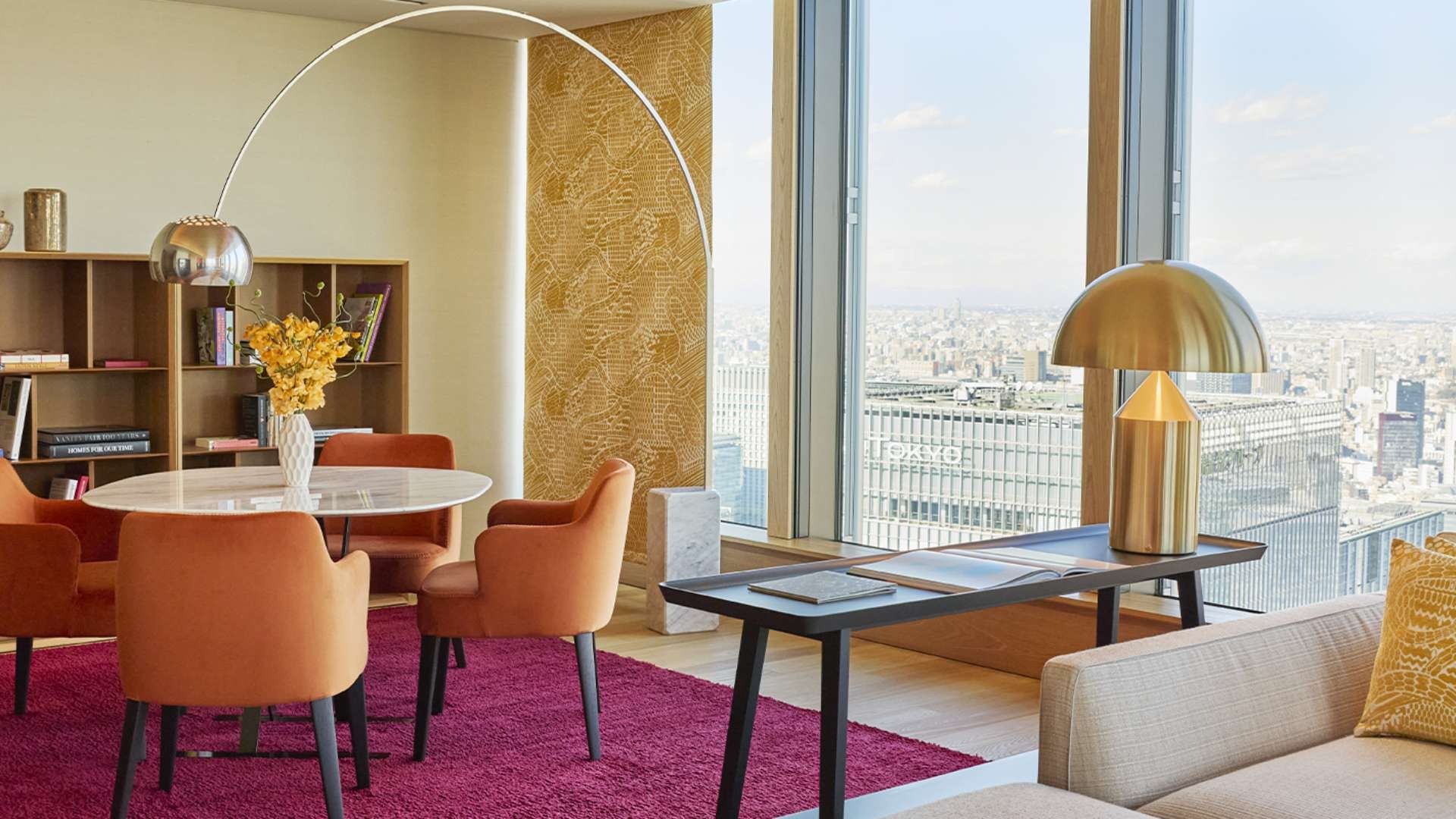
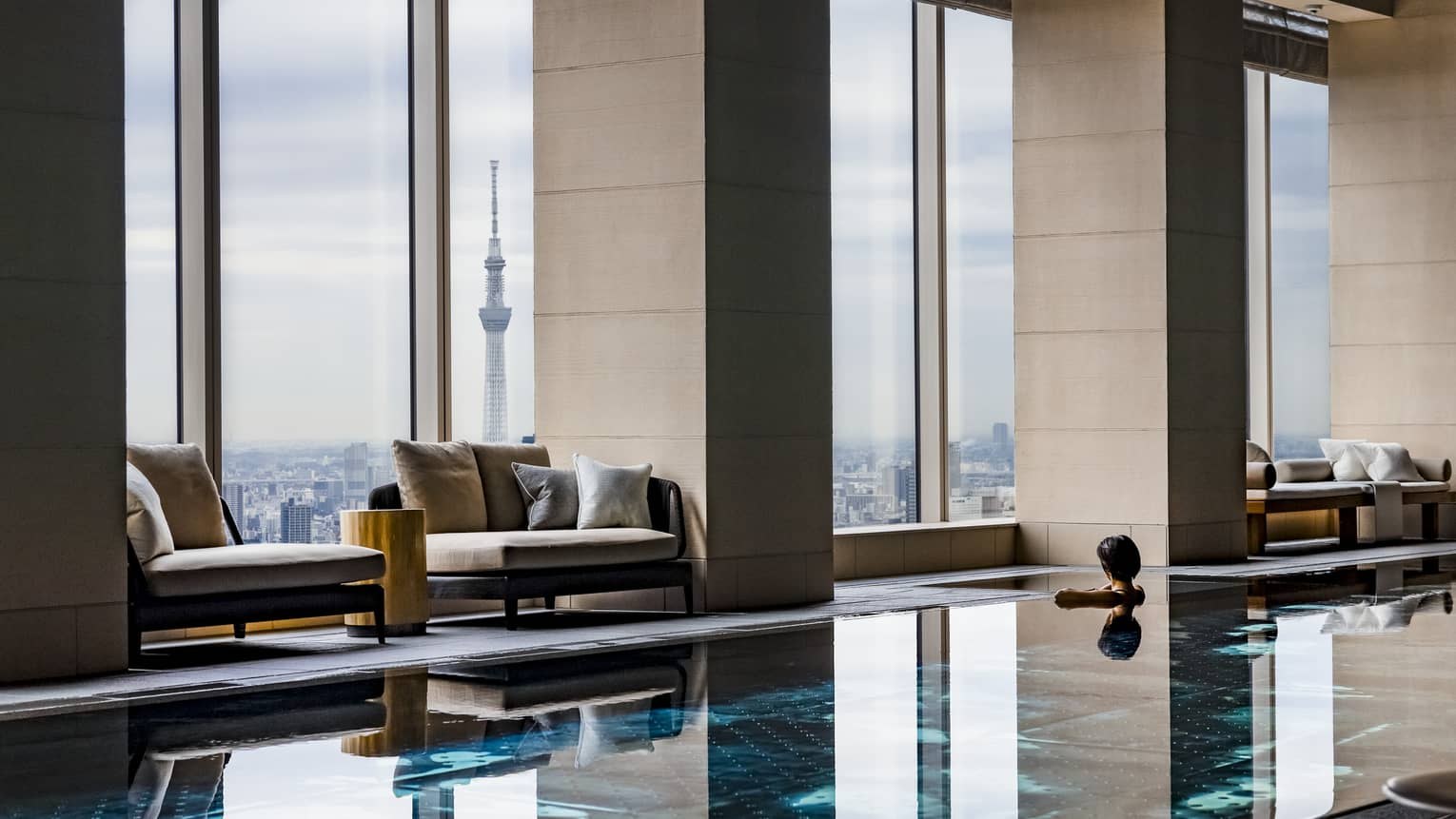
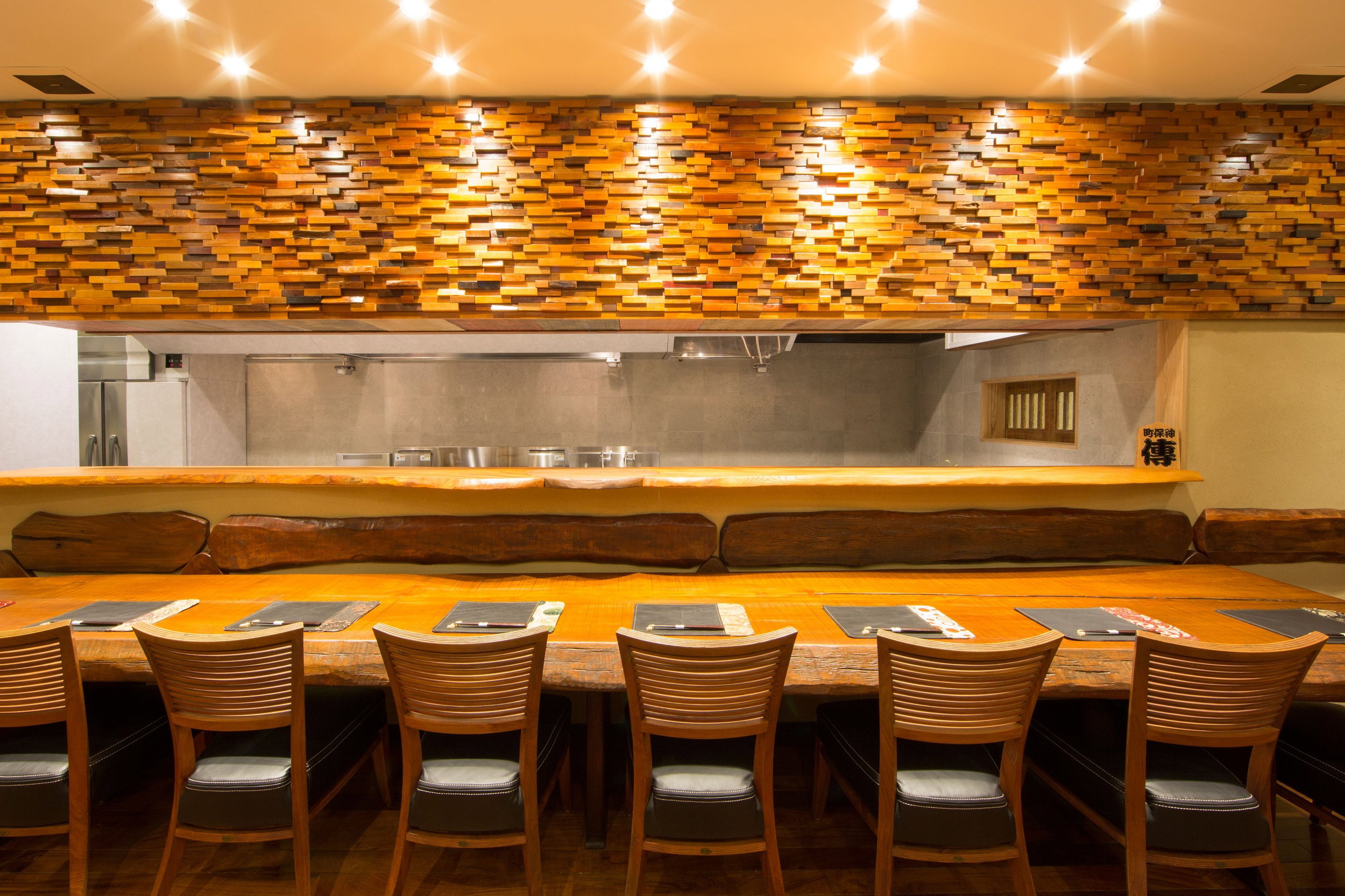
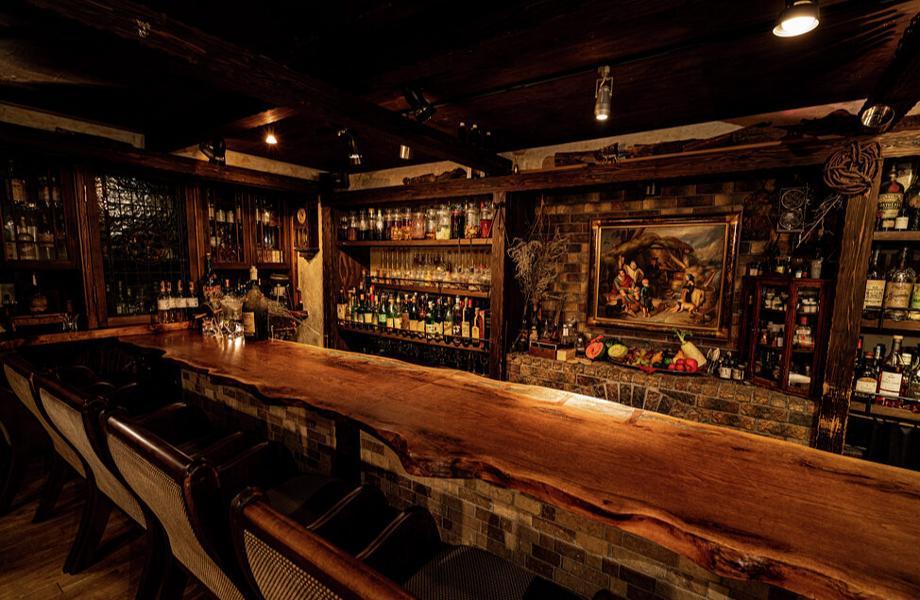
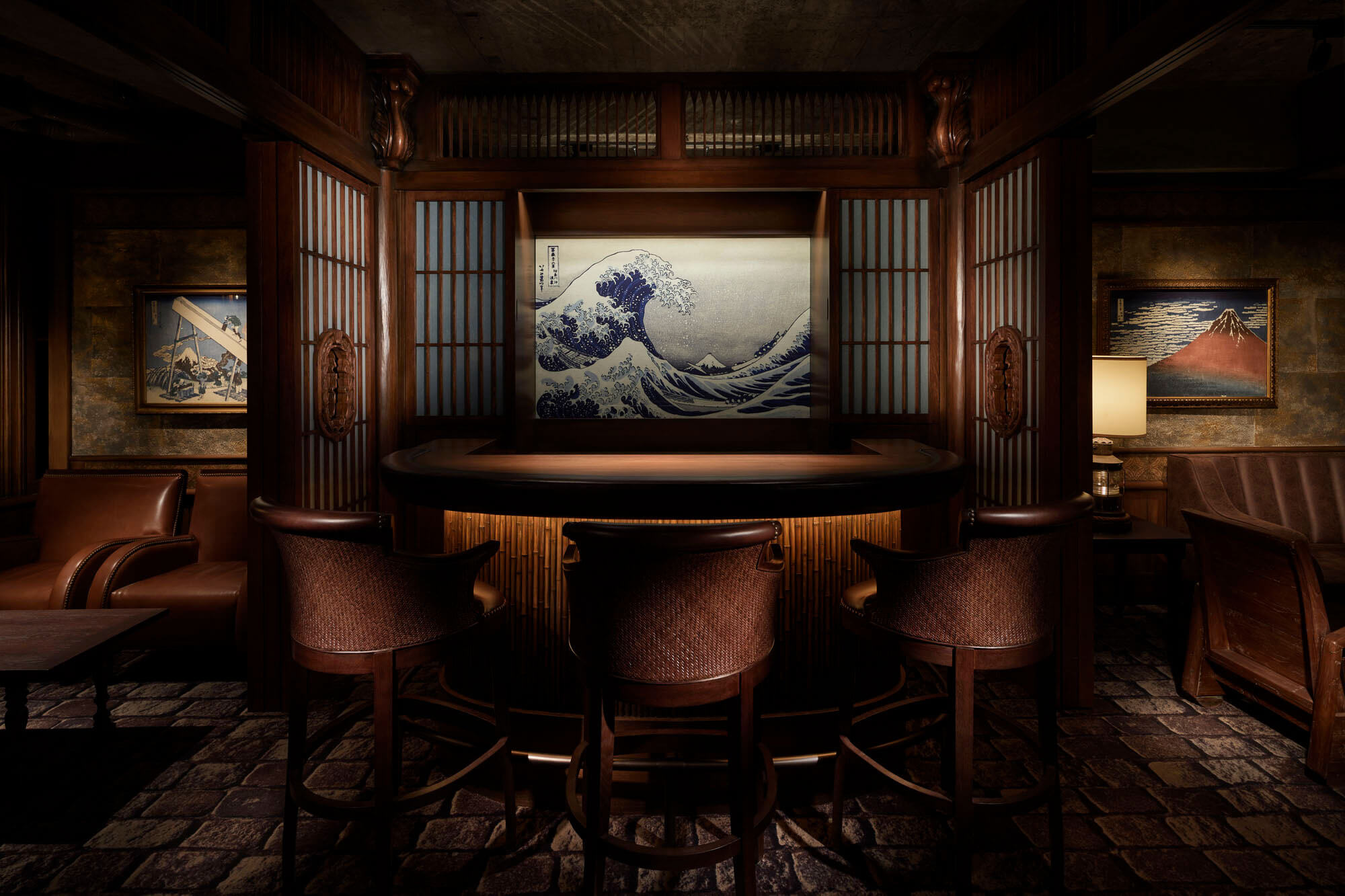
Modern and stylish atmosphere with sleek lines, artistic touches, vibrant colors, and thoughtful details creating a relaxing yet stimulating environment.
Tags
Vibe
Best For
Experience
Amenities
View
Accessibility
About the Stay
- Rooms
- 130
- Check-in
- 15:00
- Check-out
- 11:00
- Property Type
- Boutique hotel
- Property Style
- Luxury Lifestyle Boutique Hotel with Creative New York Inspired Flair
- Design Style
- Modern Japanese Aesthetic with Blond Wood Floors, Dark Wood Paneling, Eccentric Accents Like Tiger Print Cushions, and Marble Bathrooms
- Pets
- Allowed
Know before you go
Know Before You Go
- Getting there
- 3 Chome-4-7 Nishishinjuku, Shinjuku City, Tokyo 160-0023, Japan
Planning details
Location
3 Chome-4-7 Nishishinjuku, Shinjuku City, Tokyo 160-0023, Japan · Directions
Recognition and awards
Also consider
Also Consider
- Park Hyatt Tokyo, Notable alternative
- Keio Plaza Hotel Tokyo, Notable alternative
- Keio Plaza Hotel Tokyo Premier Grand, Notable alternative
- Hotel Sunroute Plaza Shinjuku, Notable alternative
- Apartment Hotel Shinjuku, Notable alternative
Hotel context
How It Compares
Park Hyatt Tokyo is the more prestige-driven Shinjuku choice, better for travelers who want a classic luxury mood and are willing to pay for it. Kimpton Shinjuku Tokyo is the more practical pick if the priority is a fresher lifestyle-hotel feel, easier booking, and a less formal stay in the same broad west Shinjuku orbit.
Keio Plaza Hotel Tokyo and Keio Plaza Hotel Tokyo Premier Grand suit travelers who want a larger, established hotel with a broader in-house setup. Choose Kimpton if ambiance and design matter more than scale; choose Keio Plaza if the trip needs more conventional hotel infrastructure or a broader range of room and service categories.
Hotel Sunroute Plaza Shinjuku and Apartment Hotel Shinjuku are the value cross-shops. They make more sense when the room is mainly for sleeping and transit access matters more than atmosphere. Kimpton is the upgrade when the hotel itself needs to feel like part of the trip, while still avoiding the heavier commitment of Tokyo's higher-luxury names.
Explore Tokyo
Around this place
Discover more on Pearl
Unlock the full Kimpton Shinjuku Tokyo guide in Pearl, including awards, comparisons, FAQs, planning details, and nearby places.
Compare Kimpton Shinjuku Tokyo
| Venue | Location | Awards |
|---|---|---|
| Kimpton Shinjuku Tokyo | Tokyo | World Luxury Hotel Awards 20252025 Michelin Selected Hotels |
| Park Hyatt Tokyo | Tokyo | 2026 Robb Report The 50 Greatest Luxury Hotels on Earth · #42026 World’s 50 Best Hotels 51-100 · #532026 Virtuoso Luxury Hotel Collection2026 Travel + Leisure It List Hotels2026 Robb Report Best Luxury Hotels in Tokyo2026 Conde Nast Traveler Hot List HotelsTown & Country Hotel Awards 2026Esquire Best New Hotels in the World 20262026 La Liste Top Hotels |
| Keio Plaza Hotel Tokyo | Tokyo | Preferred Hotels Member 2025 |
| Keio Plaza Hotel Tokyo Premier Grand | Tokyo | No published awards |
| Hotel Sunroute Plaza Shinjuku | Tokyo | No published awards |
| Apartment Hotel Shinjuku | Tokyo | No published awards |









How Kimpton Shinjuku Tokyo compares with similar nearby venues.
FAQ
Frequently Asked Questions
How is the pool and spa at Kimpton Shinjuku Tokyo?
Specific pool or spa facilities are not specified. Kimpton Shinjuku Tokyo does have 2025 World Luxury Hotel Awards recognition and a 2025 MICHELIN Guide hotel selection, but if wellness facilities are central to the trip, confirm the current amenities directly before booking. Park Hyatt Tokyo can be a useful Tokyo comparison when weighing hotel options.
How is the dining at Kimpton Shinjuku Tokyo?
Specific dining venues, cuisine, menus, prices, or service formats are not specified at Kimpton Shinjuku Tokyo. Verify dining expectations through the hotel's official channels before booking.
Do loyalty programs work at Kimpton Shinjuku Tokyo?
Loyalty-program details are not specified. If points, elite benefits, or member rates are important, check the hotel's official booking channels before deciding. Hotel Sunroute Plaza Shinjuku or Apartment Hotel Shinjuku can also be useful Tokyo references when comparing hotel options.
What is check-in like at Kimpton Shinjuku Tokyo?
A specific check-in style or process is not specified. The hotel is in Tokyo, and guests should confirm arrival times, check-in requirements, and any current procedures directly with the hotel before travel.
How does Kimpton Shinjuku Tokyo compare to other hotels?
Kimpton Shinjuku Tokyo has 2025 recognition from the World Luxury Hotel Awards and is selected by the MICHELIN Guide in 2025. For comparison, Hotel Sunroute Plaza Shinjuku, Apartment Hotel Shinjuku, Keio Plaza Hotel Tokyo, Keio Plaza Hotel Tokyo Premier Grand, and Park Hyatt Tokyo are useful references for broader Tokyo hotel comparisons.