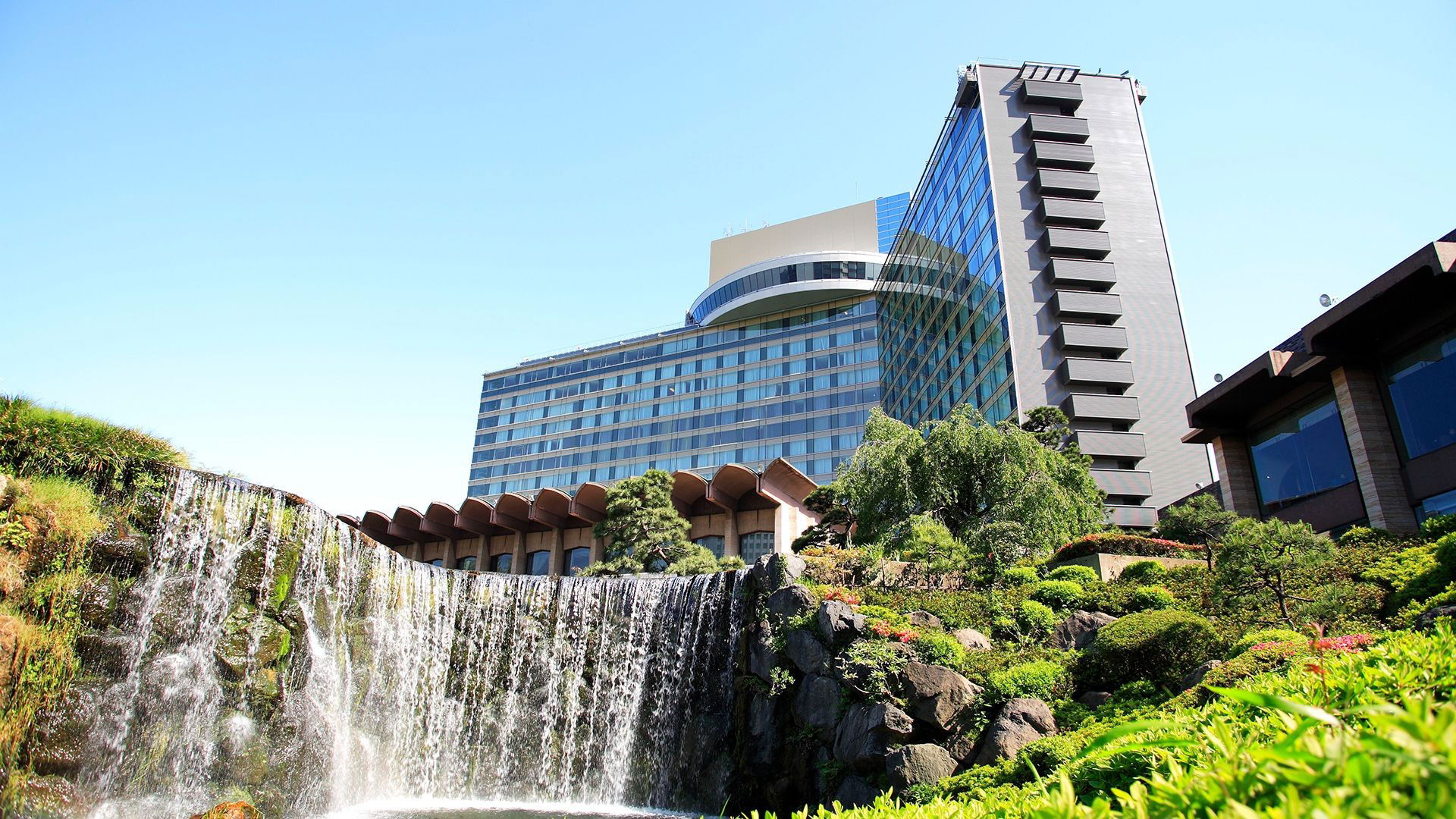



Hotel New Otani Tokyo The Main
Chiyoda, Tokyo
Hotel in Tokyo, Japan
 Book with Pearl
The Read
400-Year Garden Anchor
Why go
Hotel New Otani Tokyo The Main is worth booking for a polished Kioicho stay where calm atmosphere, central access, and recognized hotel standards matter more than trend-led design. Compare it with Executive House Zen for a more private luxury tier, The Prince Gallery Tokyo Kioicho for stronger skyline drama, and Granbell Hotel Akasaka if value matters more than occasion feel.
About Hotel New Otani Tokyo The Main
Hotel New Otani Tokyo The Main is a Tokyo hotel with recognition from Michelin, Preferred Hotels, and Forbes. It holds Michelin 1 Key recognition in 2024, Preferred Hotels L.V.X. Collection recognition in 2025, and Forbes 4-Star recognition in 2026.
Choose it as a recognized Tokyo stay and compare it against other Tokyo options based on the trip style you want.
Choose it for a recognized Tokyo stay, not an unverified hotel narrative
Hotel New Otani Tokyo The Main makes the most sense for travelers who want a Tokyo hotel with clear recognition. Its Michelin 1 Key, Forbes 4-Star, and Preferred Hotels L.V.X. Collection credentials give it a documented hotel-recognition signal.
If you are comparing options, Hotel New Otani Tokyo Executive House Zen is a direct comparison to consider. The Prince Gallery Tokyo Kioicho, a Luxury Collection Hotel, The Capitol Hotel Tokyu, The Kitano Hotel Tokyo, and Granbell Hotel Akasaka are also reasonable Tokyo hotels to consider depending on your preferred style and priorities.
The decision comes down to confirmed recognition and fit
This hotel is easiest to justify when hotel recognition matters to the booking decision. Michelin 1 Key, Forbes 4-Star, and Preferred Hotels L.V.X. Collection status are the reliable facts to lean on; details beyond that should be checked directly with the hotel before booking.
The smart casual dress code is also worth noting for guests planning a more polished Tokyo stay. For anything more specific, including room configuration, services, dining, accessibility, or family needs, confirm directly with the property rather than assuming.
The booking call is simple: choose Hotel New Otani Tokyo The Main when you want a recognized Tokyo hotel with a smart casual standard. Compare it with the other named Tokyo hotels if you are deciding between different hotel styles or priorities.
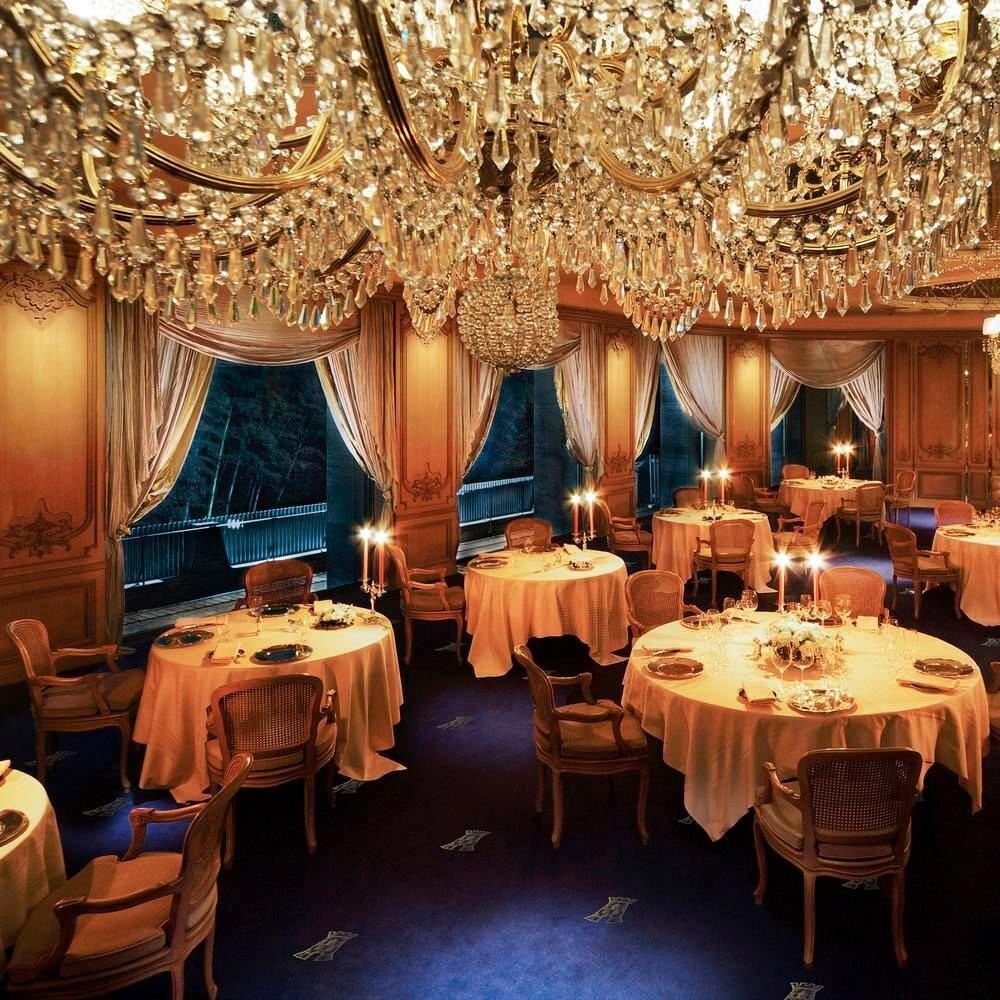
Inside Hotel New Otani Tokyo The Main
Planning details
- Location
- 4-1 Kioichō, Chiyoda City, Tokyo 102-8578
- Website
- newotani.co.jp/tokyo
- Phone
- +81 3-3265-1111
The take
The Take
The Vibe
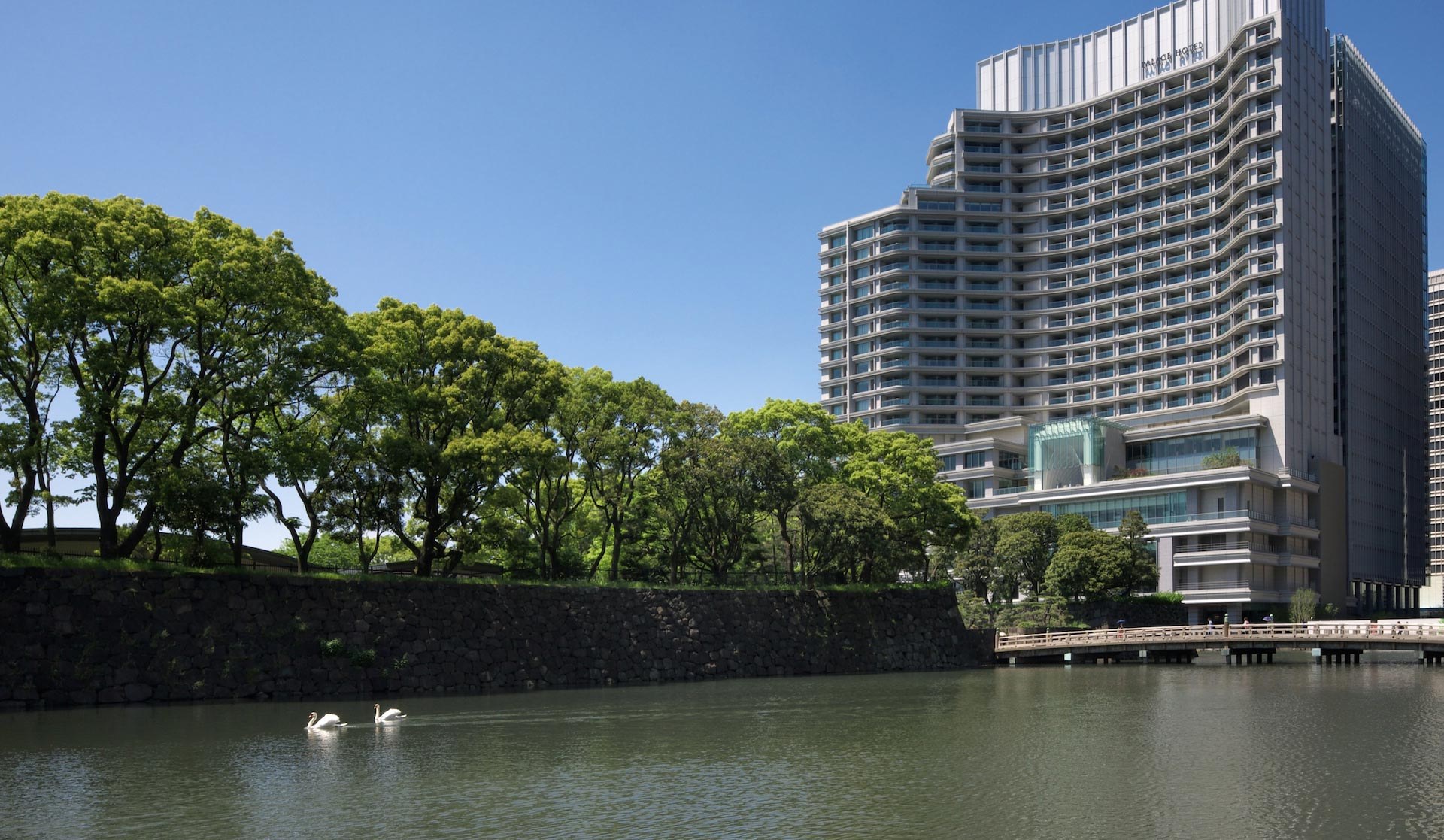
Hotel New Otani Tokyo The Main presents hospitality at civic scale: this is a large-format luxury property built for the 1964 Tokyo Olympics and still oriented toward comprehensive, anticipatory service. The hotel’s identity is anchored by a notably historic, 400-year-old Japanese garden, which gives the estate a quieter, more contemplative counterpoint to its grand scale. Michelin One Key recognition underlines the polished service and culinary credentials. Overall it reads as an iconic, historic Tokyo address that balances institutional breadth with a serene garden core.
Best For
This is a destination for travelers who need a fully provisioned stay: corporate delegations, long-stay business trips and guests who prefer not to leave the property for an entire visit. The hotel’s scale and service culture also suit family vacations and multi-generation stays where on-site variety and logistical ease matter. Given the property's hospitality infrastructure and event-capacity origins, it also works well for private or corporate functions that require experienced large-scale service.
Stay Tips
Lean on the property’s strengths: the 400-year-old garden is central to the experience, so request garden-facing rooms or access to the grounds when booking. Mention the hotel’s Michelin One Key recognition when reserving dining to secure preferred time slots. The text emphasizes a service culture trained for high-volume, anticipatory problem-solving—signal any special requirements or event needs in advance so staff can coordinate at scale. For major dates or group bookings, confirm plans early to take advantage of the hotel’s event capabilities.
Venue details
Ambiance
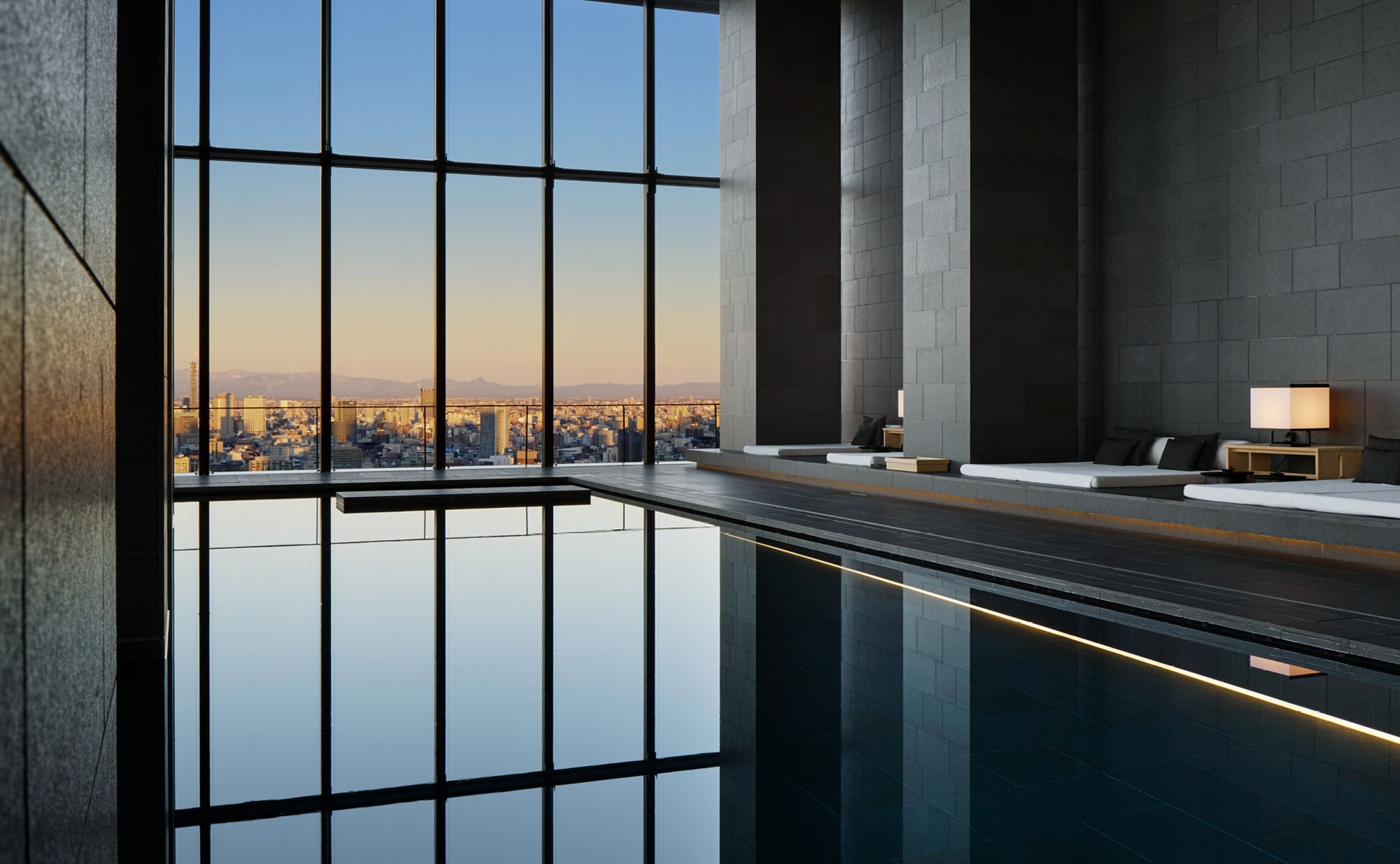
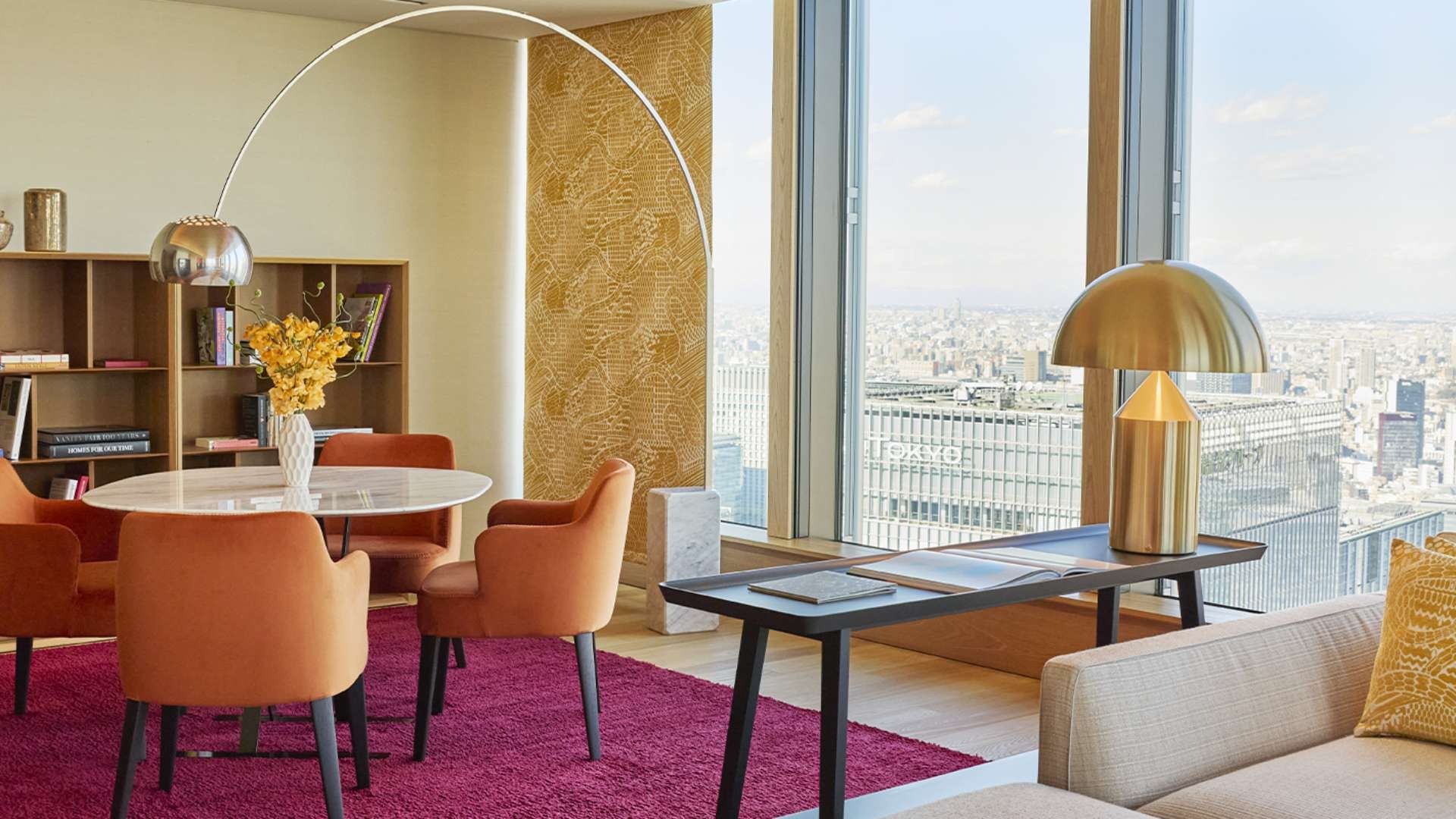
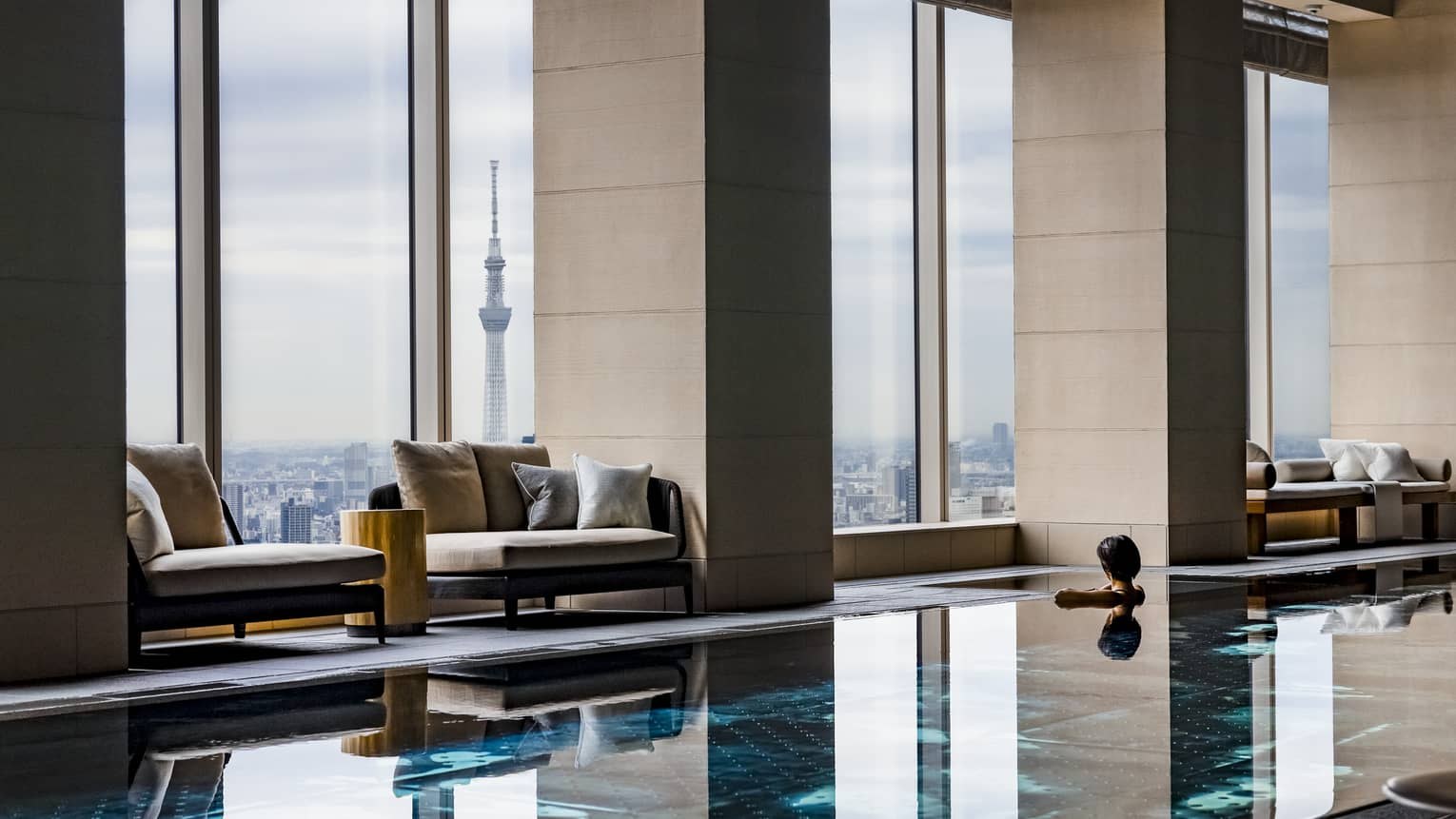
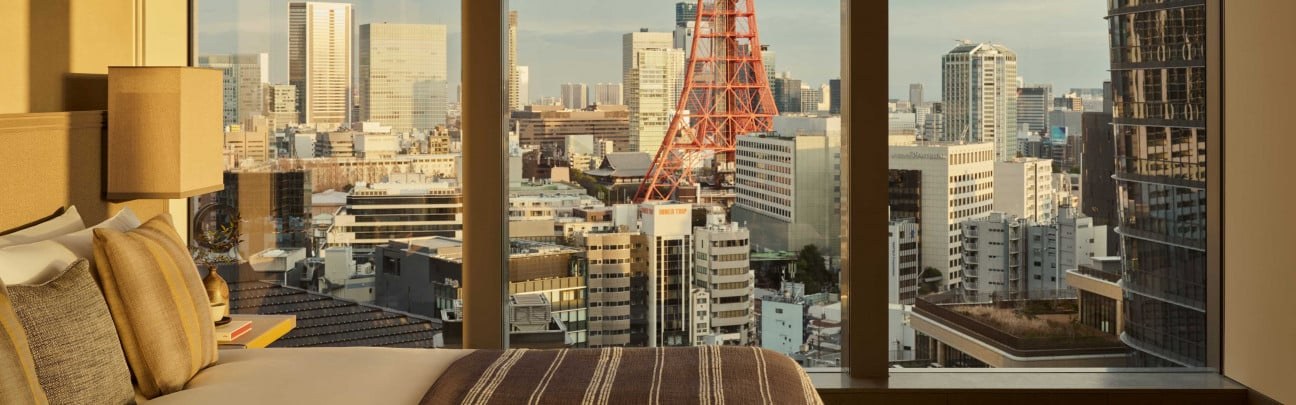
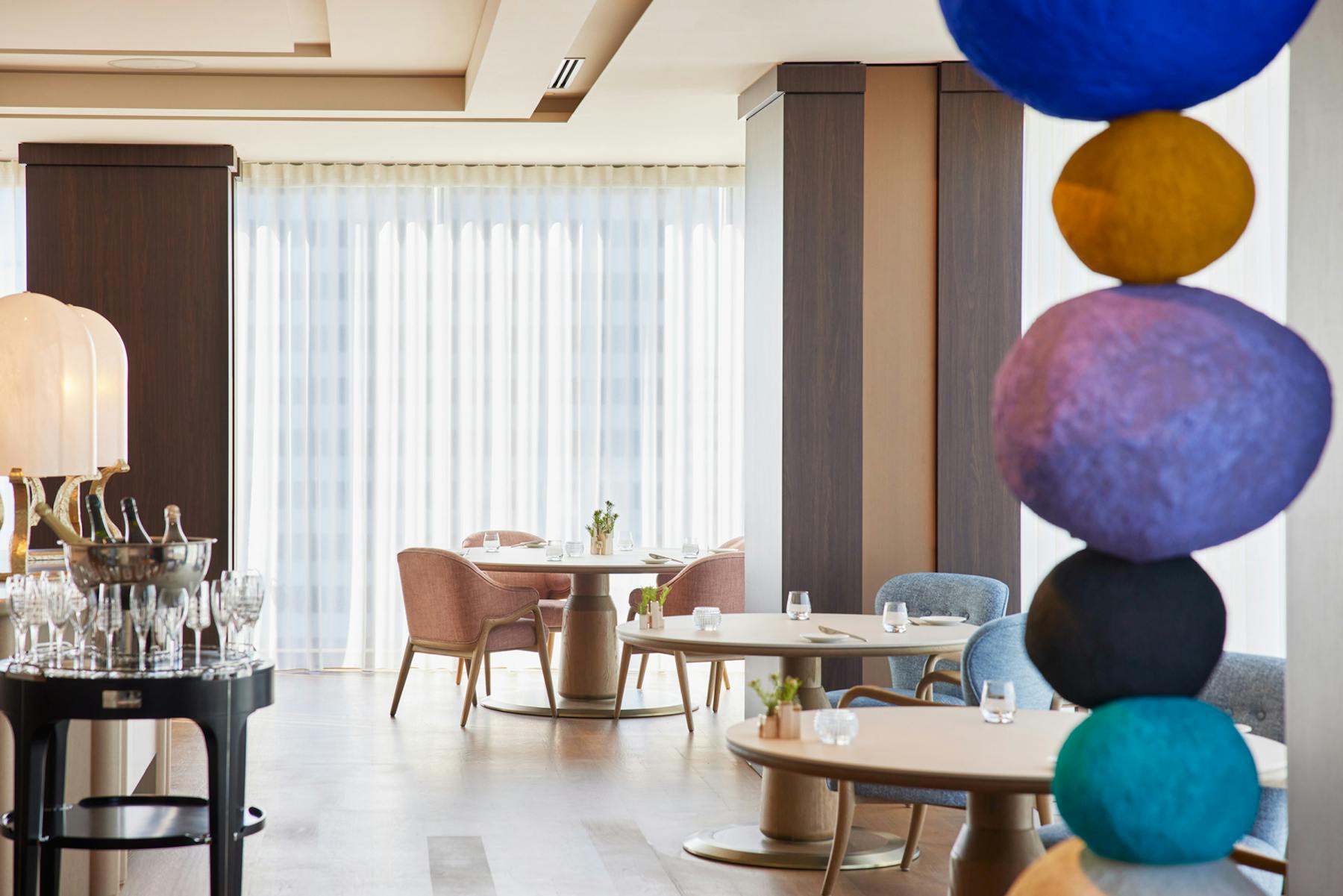
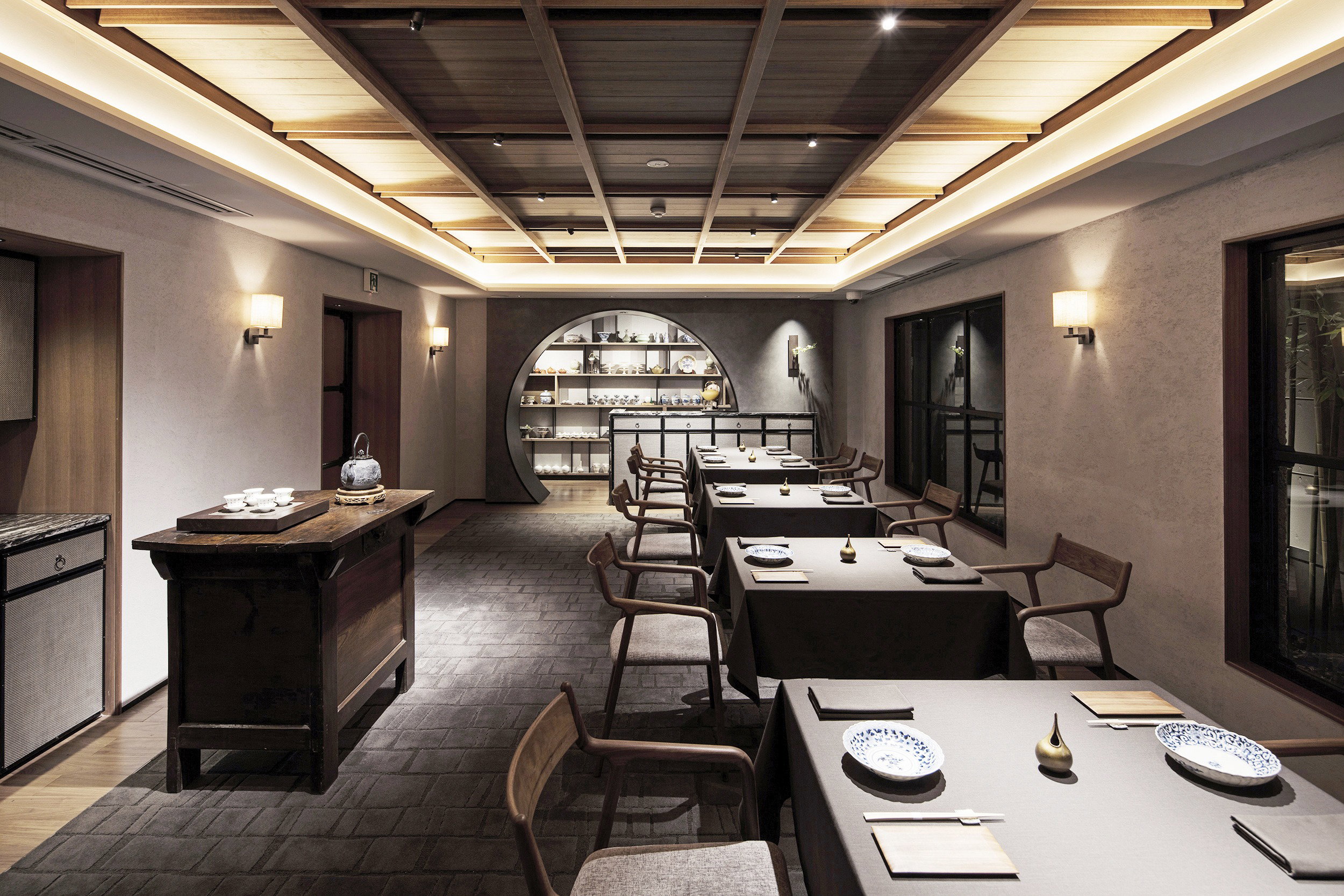
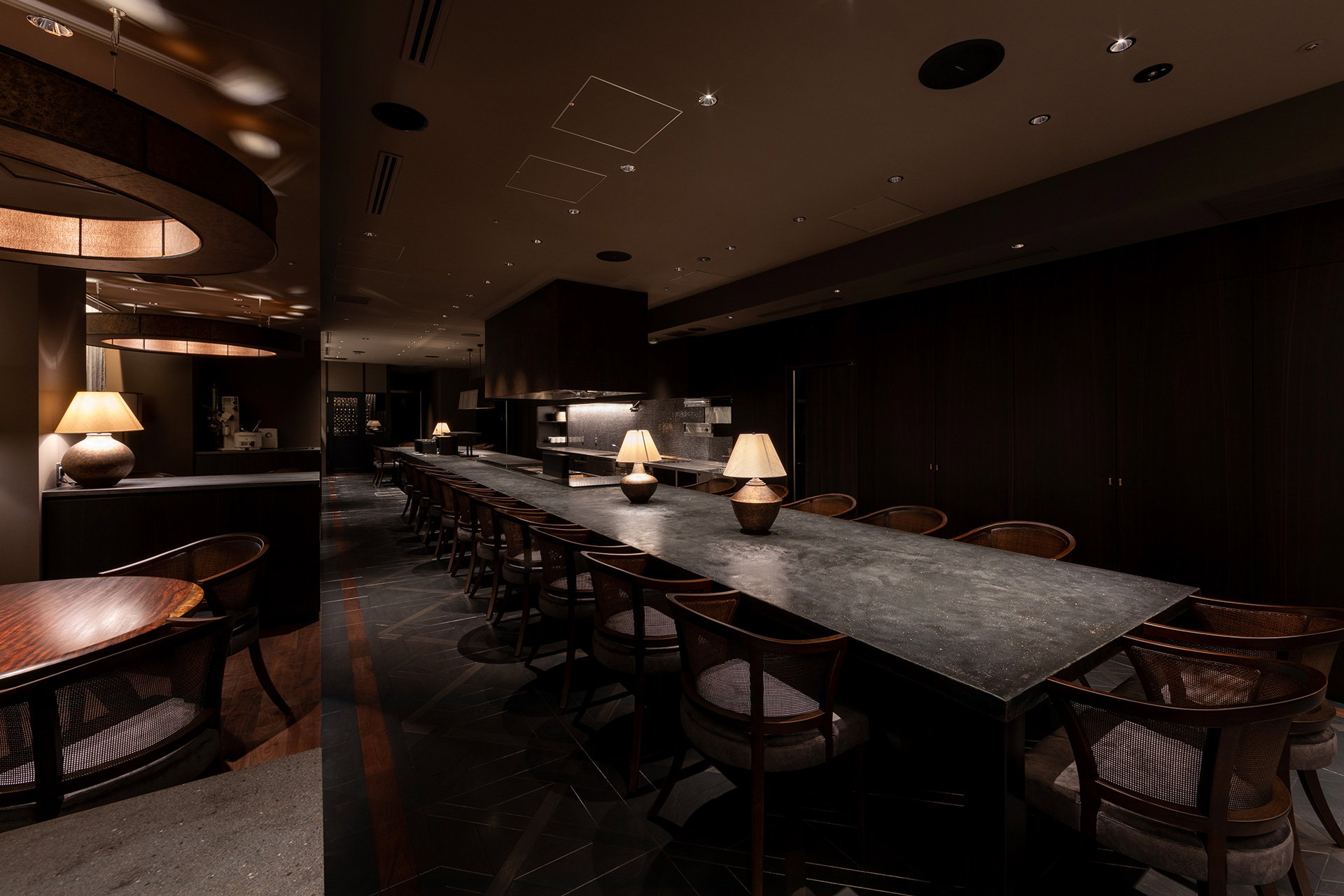
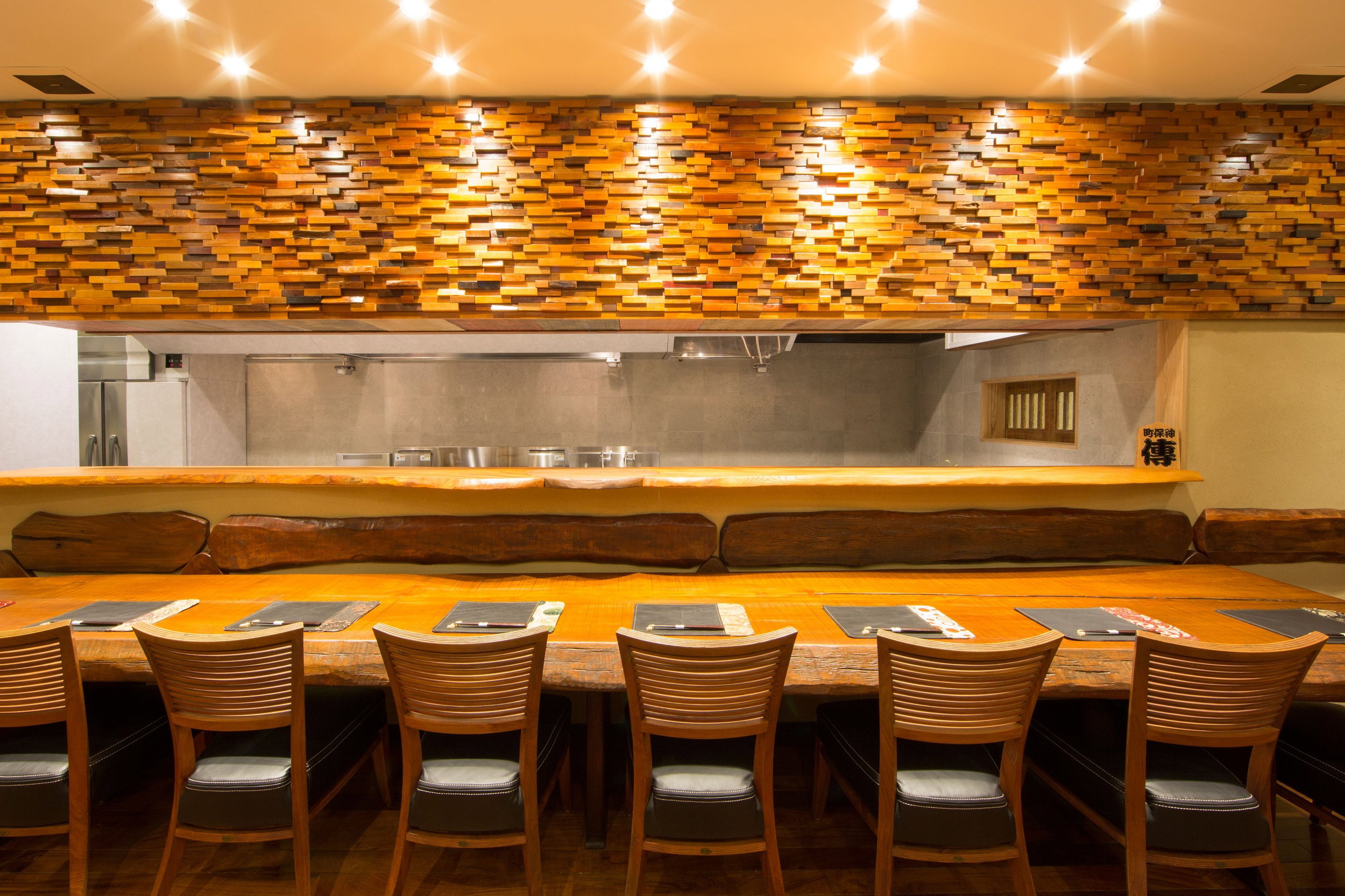
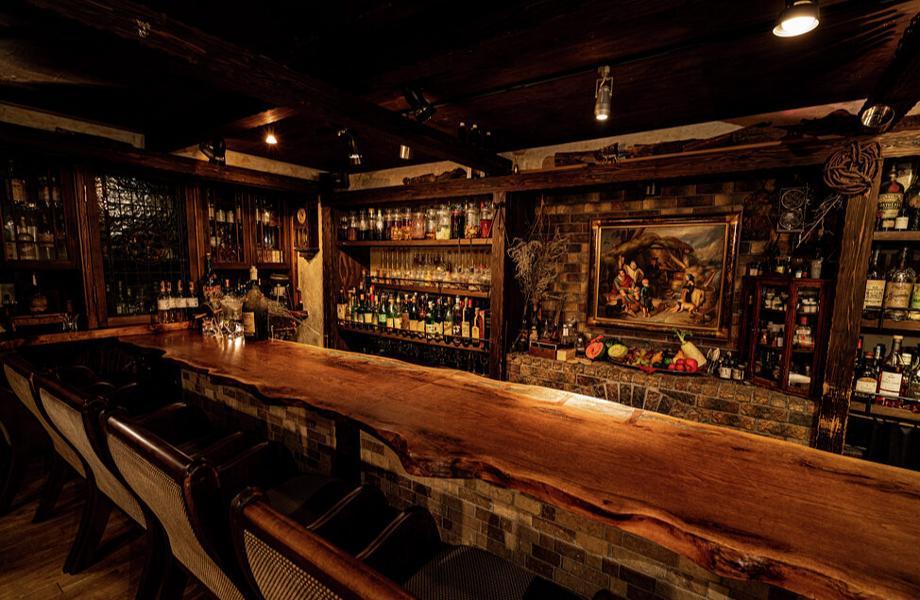
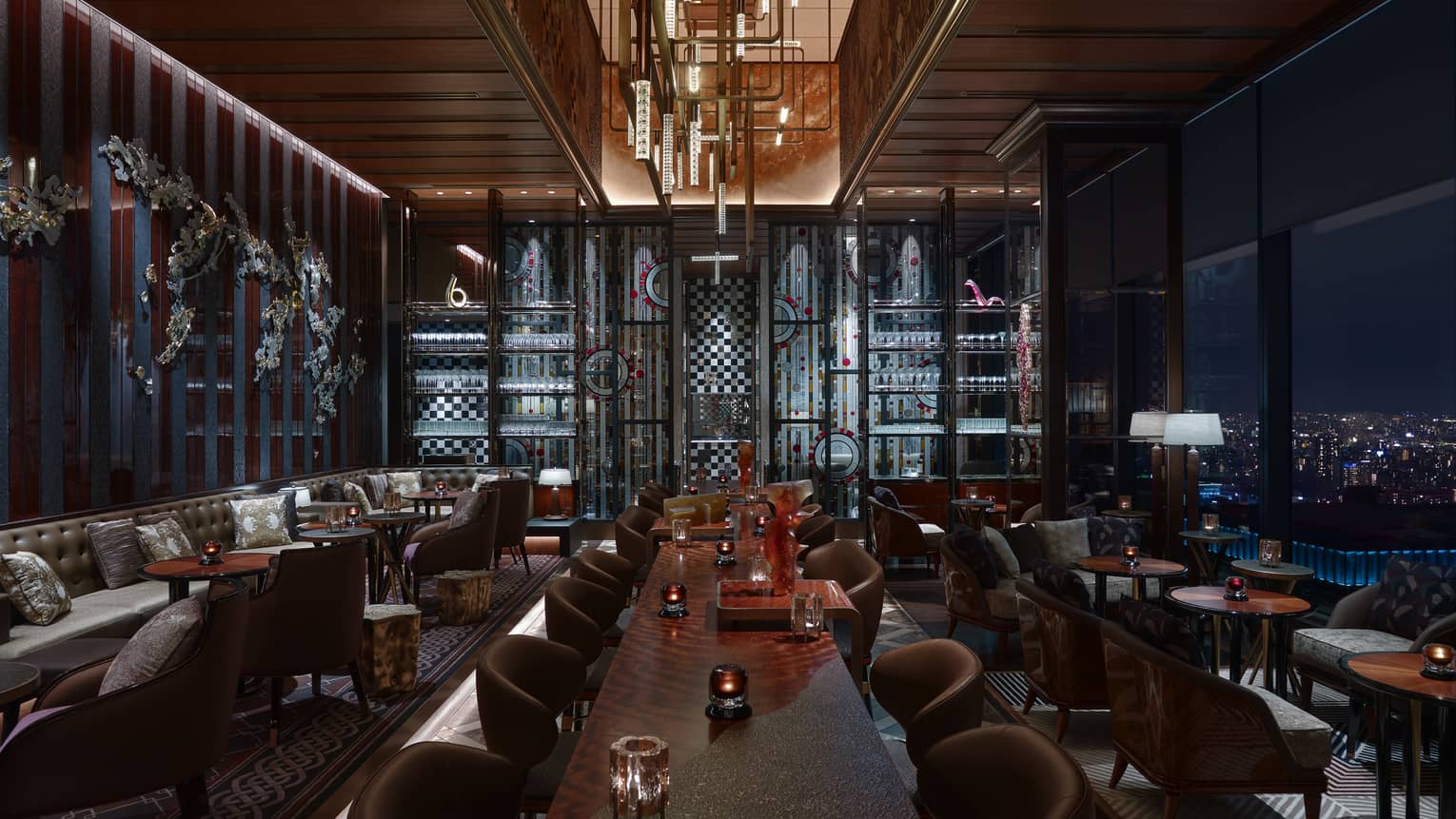
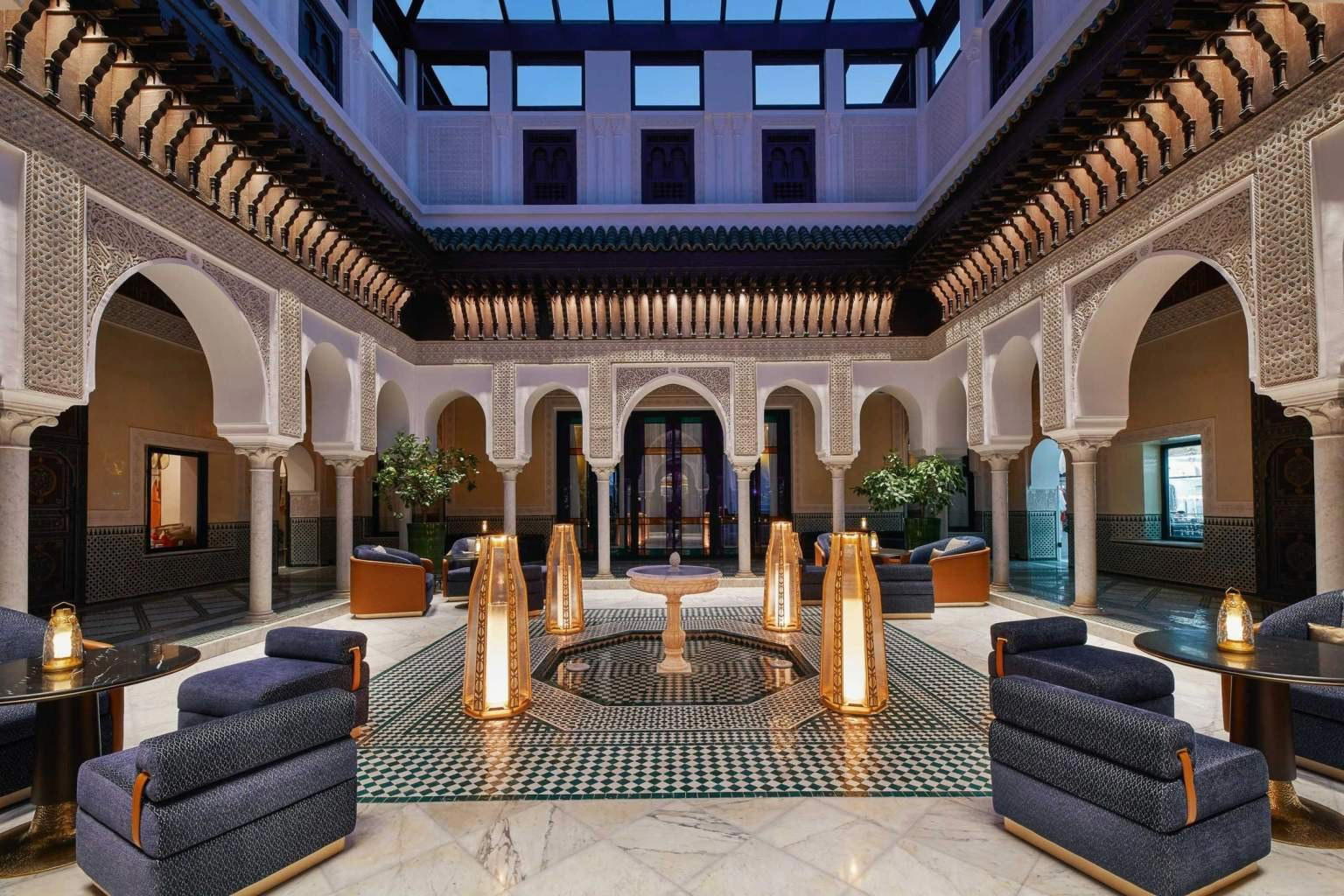
Refined and tranquil with elegant furnishings, spacious well-lit rooms, and a sophisticated atmosphere enhanced by traditional Japanese design elements and garden views.
Tags
Vibe
Best For
Experience
Amenities
View
Accessibility
About the Stay
- Rooms
- 554
- Check-in
- 15:00
- Check-out
- 11:00
- Property Style
- Luxury Heritage Hotel Blending Traditional Japanese Aesthetics with Modern Amenities, Positioned as a Premier Destination for Discerning Travelers Seeking Cultural Immersion and Urban Convenience.
- Design Style
- Contemporary Japanese with Traditional Elements, Featuring Cypress Wood Bathing Areas, Minimalist Furnishings, and Integration of Natural Garden Landscapes Throughout the Property.
Know before you go
Know Before You Go
- Getting there
- 4-1 Kioichō, Chiyoda City, Tokyo 102-8578
Planning details
Location
Recognition and awards

Also consider
Where to look if this is booked
If availability is tight, try Hotel New Otani Tokyo Executive House Zen first if the budget allows and the trip is a celebration. It keeps the location logic while moving into a more private tier.
For a different mood nearby, The Prince Gallery Tokyo Kioicho, a Luxury Collection Hotel is the better substitute for design impact, while Granbell Hotel Akasaka is the practical fallback when price matters more than ceremony.
Hotel context
How it compares in Kioicho and Akasaka
Hotel New Otani Tokyo Executive House Zen is the natural upgrade if the trip calls for a more private luxury tier within the same broader setting. Hotel New Otani Tokyo The Main is the more balanced choice for travelers who want the address and established service feel without pushing into the higher-touch option.
The Prince Gallery Tokyo Kioicho, a Luxury Collection Hotel is better for guests who want a sleeker, higher-drama stay with a stronger design statement. Choose The Main when a calmer, more traditional hotel atmosphere matters more than visual impact.
Granbell Hotel Akasaka is the value cross-shop for travelers who mainly need an Akasaka base. The Kitano Hotel Tokyo is better for a smaller-feeling stay, while The Capitol Hotel Tokyu is the sharper rival for a more contemporary luxury mood near Tokyo's government and business core.
Explore Tokyo
Around this place
Discover more on Pearl
Unlock the full Hotel New Otani Tokyo The Main guide in Pearl, including awards, comparisons, FAQs, planning details, and nearby places.
Compare Hotel New Otani Tokyo The Main
| Venue | Location | Awards |
|---|---|---|
| Hotel New Otani Tokyo The Main | Tokyo | 2026 Forbes 4-Star2025 Forbes 4-StarPreferred Hotels L.V.X. Collection 20252024 Michelin 1 Key |
| Hotel New Otani Tokyo Executive House Zen | Tokyo | 2026 Virtuoso Luxury Hotel Collection2026 Forbes 5-Star2026 La Liste Top Hotels2025 Forbes 5-Star2025 Michelin 1 KeyPreferred Hotels Member 2025 |
| The Prince Gallery Tokyo Kioicho, a Luxury Collection Hotel | Tokyo | 2026 Forbes 5-Star2026 La Liste Top Hotels2025 Michelin 1 Key2025 Forbes 5-Star |
| Granbell Hotel Akasaka | Tokyo | No published awards |
| The Kitano Hotel Tokyo | Tokyo | 2026 Relais Chateaux Hotels2025 Relais Chateaux Award |
| The Capitol Hotel Tokyu | Tokyo | 2026 Forbes 5-Star2026 La Liste Top Hotels2025 Michelin 2 Keys2025 Forbes 5-StarPreferred Hotels Member 20252024 Michelin 2 Keys |





How Hotel New Otani Tokyo The Main compares with similar nearby venues.
FAQ
Frequently Asked Questions
Which room category is best at Hotel New Otani Tokyo The Main?
Choose the room category based on your trip length, budget, and space needs. Confirm room size, layout, and inclusions directly with the hotel before booking. The confirmed facts are that Hotel New Otani Tokyo The Main is in Tokyo and has Michelin 1 Key, Forbes 4-Star, and Preferred Hotels L.V.X. Collection recognition.
How does Hotel New Otani Tokyo The Main compare to other Tokyo hotels?
Pick Hotel New Otani Tokyo The Main if confirmed recognition is important to you. Hotel New Otani Tokyo Executive House Zen is a direct comparison, while The Prince Gallery Tokyo Kioicho, a Luxury Collection Hotel, The Capitol Hotel Tokyu, The Kitano Hotel Tokyo, and Granbell Hotel Akasaka are other Tokyo hotels to compare depending on the style and priorities you prefer.
Is Hotel New Otani Tokyo The Main family-friendly?
The hotel is in Tokyo and has confirmed Michelin 1 Key, Forbes 4-Star, and Preferred Hotels L.V.X. Collection recognition, but guests traveling with children should confirm room setup, bedding, and any family services directly with the hotel.
Do loyalty programs work at Hotel New Otani Tokyo The Main?
Hotel New Otani Tokyo The Main is recognized as part of the Preferred Hotels L.V.X. Collection. Confirm any program details directly before booking. If loyalty structure is a priority, compare it with The Prince Gallery Tokyo Kioicho, a Luxury Collection Hotel and The Capitol Hotel Tokyu before choosing.
What is check-in like at Hotel New Otani Tokyo The Main?
The confirmed hotel profile includes Michelin 1 Key, Forbes 4-Star, Preferred Hotels L.V.X. Collection recognition, and a smart casual dress code. For arrival timing, luggage handling, early check-in, or late check-out, confirm directly with the hotel.
Is Hotel New Otani Tokyo The Main good for business travel?
It can be a sensible Tokyo option for travelers who value hotel recognition. The reliable facts are its Michelin 1 Key, Forbes 4-Star, and Preferred Hotels L.V.X. Collection recognition. Compare it with Granbell Hotel Akasaka, The Capitol Hotel Tokyu, and other Tokyo hotels based on your schedule and preferred hotel style.
How is the location of Hotel New Otani Tokyo The Main?
Hotel New Otani Tokyo The Main is in Tokyo. If you want to compare Tokyo stays, consider Hotel New Otani Tokyo Executive House Zen, The Capitol Hotel Tokyu, The Kitano Hotel Tokyo, The Prince Gallery Tokyo Kioicho, a Luxury Collection Hotel, or Granbell Hotel Akasaka.