

Pnoēs Tinos
Lagkades, Agios Fokas, Tinos
Hotel in Tinos, Greece
 Book with Pearl
The Read
Price
$500–750per night
Why go
Pnoēs Tinos is worth considering if the goal is a design-led Tinos base with credible hotel recognition and less booking pressure than Mykonos. Confirm room category, inclusions, pool, spa, and dining details before paying, since those specifics matter more than the label on a Cyclades stay.
About Pnoēs Tinos
Pnoēs Tinos is a Tinos hotel with recognition from major hotel selectors: it is listed as a 2026 Design Hotels member, has the Mr & Mrs Smith Seal of Approval for 2026, and appears in the MICHELIN Guide hotel selection for 2025. Those signals make it a strong shortlist candidate for a Tinos stay.
It is best approached as a Tinos base to evaluate carefully at booking, and any stay-specific needs should be confirmed directly before payment.
Book for design credibility and a Tinos base
The strongest reason to consider Pnoēs Tinos is confidence: it has recognition from Design Hotels, Mr & Mrs Smith, and the MICHELIN hotel selection. That does not establish a specific room layout, pool setup, dining format, spa program, or service style, but it does provide a clearer quality marker than an unrecognized listing.
Do not book it on the assumption of a documented dining destination, chef-led restaurant, published spa program, room-category feature, or particular leisure setup. If the trip depends on a specific restaurant format, wellness offering, view, pool arrangement, transfer, or inclusion, verify those details with the hotel before committing.
Who should choose Tinos over Mykonos
Book here if the goal is to stay on Tinos with confirmed hotel-recognition signals. Cross-shop Mykonos if the island setting itself is the priority. Rocabella Mykonos Hotel, Grace Mykonos, Bard de Sol, and Mykonos Riviera Hotel & Spa are relevant Mykonos comparisons for travelers considering a different island base.
For Tinos specifically, compare it with Ela Tinos before locking in. If both are available, the deciding factors should be the exact room, cancellation flexibility, confirmed inclusions, and the parts of Tinos you plan to prioritize.
Planning details
- Location
- Lagkades, Agios Fokas, Tinos 84200, Greece
- Phone
- +30 697 345 6077
The take
The Take
The Vibe
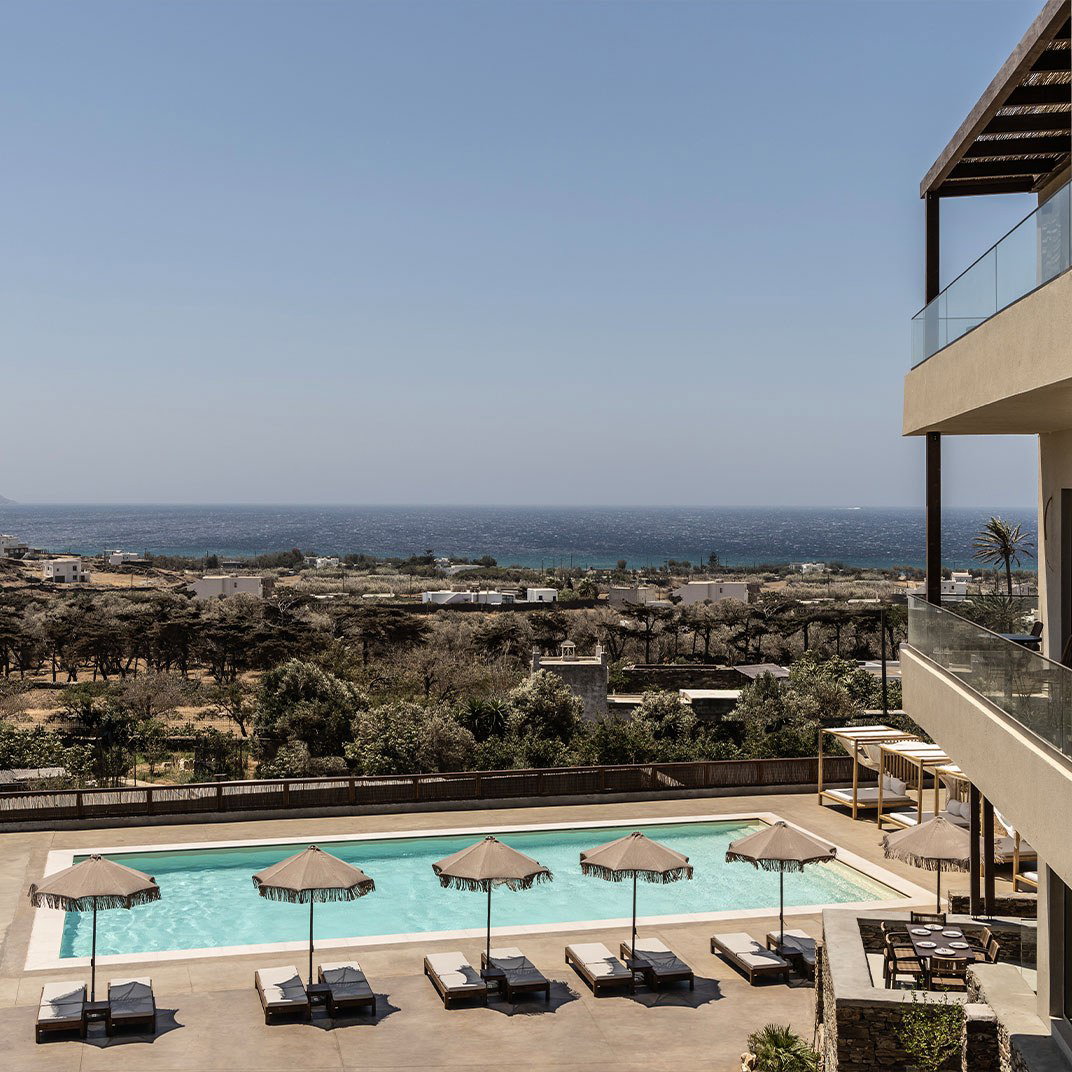
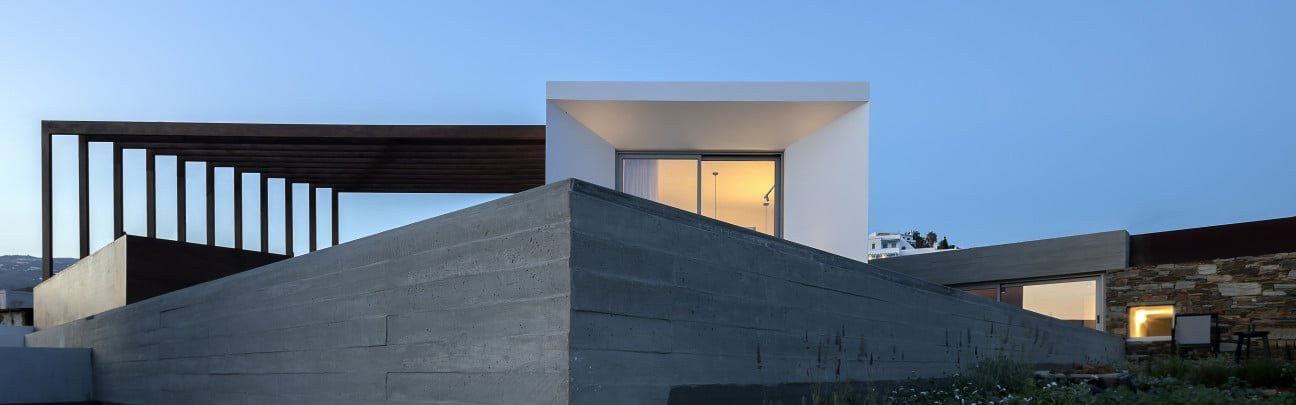
Pnoēs Tinos reads as a considered design retreat rather than a conventional island resort. The property is intentionally small — just three villas — and the architecture is by a recognised contemporary Greek designer, so every form and material feels calibrated to the landscape. Rather than asserting Aegean tropes at scale, the project treats landscape integration as a formal problem, folding buildings into the grain of Lagkades and Agios Fokas. The result is a discreet, design‑led compound where privacy, quiet and careful composition of light and stone define the guest experience.
Best For
This property is best for travelers who prize privacy, architecture and a slow, quiet island rhythm. With only three villas (each functioning as a private residence) and private pools included, it particularly suits couples on honeymoons or romantic getaways, design‑minded visitors, and anyone seeking an uncrowded base away from Tinos’s port and ferry activity. Guests looking for a boutique, low‑capacity escape that privileges landscape integration and thoughtful contemporary design will find Pnoēs a clear fit.
Stay Tips
Book early and expect a residential, reservation‑style stay: the three‑villa inventory means availability is limited and stays feel like private residencies rather than nights in a large hotel. Private pools are included, so confirm pool access when reserving and choose the specific villa that matches your privacy and layout preferences. Note the location in Lagkades/Agios Fokas is away from the ferry and cafe circuits, so plan logistics accordingly and allow extra time to settle into the quiet, design‑focused environment.
Venue details
Ambiance
Serene and contemplative with soft natural light filtering through airy spaces, warm earth-toned interiors, and seamless indoor-outdoor transitions framed by Aegean views and Mediterranean herb gardens.
Tags
Vibe
Best For
Experience
Amenities
View
About the Stay
- Rooms
- 3
- Check-in
- 15:00
- Check-out
- 11:00
- Property Type
- Design hotel
- Property Style
- Contemporary Cycladic Architecture That Listens to and Responds to the Landscape, Blending Traditional Crafts with Modern Minimalism.
- Design Style
- Minimalist Modern with Earth Tones, Tactile Natural Materials, Smooth Continuous Surfaces, and Custom Made Furniture Celebrating Local Craftsmanship.
- Breakfast
- Included
- Pool
- Yes
- Families
- Welcome
- Cancellation
- Moderate
Know before you go
Know Before You Go
- Getting there
- Lagkades, Agios Fokas, Tinos 84200, Greece
Planning details
Location
Lagkades, Agios Fokas, Tinos 84200, Greece · Directions
Recognition and awards
Also consider
Also Consider
- Ela Tinos, Notable alternative
- Rocabella Mykonos Hotel, Notable alternative
- Grace Mykonos, Notable alternative
- Bard de Sol, Notable alternative
- Mykonos Riviera Hotel & Spa, Notable alternative
Hotel context
How It Compares
Against Ela Tinos, Pnoēs Tinos is the cleaner pick for travelers who put weight on external hotel recognition and design credentials. Ela Tinos stays in the same island decision set, so compare final rate, room category, and cancellation terms rather than choosing by location alone.
Compared with Rocabella Mykonos Hotel, Grace Mykonos, and Bard de Sol, the Tinos choice is calmer and usually less tied to the Mykonos social calendar. Pick the Mykonos hotels if the trip needs beach-club access, nightlife proximity, or a higher-energy hotel atmosphere.
Mykonos Riviera Hotel & Spa is the better cross-shop for travelers prioritizing a larger resort feel and spa-forward planning. Pnoēs Tinos makes more sense when the value is island depth, design credibility, and a quieter base rather than a resort-led itinerary.
Explore Tinos
Around this place
Discover more on Pearl
Unlock the full Pnoēs Tinos guide in Pearl, including awards, comparisons, FAQs, planning details, and nearby places.
Compare Pnoēs Tinos
| Venue | Location | Awards |
|---|---|---|
| Pnoēs Tinos | Tinos | 2026 Design Hotels Collection2026 Mr & Mrs Smith Luxury Hotels2025 Michelin Selected Hotels |
| Ela Tinos | Tinos | No published awards |
| Rocabella Mykonos Hotel | Mykonos | No published awards |
| Grace Mykonos | Mykonos | No published awards |
| Bard de Sol | Mykonos | No published awards |
| Mykonos Riviera Hotel & Spa | Mykonos | 2026 Virtuoso Luxury Hotel Collection2025 Michelin Selected HotelsSmall Luxury Hotels Member 2025 |


How Pnoēs Tinos compares with similar nearby venues.
FAQ
Frequently Asked Questions
When is the best time to book Pnoēs Tinos?
There is no specific best booking window. If your dates are important, compare availability and cancellation terms early, and confirm any inclusions directly with the hotel.
How is the pool and spa at Pnoēs Tinos?
No specific pool setup or spa program is confirmed. Pnoēs Tinos does have recognition from Design Hotels, Mr & Mrs Smith, and the MICHELIN Guide hotel selection, but any leisure facilities should be checked directly before booking. For a Mykonos comparison, consider Mykonos Riviera Hotel & Spa.
What is check-in like at Pnoēs Tinos?
The check-in process is not specified. The hotel is in Tinos and has MICHELIN Guide hotel selection recognition, but arrival timing, transfer arrangements, and service details should be confirmed directly. Bard de Sol is a useful comparison if you are also considering Mykonos.