
The Met Hotel
Harbour area, Thessaloniki
Hotel in Thessaloniki, Greece
 Book with Pearl
The Read
Price
$100–200per night
Why go
Choose The Met Hotel if design identity matters more than being in Thessaloniki's most central visitor corridor. Its 2026 Design Hotels Member status gives it a clearer point of view than a generic city stay, but first-timers who want maximum walk-out convenience should compare central alternatives before booking.
About The Met Hotel
The Met Hotel is a Thessaloniki hotel listed as a 2026 Design Hotels Member. That makes it most relevant for travelers who want to compare it with other Thessaloniki stays on that basis.
Alongside its design affiliation, the hotel has a smart casual dress code. Check current restaurants, bars, room categories, facilities, prices, hours, and address-level location directly with the hotel before booking.
Book it for design focus
The strongest reason to consider this hotel is its design affiliation: The Met Hotel is a 2026 Design Hotels Member. That gives the property a clearer positioning for guests who care about a design-related hotel choice in Thessaloniki.
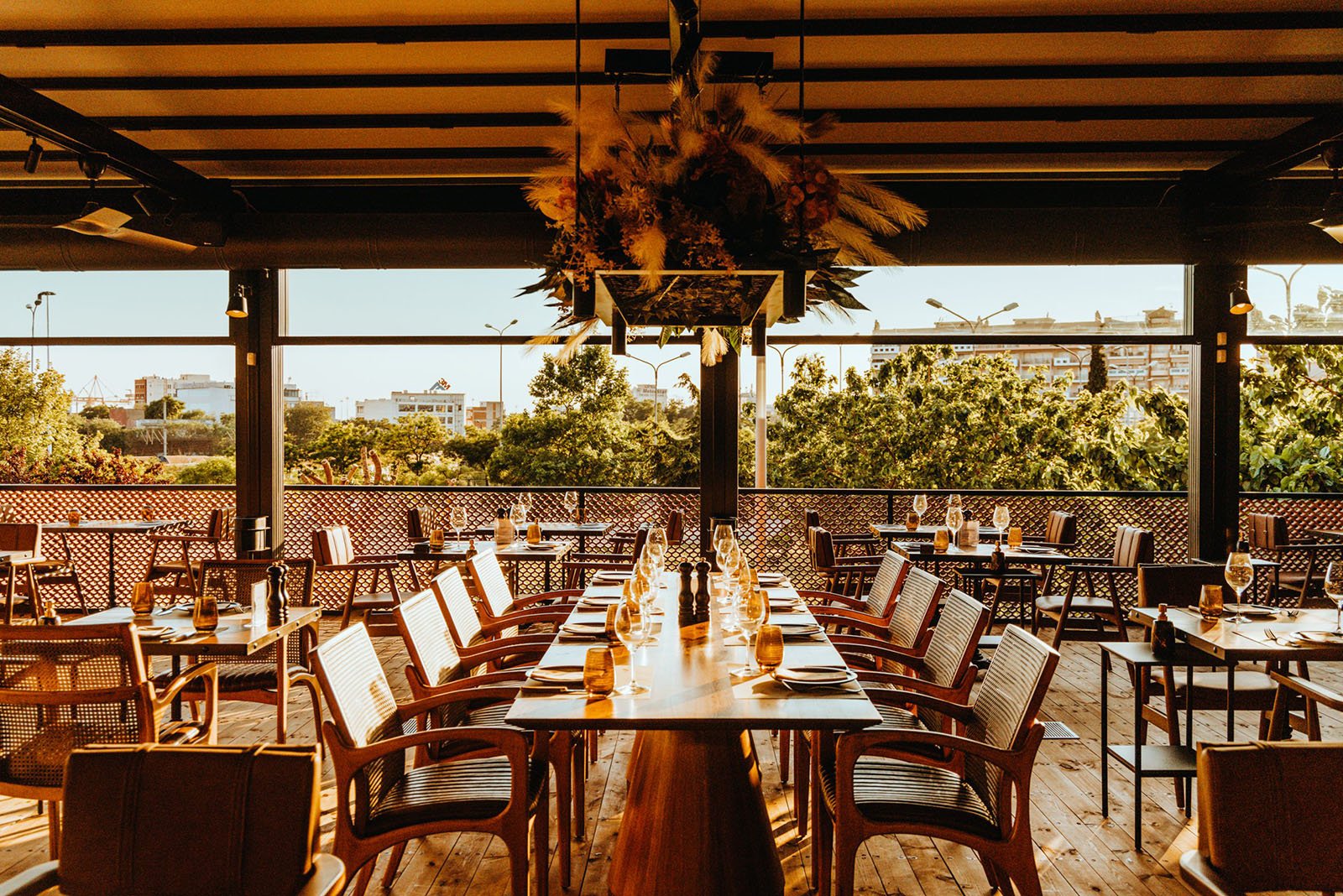
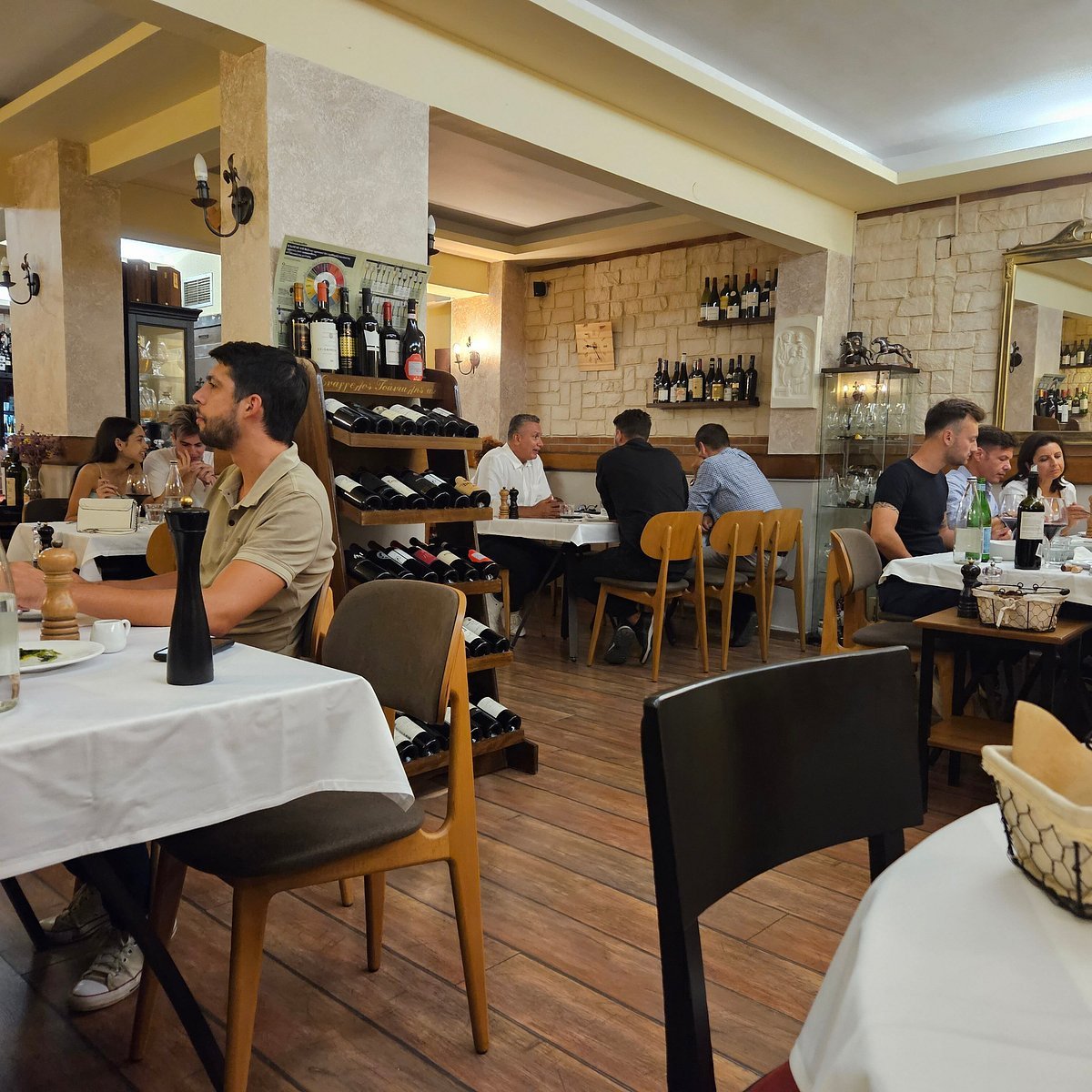
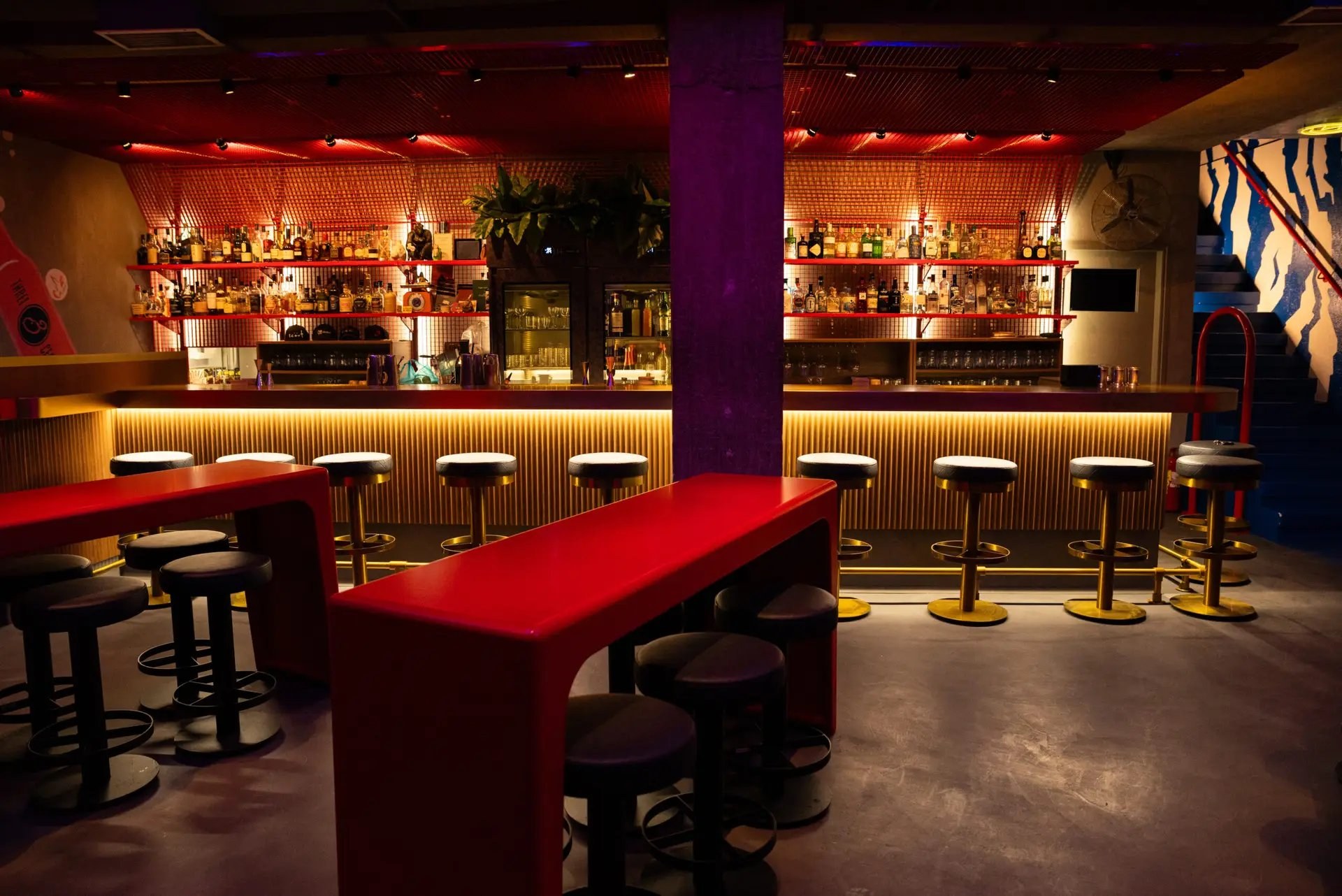
For dining, confirm the current cuisine, restaurant format, chef, menu, and pricing directly with the hotel, and plan key meals separately using Our full Thessaloniki restaurants guide. The same logic applies to drinks: if bars are a major part of the trip, cross-check current options with Our full Thessaloniki bars guide before committing.
Who should compare alternatives
If you are choosing among Thessaloniki hotels, compare The Met Hotel with ON Residence, The Excelsior Hotel, City Hotel, Colors Urban Hotel Thessaloniki, and Antigon Urban Chic Hotel. The Met Hotel is the one to prioritize when the Design Hotels membership is important to your stay.
Booking fit depends on what you need from a Thessaloniki hotel. For more Thessaloniki hotel options, start with Our full Thessaloniki hotels guide. Compare details such as current rates, room types, facilities, and exact location directly before booking.
Planning details
- Location
- 26th October Street, 48, Thessaloniki 546 27, Greece
- Website
- marriott.com/en-us/hotels/skgtm-the-met-hotel-a-member-of-design-hotels/overview
The take
The Take
The Vibe
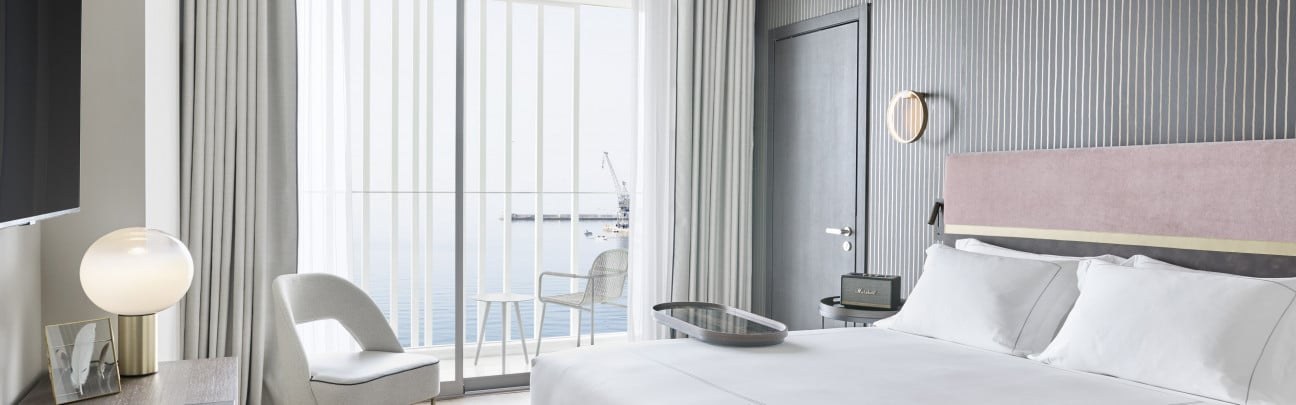
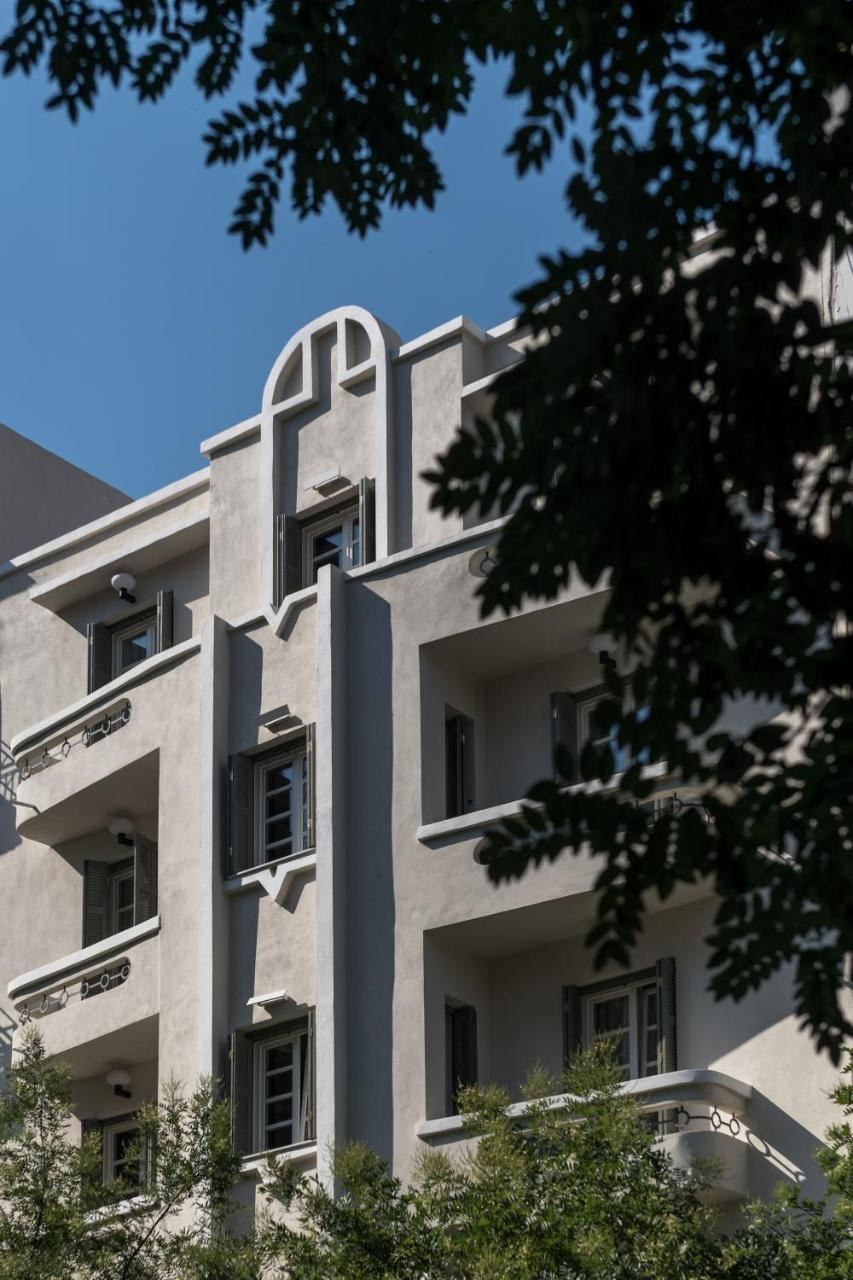
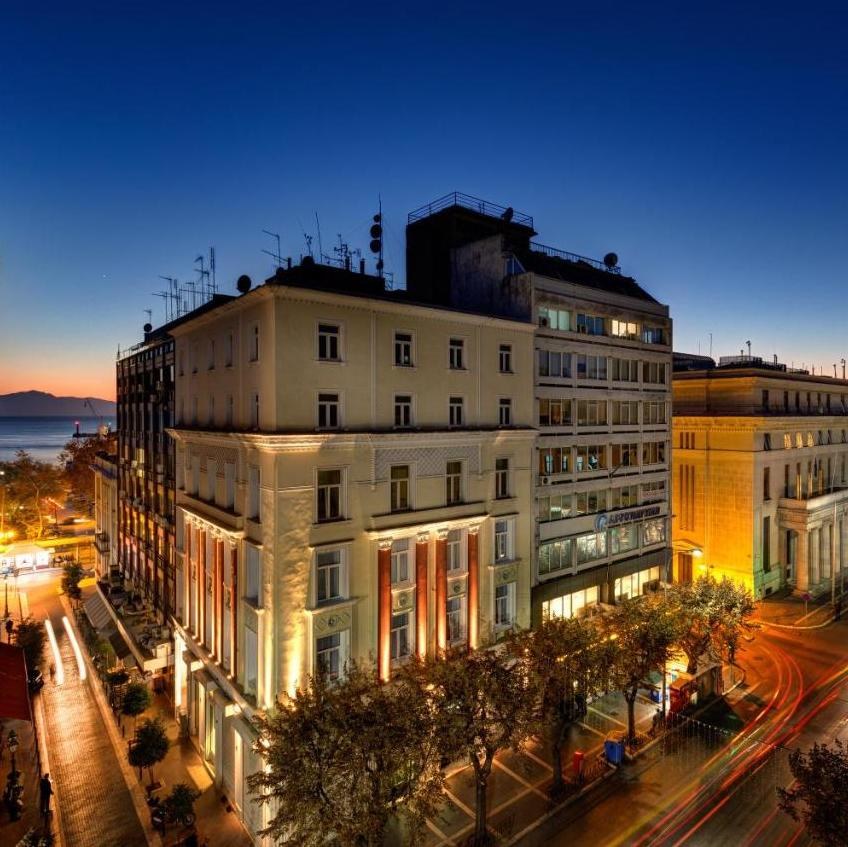
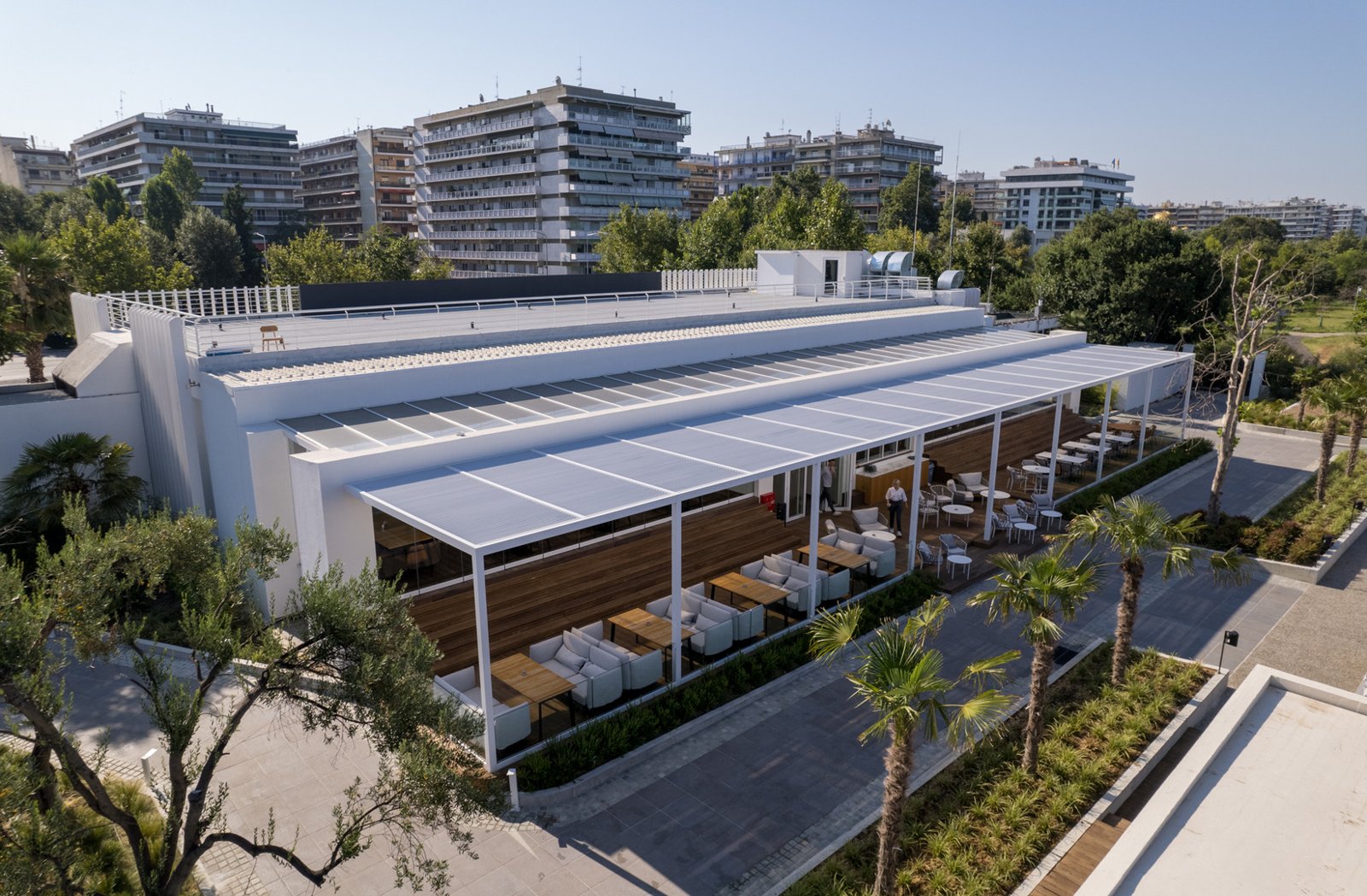
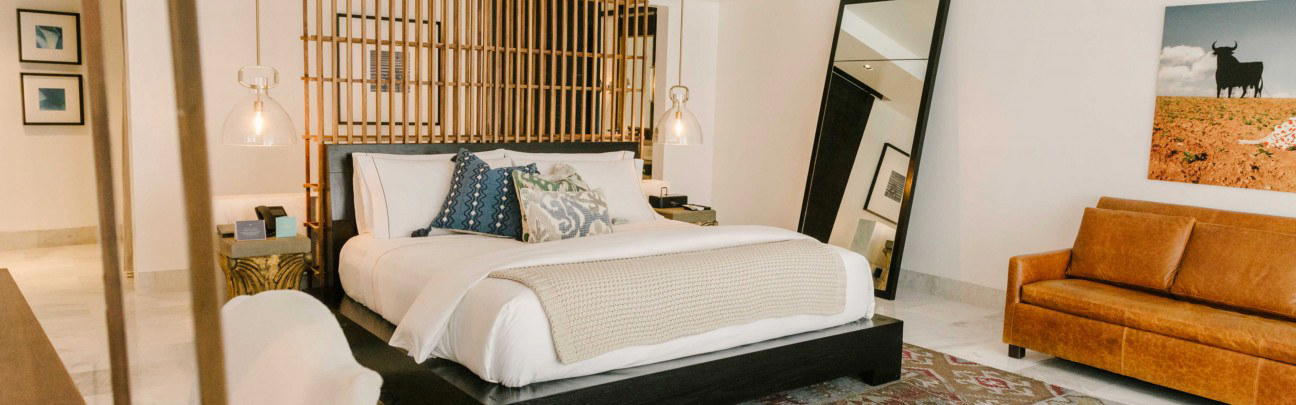
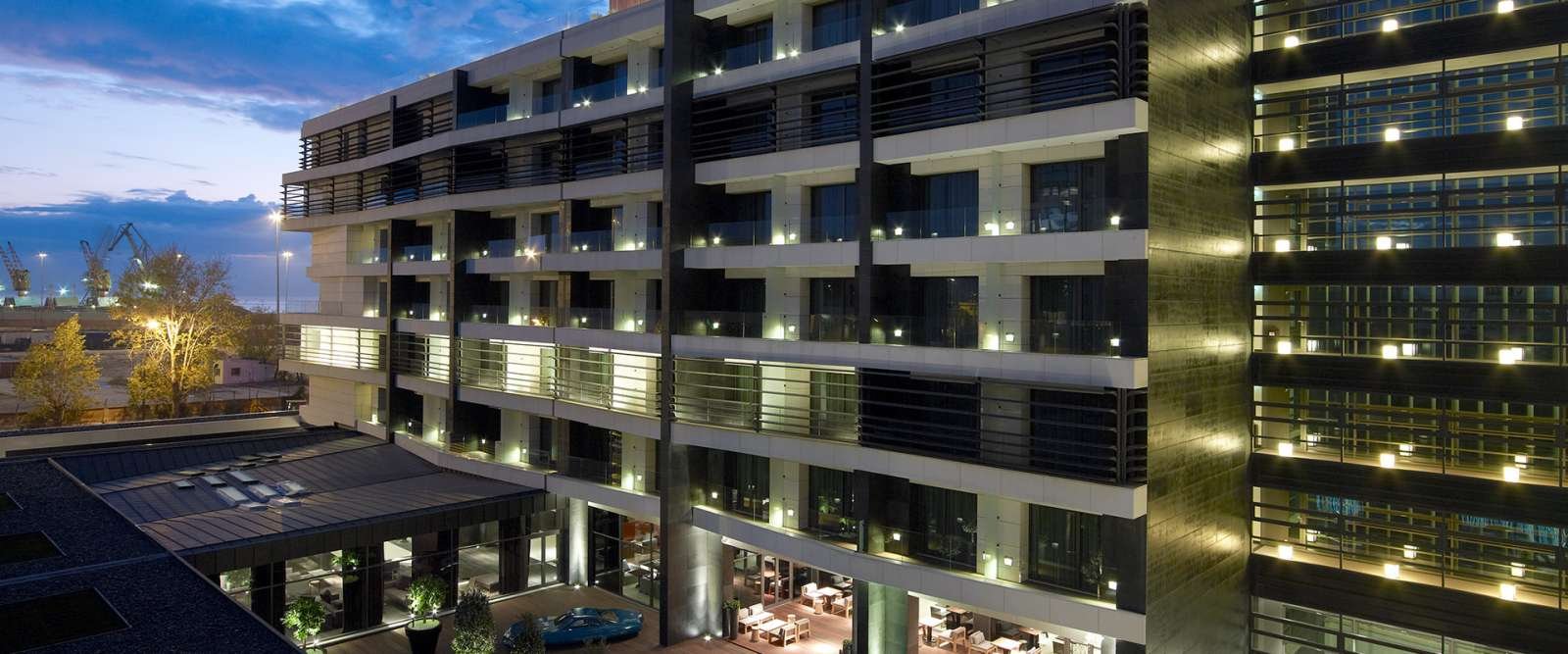
The Met Hotel presents a deliberate, monochrome minimalism that reads as an architectural argument against the ornate historic fabric of Thessaloniki. Its interiors are clean, uncluttered and intentionally modern, offering a restrained design that prioritizes clarity over classical ornament. This is a hotel that foregrounds functionality and contemporary composition: muted surfaces, pared-back finishes and an editorial approach to space make it feel like a thoughtful, design-led refuge. The result is an atmosphere that feels controlled rather than decorative — ideal for guests who appreciate disciplined, modern interiors amid a richly layered city.
Best For
The Met is best for travelers who want a centrally placed, practical base for exploring Thessaloniki on foot. Its address on 26th October Street puts major sights — the Roman Agora, Aristotelous Square and the waterfront promenade — within easy walking distance, so it suits museum visits by day and the evening mezze circuit by night. It’s particularly well matched to solo explorers and short-stay visitors seeking a calm, design-forward place to reset between outings rather than a stay defined by historic ornament or a waterfront spectacle.
Stay Tips
Treat the hotel as a tactical base for walking the city: prioritize its central address when planning your days and expect to cover nearby landmarks on foot. If your priority is proximity to the promenade or a hotel that participates in Thessaloniki’s historic architectural conversation, consider alternatives; The Met trades historical reference for a contemporary, minimalist interior and a straightforward, convenient location. For short urban stays and concentrated sightseeing, booking The Met for its location and uncluttered rooms is a sensible choice.
Venue details
Ambiance
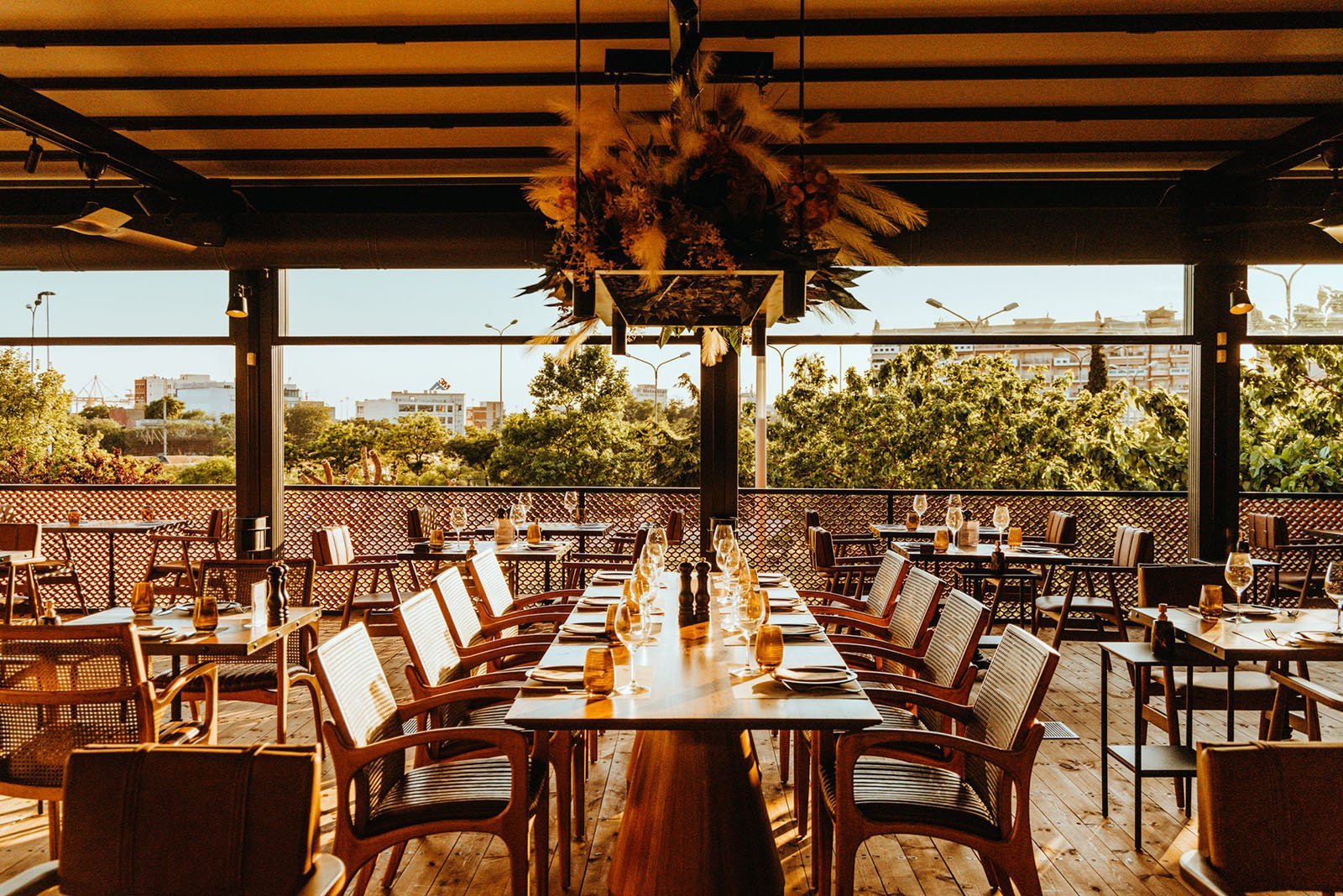
Modern and elegant with clean lines, huge tranquil spaces, and soundproof rooms providing a serene atmosphere.
Tags
Vibe
Best For
Experience
Amenities
View
Accessibility
About the Stay
- Rooms
- 212
- Check-in
- 15:00
- Check-out
- 12:00
- Property Type
- Design hotel
- Property Style
- Contemporary Luxury Full Service Hotel
- Design Style
- Modern Minimalist with Clean Lines and Professional Decor
- Airport Transfer
- Available
- Pool
- Yes
- Spa
- Yes
- Pets
- Allowed
- Cancellation
- Moderate
Know before you go
Know Before You Go
- Getting there
- 26th October Street, 48, Thessaloniki 546 27, Greece
Planning details
Location
26th October Street, 48, Thessaloniki 546 27, Greece · Directions
marriott.com/en-us/hotels/skgtm-the-met-hotel-a-member-of-design-hotels/overview
Recognition and awards
Also consider
Also Consider
- Antigon Urban Chic Hotel, Notable alternative
- Colors Urban Hotel Thessaloniki, Notable alternative
- ON Residence, Notable alternative
- City Hotel, Notable alternative
- The Excelsior Hotel, Notable alternative
Hotel context
The Met Hotel is the design-led choice in this Thessaloniki set, helped by its 2026 Design Hotels Member status. That makes it a better fit than City Hotel for travelers who want a stronger hotel identity, but less automatic for guests whose priority is the simplest central base.
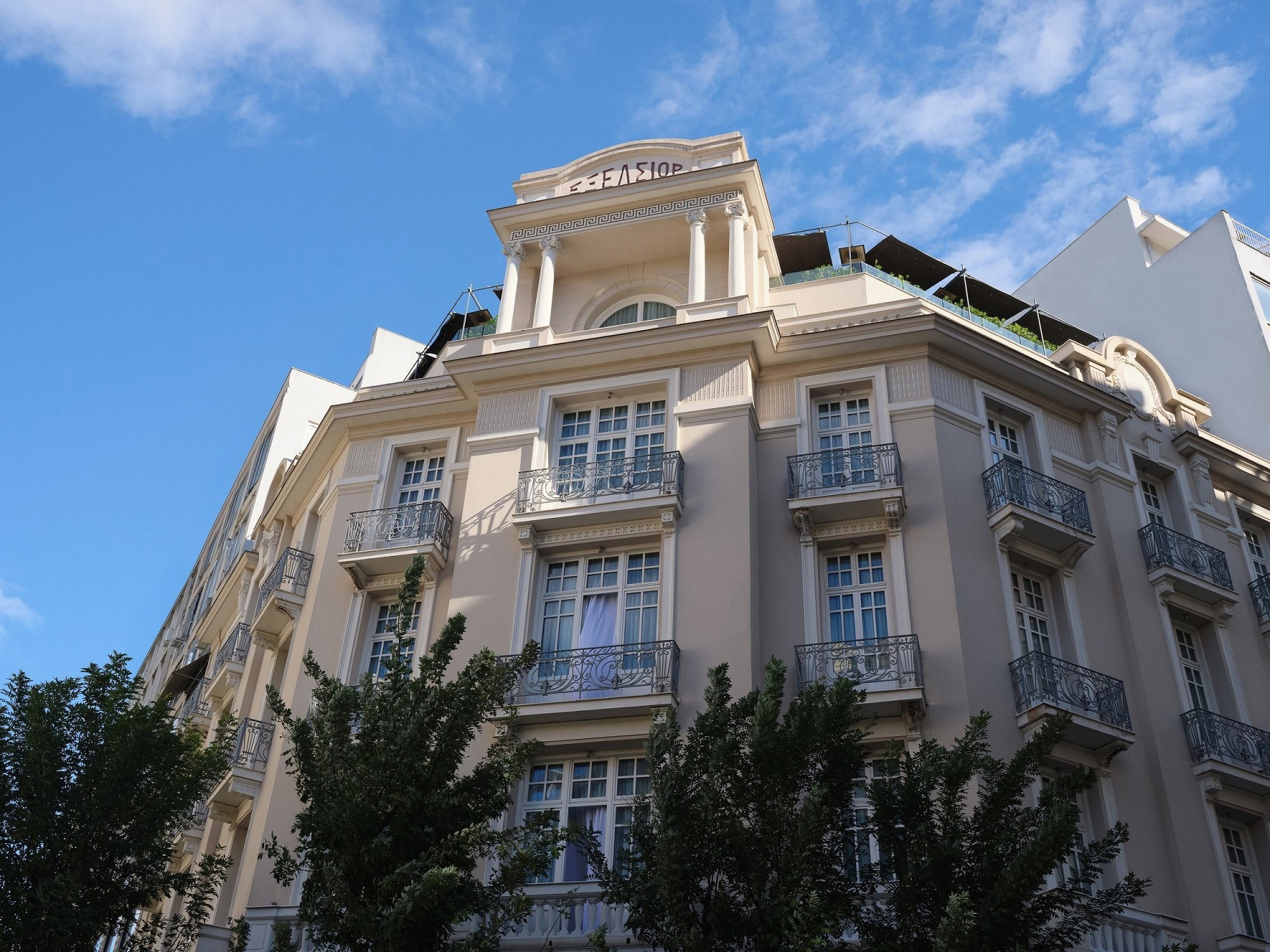
For a more central-feeling stay, compare ON Residence and The Excelsior Hotel first. They are the safer cross-shops for first-timers or short stays where every walk matters. The Met Hotel is easier to justify for repeat visitors, design-focused travelers, or anyone who does not mind using taxis to offset the address.
Antigon Urban Chic Hotel and Colors Urban Hotel Thessaloniki are useful value-and-style checks. If their rates are meaningfully lower, they may make more sense for a practical city break. If The Met Hotel is priced close to them, its design affiliation gives it the clearer reason to book.
Around this place
Discover more on Pearl
Unlock the full The Met Hotel guide in Pearl, including awards, comparisons, FAQs, planning details, and nearby places.
Compare The Met Hotel
| Venue | Location | Awards |
|---|---|---|
| The Met Hotel | Thessaloniki | 2026 Design Hotels Collection |
| Antigon Urban Chic Hotel | Thessaloniki | No published awards |
| Colors Urban Hotel Thessaloniki | Thessaloniki | No published awards |
| ON Residence | Thessaloniki | 2026 Mr & Mrs Smith Luxury Hotels2026 Michelin 1 KeyMichelin 1 Key 20252025 Michelin 1 KeySmall Luxury Hotels Member 2025 |
| City Hotel | Thessaloniki | No published awards |
| The Excelsior Hotel | Thessaloniki | 2025 Michelin Selected HotelsSmall Luxury Hotels Member 2025 |




How The Met Hotel Thessaloniki compares with similar nearby venues.
FAQ
Frequently Asked Questions
How is the dining at The Met Hotel?
Do loyalty programs work at The Met Hotel?
If loyalty perks matter, confirm current benefits through your booking channel before reserving.
How does The Met Hotel compare to other hotels?
Pick The Met Hotel if its 2026 Design Hotels Member status matters to you. For comparison, also look at ON Residence, The Excelsior Hotel, City Hotel, Colors Urban Hotel Thessaloniki, and Antigon Urban Chic Hotel.
When is the best time to book The Met Hotel?
Compare current rates and availability for your Thessaloniki dates before reserving.