
Svatma
Maharnonbu Chavadi, Thanjavur
Hotel in Thanjavur, India
 Book with Pearl
The Read
Courtyard-Architecture Hospitality
Price
$100–200per night
Why go
Book Svatma if the goal is a calm, heritage-led Thanjavur base rather than a large resort or corporate hotel. Its La Liste Top Hotels 2026 score gives it a useful trust signal, but travelers focused on Ayurveda, metro business facilities, or a broader resort amenity package should compare Kairali, Turyaa Chennai, and Feathers-A Radha Hotel.
About Svatma
Svatma is a Thanjavur hotel with external recognition: La Liste Top Hotels 2026 lists it at 91pts. Beyond that, details are limited, so it is best to confirm current rooms, inclusions, dining, amenities, and booking terms directly before committing.
A Thanjavur stay with limited public detail
Svatma makes sense to consider when Thanjavur is the point of the trip. It is known for its venue name, city, smart-casual dress code, and La Liste Top Hotels 2026 recognition at 91pts; it does not specify a specific amenity package, dining format, room count, price level, or service style.
With limited information, avoid treating Svatma as interchangeable with a larger city hotel or a destination wellness resort unless current booking details support that comparison. If the priority is a different style of stay, Kairali – The Ayurvedic Healing Village, Turyaa Chennai, Feathers-A Radha Hotel, Maison Perumal, or SpiceTree Munnar may be useful points of comparison depending on the trip.
Who should book it, and who should cross-shop
Book Svatma if you specifically want to stay in Thanjavur and are comfortable confirming practical details directly with the hotel. The La Liste Top Hotels 2026 score gives it a credible external signal, but that recognition is not a substitute for checking the current room category, inclusions, policies, and any dining or amenity arrangements that matter to your stay.
Cross-shop if the trip depends on unspecified features, such as extensive wellness scheduling, a particular business-hotel setup, a defined dining program, or a clearly priced package. Kairali – The Ayurvedic Healing Village, Turyaa Chennai, Feathers-A Radha Hotel, Maison Perumal, and SpiceTree Munnar can be considered as alternatives or comparisons without assuming they serve the same purpose as a Thanjavur stay at Svatma.
Planning details
- Location
- No. 4/1116, Blake Hr Sec School Road, Q4JX+CC7, 265, Mission Church Rd, Maharnonbu Chavadi, Thanjavur, Tamil Nadu 613001
- Website
- svatma.in
- Phone
- +91 76010 04004
The take
The Take
The Vibe
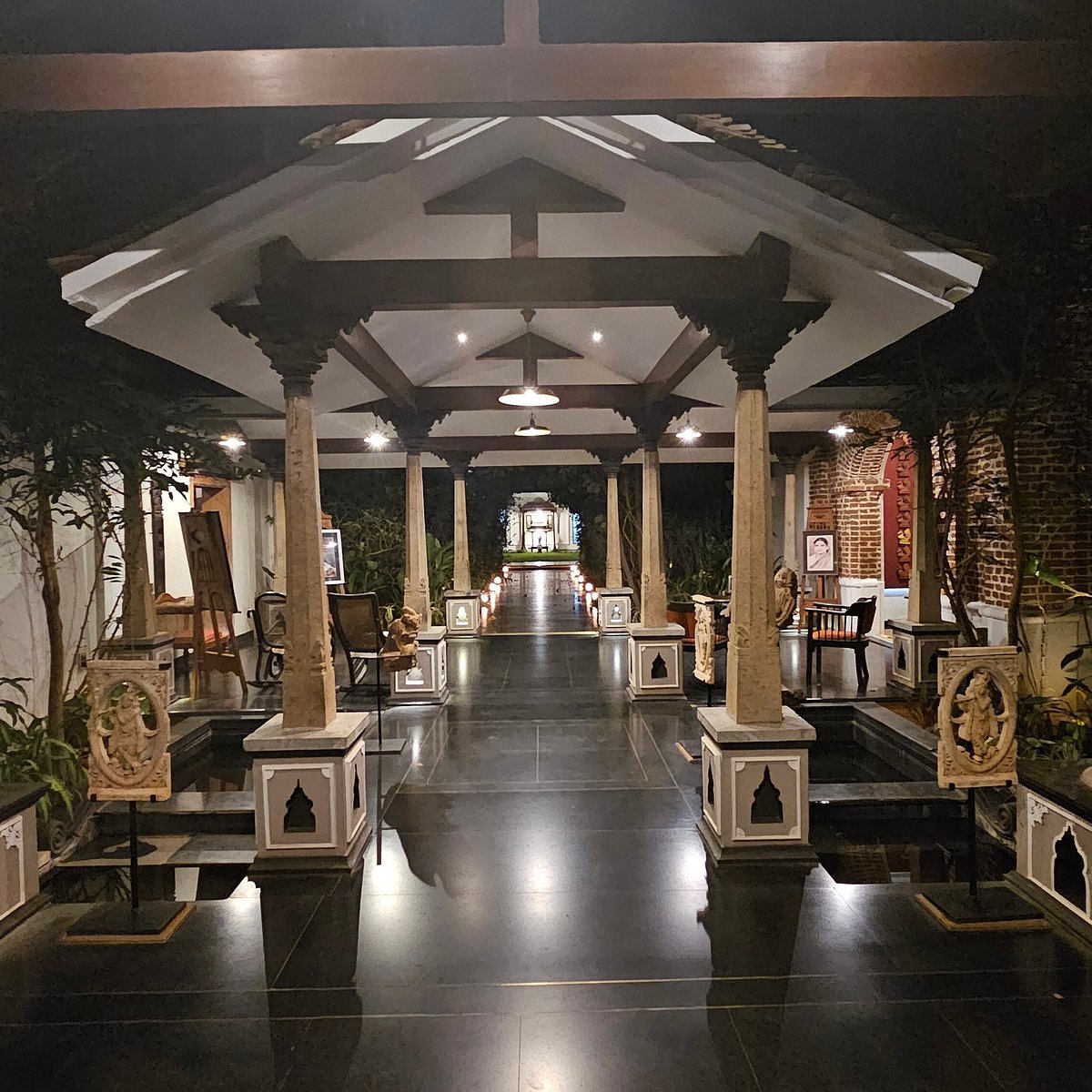
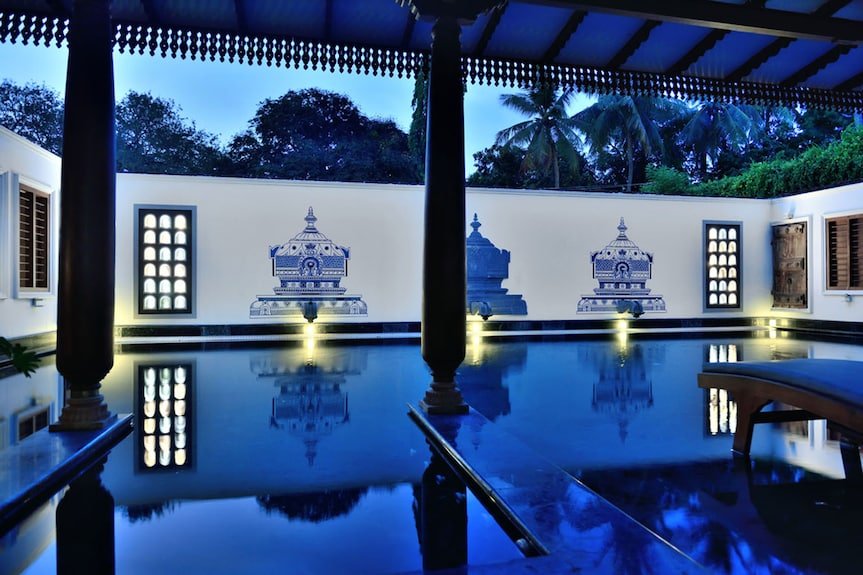
Svatma foregrounds architecture as the primary draw: thick laterite walls, shaded colonnades and a courtyard logic create a calm, contained atmosphere. The hotel reads like an evolved agraharam—intimate and quietly historic—where enclosure and measured spaces replace spectacle. Restoration-led detailing and a clear respect for regional building grammars make the place feel like a lived-in heritage house rather than a conventional resort. Guests notice the shift from street noise to a structured interior hush; the overall effect is serene, charming and deliberately introspective, suited to travelers who value authenticity and architectural character.
Best For
Svatma suits travelers who come for cultural immersion and architectural authenticity more than for resort-style programming. It rewards the patient traveler and those curious about South Indian domestic typologies—solo explorers, culturally minded couples, and families intent on a slower, design-focused stay. The property is a counterpoint to big, monument-adjacent luxury hotels: its value lies in the building itself, so guests who prioritize historical fabric, quiet courtyards and an intimate sense of place find it most satisfying. It is less about high amenity counts and more about paced discovery.
Venue details
Ambiance
Serene and culturally immersive with warm lighting, antique furnishings, and a peaceful garden atmosphere that evokes old-world charm and mystique.
Tags
Vibe
Best For
Experience
Amenities
View
Accessibility
About the Stay
- Rooms
- 34
- Property Type
- Heritage hotel
- Property Style
- Heritage Luxury Resort Celebrating Tamil Nadu's Cultural Legacy with Curated Antiques, Contemporary Art, and Siddha Wellness Traditions.
- Design Style
- Eclectic Blend of Traditional Tamil Architecture with Antique Furnishings, Modern Amenities, and Artistic Installations Creating a Space Time Capsule Aesthetic.
- Breakfast
- Included
- Airport Transfer
- Available
- Pool
- Yes
- Spa
- Yes
- Families
- Welcome
Know before you go
Know Before You Go
- Getting there
- No. 4/1116, Blake Hr Sec School Road, Q4JX+CC7, 265, Mission Church Rd, Maharnonbu Chavadi, Thanjavur, Tamil Nadu 613001
Planning details
Location
No. 4/1116, Blake Hr Sec School Road, Q4JX+CC7, 265, Mission Church Rd, Maharnonbu Chavadi, Thanjavur, Tamil Nadu 613001 · Directions
Recognition and awards

Also consider
Where to look if this does not fit
Choose Kairali – The Ayurvedic Healing Village if wellness programming is the main reason for the trip. Choose Turyaa Chennai or Feathers-A Radha Hotel if the stay needs metro-hotel convenience, meetings access, or a simpler business setup.
Hotel context
How Svatma compares with nearby and regional hotel options
Svatma is the Thanjavur-specific pick in this set: better for travelers who want the stay anchored to the city rather than a resort detour. Maison Perumal is the stronger heritage cross-shop if Pondicherry fits the route, but it does not solve the same Thanjavur-base problem.
For wellness-first travel, Kairali – The Ayurvedic Healing Village is the cleaner recommendation because its positioning is built around Ayurveda. SpiceTree Munnar is better for a retreat mood, especially if hill-country downtime matters more than access to Thanjavur's heritage circuit.
If booking ease and business-hotel predictability matter more than atmosphere, compare Turyaa Chennai and Feathers-A Radha Hotel. Those Chennai options make more sense for airport, meeting, or metro logistics; Svatma makes more sense when the itinerary is centered on Thanjavur and the hotel needs to feel part of that trip.
Explore Thanjavur
Around this place
Discover more on Pearl
Unlock the full Svatma guide in Pearl, including awards, comparisons, FAQs, planning details, and nearby places.
Compare Svatma
| Venue | Location | Awards |
|---|---|---|
| Svatma | Thanjavur | 2026 La Liste Top Hotels |
| Maison Perumal | Puducherry | No published awards |
| SpiceTree Munnar | Chinnakanal | No published awards |
| Kairali – The Ayurvedic Healing Village | Kerala | No published awards |
| Turyaa Chennai | Chennai | Preferred Hotels Member 2025 |
| Feathers-A Radha Hotel | Chennai | Preferred Hotels Member 2025 |

How Svatma Thanjavur compares with similar nearby venues.
FAQ
Frequently Asked Questions
Do loyalty programs work at Svatma?
Loyalty-program benefits are not specified at Svatma. The grounded case for considering it is its Thanjavur location and La Liste Top Hotels 2026 score of 91pts; if points or chain perks matter, compare current options directly, including Turyaa Chennai.
How does Svatma compare to other hotels?
Svatma is a Thanjavur option with a La Liste Top Hotels 2026 score of 91pts. For comparison, Maison Perumal, Turyaa Chennai, Feathers-A Radha Hotel, Kairali – The Ayurvedic Healing Village, and SpiceTree Munnar may be useful reference points, but the current details of each stay should be checked directly.
When is the best time to book Svatma?
Book once your Thanjavur dates are fixed and after confirming the room category, inclusions, cancellation terms, and any services that matter to your trip. No specific seasonal booking pattern is known.
Is Svatma good for business travel?
Specific business-travel facilities are not specified at Svatma. If a work trip requires meeting space, chain consistency, or particular business services, compare the current offering with options such as Feathers-A Radha Hotel and Turyaa Chennai.
How is the dining at Svatma?
Specific dining details are not available. Before booking around meals, confirm the current dining arrangements directly with Svatma and compare them with other dining in Thanjavur if food is a major part of the trip.