




The Norman Tel Aviv
Newe Sha'anan, Tel Aviv
Hotel in Tel Aviv, Israel
 Book with Pearl
The Read
Art Deco Mansion Hotel
Why go
The Norman Tel Aviv is the service-forward boutique-luxury pick in Tel Aviv, better suited to travelers who want polish and support than those chasing the lowest nightly rate. Book early if dates are fixed; for a lighter-value stay, compare Hotel Montefiore, Alma Hotel, Lily & Bloom Hotel, The Vera Hotel, and Poli House first.
About The Norman Tel Aviv
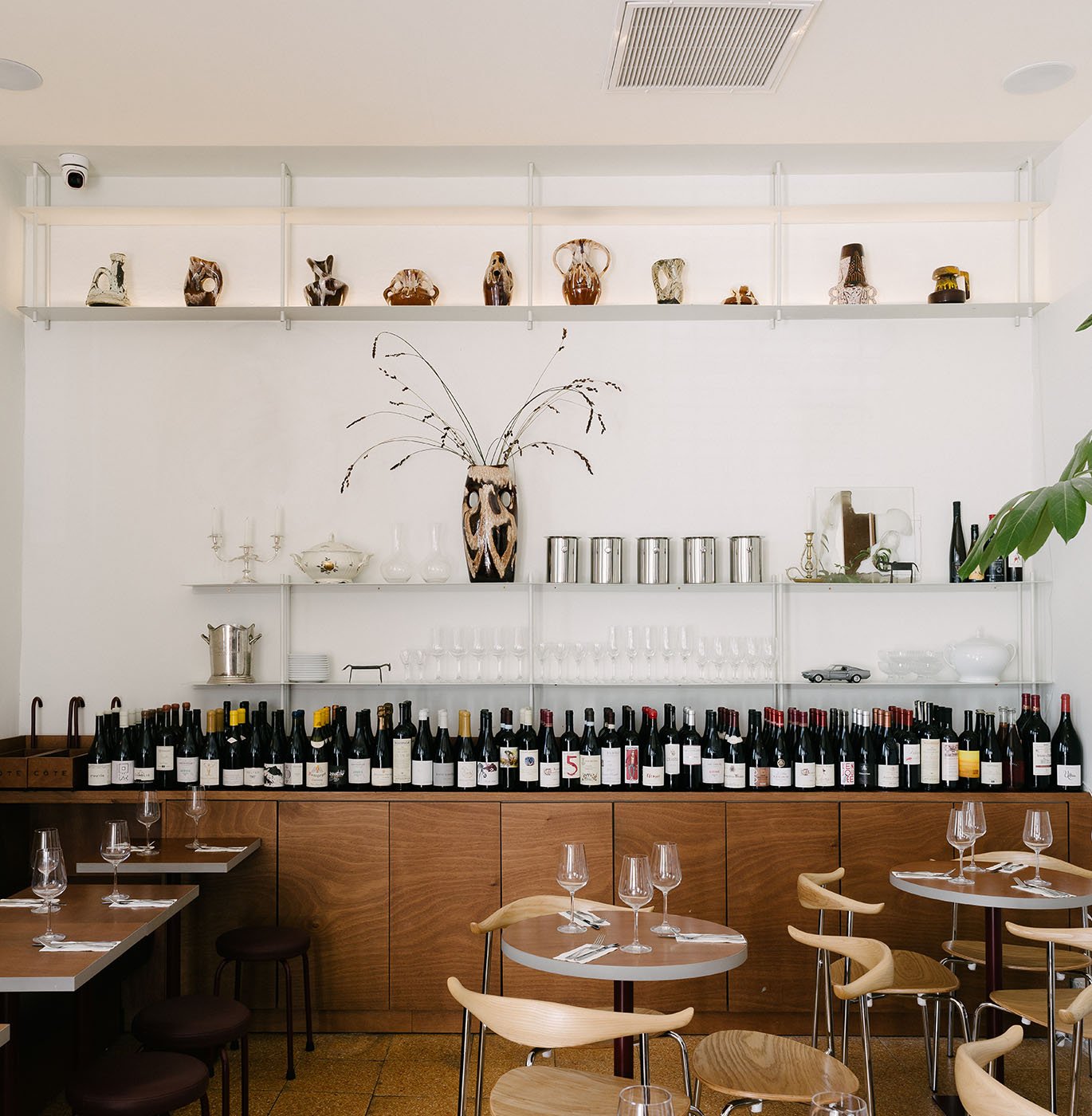
The Norman Tel Aviv is best assessed as a premium Tel Aviv hotel with a strong recognition profile. It is a Small Luxury Hotels of the World member, has La Liste Top Hotels recognition, is Forbes Recommended, is a Virtuoso Luxury Hotel Partner, has the Mr & Mrs Smith Seal of Approval, and appears on Star Wine List.
For travelers comparing boutique and luxury options in Tel Aviv, the clearest reason to consider The Norman Tel Aviv is that external recognition across hotel and travel channels supports its premium positioning. Details such as exact room experience, dining specifics, wellness facilities, business services, and family amenities should be confirmed directly before booking.
Book it for a recognized Tel Aviv luxury-hotel stay
Value-seekers should treat this as a quality-over-price decision. If the rate is meaningfully higher than Hotel Montefiore, Alma Hotel, or Lily & Bloom Hotel, the strongest reason to pay more is the recognition profile rather than a particular room, meal, facility, or service style.
The stronger use case is a Tel Aviv stay where a recognized luxury-hotel setting matters. For a broader city scan, compare it with our full Tel Aviv hotels guide, then use dining and drinking plans from our full Tel Aviv restaurants guide and our full Tel Aviv bars guide.
Use the accolades as the main booking signal
The most reliable way to frame The Norman Tel Aviv is through its recognition profile. It includes Small Luxury Hotels of the World membership, La Liste Top Hotels recognition with 90 points, Forbes Recommended status, Virtuoso Luxury Hotel Partner status, the Mr & Mrs Smith Seal of Approval, and Star Wine List recognition.
That does not make it the automatic pick for every Tel Aviv trip. It makes it a hotel to consider when luxury-travel recognition is important. The dress code is smart casual; for anything more specific, including facilities, dining arrangements, room categories, arrival logistics, or special services, confirm with the hotel before booking.
Planning details
- Location
- Nachmani St 23-25, Tel Aviv-Yafo, 6579441
- Website
- thenorman.com
- Phone
- +972 3-543-5555
The take
The Take
The Vibe
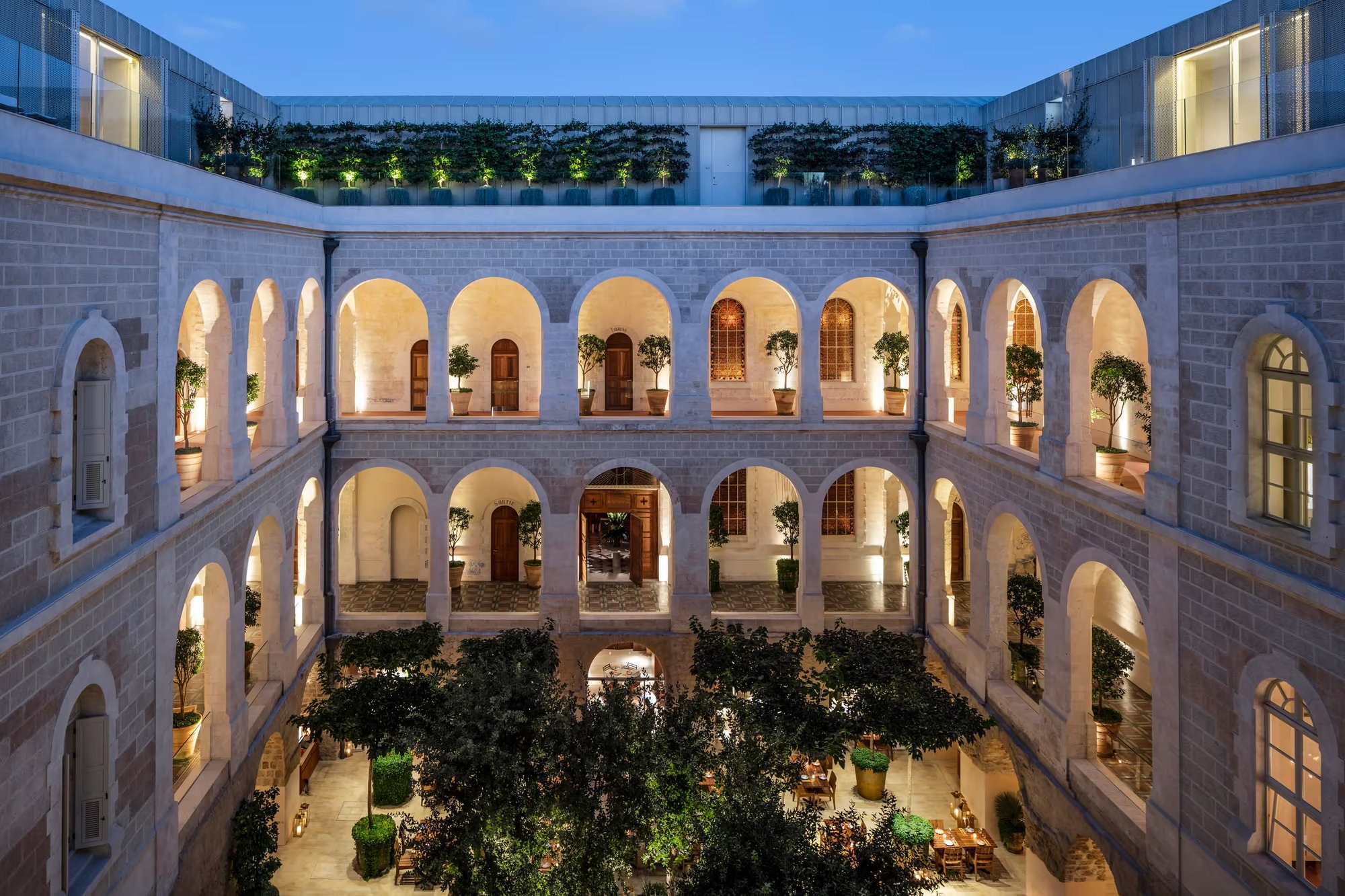
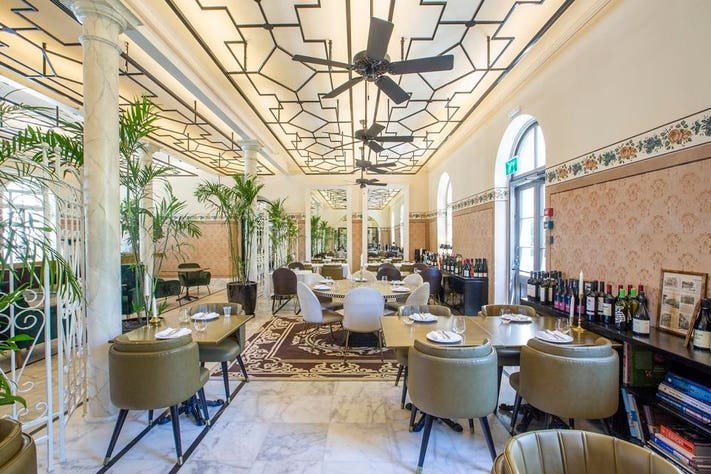
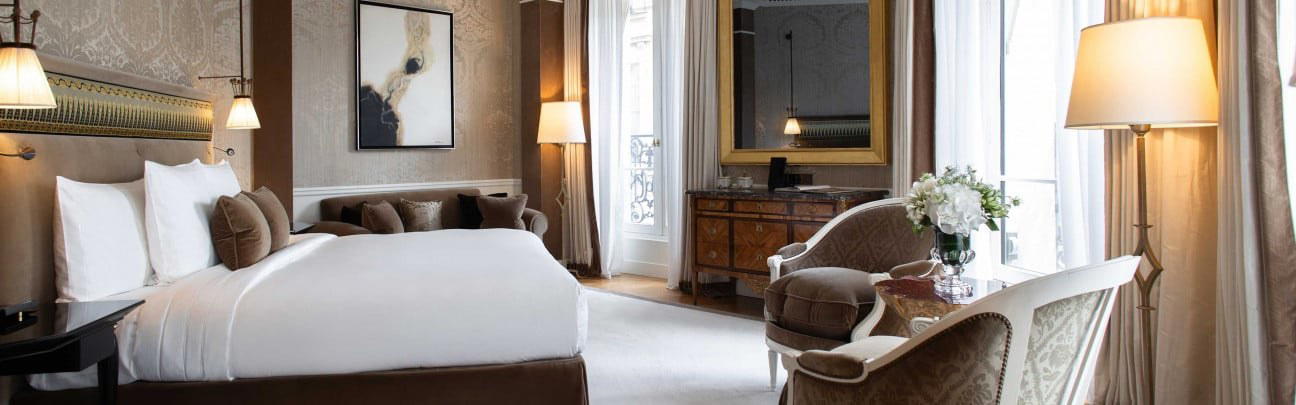
The Norman reads like a living architectural essay: two adjacent 1920s buildings present a layered heritage rather than a single stylistic statement. One building leans toward grand Modernist restraint with clean lines and wooden shutters; the other carries eclectic Renaissance and oriental references. That historical layering shapes guest experience more than any single design gesture, and the hotel's boutique scale amplifies a quietly charming sense of place. Set on a prominent square just off Rothschild Boulevard, The Norman feels like a conserved fragment of the White City where history and careful restoration take center stage.
Best For
The Norman is particularly well suited to stays that center on design, quiet luxury and urban strolling. Its boutique scale and location just off Rothschild Boulevard make it an easy base for architectural tours of the White City, relaxed weekend escapes and intimate city getaways. The hotel’s position on a prominent square gives guests neighbourhood context without the boulevard’s tourist traffic, which also works well for business travelers seeking a refined, calm address close to central arteries of the city.
Venue details
Ambiance
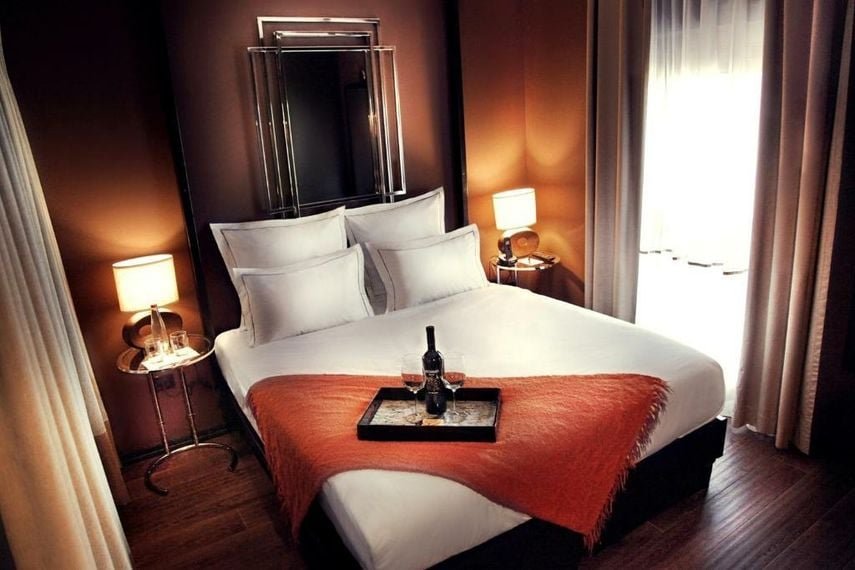
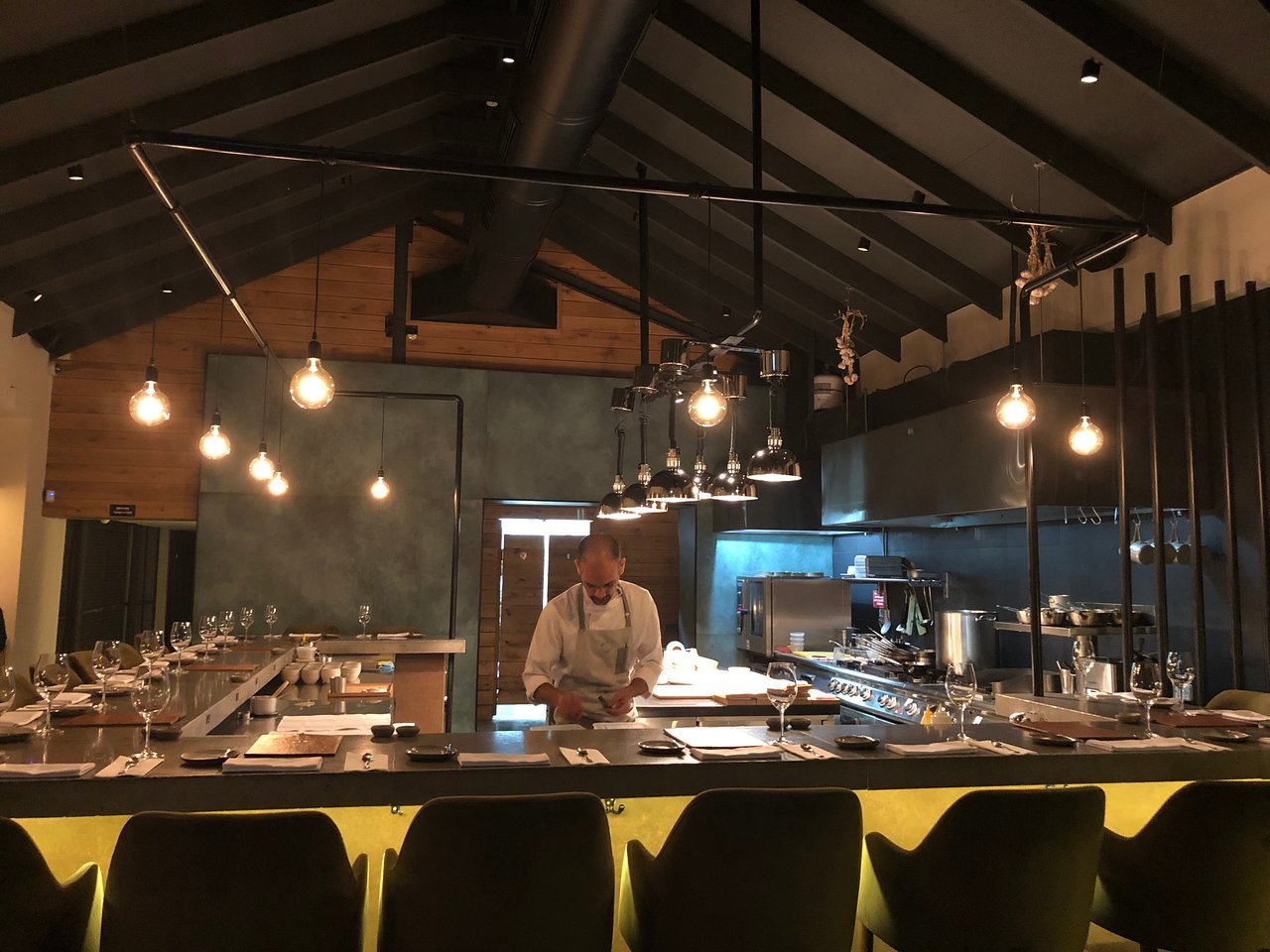
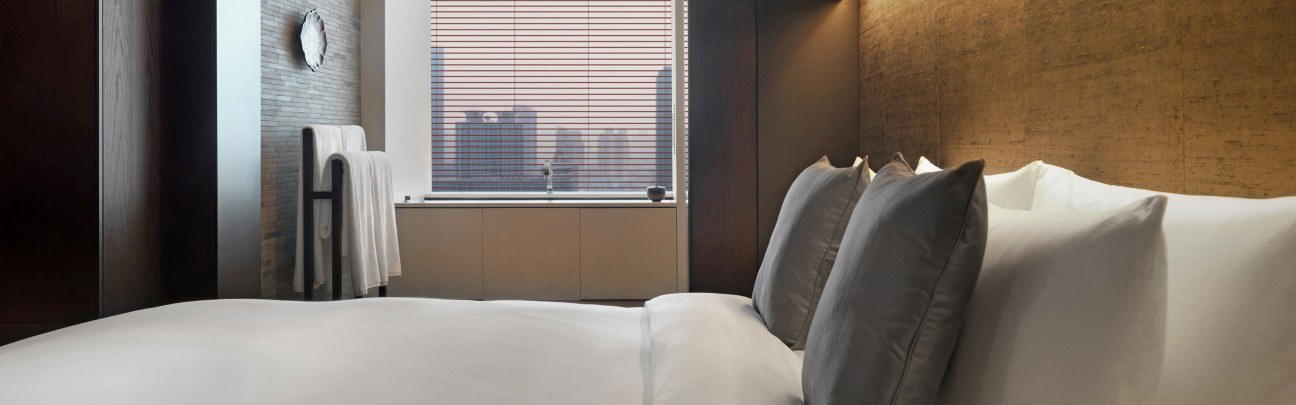
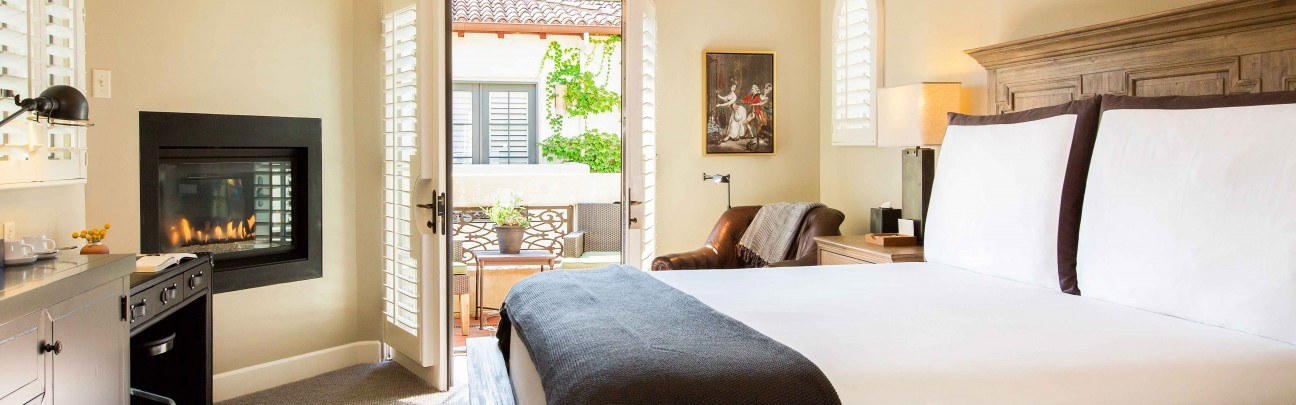
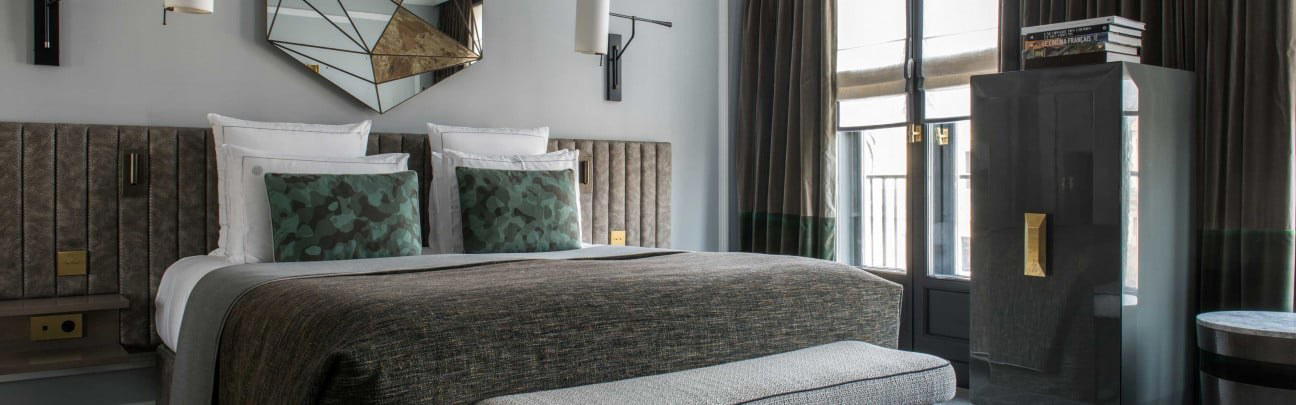
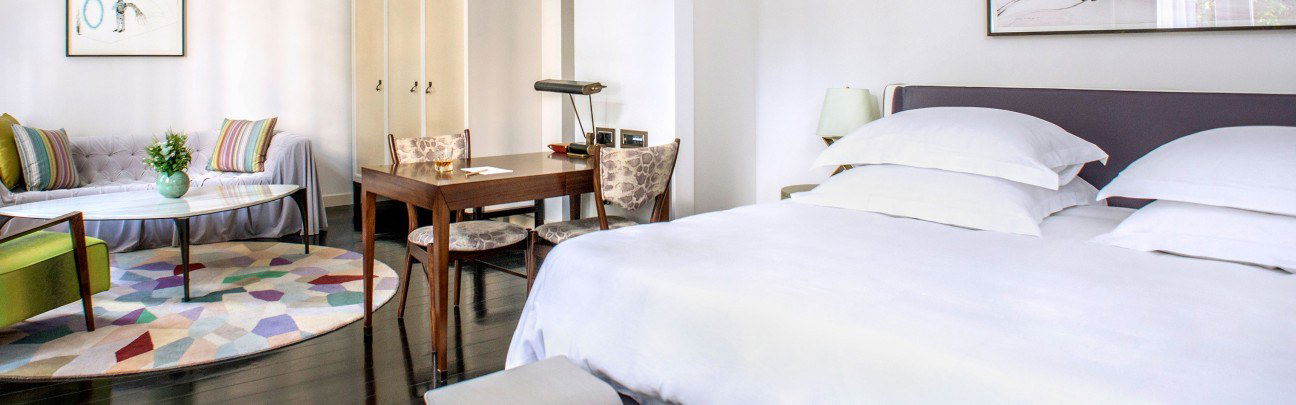
Glamorous 1920s style decor blended with contemporary elegance, featuring high ceilings, bespoke artworks, lavish furnishings, and a serene atmosphere enhanced by soundproofing.
Tags
Vibe
Best For
Experience
Amenities
View
Accessibility
About the Stay
- Rooms
- 50
- Check-in
- 15:00
- Check-out
- 12:00
- Property Style
- Historic Pre Bauhaus Residences Restored with Modern Luxury Amenities
- Design Style
- 1920s Grandeur Fused with Contemporary Elegance and Original Israeli Art
Know before you go
Know Before You Go
- Getting there
- Nachmani St 23-25, Tel Aviv-Yafo, 6579441
Planning details
Location





Also consider
If you cannot book it
Try Hotel Montefiore first if you want boutique atmosphere and a strong sense of place. Try The Vera Hotel if you want a polished Tel Aviv base with a lighter, less formal feel.
Hotel context
How It Compares
The Norman Tel Aviv is the higher-touch choice in this Tel Aviv set: book it when service polish, luxury recognition, and a more complete hotel experience matter more than squeezing value from the rate. Hotel Montefiore is the sharper cross-shop for travelers who want a smaller, classic boutique-hotel mood; choose it if dining-and-design character matters more than full luxury-hotel handling.
Alma Hotel and Lily & Bloom Hotel are better fits for travelers who want a more value-sensitive boutique stay and plan to spend less time leaning on hotel services. The Vera Hotel should appeal to guests who want a stylish Tel Aviv base with a lighter footprint, while Poli House is the more design-forward alternative for travelers prioritizing visual personality over luxury-service depth.
For fixed-date trips, The Norman is the one to secure earliest. If it is unavailable or priced beyond the trip's comfort zone, start with Hotel Montefiore for atmosphere, then check Alma Hotel or Lily & Bloom Hotel for a more practical rate-to-comfort balance.
Explore Tel Aviv
Around this place
Discover more on Pearl
Unlock the full The Norman Tel Aviv guide in Pearl, including awards, comparisons, FAQs, planning details, and nearby places.
Compare The Norman Tel Aviv
| Venue | Location | Awards |
|---|---|---|
| The Norman Tel Aviv | Tel Aviv | 2026 Forbes RecommendedStar Wine Lists 20262026 Virtuoso Luxury Hotel Collection2026 Mr & Mrs Smith Luxury Hotels2026 La Liste Top HotelsSmall Luxury Hotels Member 2025 |
| Hotel Montefiore | Tel Aviv | No published awards |
| Alma Hotel | Tel Aviv | No published awards |
| Lily & Bloom Hotel | Tel Aviv | No published awards |
| The Vera Hotel | Tel Aviv | No published awards |
| Poli House | Tel Aviv | No published awards |
How The Norman Tel Aviv compares with similar nearby venues.
FAQ
Frequently Asked Questions
Do loyalty programs work at The Norman Tel Aviv?
The Norman Tel Aviv is a Small Luxury Hotels of the World member and a 2026 Virtuoso Luxury Hotel Partner. Any specific points earning, redemption, or advisor-booking benefits should be confirmed before booking.
How is the dining at The Norman Tel Aviv?
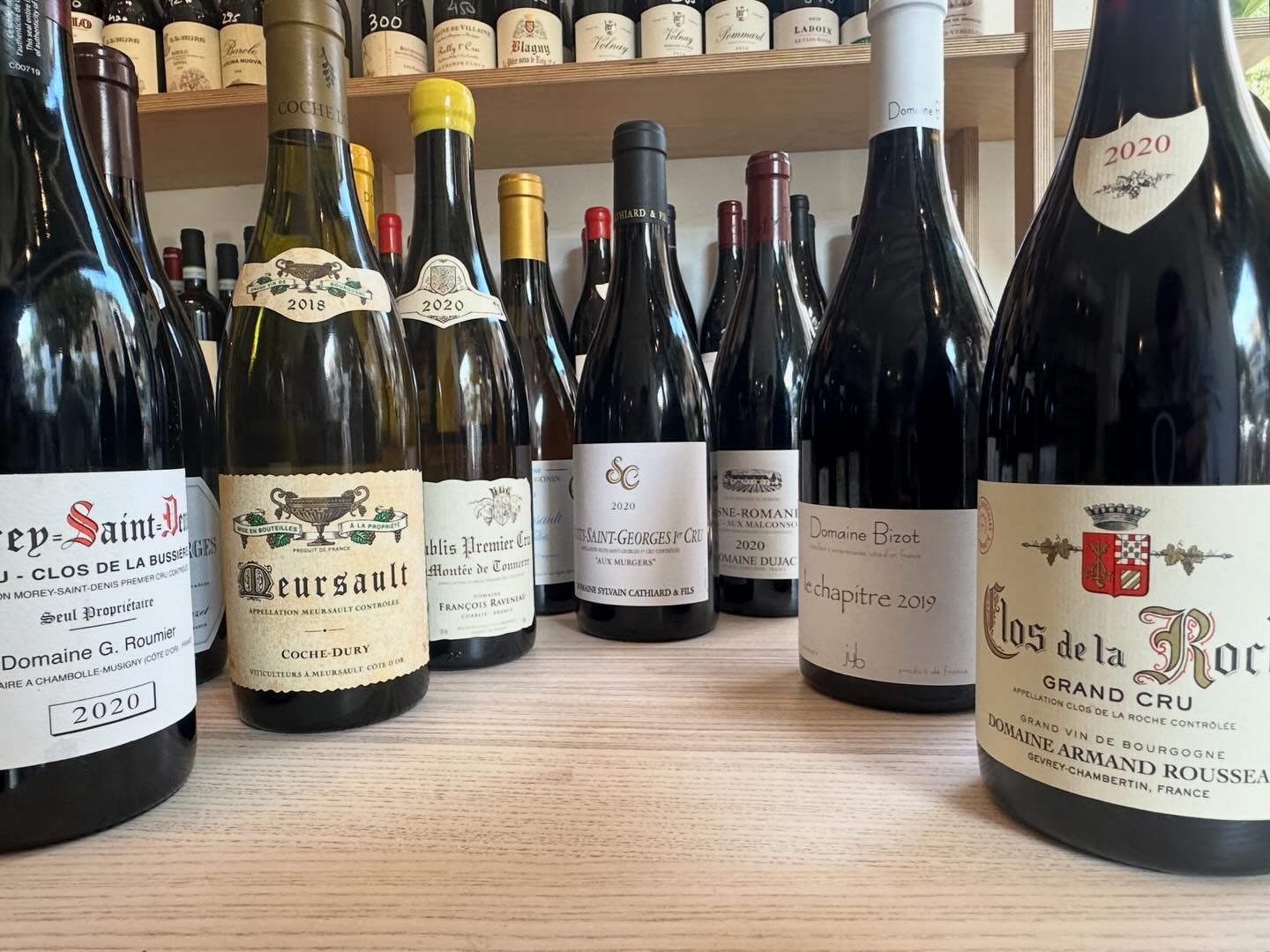
The Norman Tel Aviv has 2026 Star Wine List recognition. Check directly with the hotel for current dining venues, menus, cuisine, service formats, and meal periods.
Which room category is best at The Norman Tel Aviv?
Choose based on the current room descriptions, rates, and cancellation terms provided at booking.
How is the pool and spa at The Norman Tel Aviv?
How is the location of The Norman Tel Aviv?
The Norman Tel Aviv is in Tel Aviv. Use the hotel's official booking materials or map listing for exact arrival planning.
What is check-in like at The Norman Tel Aviv?
Is The Norman Tel Aviv good for business travel?
It may suit travelers who want a recognized luxury hotel in Tel Aviv, supported by Forbes Recommended status and Virtuoso Luxury Hotel Partner recognition. Confirm any required business facilities or services before booking.