

Hyatt Regency Tashkent
Yunusobod District, Tashkent
Hotel in Tashkent, Uzbekistan
 Book with Pearl
Why go
Hyatt Regency Tashkent is the practical choice for a first business trip to Tashkent: central Navoi Street address, international-brand familiarity, Forbes Recommended recognition, and Star Wine List recognition in 2026. Book it for consistency and work-trip logistics; compare Oscar Boutique Hotel if you want a smaller, more character-led stay.
About Hyatt Regency Tashkent
Hyatt Regency Tashkent is a venue in Tashkent with a smart-casual dress code and two recognition signals: Forbes Recommended in 2026 and Star Wine List in 2026. It is a concise, evidence-led booking note rather than a full hotel review.
The practical case for considering Hyatt Regency Tashkent is strongest if you want a venue in Tashkent and value confirmed recognition. It may be compared with InterContinental Tashkent, an IHG Hotel, Oscar Boutique Hotel, or Mercure Bukhara Old Town when weighing other named options.
Choose it for confirmed recognition, not unverified extras
The most grounded reason to shortlist Hyatt Regency Tashkent is its confirmed recognition: Forbes Recommended in 2026 and Star Wine List in 2026. Those signals are useful, but they should not be stretched into claims about a specific service style, restaurant concept, room category, price level, wellness setup, or location within the city. The dress code is smart casual, which is helpful to know before arrival.
That also means the comparison should stay disciplined. If you are choosing between Hyatt Regency Tashkent and InterContinental Tashkent, an IHG Hotel, focus on the details you can verify directly for your dates. Oscar Boutique Hotel and Mercure Bukhara Old Town may also be part of a wider shortlist.
Where it fits in a first Tashkent itinerary
For a first stay in Tashkent, Hyatt Regency Tashkent is best treated as a recognized venue option. If evenings are part of the plan, pair the venue search with our full Tashkent restaurants guide.
For broader Uzbekistan planning, keep geography clear and verify each venue directly. Hyatt Regency Tashkent is in Tashkent; InterContinental Tashkent, an IHG Hotel, Oscar Boutique Hotel, and Mercure Bukhara Old Town are named comparison options. Confirm any desired facilities, room needs, dining plans, or timing directly before booking.
Planning details
- Location
- Navoi Street, 1 A
- Website
- hyatt.com/hyatt-regency/en-US/tasrt-hyatt-regency-tashkent?src=corp_lclb_google_seo_tasrt
- Phone
- 998-71-207-12-34
The take
The Take
The Vibe
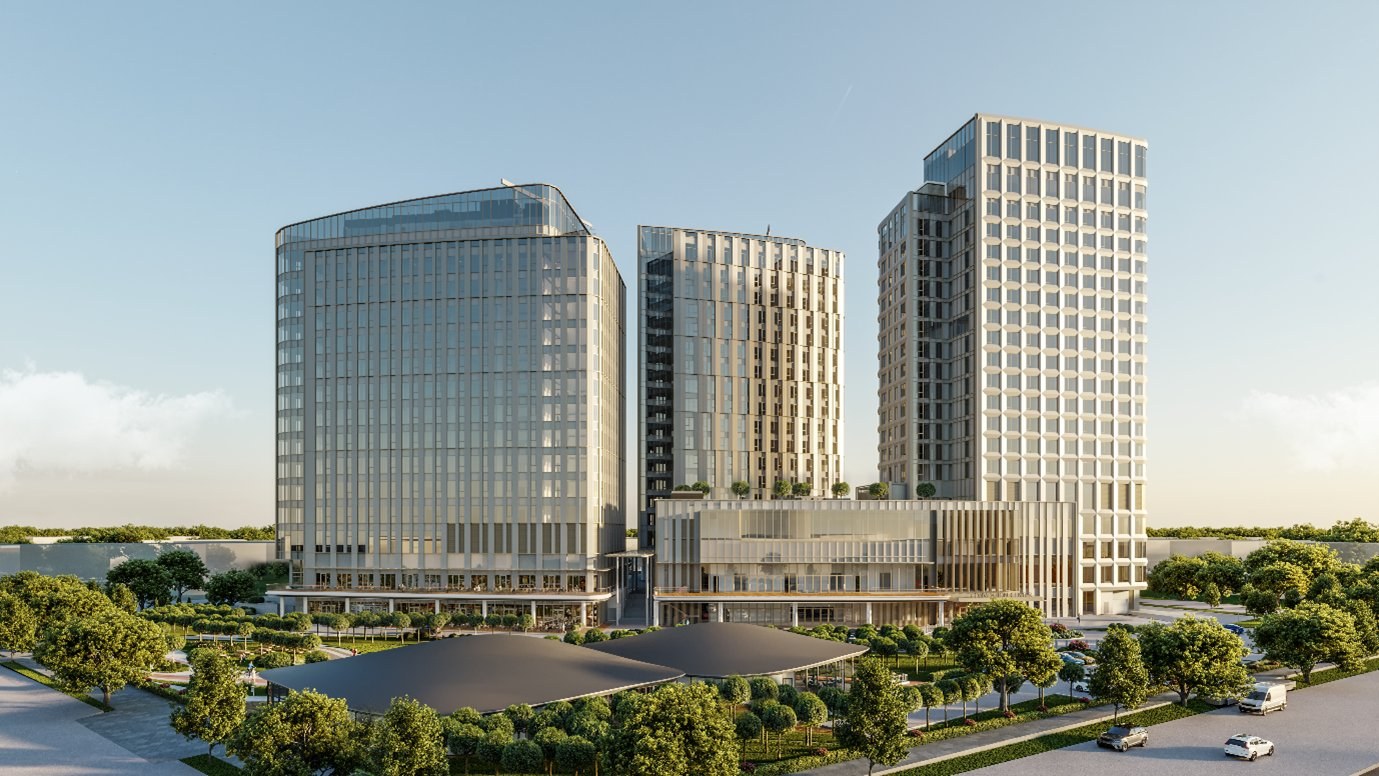
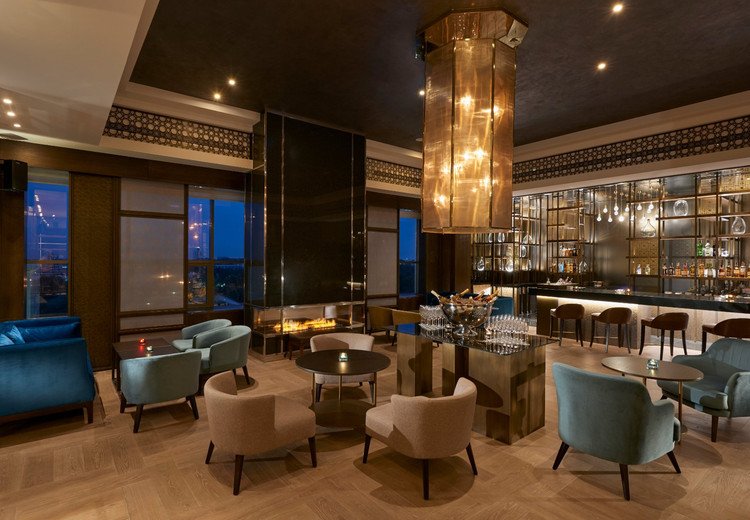
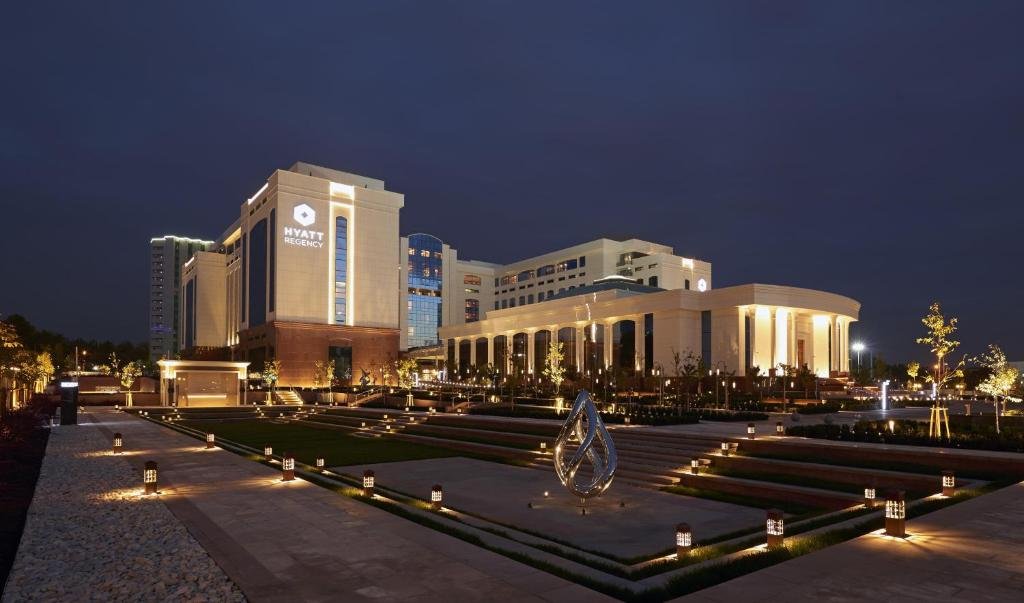
Hyatt Regency Tashkent reads as an assertive, corporately contemporary presence set against Tashkent’s formal civic geometry. The property situates itself on Navoi Street near Amir Timur Square, anchoring to the city’s ceremonial axis without blending into smaller streetscapes. Its scale and design language align with international-flag expectations: restrained, composed and positioned to serve a transnational clientele. While the hotel participates in the modern, sophisticated tier of the city’s hospitality market, its placement adjacent to monumental public space gives it an almost symbolic, anchor-like role in the urban fabric.
Best For
This Hyatt Regency is best for travelers prioritizing dependable, internationally branded accommodations close to Tashkent’s civic landmarks. Business travelers find the scale and positioning appropriate for meetings and easy access to the city’s administrative and ceremonial core, while short-stay leisure visitors use it as a practical base for weekend explorations. The description highlights a compact upper tier of international hotels—Hyatt Regency and InterContinental among them—so guests who want familiarity, consistency and proximity to Amir Timur Square will find this property well suited to their needs.
Stay Tips
When choosing lodging in Tashkent, weigh your travel purpose against the city’s small but distinct hotel tiers. The write-up emphasizes that Hyatt Regency sits in the international-flag bracket alongside the InterContinental; smaller independents offer more local design character but fewer amenities. If you need the predictability and services of a global brand, opt for Hyatt Regency; if you prioritize boutique, locally inflected stays, consider smaller independents. Being near the ceremonial axis means easy access to central sights, so location is an asset for both business and short leisure stays.
Venue details
Ambiance
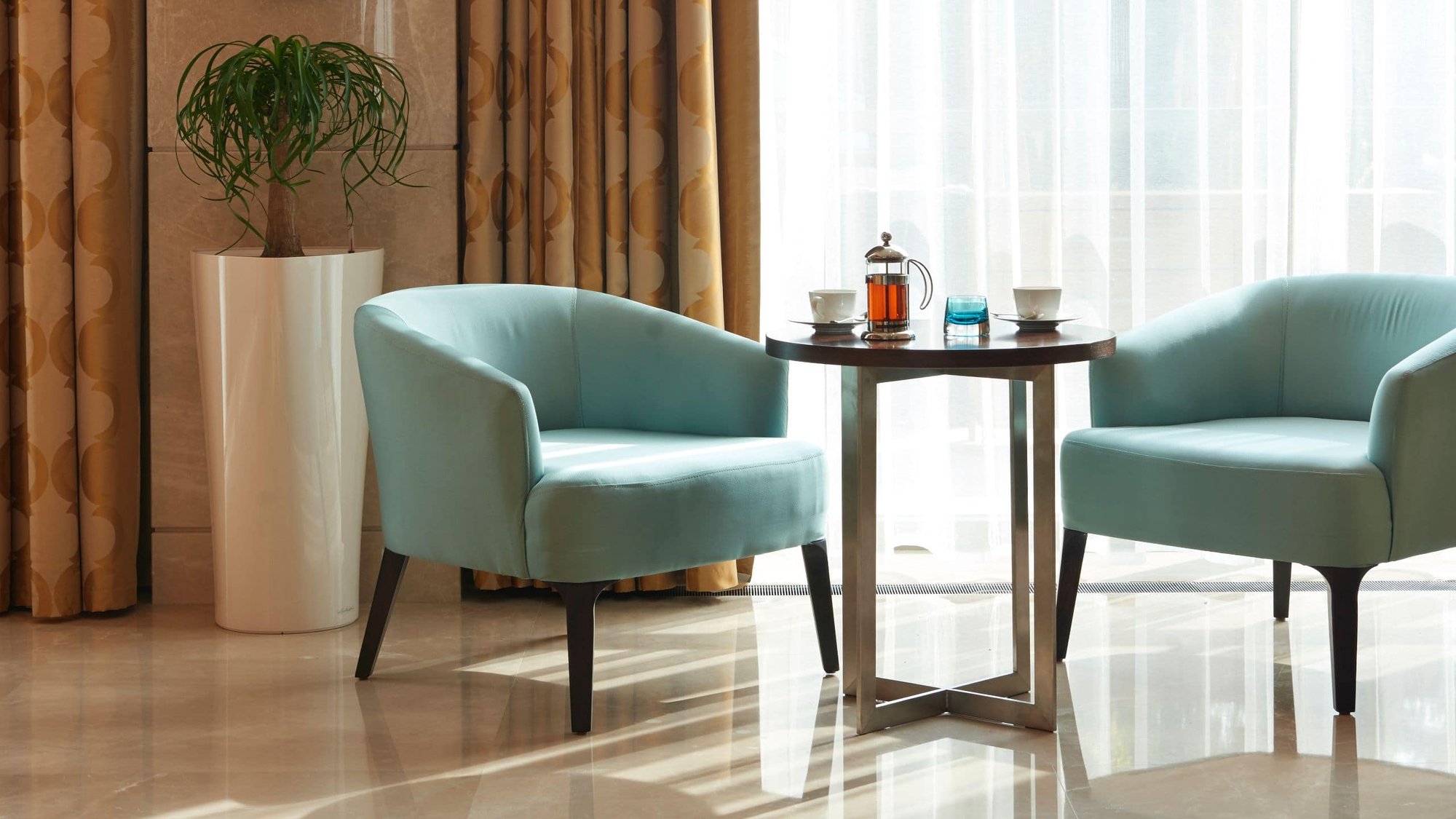
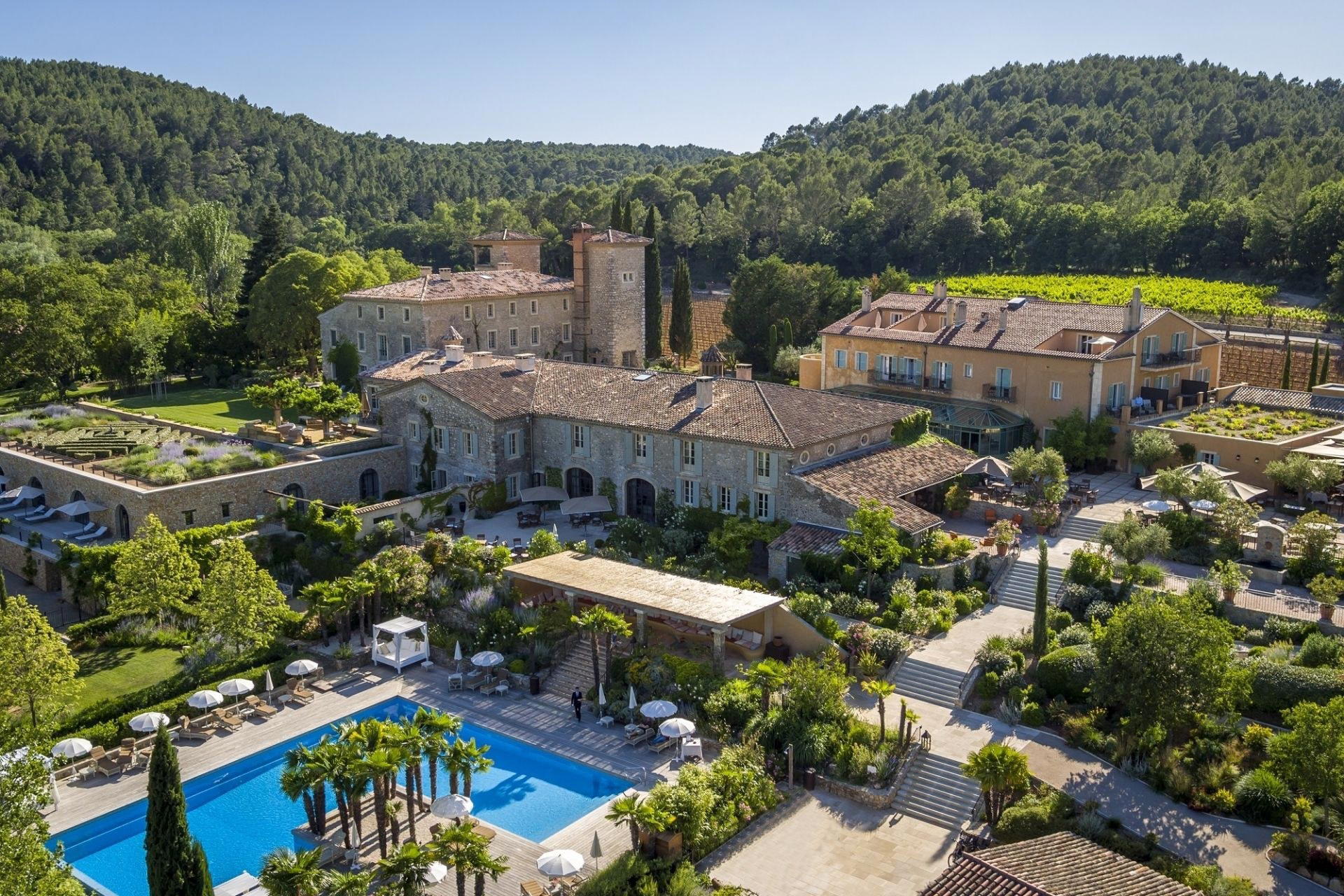
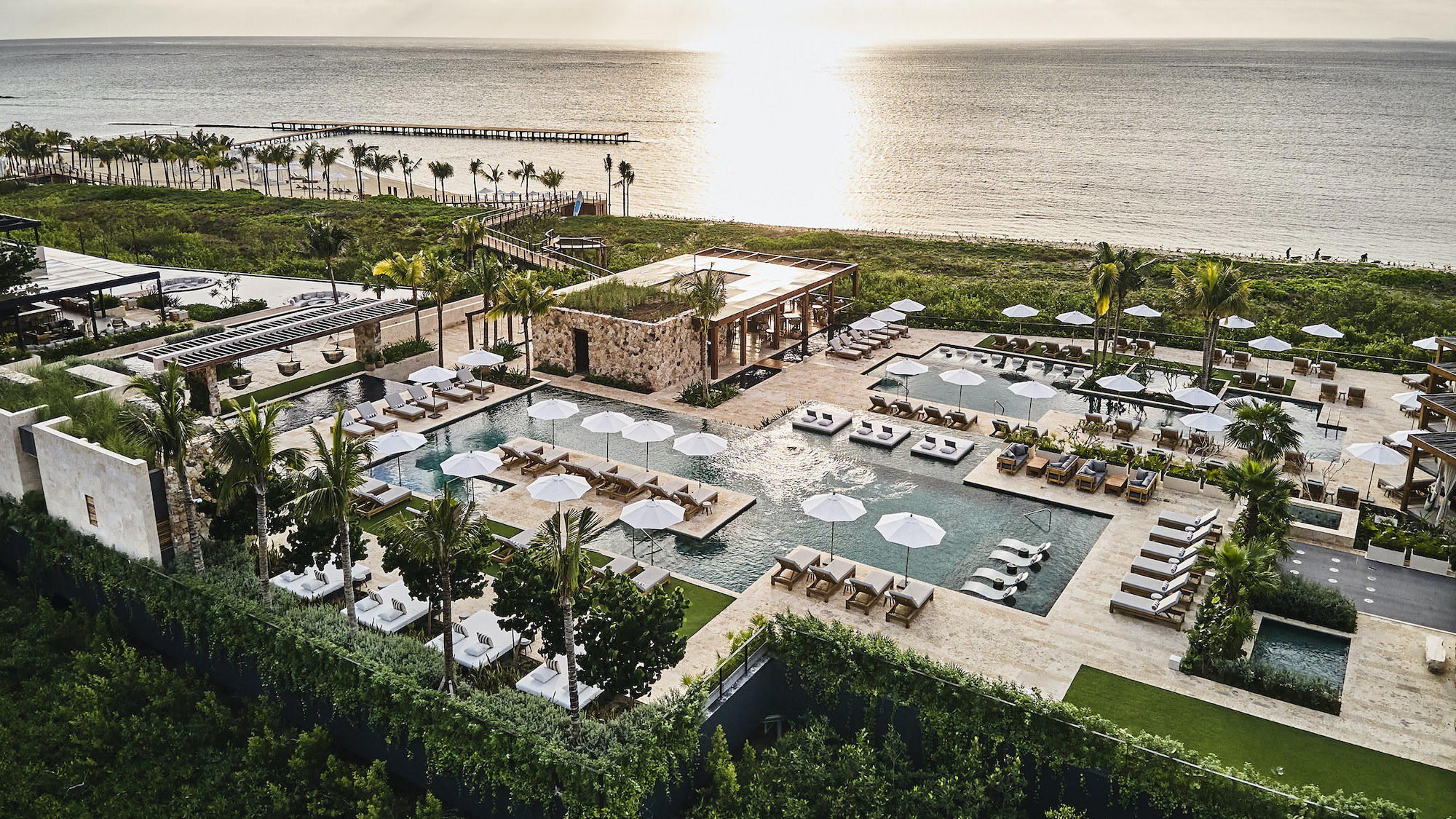
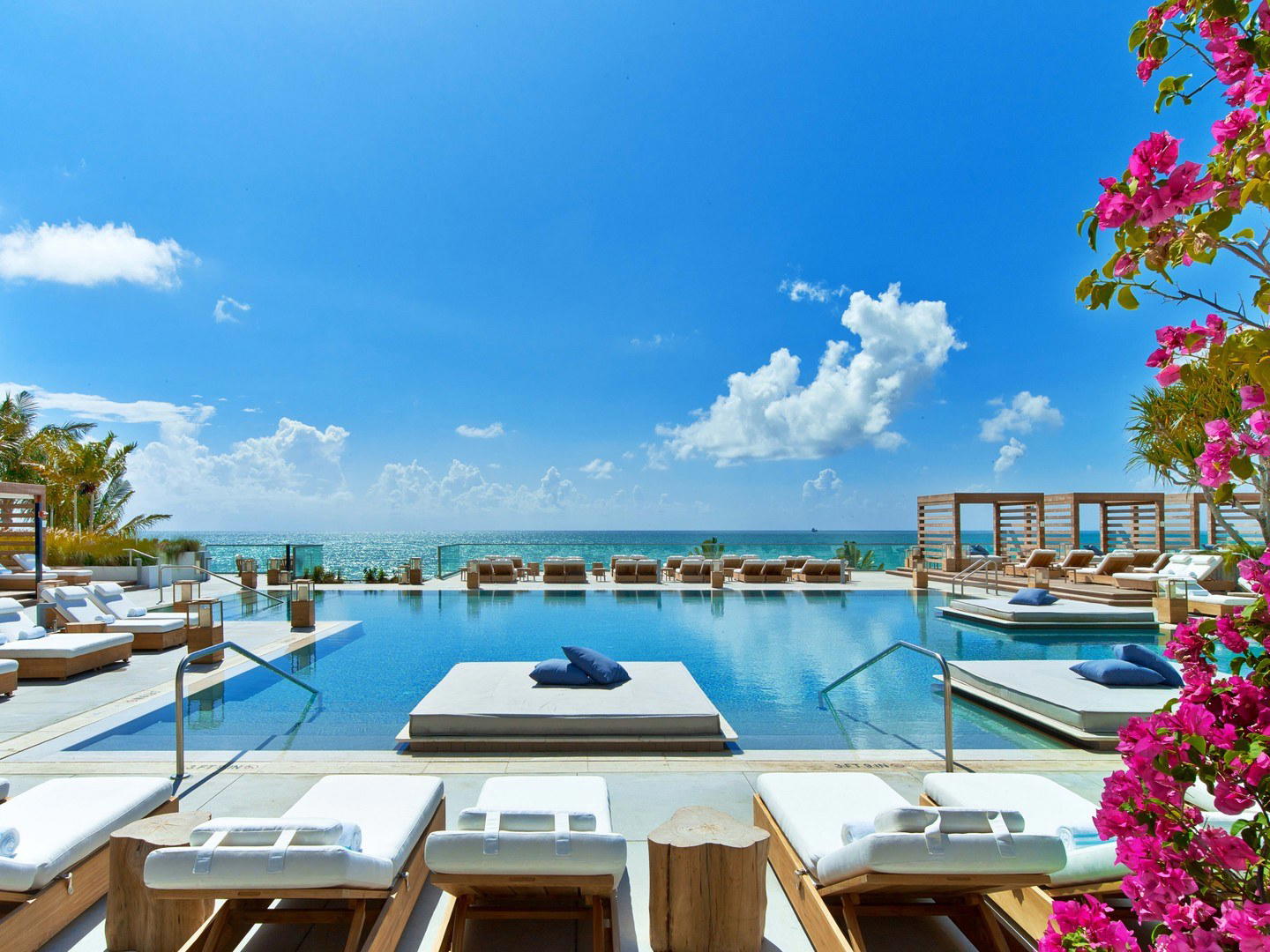
Spacious, modern rooms with floor-to-ceiling windows, peaceful poolside area with natural light, and relaxing spa atmosphere praised in guest reviews.
Tags
Vibe
Best For
Experience
Amenities
Accessibility
About the Stay
- Rooms
- 300
- Check-in
- 14:00
- Property Style
- Contemporary Urban Luxury Hotel Built in 2016
- Design Style
- Modern with Spacious Workspaces, Rain Showers, and Floor to Ceiling Windows
- Airport Transfer
- Available
- Pool
- Yes
- Spa
- Yes
- Families
- Welcome
Know before you go
Know Before You Go
- Getting there
- Navoi Street, 1 A
Planning details
Recognition and awards


Also consider
Where to look if this is not the right fit
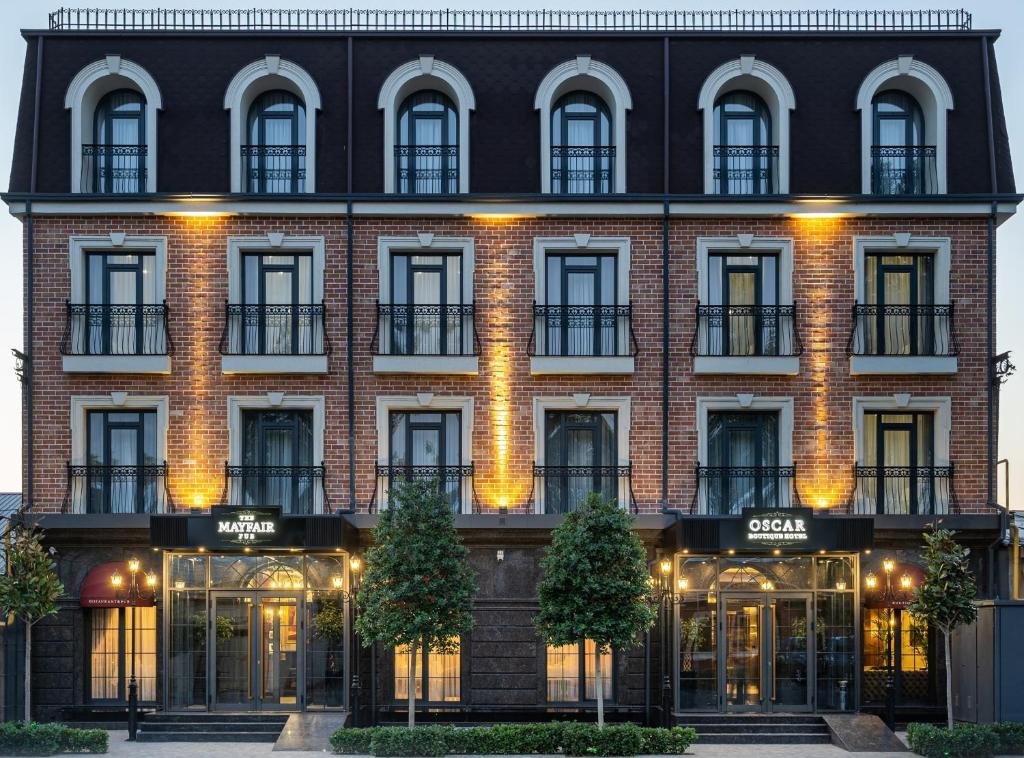
If the goal is another full-service international hotel in Tashkent, start with InterContinental Tashkent, an IHG Hotel. If the goal is a smaller stay with more boutique energy, compare Oscar Boutique Hotel instead.
Hotel context
How it compares in Tashkent
Choose Hyatt Regency Tashkent when the trip is primarily about meetings, central logistics, and a full-service international-hotel feel. InterContinental Tashkent, an IHG Hotel is the closest Tashkent cross-shop for travelers who want another large-brand option; compare both on rate, location needs, and loyalty preference before deciding.
Oscar Boutique Hotel is the more natural alternative if ambiance matters more than corporate predictability. It should suit travelers who want a smaller hotel mood, while Hyatt Regency Tashkent is the safer pick for work trips, colleague bookings, and first-time visitors who want fewer unknowns.
Mercure Bukhara Old Town is not a like-for-like Tashkent substitute; it belongs in a Bukhara itinerary rather than a city business base. Cross-shop it only if the trip is shifting from Tashkent meetings to heritage-city travel.
Explore Tashkent
Around this place
Discover more on Pearl
Unlock the full Hyatt Regency Tashkent guide in Pearl, including awards, comparisons, FAQs, planning details, and nearby places.
Compare Hyatt Regency Tashkent
| Venue | Location | Awards |
|---|---|---|
| Hyatt Regency Tashkent | Tashkent | 2026 Forbes RecommendedStar Wine Lists 2026 |
| InterContinental Tashkent, an IHG Hotel | Tashkent | 2026 Forbes Recommended2026 Michelin 1 Key2025 Michelin 1 Key |
| Oscar Boutique Hotel | Tashkent | No published awards |
| Mercure Bukhara Old Town | Buxoro | No published awards |


How Hyatt Regency Tashkent compares with similar nearby venues.
FAQ
Frequently Asked Questions
Do loyalty programs work at Hyatt Regency Tashkent?
Confirm loyalty-program participation, points earning, or status benefits for Hyatt Regency Tashkent directly for your booking before comparing it with InterContinental Tashkent, an IHG Hotel or another option.
Which room category is best at Hyatt Regency Tashkent?
How is the dining at Hyatt Regency Tashkent?
The dining-related signal is Star Wine List recognition in 2026. Specific restaurants, cuisines, dishes, prices, opening hours, or service formats are not listed here.
Is Hyatt Regency Tashkent family-friendly?
How is the location of Hyatt Regency Tashkent?
Hyatt Regency Tashkent is in Tashkent. Use only the city-level location here when comparing it with other stays.