

Palais de Chine
Jianming, Taipei
Hotel in Taipei, Taiwan
 Book with Pearl
The Read
Full-Service Datong Anchor
Price
$100–200per night
Why go
Palais de Chine is worth booking if central Taipei access and a calm hotel base matter more than a destination restaurant program. Its 2025 Preferred Hotels L.V.X. Collection and MICHELIN Guide hotel selection add credibility, but dining should be treated as convenient rather than the main reason to stay.
About Palais de Chine
Palais de Chine is a hotel in Taipei with a smart-casual dress code and hotel recognition: Preferred Hotels L.V.X. Collection (2025) and MICHELIN Guide, Hotels Selected (2025). Specific claims about its location within the city, dining program, service style, amenities, room count, prices, or operating details should be checked directly with the hotel before booking.
Palais de Chine is a Taipei hotel with recognized hotel-guide credentials. Travelers choosing between Taipei hotels should compare the property against their own needs for rooms, dining, transport, and on-site facilities using current hotel information.
Choose it for hotel recognition, not its dining program
The dining question needs a careful answer. Palais de Chine has hotel recognition, including Preferred Hotels L.V.X. Collection and MICHELIN Guide, Hotels Selected in 2025. However, the dining program (restaurant, bar, cuisine, menu format, or dining service) is not a primary reason to stay. If dining is the anchor of the trip, use the hotel as a base and plan meals through our full Taipei restaurants guide. If hotel recognition is the priority, Palais de Chine remains a relevant Taipei option to consider.
Travelers who want bar time can also cross-shop our full Taipei bars guide, while travelers building a broader city itinerary should use our full Taipei hotels guide for alternatives around the stay.
Who should pick this over other Taipei hotel options
Pick Palais de Chine if you want a Taipei hotel with recognition from Preferred Hotels L.V.X. Collection and the MICHELIN Guide hotel selection in 2025. For details on room types, family facilities, meeting spaces, dining formats, prices, or detailed location advantages, confirm directly with the hotel before deciding.
For a different Taipei hotel option, compare Palais de Chine with Regent Taipei and The Okura Prestige Taipei. For a leaner city stay, amba Taipei Zhongshan 台北中山意舍酒店 is another Taipei option to consider. If your plans involve an evening stop rather than a full hotel stay, The Okura Prestige Taipei The Pearl Lounge & Bar and 臺北戲棚 TaipeiEYE may also be relevant to a broader Taipei itinerary.
Inside Palais de Chine
Planning details
- Location
- No. 3號, Section 1, Chengde Rd, Datong District, Taipei City, 103
- Website
- palaisdechinehotel.com
- Phone
- +886 2 2181 9999
The take
The Take
The Vibe
Palais de Chine positions itself as a refined, large-scale hotel embedded in Datong’s denser, older urban fabric. Rather than joining the glass-tower precincts to the south, it deliberately anchors luxury within a neighborhood defined by historic streets and tea-warehouse heritage. The hotel’s footprint—277 rooms—reads as a purposeful middle ground: more substantial than boutique independents yet more characterful in its surroundings than many corporate flagships. The result is a property that balances scale with a quietly historic urbanity, offering polished comfort without erasing the texture of its century-old neighborhood.
Best For
The property is especially well suited to business and events-driven stays: its scale and positioning make it capable of accommodating conference delegations, corporate gatherings and the ancillary needs of meeting planners. It also serves travelers who want a refined base in a more traditionally textured part of Taipei rather than the glossy Xinyi corridor. Couples seeking a polished, roomy hotel in a charming, historic quarter and groups arranging private events will find Palais de Chine’s inventory and positioning particularly practical.
Venue details
Ambiance
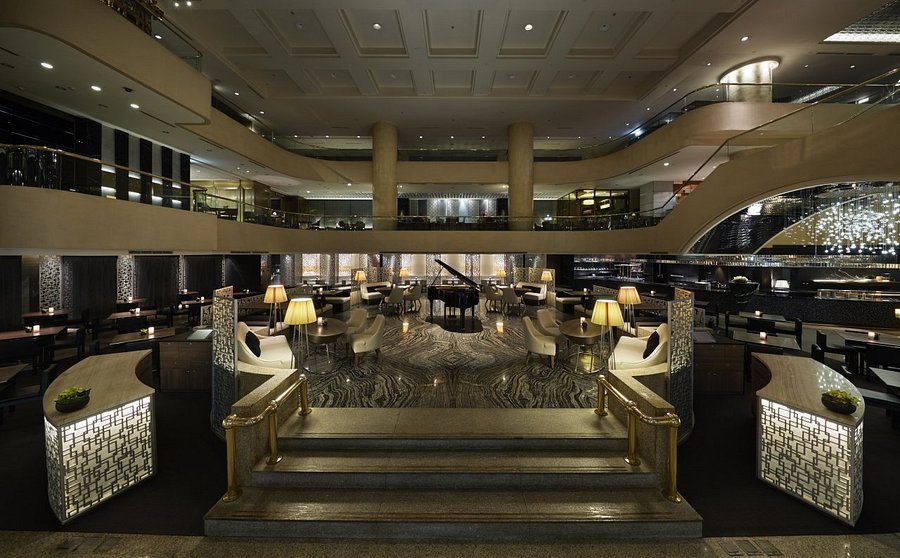
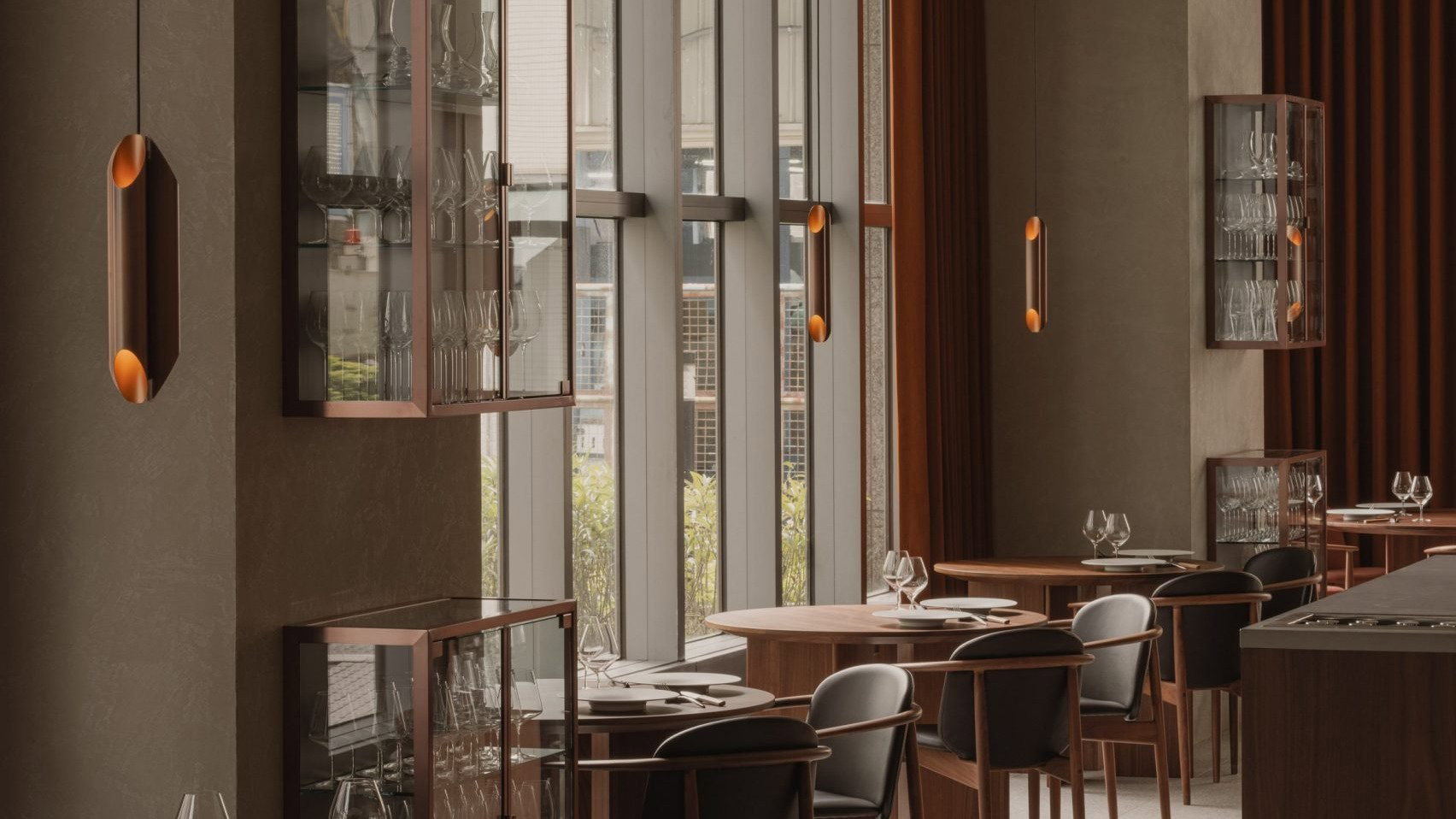
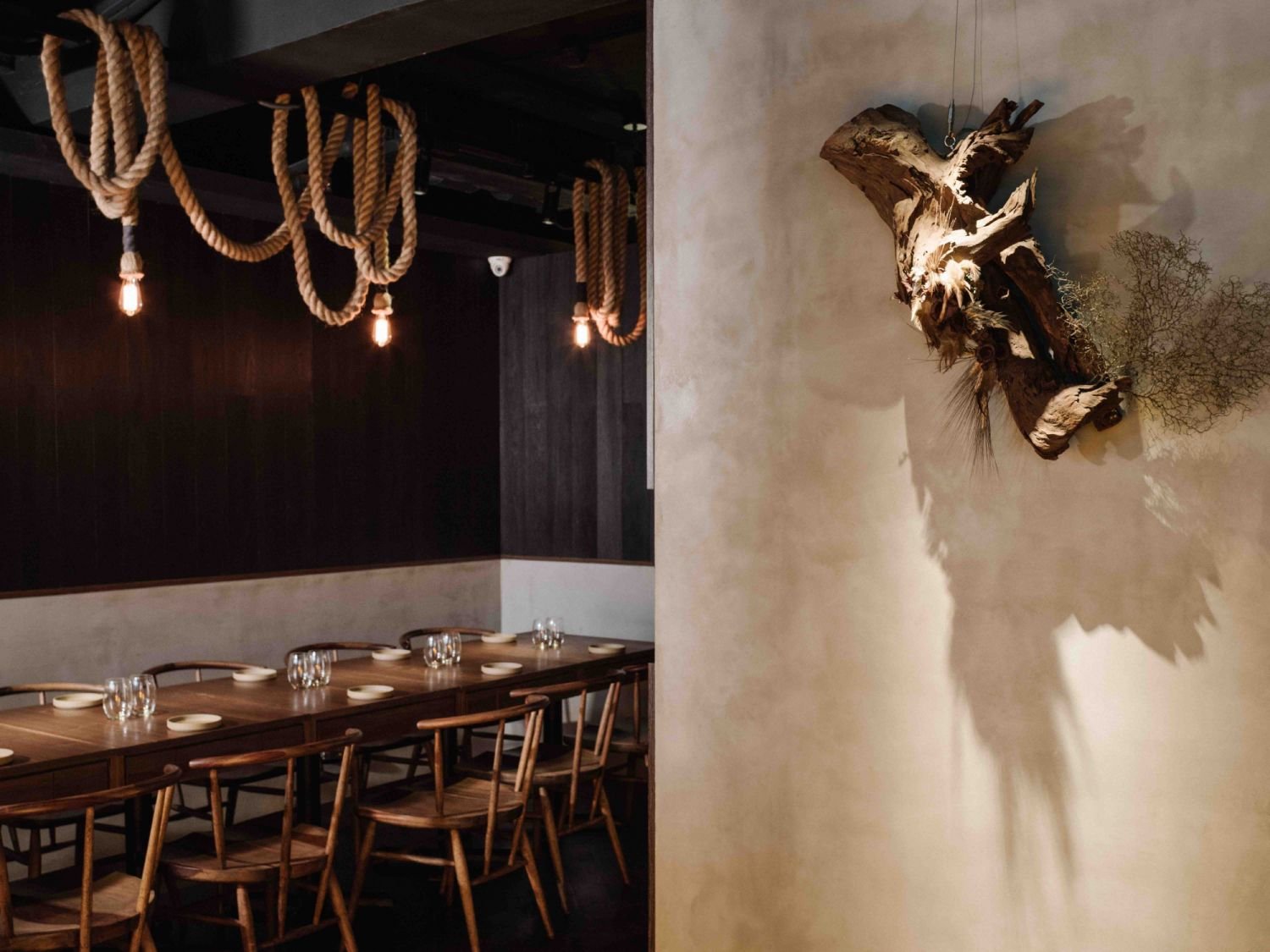
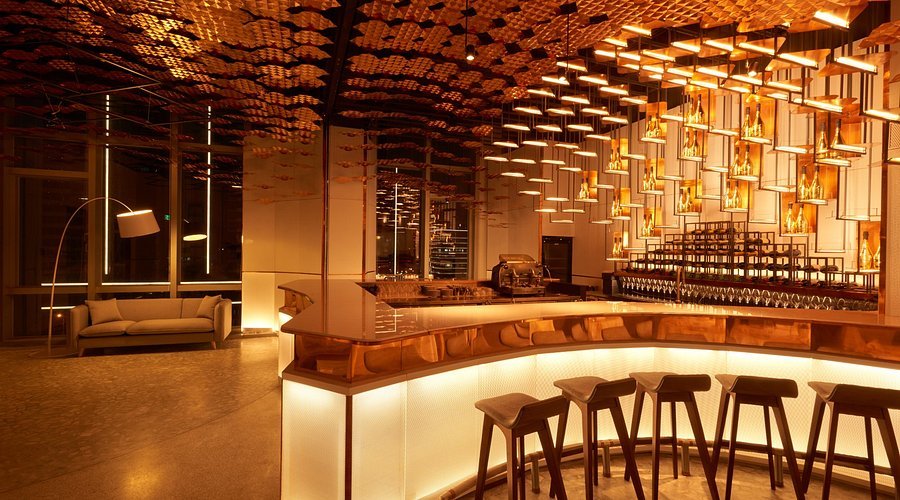
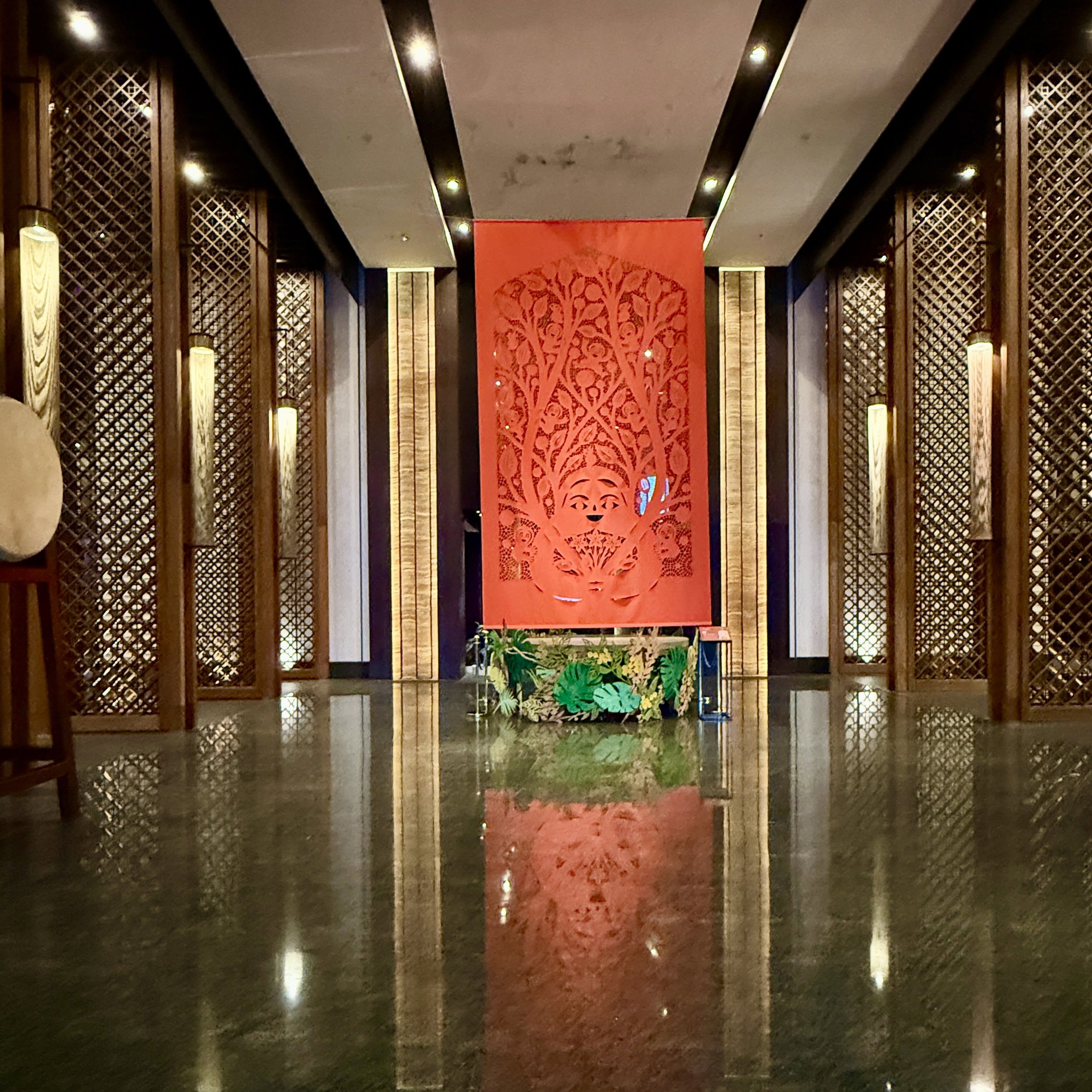
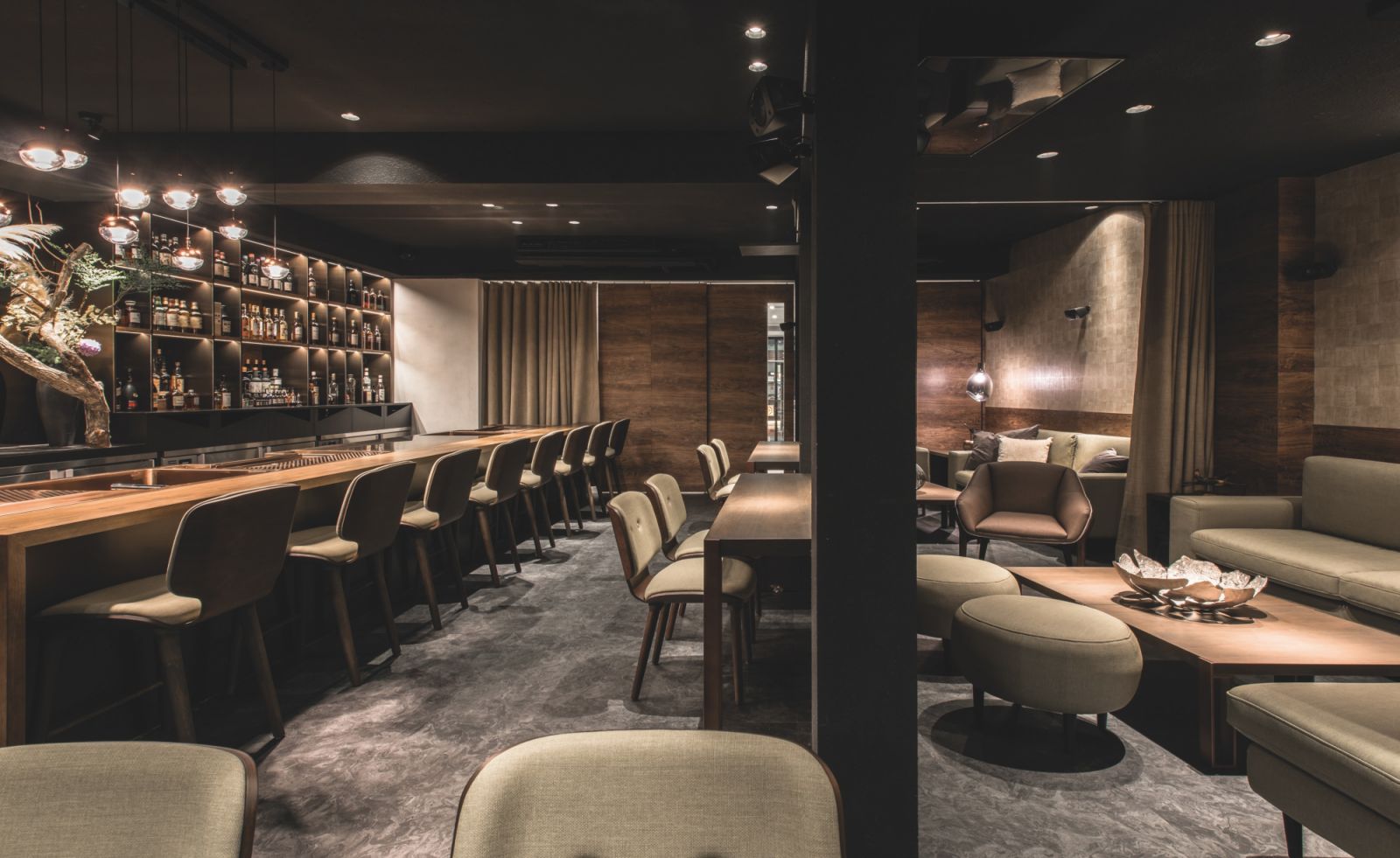
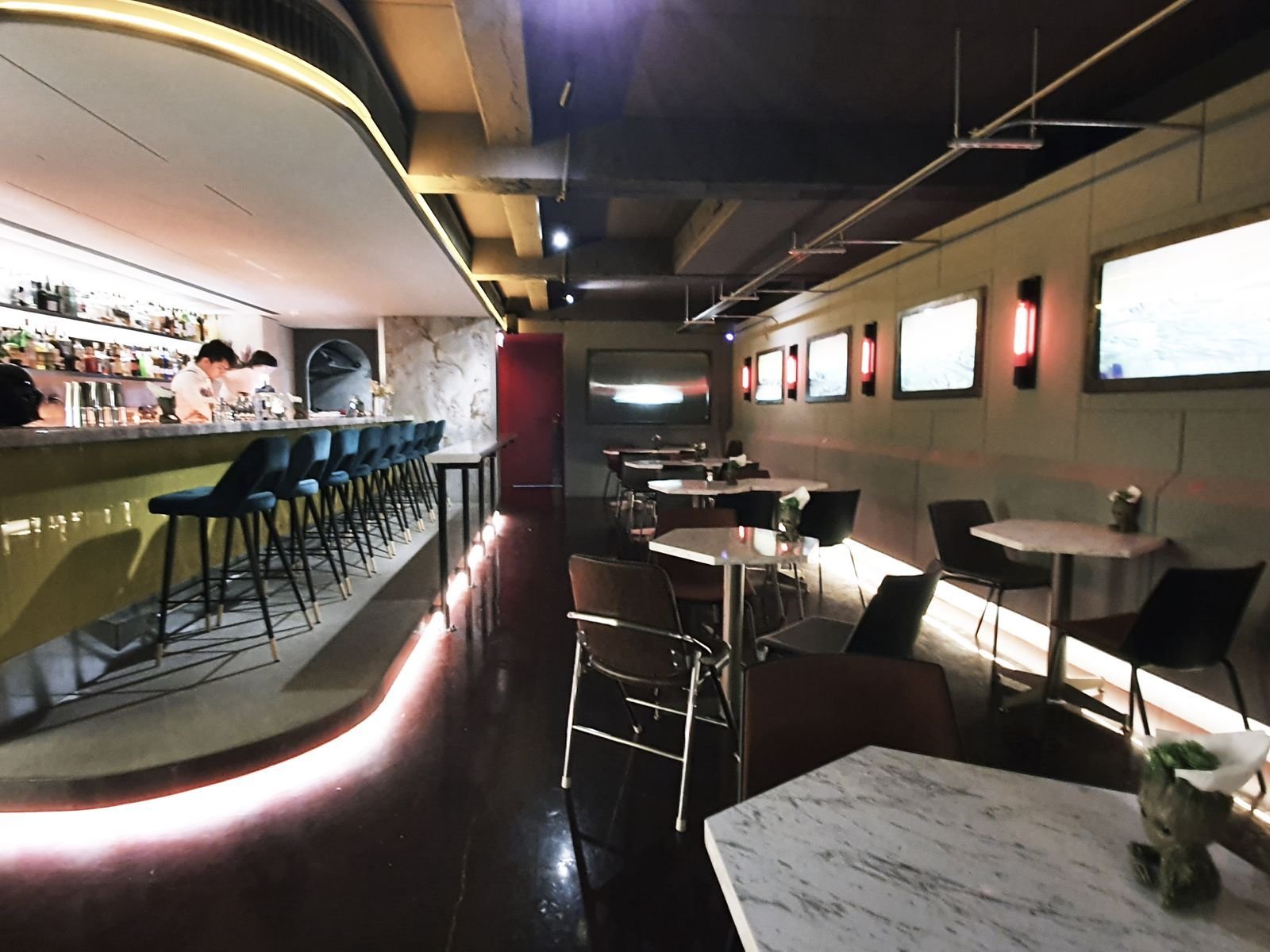
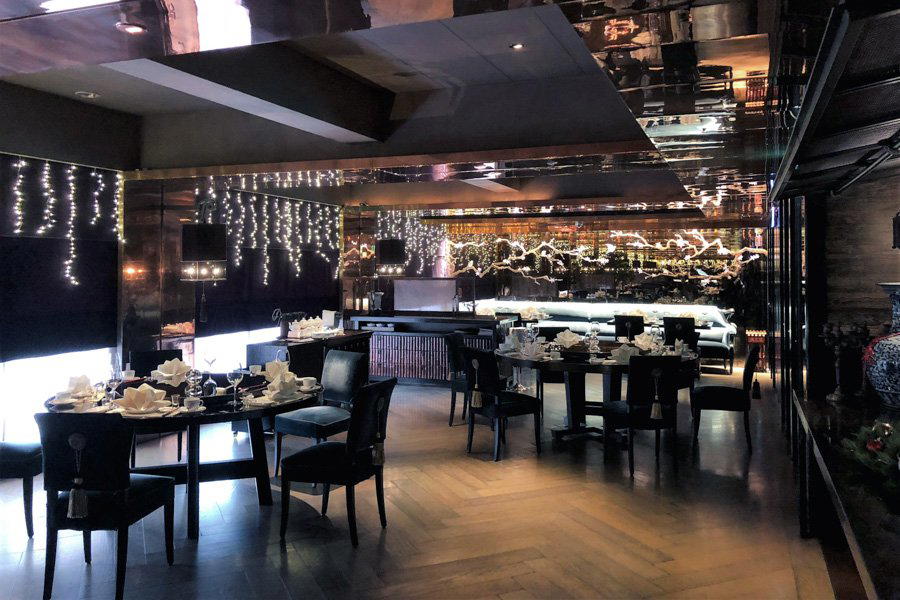
Opulent European palace theme with dim lighting, plush furniture, chandeliers, and a refined, luxurious atmosphere.
Tags
Vibe
Best For
Experience
Amenities
View
Accessibility
About the Stay
- Rooms
- 275
- Check-in
- 15:00
- Check-out
- 11:00
- Property Type
- Design hotel
- Property Style
- Classic Luxury with French Palace Inspired Opulence and Museum Like Elegance.
- Design Style
- European Palace Theme Blending Traditional Chinese and French Elements with Minimalist Asian Touches.
- Airport Transfer
- Available
- Pool
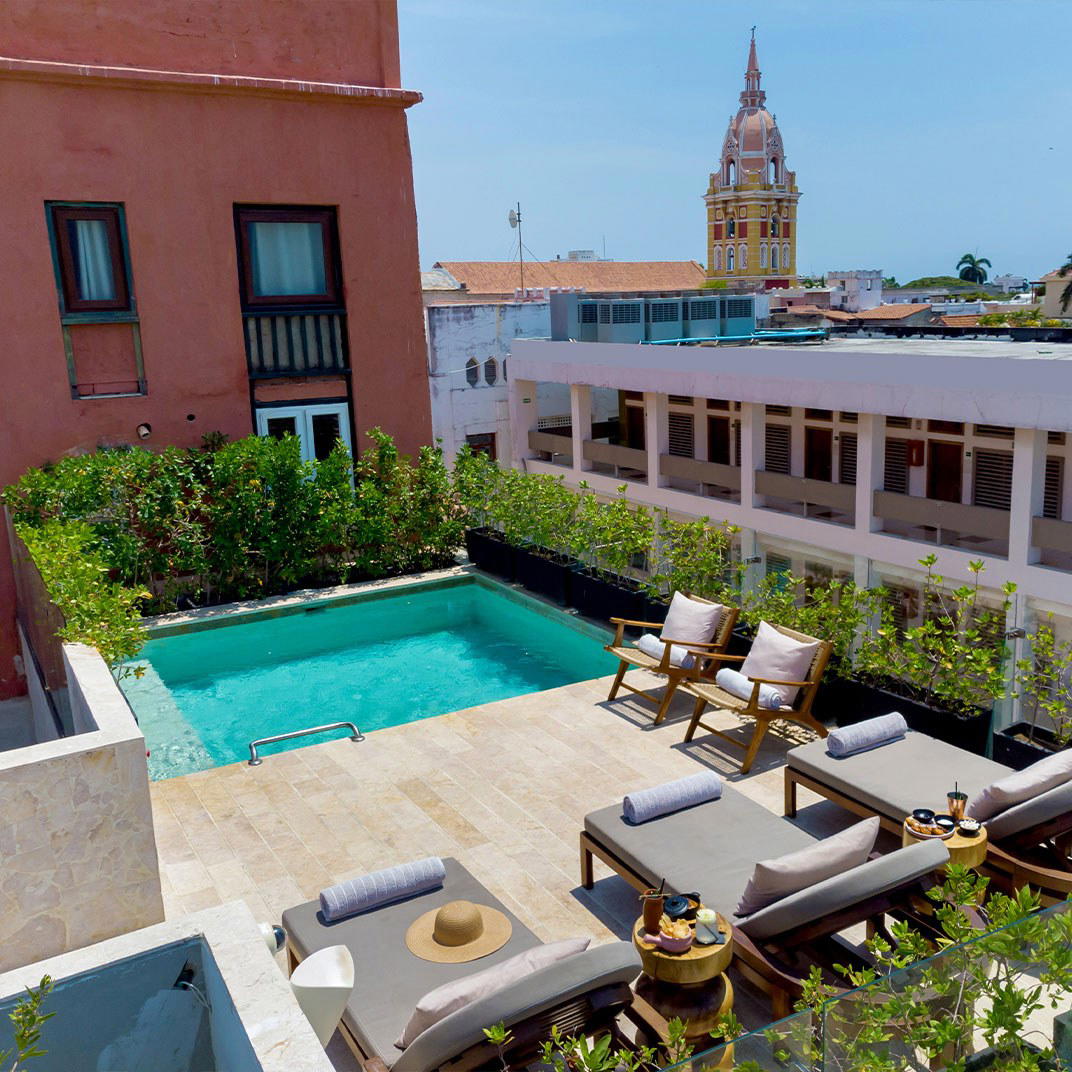
- Yes
- Spa
- Yes
- Families
- Welcome
- Cancellation
- Moderate
Know before you go
Know Before You Go
- Getting there
- No. 3號, Section 1, Chengde Rd, Datong District, Taipei City, 103
Planning details
Location
No. 3號, Section 1, Chengde Rd, Datong District, Taipei City, 103 · Directions
Recognition and awards
Also consider
Where to look if this is not the fit
If Palais de Chine is not the right match, cross-shop The Okura Prestige Taipei for a more formal stay or amba Taipei Zhongshan 台北中山意舍酒店 for a lighter, value-led city base.
Hotel context
How it compares in Taipei
Palais de Chine is the practical central pick: easier to plan around than a hotel chosen mainly for scene, and better suited to repeat visitors who want fast movement through Taipei. The Okura Prestige Taipei reads as the more classic luxury cross-shop, while Regent Taipei is the better fit for travelers who want a larger, more established hotel environment.
If the stay is partly about the bar or lounge mood, compare The Okura Prestige Taipei The Pearl Lounge & Bar before committing here. If value and a lighter city-hotel feel matter more than formal luxury, amba Taipei Zhongshan 台北中山意舍酒店 is the sharper comparison. For travelers building the trip around performance or culture rather than the hotel itself, 臺北戲棚 TaipeiEYE belongs on the itinerary rather than in the hotel comparison.
Explore Taipei
Around this place
Discover more on Pearl
Unlock the full Palais de Chine guide in Pearl, including awards, comparisons, FAQs, planning details, and nearby places.
Compare Palais de Chine
| Venue | Location | Awards |
|---|---|---|
| Palais de Chine | Taipei | 2025 Michelin Selected HotelsPreferred Hotels L.V.X. Collection 2025 |
| The Okura Prestige Taipei The Pearl Lounge & Bar | Taipei | No published awards |
| The Okura Prestige Taipei | Taipei | No published awards |
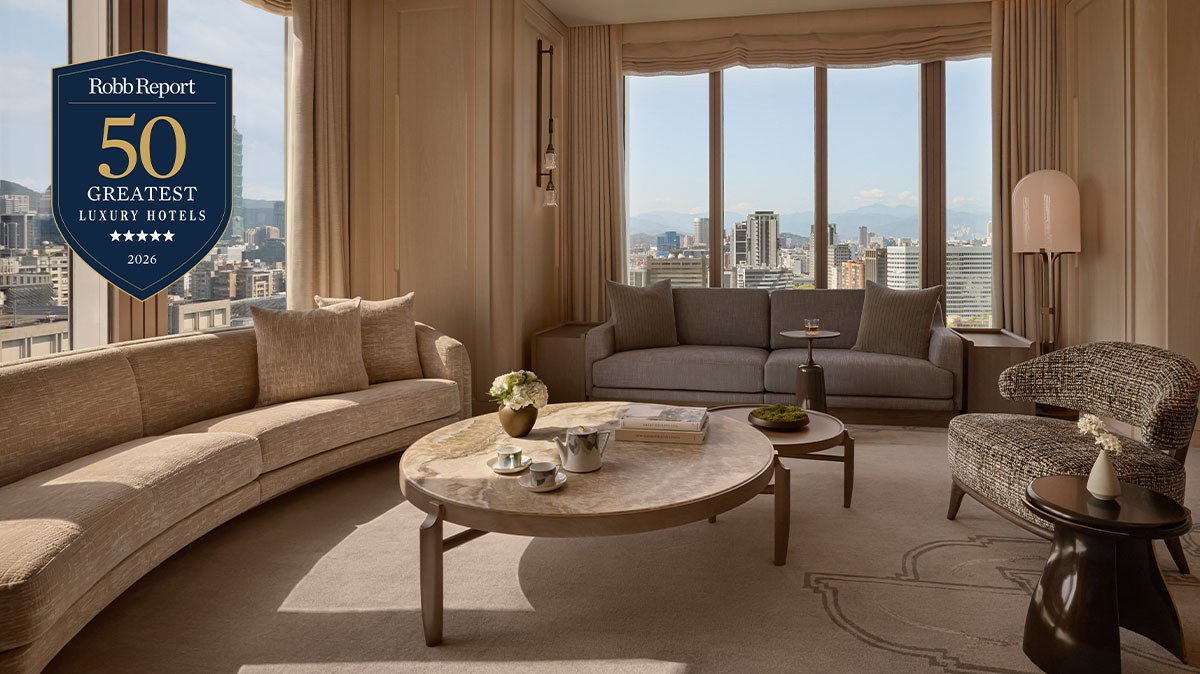
| Regent Taipei | Taipei | 2026 Forbes 4-Star2026 La Liste Top Hotels2025 Robb Report The 50 Greatest Luxury Hotels on Earth · #322025 Michelin Selected Hotels2025 Forbes 4-Star |
| amba Taipei Zhongshan 台北中山意舍酒店 | Taipei | No published awards |
| 臺北戲棚 TaipeiEYE | Taipei | No published awards |



How Palais de Chine Taipei compares with similar nearby venues.
FAQ
Frequently Asked Questions
How is the location of Palais de Chine?
Is Palais de Chine family-friendly?
Family facilities, room configurations, childcare, or family-focused amenities are not specified. It may still suit some travelers, but families should confirm current room and service details directly with Palais de Chine and compare it with Regent Taipei if they are considering another Taipei hotel.
Is Palais de Chine good for business travel?
Palais de Chine is a Taipei hotel with recognition from Preferred Hotels L.V.X. Collection (2025) and MICHELIN Guide, Hotels Selected (2025). Meeting facilities, work amenities, or business services are not specified, so business travelers should confirm those details directly before booking.
How does Palais de Chine compare to other Taipei hotels?
Palais de Chine is a Taipei hotel with hotel-recognition credentials. Regent Taipei and The Okura Prestige Taipei are natural alternatives to compare, while The Okura Prestige Taipei The Pearl Lounge & Bar is more relevant for a bar stop than for a full hotel stay.
How is the dining at Palais de Chine?
The dining program, cuisine, menu format, prices, hours, or dietary details at Palais de Chine are not specified. Any dining plans should be through the hotel's official channels.
Do loyalty programs work at Palais de Chine?
Palais de Chine is part of the Preferred Hotels L.V.X. Collection in 2025. Specific loyalty benefits, earning rules, redemption options, or elite treatment are not specified, so check the current Preferred Hotels and hotel terms before booking.