


InterContinental Sydney
Sydney
Hotel in Sydney, Australia
 Book with Pearl
The Read
Heritage-Anchored Harbour Address
Why go
InterContinental Sydney is worth considering for a first Sydney stay when location, reliability, and a formal city-hotel feel matter more than boutique personality. Compare it with Capella Sydney for a higher-luxury statement, Establishment Hotel for a smaller design-led stay, and Pullman Quay Grand Sydney Harbour if harbour-adjacent apartment-style space is the priority.
About InterContinental Sydney
InterContinental Sydney is a recognized hotel in Sydney, with accolades including Forbes Recommended 2026, Virtuoso Luxury Hotel Partner 2026, and MICHELIN Guide, Hotels Selected 2025.
The appeal is direct: it is a Sydney hotel with clear third-party recognition. Travellers comparing hotel options may also consider Establishment Hotel, Capella Sydney, Four Seasons Hotel Sydney, Pullman Quay Grand Sydney Harbour, and Sofitel Sydney Wentworth.
Choose it for recognition and reliability
The strongest reason to consider InterContinental Sydney is its recognition profile. The awards and hotel selections give it a clearer luxury-hotel signal than an unvetted stay. Its dress code is smart casual.
If the trip depends on specific facilities, room types, views, dining formats, or service details, check the current hotel information directly and compare InterContinental Sydney with other Sydney hotels before committing.
The timing call: better for travellers who value a known hotel name
For a Sydney stay, InterContinental Sydney is best approached as a recognized hotel choice rather than a niche or highly specific concept. It can make sense for travellers who want a Sydney base with third-party recognition, especially when the hotel itself is meant to support the trip rather than define it.
Booking strategy should be based on the current offer and the kind of Sydney stay you want. Compare the live hotel details carefully against other Sydney hotels, especially if booking difficulty, facilities, loyalty value, views, or room types are important to the trip.
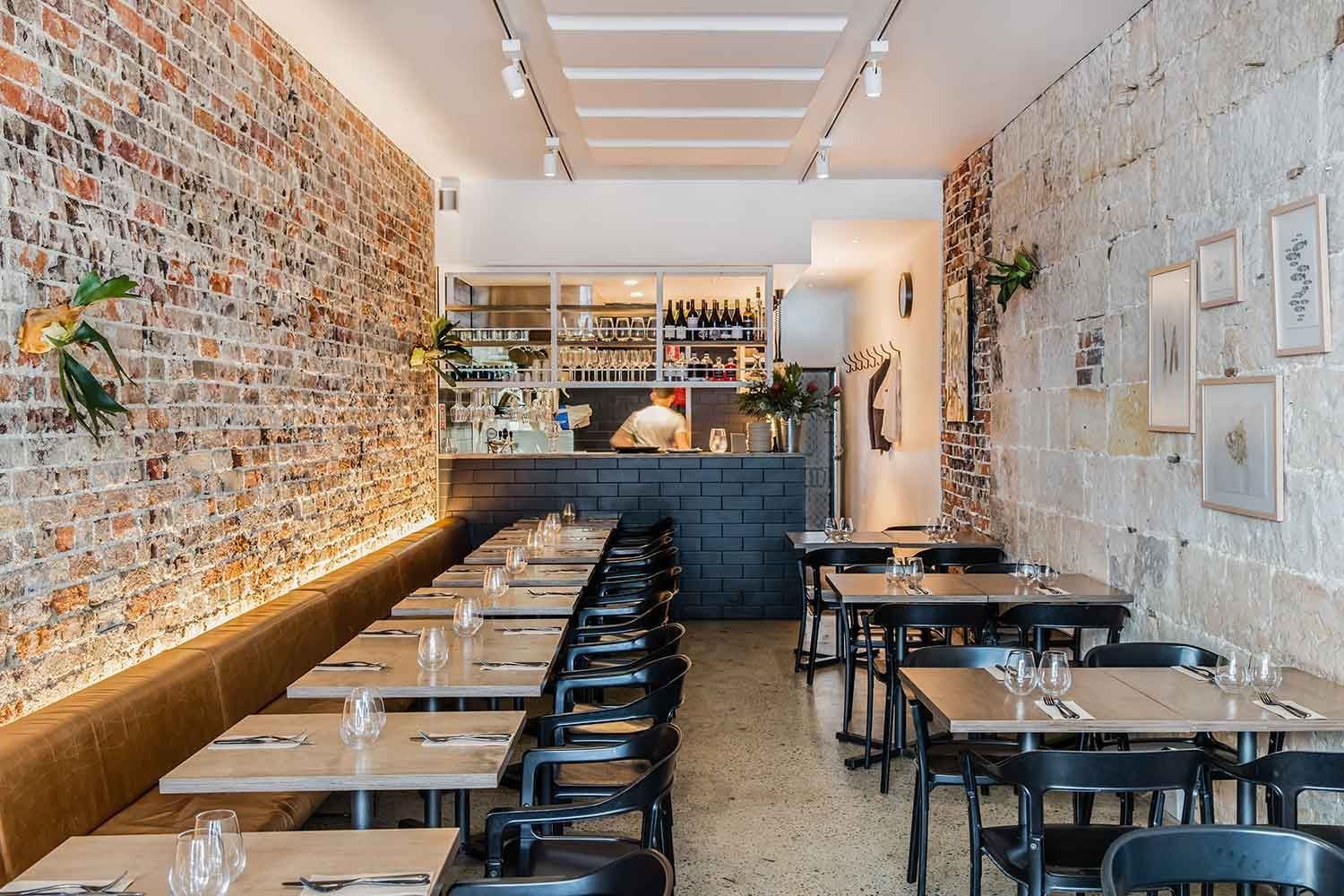
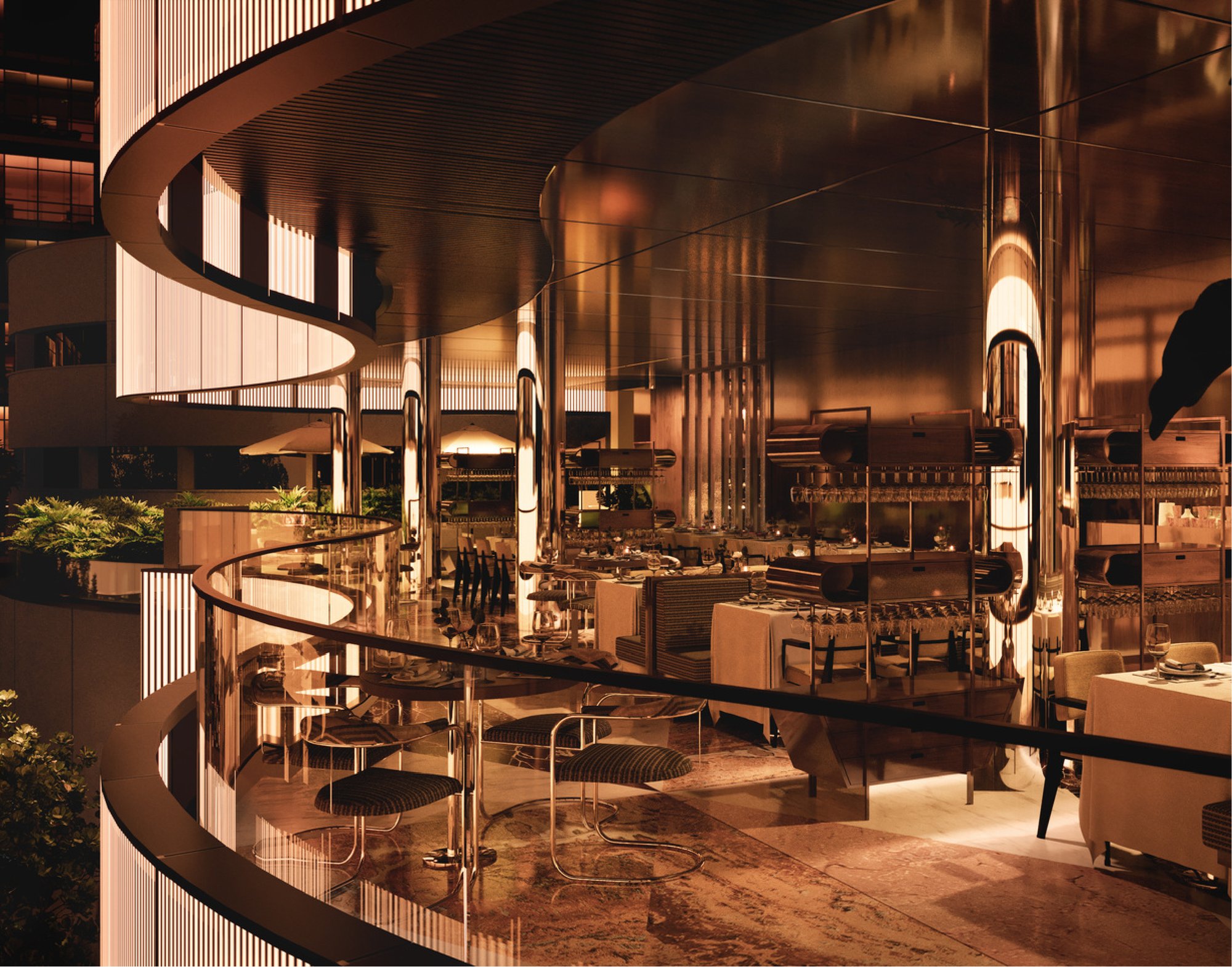
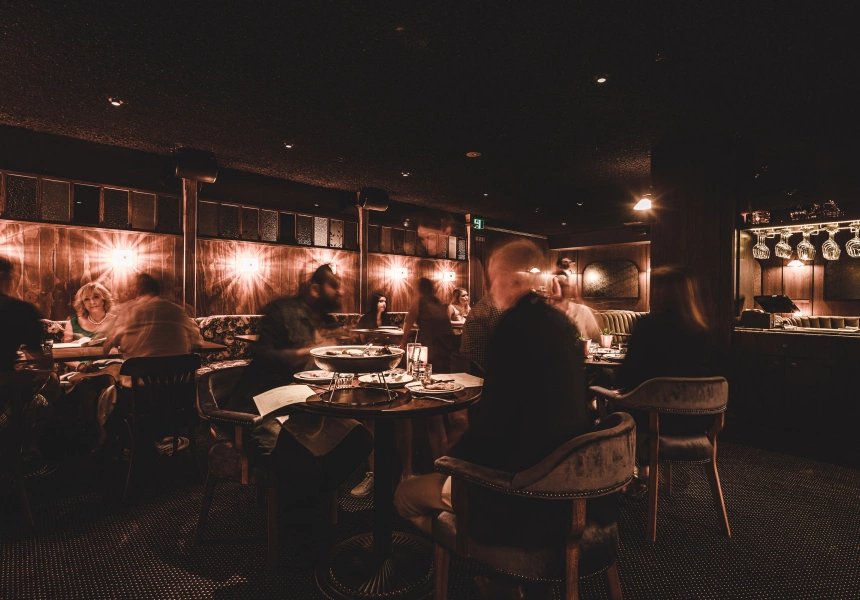
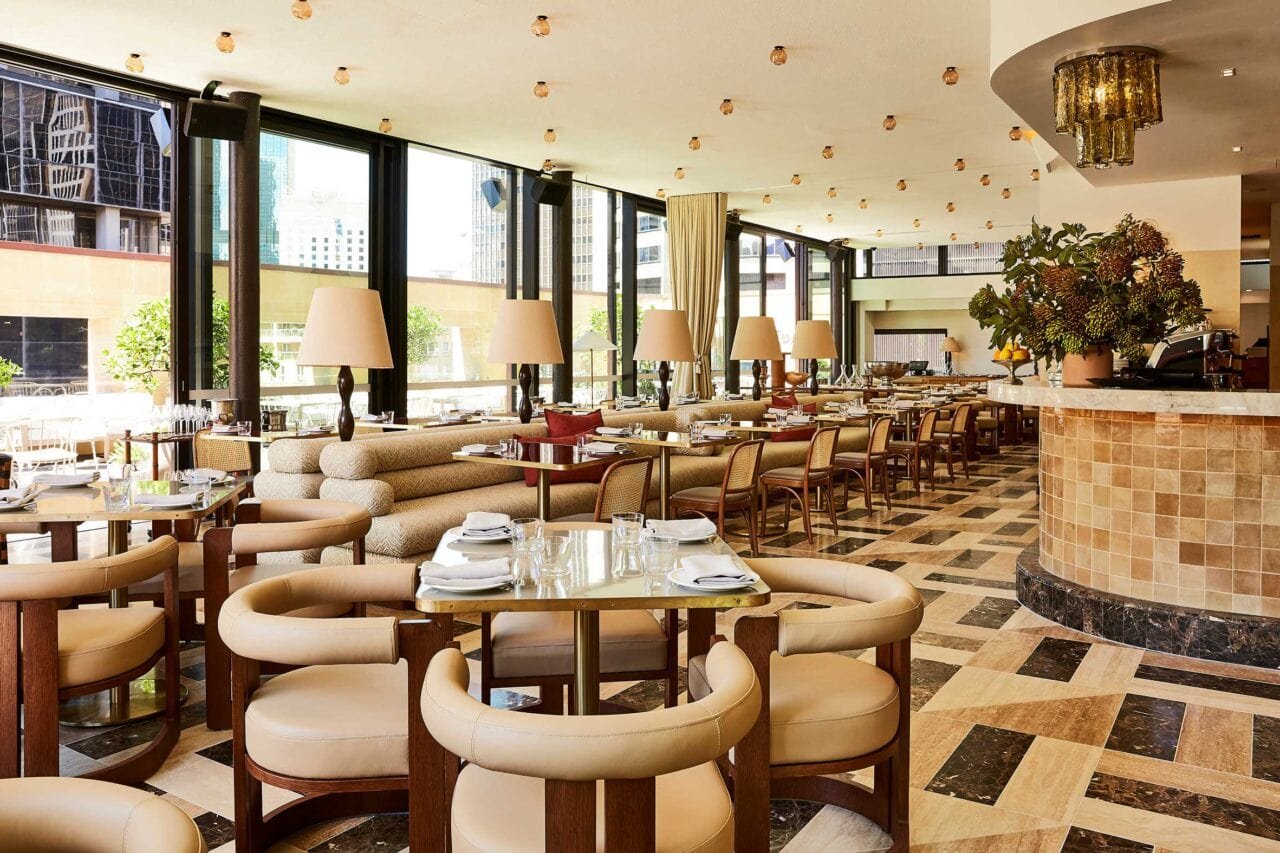
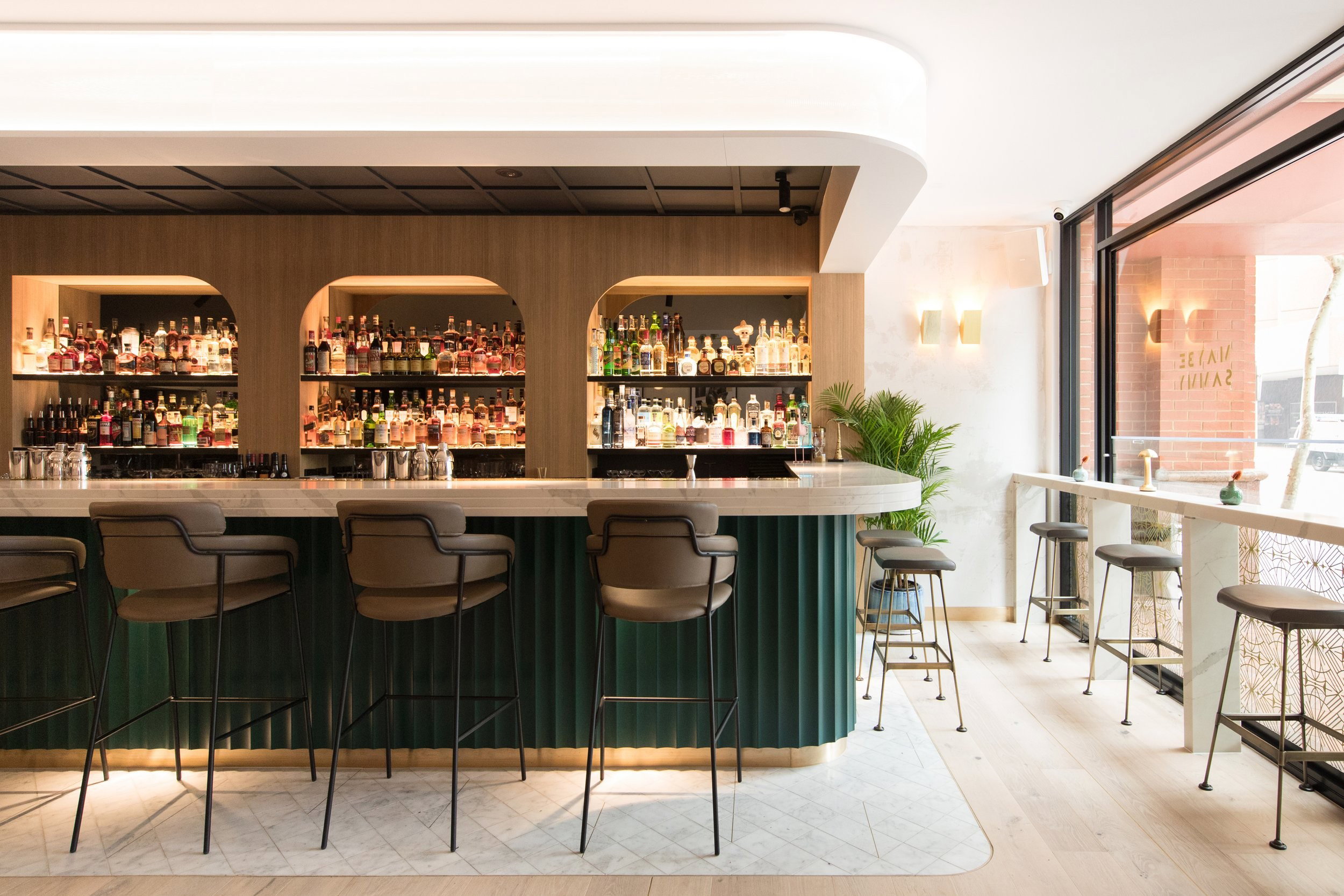
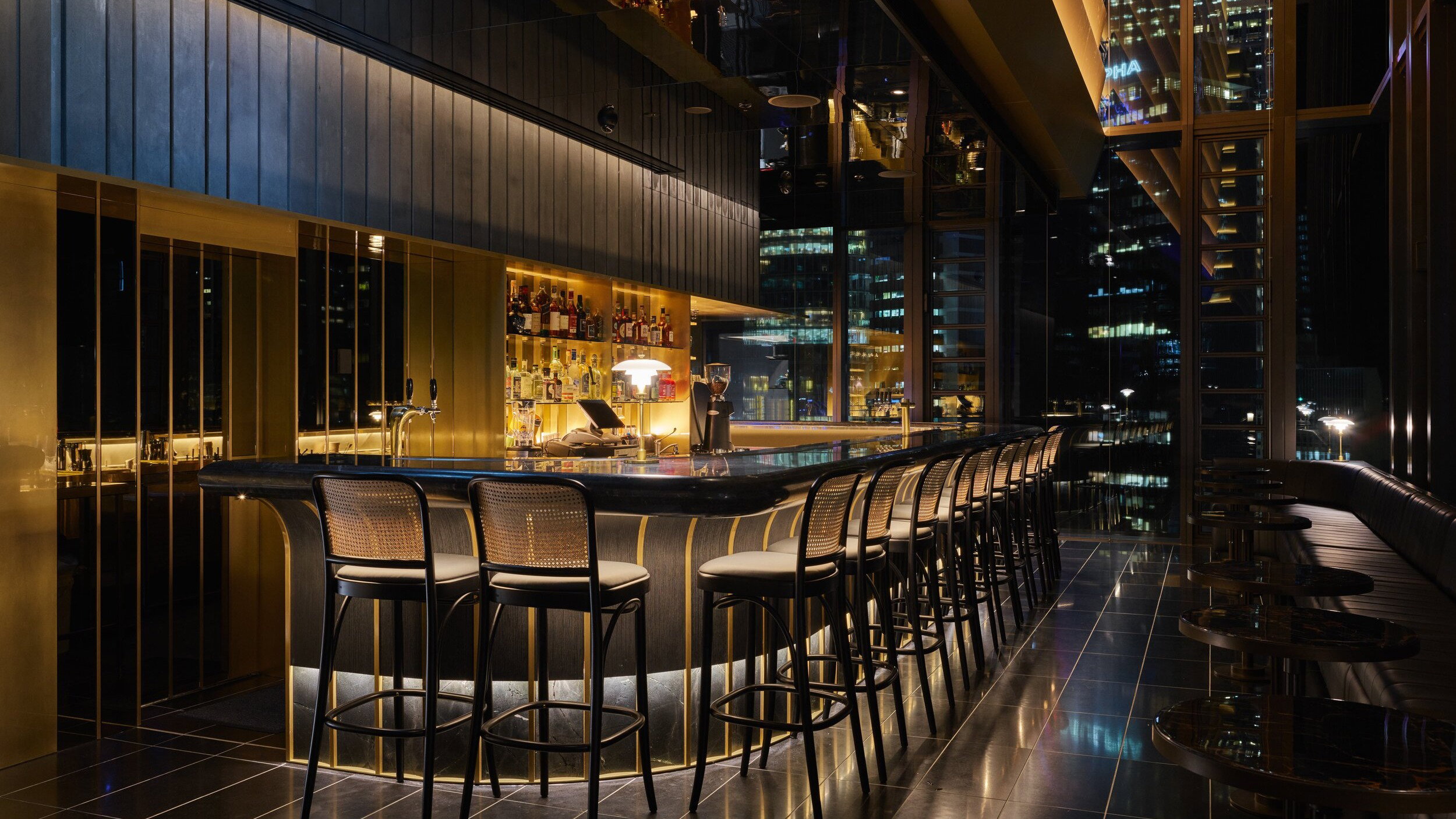
Dining does not need to be the main reason to choose the hotel. Sydney has enough standalone restaurants and bars that a hotel base can be useful without making every meal happen on property. For broader planning, compare options in Pearl's Sydney restaurants guide, Sydney bars guide, and Sydney hotels guide.
Inside InterContinental Sydney
Planning details
- Location
- 16 Phillip St, Sydney NSW 2000
- Website
- ihg.com/intercontinental/hotels/us/en/sydney/sydha/hoteldetail?cm_mmc=GoogleMaps-_-IC-_-AU-_-SYDHA
- Phone
- +61 2 9253 9000
The take
The Take
The Vibe
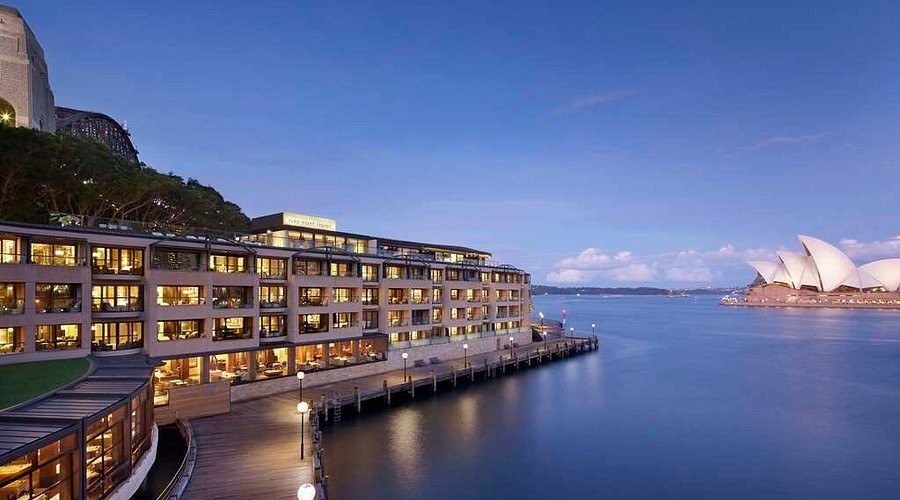
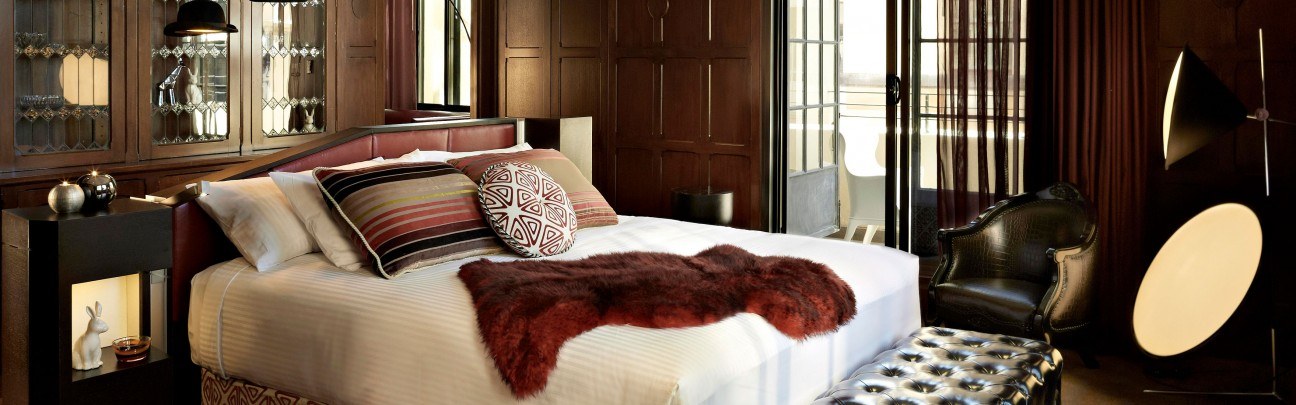
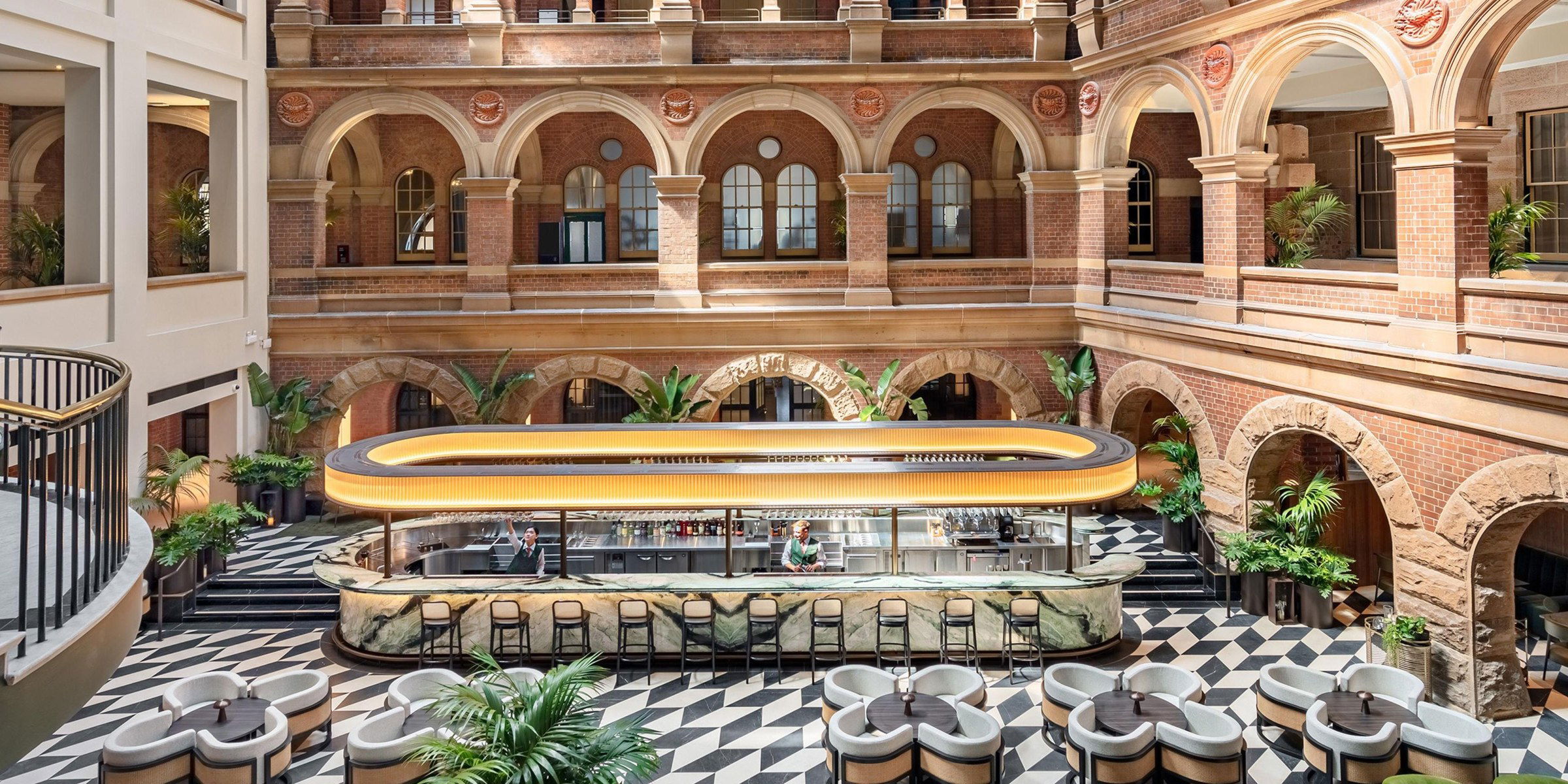
InterContinental Sydney leans into its past as much as its position on the harbour. Housed in the former 19th-century Treasury Building, the property keeps visible traces of its sandstone bones and even operates the oldest-working elevator in the Southern Hemisphere—details that lend a quietly historic, classic charm. That preservationist approach sits alongside large-format luxury, so the hotel reads as a scenic, heritage-rich refuge in the CBD rather than a white-box contemporary tower. Guests experience a layered personality: civic-era architecture and period details meet upscale hotel service and harbour-adjacent views.
Best For
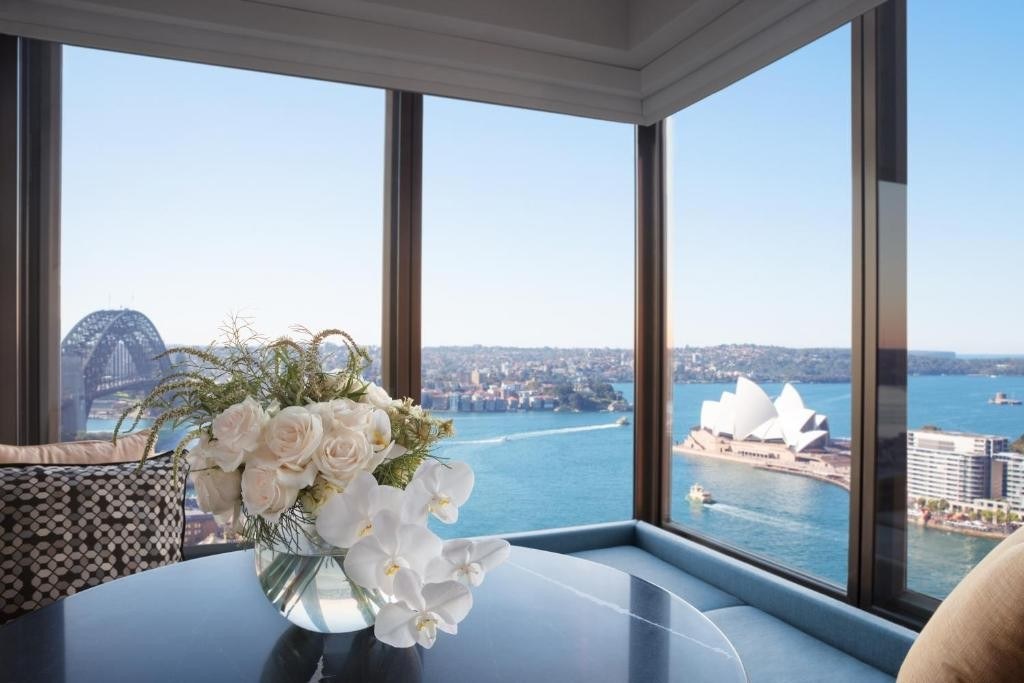
This is a practical pick for travelers prioritizing proximity to Sydney’s harbour culture. The hotel places the Opera House, Harbour Bridge, the Royal Botanic Gardens and The Rocks within easy walking distance, which makes it ideal for short stays centered on sightseeing or waterfront-facing experiences. Its scale and in-house dining breadth also suit business travelers who want centrality without sacrificing on- property options, while couples and weekend visitors benefit from the scenic setting and preserved historic character.
Stay Tips
When booking, prioritise rooms with harbour-facing views if seeing the Opera House or Bridge is important—location and sightlines are central to the InterContinental's appeal. Given the description’s emphasis on the 'breadth of in-house dining,' plan dining reservations in advance, especially for evening meals. Leave time to explore the hotel's historic features: the sandstone fabric and the late‑1800s elevator are signature details worth seeing during a stay. These small choices maximise the property's heritage and harbour advantages without relying on extra amenities.
Venue details
Ambiance
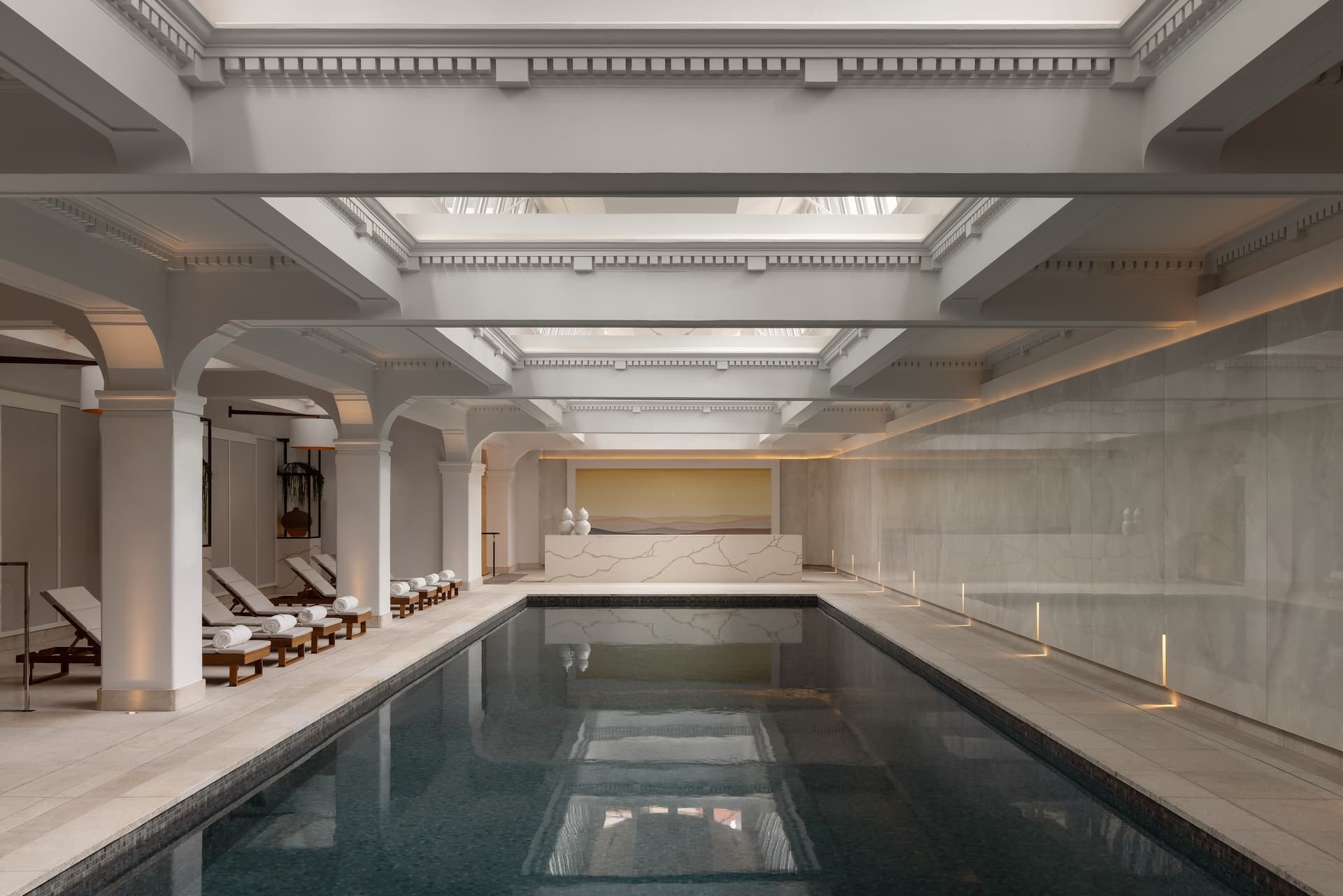
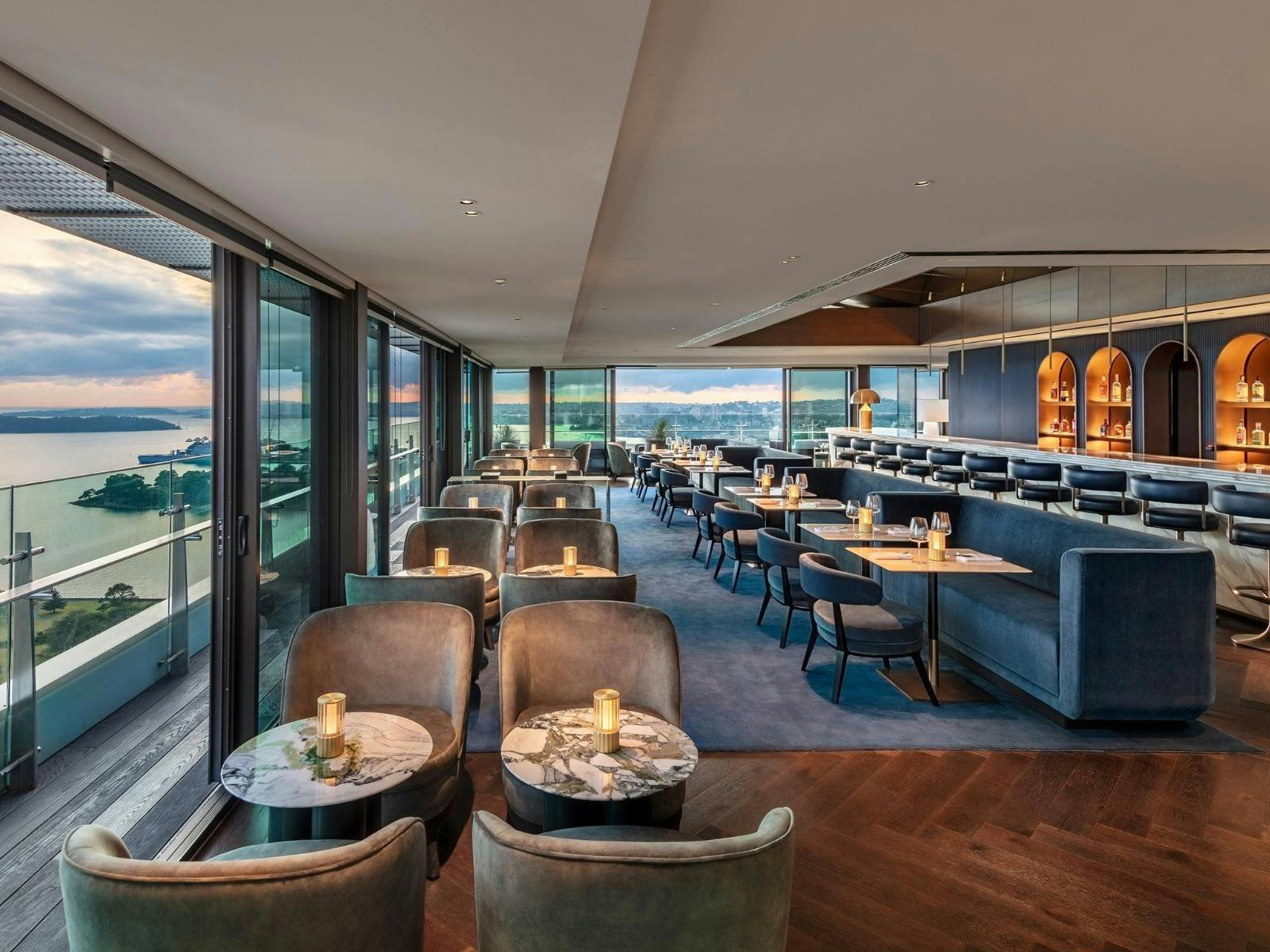
Sophisticated and relaxing with natural light, harbour views, and modern design incorporating Australian elements of water, sand, wood, and sky.
Tags
Vibe
Best For
Experience
Amenities
View
Accessibility
About the Stay
- Rooms
- 509
- Property Style
- Historic Landmark Reimagined with Contemporary Luxury.
- Design Style
- Modern with Sky Blue Accents, Natural Textures, and Harbour Inspired Hues.
Know before you go
Know Before You Go
- Getting there
- 16 Phillip St, Sydney NSW 2000
Planning details
Location
16 Phillip St, Sydney NSW 2000 · Directions
ihg.com/intercontinental/hotels/us/en/sydney/sydha/hoteldetail?cm_mmc=GoogleMaps-_-IC-_-AU-_-SYDHA
Recognition and awards


Also consider
Also Consider
- Capella Sydney, Notable alternative
- Pullman Quay Grand Sydney Harbour, Notable alternative
- Sofitel Sydney Wentworth, Notable alternative
- Establishment Hotel, Notable alternative
- Four Seasons Hotel Sydney, Notable alternative
Hotel context
How It Compares
Choose InterContinental Sydney if the decision is about dependable city-centre logistics and a larger hotel format. Capella Sydney is the stronger splurge if the room, service polish, and luxury-hotel atmosphere are the point of the trip. InterContinental is the more practical call when the hotel needs to support a mixed business-and-leisure itinerary without pushing the stay into a more rarefied price-and-expectation bracket.
Pullman Quay Grand Sydney Harbour is the better cross-shop for travellers who want more residential space near the harbour, especially longer stays or trips where in-room flexibility matters. Four Seasons Hotel Sydney is the more obvious international-luxury comparison for guests who want a familiar high-service brand near the water; compare live rates closely, because the better value will depend on room category and date.
Sofitel Sydney Wentworth makes sense for travellers who want a central address with a polished corporate feel, while Establishment Hotel is the better pick for a smaller, moodier stay. For booking difficulty, treat InterContinental and Capella as harder targets during peak city demand; Establishment is the smarter fallback if atmosphere matters more than full-scale hotel facilities.
Around this place
Discover more on Pearl
Unlock the full InterContinental Sydney guide in Pearl, including awards, comparisons, FAQs, planning details, and nearby places.
Compare InterContinental Sydney
| Venue | Location | Awards |
|---|---|---|
| InterContinental Sydney | Sydney | 2026 Forbes Recommended2026 Virtuoso Luxury Hotel Collection2025 Michelin Selected Hotels2025 Forbes Recommended |
| Capella Sydney | Sydney | 2026 World’s 50 Best Hotels 1-50 · #162026 Virtuoso Luxury Hotel Collection2026 Forbes 4-Star2026 Mr & Mrs Smith Luxury Hotels2025 World’s 50 Best Hotels · #12World Travel Awards 2025Tatler Best Hotels Asia-Pacific 20252025 Forbes 4-Star2025 Michelin 1 Key |
| Pullman Quay Grand Sydney Harbour | Sydney | 2026 La Liste Top Hotels |
| Sofitel Sydney Wentworth | Sydney | No published awards |
| Establishment Hotel | Sydney | No published awards |
| Four Seasons Hotel Sydney | Sydney | 2026 Forbes Recommended2026 Virtuoso Luxury Hotel Collection2026 La Liste Top Hotels2025 Forbes Recommended2025 Michelin 1 KeyFour Seasons Hotels |







How InterContinental Sydney compares with similar nearby venues.
FAQ
Frequently Asked Questions
Do loyalty programs work at InterContinental Sydney?
Check current loyalty-program benefits directly with the hotel or your booking channel. The hotel does have strong third-party signals, including Forbes Recommended 2026, Virtuoso Luxury Hotel Partner 2026, and MICHELIN Guide, Hotels Selected 2025.
Is InterContinental Sydney good for business travel?
It can be a sensible Sydney option if you want a recognized hotel name, but check current business facilities or meeting features directly before booking. It is natural to compare InterContinental Sydney with Establishment Hotel, Capella Sydney, Four Seasons Hotel Sydney, Pullman Quay Grand Sydney Harbour, and Sofitel Sydney Wentworth.
How is the pool and spa at InterContinental Sydney?
How is the dining at InterContinental Sydney?
If dining is central to the trip, review current hotel dining details and compare Sydney restaurant options separately from the hotel decision.
How does InterContinental Sydney compare to other Sydney hotels?
Pick InterContinental Sydney if you want a recognized Sydney hotel with luxury-travel recognition. Capella Sydney, Establishment Hotel, Four Seasons Hotel Sydney, Pullman Quay Grand Sydney Harbour, and Sofitel Sydney Wentworth are natural comparisons depending on the style of stay you prefer.
What is check-in like at InterContinental Sydney?
Which room is best at InterContinental Sydney?
Choose based on the current hotel descriptions, cancellation terms, and rate, and compare with other Sydney hotels if room details are a major deciding factor.