

Gutshaus Stolpe
Stolpe an der Peene
Hotel in Stolpe an der Peene, Germany
 Book with Pearl
The Read
Manor Sanctuary
Why go
Gutshaus Stolpe is the right call if the trip calls for a quiet countryside hotel in Stolpe an der Peene with serious hospitality recognition. Book it for the Peene valley setting and slower pace; cross-shop coastal peers if beach access, spa breadth, or resort energy matters more.
About Gutshaus Stolpe
Gutshaus Stolpe is a hotel in Stolpe an der Peene with two clear signals for planning: a smart-casual dress code and recognized hotel credentials. The confirmed recognition is a Relais Chateaux Award (2026) and MICHELIN Guide, Hotels Selected (2025). Beyond those points, treat more specific claims about facilities, dining format, prices, or on-property services as details to confirm directly before booking.
The right guest is someone who wants a stay in Stolpe an der Peene and values those hotel-recognition signals. If the trip depends on specific amenities, restaurant details, nightlife, retail, or a dense schedule of activities, verify those needs separately rather than assuming they are part of the stay.
Book this for hotel recognition, not for unconfirmed extras
The booking case is strongest when the confirmed facts are enough: Gutshaus Stolpe is in Stolpe an der Peene, has a smart-casual dress code, and carries the Relais Chateaux Award (2026) and MICHELIN Guide, Hotels Selected (2025) recognition.
For planning, keep the decision simple. If those hotel credentials and the Stolpe an der Peene location fit the trip, Gutshaus Stolpe belongs on the shortlist. If the decision turns on a particular facility, meal period, dietary policy, or service style, confirm that information directly before committing.
Who should choose it over the alternatives
Choose Gutshaus Stolpe if the priority is a recognized hotel stay in Stolpe an der Peene. Ceres Am Meer, Hotel Bornmühle, LOEV Hotel, ROEWERS Privathotel, and niXe Boutiquehotel & Spa are natural comparison points for travelers weighing other premium hotel options, but the basis for choosing Gutshaus Stolpe is its location, dress code, and confirmed hotel recognition.
Local guides can help frame the trip beyond the hotel, including restaurants and other local planning categories. If the broader Germany search is still open, compare Gutshaus Stolpe with other hotel options based on the facts that matter most to the trip.
Inside Gutshaus Stolpe
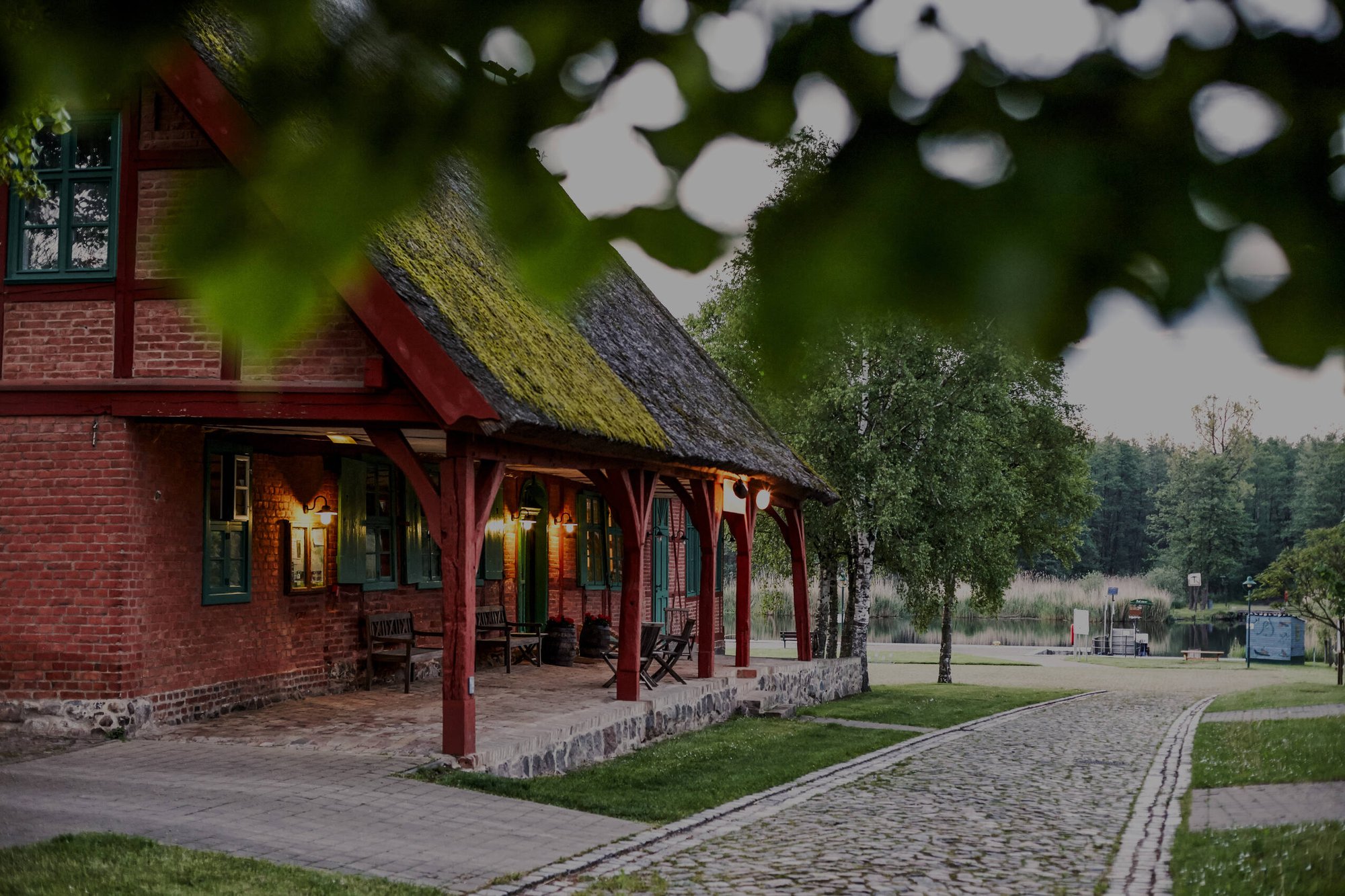
 restaurantWirtshaus Stolper FährkrugWirtshaus Stolper Fährkrug gives Stolpe an der Peene a riverbank inn with more than local charm behind it: a thatched ferryman’s house, a 350-year roof, regional cooking, and a literary memory tied to Fritz Reuter. Under chef Eric Gadow, the appeal is not urban polish but a direct expression of Western Pomerania’s river, lagoon, and old inn culture.
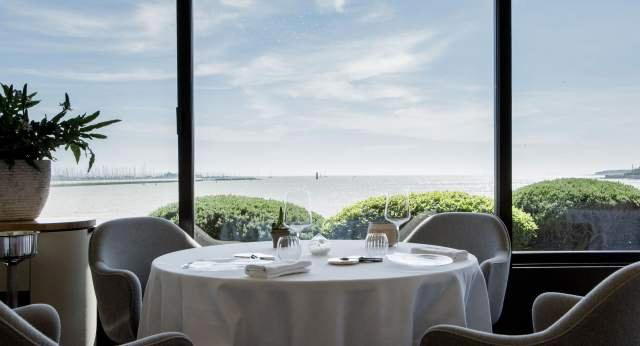
 restaurantKurtKurt in Stolpe an der Peene brings creative cooking to Germany's northeastern coast, drawing on the agricultural and maritime produce of the Peene valley. Chef Kurt Kwiatkowski has earned recognition for creative cooking in a region better known for quiet countryside than destination dining. Rated 4.6 from 314 Google reviews, the restaurant holds a credible position in Mecklenburg-Vorpommern's emerging food scene.
Planning details
- Location
- Peenstraße 33, 17391 Stolpe an der Peene
- Website
- gutshaus-stolpe.de
- Phone
- +49 39721 5500
The take
The Take
The Vibe
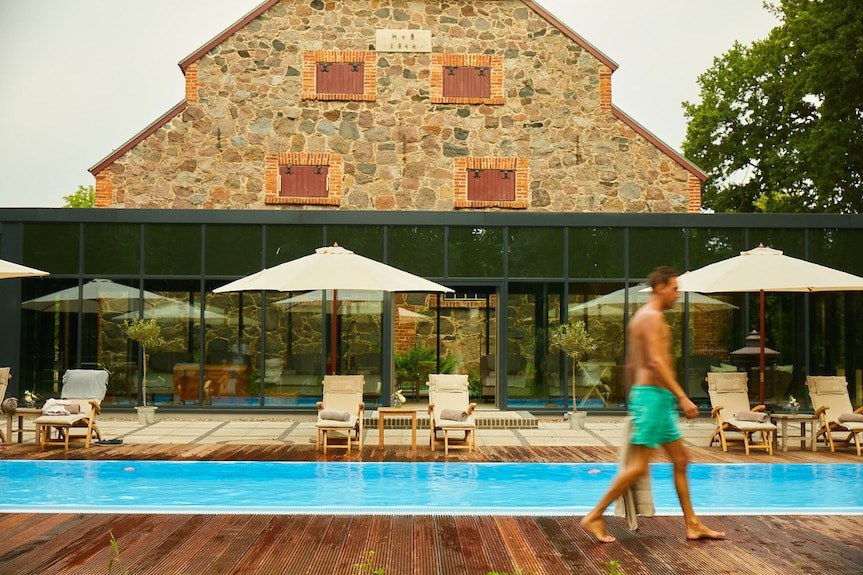
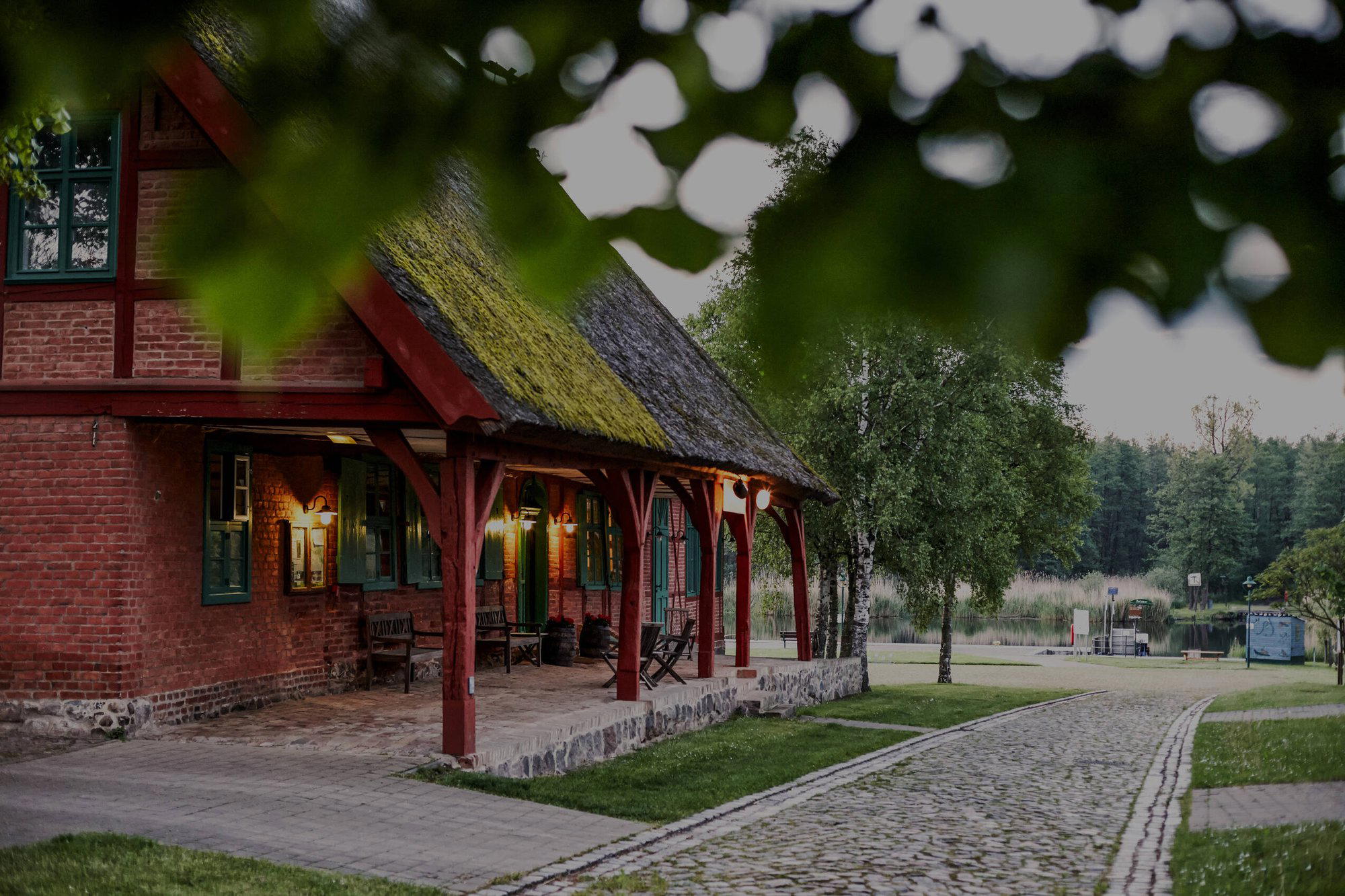
Gutshaus Stolpe presents itself as a quietly authoritative 19th-century manor set in the Peene lowlands. The building’s functional grandeur—thick rendered walls, pitched rooflines and a composition that reads agricultural rather than ostentatious—frames the stay. The property leans into its architectural identity: the experience centers on the house and its setting more than on added resort accoutrements. The surrounding reed-fringed valley, slow-moving waterways and near absence of tourist infrastructure make the mood deliberately calm and understated. This is a place where the built fabric and the mellow rural landscape set the tone for a restorative, historically rooted escape.
Best For
The property is best for travelers who seek genuine countryside immersion and an architecture-first stay. It serves guests who prefer quiet, contemplative environments—weekend escapes, romantic getaways and wellness-minded visits find a natural fit in the Peene Valley’s slow rhythms. Gutshaus Stolpe also appeals to history and design-minded visitors who value surviving 19th-century estate typology without the price or scale of a full-scale luxury resort. Because the hotel positions itself between unserviced farm stays and high-end castle conversions, it works well for those who want an affordable, thoughtfully historic base for exploring the surrounding flood plains and waterways.
Venue details
Ambiance
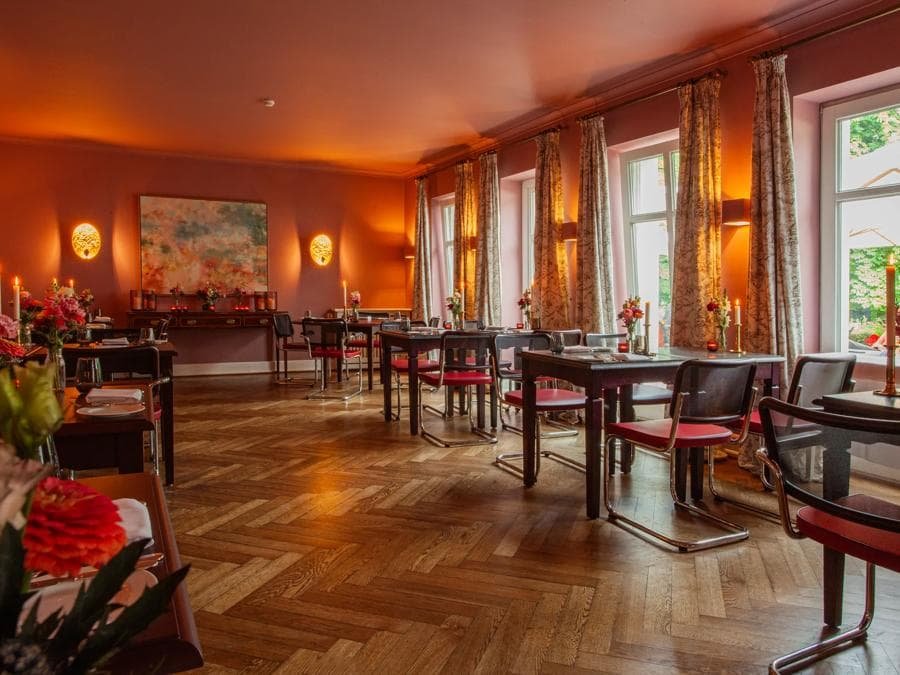
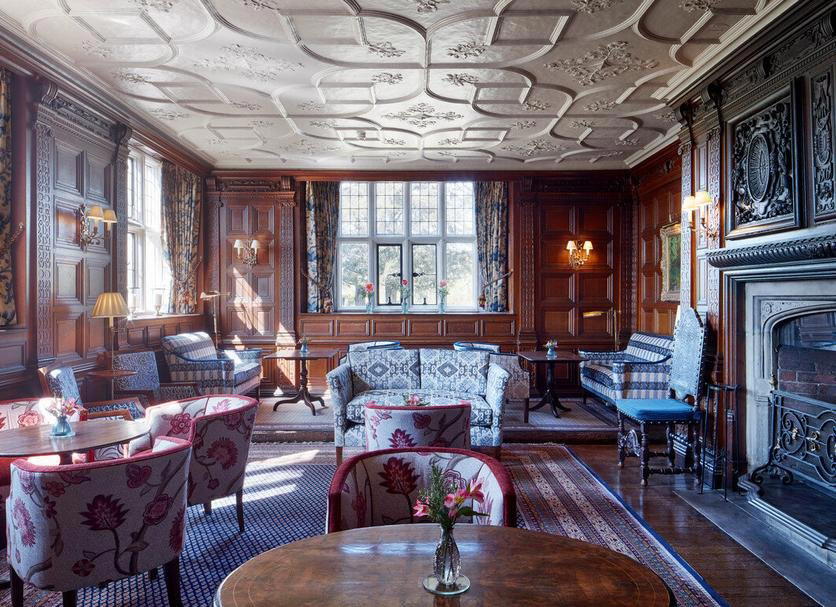
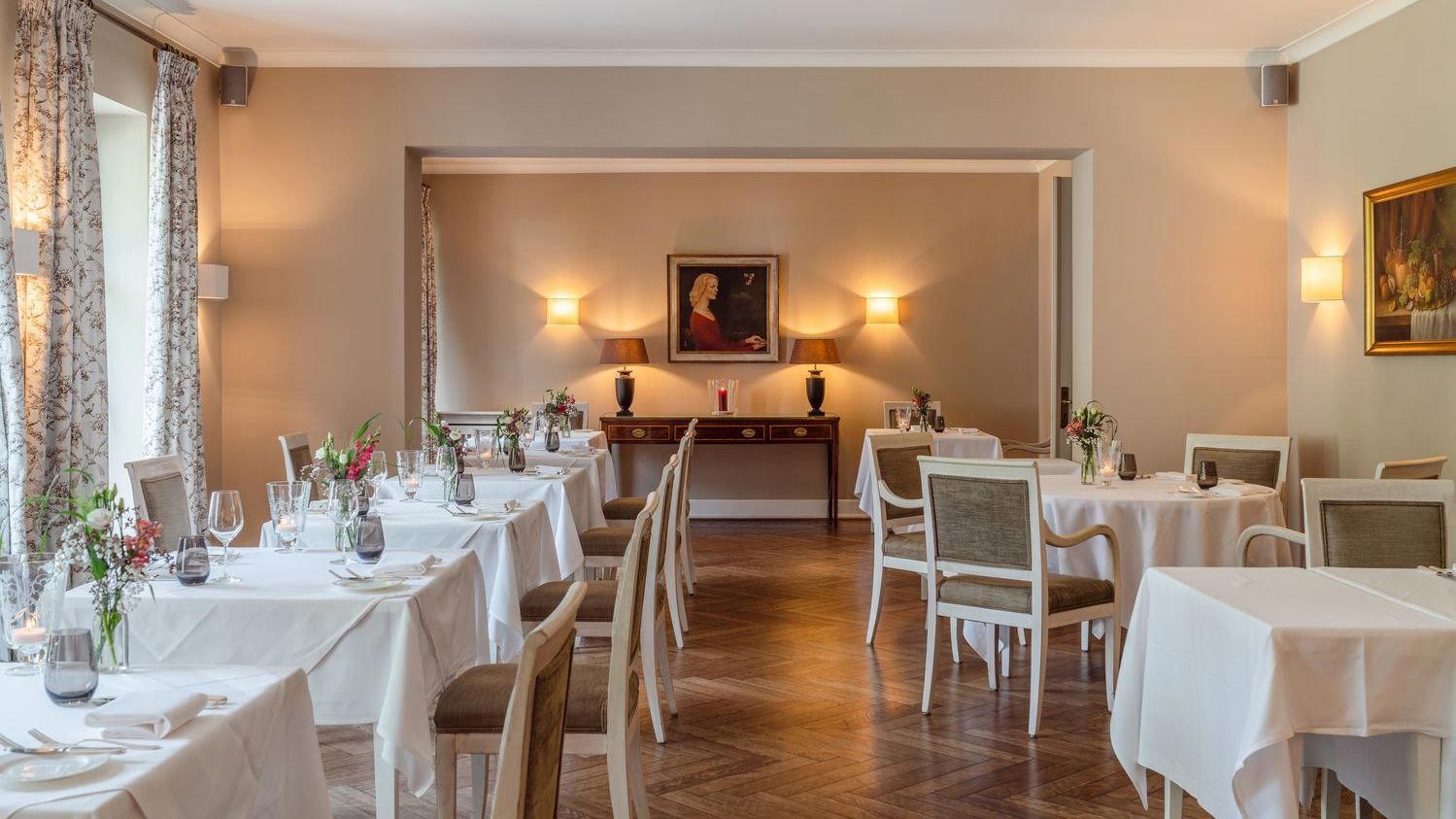
Feine Ländlichkeit with timeless elegance, cozy rooms like fine bedrooms, serene park atmosphere with ancient trees and bird song.
Tags
Vibe
Best For
Experience
Amenities
View
About the Stay
- Rooms
- 38
- Check-in
- 15:00
- Check-out
- 11:00
- Property Style
- Historic Manor House in Idyllic Park Setting
- Design Style
- Timeless Elegant Country Style with Antiques
Know before you go
Know Before You Go
- Getting there
- Peenstraße 33, 17391 Stolpe an der Peene
Planning details
Location
Recognition and awards

Also consider
If this is not the right fit
Choose Hotel Bornmühle if the goal is another non-city hotel break and the exact Peene valley address is not essential.
Choose ROEWERS Privathotel or Ceres Am Meer if the trip should feel coastal rather than rural.
Hotel context
How it compares
Gutshaus Stolpe is the countryside choice in this set. Pick it if the priority is a quiet estate-style stay in Stolpe an der Peene with recognized hotel credentials. Hotel Bornmühle is the closest practical cross-shop for a non-urban break, but Gutshaus Stolpe has the clearer luxury-hospitality signal.
For guests who want a coastal base, ROEWERS Privathotel, niXe Boutiquehotel & Spa, LOEV Hotel, and Ceres Am Meer are more relevant. They make more sense if the stay should revolve around the sea rather than the Peene valley.
Booking difficulty is the practical advantage here: with easy availability, Gutshaus Stolpe is a lower-stress choice than hotels where the trip depends on securing a scarce room category. Value comes from choosing the right setting, not from chasing amenities that are not central to this address.
Explore Stolpe an der Peene
Around this place
Discover more on Pearl
Unlock the full Gutshaus Stolpe guide in Pearl, including awards, comparisons, FAQs, planning details, and nearby places.
Compare Gutshaus Stolpe
| Venue | Location | Awards |
|---|---|---|
| Gutshaus Stolpe | Stolpe an der Peene | 2026 Relais Chateaux Hotels2025 Michelin Selected Hotels2025 Relais Chateaux Award |
| Hotel Bornmühle | Gro Nemerow | No published awards |
| ROEWERS Privathotel | Ostseebad Sellin | 2025 Michelin 1 Key |
| niXe Boutiquehotel & Spa | Binz | 2025 Michelin 1 Key |
| LOEV Hotel | Binz | No published awards |
| Ceres Am Meer | Binz | No published awards |

How Gutshaus Stolpe compares with similar nearby venues.
FAQ
Frequently Asked Questions
How is the dining at Gutshaus Stolpe?
What is confirmed is the hotel's smart-casual dress code, Relais Chateaux Award (2026), and MICHELIN Guide, Hotels Selected (2025) recognition. If dining is central to the trip, confirm current restaurant details directly before booking.
How is the location of Gutshaus Stolpe?
Gutshaus Stolpe is in Stolpe an der Peene. Book it if that location fits your route and you value the hotel's confirmed recognition. If you are comparing other premium hotel options, ROEWERS Privathotel or LOEV Hotel may also be worth checking.
Do loyalty programs work at Gutshaus Stolpe?
Choose it based on the confirmed facts: Stolpe an der Peene location, smart-casual dress code, Relais Chateaux Award (2026), and MICHELIN Guide, Hotels Selected (2025). If points, status benefits, or earning rules matter, confirm them directly before booking.
Is Gutshaus Stolpe family-friendly?
It is safest to confirm those details directly with the hotel before booking. For comparison planning, Hotel Bornmühle is another premium hotel option to review.
How is the pool and spa at Gutshaus Stolpe?
The confirmed signals are the Stolpe an der Peene location, smart-casual dress code, Relais Chateaux Award (2026), and MICHELIN Guide, Hotels Selected (2025). If spa details are a priority, niXe Boutiquehotel & Spa or Ceres Am Meer may be useful comparison points.