
Puku Ridge
South Luangwa National Park
Hotel in South Luangwa National Park, Zambia
 Book with Pearl
Why go
Puku Ridge is worth shortlisting for a polished South Luangwa safari stay, especially if external recognition matters: it won a 2025 World Travel Awards Leading Safari Lodge title. It is better suited to leisure, executive retreats, and client-hosting trips than conventional business travel, since the value is the lodge-based safari rhythm rather than urban convenience.
About Puku Ridge
For a safari trip to South Luangwa National Park, Puku Ridge is a lodge option with a clear public point of recognition: World Travel Awards 2025 Leading Safari Lodge. That strong hook for the property is enough to place it on the shortlist for travelers comparing premium safari stays.
Puku Ridge is in South Luangwa National Park, its dress code is smart casual, and it has the World Travel Awards 2025 Leading Safari Lodge recognition. Details such as rates, room categories, dining format, schedules, and specific services should be checked directly before booking.
A safari base for travelers who want polish, not a work-trip hotel in disguise
Puku Ridge makes the most sense for travelers choosing a safari lodge experience in South Luangwa National Park rather than a conventional city-hotel stay. The award recognition supports its premium positioning, but the public record does not establish business facilities, transfer details, room layouts, or a particular service format.
The location is the main practical point: Puku Ridge is in South Luangwa National Park. Expect the decision to be about whether this kind of lodge setting suits the trip, rather than whether it can be judged like an urban hotel with publicly comparable amenities. Travelers who need exact operational details should confirm them directly with the lodge before committing.
Who should choose it, and who should cross-shop
Choose Puku Ridge if South Luangwa National Park is the desired setting and the World Travel Awards 2025 Leading Safari Lodge recognition is a meaningful signal for your shortlist. Its smart-casual dress code also gives at least one practical expectation for guests preparing for the stay.
For comparison, look at other safari options such as Lion Camp, Lolebezi, Mfuwe Lodge, the Bushcamp Company, Royal Zambezi Lodge, and Sungani Lodge, while checking each property's current location, inclusions, room options, and operating details directly.
The practical verdict: Puku Ridge is a strong candidate for travelers specifically considering a safari lodge in South Luangwa National Park with award recognition. It is less useful as a choice if you need fully published detail on pricing, room categories, dining arrangements, or business-hotel conveniences before making a decision.
Planning details
- Location
- South Luangwa National Park, RPQ8+F4R, South Luangwa National Park 10101, Zambia
- Website
- chiawa.com/south-luangwa-safari-lodge-puku-ridge
The take
The Take
The Vibe
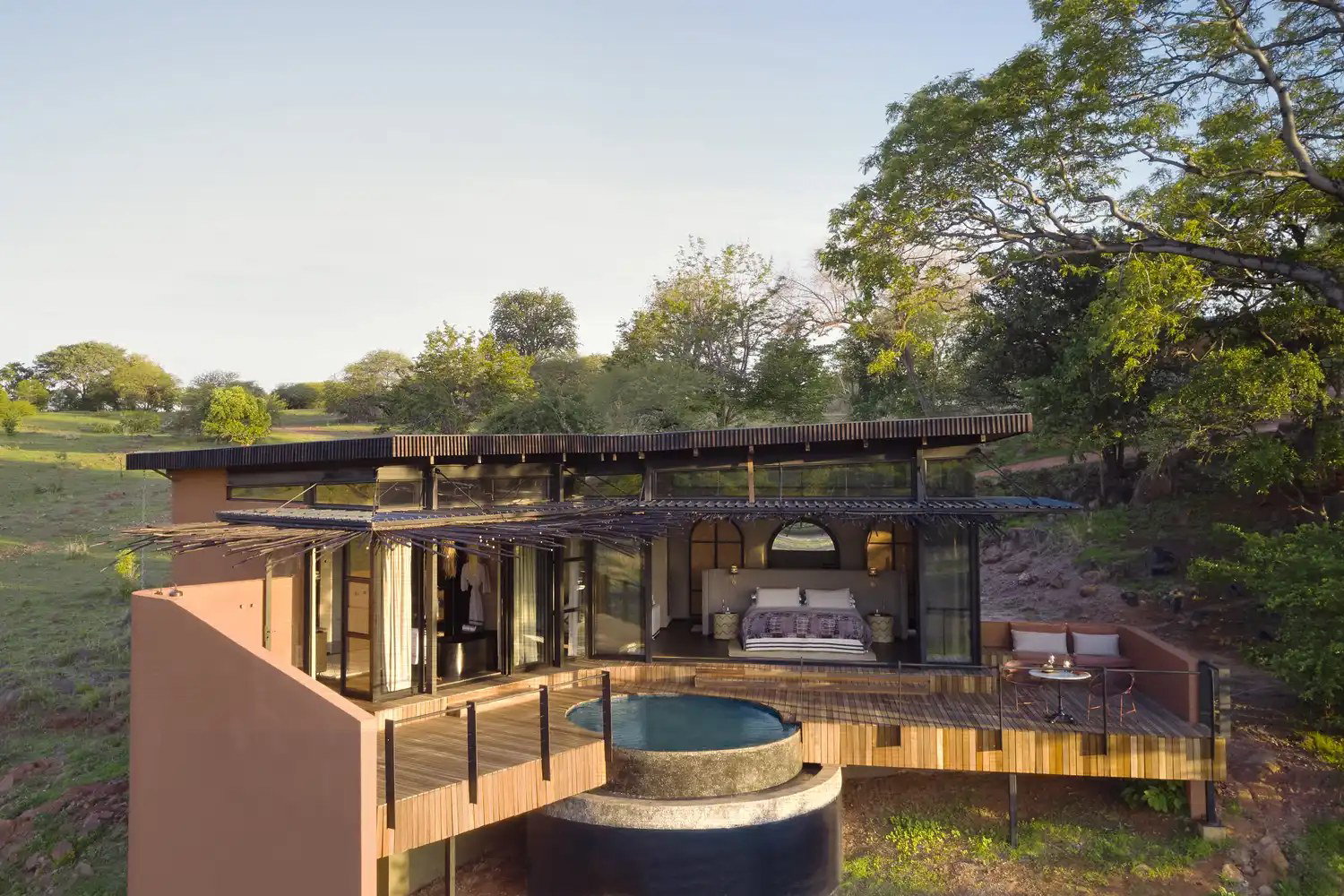
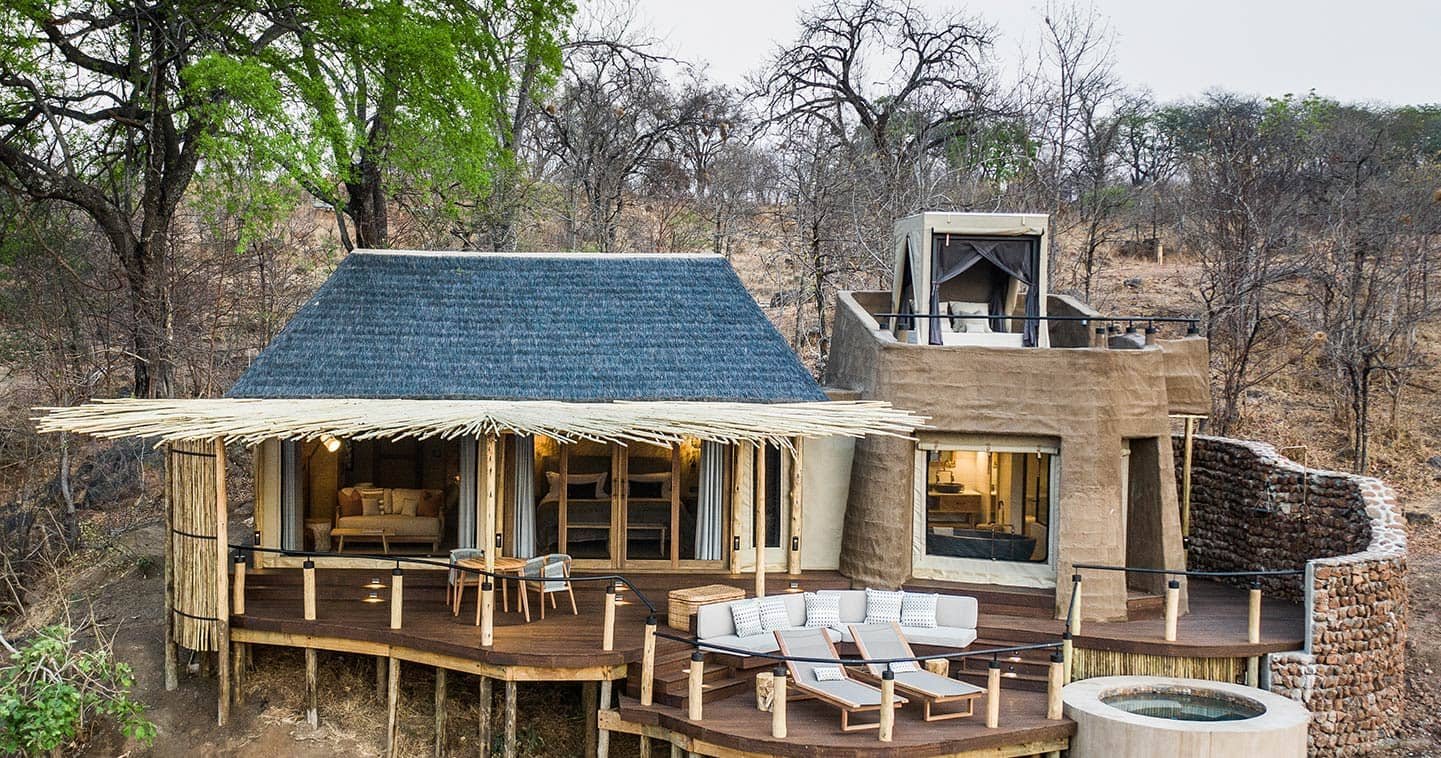
Puku Ridge presents a refined safari aesthetic that privileges elevation and panorama over immersion. Built on a promontory above the Luangwa Valley, the camp uses canvas, wood and open‑sided architecture to make the landscape the focal point of every room and communal space. That framing creates a quietly contemplative mood: the wall between inside and outside is porous, light at dusk becomes a design element, and wildlife is encountered across distance rather than through dense bush. The result is a rustic‑chic, serene lodge where thoughtful design amplifies the park’s drama without overwhelming it.
Best For
This lodge is made for guests who want to read the landscape as much as enter it: wildlife watchers, photographers and travelers who prize panoramic viewing and carefully staged vistas. South Luangwa’s reputation for walking safaris also makes Puku Ridge a good match for people who value guided, interpretive game encounters and the discipline of close observation. Travelers seeking elevated vantage points for sunrise and dusk viewing, and anyone after a composed, quietly scenic safari experience, will find the lodge especially rewarding.
Stay Tips
Prioritise open, ridge‑facing accommodation and plan key sightings around early morning and late‑afternoon light—the description emphasises how dusk alters the quality of light and wildlife visibility. Ask the camp to schedule guided walking safaris or drives with experienced guides; South Luangwa is noted for pioneering the walking safari, and the lodge’s siting rewards patient, distance‑based observation. Bring binoculars and a long lens for photography, and pack layers for cool ridge evenings when temperatures and light shift quickly.
Venue details
Ambiance
Serene and refined with natural lighting from expansive windows and outdoor spaces, intimate candlelit dinners, open-air lounges under tamarind trees, and stargazing areas creating a sophisticated yet relaxed atmosphere.
Tags
Vibe
Best For
Experience
Amenities
View
About the Stay
- Rooms
- 8
- Property Type
- Boutique hotel
- Property Style
- Wilderness Refined: Contemporary Luxury Safari Lodge Blending Canvas, Thatch, and Natural Materials with Local Artworks and Sustainable Design Principles.
- Design Style
- African Canvas Chic with Neutral Tones, Light Wooden Furnishings, Stone Bathtubs, and Minimalist Elegance That Harmonizes with the Natural Landscape.
- Airport Transfer
- Available
- Pool
- Yes
- Families
- Welcome
- Cancellation
- Moderate
Know before you go
Know Before You Go
- Getting there
- South Luangwa National Park, RPQ8+F4R, South Luangwa National Park 10101, Zambia
Planning details
Location
South Luangwa National Park, RPQ8+F4R, South Luangwa National Park 10101, Zambia · Directions
Recognition and awards

Also consider
Also Consider
- Mfuwe Lodge, the Bushcamp Company, Notable alternative
- Lion Camp, Notable alternative
- Sungani Lodge, Notable alternative
- Lolebezi, Notable alternative
- Royal Zambezi Lodge, Notable alternative
Hotel context
How Puku Ridge compares in South Luangwa
Puku Ridge is the stronger choice if the brief is an award-backed safari lodge with a composed, high-touch feel. Mfuwe Lodge, the Bushcamp Company is the more practical cross-shop for travelers who want a known lodge name and potentially simpler planning, while Lion Camp is the better comparison if the priority is a classic camp atmosphere over a more polished lodge mood.
For travelers weighing value for money, Puku Ridge needs to justify itself through setting, service rhythm, and the overall safari experience rather than public price positioning. Sungani Lodge and Lolebezi are the right alternatives for guests comparing Zambia safari stays with a broader luxury lens. If riverfront lodge ambience is the deciding factor, Royal Zambezi Lodge belongs on the same shortlist, though it serves a different safari geography.
Booking difficulty is listed as easy, which gives Puku Ridge an advantage for travelers who do not want a months-long chase for availability. Choose it for a South Luangwa-focused trip where recognition and lodge polish matter. Cross-shop Mfuwe Lodge for a more familiar anchor, Lion Camp for camp atmosphere, Sungani Lodge or Lolebezi for a wider luxury comparison, and Royal Zambezi Lodge if the itinerary is shifting toward the Lower Zambezi.
Explore South Luangwa National Park
Around this place
Discover more on Pearl
Unlock the full Puku Ridge guide in Pearl, including awards, comparisons, FAQs, planning details, and nearby places.
Compare Puku Ridge
| Venue | Location | Awards |
|---|---|---|
| Puku Ridge | South Luangwa National Park | World Travel Awards 2025 |
| Mfuwe Lodge, the Bushcamp Company | Mfuwe | 2025 Travel + Leisure 100 Favorite Hotels in the World · #3 |
| Lion Camp | Mfuwe | No published awards |
| Sungani Lodge | Luangwa | No published awards |
| Lolebezi | Jeki | 2025 Conde Nast Best Resorts · #31 |
| Royal Zambezi Lodge | Lower Zambezi National Park | 2026 Michelin 1 Key2025 Michelin 1 Key |




How Puku Ridge South Luangwa National Park compares with similar nearby venues.
FAQ
Frequently Asked Questions
Is Puku Ridge family-friendly?
Puku Ridge is a lodge in South Luangwa National Park with World Travel Awards 2025 Leading Safari Lodge recognition, so families should confirm suitability, age policies, room arrangements, and safari logistics directly before booking.
How is the location of Puku Ridge?
Puku Ridge is in South Luangwa National Park. Specific address-style details should be confirmed directly with the lodge if needed.
How does Puku Ridge compare to other safari properties?
Puku Ridge is best compared as a safari lodge rather than as a conventional hotel. Its World Travel Awards 2025 Leading Safari Lodge recognition gives it a clear credential, but practical details such as rates, rooms, inclusions, and service style should be checked directly. Other safari properties to compare include Lion Camp, Mfuwe Lodge, the Bushcamp Company, Lolebezi, Royal Zambezi Lodge, and Sungani Lodge.
Is Puku Ridge good for business travel?
Puku Ridge may suit travelers whose plans center on a South Luangwa National Park lodge stay, but anyone needing work-specific services should confirm them directly before booking.
How is the dining at Puku Ridge?
The dining format, cuisine, menu, and meal schedule should be confirmed directly with Puku Ridge rather than assumed in advance.
Which room category is best at Puku Ridge?
Ask Puku Ridge directly about current room types, privacy, views, accessibility, and inclusions before choosing.