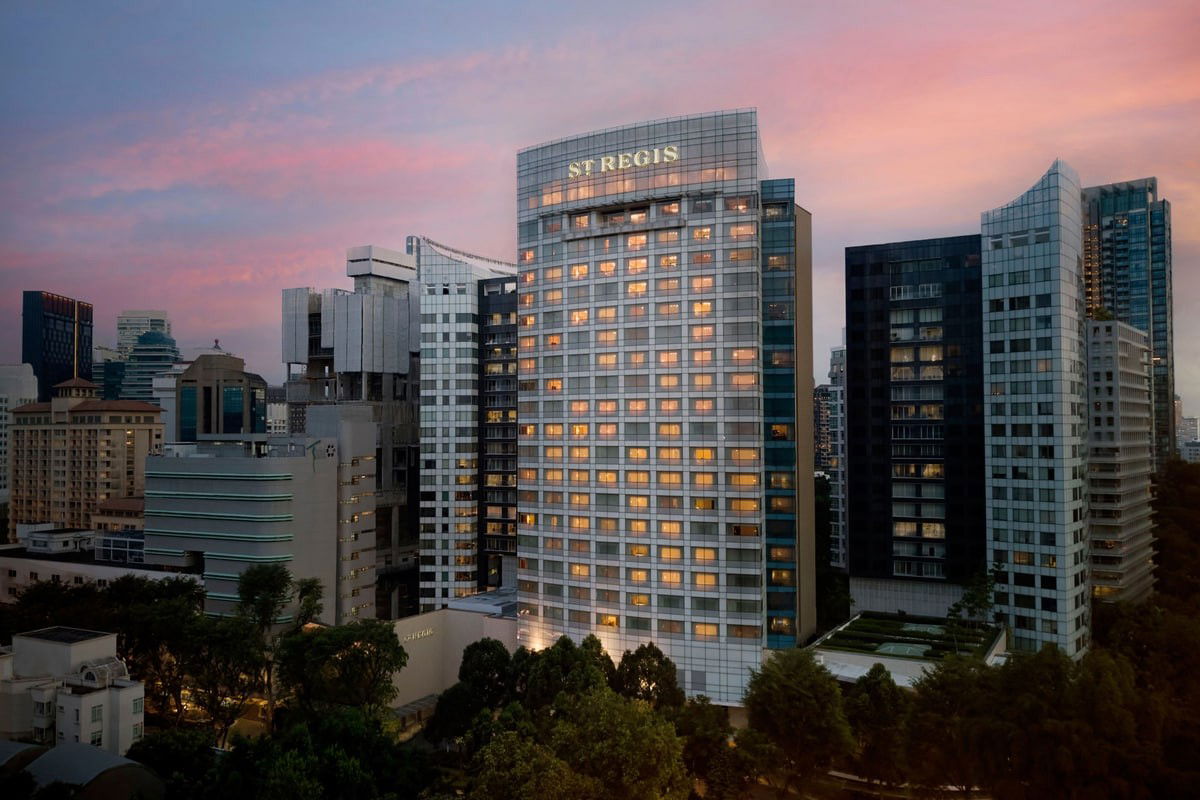



The St. Regis Singapore
TANGLIN, Singapore
Hotel in Singapore, Singapore
 Book with Pearl
The Read
Butler-Anchored Orchard Retreat
Why go
A strong choice for a quieter luxury stay near Orchard, especially for families or repeat Singapore visitors who want central access without a scene-heavy hotel. The 2026 recognition profile is strong, and the Tanglin Road address makes day-to-day logistics easier than flashier city-base alternatives.
About The St. Regis Singapore
The St. Regis Singapore is a premium hotel in Singapore with confirmed recognition including La Liste Top Hotels (2026): 90.5pts, Forbes 4-Star (2026), and Virtuoso Luxury Hotel Partner (2026). For travelers comparing premium stays in the city, it belongs in the same consideration set as other Singapore hotel options.
Confirm specific room layouts, dining formats, service inclusions, family facilities, prices, or location details beyond Singapore using the hotel's current booking channels to ensure they meet your trip's needs.
Book this for a recognized Singapore hotel stay
The clearest reason to consider The St. Regis Singapore is its hotel recognition. Forbes 4-Star (2026), La Liste Top Hotels (2026): 90.5pts, and Virtuoso Luxury Hotel Partner (2026) support its positioning as a premium Singapore option.
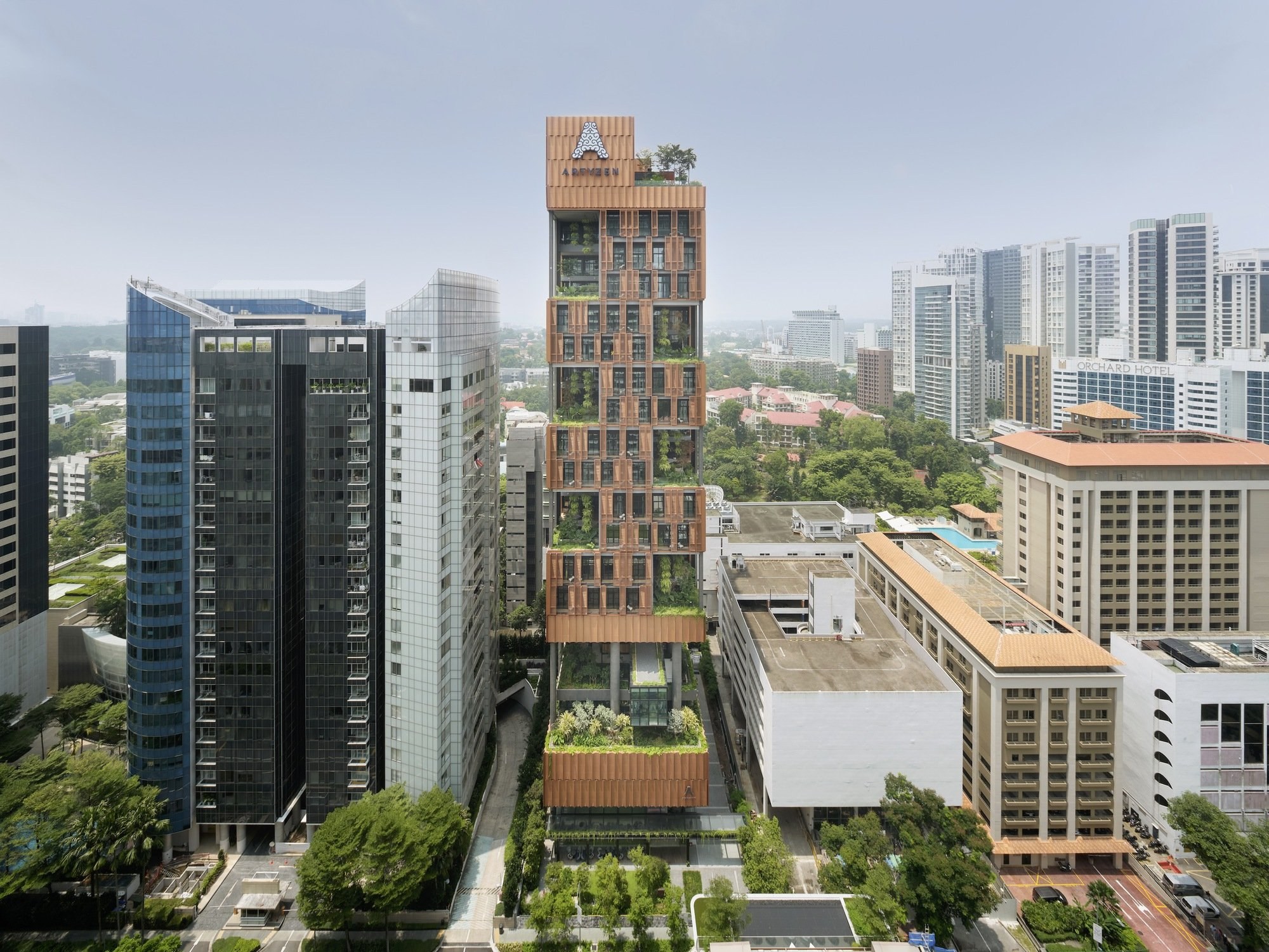
Travelers comparing style and atmosphere can also look at Artyzen Singapore or The Singapore EDITION. Those who prefer a broader hotel comparison set may also consider Conrad Singapore Orchard, Four Seasons Hotel Singapore, and Pan Pacific Orchard, Singapore.
Confirm family needs before booking
If traveling with children or multiple generations, confirm specific family facilities, room configurations, children's amenities, family policies, bedding, occupancy, connecting-room options, and any child-related services directly before booking.
Room choice should be based on confirmed space, bedding, and itinerary needs at the time of booking rather than assumptions about a particular category. If the trip depends on a specific setup, get those details in writing before arrival.
For fixed travel dates, compare current availability and terms across The St. Regis Singapore, Conrad Singapore Orchard, Four Seasons Hotel Singapore, Artyzen Singapore, The Singapore EDITION, and Pan Pacific Orchard, Singapore before committing.
Planning a Singapore stay
The St. Regis Singapore is best evaluated as a premium Singapore hotel with confirmed recognition. Its smart-casual dress code is also worth noting when planning how to pack for the stay.
Part of
St. Regis83 locations on PearlInside The St. Regis Singapore
Planning details
- Location
- 29 Tanglin Rd, Singapore 247911
- Website
- marriott.com/en-us/hotels/sinxr-the-st-regis-singapore/overview/?cid=NAT_google_hotel_url
- Phone
- +65 6506 6888
The take
The Take
The Vibe
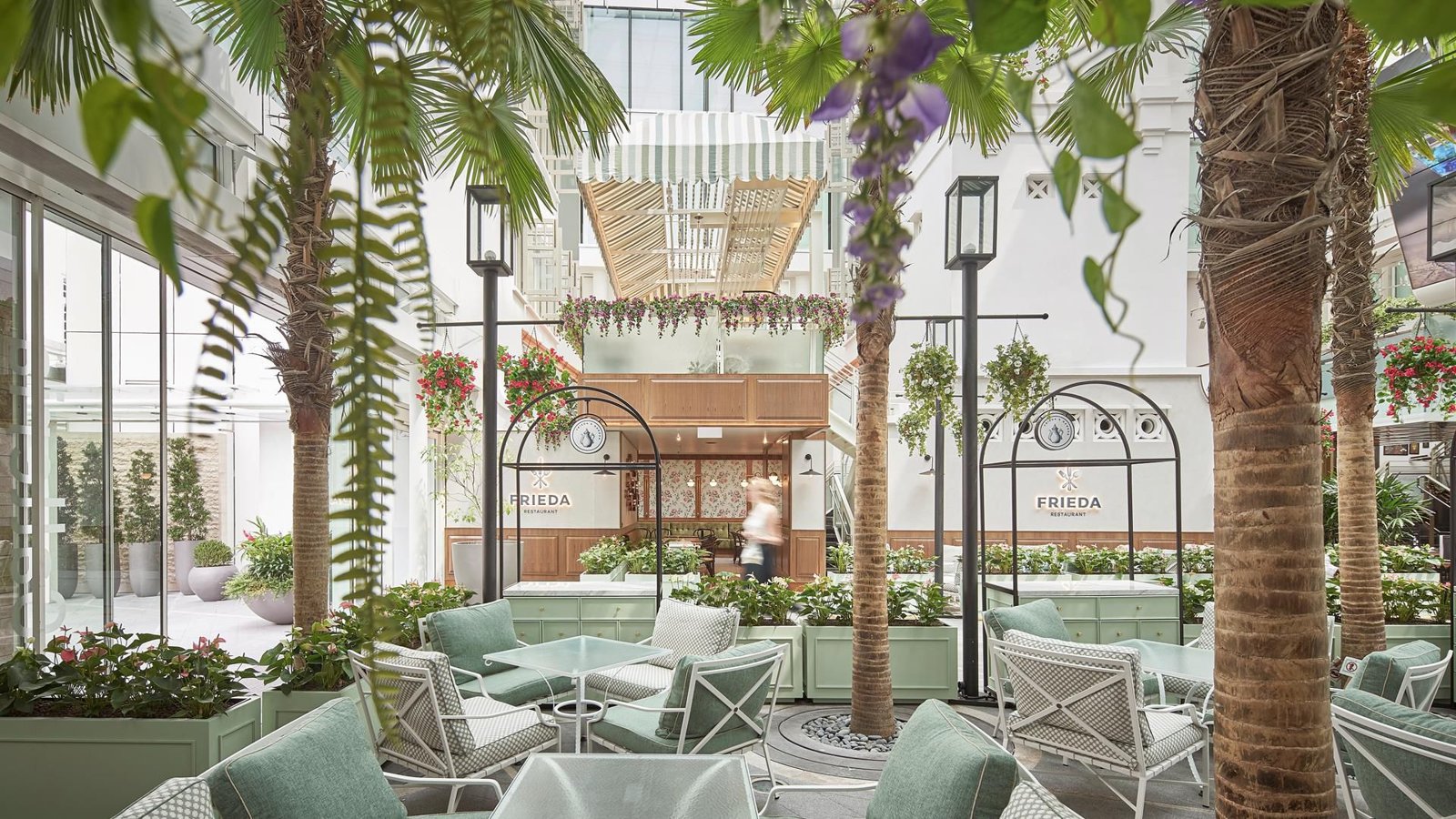
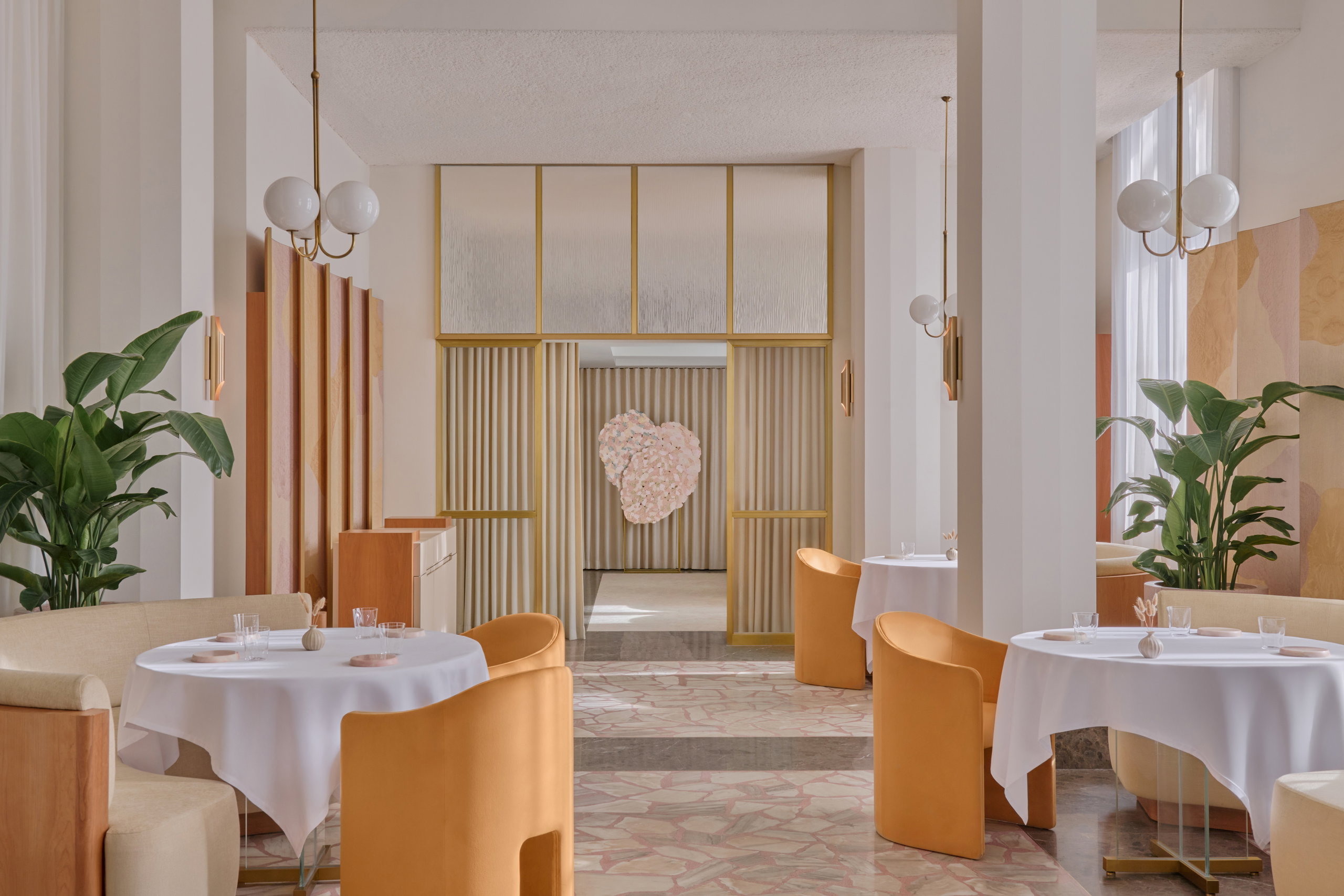
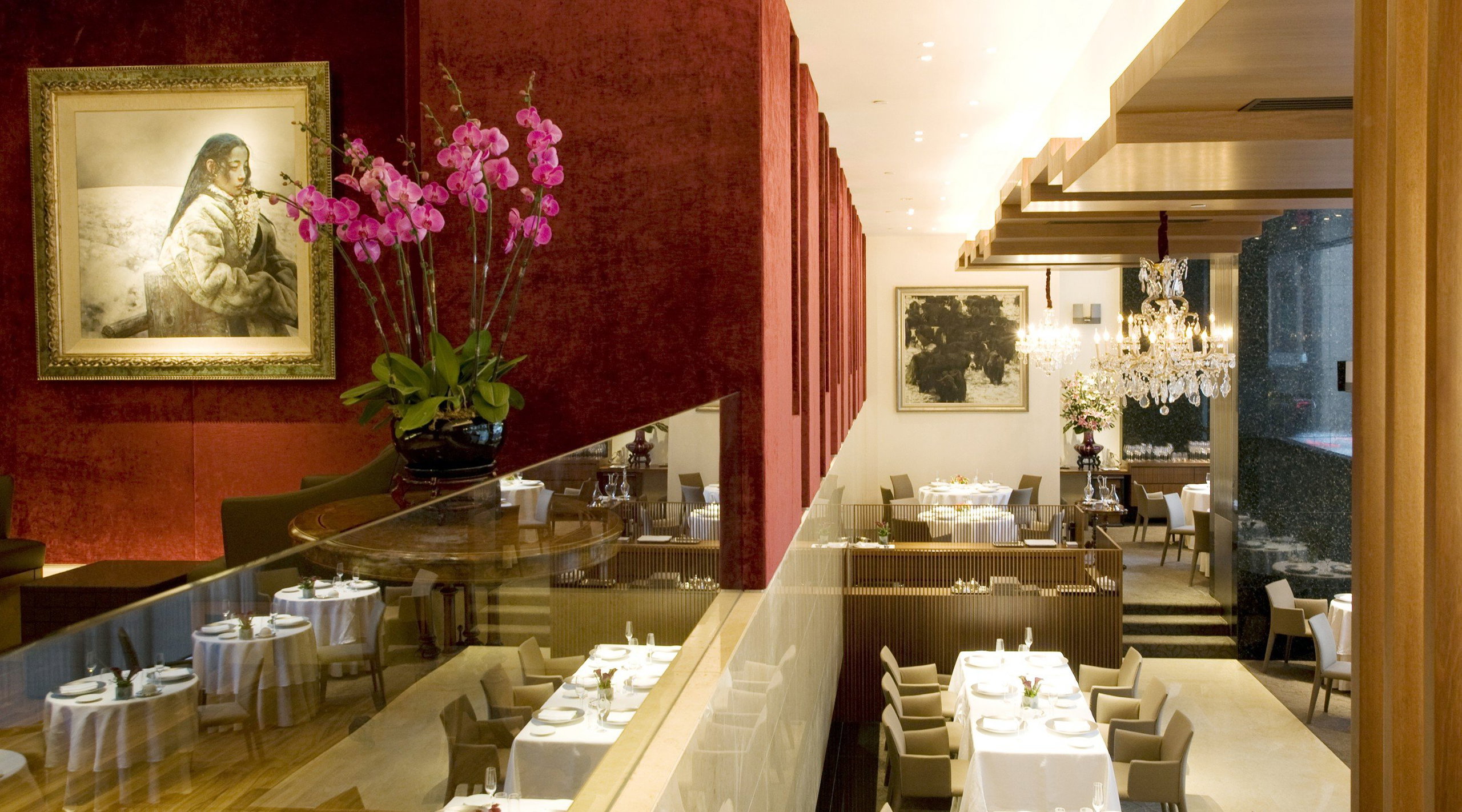
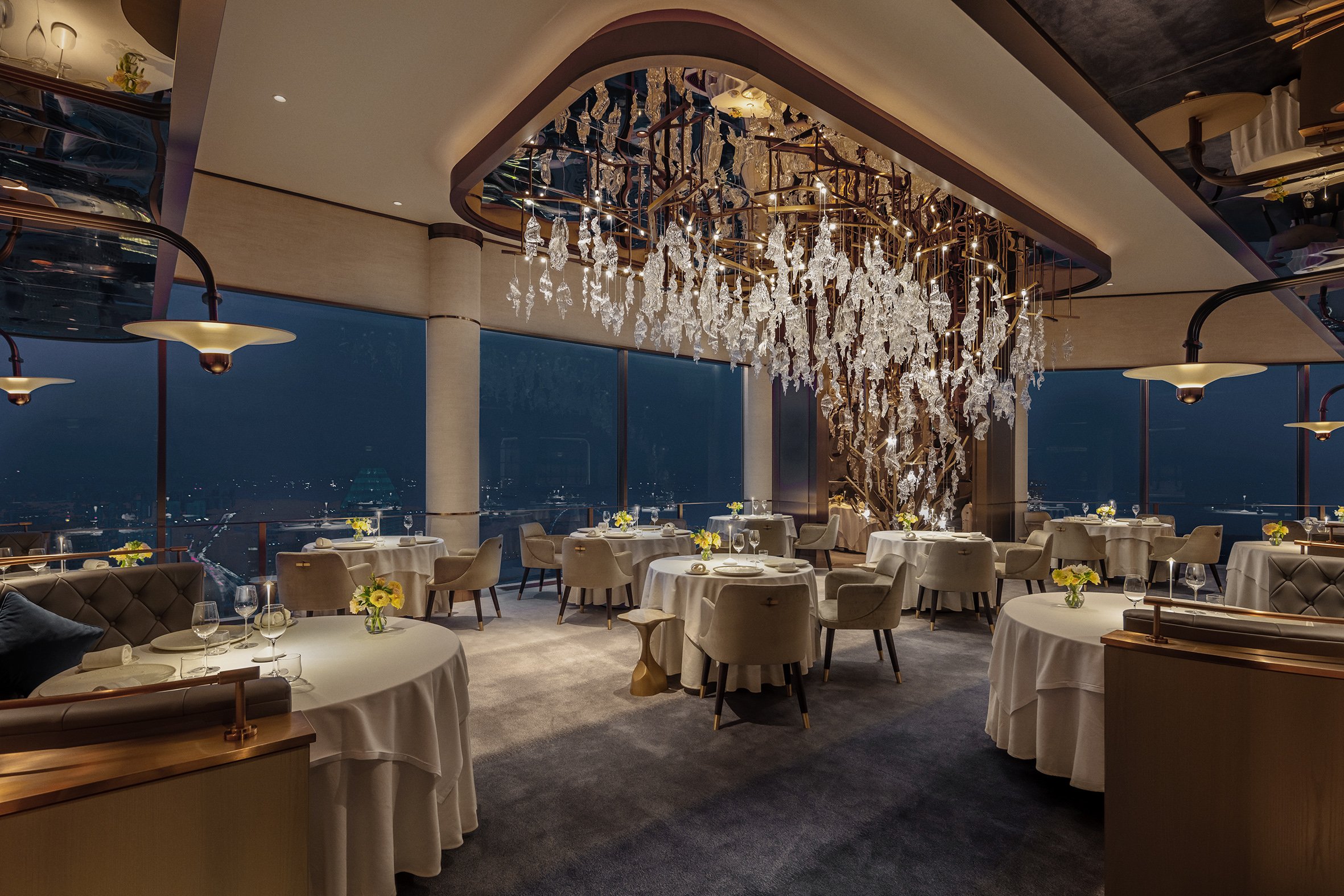
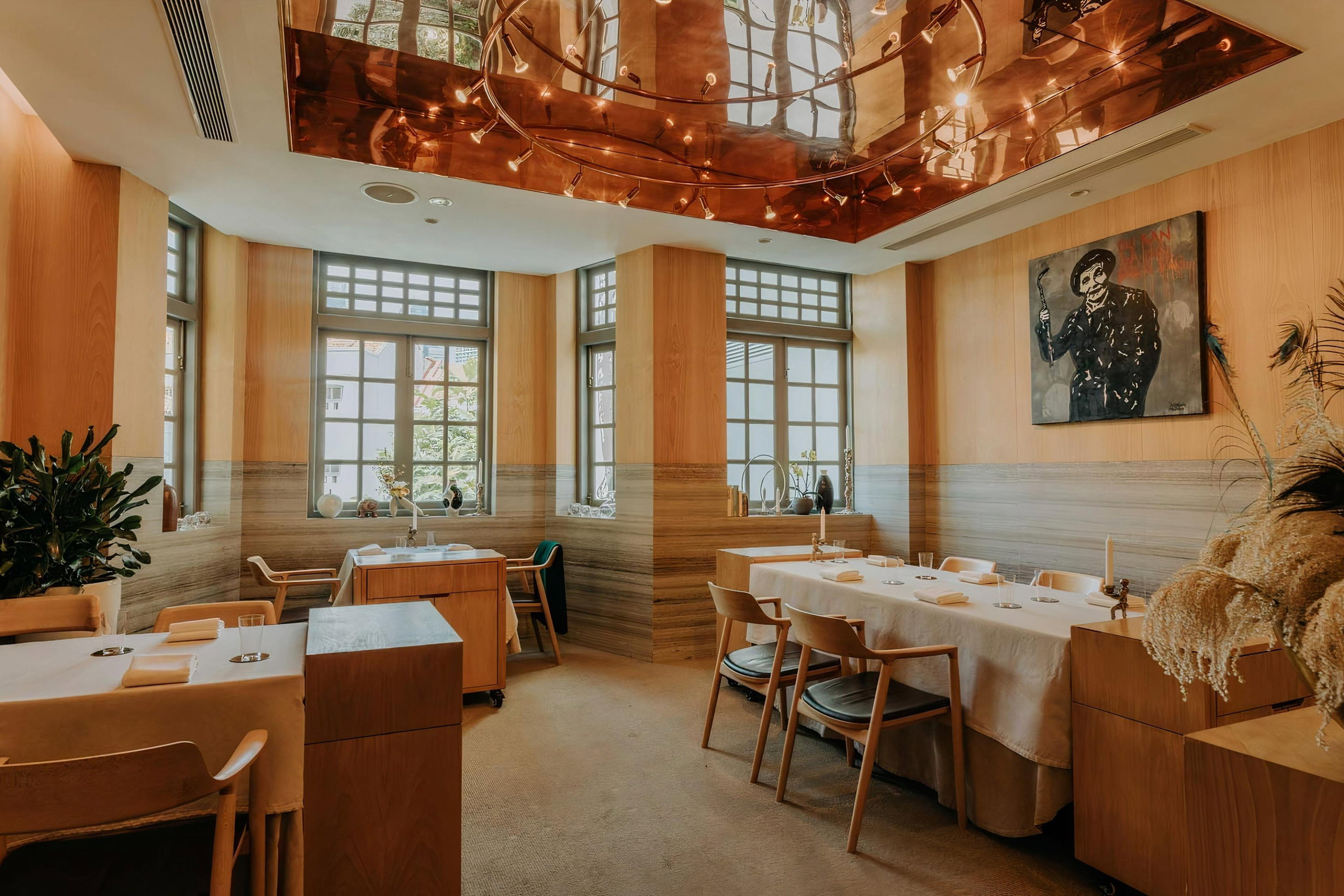
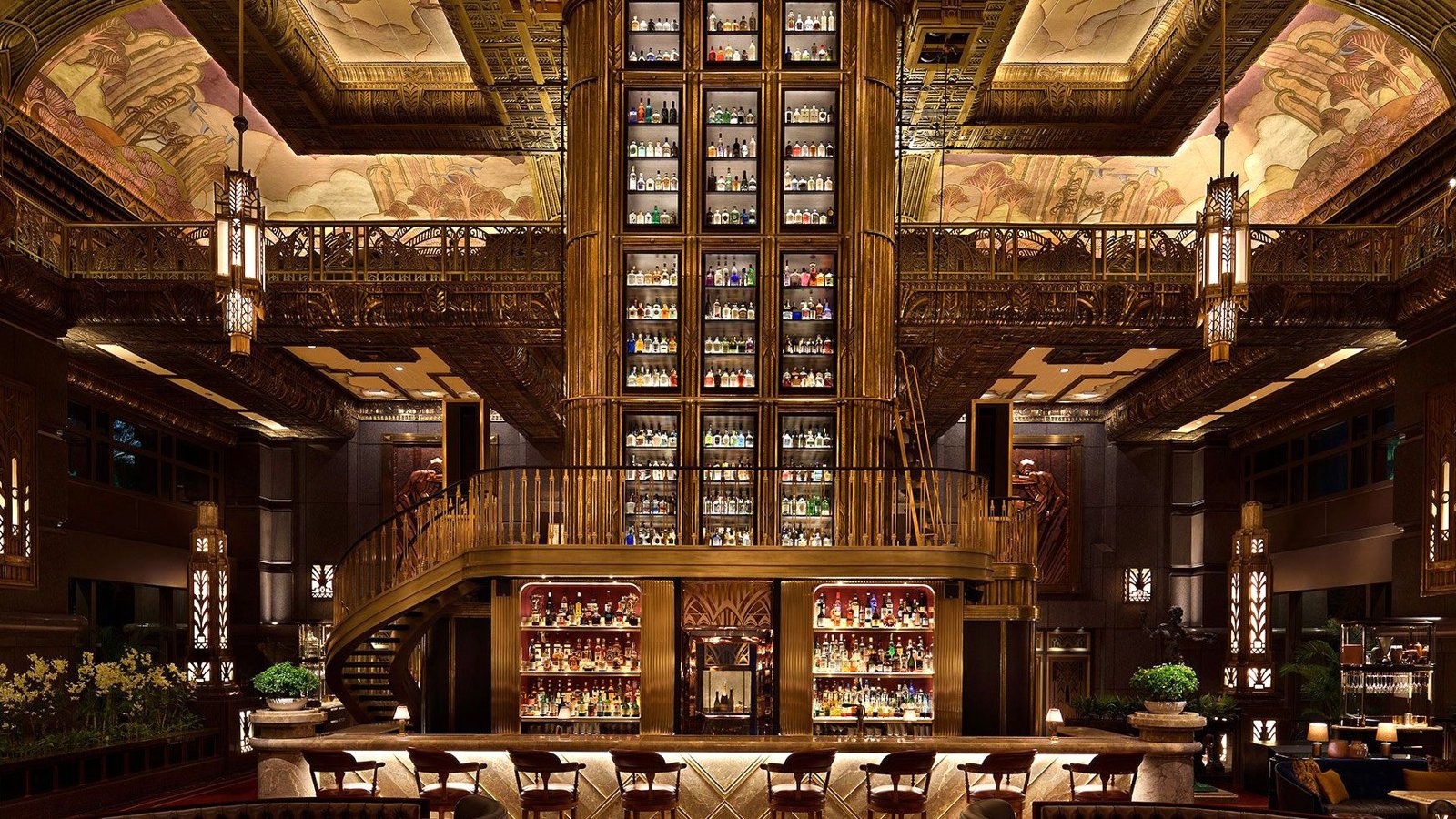
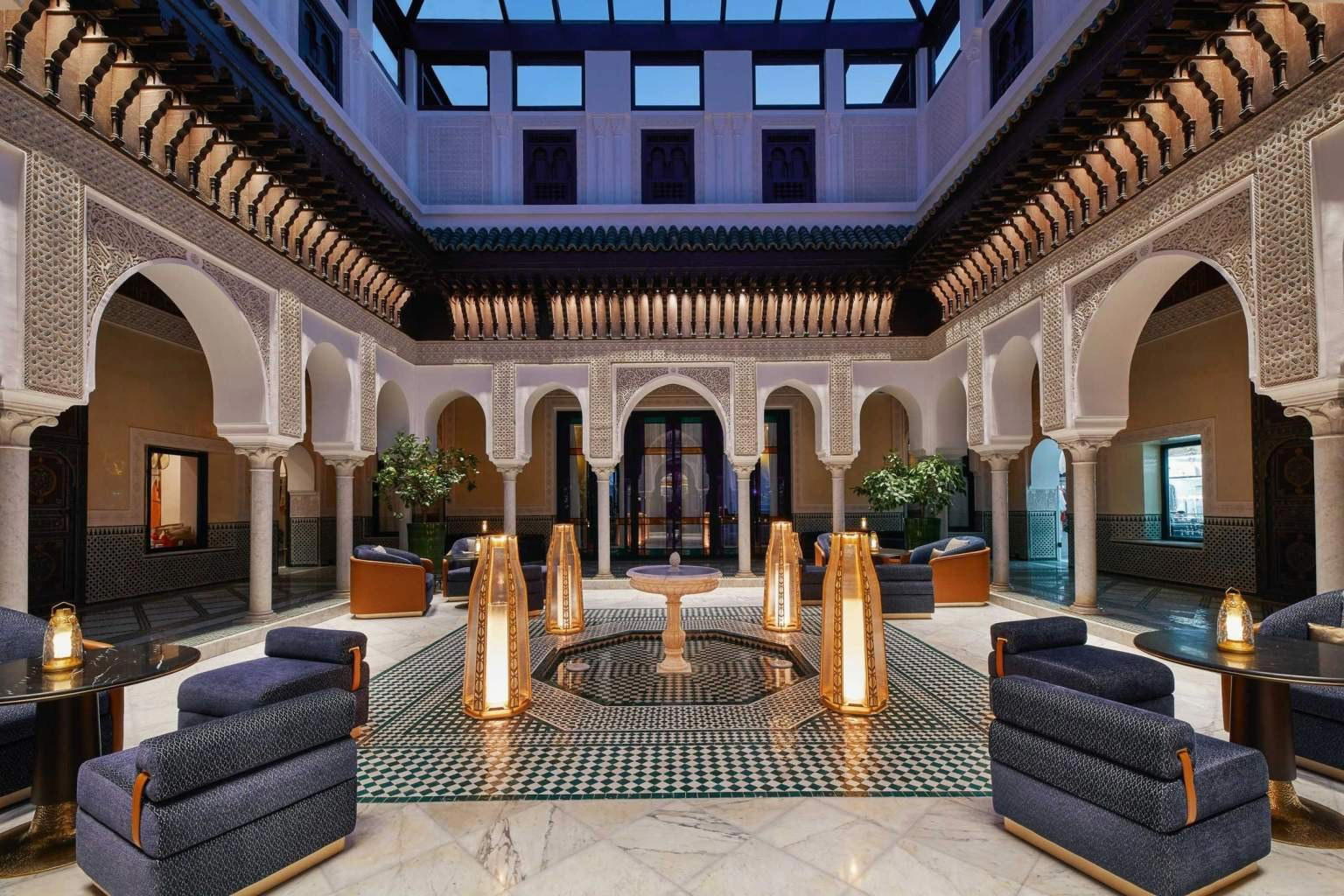
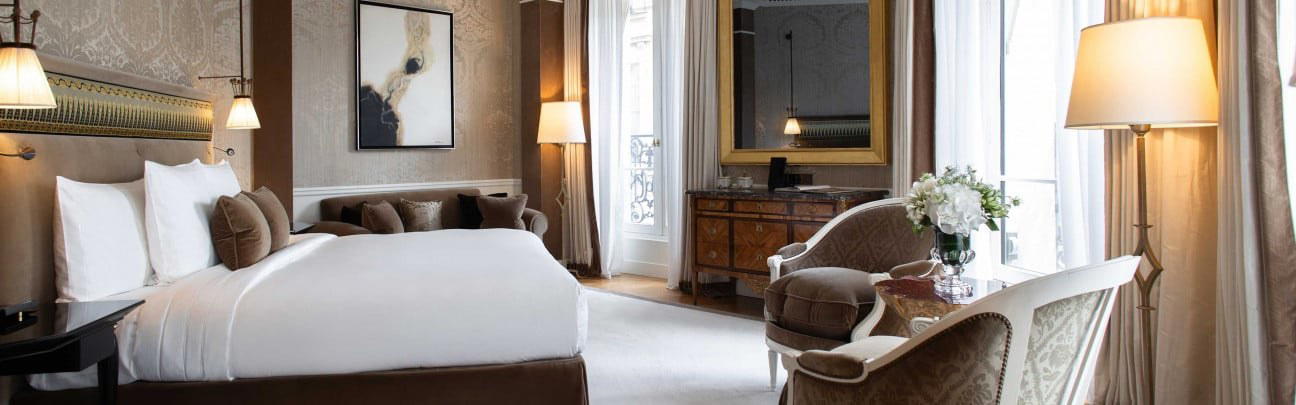
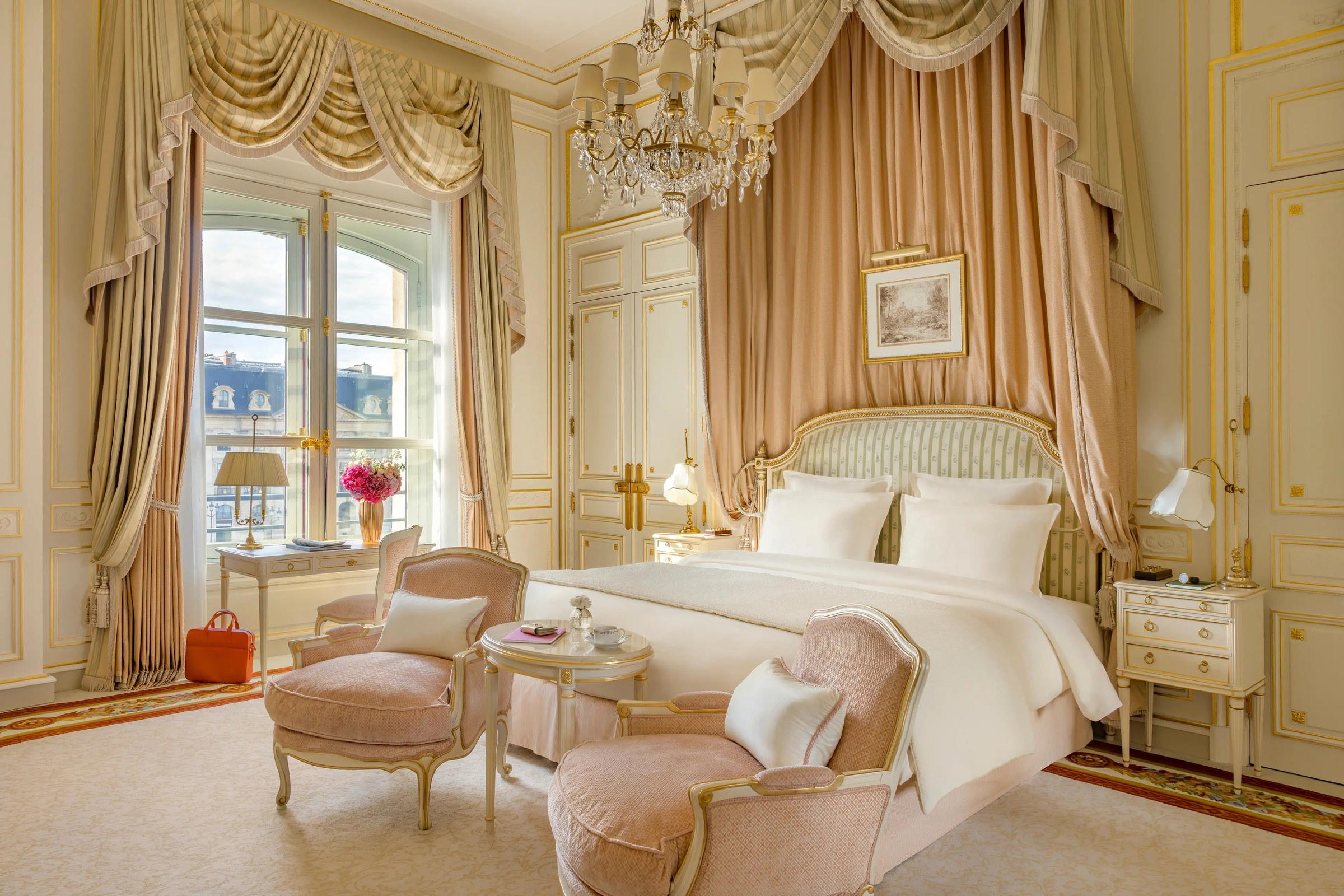
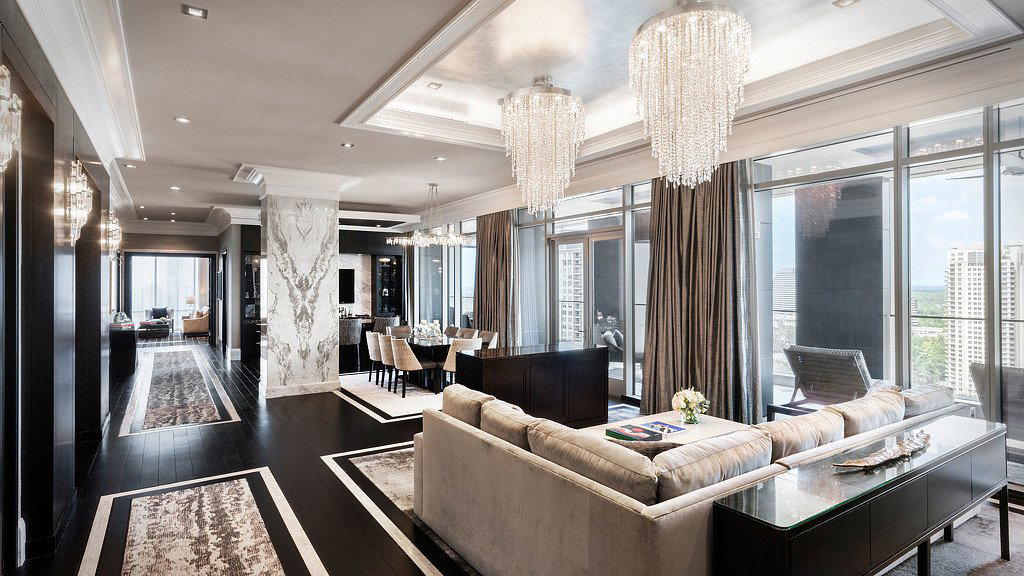
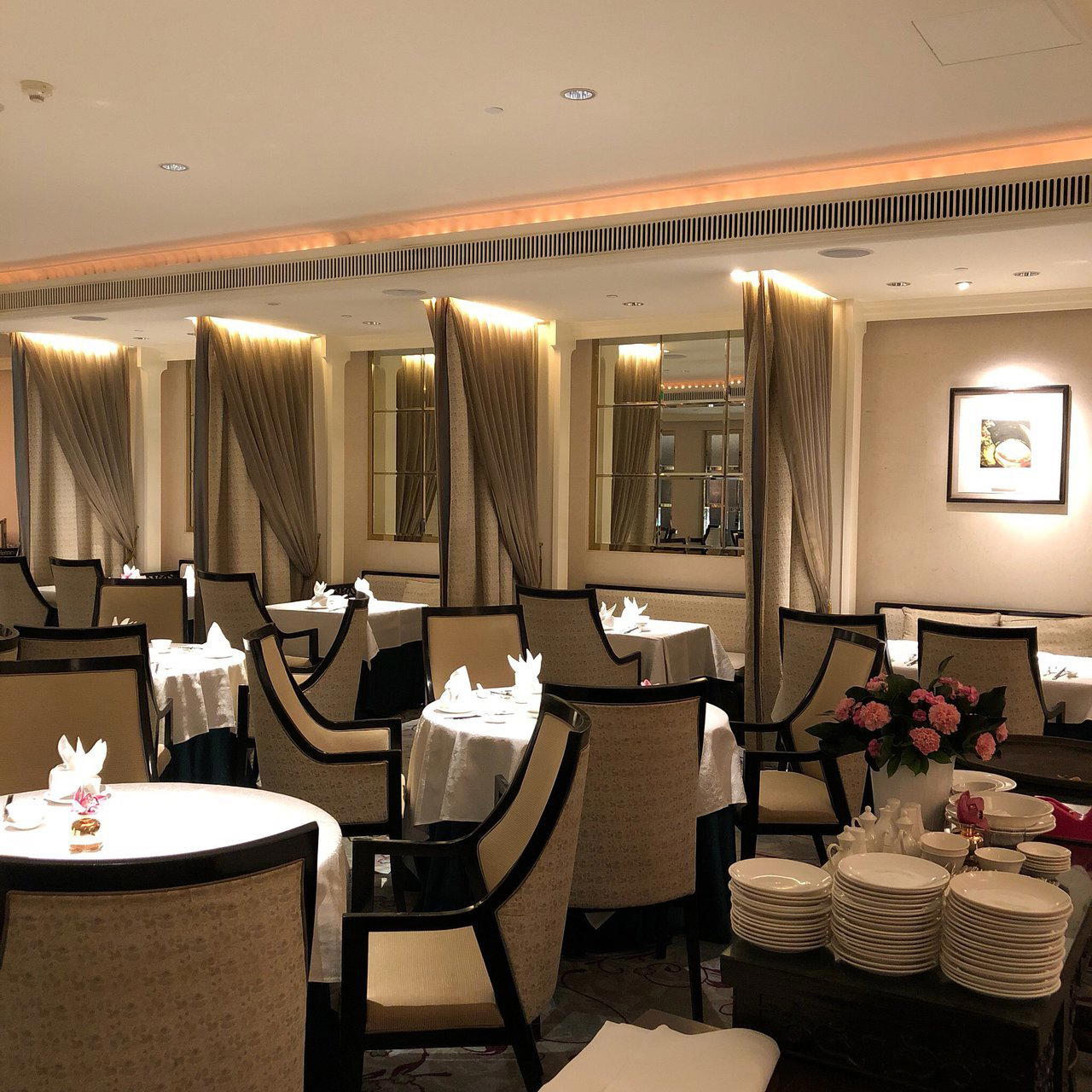
The St. Regis Singapore reads less like a commercial hotel and more like a cultivated private residence. Artwork by internationally documented figures such as Botero and Picasso punctuates the public rooms, and a daily complimentary art tour led by St. Regis Butlers reinforces the property's museum-like calm. The post-renovation design consciously references the adjacent Botanic Gardens, softening the Orchard corridor’s glass-and-retail grit and creating a composed, classical atmosphere. Overall the hotel balances institutional luxury with a quiet, personalized sensibility—an urbane, contemplative place to stay in central Singapore.
Best For
This is an ideal pick for travelers seeking polished, low-key luxury: couples on romantic getaways and anniversaries, executives on business trips, and guests celebrating a special occasion. Its position on the edge of Orchard and beside the Embassy District makes it convenient for high-level meetings and formal dinners, while the intimate, residence-like interiors and curated art collection suit those who prefer culture-rich, relaxing stays. Proximity to the Botanic Gardens also appeals to visitors who want easy access to green space without leaving the city.
Stay Tips
Make time to join the complimentary daily art tour at 5:30 PM, led by St. Regis Butlers, to get structured access to the hotel’s significant collection rather than encountering it by chance. Ask the reception about Butler services on arrival—those staff can coordinate room preferences, recommendations, and on-property experiences. Given the hotel’s quiet, residential register, request a room away from Orchard Road if you prefer an even more tranquil stay; conversely, ask about rooms that reference the Botanic Gardens if you want a nature-forward aspect to your accommodation.
Venue details
Ambiance
Sophisticated and calm with classical music during turndown, soundproofed rooms, and luxurious marble bathrooms.
Tags
Vibe
Best For
Experience
Amenities
View
Accessibility
About the Stay
- Rooms
- 299
- Check-in
- 15:00
- Check-out
- 12:00
- Property Style
- Luxury Urban Hotel with Butler Service and Garden Inspired Design.
- Design Style
- Classical Opulent with Marble Bathrooms and Botanical Motifs.
Know before you go
Know Before You Go
- Getting there
- 29 Tanglin Rd, Singapore 247911
Planning details
Location
29 Tanglin Rd, Singapore 247911 · Directions
marriott.com/en-us/hotels/sinxr-the-st-regis-singapore/overview/?cid=NAT_google_hotel_url
Recognition and awards



Also consider
Also Consider
- Artyzen Singapore, Notable alternative
- The Singapore EDITION, Notable alternative
- Conrad Singapore Orchard, Notable alternative
- Four Seasons Hotel Singapore, Notable alternative
- Pan Pacific Orchard, Singapore, Notable alternative
Hotel context
How it compares with Singapore luxury hotels
Choose The St. Regis Singapore over Artyzen Singapore if the trip needs a more formal, family-friendly base near Tanglin and Orchard. Artyzen is the stronger cross-shop for design-led travellers, while this is the safer pick for guests who care more about a calm rhythm, service consistency, and easier planning with children or older relatives.
The Singapore EDITION and Pan Pacific Orchard, Singapore make more sense for travellers prioritising a sharper contemporary mood. The St. Regis Singapore is less about hotel-as-scene and more about a composed city stay. If booking difficulty is the blocker, check those two early as well, since Singapore's luxury inventory tightens around peak leisure and event dates.
Conrad Singapore Orchard and Four Seasons Hotel Singapore are the closest practical comparisons for Orchard-area convenience. Conrad is the sensible alternative if availability or value looks better on your dates; Four Seasons is the natural cross-shop for travellers who want a familiar luxury-hotel setup in the same general orbit. Pick The St. Regis Singapore when the brief is polished, quiet, and family-usable rather than trend-forward.
Explore Singapore
Around this place
Discover more on Pearl
Unlock the full The St. Regis Singapore guide in Pearl, including awards, comparisons, FAQs, planning details, and nearby places.
Compare The St. Regis Singapore
| Venue | Location | Awards |
|---|---|---|
| The St. Regis Singapore | Singapore | 2026 Forbes 4-Star2026 Virtuoso Luxury Hotel Collection2026 La Liste Top Hotels2025 Forbes 4-Star |
| Artyzen Singapore | Singapore | 2026 Virtuoso Luxury Hotel Collection2026 Forbes RecommendedTatler Best Hotels Asia-Pacific 20252025 Michelin 1 KeyPreferred Hotels Member 2025 |
| The Singapore EDITION | Singapore | No published awards |
| Conrad Singapore Orchard | Singapore | 2026 Forbes 4-Star2025 Forbes 4-Star |
| Four Seasons Hotel Singapore | Singapore | 2026 Forbes Recommended2026 La Liste Top Hotels2025 Forbes Recommended2025 Michelin 1 KeyFour Seasons Hotels |
| Pan Pacific Orchard, Singapore | Singapore | No published awards |




How The St. Regis Singapore Review: Worth Booking? compares with similar nearby venues.
FAQ
Frequently Asked Questions
How is the location of The St. Regis Singapore?
Which room category is best at The St. Regis Singapore?
There is no single best room category. Choose based on the current room descriptions, bedding, occupancy, and space requirements shown at booking, and confirm any important setup directly with the hotel.
How does The St. Regis Singapore compare to other hotels?
Choose The St. Regis Singapore if confirmed recognition matters: Forbes 4-Star (2026), La Liste Top Hotels (2026): 90.5pts, and Virtuoso Luxury Hotel Partner (2026). Artyzen Singapore, The Singapore EDITION, Four Seasons Hotel Singapore, Conrad Singapore Orchard, and Pan Pacific Orchard, Singapore are natural comparison options in Singapore.
What is check-in like at The St. Regis Singapore?
Is The St. Regis Singapore family-friendly?
Families should confirm specific family facilities, child-focused services, room occupancy, bedding, connecting-room options, and any child-related amenities directly before booking.