
Hotel in Singapore, Singapore
InterContinental Singapore
275Pearl PointsCentral, reliable, polished


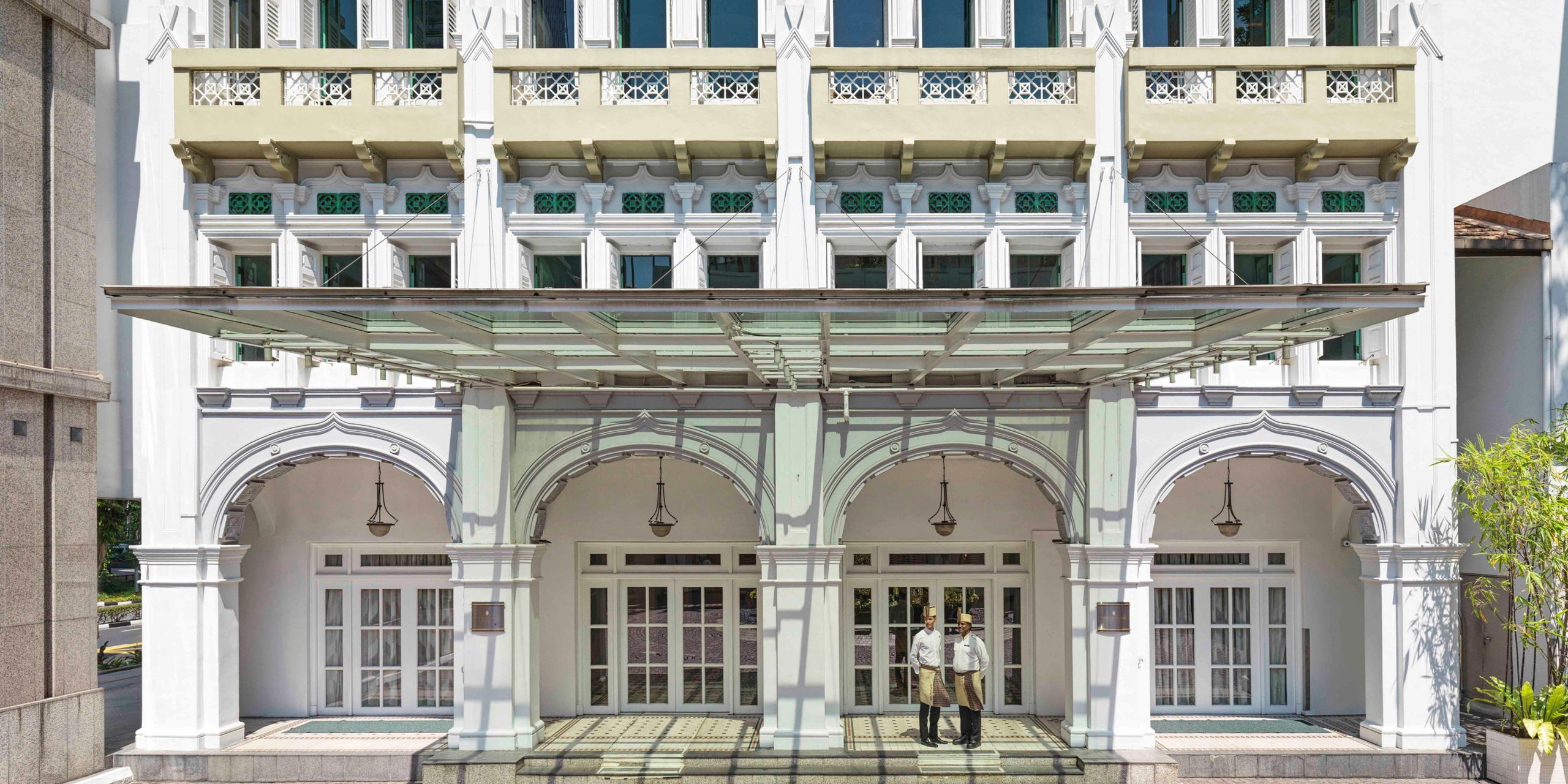
About InterContinental Singapore
InterContinental Singapore is worth booking if you want a central, lower-risk Singapore stay with IHG consistency and recognized hotel credentials. It is a stronger fit for business, short city breaks, and practical sightseeing than for travelers seeking a resort-led stay or a highly design-forward hotel.
InterContinental Singapore is a Singapore hotel to consider if you want to compare it with other known options in the city. The verified details here are intentionally limited: the hotel is associated with smart casual dress expectations and has recognition from World Luxury Hotel Awards 2025 as a WLHA Country Winner, as well as Forbes Recommended status in 2025.
Because detailed verified information on room types, facilities, dining, pricing, and exact location is not provided here, treat this as a high-level booking note rather than a full amenities review. For a food-focused itinerary, use Our full Singapore restaurants guide, Our full Singapore bars guide, and Our full Singapore experiences guide to plan the rest of the trip.
Book for a recognized Singapore hotel, not a fully detailed amenities brief
The strongest verified case for InterContinental Singapore is its recognized status: World Luxury Hotel Awards 2025 WLHA Country Winner and Forbes Recommended 2025. Those accolades make it a credible hotel candidate for travelers comparing Singapore stays.
The right comparison depends on the type of trip you want. Andaz Singapore is another Singapore option to consider if you are weighing a different hotel choice. Carlton Hotel Singapore is another Singapore hotel to review alongside it. Raffles Hotel Singapore and Raffles Singapore are also natural names to compare with InterContinental Singapore. Naumi Hotel Singapore is another Singapore hotel worth considering when you are comparing options.
Room choice should follow trip purpose
Without verified room-category pricing or room-specific details, the smart move is to avoid overbuying unless the room itself is a major part of the trip. Choose a room based on your actual needs for the stay, then spend the difference on restaurants, bars, or experiences if your plans are mostly outside the hotel.
That advice matters because hotel spending can escalate quickly, and unverified room upgrades should not be treated as essential. If your plans are mostly outside the hotel, keep the booking decision focused on the verified hotel identity and recognition. If the stay itself is the main event, compare against other options in Our full Singapore hotels guide before committing.
When to stay and who should cross-shop
Singapore works for many trip styles, but this page does not verify specific seasonal patterns, event pricing, facilities, or neighborhood advantages for InterContinental Singapore. Book when the rate and cancellation terms make sense for your dates, and confirm current hotel details directly before relying on any specific amenity or service.
Book this if you want a recognized Singapore hotel with confirmed 2025 accolades and smart casual dress expectations. Cross-shop Andaz Singapore, Carlton Hotel Singapore, Naumi Hotel Singapore, Raffles Hotel Singapore, and Raffles Singapore if your decision depends on the overall feel, positioning, or style of the stay.
Frequently Asked Questions
What is check-in like at InterContinental Singapore?
This page does not verify specific check-in procedures for InterContinental Singapore. Treat it as a Singapore hotel with confirmed recognition from World Luxury Hotel Awards 2025 as a WLHA Country Winner and Forbes Recommended status in 2025, and confirm arrival details directly with the hotel before traveling.
Which room category is best at InterContinental Singapore?
Choose the room category that matches how much time you will actually spend in the hotel. Because verified room-category pricing and room-specific details are not provided here, avoid paying more unless the added space or setup is clearly useful for your trip.
How is the pool and spa at InterContinental Singapore?
This page does not verify pool, spa, or wellness details for InterContinental Singapore. If those amenities are important, confirm the current offering directly with the hotel and compare the overall stay against other Singapore options such as Raffles Hotel Singapore or Raffles Singapore.
How is the dining at InterContinental Singapore?
This page does not verify specific dining venues, cuisine, chefs, menus, or service details at InterContinental Singapore. Plan dining separately using current sources, and treat the hotel's verified recognition and smart casual dress expectations as the grounded details available here.
When is the best time to book InterContinental Singapore?
This page does not verify specific seasonal pricing patterns for InterContinental Singapore. Book when the rate, cancellation policy, and room type make sense for your Singapore dates, and confirm any time-sensitive details directly with the hotel.
Do loyalty programs work at InterContinental Singapore?
This page does not verify loyalty-program details for InterContinental Singapore. If points, member benefits, or elite recognition matter to your booking, confirm the current terms directly before reserving.
Location
80 Middle Rd, Singapore 188966
Singapore, Singapore
Compare InterContinental Singapore
How It Compares
Choose InterContinental Singapore over Naumi Hotel Singapore if predictability, a larger hotel framework, and loyalty-program usefulness matter. Naumi is the more boutique-feeling cross-shop; InterContinental is the safer pick for business travelers, families, and anyone who wants fewer operational surprises.
Andaz Singapore is the better fit for travelers who want a more contemporary atmosphere and a stronger lifestyle-hotel feel. InterContinental is the more classic central choice. Carlton Hotel Singapore is the value comparison: consider it if location and function matter more than luxury recognition.
Raffles Hotel Singapore and Raffles Singapore are the special-occasion alternatives. They make more sense when the hotel itself is the point of the trip; InterContinental makes more sense when the hotel is a polished base for the city.
Where to Look If This Is Full
Try Andaz Singapore if you want a more modern, lifestyle-led stay in Singapore. Try Carlton Hotel Singapore if the priority is central practicality and value rather than luxury-hotel signaling.
For a special-occasion trip where the hotel carries the experience, compare against Raffles Singapore or Raffles Hotel Singapore instead.
How It Compares
Choose InterContinental Singapore over Naumi Hotel Singapore if predictability, a larger hotel framework, and loyalty-program usefulness matter. Naumi is the more boutique-feeling cross-shop; InterContinental is the safer pick for business travelers, families, and anyone who wants fewer operational surprises.
Andaz Singapore is the better fit for travelers who want a more contemporary atmosphere and a stronger lifestyle-hotel feel. InterContinental is the more classic central choice. Carlton Hotel Singapore is the value comparison: consider it if location and function matter more than luxury recognition.
Raffles Hotel Singapore and Raffles Singapore are the special-occasion alternatives. They make more sense when the hotel itself is the point of the trip; InterContinental makes more sense when the hotel is a polished base for the city.
Recognized By


Explore Singapore
Save or rate InterContinental Singapore on Pearl
Keep this venue in your Pearl passport, rate it after you visit, and track it alongside every other place you collect.