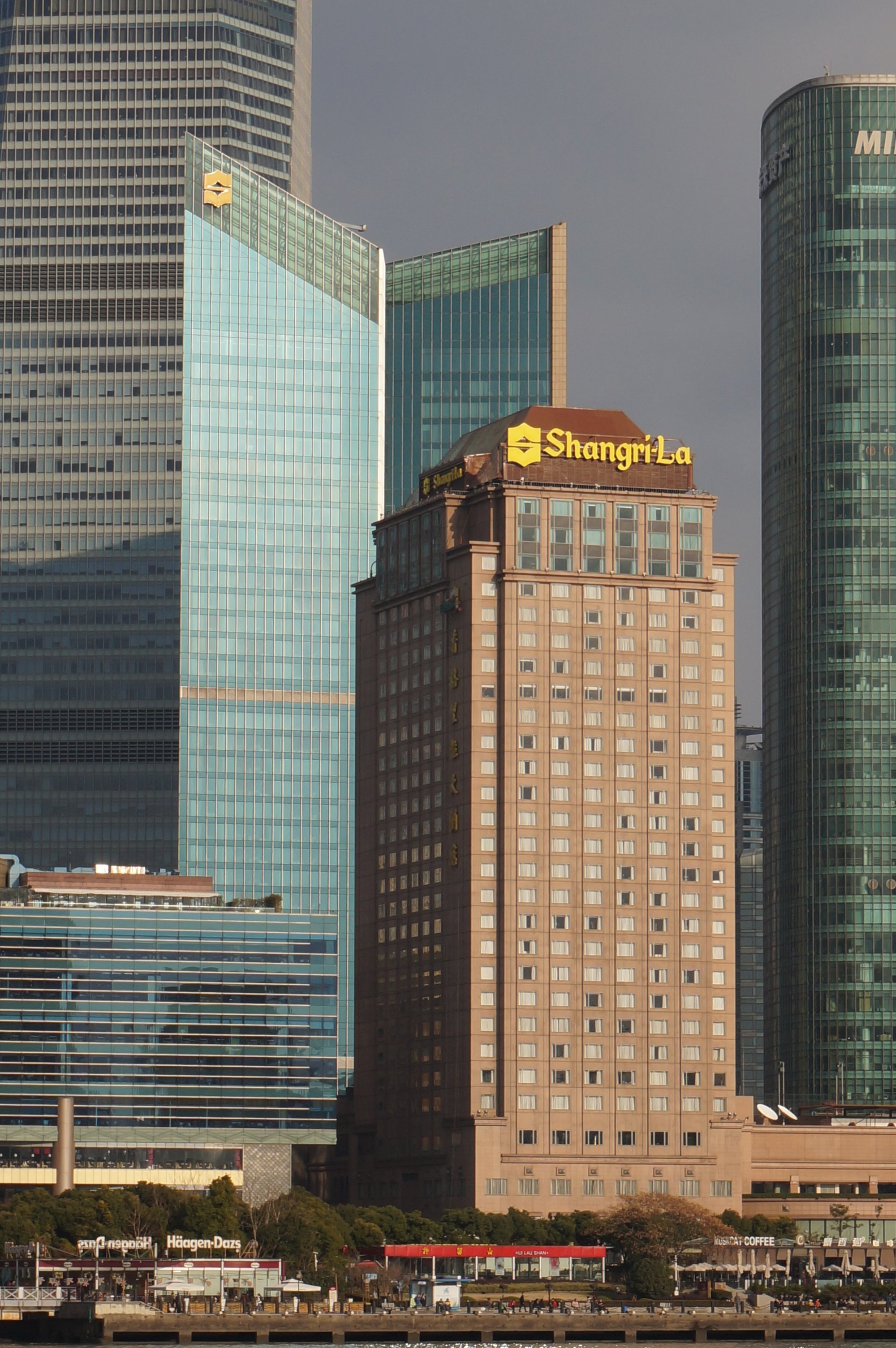

Pudong Shangri-La
Lan Ni Du, Shanghai
Hotel in Shanghai, China
 Book with Pearl
The Read
Bund-Facing Scale
Why go
Pudong Shangri-La is a practical Lujiazui choice for repeat Shanghai travelers who value location, loyalty benefits, and a low-friction business base. It is easier to justify for Pudong meetings and river access than for a design-led leisure trip, where Amanyangyun or Bvlgari Hotel Shanghai may make more sense.
About Pudong Shangri-La
Pudong Shangri-La is a Shanghai hotel with a smart-casual dress code and a La Liste Top Hotels 2026 recognition of 95pts. For trip-critical details such as room types, dining, amenities, service format, pricing, and operating details, check directly with the hotel before booking.
If the La Liste Top Hotels 2026 score matters to you, Pudong Shangri-La belongs on the shortlist. If your choice depends on a particular neighborhood, view, room category, restaurant, spa, family program, or business amenity, verify those details with the hotel before committing.
Use it as a Shanghai hotel option, with details to confirm
The case for Pudong Shangri-La is simple: it is in Shanghai, its dress code is smart casual, and it has a La Liste Top Hotels 2026 score of 95pts. Those facts support considering it as part of a premium Shanghai hotel search. If benefits such as upgrades, views, access privileges, meeting convenience, or repeat-stay recognition matter to you, check current hotel information before booking.
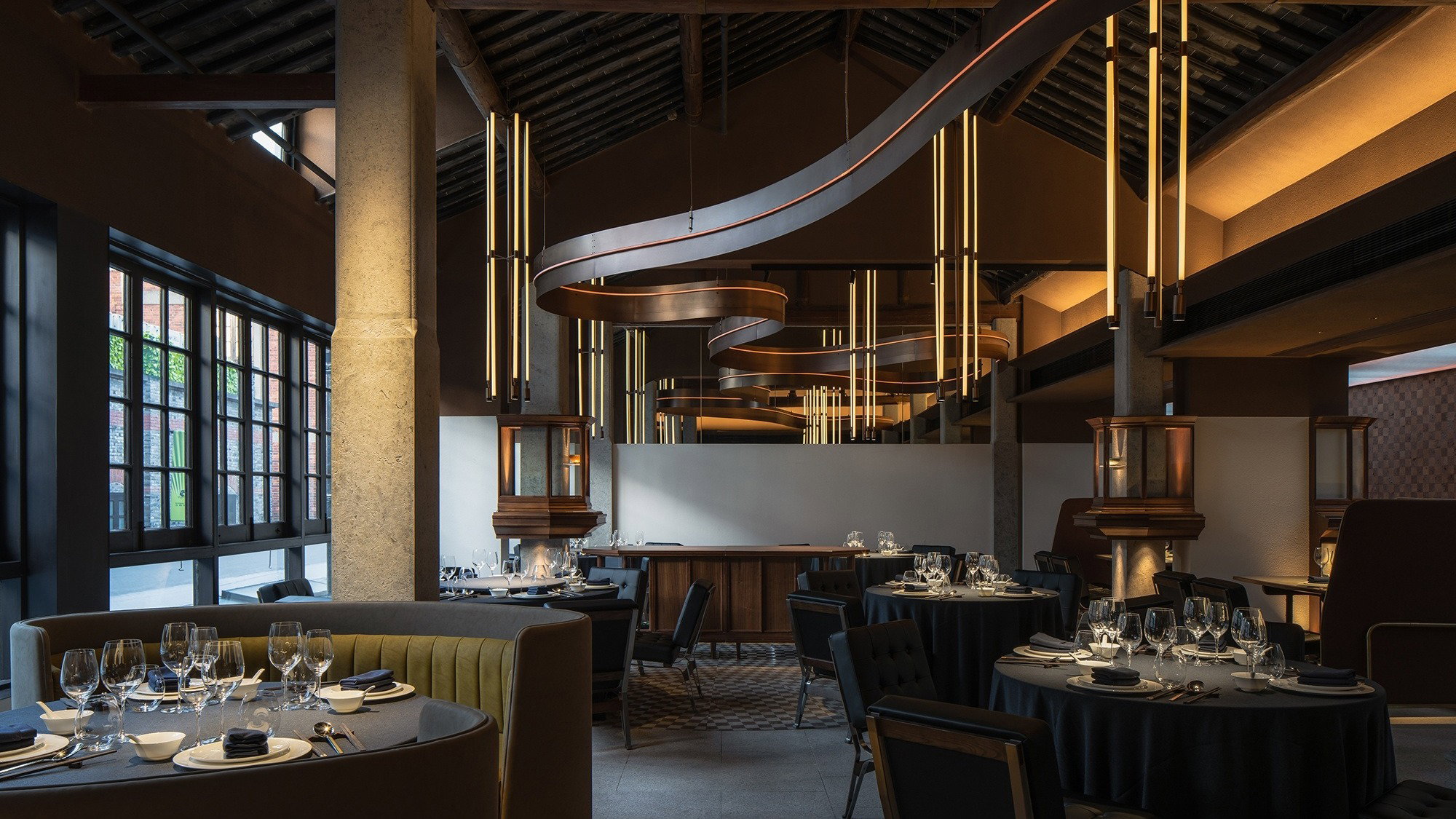
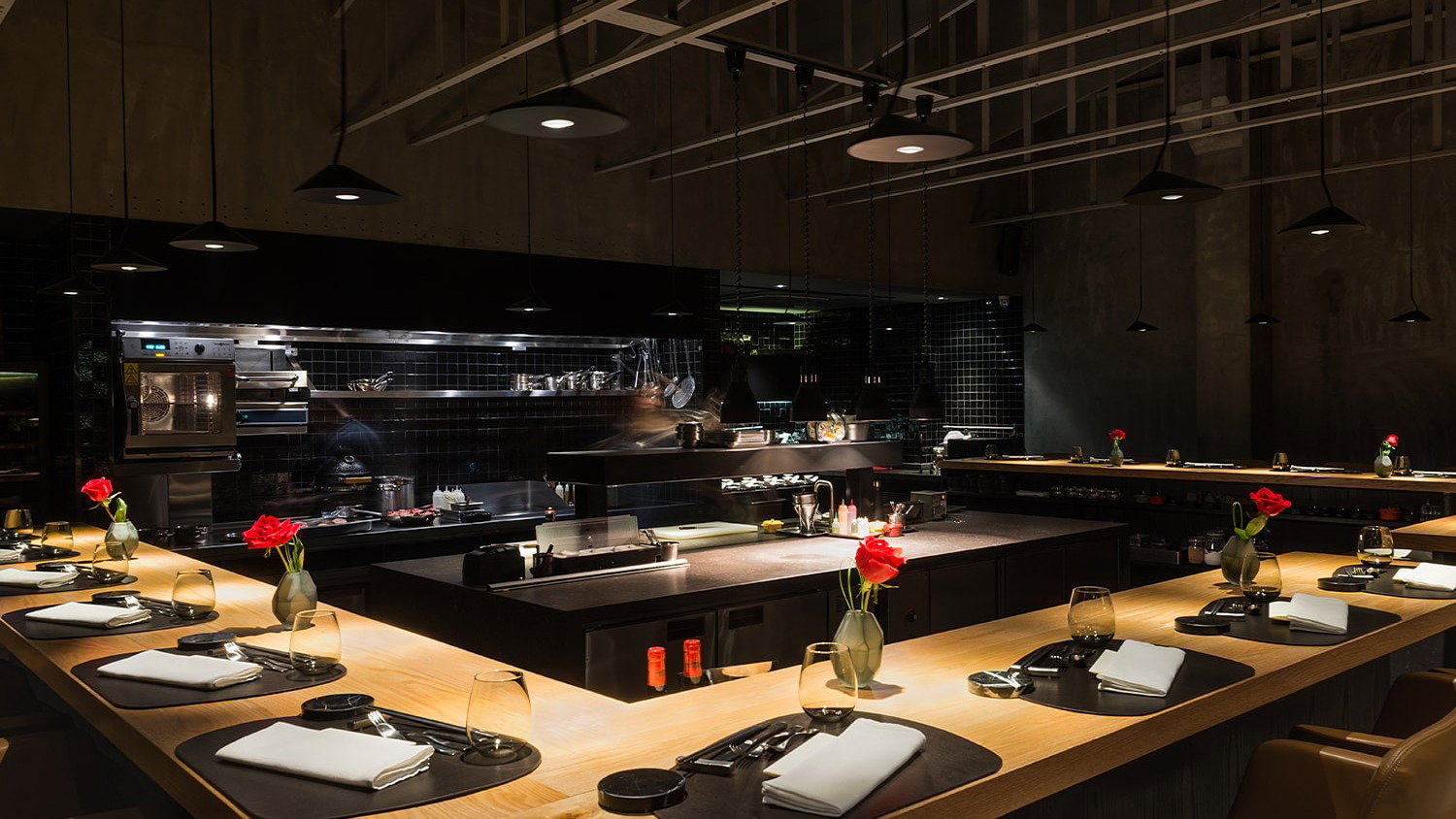
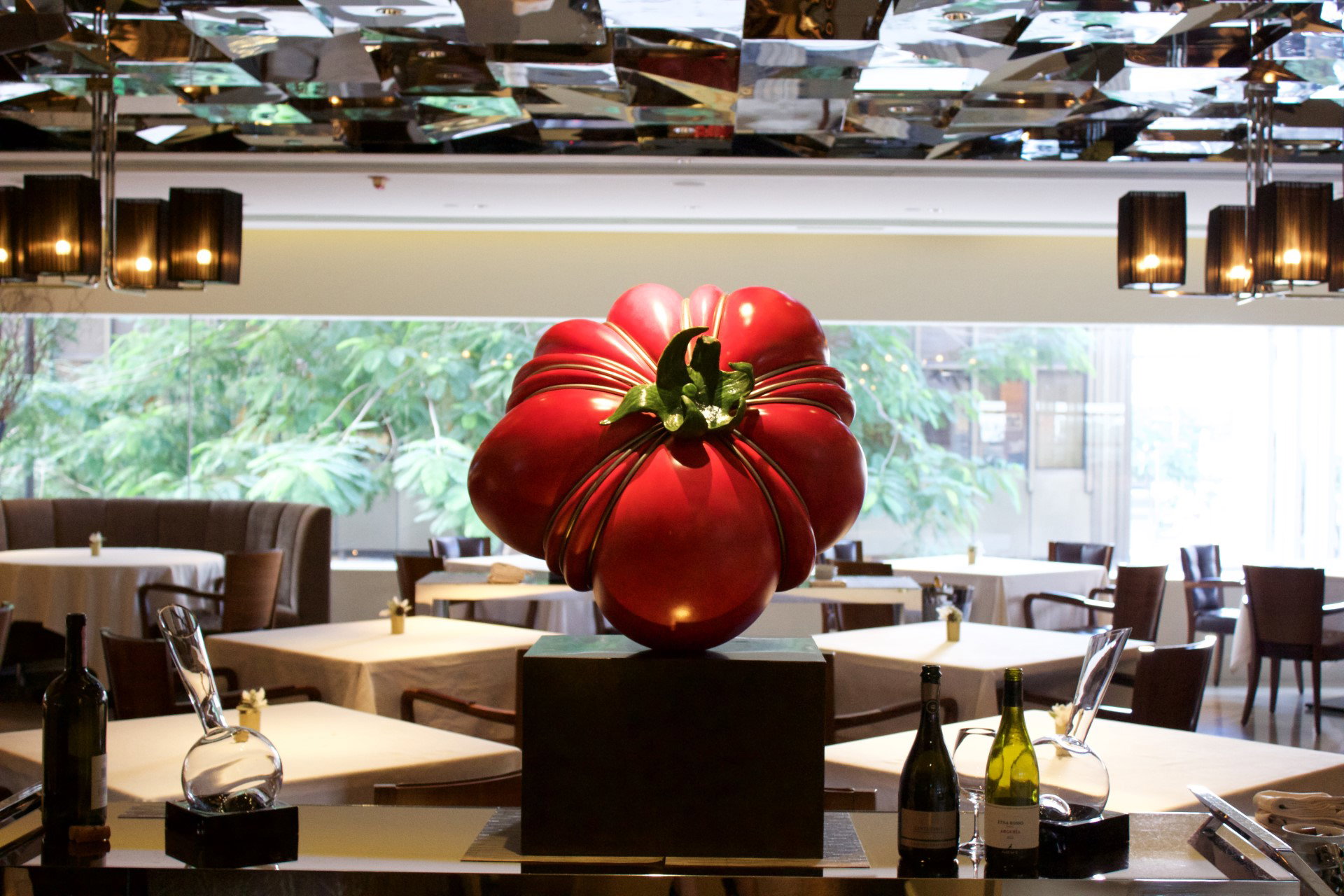
Dining is best handled as a pre-booking check rather than an assumed strength. If a specific cuisine, chef, restaurant format, menu style, price point, or service hour is important, check current hotel information for on-property dining details. If food is a major part of the trip, plan separately through our full Shanghai restaurants guide. For bars and late drinks, compare the wider city through our full Shanghai bars guide.
Where it sits in a Shanghai hotel shortlist
For a Shanghai hotel shortlist, Pudong Shangri-La can be compared with J Hotel Shanghai Tower, Park Hyatt Shanghai, The Ritz-Carlton Shanghai, Pudong, Waldorf Astoria Shanghai on the Bund, and 上海万达瑞华酒店. The useful distinction is whether each hotel's current details match the purpose of the stay.
For a broader Shanghai scan, use our full Shanghai hotels guide. Any final comparison should be based on current official hotel information, especially for room categories, dining, facilities, location specifics, and rates.
China and regional hotel cross-shopping can become broad quickly, but the relevant comparison set should stay focused on Pudong Shangri-La and other Shanghai options with details you can check directly. If you are choosing between Pudong Shangri-La and another hotel, confirm the practical factors that matter most for your trip.
Part of
Shangri-La66 locations on PearlInside Pudong Shangri-La
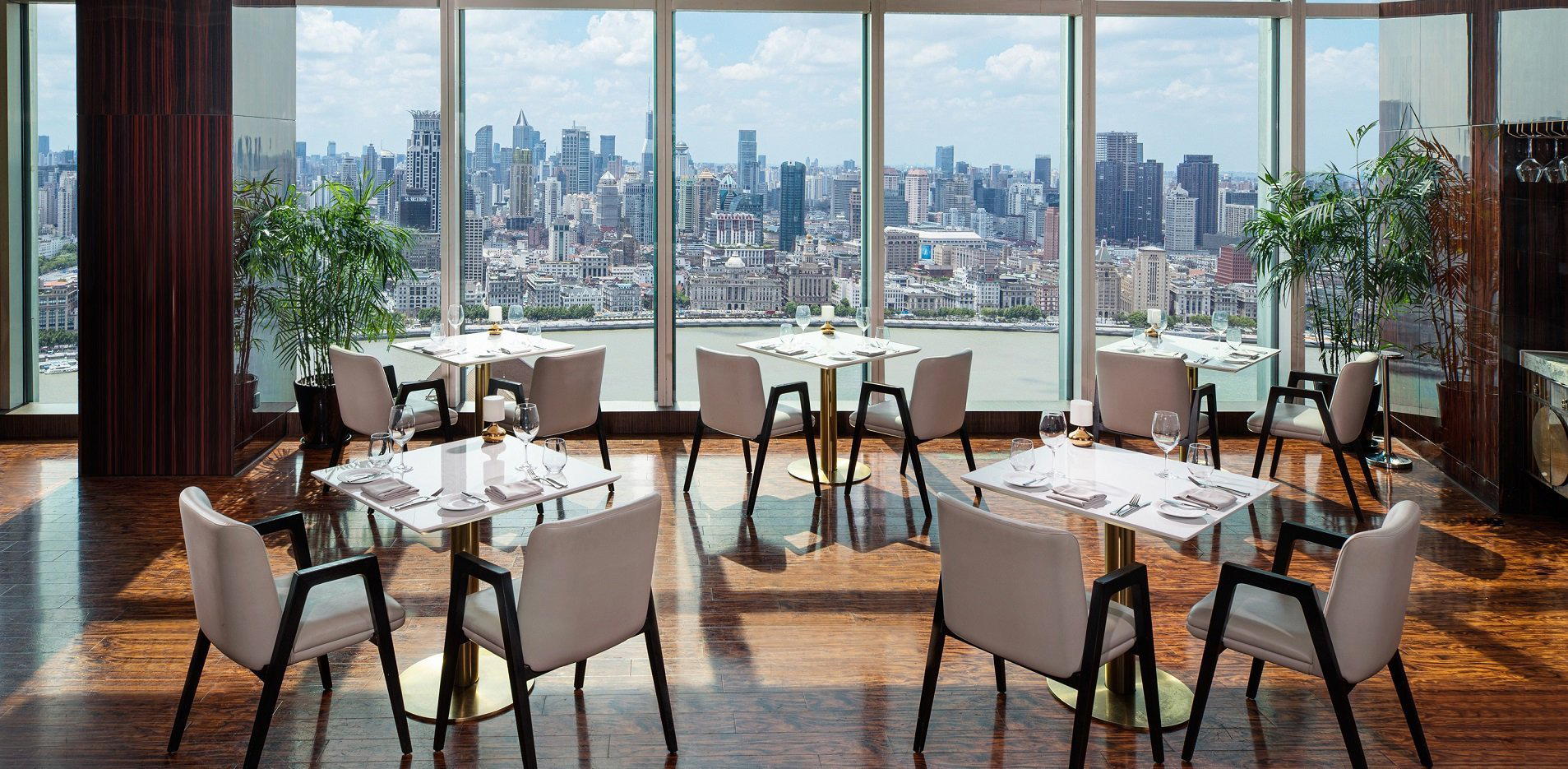 restaurantJade on 36On the 36th floor of the Hyatt on the Bund, Jade on 36 occupies one of Shanghai's most commanding dining rooms, with floor-to-ceiling views over the Huangpu River and Lujiazui skyline. Chef Olivier Pistre delivers French contemporary cooking rooted in classical technique, with Mediterranean inflections and a menu built around refined, seasonal produce. Recognised with a Michelin Plate in 2024 and ranked among Asia's top restaurants by Opinionated About Dining, it remains Pudong's benchmark for serious French dining.
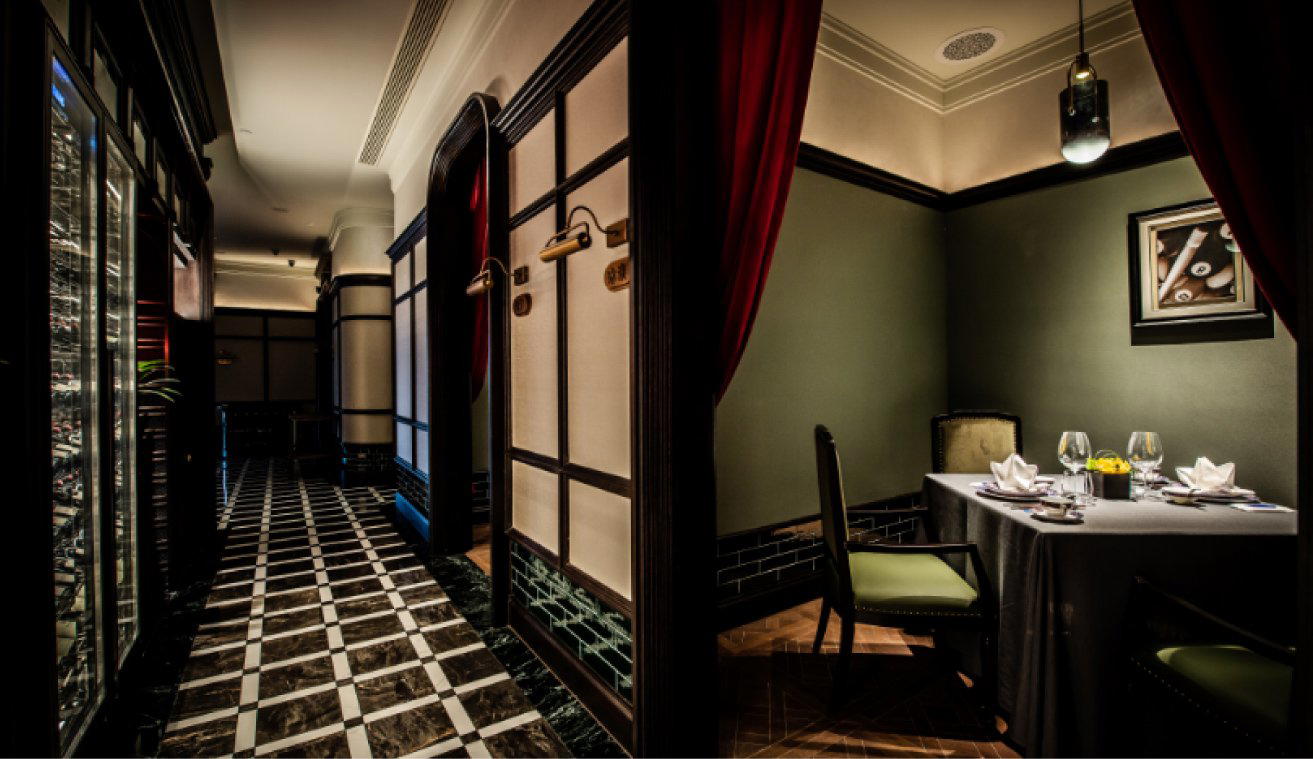 restaurantGRAND BOATA Black Pearl 1 Diamond recipient for 2025, GRAND BOAT occupies a Lujiazui address on Fucheng Road that places it squarely within Pudong's premium dining tier. The recognition aligns it with a comparable set of fine Chinese restaurants where menu architecture and ingredient sourcing carry more weight than casual dining formats. Book ahead and expect the formality that such recognition demands.
Planning details
- Location
- 33 Fu Cheng Lu, Lujiazui, Pu Dong Xin Qu, Shang Hai Shi, 200120
- Website
- shangri-la.com
- Phone
- +86 21 6882 8888
The take
The Take
The Vibe
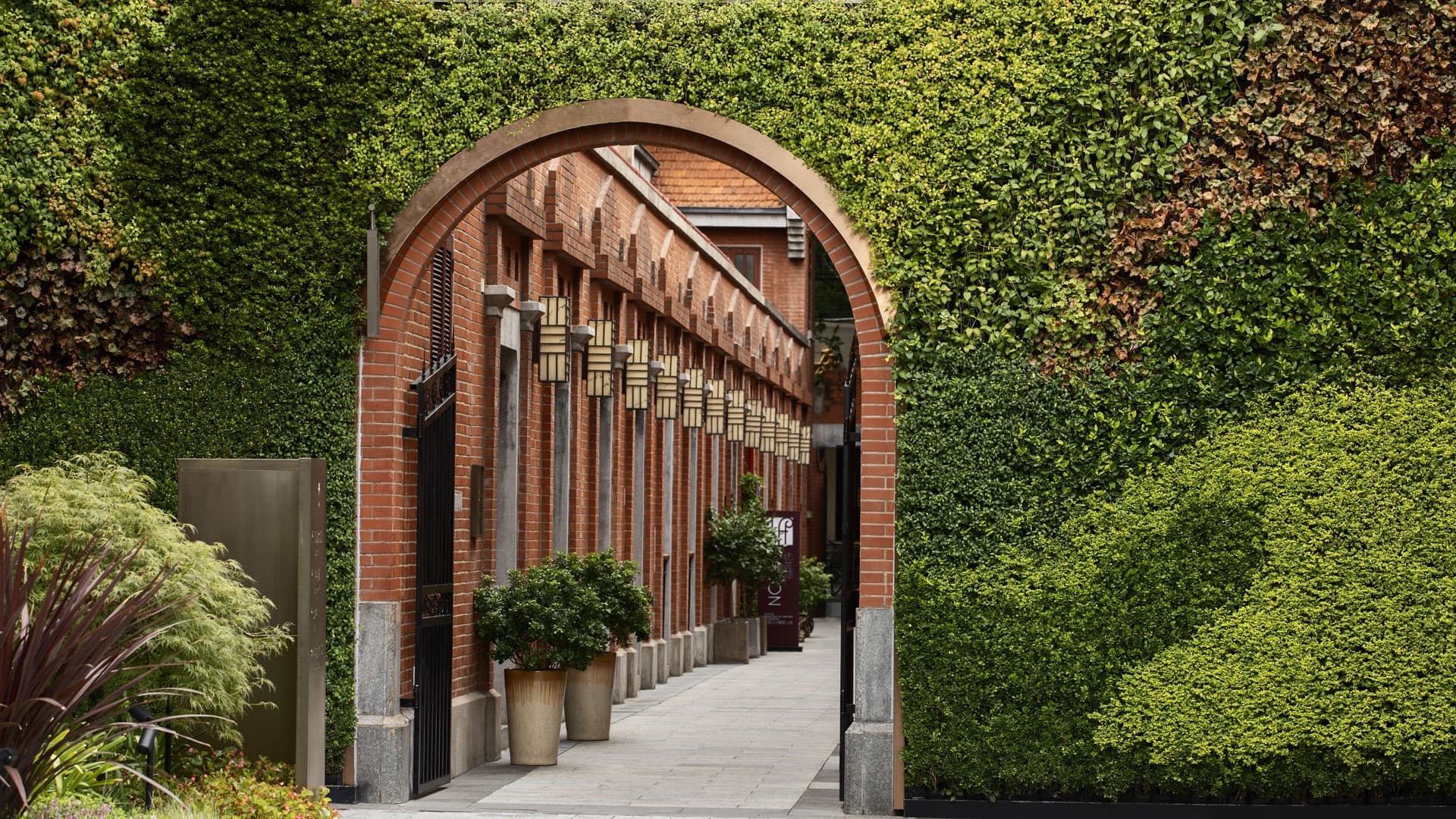
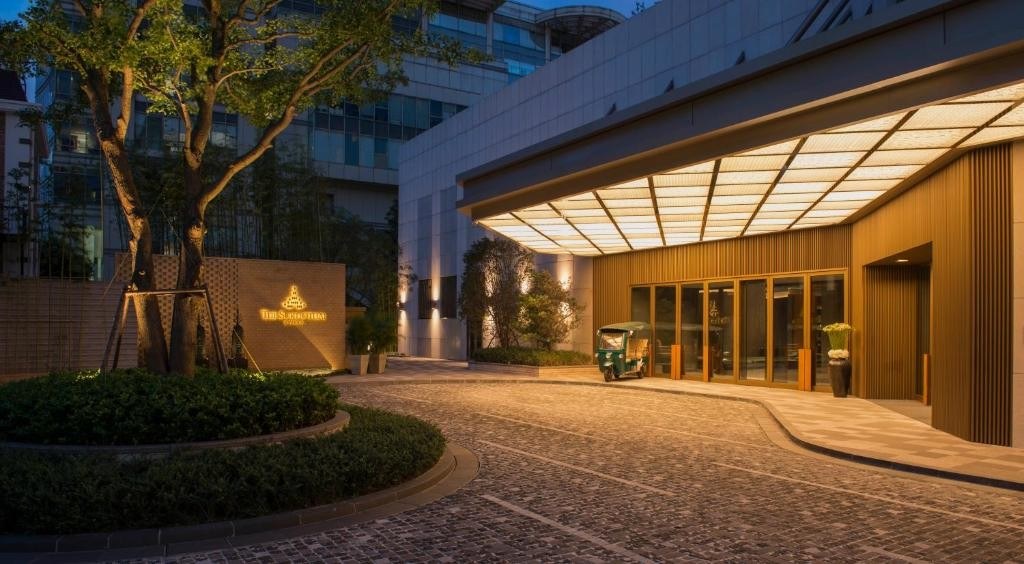
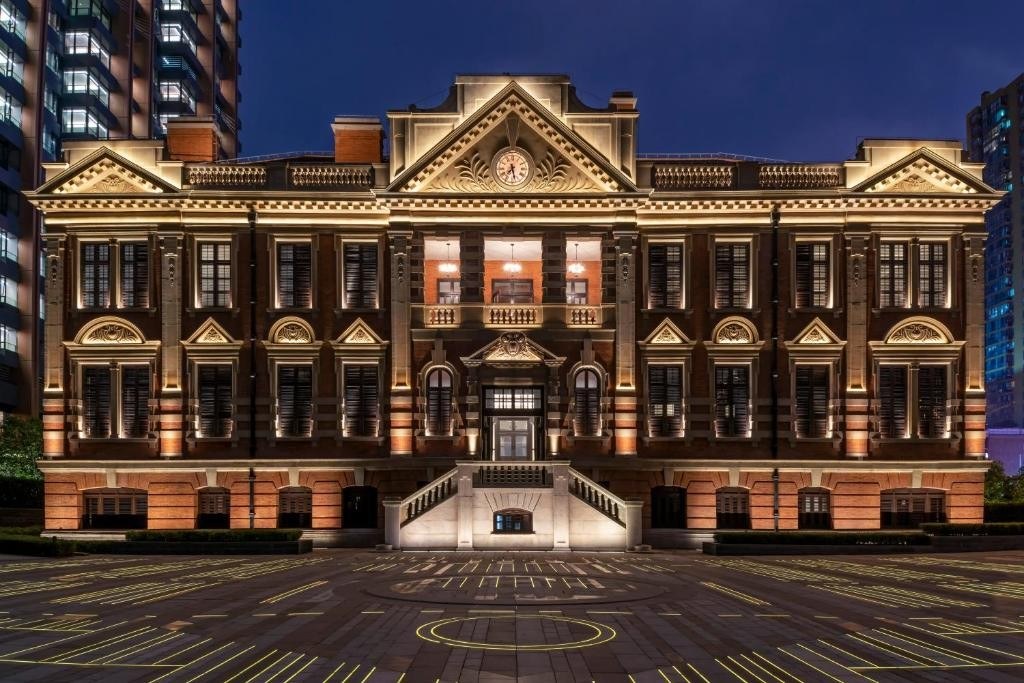
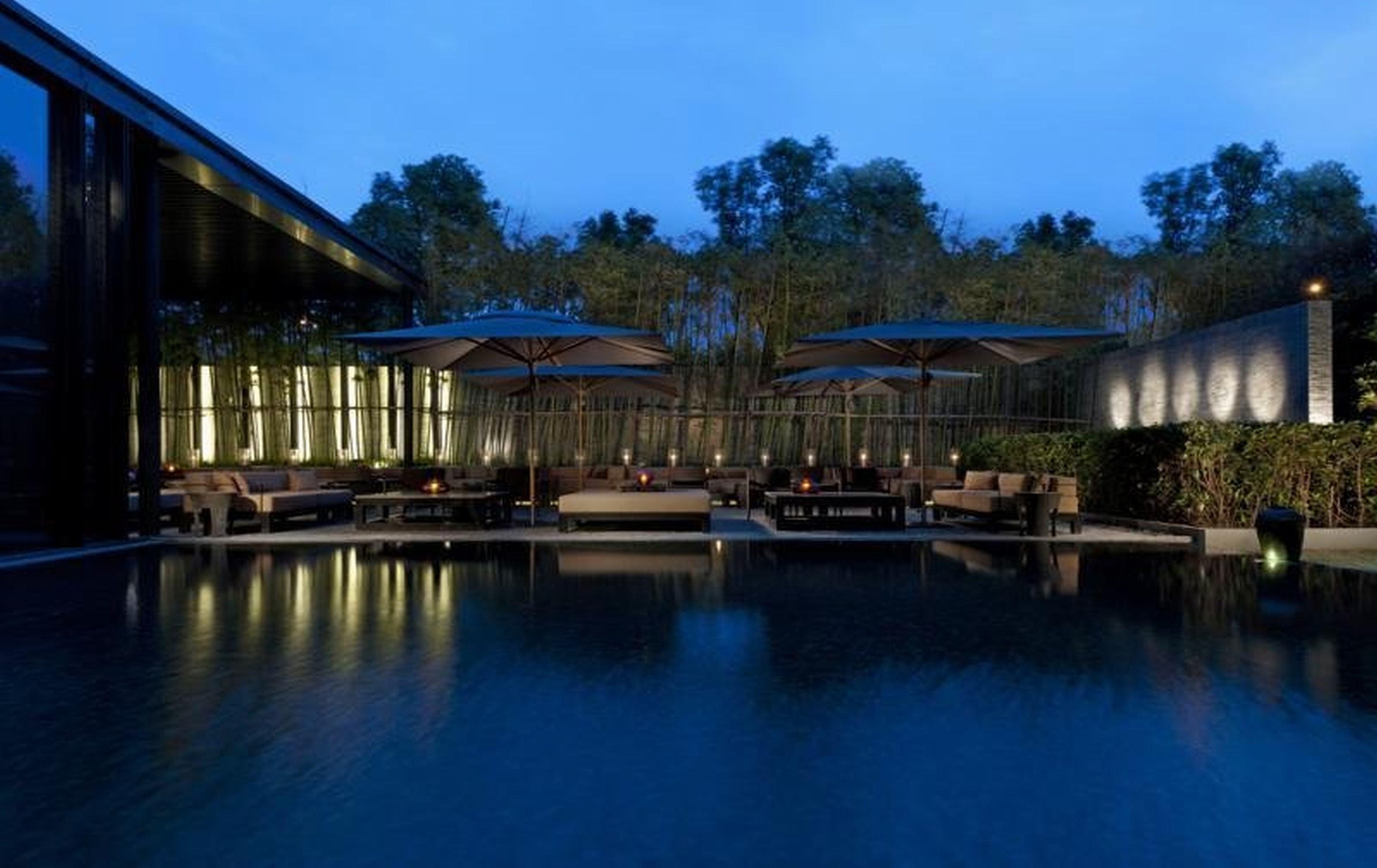
The Pudong Shangri‑La reads as a modern, large‑scale riverfront hotel that frames Shanghai as a conversation between contemporary skyline and historic Bund. Its placement on 33 Fu Cheng Lu and orientation across the Huangpu River make the view central to the experience — the city’s vertical silhouette becomes the primary backdrop. The twin‑tower configuration underscores the property’s scale and institutional presence in Lujiazui: it operates like a full‑service international address rather than a boutique hideaway. The overall tone is polished and contemporary, where architecture and riverside sightlines shape the guest impression as much as interior appointments.
Best For
This hotel suits travelers who prioritize a commanding riverfront position and easy access to Lujiazui’s financial district. Business travelers and groups seeking a full‑service international property in the heart of Pudong find the scale and infrastructure useful, while couples appreciate the cinematic axis between modern Pudong and the historic Bund across the water. The twin‑tower layout means room choice matters to make the most of the outlook; the property presents itself as a location‑driven stay where views and proximity to the skyline define the visit.
Stay Tips
When booking, request a river‑facing room and specify preference for the tower and orientation: the description makes clear that the two towers have different floor plates and room orientations, which can materially affect the view. Ask the reservations team for rooms that explicitly overlook the Huangpu River or the Bund skyline. For business stays, confirm floor location relative to conference and service areas to match scale and convenience. Avoid assuming every room has the same outlook — the hotel's twin‑tower layout means the experience varies by placement.
Venue details
Ambiance
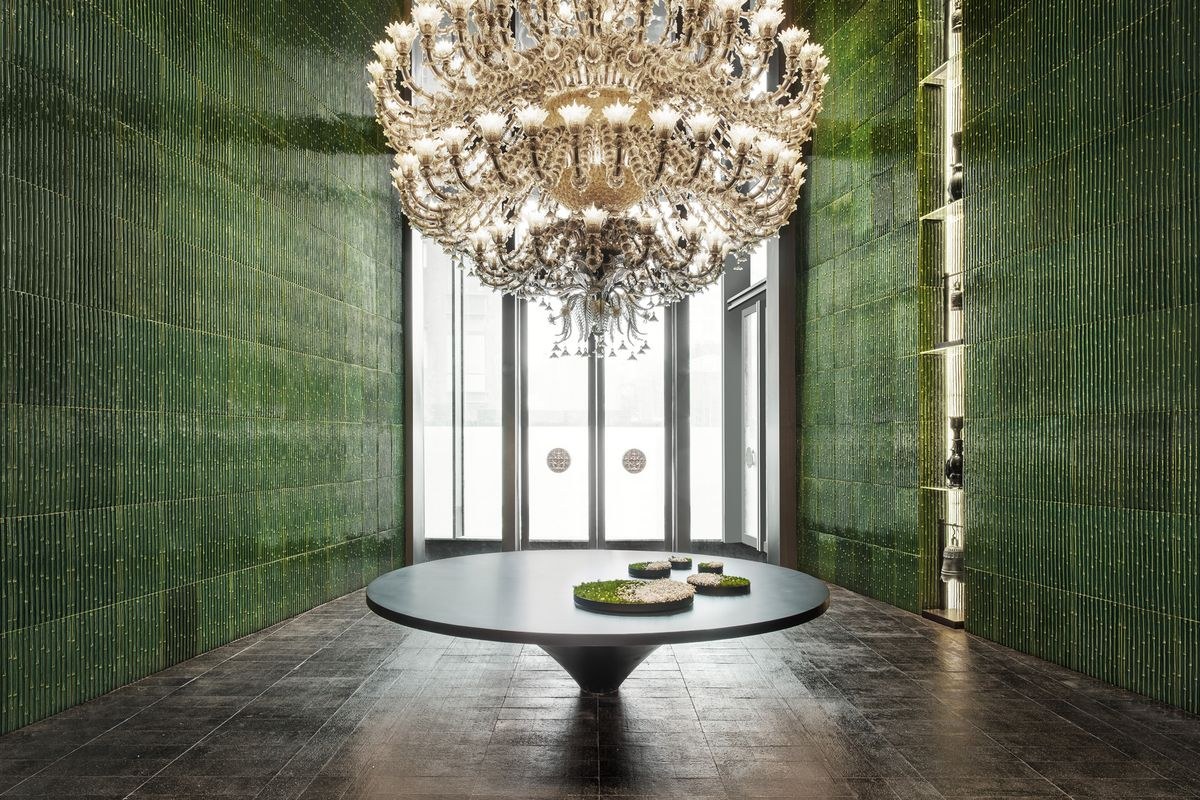
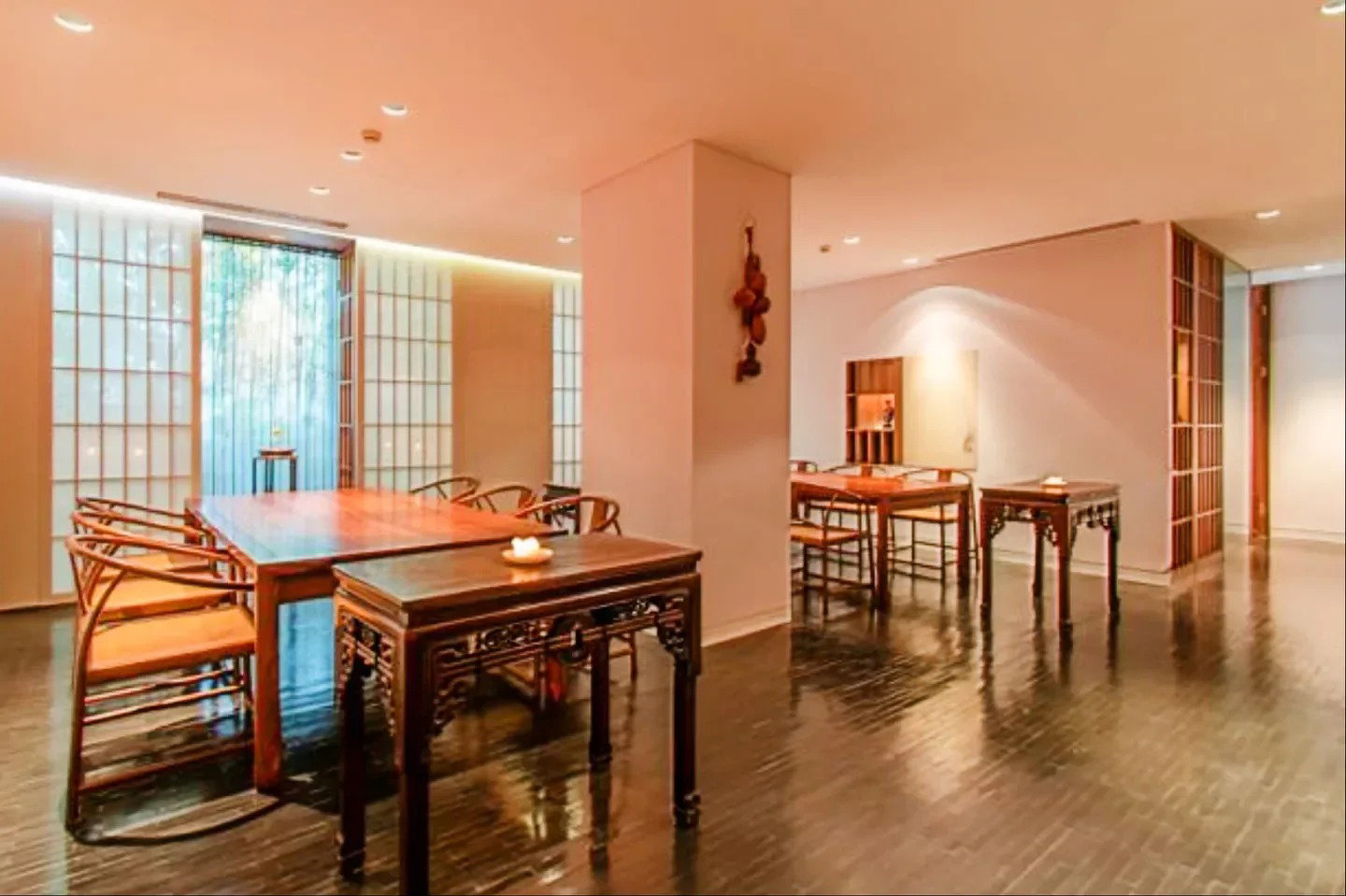
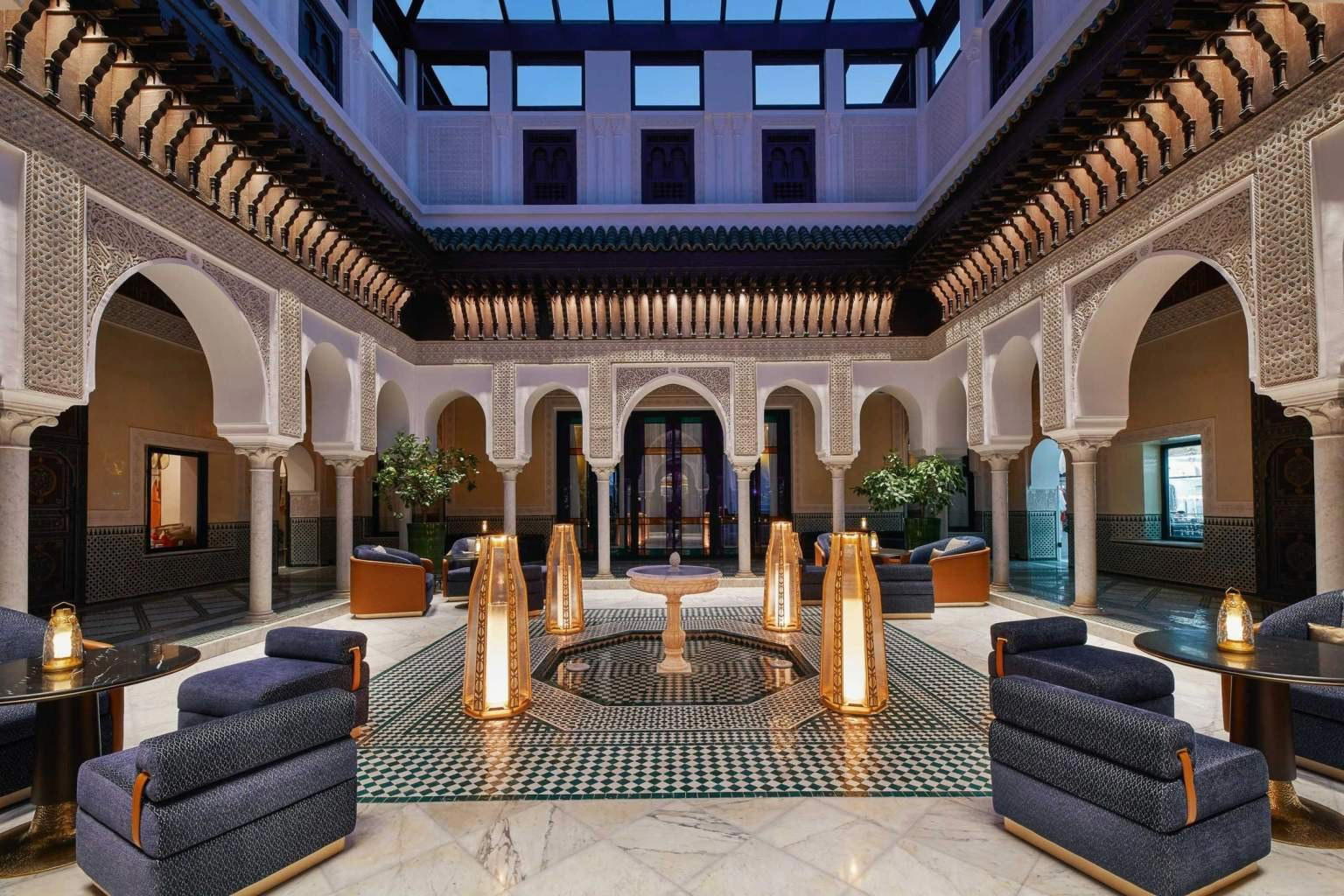
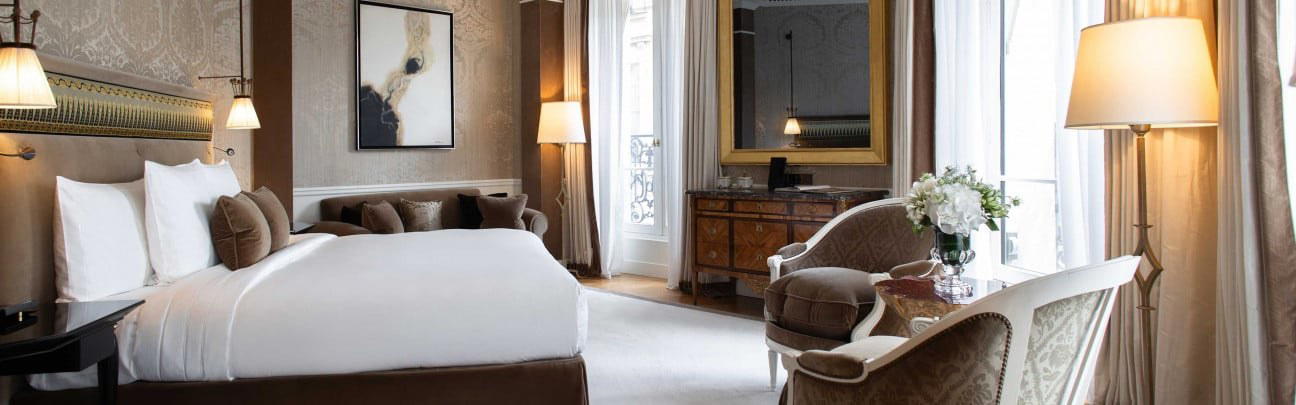
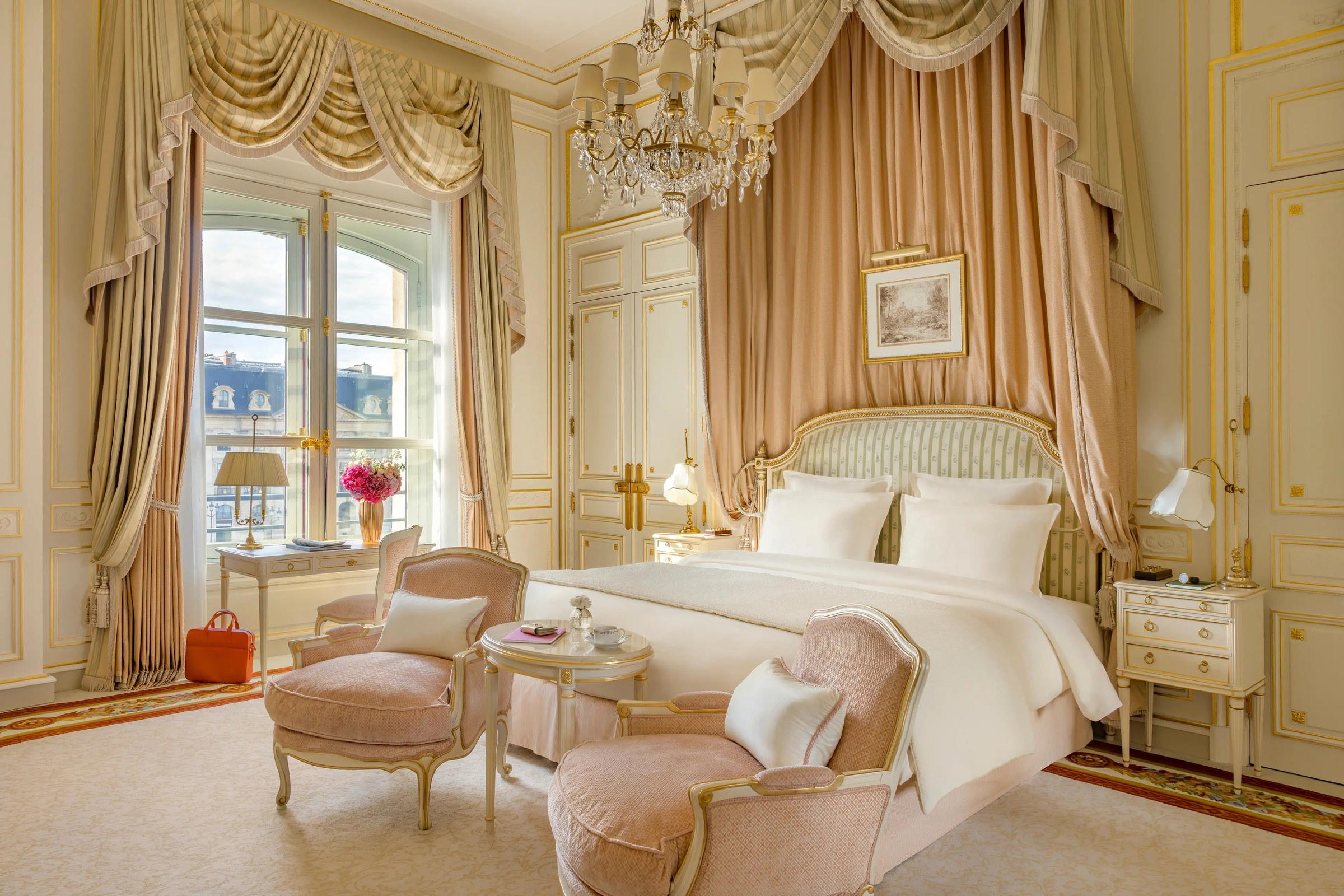
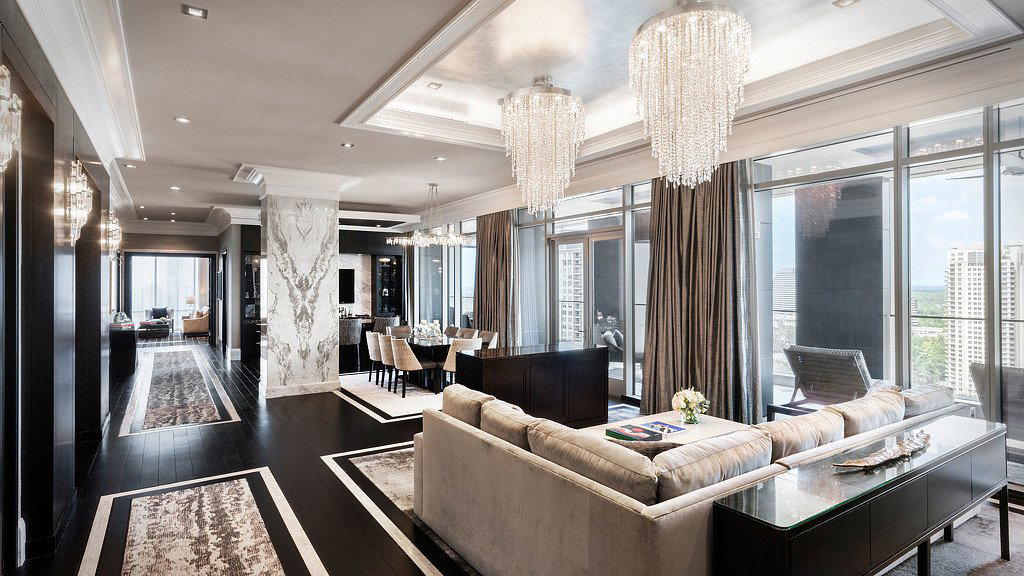
Luxurious and refined atmosphere with elegant lighting, spacious rooms featuring premium bedding, and stunning city or river vistas praised in guest reviews.
Tags
Vibe
Best For
Experience
Amenities
View
Accessibility
About the Stay
- Rooms
- 950
- Check-in
- 14:00
- Check-out
- 12:00
- Property Style
- Dual Wing Luxury Property with Classic River Wing and Contemporary Grand Tower
- Design Style
- Elegant and Spacious with Premium Bedding, Egyptian Cotton Linens, and Modern Luxury Finishes
- Airport Transfer
- Available
- Pool
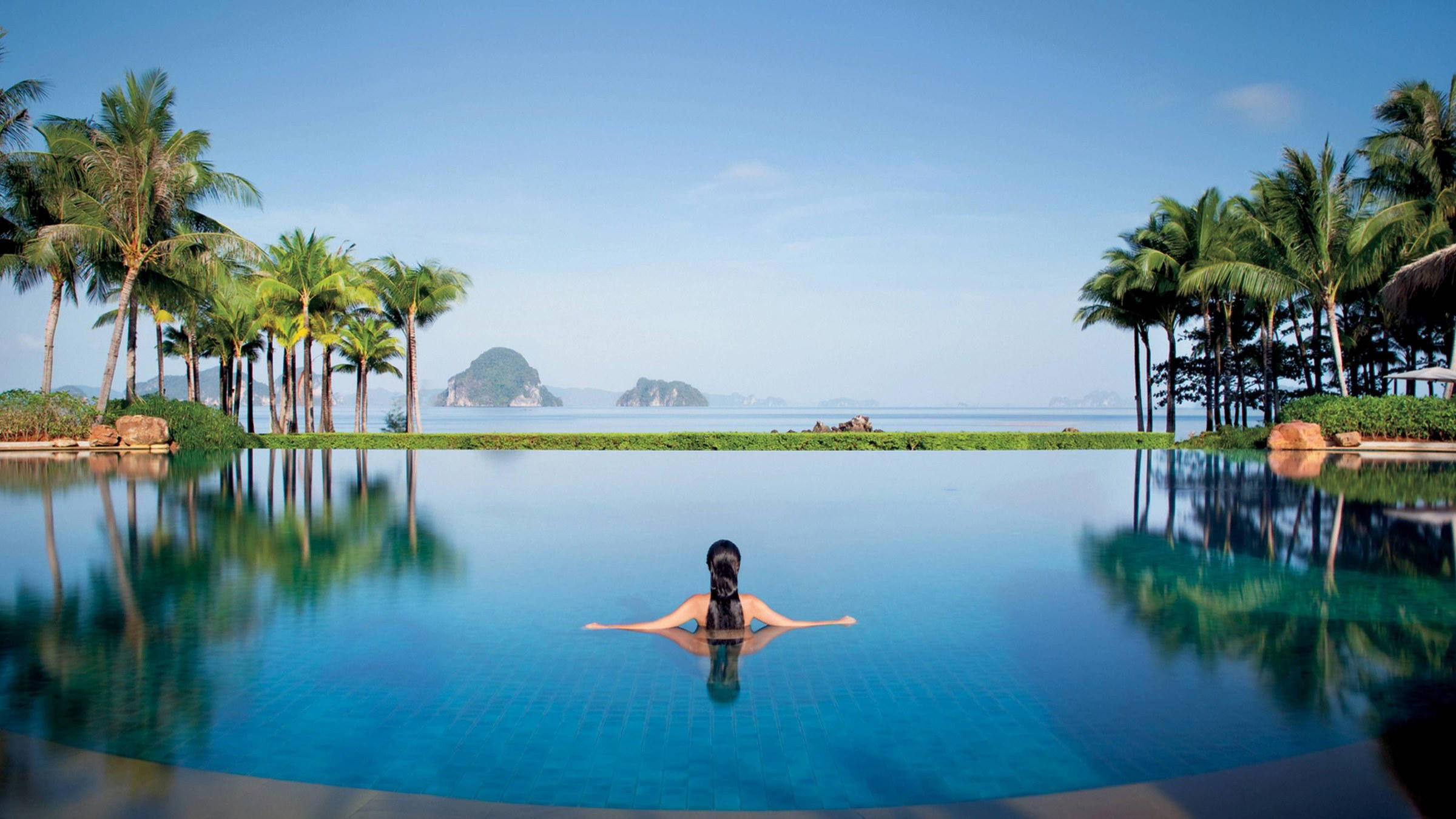
- Yes
- Spa
- Yes
- Families
- Welcome
- Cancellation
- Moderate
Know before you go
Know Before You Go
- Getting there
- 33 Fu Cheng Lu, Lujiazui, Pu Dong Xin Qu, Shang Hai Shi, 200120
Planning details
Location
33 Fu Cheng Lu, Lujiazui, Pu Dong Xin Qu, Shang Hai Shi, 200120 · Directions
Recognition and awards

Also consider
Also Consider
- The Ritz-Carlton Shanghai, Pudong, Notable alternative
- J Hotel Shanghai Tower, Notable alternative
- Park Hyatt Shanghai, Notable alternative
- 上海万达瑞华酒店, Notable alternative
- Waldorf Astoria Shanghai on the Bund, Notable alternative
Hotel context
How it compares in Shanghai
Choose Pudong Shangri-La when Pudong access and repeat-stay value matter more than making the hotel itself the main event. The Ritz-Carlton Shanghai, Pudong is the sharper luxury comparison nearby, while J Hotel Shanghai Tower is the stronger pick for travelers who want the skyline-height statement.
Park Hyatt Shanghai suits guests who prefer a more restrained high-rise stay, while Waldorf Astoria Shanghai on the Bund is better if the trip is oriented around the Bund rather than Lujiazui. 上海万达瑞华酒店 is the one to compare if the priority is a more local luxury read within Shanghai rather than an international-chain default.
Booking difficulty is easy relative to the more statement-driven peers, which is part of the appeal. For business travel, this is the safe, efficient choice; for a special-occasion stay, compare the Ritz-Carlton, J Hotel, or Waldorf Astoria before committing.
Explore Shanghai
Around this place
Discover more on Pearl
Unlock the full Pudong Shangri-La guide in Pearl, including awards, comparisons, FAQs, planning details, and nearby places.
Compare Pudong Shangri-La
| Venue | Location | Awards |
|---|---|---|
| Pudong Shangri-La | Shanghai | 2026 La Liste Top Hotels |
| The Ritz-Carlton Shanghai, Pudong | Shanghai | 2026 Virtuoso Luxury Hotel Collection2026 Forbes 4-Star2026 La Liste Top Hotels2025 Forbes 4-Star2025 Michelin 1 Key |
| J Hotel Shanghai Tower | Shanghai | 2026 Virtuoso Luxury Hotel Collection2026 Forbes RecommendedLeading Hotels of the World 20262025 Forbes Recommended |
| Park Hyatt Shanghai | Shanghai | 2026 Forbes 4-Star2026 Virtuoso Luxury Hotel Collection2026 La Liste Top Hotels2025 Michelin Selected Hotels2025 Forbes 4-Star |
| 上海万达瑞华酒店 | Shanghai | No published awards |
| Waldorf Astoria Shanghai on the Bund | Shanghai | 2026 Forbes 4-Star2026 Virtuoso Luxury Hotel Collection2026 La Liste Top Hotels2026 Michelin 1 KeyWorld Travel Awards 20252025 Michelin Selected Hotels2025 Forbes 4-Star |







How Pudong Shangri-La Shanghai compares with similar nearby venues.
FAQ
Frequently Asked Questions
How is the dining at Pudong Shangri-La?
If a specific cuisine type, chef, restaurant format, menu, price point, or dining hour is important, confirm dining details directly with the hotel before booking.
Which room category is best at Pudong Shangri-La?
Is Pudong Shangri-La family-friendly?
Is Pudong Shangri-La good for business travel?
Pudong Shangri-La is in Shanghai and has a La Liste Top Hotels 2026 score of 95pts; confirm meeting spaces, commute details, and business amenities directly before booking.