
Habo Hotel Shanghai
Huangpu, Shanghai
Hotel in Shanghai, China
 Book with Pearl
The Read
Price
$1–100per night
Why go
Habo Hotel Shanghai is worth considering if the priority is a central Huangpu base with design-hotel credibility rather than a points-driven luxury stay. Its 2026 Design Hotels membership is the clearest trust signal; the value case depends on rate, location, and how much service depth you expect.
About Habo Hotel Shanghai
For travelers considering Habo Hotel Shanghai, the clearest positioning is simple: it is a Shanghai hotel with a smart casual dress code and 2026 Design Hotels Member recognition. That makes it a sensible short-list option for guests who value that hotel-selection signal.
The recommendation is conditional: book it if the Design Hotels connection and a Shanghai stay fit your priorities. The safer expectation is a Shanghai hotel with Design Hotels recognition rather than a promise of a particular hotel format.
The main trust signal is its 2026 Design Hotels membership. That does not automatically confirm high-touch service, large wellness facilities, or broad resort-style amenities, so travelers should check the details that matter to their trip before committing.
A Shanghai stay that rewards careful expectation-setting
Habo Hotel Shanghai makes the most sense for travelers who want a hotel choice anchored by its Design Hotels recognition. The value case is about deciding whether that credential is meaningful for your stay in Shanghai.
If the trip depends on specific facilities, hotel dining, spa time, family programming, or business services, verify those points directly before booking. The property may still be a good fit, but the confirmed information supports a cautious approach: treat it as a Shanghai hotel with Design Hotels recognition and avoid assuming details that have not been confirmed.
Book for confirmed positioning, not benefit certainty
Travelers chasing specific benefits, breakfast inclusions, upgrades, or late checkout guarantees should verify those details directly before booking. Habo Hotel Shanghai's value is more likely to rest on whether its Shanghai setting and Design Hotels positioning match your priorities than on any guest-benefit structure.
Before booking, compare the live rate with other Shanghai hotels and confirm any must-have details directly with the property. If the price is close to another hotel with more clearly stated service infrastructure, cross-shop carefully. If the rate and Design Hotels positioning are compelling for your trip, Habo Hotel Shanghai becomes easier to justify.
Use broader Shanghai guides if the hotel is only one part of the plan: Our full Shanghai hotels guide, Our full Shanghai restaurants guide, Our full Shanghai bars guide, and Our full Shanghai experiences guide are more useful than treating one hotel choice as the whole itinerary.
Planning details
- Location
- 160 Guizhou Rd, Huangpu, Shanghai, China, 200000
- Website
- marriott.com/en-us/hotels/shahh-habo-hotel-shanghai-a-member-of-design-hotels/overview
- Phone
- +86 21 3185 8899
The take
The Take
The Vibe
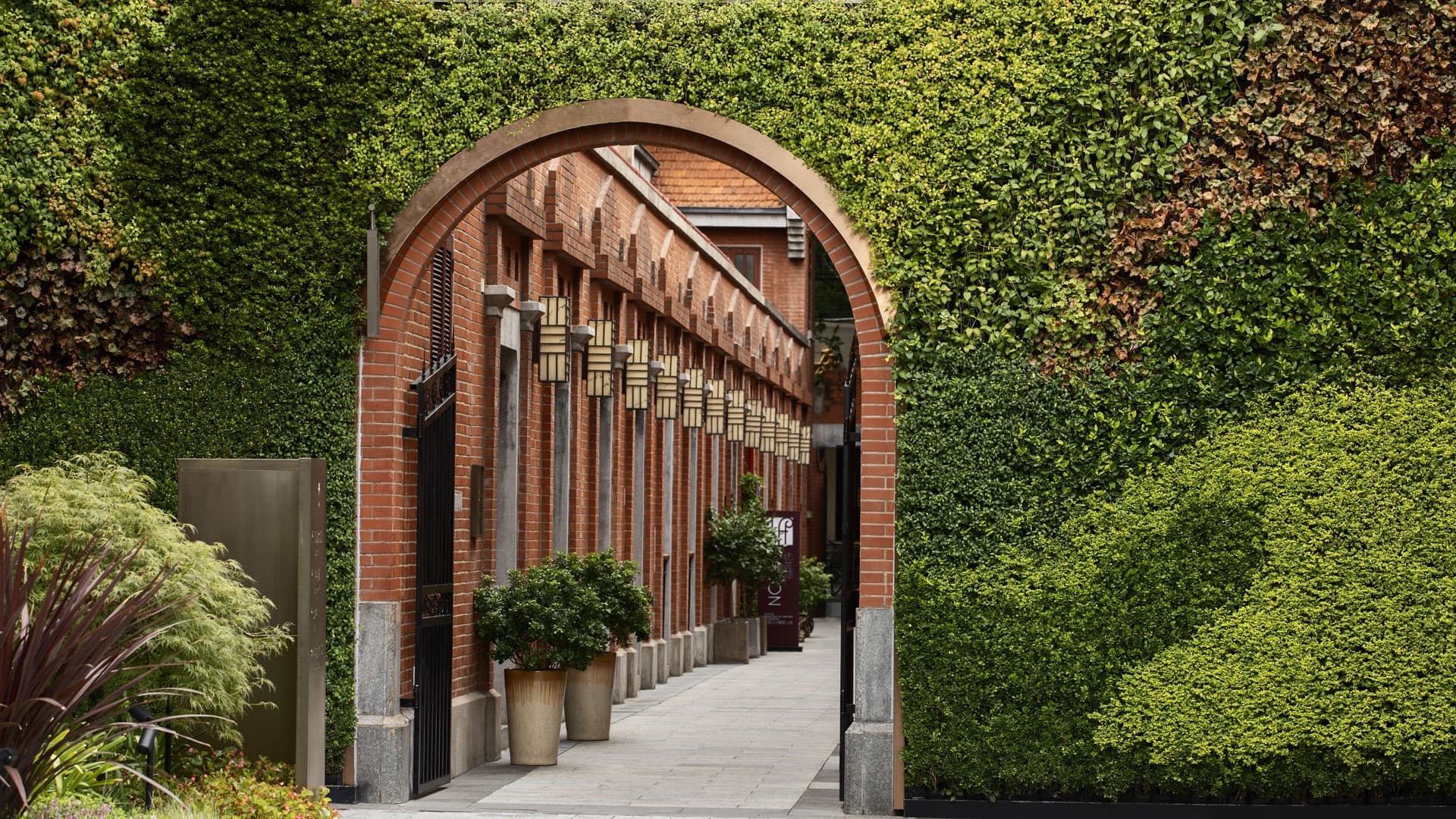
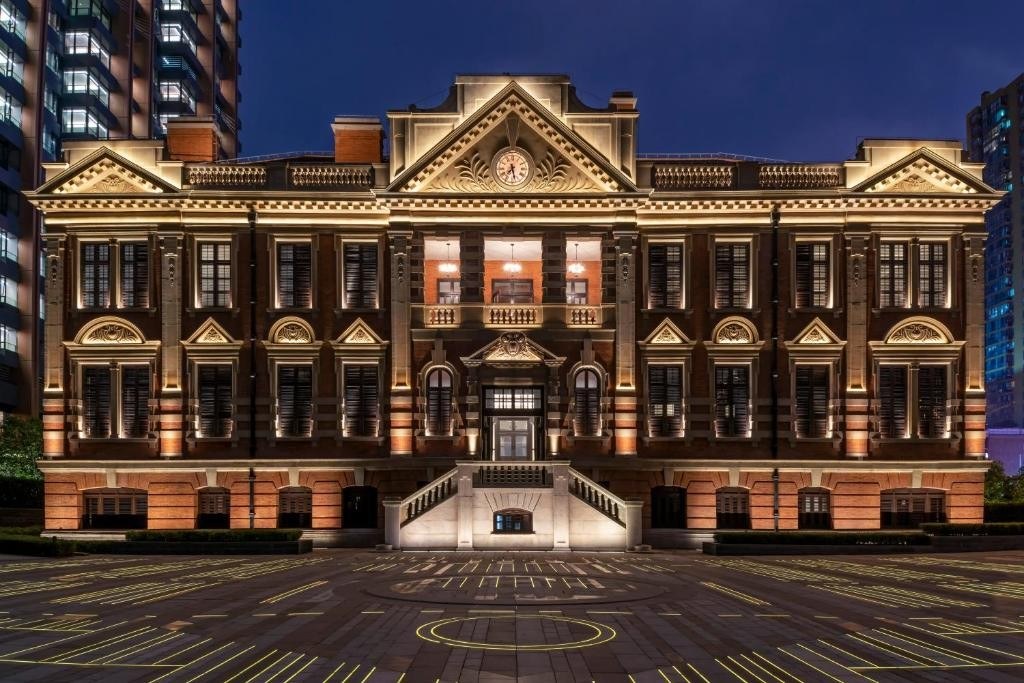
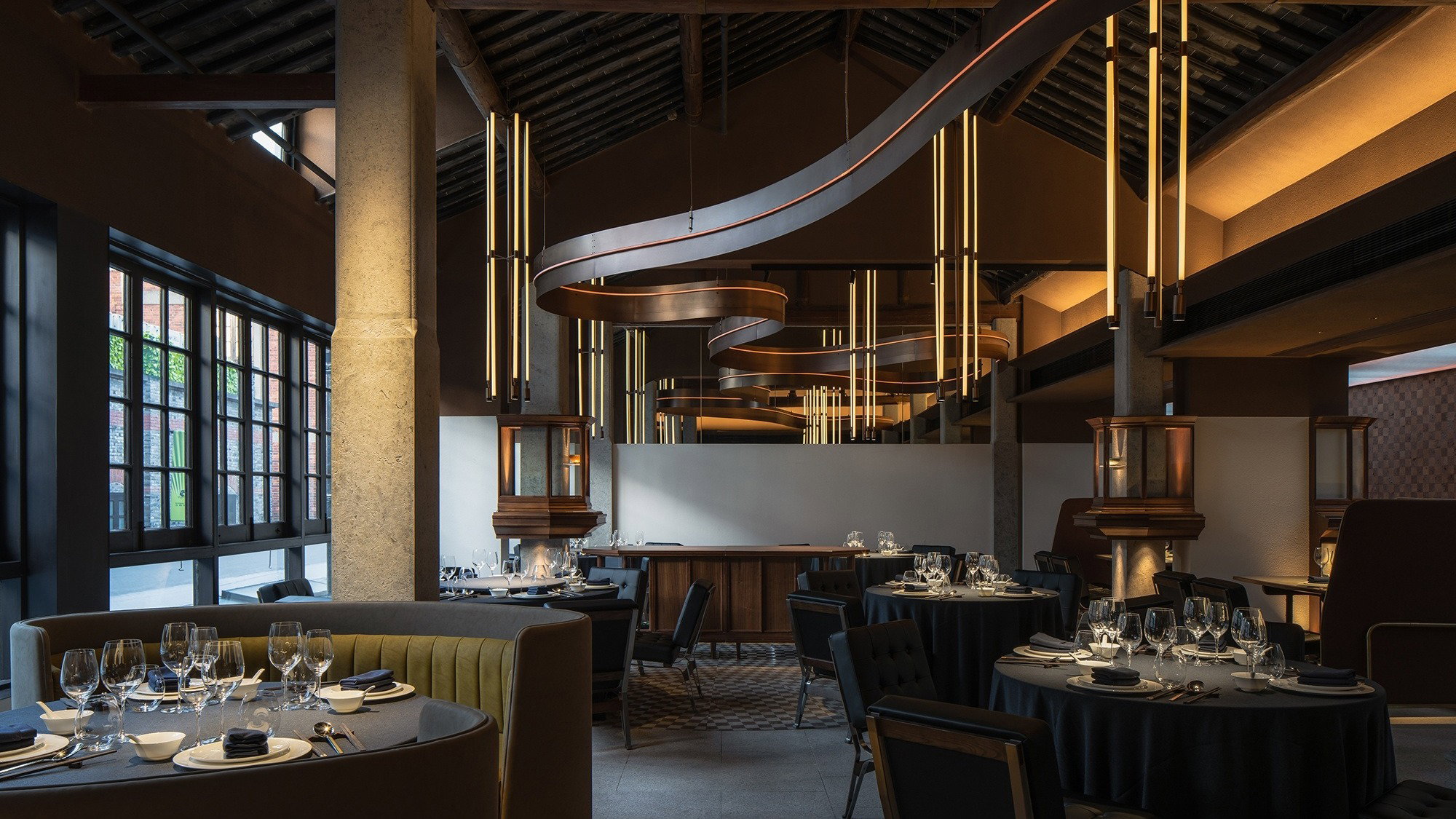
Habo Hotel Shanghai leans into the tangible history of its setting: a century-old building with stone facades and European-inflected details that anchor it in Huangpu’s layered streetscape. The property reads as a quietly dignified refuge rather than a flashily new flagship — its appeal comes from architectural provenance and a sense of continuity with Shanghai’s international-era social and cultural life. That historical character feels deliberate and lived-in, offering a classic, charming counterpoint to the newer towers that now frame the city skyline.
Best For
Habo suits travelers who prize context as much as comfort. It works well for business travelers and weekend escape itineraries (both listed in its profile), and for anyone planning a short stay focused on Shanghai’s historic core. Guests who want to explore Huangpu’s prewar architecture, narrow lanes, and nearby cultural sites find the hotel a convenient base; it also appeals to travelers who prefer a single-property experience rooted in building provenance rather than brand ubiquity.
Venue details
Ambiance
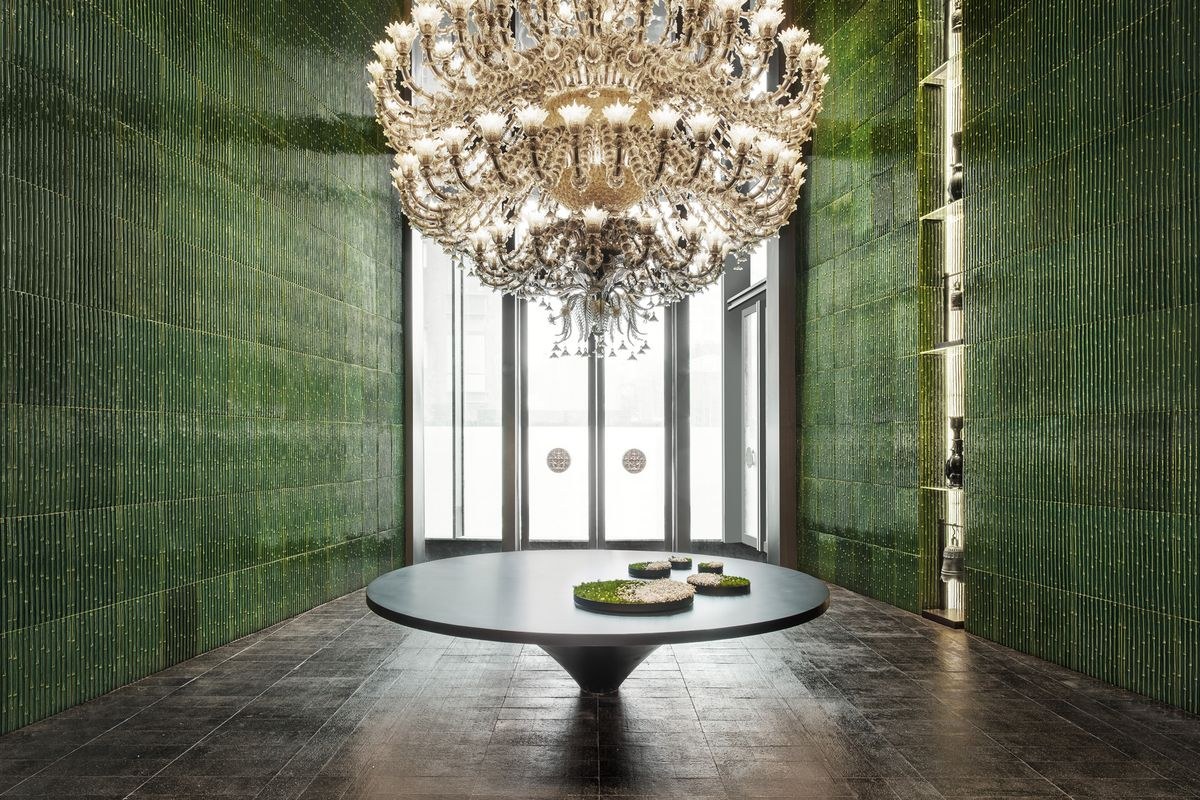
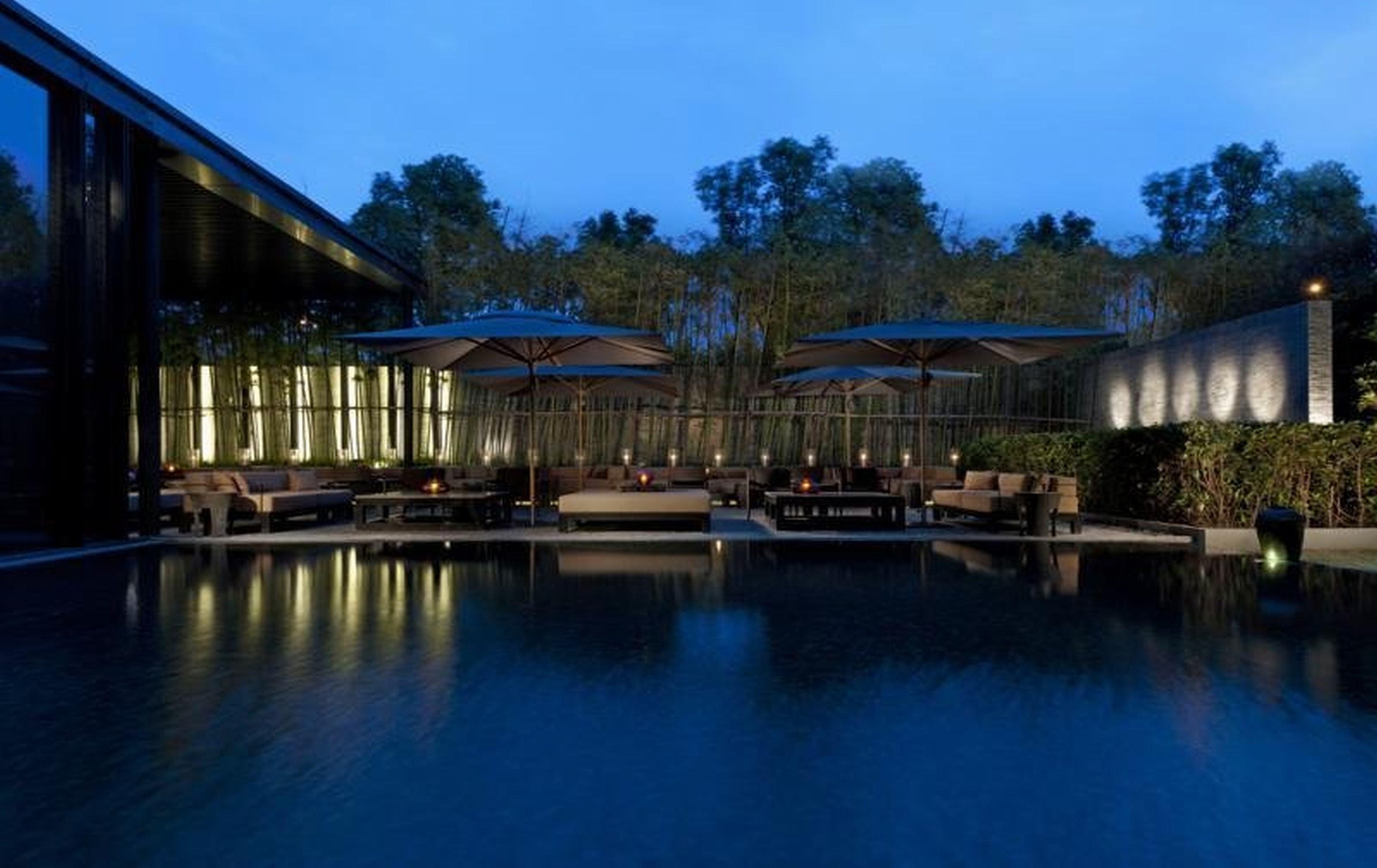
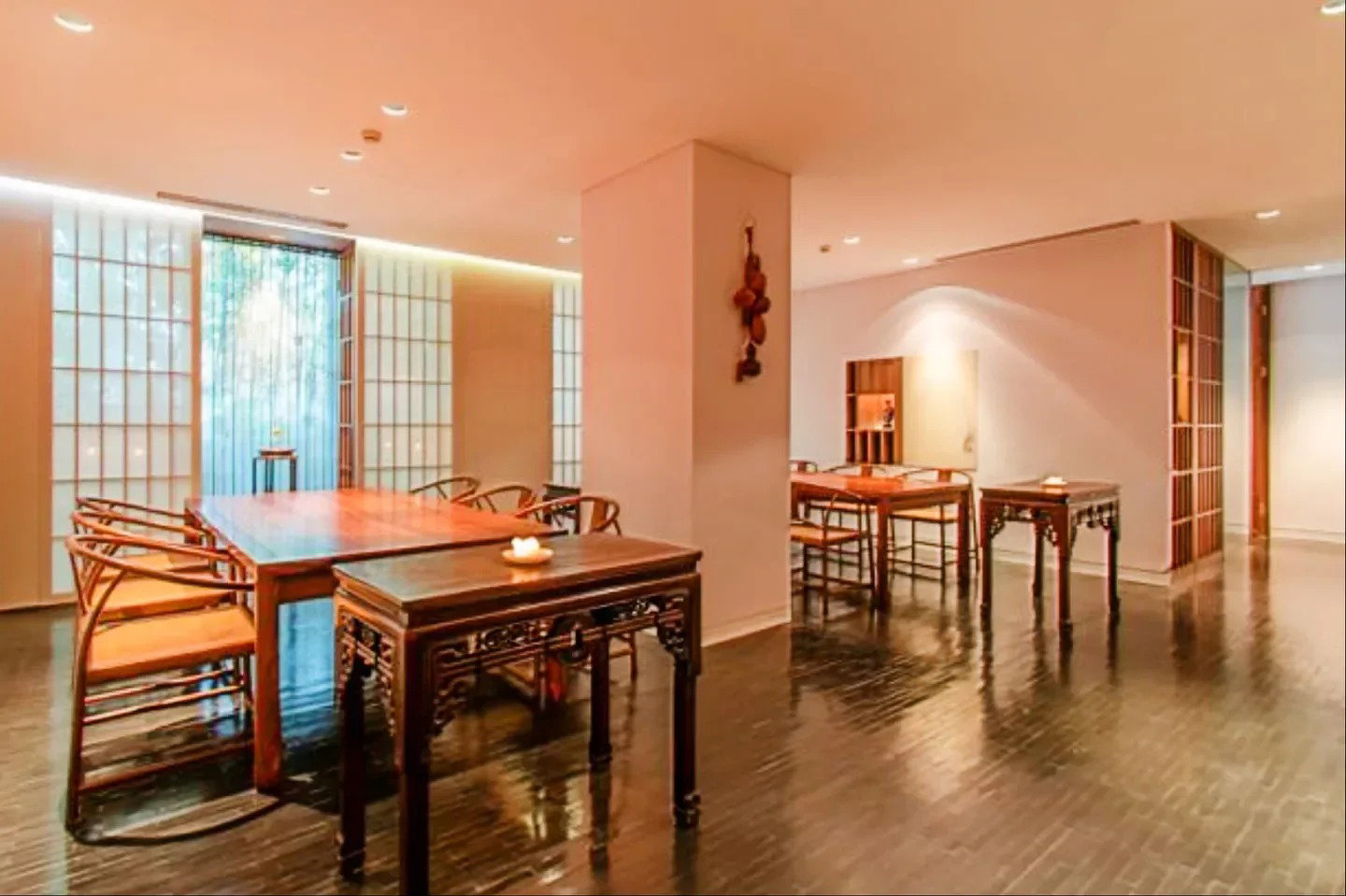
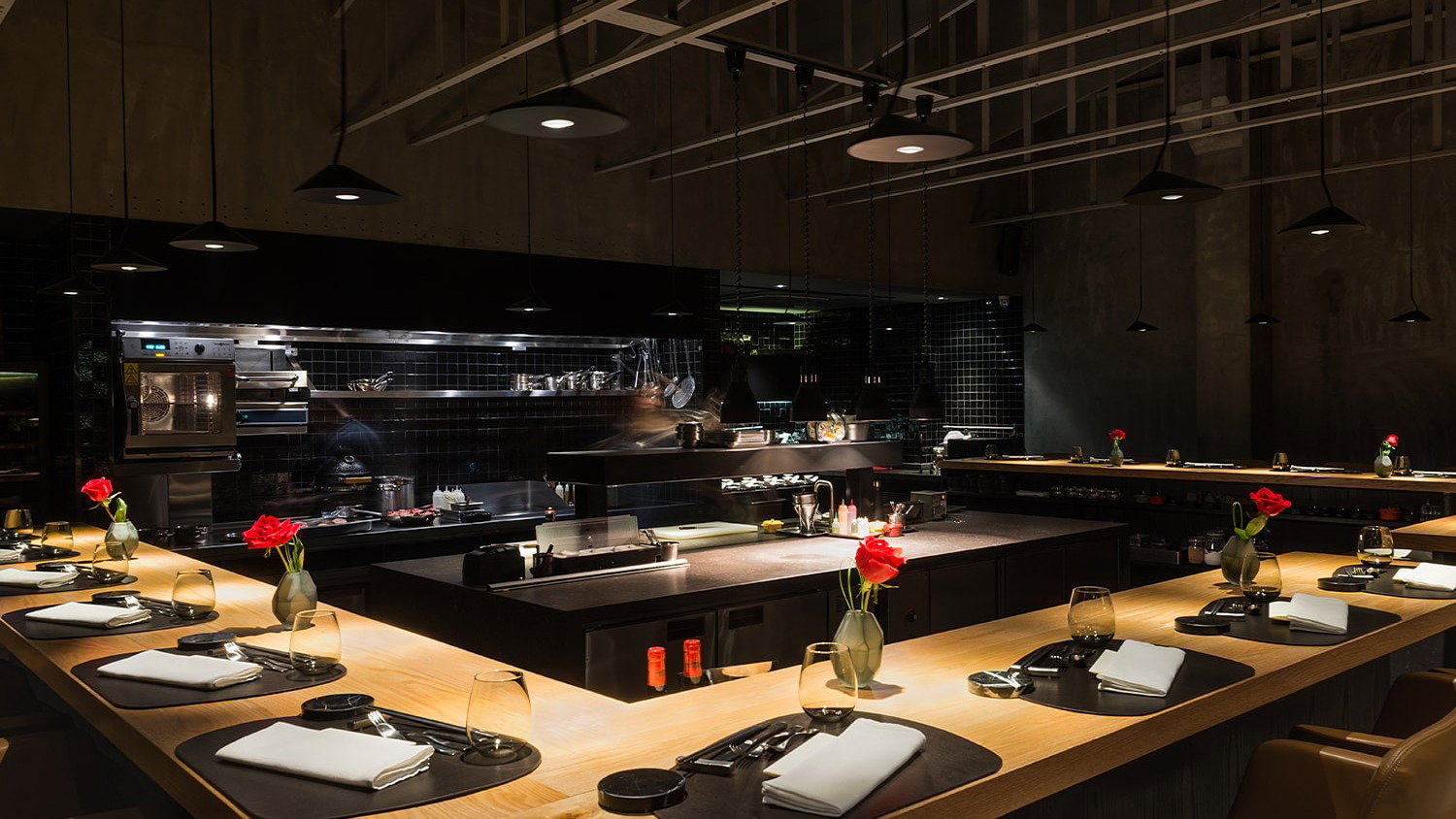
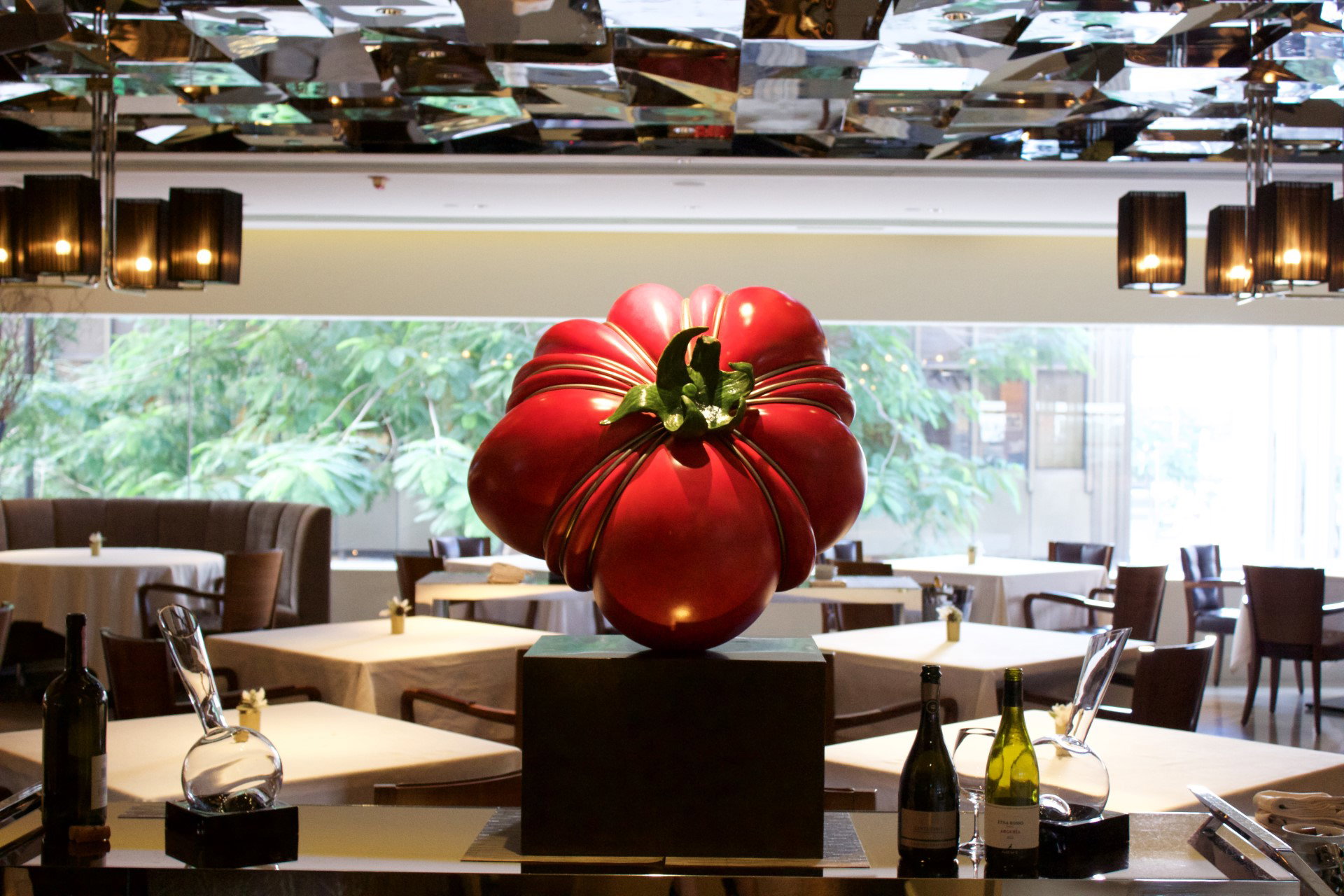
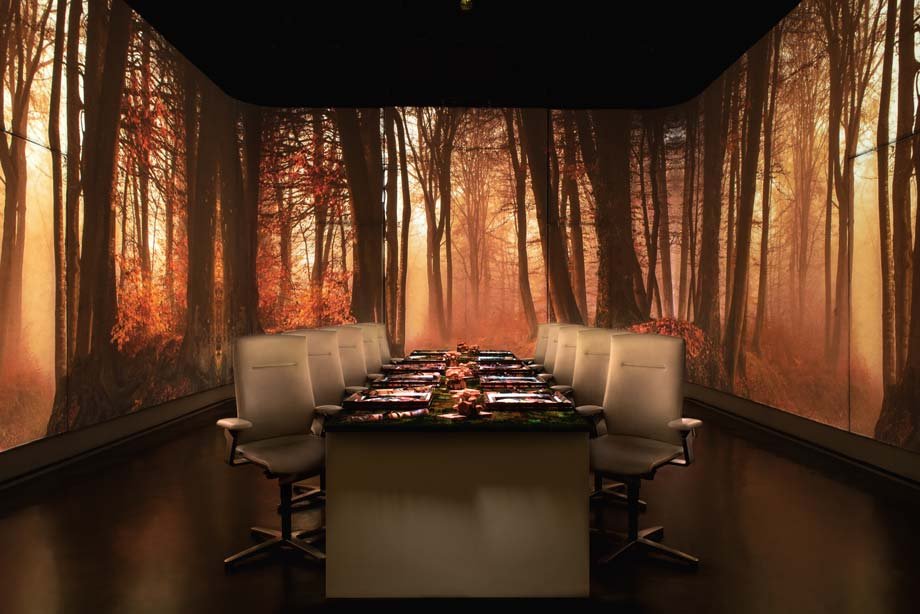
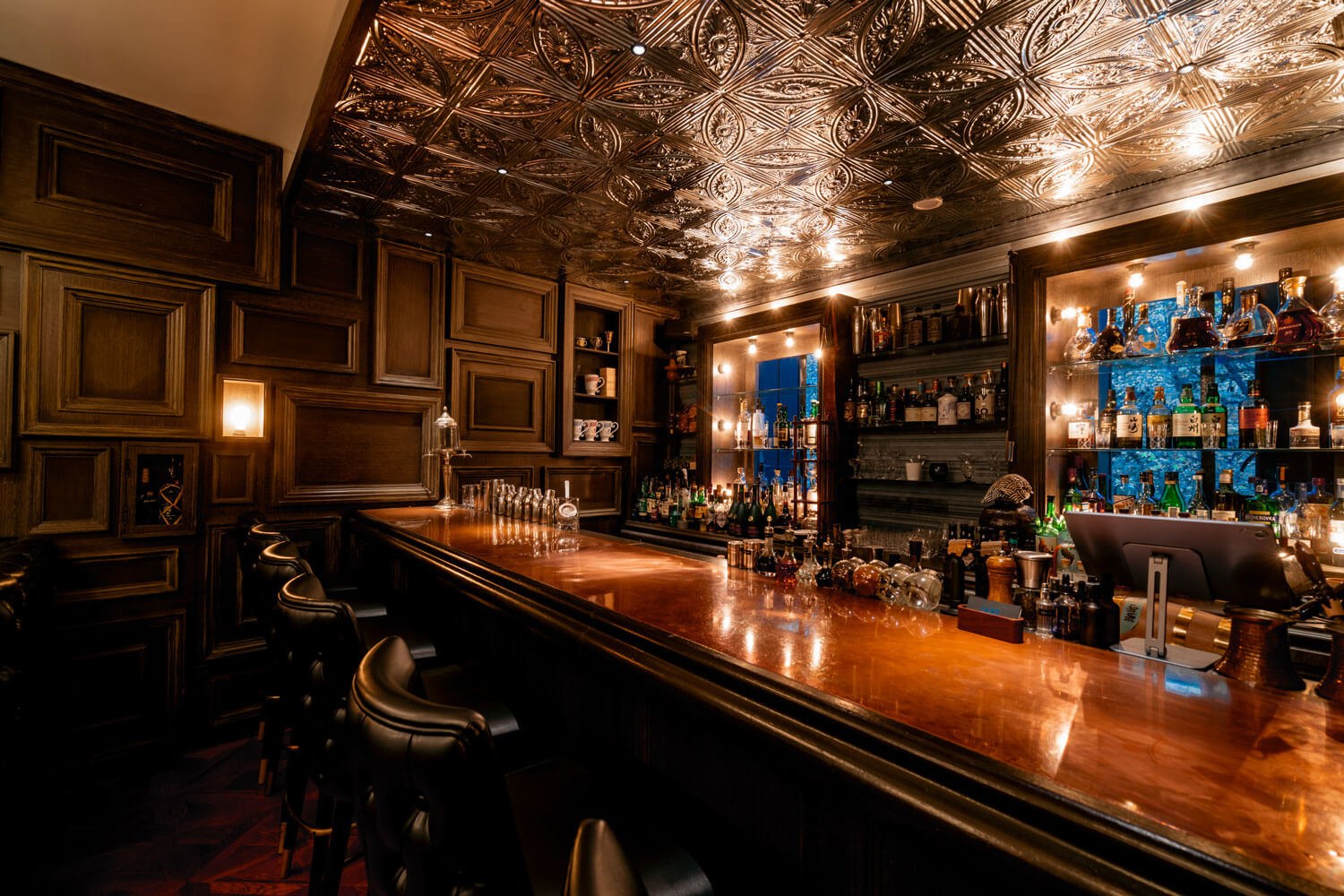
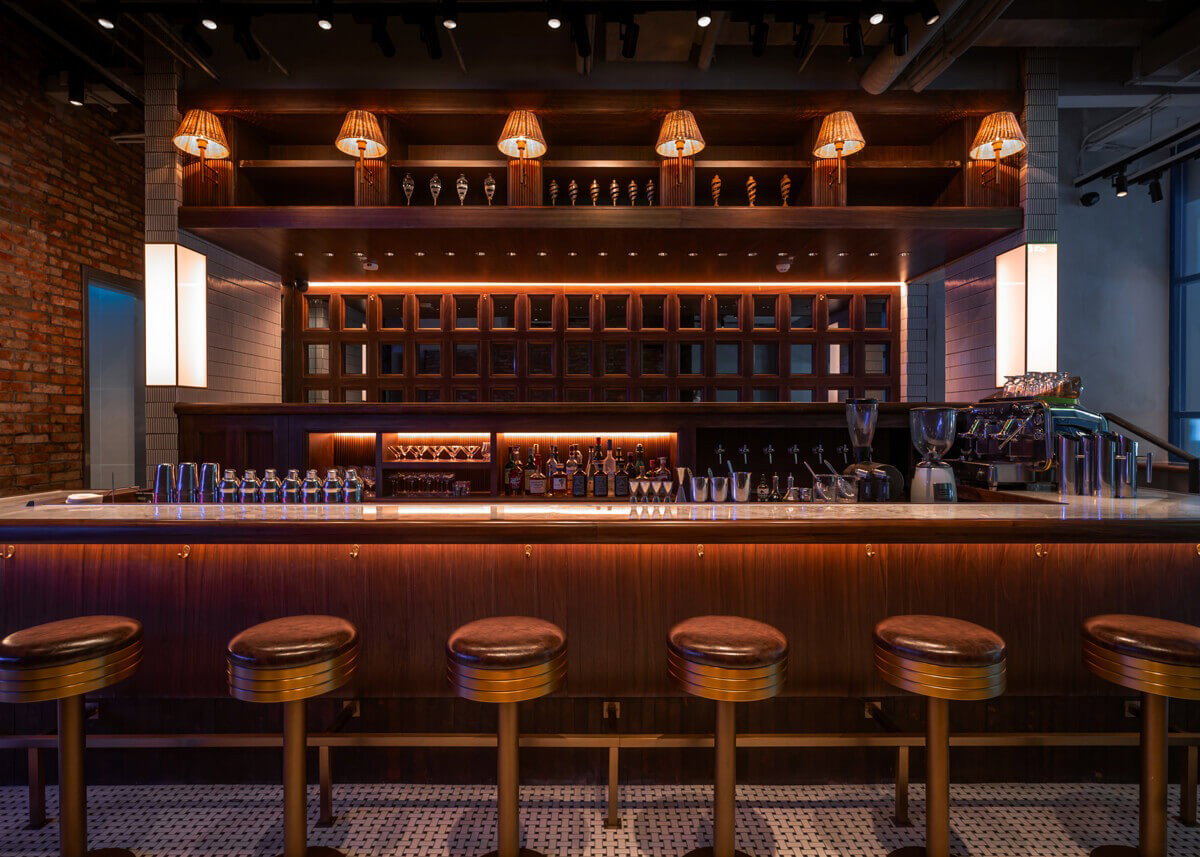
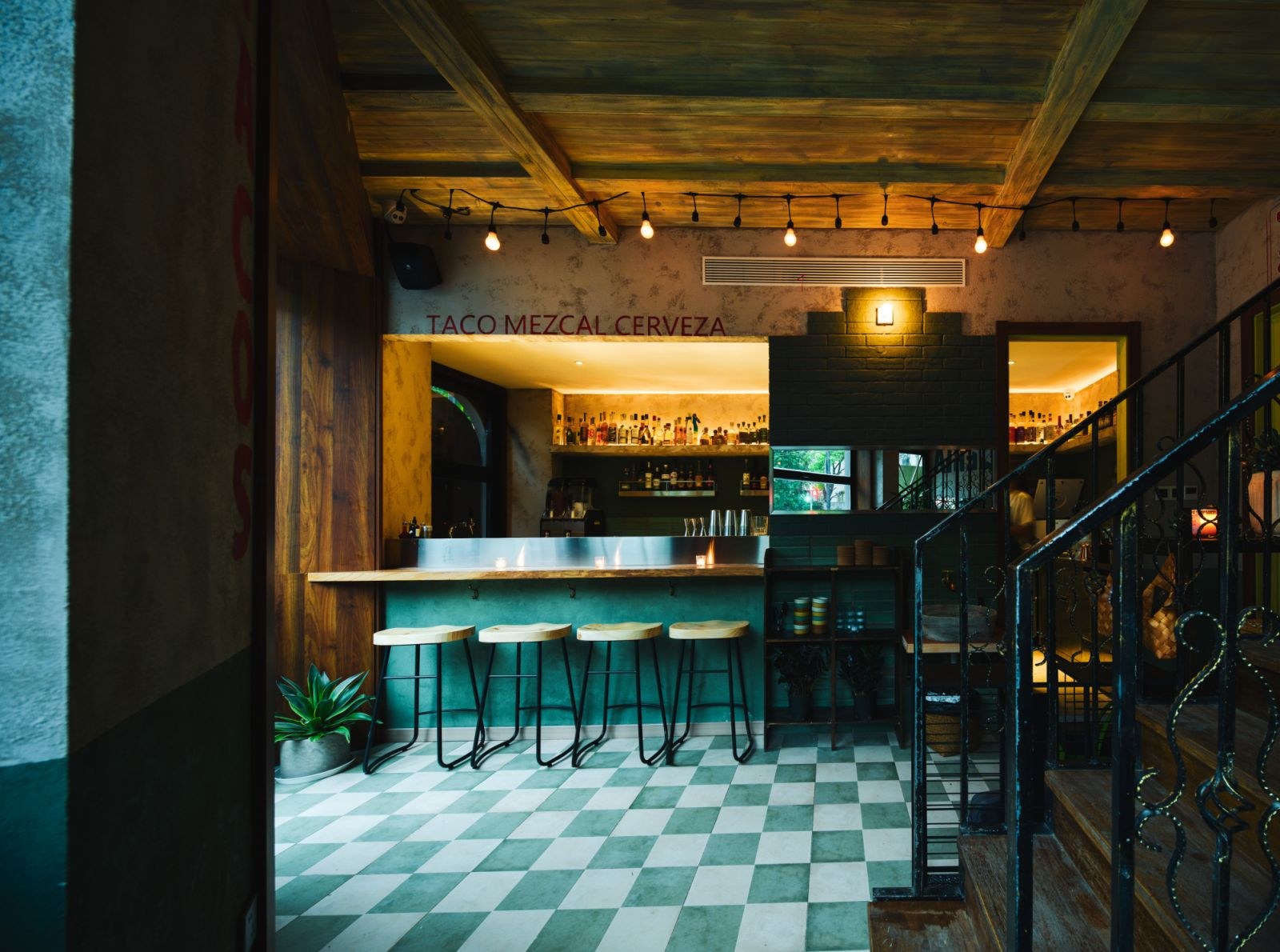
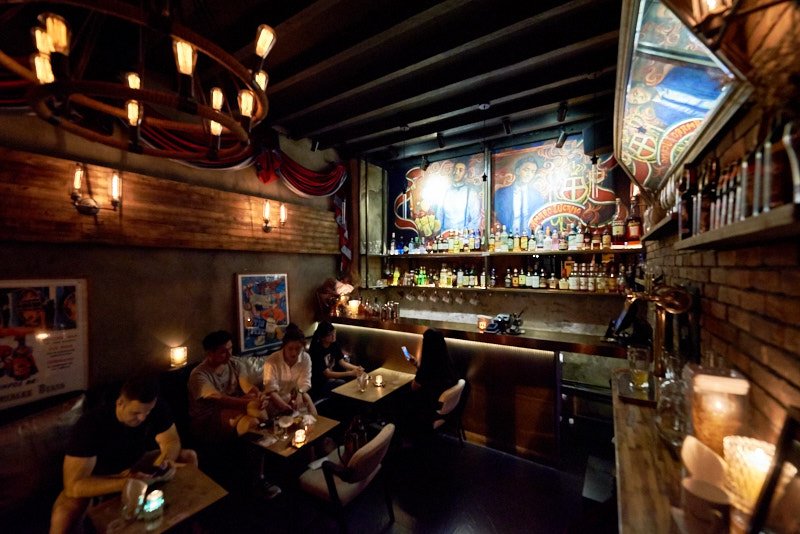
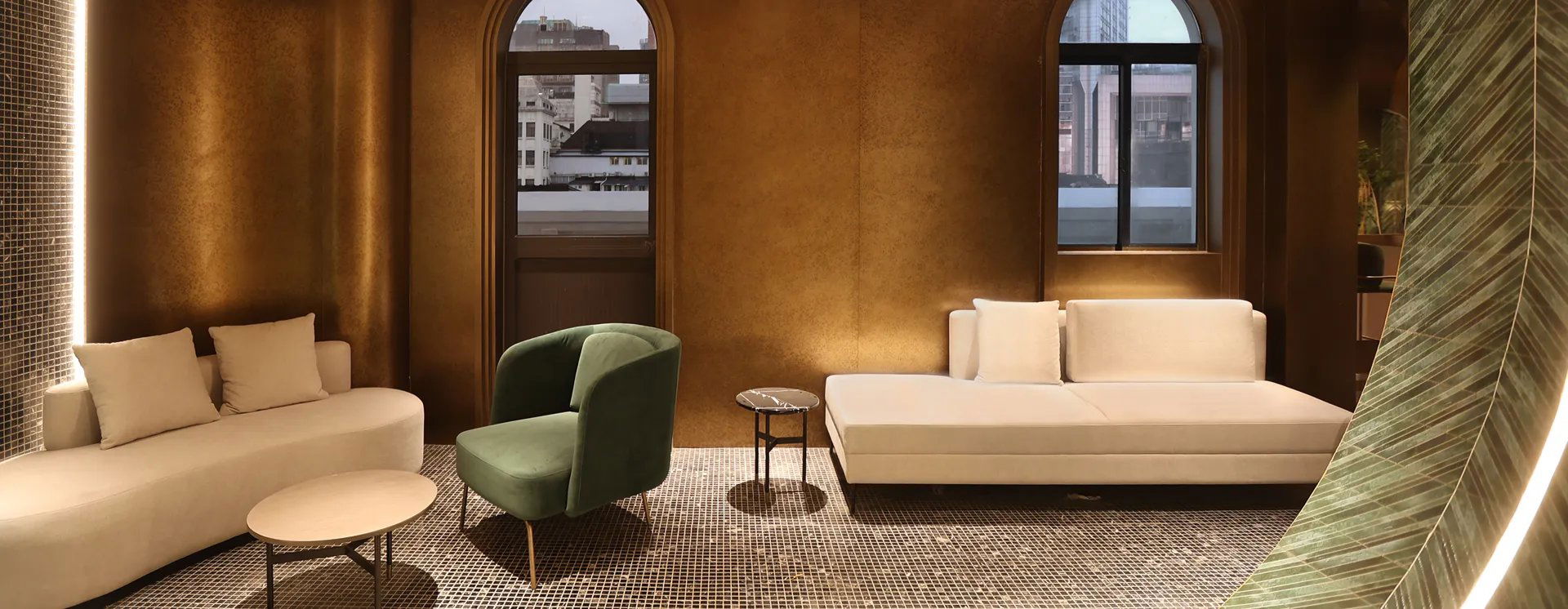
Sophisticated layered atmosphere with warm earth tones, soft grays, aged bronze, deep wood finishes, and mosaic-tiled corridors.
Tags
Vibe
Best For
Experience
Amenities
View
Accessibility
About the Stay
- Rooms
- 86
- Check-in
- 14:00
- Check-out
- 12:00
- Property Type
- Design hotel
- Property Style
- Historic Reborn Structure Fusing Eastern and Western Cultures
- Design Style
- Art Deco Curves with Minimalist Eastern Silhouettes in Warm Earth Tones
- Airport Transfer
- Available
- Families
- Welcome
- Cancellation
- Moderate
Know before you go
Know Before You Go
- Getting there
- 160 Guizhou Rd, Huangpu, Shanghai, China, 200000
Planning details
Location
160 Guizhou Rd, Huangpu, Shanghai, China, 200000 · Directions
marriott.com/en-us/hotels/shahh-habo-hotel-shanghai-a-member-of-design-hotels/overview
Recognition and awards
Also consider
Where to Look If This Is Not the Fit
If loyalty benefits, meeting infrastructure, or a more familiar international-hotel rhythm matter, cross-shop JW Marriott Hotel Shanghai at Tomorrow Square. It is the safer business-travel alternative.
If the trip is celebratory and the hotel needs to feel like the main event, compare rates with Bvlgari Hotel Shanghai. If lifestyle energy is the priority, check The Shanghai EDITION before deciding.
Hotel context
How It Compares
Choose Habo Hotel Shanghai over Nan Jing Dong Lu if the design-hotel signal matters and the stay is more than a place to sleep. Nan Jing Dong Lu is the more literal location play by name, while Habo is the better fit for travelers who want a curated hotel feel in central Shanghai without automatically moving into the city's highest luxury tier.
Alila Shanghai and The Shanghai EDITION are stronger cross-shops if lifestyle energy, dining, and a bigger social-hotel feel are part of the brief. Habo is the quieter value argument: easier booking, design credibility, and a central base. If rates are similar, compare room size, included benefits, and upgrade access before choosing.
Bvlgari Hotel Shanghai is the splurge comparison, with a luxury positioning that makes more sense for a celebration stay. JW Marriott Hotel Shanghai at Tomorrow Square is the safer pick for travelers who care about predictable chain benefits and business-hotel infrastructure. Habo is the better choice when design and centrality beat loyalty-program certainty.
Explore Shanghai
Around this place
Discover more on Pearl
Unlock the full Habo Hotel Shanghai guide in Pearl, including awards, comparisons, FAQs, planning details, and nearby places.
Compare Habo Hotel Shanghai
| Venue | Location | Awards |
|---|---|---|
| Habo Hotel Shanghai | Shanghai | 2026 Design Hotels Collection |
| Nan Jing Dong Lu | Shanghai | No published awards |
| Alila Shanghai | Shanghai | No published awards |
| Bvlgari Hotel Shanghai | Shanghai | 2026 Forbes 5-Star2026 Virtuoso Luxury Hotel Collection2026 La Liste Top Hotels2026 Michelin 2 Keys2025 Forbes 5-Star2025 Michelin 2 Keys |
| JW Marriott Hotel Shanghai at Tomorrow Square | Shanghai | No published awards |
| The Shanghai EDITION | Shanghai | 2026 Forbes Recommended2026 La Liste Top Hotels2026 Michelin 1 Key2025 Michelin Selected Hotels2025 Forbes Recommended |







How Habo Hotel Shanghai compares with similar nearby venues.
FAQ
Frequently Asked Questions
How is the pool and spa at Habo Hotel Shanghai?
Pool and spa details are not provided, so verify them directly with the hotel before booking. The firm trust signal is its 2026 Design Hotels Member status, which does not confirm specific wellness facilities.
Is Habo Hotel Shanghai good for business travel?
It can be worth considering if your priority is a Shanghai hotel with Design Hotels recognition. Travelers who need predictable business-travel features, meeting facilities, or a clearly defined corporate-hotel setup should verify those details directly or compare against other Shanghai hotels.
Do loyalty programs work at Habo Hotel Shanghai?
Do not choose it for loyalty benefits alone, because the strongest credential here is 2026 Design Hotels Member status. If upgrades, breakfast recognition, and late checkout matter more than that positioning, verify those benefits directly and compare it with JW Marriott Hotel Shanghai at Tomorrow Square or The Shanghai EDITION.
How does Habo Hotel Shanghai compare to other Shanghai hotels?
It makes the most sense as a Shanghai hotel based on its Design Hotels recognition. Alila Shanghai, Bvlgari Hotel Shanghai, JW Marriott Hotel Shanghai at Tomorrow Square, and The Shanghai EDITION may be useful comparisons depending on whether you prioritize another style of hotel stay in Shanghai.
Which room category is best at Habo Hotel Shanghai?
Specific room categories are not provided, so choose based on the current room descriptions, size, and rate shown at booking. The main reason to consider the hotel is its Design Hotels recognition, not a particular named room type.
Is Habo Hotel Shanghai family-friendly?
Family-specific programming is not provided. It may still work for some families, but parents should verify room size, bedding, and practical needs directly rather than relying on the 2026 Design Hotels Member label.