

Cugó Gran Macina Malta
Senglea
Hotel in Senglea, Malta
 Book with Pearl
The Read
Price
$200–300per night
Why go
Cugó Gran Macina Malta is a strong fit if you want a design-led Senglea base rather than a resort hotel. The value depends on how much you care about the historic harbor setting and room character; points-focused travelers or guests wanting broad on-site facilities should compare larger Malta properties before booking.
About Cugó Gran Macina Malta
Cugó Gran Macina Malta is a hotel in Senglea with confirmed recognition: it is listed as a 2026 Design Hotels member, holds a 2026 Mr & Mrs Smith Seal of Approval, and was selected in the MICHELIN Guide hotel selection for 2025.
This hotel is a direct choice for those seeking a stay in Senglea and valuing recognized properties. The dress code is smart casual. Beyond those points, travelers should check the hotel directly for current room, amenity, dining, and service details before booking.
Book for Senglea and hotel recognition
The strongest grounded reason to consider Cugó Gran Macina Malta is its Senglea setting paired with its hotel recognitions. It may be a fit for travelers comparing recognized Malta stays rather than choosing only by chain affiliation or large-hotel facilities.
If you are comparing similar stays, consider other Malta options such as 1926 Le Parisot Boutique Suites, 66 Saint Paul's, AX The Saint John, Iniala Harbour House, and Palazzo Consiglia. For meals and activities, compare other dining and experiences in Senglea separately, as specific on-property dining details may vary and should be checked directly.
The loyalty question is the main value catch
The hotel does not appear to offer a chain-loyalty value proposition, elite-night benefits, or points strategy. Evaluate it based on its Senglea location, smart-casual dress code, and recognition rather than on loyalty-program assumptions.
The practical move is to compare live rates, room descriptions, cancellation terms, and current inclusions directly before committing. The recognitions give the property a clear hotel-quality signal, but they do not replace checking the details that matter for a specific stay.
Verdict: book Cugó Gran Macina Malta if the appeal is Senglea and a hotel with Design Hotels, Mr & Mrs Smith, and MICHELIN Guide hotel recognition. Look elsewhere if your decision depends on specific dining, amenities, loyalty benefits, or room-category guarantees, which you should confirm directly with the hotel.
Planning details
- Location
- Macina, Triq il-31 ta' Marzu, Senglea Isl 1040, Malta
- Website
- marriott.com/en-us/hotels/mlacg-cugo-gran-macina-malta-a-member-of-design-hotels/overview
- Phone
- +356 2711 2711
The take
The Take
The Vibe
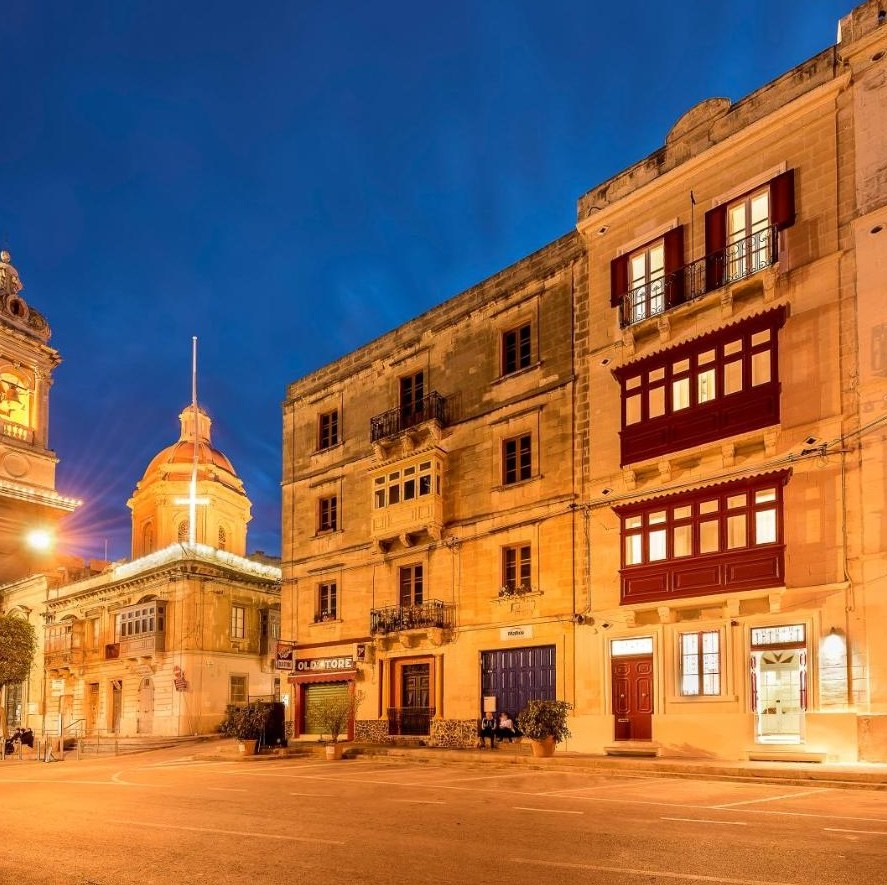
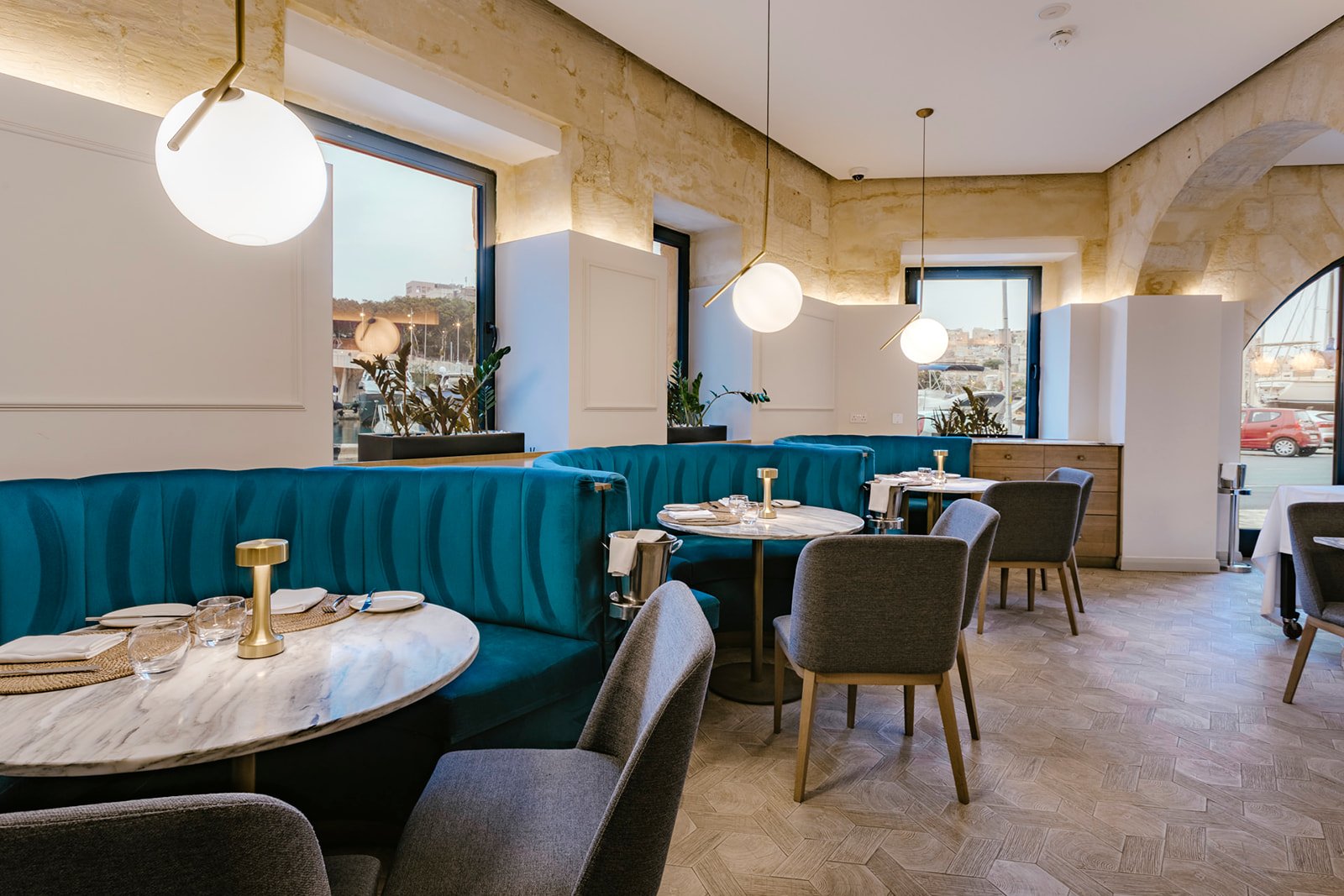
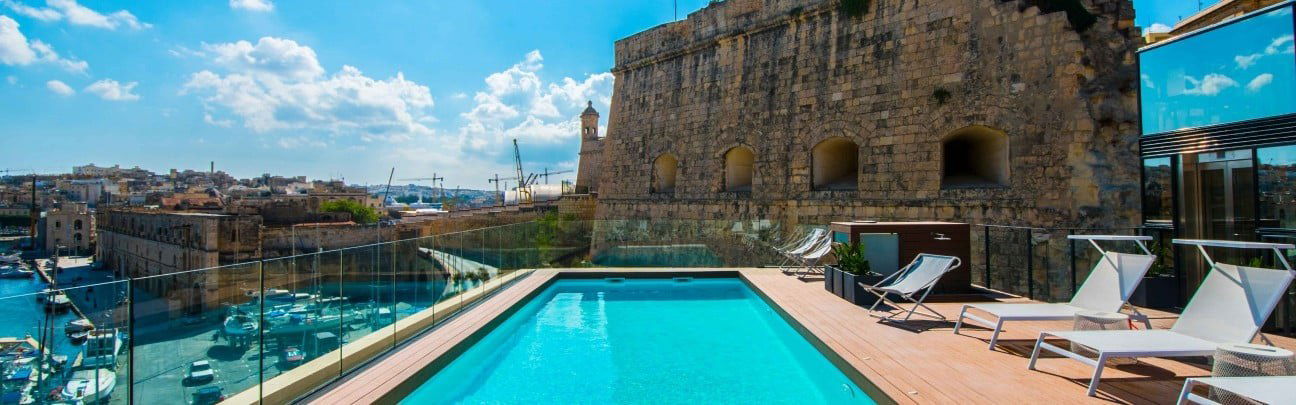
Cugó Gran Macina Malta reads as an architectural statement first and a boutique hotel second. The conversion preserves the 16th-century shipbuilding hall’s vaulted masonry, massive limestone walls and original proportions, so the building’s history is palpable in every public space and guest room. Design restraint keeps contemporary interventions quiet, letting pale stone, high volumes and the harbour-facing orientation define the mood. The result feels weighty and authentic rather than staged — a refined, historically rooted stay where the scale and materiality of the original structure set a dramatic, contemplative tone.
Best For
This is a property for travelers who prize history, architecture and a commanding harbour setting. Couples looking for a quietly dramatic romantic escape or honeymoon will appreciate the intimate scale and waterfront orientation; history-minded guests and design-focused visitors will value the building’s legible 16th-century fabric and thoughtful adaptive reuse. The hotel’s siting within Senglea’s Three Cities also suits short cultural stays and weekend escapes where exploring the Grand Harbour and nearby fortifications is part of the appeal.
Stay Tips
When booking, prioritize rooms that explicitly reference harbour or water views — the description stresses that the property faces the harbour and that the water is the primary foreground. Consider arriving by boat where possible, since the write-up highlights approach by water as a memorable route. Expect a stay shaped by the building’s heritage constraints and restrained fit-out; if you have mobility or accessibility needs, confirm specifics with the hotel in advance, as the historic structure’s proportions and passageways may influence room layout and access.
Venue details
Ambiance
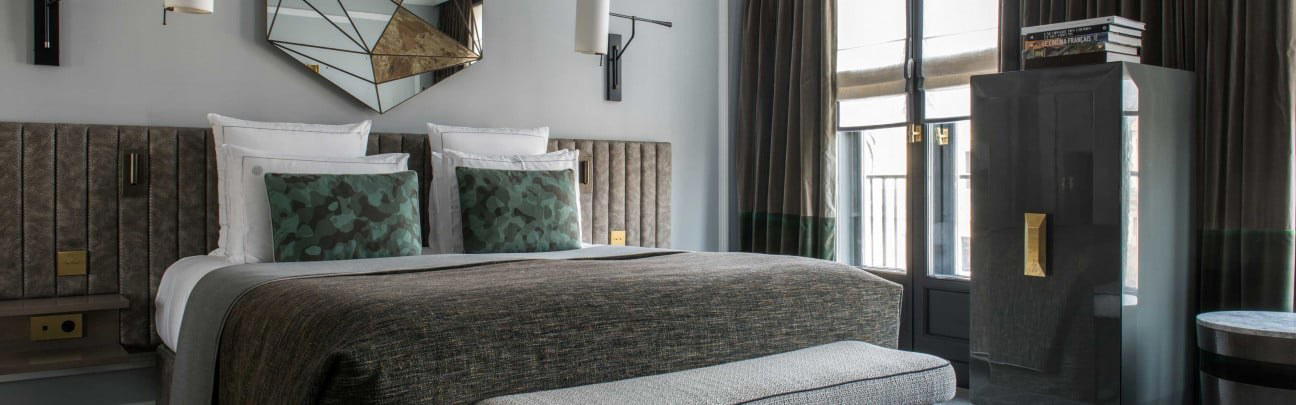
Ultra-modern design blended with historic stone walls and vaulted ceilings, creating a peaceful, luxurious atmosphere with stunning harbour vistas.
Tags
Vibe
Best For
Experience
Amenities
View
Accessibility
About the Stay
- Rooms
- 21
- Check-in
- 15:00
- Check-out
- 11:00
- Property Type
- Boutique hotel
- Property Style
- Historic Fortress Converted to Ultra Luxury Boutique Suites
- Design Style
- Contemporary Sleek with Historic Maltese Elements
- Airport Transfer
- Available
- Pool
- Yes
- Spa
- Yes
- Cancellation
- Moderate
Know before you go
Know Before You Go
- Getting there
- Macina, Triq il-31 ta' Marzu, Senglea Isl 1040, Malta
Planning details
Location
Macina, Triq il-31 ta' Marzu, Senglea Isl 1040, Malta · Directions
marriott.com/en-us/hotels/mlacg-cugo-gran-macina-malta-a-member-of-design-hotels/overview
Recognition and awards
Also consider
Also Consider
- Iniala Harbour House, Notable alternative
- 66 Saint Paul's, Notable alternative
- 1926 Le Parisot Boutique Suites, Notable alternative
- Palazzo Consiglia, Notable alternative
- AX The Saint John, Notable alternative
Hotel context
How It Compares
Cugó Gran Macina Malta is the better fit if the decision is driven by design, Senglea atmosphere, and an easier booking path. Iniala Harbour House is the more obvious splurge comparison for travelers prioritizing a higher-touch luxury feel, while Cugó Gran Macina Malta is the calmer choice for guests who want character without making the hotel the whole trip.
Against Valletta-side boutiques, the trade-off is location mood. 66 Saint Paul's, 1926 Le Parisot Boutique Suites, Palazzo Consiglia, and AX The Saint John make more sense if you want to be in Valletta's denser walking circuit. Choose Cugó Gran Macina Malta if you prefer a quieter Three Cities base and are comfortable treating dining and sightseeing as separate plans.
For value-seekers, the practical move is to compare live rates rather than assume the capital-side address wins. If Cugó Gran Macina Malta prices close to those Valletta boutiques, the Senglea setting and design recognition make it easy to justify. If Iniala Harbour House is within reach and service depth is the priority, move up; if convenience inside Valletta matters more, pick one of the Valletta peers.
Explore Senglea
Around this place
Discover more on Pearl
Unlock the full Cugó Gran Macina Malta guide in Pearl, including awards, comparisons, FAQs, planning details, and nearby places.
Compare Cugó Gran Macina Malta
| Venue | Location | Awards |
|---|---|---|
| Cugó Gran Macina Malta | Senglea | 2026 Design Hotels Collection2026 Mr & Mrs Smith Luxury Hotels2025 Michelin Selected Hotels |
| Iniala Harbour House | Valletta | 2026 Virtuoso Luxury Hotel Collection2026 Forbes 5-Star2026 Mr & Mrs Smith Luxury Hotels2026 La Liste Top Hotels2026 Michelin 2 Keys2025 Michelin 2 Keys2025 Forbes 5-StarPreferred Hotels Preferred Residences 2025 |
| 66 Saint Paul's | Valletta | No published awards |
| 1926 Le Parisot Boutique Suites | Valletta | No published awards |
| Palazzo Consiglia | Valletta | No published awards |
| AX The Saint John | Valletta | Star Wine Lists 20262025 Michelin Selected Hotels |







How Cugó Gran Macina Malta compares with similar nearby venues.
FAQ
Frequently Asked Questions
Which room category is best at Cugó Gran Macina Malta?
Choose based on the current room descriptions, layout, and terms shown by the hotel or booking channel at the time you reserve.
What is check-in like at Cugó Gran Macina Malta?
Confirm arrival times, identification requirements, deposits, and any special instructions directly with the hotel before travel.
Is Cugó Gran Macina Malta family-friendly?
Do loyalty programs work at Cugó Gran Macina Malta?
The hotel does not appear to offer a points or elite-status value proposition. Its recognition includes 2026 Design Hotels membership, a 2026 Mr & Mrs Smith Seal of Approval, and MICHELIN Guide hotel selection in 2025.