

Le Relais Bernard Loiseau
Saulieu
Hotel in Saulieu, France
 Book with Pearl
The Read
Maison-Hotel with Two Michelin Stars
Why go
Le Relais Bernard Loiseau is the Saulieu choice for a calm Burgundy celebration, especially if the hotel is the reason for the trip rather than a stopover. Book ahead for prime dates, and choose a room category with enough space for downtime. Michelin 1 Key recognition and a 92.5-point La Liste Top Hotels score support the splurge case.
About Le Relais Bernard Loiseau
For a stay in Saulieu, Le Relais Bernard Loiseau is best described as a hotel with Michelin 1 Key recognition from 2024 and a place in La Liste Top Hotels 2026 with a score of 92.5pts. Those are the strongest reasons to treat it as a serious hotel choice rather than a generic overnight stop.
The dress code is smart casual, which is useful to know when planning the tone of the stay. Beyond that, avoid assuming specific services, dining formats, room features, or leisure facilities unless they are confirmed directly at booking.
Choose the room for the stay, not just the night
The safest booking approach is to choose a room based on the kind of stay you want in Saulieu, rather than relying on assumptions about categories or inclusions. If the hotel itself is central to the trip, compare the available room descriptions at the time of booking and select the option that fits your comfort needs.
For business travel, Le Relais Bernard Loiseau makes the most sense when Saulieu is the relevant destination. If the trip depends on a different city, transport timing, or a tightly packed schedule, confirm the practical details before committing.
Best timed as a slow Saulieu stay
A stay here is easiest to justify when the hotel choice matters in its own right. The Michelin 1 Key recognition and La Liste Top Hotels 2026 score of 92.5pts support treating it as a premium Saulieu option.
Who should choose it, and who should not
Choose Le Relais Bernard Loiseau if you want a recognized hotel in Saulieu and the confirmed accolades matter to your decision. The smart-casual dress code also suggests a polished tone for the stay.
Skip it if you need specific facilities, dining formats, prices, or operational details before booking and those details are not confirmed for your dates. The clearest case for booking is the venue's Saulieu location and its confirmed hotel recognition.
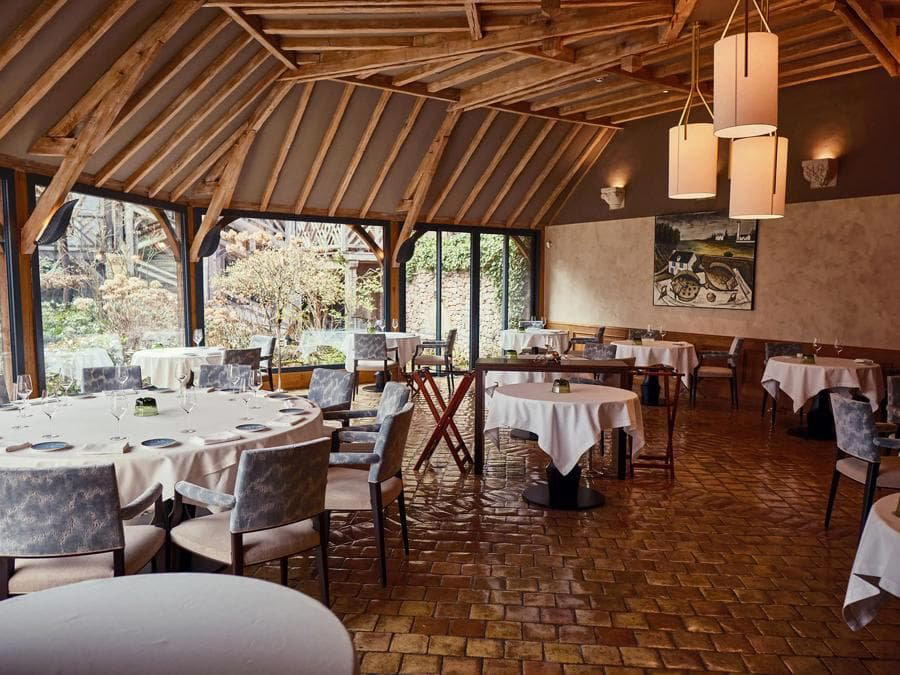
Inside Le Relais Bernard Loiseau
Planning details
- Location
- 2 Rue d'Argentine, 21210 Saulieu
- Website
- bernard-loiseau.com/fr
- Phone
- +33 3 80 90 53 53
The take
The Take
The Vibe
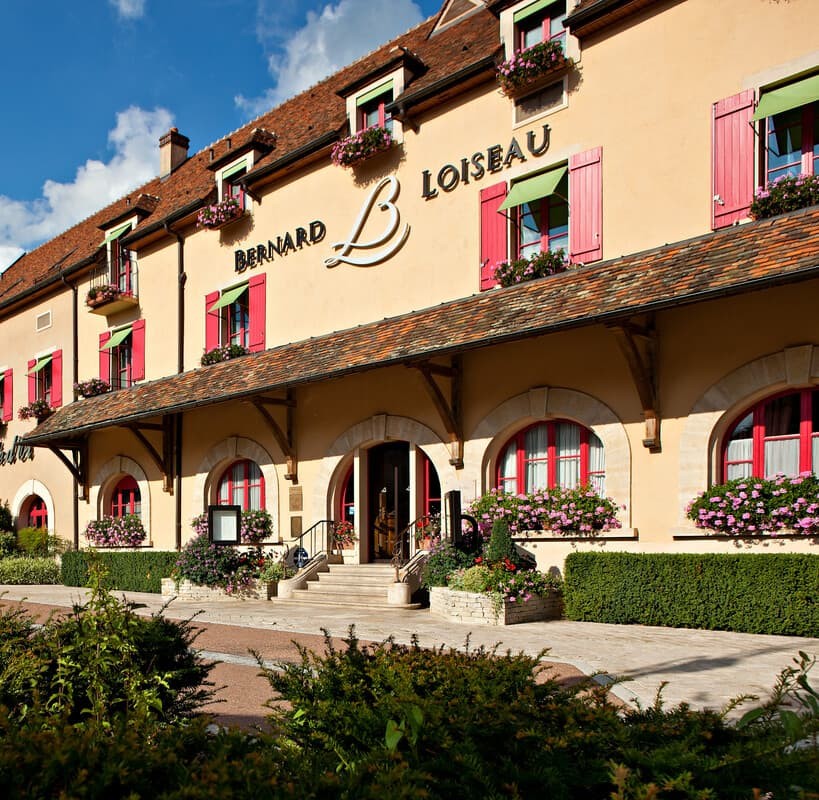
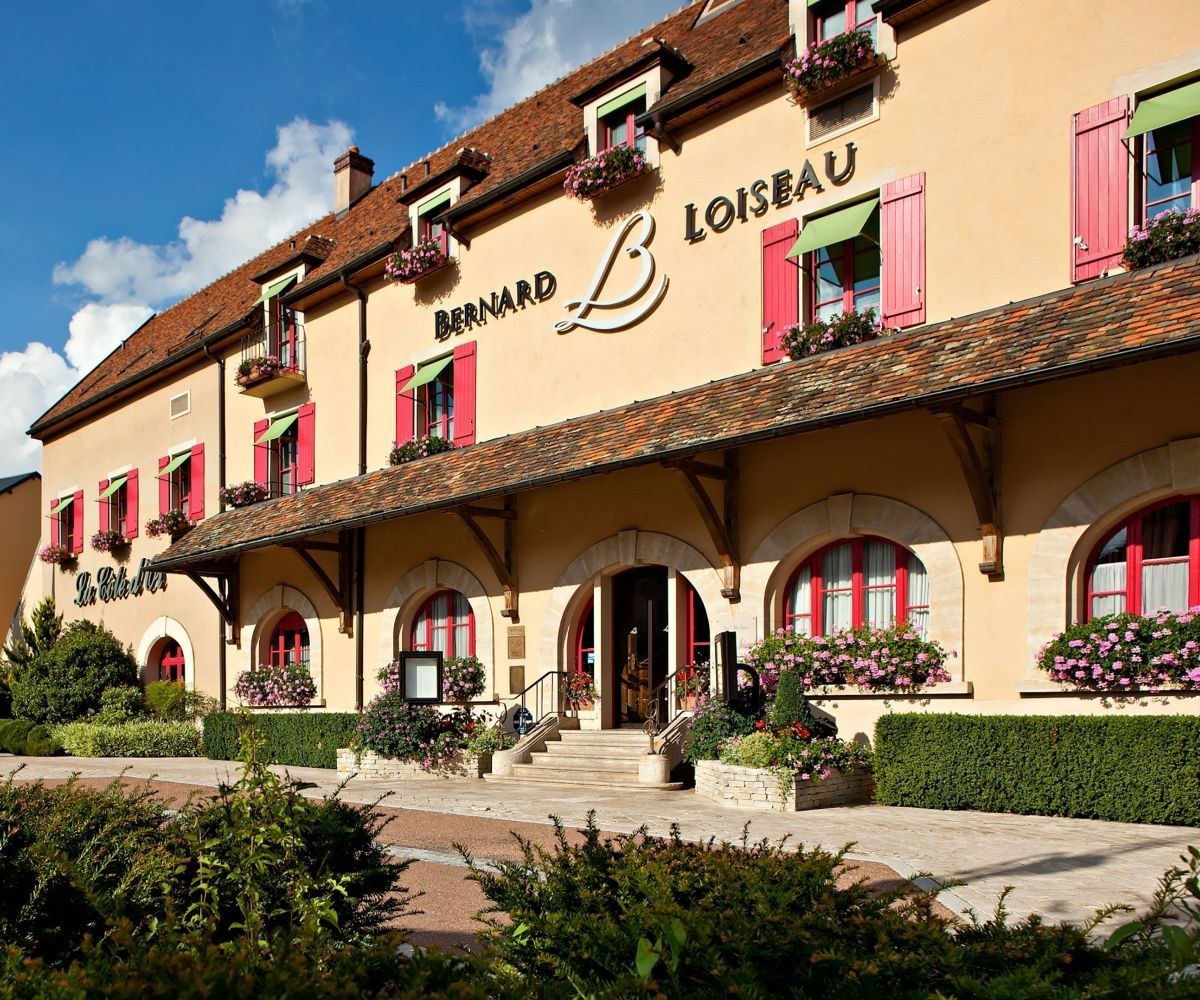
Le Relais Bernard Loiseau presents itself as an understated Burgundian institution where architecture and gastronomy operate in quiet alignment. The limestone facades, pitched roofs and a garden that discreetly unfolds behind the house establish a sense of old‑France restraint rather than spectacle. The property favors cohesion over flash: individually designed rooms, modest approaches and a dining room rooted in regional culinary tradition give the hotel a refined, historic character. Guests who value thoughtful design, calm surroundings and classic French hospitality find the place apolitical to trends and resolutely rooted in its landscape and lineage.
Best For
This is a hotel for travelers seeking a calm, high‑end gastronomic stay in rural Burgundy. The property’s strength is the fusion of a quietly authoritative building and a restaurant shaped by regional culinary tradition, so it suits guests focused on dining, architecture and the surrounding Morvan landscape. With just 33 individually designed rooms and many that open onto balconies or terraces framing the central garden, it works well for couples or small groups looking for an intimate, restorative escape and for anyone treating a stay as a destination dining experience rather than a transient stop.
Stay Tips
When planning a stay, prioritize rooms that mention private balconies or terraces if you want direct contact with the central garden — the description stresses that several rooms are positioned to frame that space. Build time into your itinerary for the approach from Saulieu; the hotel’s tone is one of slowdown and appreciation, and the property rewards a measured pace. For dining, expect a focus on coherence between the building and the kitchen: dress and manner that respect a classic French grande maison are appropriate. Because the hotel emphasizes restraint, anticipate a measured, composed dining environment rather than loud, casual service.
Venue details
Ambiance
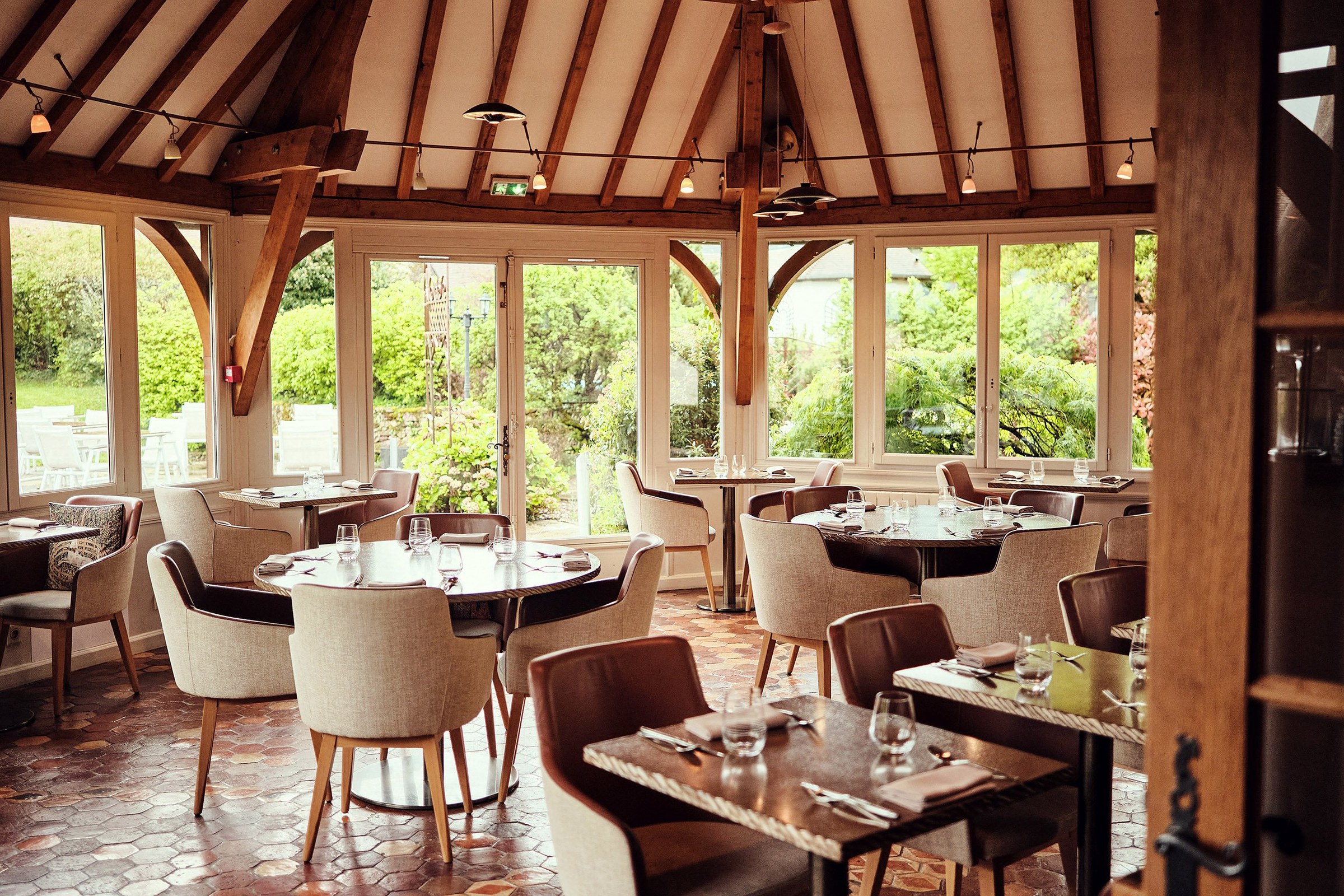
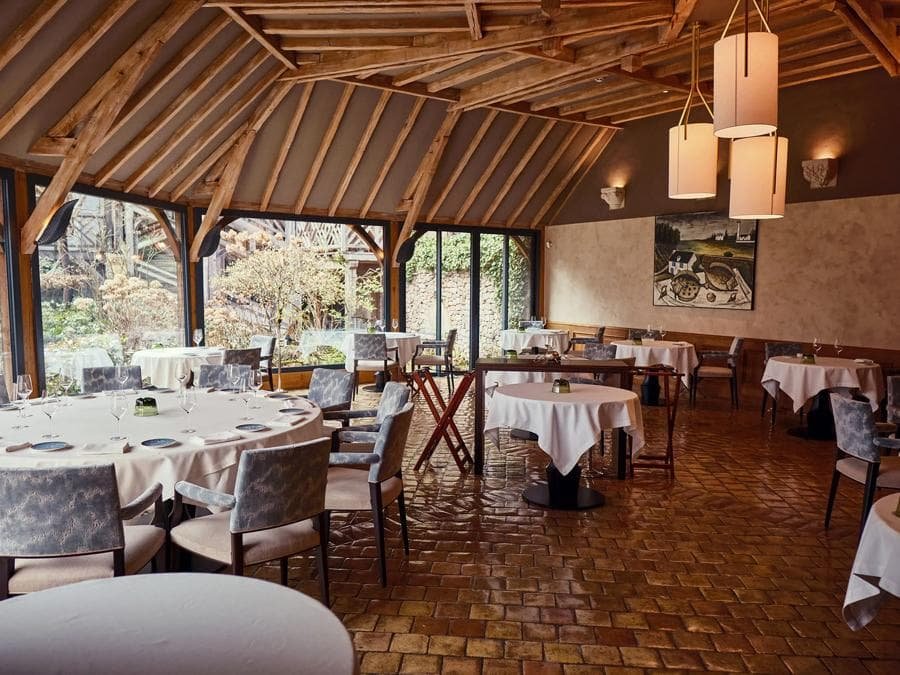
Charming and serene with warm, attentive service; tranquil garden views and plush furnishings create a peaceful, luxurious retreat with refined elegance.
Tags
Vibe
Best For
Experience
Amenities
View
Accessibility
About the Stay
- Rooms
- 34
- Check-in
- 15:00
- Check-out
- 11:00
- Property Style
- Prestigious Independent Luxury Hotel Within the Relais & Châteaux Network, Positioned as a Gastronomic and Wellness Destination in Rural Burgundy.
- Design Style
- Traditional and Rustic with Refined Elegance; Individually Decorated Rooms Feature Tasteful Furnishings, Premium Bedding, and Period Details Including Fireplaces and Balconies Overlooking Gardens.
Know before you go
Know Before You Go
- Getting there
- 2 Rue d'Argentine, 21210 Saulieu
Planning details
Location
Recognition and awards

Also consider
Where to Look If It Is Full
For a similarly quiet Burgundy occasion stay, cross-shop Abbaye de la Bussière. For a château-led trip, try Château de Vault-de-Lugny instead.
Hotel context
How It Compares
Choose Le Relais Bernard Loiseau when the trip is built around a polished Burgundy hotel stay and a special-occasion mood. Compared with Le Domaine des Prés Verts, it is the more formal call; Prés Verts is the better cross-shop for guests who want a softer countryside escape with less ceremony.
Château Sainte Sabine and Château de Vault-de-Lugny make more sense for travelers who want a château setting as the main event. Le Relais Bernard Loiseau is better for guests who care more about hospitality recognition and the Saulieu address than a castle-style stay.
If availability is tight, look first at Abbaye de la Bussière for a similarly quiet, occasion-friendly Burgundy base, or Hôtel de la Poste if the priority is a simpler stay with less pressure on the booking.
Explore Saulieu
Around this place
Discover more on Pearl
Unlock the full Le Relais Bernard Loiseau guide in Pearl, including awards, comparisons, FAQs, planning details, and nearby places.
Compare Le Relais Bernard Loiseau
| Venue | Location | Awards |
|---|---|---|
| Le Relais Bernard Loiseau | Saulieu | 2026 La Liste Top HotelsMichelin 1 Key 20252025 Michelin 1 Key2024 Michelin 1 Key |
| Le Domaine des Prés Verts | Jouey | No published awards |
| Château Sainte Sabine | Sainte-Sabine | 2026 Virtuoso Luxury Hotel Collection2026 Relais Chateaux Hotels2025 Michelin Selected Hotels2025 Gault & Millau Exceptional Hotel2025 Relais Chateaux Award |
| Hôtel de la Poste | Avallon | No published awards |
| Château de Vault-de-Lugny | Vault-de-Lugny | Michelin 1 Key 20252025 Michelin 1 Key2024 Michelin 1 Key |
| Abbaye de la Bussière | La Bussière-sur-Ouche | 2025 Michelin Selected Hotels2025 Relais Chateaux Award |




How Le Relais Bernard Loiseau Saulieu compares with similar nearby venues.
FAQ
Frequently Asked Questions
Do loyalty programs work at Le Relais Bernard Loiseau?
No loyalty-program details are provided. The confirmed hotel credentials are Michelin 1 Key in 2024 and La Liste Top Hotels 2026 with a score of 92.5pts.
Which room category is best at Le Relais Bernard Loiseau?
No best room category is identified. Choose based on the current room descriptions, your budget, and how much time you expect to spend at the property in Saulieu.
Is Le Relais Bernard Loiseau good for business travel?
It can be considered if Saulieu is relevant to the trip and a polished hotel setting is useful. The confirmed facts support its premium positioning through Michelin 1 Key and La Liste Top Hotels recognition, but practical business details should be confirmed before booking.
How is the pool and spa at Le Relais Bernard Loiseau?
What is check-in like at Le Relais Bernard Loiseau?
How is the dining at Le Relais Bernard Loiseau?
A specific dining format, cuisine, menu, or price is not established. The confirmed dress code is smart casual, so plan accordingly and verify dining details directly if they are central to the stay.