

Sextantio
Santo Stefano di Sessanio
Hotel in Santo Stefano di Sessanio, Italy
 Book with Pearl
The Read
Village-Distributed Lodging
Why go
Book Sextantio if the point of the trip is atmosphere, village scale, and a design-led stay in Santo Stefano di Sessanio. It is less suited to travelers who want resort-style facilities or easy last-minute availability, but strong for flexible dates and a slower Abruzzo itinerary.
About Sextantio
Sextantio is a hospitality option in Santo Stefano di Sessanio with two clear recognition signals: Michelin 1 Key (2025) and 2026 Design Hotels Member - Sextantio Albergo Diffuso. Before booking, confirm facilities, service style, dining, prices, room categories, and operating details directly with the hotel.
A Santo Stefano di Sessanio stay with recognized distinction
The strongest reason to consider Sextantio is its recognition: Michelin 1 Key (2025) and 2026 Design Hotels Member - Sextantio Albergo Diffuso. That makes it relevant for travelers comparing distinctive stays in and around Santo Stefano di Sessanio, especially when the hotel choice itself is an important part of the trip.
Avoid assuming a resort-style facilities list, a particular dining format, a specific room setup, or detailed service inclusions. Treat Sextantio as a property to research carefully, then confirm the practical details that matter for your stay directly with the hotel.
Use it as the anchor, not a quick overnight
If Sextantio is the reason for stopping in Santo Stefano di Sessanio, build the itinerary around the stay rather than treating it as an incidental overnight. For wider planning, compare it with other regional options such as Casadonna Reale, Hotel Leone, Palazzo Fiuggi, Palazzo Seneca, Villa Corallo, and other dining in Santo Stefano di Sessanio.
Planning details
- Location
- Via Principe Umberto, 67020 Santo Stefano di Sessanio AQ
- Website
- sextantio.it/santostefano/abruzzo
- Phone
- +39 0862 899112
The take
The Take
The Vibe
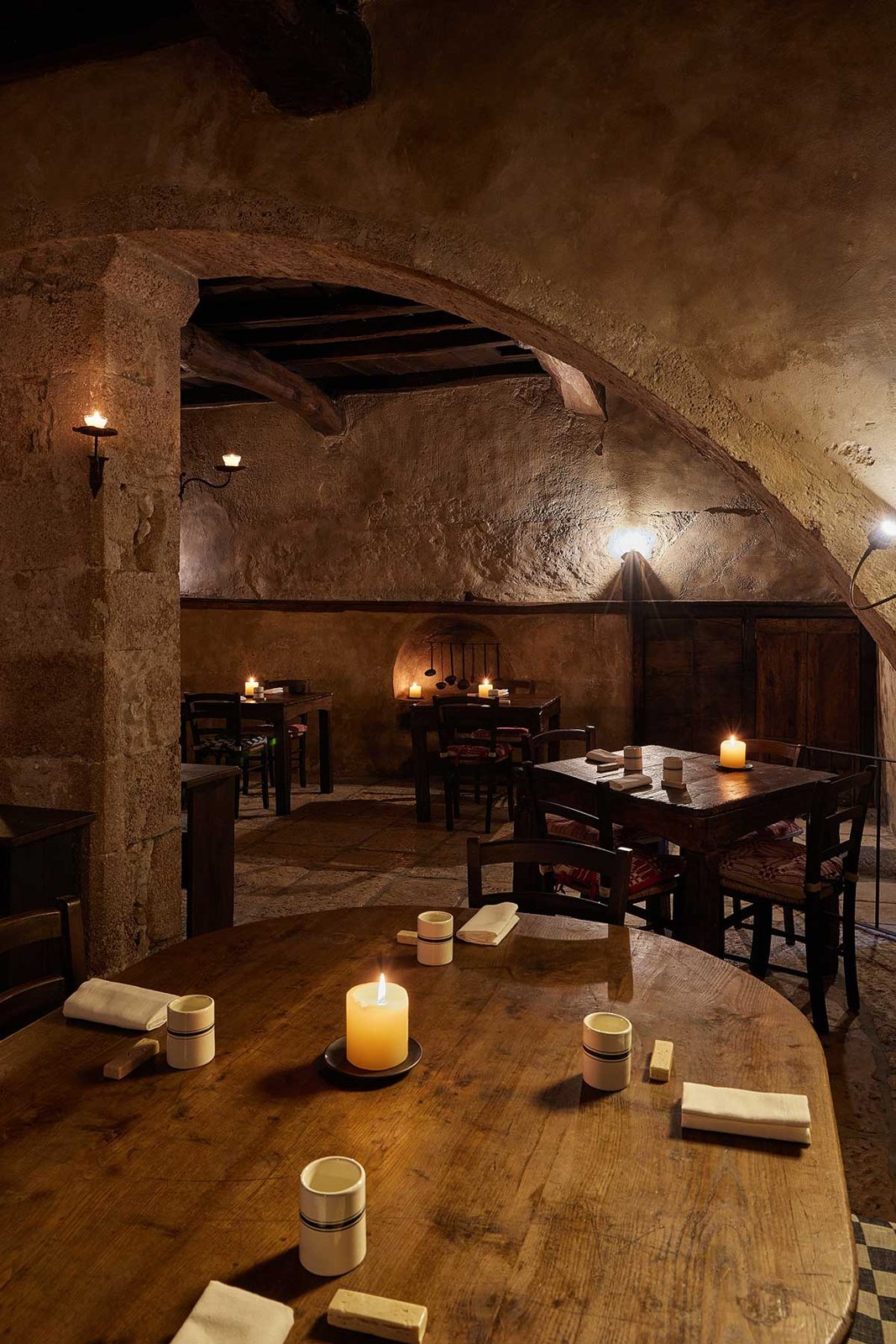
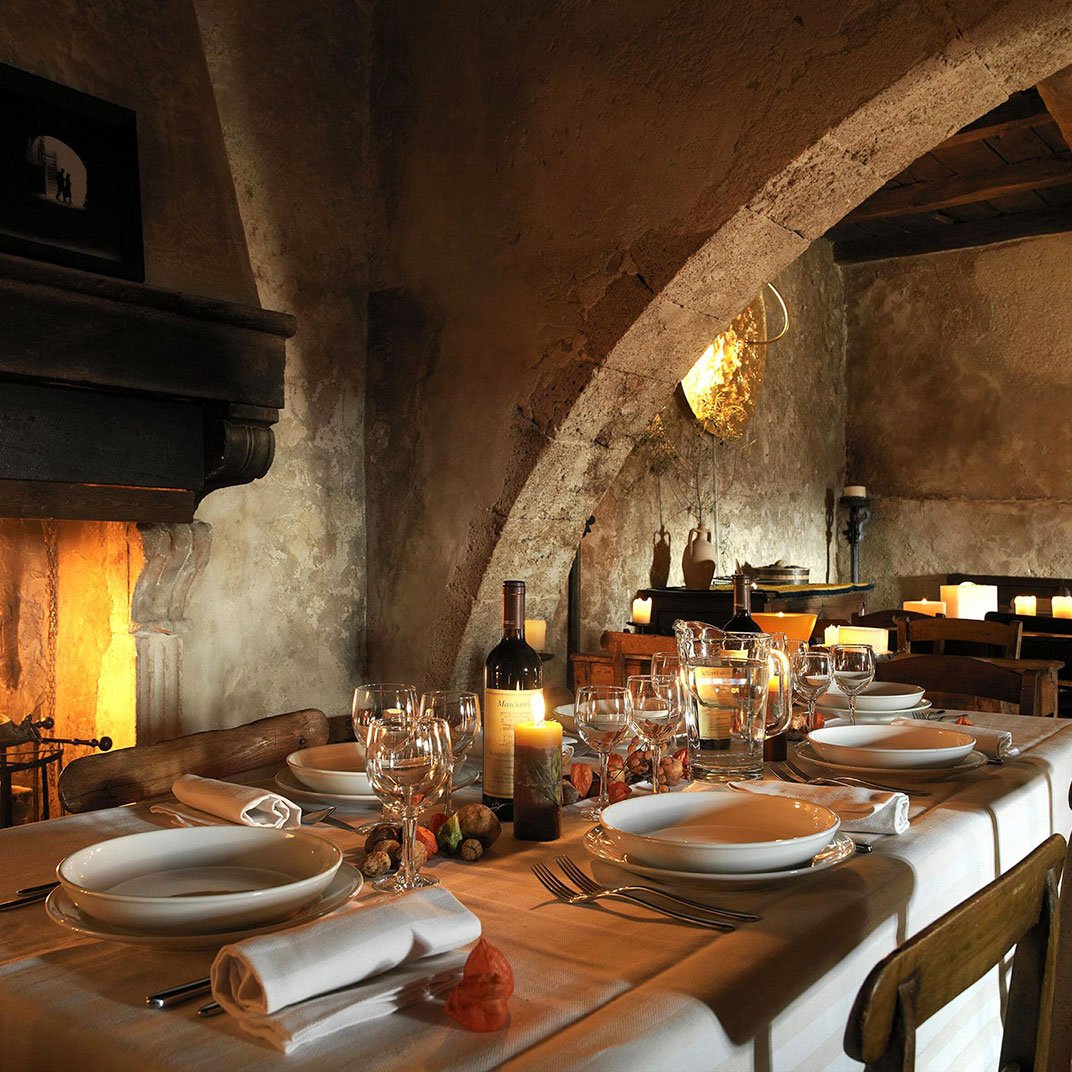
Sextantio operates like an argument for a different kind of hotel: an albergo diffuso stitched into a medieval mountain village rather than a contained property. The restoration treats stone walls, timber beams and vaulted ceilings as the visible record to be preserved, and the result feels deliberately restrained rather than theatrical. Set at 1,250 metres in the Gran Sasso massif, the village’s narrow lanes, sixteenth‑century tower and tiny population create a quietly charming, secluded atmosphere. The place reads as intimate and authentic—an architectural exercise in restraint that foregrounds history and the surrounding national park over modern spectacle.
Best For
Sextantio suits travelers who prize slow, contemplative stays and architectural authenticity. It is ideal for couples and small parties seeking a quietly romantic or restorative escape in the mountains, and for culturally minded visitors curious about sensitive heritage restoration. The dispersed-room model also appeals to guests who enjoy wandering medieval streets and being embedded in a living village rather than isolated in a resort. Given its remote location at altitude and proximity to the national park, it also works well for visitors planning outdoor exploration who value a peaceful base after a day on nearby trails.
Stay Tips
Expect an unconventional logistics pattern: the albergo diffuso model means check‑in, sleeping and dining can happen in different houses around the village. The description explicitly warns that guests 'check in somewhere, sleep somewhere else, eat somewhere else again,' so confirm arrival and check‑in details in advance. Roads are narrow and largely unlit, so plan to arrive in daylight and allow extra time for travel in mountain conditions. Pack for walking between locations within the village and for cool mountain evenings at altitude.
Venue details
Ambiance
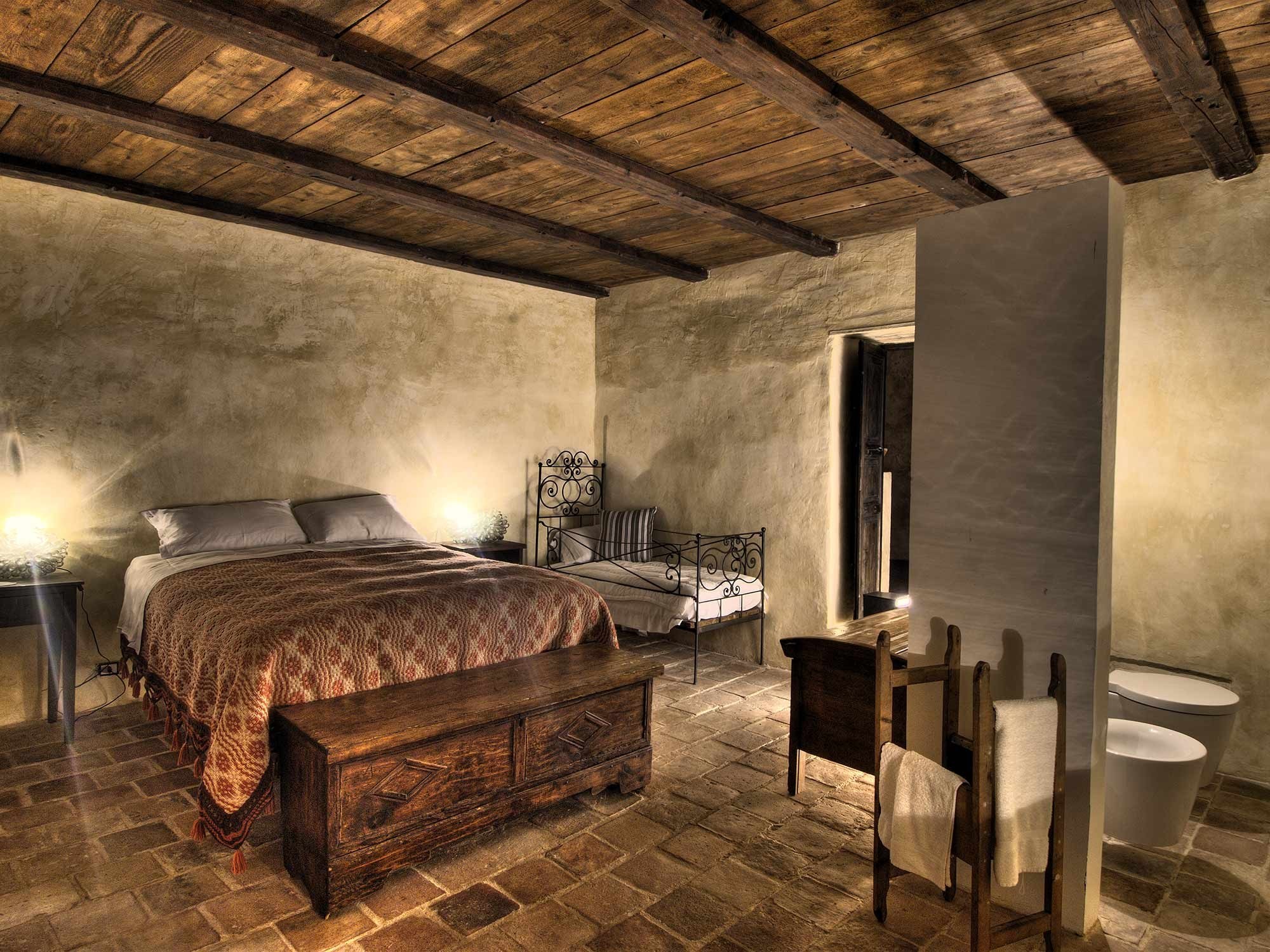
Dimly lit by beeswax candles with a medieval, enchanting atmosphere of stone walls, fireplaces, and rustic authenticity balanced by modern comforts.
Tags
Vibe
Best For
Experience
Amenities
View
About the Stay
- Rooms
- 0
- Check-in
- 15:00
- Check-out
- 11:00
- Property Type
- Heritage hotel
- Property Style
- Albergo Diffuso Scattered Throughout a Medieval Village
- Design Style
- Rustic Authentic with Antique Furnishings and Modern Bathrooms
- Breakfast
- Included
- Pets
- Allowed
Know before you go
Know Before You Go
- Getting there
- Via Principe Umberto, 67020 Santo Stefano di Sessanio AQ
Planning details
Location
Via Principe Umberto, 67020 Santo Stefano di Sessanio AQ · Directions
Recognition and awards
Also consider
Also Consider
- Villa Corallo, Notable alternative
- Palazzo Seneca, Notable alternative
- Palazzo Fiuggi, Notable alternative
- Casadonna Reale, Notable alternative
- Hotel Leone, Notable alternative
Hotel context
How it compares with nearby hotel options
Sextantio is the more place-specific choice if the stay itself is the reason for going to Santo Stefano di Sessanio. Hotel Leone is the easier cross-shop for travelers who want a simpler hotel base, while Villa Corallo is better framed as an alternative when availability or budget pushes the decision away from a harder-to-book village stay.
Palazzo Seneca and Casadonna Reale are stronger candidates for travelers building a broader central-Italy itinerary around food, countryside, and small-town atmosphere. Choose Sextantio when the architecture and village setting carry the trip; choose those peers when the overnight is part of a wider route.
Palazzo Fiuggi sits in a different lane: it is the better fit for travelers prioritizing a destination wellness-hotel structure over a low-key historic-village stay. If the question is value for money, Sextantio works when the room and setting are the experience; Palazzo Fiuggi makes more sense when facilities are the point.
Explore Santo Stefano di Sessanio
Around this place
Discover more on Pearl
Unlock the full Sextantio guide in Pearl, including awards, comparisons, FAQs, planning details, and nearby places.
Compare Sextantio
| Venue | Location | Awards |
|---|---|---|
| Sextantio | Santo Stefano di Sessanio | 2026 Design Hotels Collection2026 Michelin 1 KeyMichelin 1 Key 20252025 Michelin 1 Key2024 Michelin 1 Key |
| Villa Corallo | Sant'Omero | 2026 Michelin 1 Key2025 Michelin 1 Key |
| Palazzo Seneca | Norcia | 2026 Virtuoso Luxury Hotel Collection2026 Mr & Mrs Smith Luxury Hotels2026 Relais Chateaux Hotels2025 Michelin Selected Hotels2025 Relais Chateaux Award |
| Palazzo Fiuggi | Fiuggi | 2026 Virtuoso Luxury Hotel Collection2026 La Liste Top HotelsWorld Travel Awards 2025 |
| Casadonna Reale | Castel di Sangro | No published awards |
| Hotel Leone | Montelparo | No published awards |






How Sextantio Santo Stefano di Sessanio compares with similar nearby venues.
FAQ
Frequently Asked Questions
When is the best time to book Sextantio?
Book once your Santo Stefano di Sessanio dates are firm, especially if Sextantio is central to the trip. The Michelin 1 Key (2025) and 2026 Design Hotels Member - Sextantio Albergo Diffuso recognition make it worth planning rather than treating as a casual fallback.
Which room category is best at Sextantio?
What is check-in like at Sextantio?
How is the location of Sextantio?
Sextantio is in Santo Stefano di Sessanio. If you are comparing broader regional stays, Palazzo Seneca and Hotel Leone are other named options to consider, while Sextantio remains the Santo Stefano di Sessanio choice in this set.
Do loyalty programs work at Sextantio?
How is the dining at Sextantio?
For a dining-led comparison, Casadonna Reale is another named regional reference, while other dining in Santo Stefano di Sessanio should be researched separately.