

Vik Chile
San Vicente de Tagua Tagua, San Vicente De Tagua Tagua
Hotel in San Vicente De Tagua Tagua, Chile
 Book with Pearl
The Read
Vineyard-Perched Art Hotel
Why go
Vik Chile is a high-commitment wine-country stay for travelers who want the Millahue Valley setting to carry the trip. It is strongest for leisure stays built around time on property, less convincing for business travel or fast regional hopping. Michelin 2 Keys and Virtuoso recognition make it a serious luxury contender, but value depends on how much the remote address matters to the itinerary.
About Vik Chile
Vik Chile is a San Vicente De Tagua Tagua venue with a smart casual dress code and confirmed recognition that includes Michelin 2 Keys in 2025 and Virtuoso Luxury Hotel Partner status for 2026. Beyond those points, specific public-facing details such as pricing, room categories, dining format, service style, hours, and amenities should be checked directly with the venue before booking.
For travelers considering whether it is worth the trip, the safest value question is simple: does a stay in San Vicente De Tagua Tagua fit the itinerary, and do the confirmed accolades matter enough to justify prioritizing Vik Chile over other Chile options? If the plan depends on particular restaurant details, activities, room layouts, or logistics, confirm those specifics with the property rather than assuming them from third-party descriptions.
The San Vicente De Tagua Tagua setting is the key location detail
Vik Chile should be evaluated as a San Vicente De Tagua Tagua stay. The record does not support a more specific street address, neighborhood claim, landmark description, or detailed location promise here, so travelers should use the venue's own channels for arrival planning and transportation questions.
When comparing it with other Chile stays, keep the comparison broad and practical. Options such as Clos Apalta Residence, Hotel Casa Real - Viña Santa Rita, Hotel Las Majadas, Noi Puma Lodge, and Viña Antiyal may be useful reference points depending on the type of trip, but they should not be treated as interchangeable with Vik Chile without checking current details for each property.
Who should cross-shop before committing
Cross-shop if the decision depends on specifics such as restaurant style, exact room setup, included services, or transportation convenience. The confirmed information for Vik Chile supports a premium positioning through Michelin 2 Keys and Virtuoso Luxury Hotel Partner recognition, but it does not verify detailed claims about menus, prices, activities, or facilities.
Use local guides to decide whether the surrounding area gives enough to justify the commitment: San Vicente De Tagua Tagua hotels, San Vicente De Tagua Tagua restaurants, San Vicente De Tagua Tagua wineries, San Vicente De Tagua Tagua bars, and San Vicente De Tagua Tagua experiences. The short answer: consider Vik Chile when a premium San Vicente De Tagua Tagua stay with confirmed recognition is the priority; compare carefully if the trip requires specific services or logistics that are not here.
Planning details
- Location
- Rincon de Millahue SN, 2970000 San Vicente de Tagua Tagua, O'Higgins
- Website
- vikwine.com/vik-hotel
- Phone
- +56 2 2928 0855
The take
The Take
The Vibe
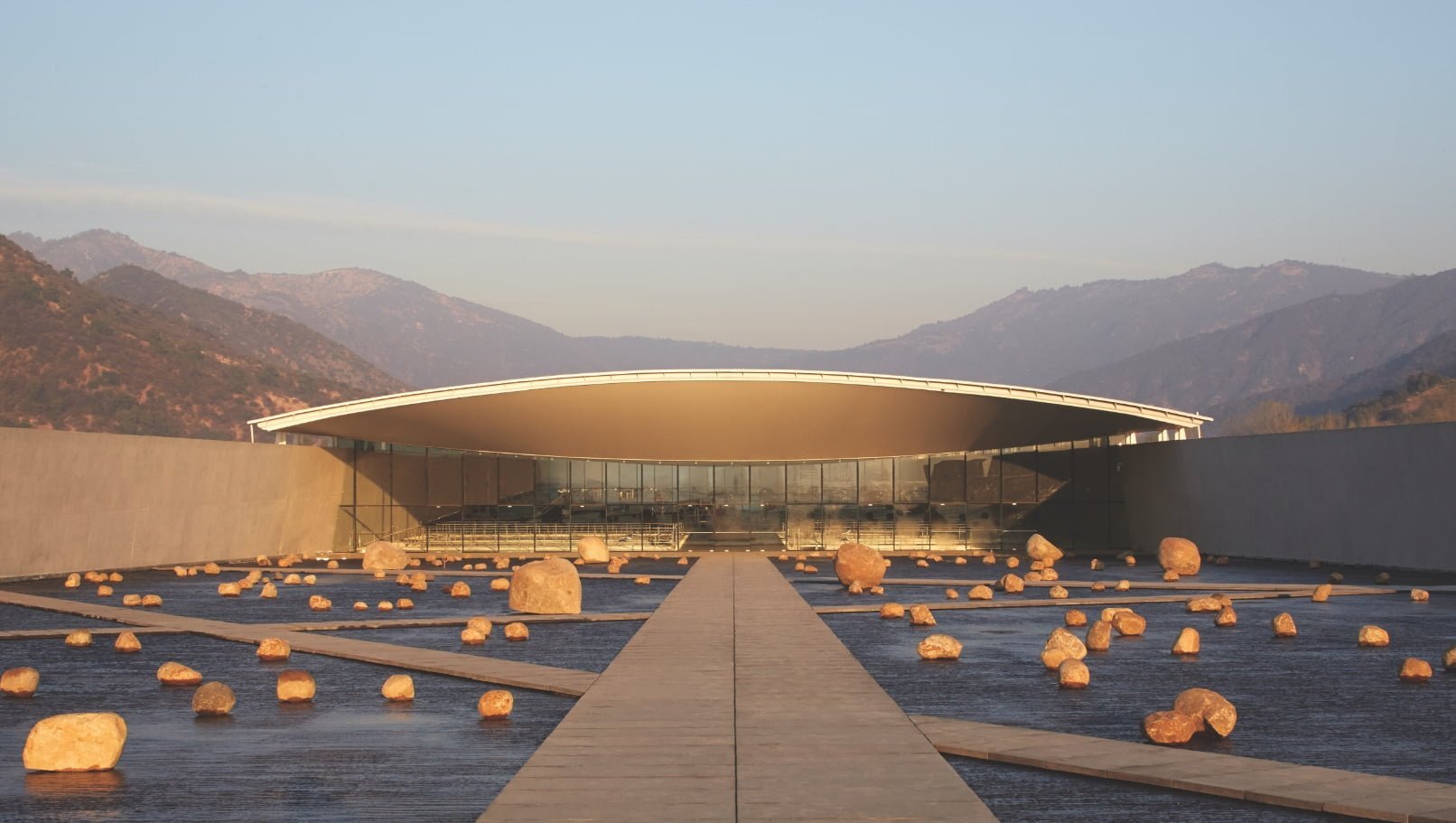
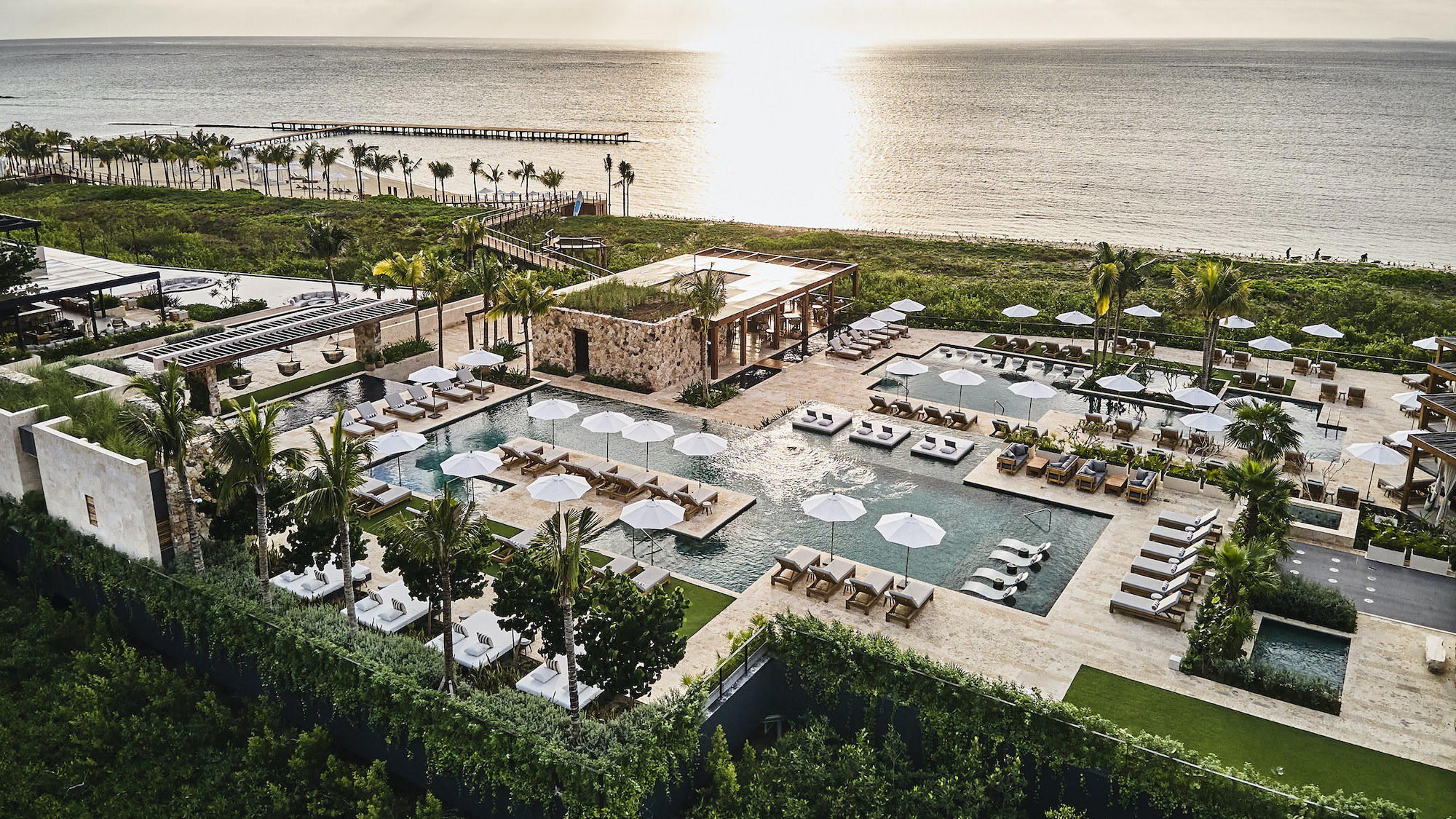
Vik Chile reads as a piece of architecture first and a hotel second: the low, horizontal form is treated like sculpture set into the Millahue Valley, and design choices are consistently rigorous rather than decorative. Interiors and exteriors are composed to sharpen the relationship with the vineyard; the central living space opens deliberately onto the panorama and a cantilevered granite pool projects into the hillside as if it were geological. An extensive contemporary art program and 29 individually conceived suites reinforce the sense that this is a design-led retreat for travelers who prioritize architecture, art and quiet, contemplative views.
Best For
This is a destination for design-minded getaways: couples seeking a romantic or honeymoon retreat, travelers celebrating anniversaries, and people looking for a restful weekend escape. The property's architecture-forward stance and focused art collection also make it appealing to guests interested in contemporary design and site-specific installations. With suites that emphasize distinct, design-forward concepts and large openings to vineyard panoramas, Vik Chile suits those who want a serene, visually driven experience rather than a conventional wine-country stay.
Venue details
Ambiance
Artistic and contemporary with stunning natural light from expansive glass structures, creating a relaxing and sophisticated hilltop retreat.
Tags
Vibe
Best For
Experience
Amenities
View
Accessibility
About the Stay
- Rooms
- 29
- Check-in
- 15:00
- Check-out
- 12:00
- Property Style
- Contemporary Architectural Landmark in Wine Country
- Design Style
- Modern Sculptural with Artistic Interiors
Know before you go
Know Before You Go
- Getting there
- Rincon de Millahue SN, 2970000 San Vicente de Tagua Tagua, O'Higgins
Planning details
Location
Rincon de Millahue SN, 2970000 San Vicente de Tagua Tagua, O'Higgins · Directions
Recognition and awards

Also consider
Also Consider
- Clos Apalta Residence, Notable alternative
- Noi Puma Lodge, Notable alternative
- Viña Antiyal, Notable alternative
- Hotel Casa Real - Viña Santa Rita, Notable alternative
- Hotel Las Majadas, Notable alternative
Hotel context
How It Compares
Choose Vik Chile when the priority is a full luxury-hotel experience in wine country and the booking difficulty is part of the tradeoff. Its Michelin 2 Keys recognition gives it a stronger formal luxury signal than Viña Antiyal, while Clos Apalta Residence is the sharper cross-shop for travelers who want a more wine-led stay rather than a broader design-hotel escape.
Noi Puma Lodge is the better fit for guests who care more about mountain-style seclusion and outdoor focus than polished wine-country atmosphere. Hotel Casa Real - Viña Santa Rita and Hotel Las Majadas make more sense for travelers who want a less remote base with easier regional logistics.
For value, do not treat these as interchangeable. Vik Chile is the splurge when the property itself is the destination. Clos Apalta Residence is the cleaner alternative for a wine-first trip, Noi Puma Lodge suits outdoors-focused guests, and Hotel Las Majadas is the safer pick when access and flexibility matter more than a destination-hotel mood.
Explore San Vicente De Tagua Tagua
Around this place
Discover more on Pearl
Unlock the full Vik Chile guide in Pearl, including awards, comparisons, FAQs, planning details, and nearby places.
Compare Vik Chile
| Venue | Location | Awards |
|---|---|---|
| Vik Chile | San Vicente De Tagua Tagua | 2026 Virtuoso Luxury Hotel Collection2026 Michelin 2 KeysMichelin 2 Keys 20252025 Michelin 2 Keys |
| Clos Apalta Residence | Valle de Apalta | 2026 Relais Chateaux Hotels2025 Relais Chateaux Award |
| Noi Puma Lodge | Cachapoal | No published awards |
| Viña Antiyal | Huelquen | No published awards |
| Hotel Casa Real - Viña Santa Rita | Santiago | No published awards |
| Hotel Las Majadas | Pirque | Leading Hotels of the World 2026 |



How Vik Chile compares with similar nearby venues.
FAQ
Frequently Asked Questions
When is the best time to book Vik Chile?
Book as early as you would for a premium stay in San Vicente De Tagua Tagua, especially if the confirmed Michelin 2 Keys recognition is part of the appeal. For exact availability, rates, and booking terms, check directly with Vik Chile.
Is Vik Chile good for business travel?
If the trip depends on corporate logistics, confirm the details directly with Vik Chile and compare with options such as Hotel Casa Real - Viña Santa Rita.
How does Vik Chile compare to other Chile hotels?
Vik Chile has confirmed Michelin 2 Keys recognition and Virtuoso Luxury Hotel Partner status. Other Chile options to compare include Hotel Las Majadas, Hotel Casa Real - Viña Santa Rita, Clos Apalta Residence, Noi Puma Lodge, and Viña Antiyal, depending on your itinerary and the specific services you need.
How is the dining at Vik Chile?
Which room category is best at Vik Chile?
Choose only after reviewing the current options directly with Vik Chile, especially if privacy, views, layout, or included services are important to the stay.