
Hotel in San Marcos, United States
LivAway Suites - San Marcos
150Pearl PointsCorridor Extended-Stay
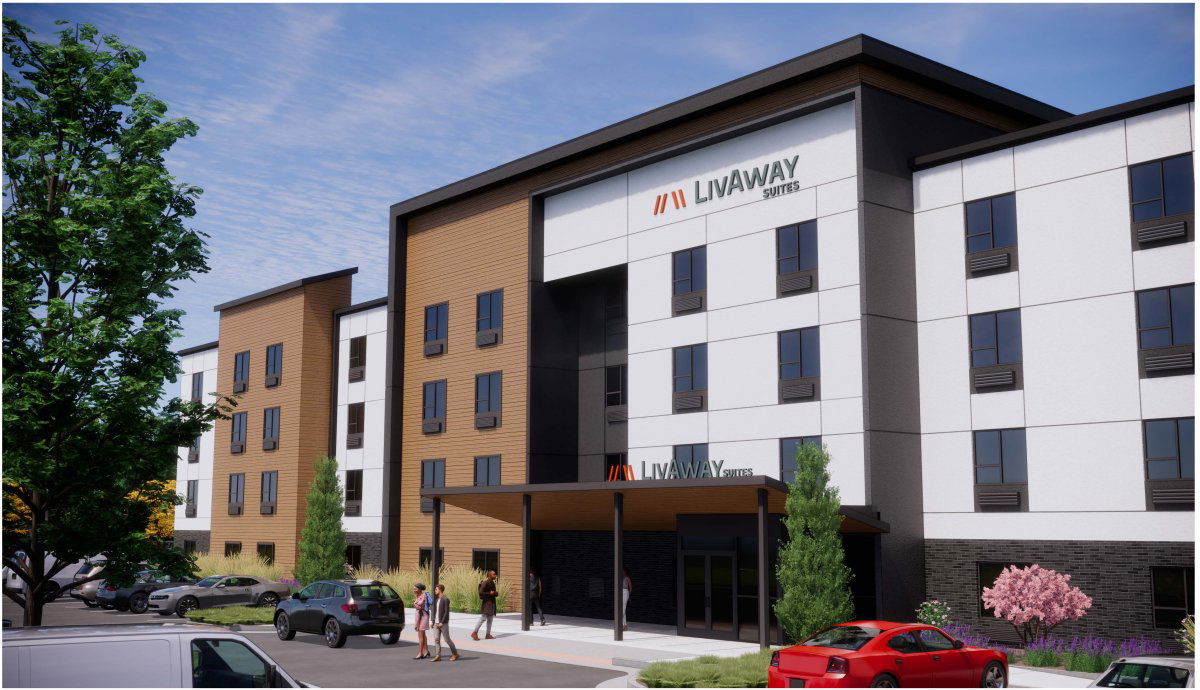
About LivAway Suites - San Marcos
LivAway Suites in San Marcos occupies the extended-stay tier of a Texas Hill Country city that draws both university traffic and interstate travelers. The property fits a category designed around longer-duration stays, with suite-format rooms built for self-sufficiency rather than brief overnight stops. For travelers who need a functional base in central San Marcos, the format is straightforward and purposeful.
San Marcos and the Extended-Stay Model
San Marcos sits at the corridor between Austin and San Antonio, roughly equidistant from both, which gives it a particular character in the Texas lodging market. It is a university city, home to Texas State, and its hospitality infrastructure reflects that mix: short-term motel stock, a handful of branded limited-service hotels, and an extended-stay tier that serves the contractors, relocating families, and longer-term visitors the university economy consistently generates. LivAway Suites operates within that extended-stay tier, a format that has grown steadily across secondary American cities as remote work and project-based employment have changed how people occupy hotel rooms.
The extended-stay category is architecturally distinct from full-service hotels. Where properties like The Fifth Avenue Hotel in New York City or Raffles Boston are organized around lobby experience, public dining, and theatrical arrival sequences, extended-stay properties invert those priorities. The design logic places investment in the room itself: kitchen facilities, workspace configuration, and storage that supports living rather than visiting. LivAway Suites in San Marcos follows that design logic, with suites built around in-room cooking capability and the kind of layout that makes a two-week stay feel less like a hotel and more like a furnished apartment.
What the Physical Format Communicates
Extended-stay design in the American mid-market has converged on a recognizable typology over the past decade. The suite footprint typically runs larger than a standard hotel room, with a defined kitchen zone featuring a full-size refrigerator, a two-burner cooktop or microwave, and counter space sufficient for actual meal preparation. The living area separates from the sleeping area enough to allow two people to occupy the room without constant overlap. Closet and drawer space exceeds what a transient hotel room provides, because the assumption is that luggage will be unpacked.
This design philosophy sits at a different point on the spectrum from properties like Amangiri in Canyon Point or Post Ranch Inn in Big Sur, where architecture is conceived as an experience in itself, a statement about landscape and materiality. The extended-stay model makes no such claim. Its architecture is functional and replicable, designed to reduce friction for the guest who needs to work, cook, and sleep without the overhead of navigating full-service hotel amenities they will not use.
For the traveler comparing across categories, the distinction matters. Properties like Troutbeck in Amenia or The Stavrand in Guerneville are organized around a sense of place, with design that reflects local character and hospitality that is curated. LivAway Suites in San Marcos belongs to a different category entirely, one where the measure of success is operational reliability and room functionality rather than atmosphere or narrative.
San Marcos as a Base
The city itself has more going for it than its interstate-exit reputation suggests. The San Marcos River runs through the center of town and supports a tubing culture that draws visitors throughout the warmer months, roughly April through October in terms of peak activity. The historic downtown square has a density of independent restaurants and bars that reflects the university population, and the Premium Outlets complex on the interstate draws regional shopping traffic year-round. For a traveler staying multiple nights or weeks, the city provides adequate infrastructure without requiring a car for every errand.
That context matters when evaluating the extended-stay format. The case for LivAway Suites is strongest when the stay exceeds four or five nights, when access to a kitchen reduces the cost and fatigue of eating out for every meal, and when proximity to a specific employer or campus address is the primary selection criterion. San Marcos sits close enough to both Austin and San Antonio that either city's professional or cultural resources are reachable within an hour, which extends the effective range of a San Marcos base considerably.
Travelers whose priorities run toward design-led lodging, curated food and beverage programs, or the kind of property that generates its own reason to visit should look at a different tier. Bowie House, Auberge Resorts Collection in Fort Worth or Chicago Athletic Association in Chicago represent properties where the hotel itself is part of the itinerary. LivAway Suites makes no equivalent claim and should not be evaluated against that standard.
Planning a Stay
San Marcos accommodations fill quickly around Texas State's move-in weekends in late August and mid-January, and during home football games in the fall. For extended-stay bookings that overlap with those windows, securing dates in advance by several weeks is advisable. The LivAway Suites format is designed for direct booking, and the extended-stay tier generally offers rate structures that improve with length of stay, making a seven-night or longer booking more cost-efficient than nightly rates would imply. Guests planning to use the kitchen facilities should verify the specific appliance configuration at booking, as extended-stay properties occasionally vary kitchen equipment between room categories. For travelers in the region exploring broader Texas lodging options, our full San Marcos restaurants and hotels guide covers the wider scene.
Frequently Asked Questions
Is LivAway Suites San Marcos more formal or casual?
The extended-stay format positions squarely at the casual end. There is no dress expectation, no dining room service, and no lobby culture to speak of. The property is designed for self-sufficient stays where guests set their own schedule and use the room as a functional base. If formality or a curated arrival experience matters, properties in a different tier, such as Four Seasons at The Surf Club in Surfside, would be a better fit.
What is the most popular room type at LivAway Suites San Marcos?
Without verified occupancy data, it would be speculation to identify a single most-popular room type. Extended-stay properties typically structure their inventory around studio suites and one-bedroom configurations, with demand skewing toward one-bedroom layouts for stays beyond a week, where the separation of living and sleeping space becomes more valuable. Confirming availability and current configuration directly with the property at booking is the most reliable approach.
Why do people go to LivAway Suites San Marcos?
The primary draw is functional: San Marcos sits between Austin and San Antonio, close to Texas State University, and the extended-stay format suits contractors, relocating employees, visiting faculty, and families in transition. The in-room kitchen reduces reliance on dining out during longer stays, and the suite layout provides more livable space than a standard hotel room at a comparable or lower nightly rate.
Do I need a reservation for LivAway Suites San Marcos?
Reservations are advisable, particularly during Texas State University's move-in periods and fall football weekends, when mid-range San Marcos accommodation fills quickly. The extended-stay tier tends to attract longer-duration bookings that take rooms off the available inventory for extended windows. Booking directly through the property's website or a major travel platform gives the most current availability and rate information.
What is a smart way to approach LivAway Suites San Marcos?
Book early if your stay overlaps with any Texas State University event calendar date, and clarify the specific kitchen appliances included in your room type before arrival. The value proposition improves significantly at seven nights or longer, so if your stay is hovering around four or five nights, running the per-night math on a week-long rate is worth the calculation. Having a clear sense of your proximity needs, whether to the university, the Premium Outlets, or a specific employer, will confirm whether the location works for your itinerary.
Is LivAway Suites San Marcos overpriced or worth it?
Extended-stay properties in secondary Texas markets like San Marcos generally price below comparable Austin inventory while offering more square footage and kitchen access than a standard hotel room. The value case is strongest for stays of a week or more, where the kitchen reduces food costs and the larger layout reduces the friction of daily hotel living. Comparing it against full-service or design-led hotels is the wrong framework; compared against its actual peer set, the extended-stay format typically delivers on its functional promise.
How does LivAway Suites San Marcos compare to short-term rental options in the area?
The extended-stay hotel format occupies a middle position between standard hotels and short-term rentals. Compared to platforms like Airbnb or Vrbo, an extended-stay suite offers more consistent quality standards, front-desk support for issues that arise mid-stay, and no cleaning-fee surprises on booking. For travelers who want apartment-style functionality without the variability of individual rental listings, the extended-stay format in San Marcos represents a predictable alternative, particularly for business or university-adjacent stays where reliability matters more than local character.
Location
San Marcos, United States
Save or rate LivAway Suites - San Marcos on Pearl
Keep this venue in your Pearl passport, rate it after you visit, and track it alongside every other place you collect.