Fonte de' Medici
Montefiridolfi, San Casciano in Val di Pesa
Hotel in San Casciano in Val di Pesa, Italy
 Book with Pearl
The Read
Chianti Classico Estate Hospitality
Why go
Book Fonte de' Medici if you want a countryside base near San Casciano in Val di Pesa and are not relying on the hotel restaurant as the main reason to stay. The smarter use is slow Chianti access, winery days, and local meals, with Salvadonica and Villa Il Poggiale as the closest cross-shops.
About Fonte de' Medici
Fonte de' Medici is a San Casciano in Val di Pesa venue. The practical note is simple: the dress code is smart casual. Before planning around cuisine, chef, menu format, price, facilities, room categories, service style, or awards, check directly for current details.
Use Fonte de' Medici as a name to consider after confirming the details that matter for your trip. If the decision depends on dining specifics, amenities, or a particular style of stay, compare it against other options and check current information before booking. For broader planning, use our full San Casciano in Val di Pesa restaurants guide alongside the hotel search.
Book with confirmed details, not assumptions
The safest way to evaluate Fonte de' Medici is to start with the basics: it is in San Casciano in Val di Pesa, and smart casual dress is appropriate. Do not rely on assumptions about awards, cuisine, facilities, check-in style, pricing, or room types. If those details are important, confirm them with the venue or your booking platform before committing.
Cross-shop before committing. Salvadonica and Villa Il Poggiale are relevant names to compare when looking at stays around San Casciano in Val di Pesa. Also scan our full San Casciano in Val di Pesa hotels guide, plus the area guides for wineries, bars, and experiences.
Planning details
- Location
- Via Santa Maria a Macerata, 41, 50026 Montefiridolfi FI, Italy
The take
The Take
The Vibe
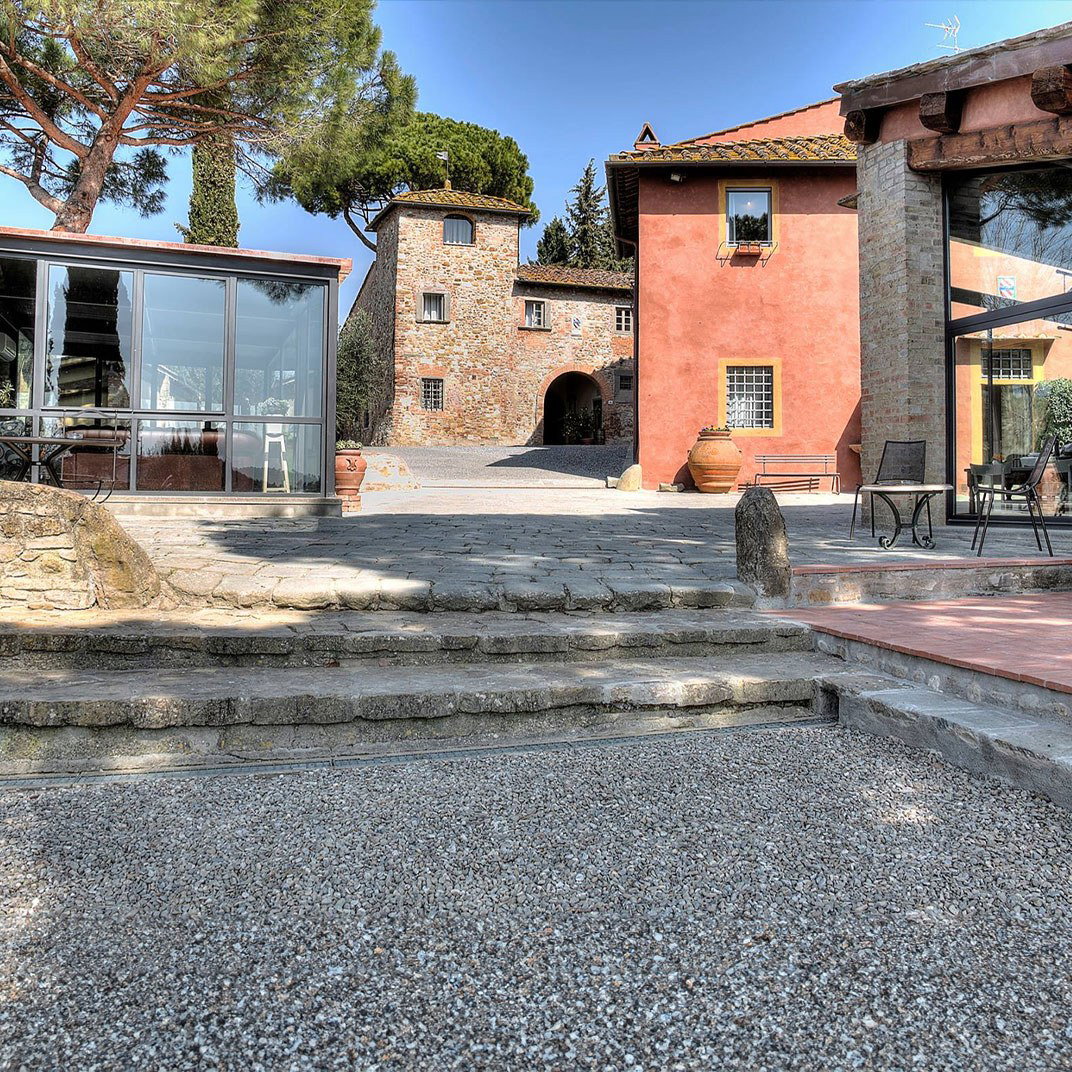
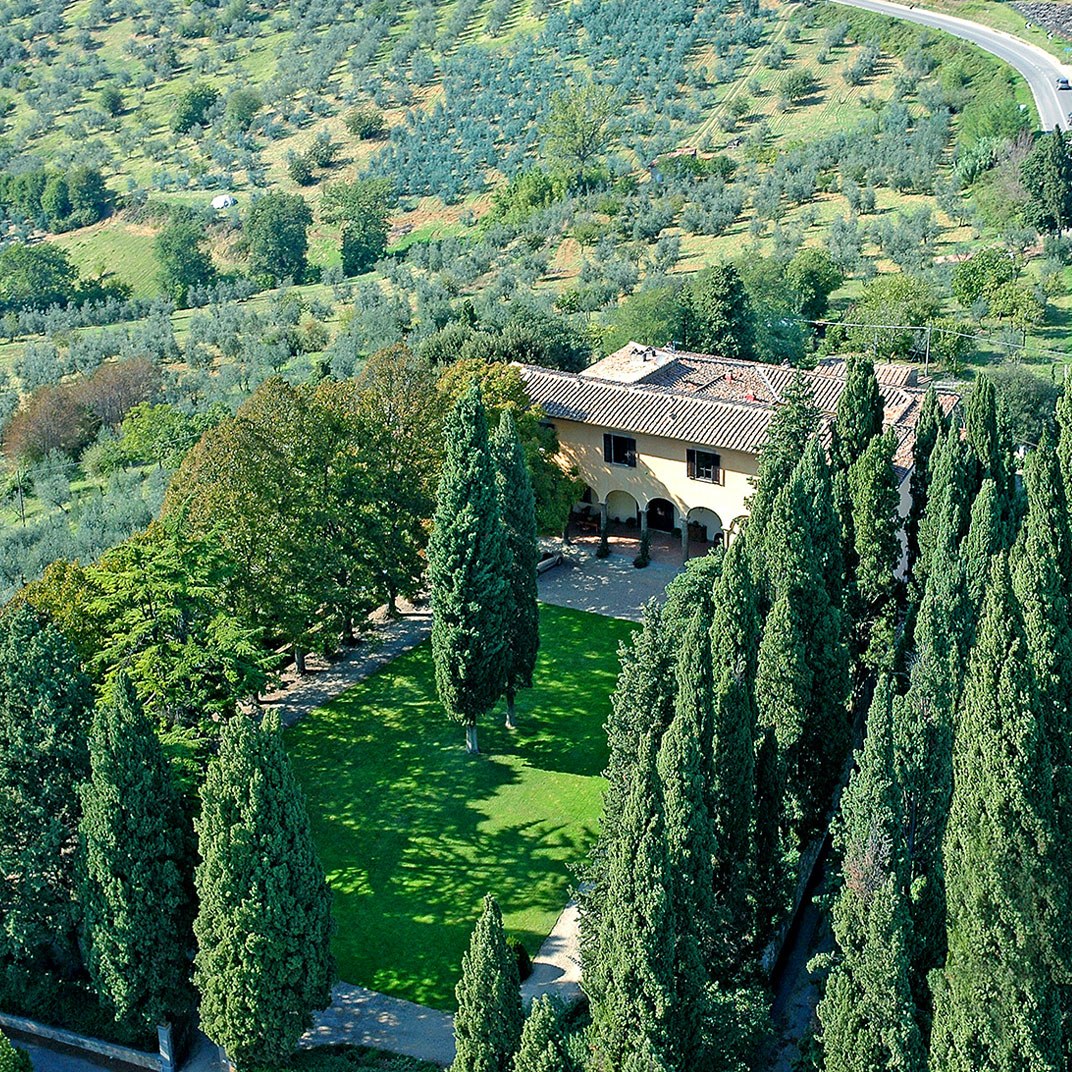
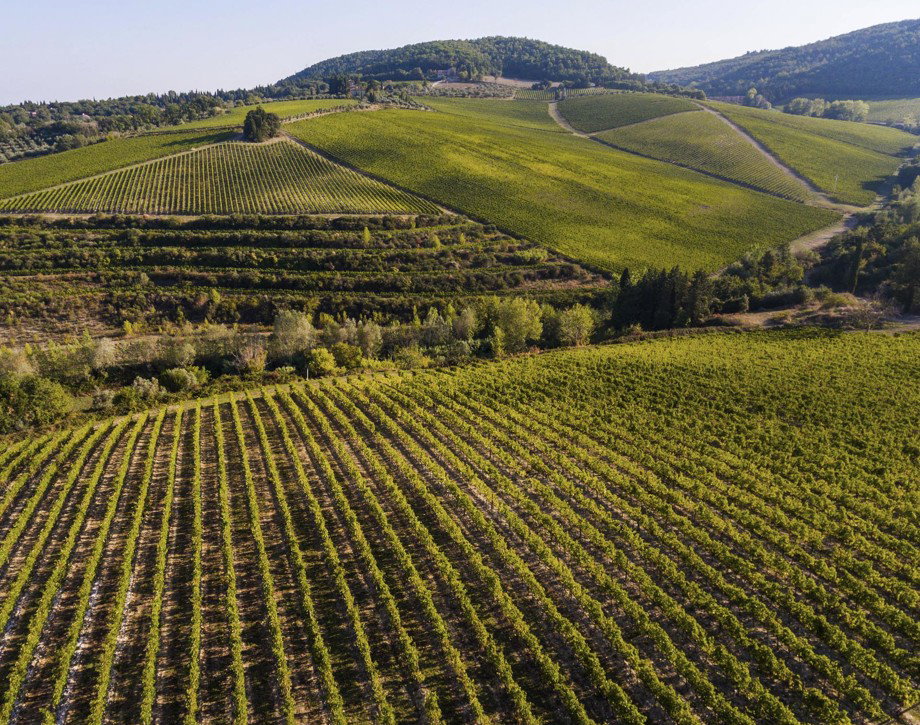
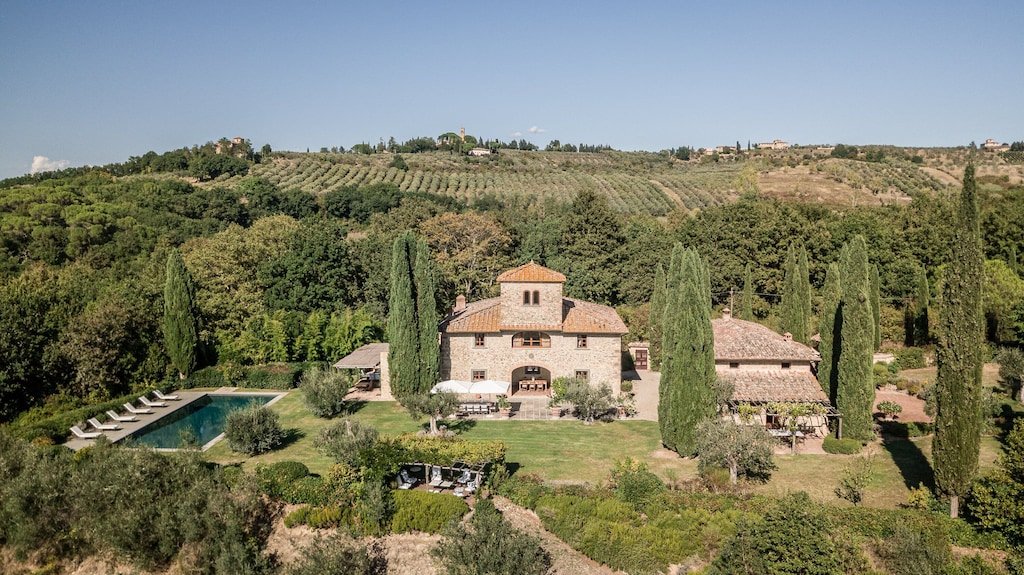
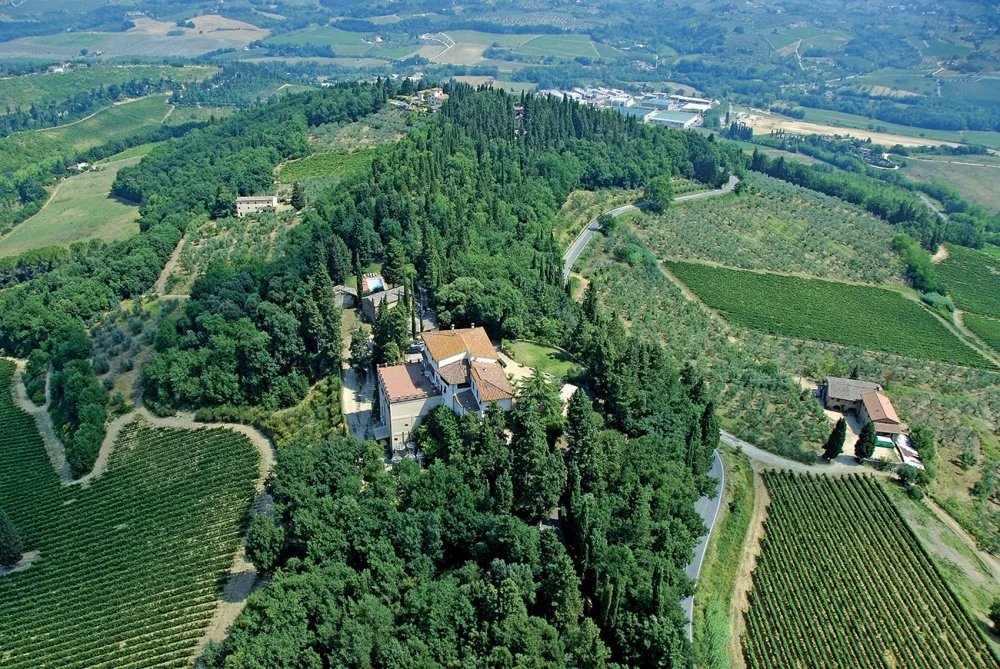
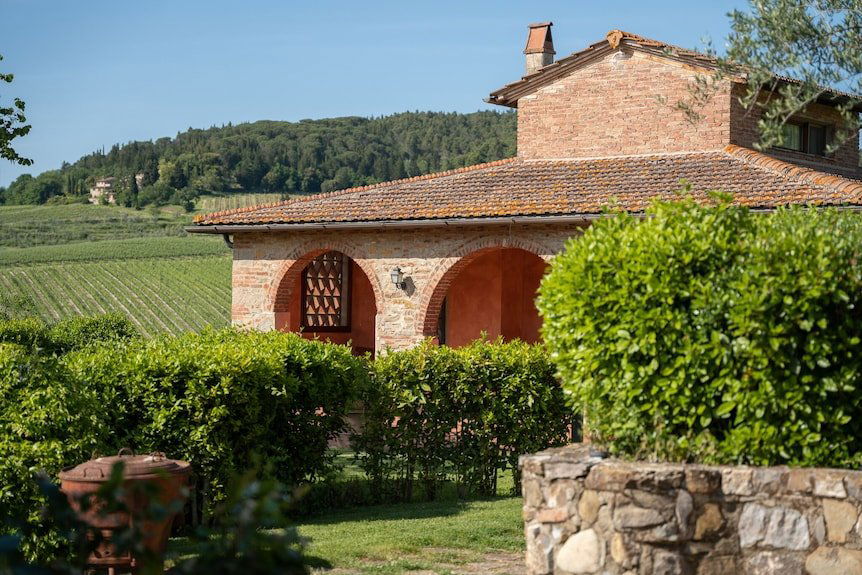
Fonte de' Medici reads as a genuine Tuscan estate rather than a transplanted international luxury brand. The property foregrounds the architecture — stone farmhouses, logge and agricultural outbuildings — so interiors feel like continuations of the surrounding hills. Sitting in the Chianti Classico zone, the estate embraces a classic, historic character: terraced land, olive groves and Sangiovese vines shape the experience more than any ostentatious lobby. The result is a quietly charming, serene retreat that feels rooted in local building traditions and agricultural history rather than in trend-driven design.
Best For
This is a slow-country escape for travelers seeking a quiet, romantic retreat in the heart of Chianti Classico. It suits couples and small groups who want to immerse themselves in the landscape and the region’s viticultural history rather than a bustling hotel scene. Visitors interested in the agricultural and wine-producing context of Tuscany will find the setting particularly rewarding — the estate’s stone fabric and terraced vineyards make it a natural base for exploring Sangiovese country, nearby villages and the rhythms of rural life.
Venue details
Ambiance
Tranquil and homey atmosphere with rustic stone buildings, garden views, and a peaceful countryside setting praised for its relaxing Tuscan charm.
Tags
Vibe
Best For
Experience
Amenities
View
Accessibility
About the Stay
- Rooms
- 28
- Check-in
- 14:30
- Check-out
- 10:00
- Property Style
- Historic Tuscan Agriturismo with Stone Farmhouses and Village Like Borgo.
- Design Style
- Rustic Tuscan with Modern Comforts, Tiled Floors, and Vineyard Inspired Decor.
Know before you go
Know Before You Go
- Getting there
- Via Santa Maria a Macerata, 41, 50026 Montefiridolfi FI, Italy
Planning details
Location
Via Santa Maria a Macerata, 41, 50026 Montefiridolfi FI, Italy · Directions
Also consider
Also Consider
- Salvadonica, Notable alternative
- COMO Castello del Nero, Notable alternative
- La Locanda Di Pietracupa, Notable alternative
- Villa Le Barone, Notable alternative
- Villa Il Poggiale, Notable alternative
Hotel context
How it compares with nearby countryside stays
Fonte de' Medici is the safer pick for travelers who want a San Casciano in Val di Pesa base and easygoing countryside pacing, but it is not the strongest choice if the hotel restaurant needs to carry the trip. Compare it first with Salvadonica and Villa Il Poggiale, because both sit in the same local decision set and make sense for similar Chianti-hills itineraries.
If the trip can stretch beyond San Casciano, COMO Castello del Nero is the more ambitious comparison: choose it when a fuller resort feel matters more than staying close to this town. La Locanda Di Pietracupa is the better cross-shop when the meal is central to the plan, while Villa Le Barone suits travelers looking for a classic countryside-hotel mood outside the immediate San Casciano set.
For value, Fonte de' Medici makes sense when pricing is competitive for the dates and the goal is a calm base rather than a badge-property stay. If booking difficulty is a concern, keep Salvadonica and Villa Il Poggiale open as parallel options, then decide based on availability, room category, and how much of the trip will be spent on property.
Explore San Casciano in Val di Pesa
Around this place
Discover more on Pearl
Unlock the full Fonte de' Medici guide in Pearl, including awards, comparisons, FAQs, planning details, and nearby places.
Compare Fonte de' Medici
| Venue | Location | Awards |
|---|---|---|
| Fonte de' Medici | San Casciano in Val di Pesa | No published awards |
| Salvadonica | San Casciano in Val di Pesa | No published awards |
| COMO Castello del Nero | Tavarnelle Val di Pesa | 2026 Virtuoso Luxury Hotel Collection2026 Mr & Mrs Smith Luxury Hotels2025 Michelin 1 Key2024 Michelin 1 Key |
| La Locanda Di Pietracupa | Tavarnelle Val di Pesa | No published awards |
| Villa Le Barone | Pieve Di Panzano | No published awards |
| Villa Il Poggiale | San Casciano in Val di Pesa | No published awards |


How Fonte de' Medici compares with similar nearby venues.
FAQ
Frequently Asked Questions
Do loyalty programs work at Fonte de' Medici?
If points, elite benefits, or member rates matter, confirm them directly before booking. Fonte de' Medici is in San Casciano in Val di Pesa and has a smart casual dress code.
How is the pool and spa at Fonte de' Medici?
Do not assume specific wellness facilities are available. Check the current booking details directly if those amenities matter. If you are comparing options, COMO Castello del Nero is another name to include in a broader Tuscany search, but confirm amenities venue by venue.
How is the location of Fonte de' Medici?
Fonte de' Medici is in San Casciano in Val di Pesa. Use the city-level location for initial planning, and confirm exact arrival information through your booking source.
What is check-in like at Fonte de' Medici?
How does Fonte de' Medici compare to nearby hotels?
Compare Fonte de' Medici with Salvadonica, Villa Il Poggiale, COMO Castello del Nero, Villa Le Barone, and La Locanda Di Pietracupa based on details such as location, availability, amenities, and booking terms. For Fonte de' Medici, the key basics are San Casciano in Val di Pesa as the city and smart casual as the dress code.
Which room category is best at Fonte de' Medici?
Review the current room descriptions, photos, cancellation terms, and included amenities before choosing.