


Schloss Mönchstein
Mönchsberg, Salzburg
Hotel in Salzburg, Austria
 Book with Pearl
The Read
Hilltop Castle Precision
Why go
A strong choice for a quieter, higher-end Salzburg stay above the Old Town, especially for repeat visitors or milestone trips. Schloss Mönchstein makes less sense if the priority is street-level convenience, but its hilltop setting and serious hotel recognition help justify the splurge when the room and setting are part of the trip.
About Schloss Mönchstein
Schloss Mönchstein is a luxury hotel in Salzburg with recognition that includes Michelin 2 Keys in 2024, La Liste Top Hotels 2026 with 98pts, and World Luxury Hotel Awards 2025 country and regional winner recognition. While these accolades highlight the property's standing, details about room categories, dining, views, service inclusions, or neighborhood logistics are best confirmed directly before booking.
The hotel's external recognition is a key strength when considering a particular stay style. If you are comparing premium Salzburg hotels, Schloss Mönchstein belongs in the conversation on the strength of its accolades. If your decision depends on specific amenities, exact booking benefits, restaurant details, or family arrangements, clarify those points with the hotel or your booking channel.
Book for luxury recognition, not specific details
Schloss Mönchstein is in Salzburg, has a smart-casual dress code, and holds Michelin 2 Keys from 2024. It is also listed in La Liste Top Hotels 2026 with 98pts and recognized by the World Luxury Hotel Awards 2025 as both a country winner and a regional winner.
These accolades make it a serious candidate for a high-end Salzburg stay, but they do not specify the best room category, exact inclusions, restaurant format, or on-property experience details. The safer booking strategy is to compare the rate and terms carefully, then clarify any stay-defining details directly before committing.
Direct-book value should be checked against the actual offer
Specific package inclusions, loyalty benefits, upgrades, breakfast treatment, or cancellation advantages vary by offer, so the value case should be assessed from the live booking offer rather than assumed. Compare the rate, terms, and stated inclusions across your preferred booking channels and ask the hotel to clarify anything that matters to the stay.
The recognition is meaningful in the luxury-hotel context, led by Michelin 2 Keys in 2024, La Liste Top Hotels 2026 with 98pts, and World Luxury Hotel Awards 2025 country and regional winner recognition. That does not automatically make it the right Salzburg booking for every traveler, but it gives the property a luxury baseline for comparison with other premium options in the city.
Who should choose it next time
Choose Schloss Mönchstein if hotel recognition is a central part of the decision and you want a premium Salzburg stay backed by Michelin 2 Keys and other luxury-hotel accolades. If your choice depends on specific dining details, family services, room features, loyalty benefits, or exact location logistics, clarify those points before booking rather than relying on assumptions.
Inside Schloss Mönchstein
Planning details
- Location
- Mönchsberg Park 26, 5020 Salzburg
- Website
- monchstein.at
- Phone
- +43 662 8485550
The take
The Take
The Vibe
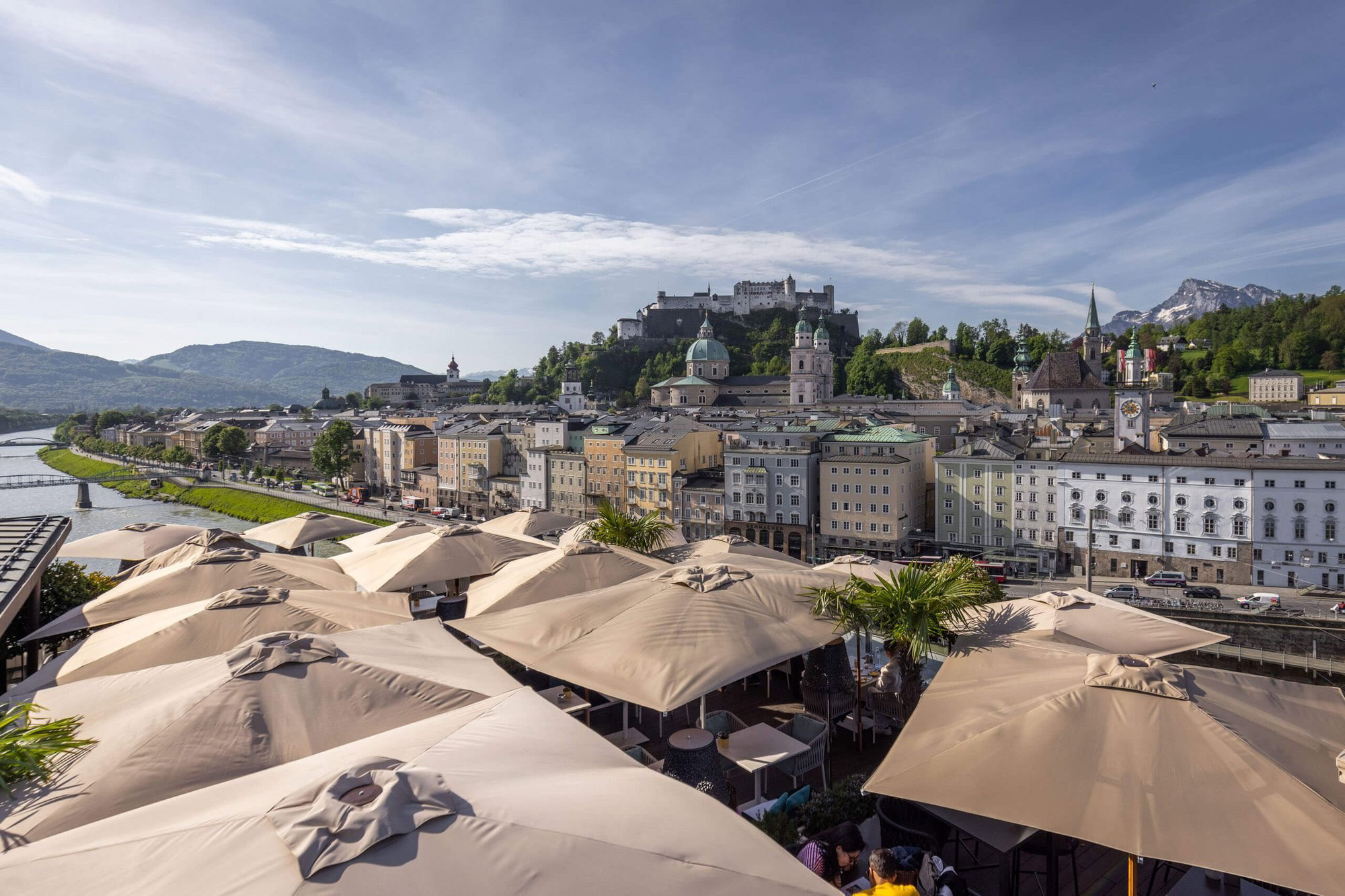
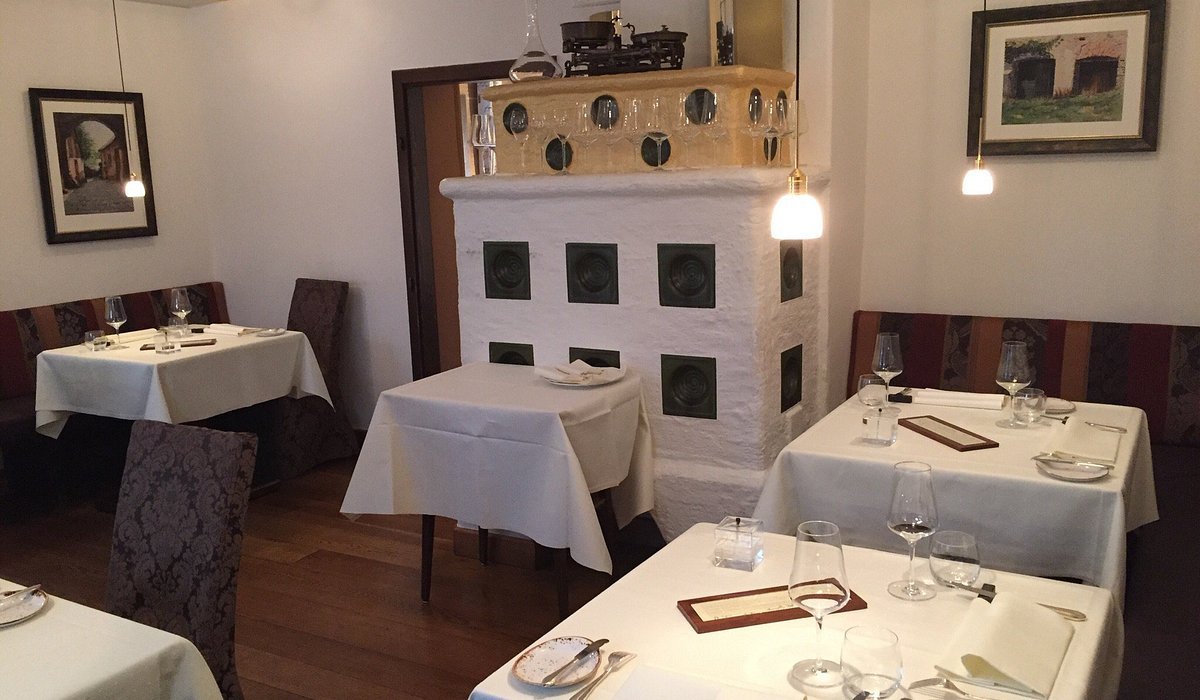
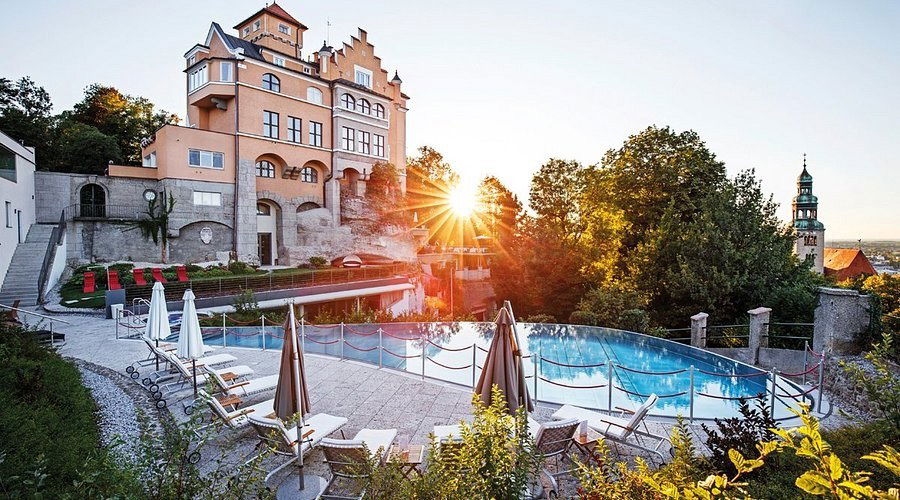
Schloss Mönchstein reads like a private country house perched over Salzburg. The castle’s hilltop siting on the forested Mönchsberg and its deliberately small scale give the property an intimate, residential feel: guests arrive by steep footpath or private hotel transport and find the city spread below them rather than beside them. That distance from the Old Town quiets the hotel’s energy, so public spaces and meals feel composed and calm rather than bustling. The combination of historic fabric, bedroom count that favors privacy, and sweeping sightlines makes the hotel feel like a secluded retreat within easy reach of the city.
Best For
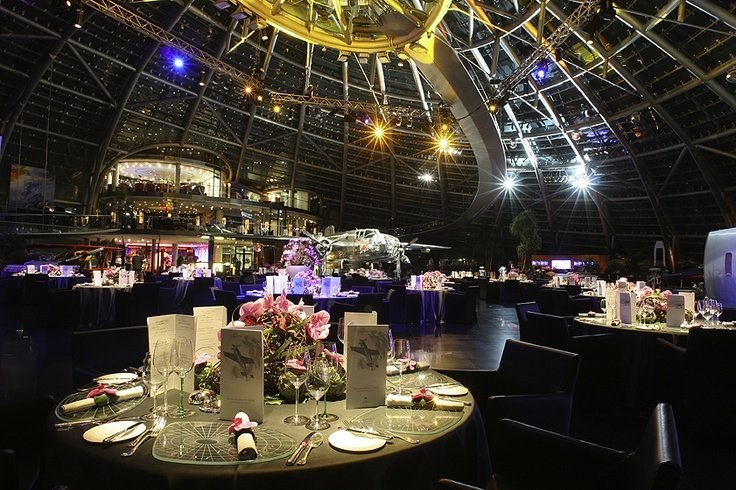
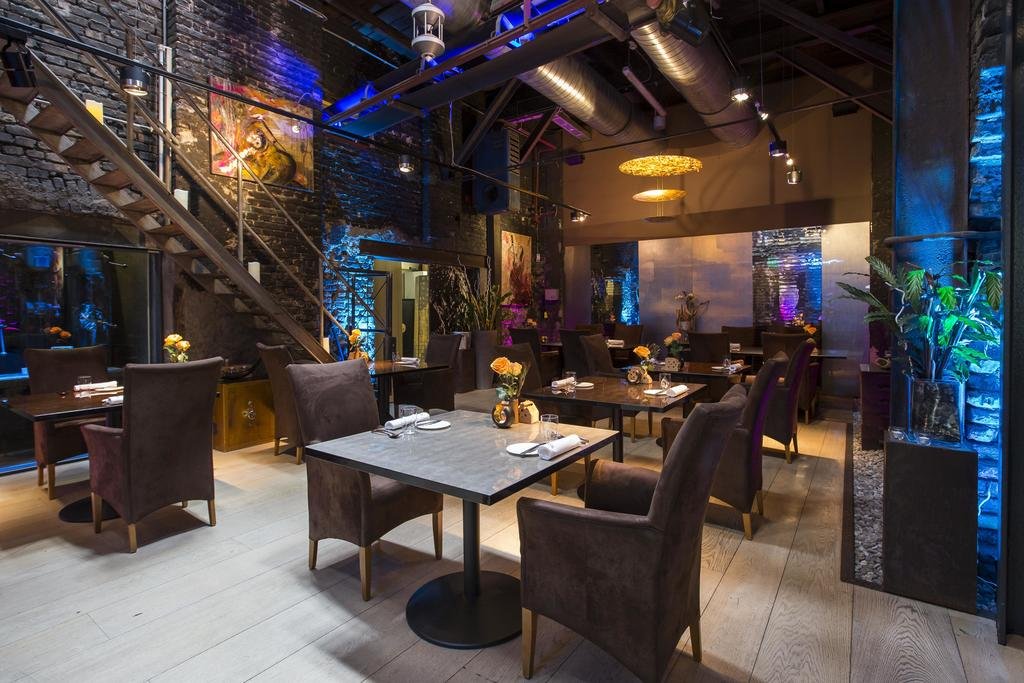
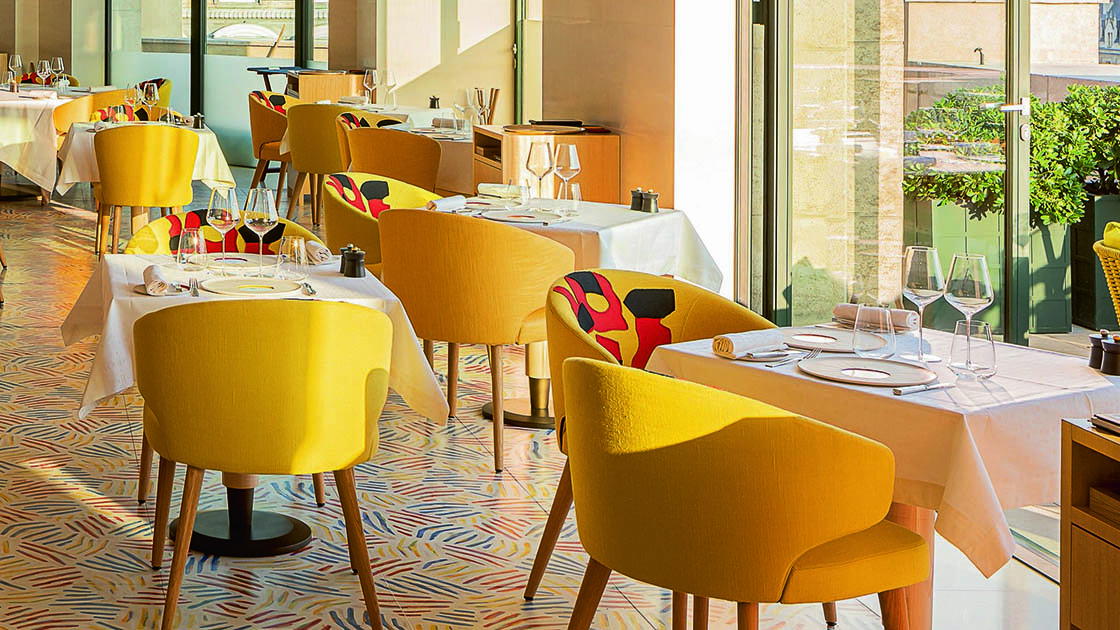
This is a place people choose when they want the city’s drama without its bustle. The hilltop position and small roster of rooms make it especially suited to romantic stays and quiet celebrations, while the presence of The Glass Garden and a Michelin-level kitchen signals a dining experience oriented toward special evenings. Travelers seeking a restful, upscale escape — whether for an anniversary, a honeymoon-like retreat, or a wellness-focused pause from urban life — will appreciate the scale, the service tone and the views that frame Salzburg below.
Venue details
Ambiance
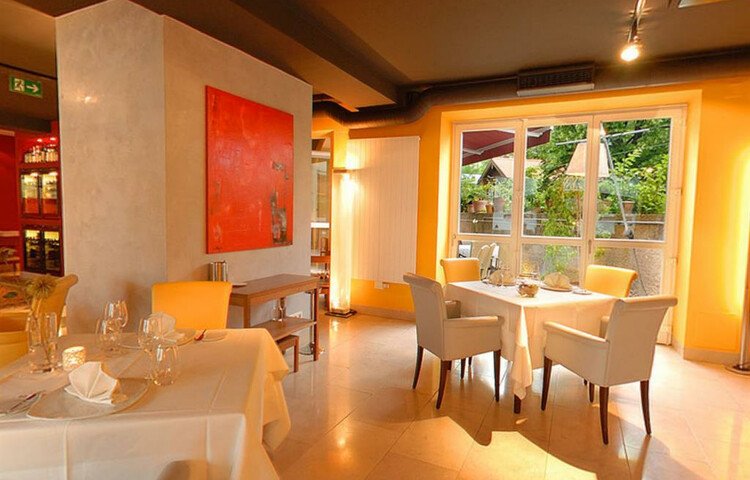
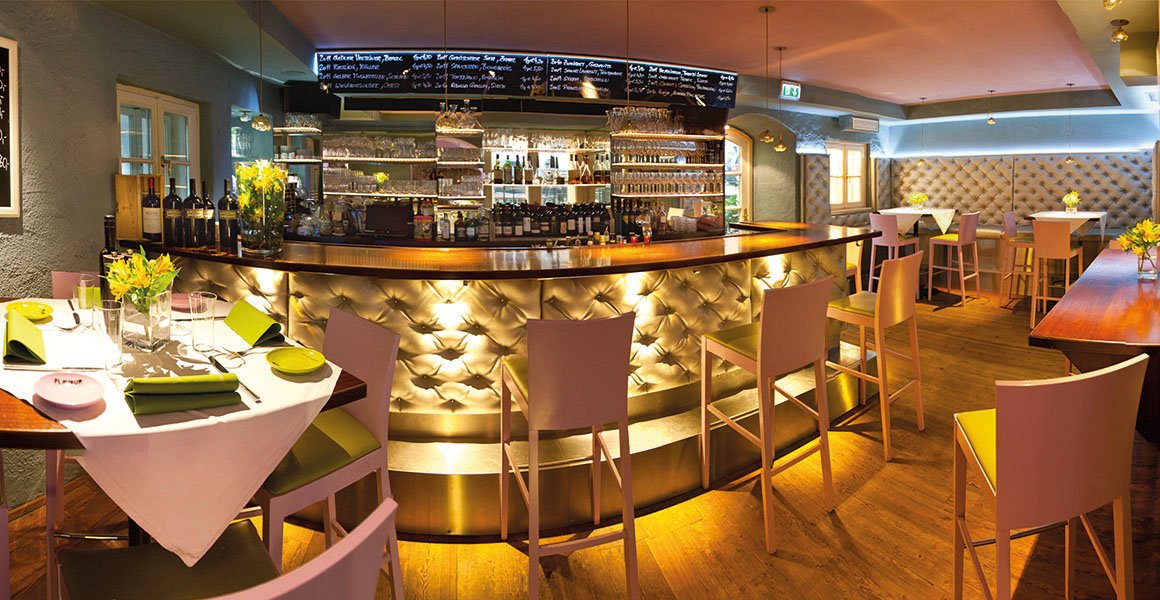
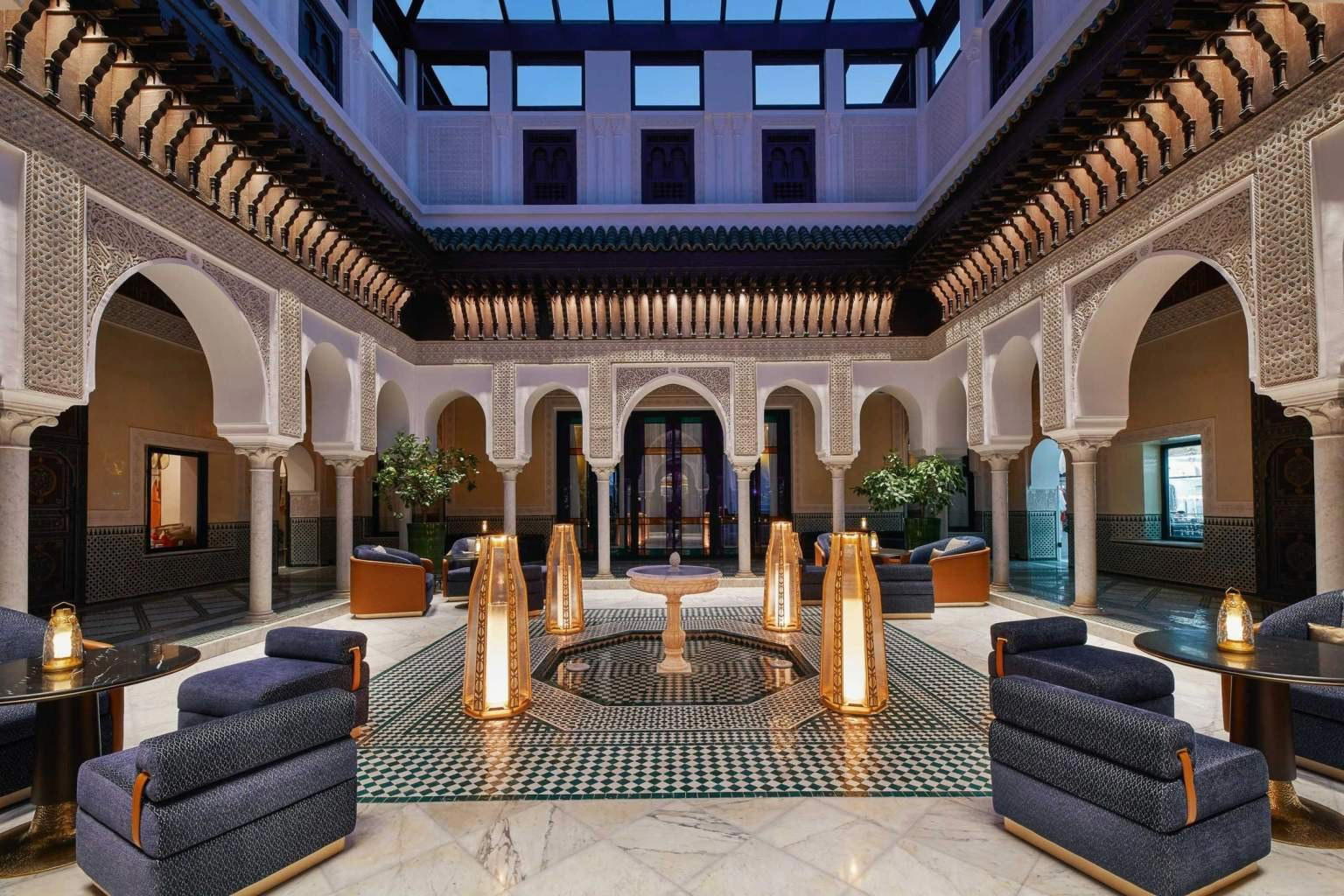
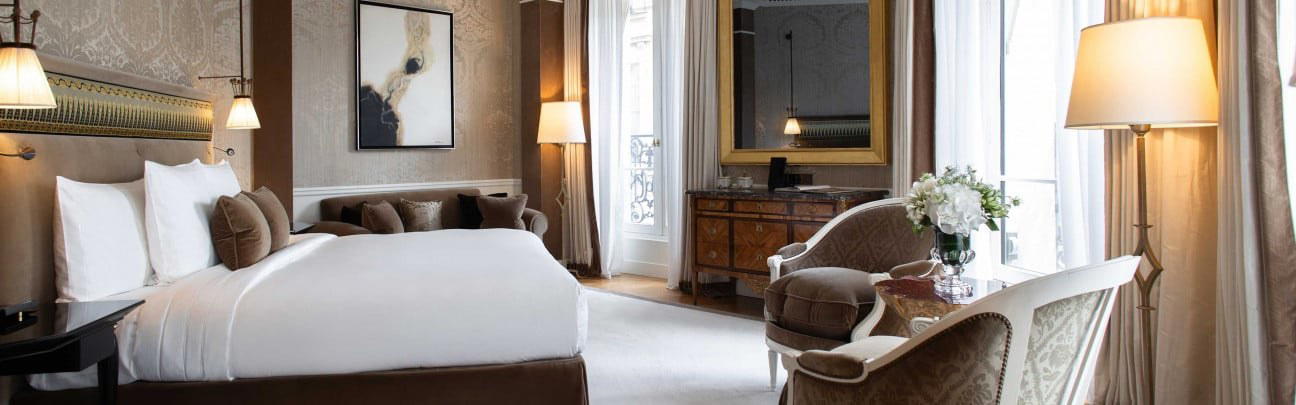
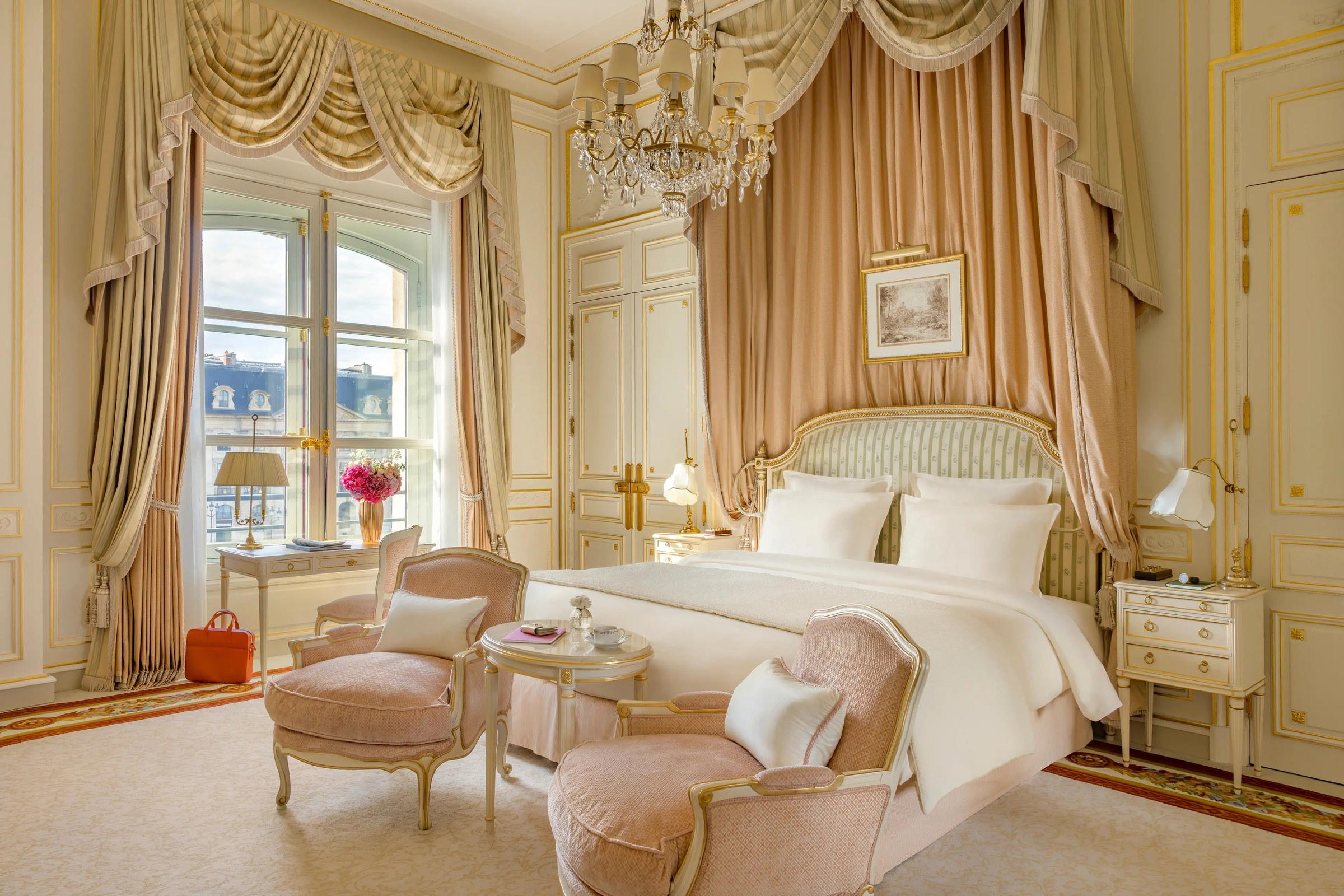
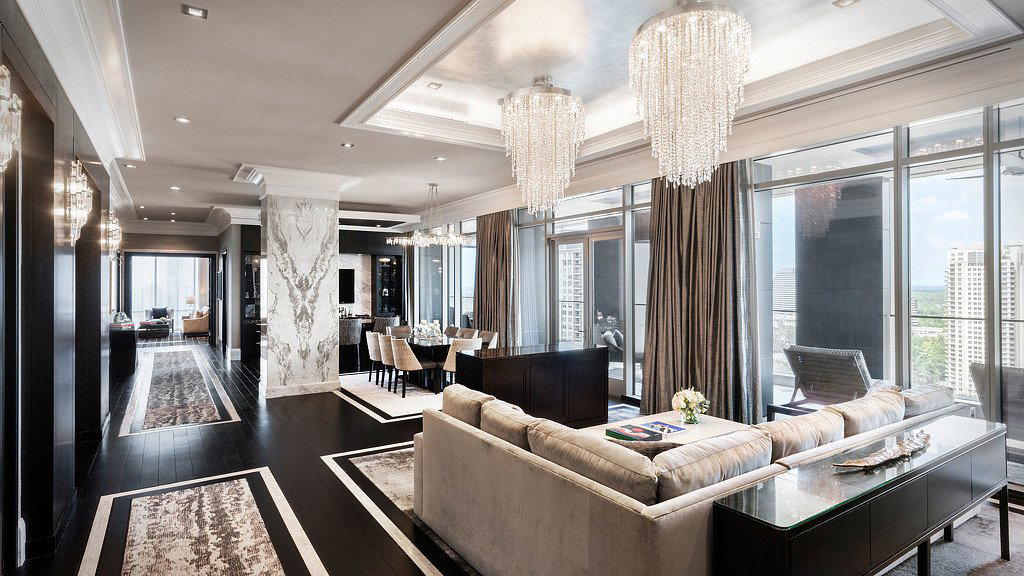
Intimate and elegant castle atmosphere with natural light from large windows, panoramic views, and a sense of serene luxury praised in guest reviews.
Tags
Vibe
Best For
Experience
Amenities
View
Accessibility
About the Stay
- Rooms
- 24
- Check-in
- 14:00
- Check-out
- 11:00
- Property Style
- Historic Castle Blending Medieval Architecture with Modern Luxury
- Design Style
- Elegant Mix of Classic Castle Elements, Modern Design, and Opulent Materials Like Marble and Antiques
Know before you go
Know Before You Go
- Getting there
- Mönchsberg Park 26, 5020 Salzburg
Planning details
Location
Recognition and awards

Also consider
Where to Look If This Is Full
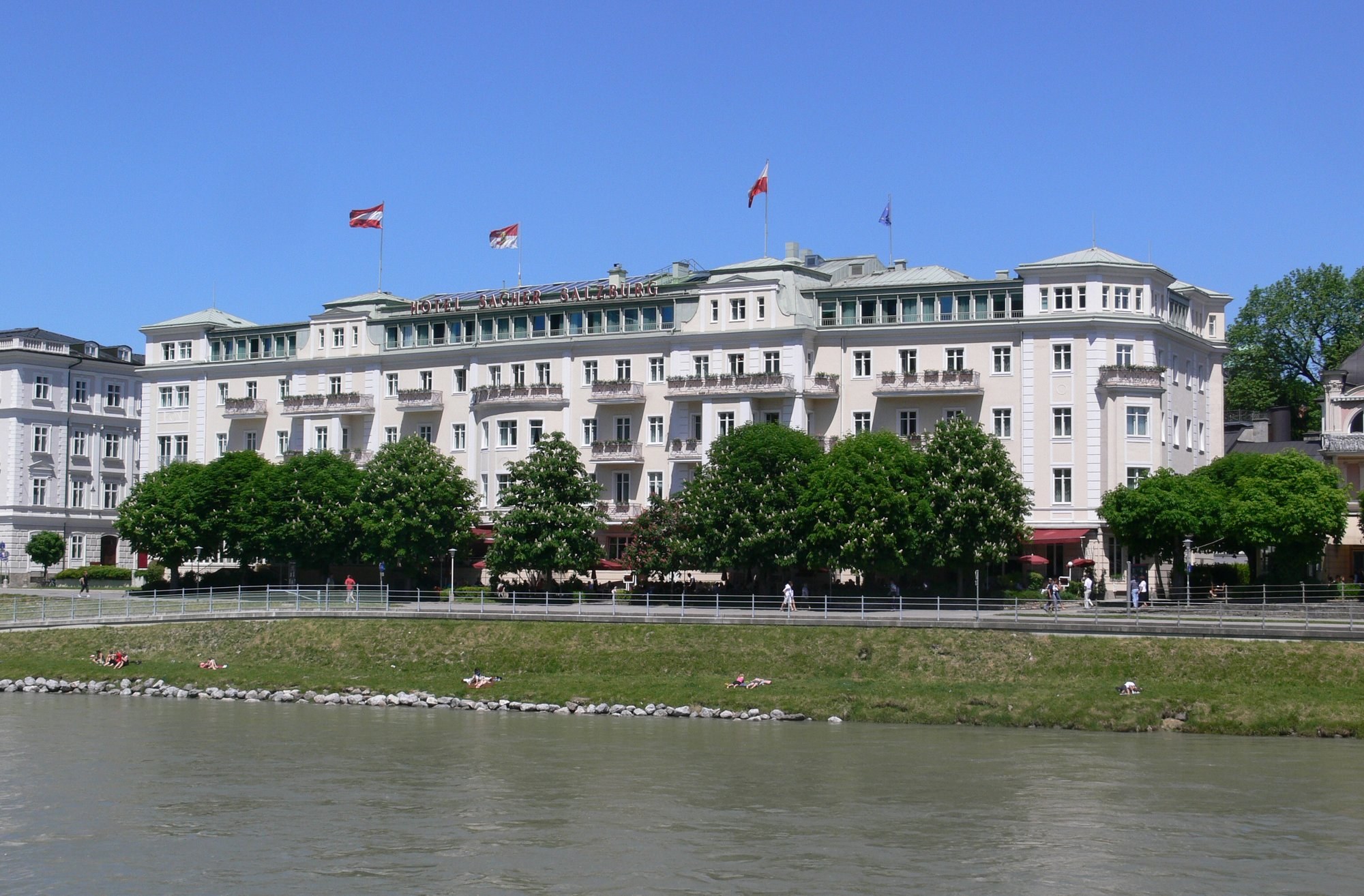
Try Hotel Sacher Salzburg if the priority is a polished classic stay closer to the river and Old Town movement. It is the cleaner alternative for travelers who want luxury without the hilltop trade-off.
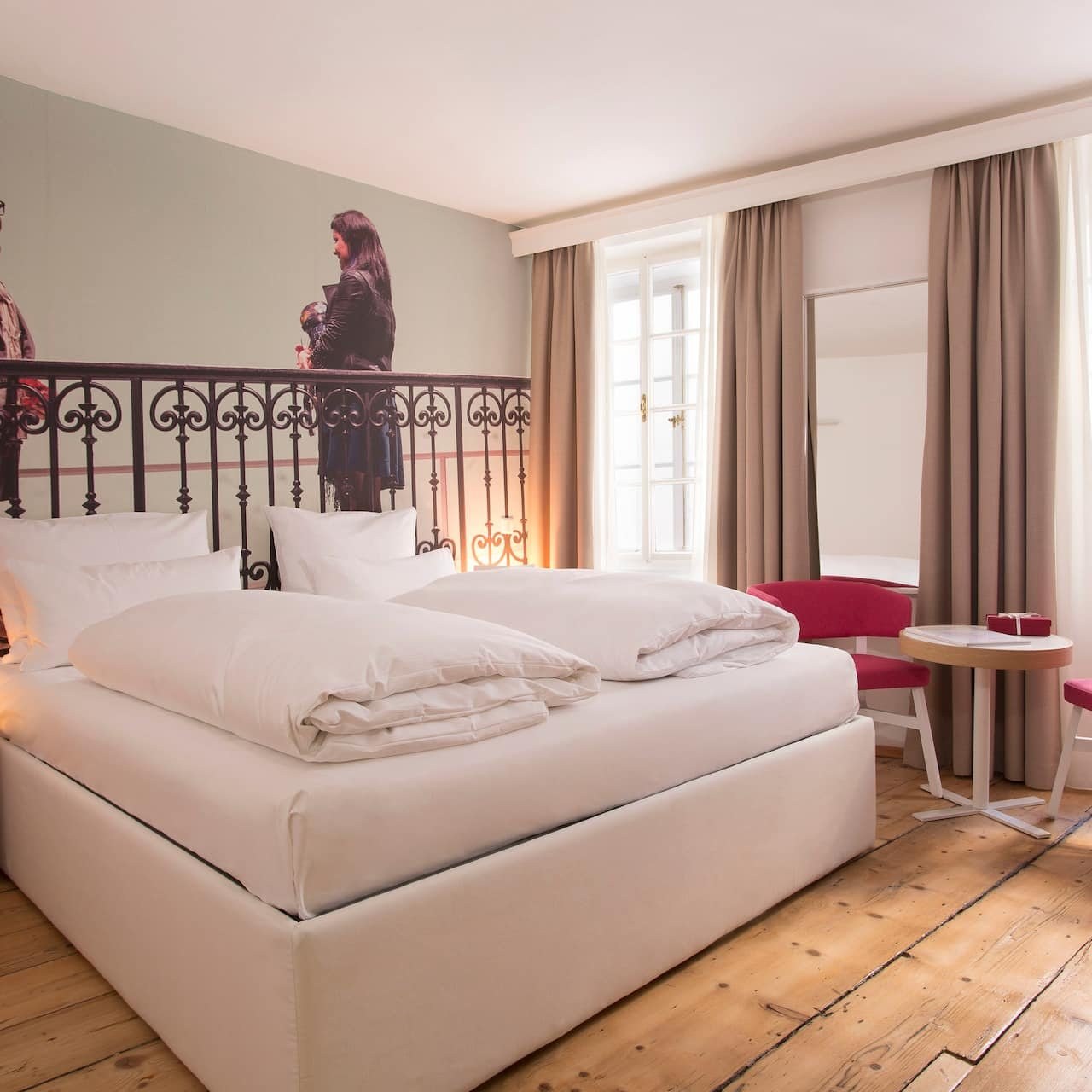
Choose Arthotel Blaue Gans if design, location, and value matter more than a secluded special-occasion setting. It is the more practical pick for a trip where Salzburg itself, not the hotel grounds, will take most of the time.
Hotel context
How It Compares
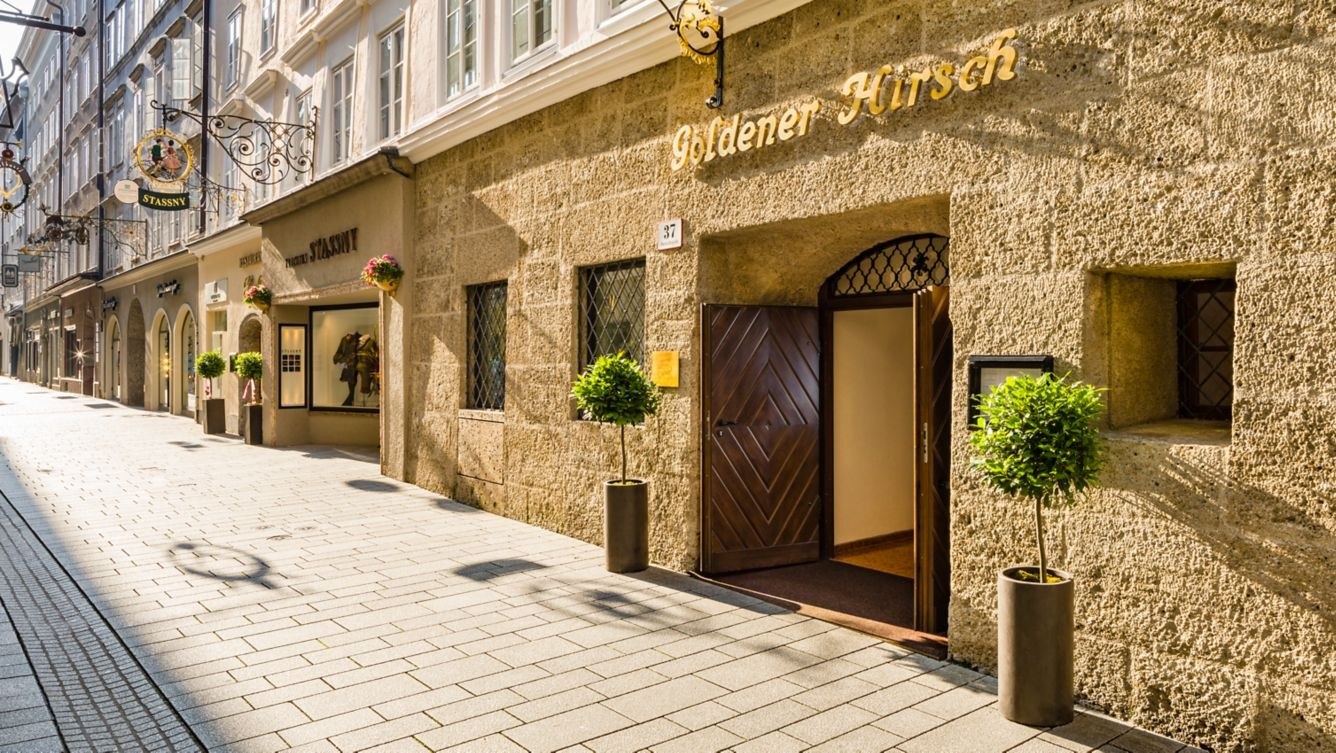
Schloss Mönchstein is the splurge pick for travelers who want privacy and a hilltop Salzburg base rather than constant Old Town access. Hotel Sacher Salzburg is the better choice if riverfront classicism and central convenience matter more, while Hotel Goldener Hirsch suits guests who want the historic-center feel without building the trip around a retreat setting.
For value, Arthotel Blaue Gans is the smarter cross-shop if design, Old Town proximity, and a less resort-like stay are enough. Hotel Bristol Salzburg sits in the classic-city-hotel lane and is easier to justify for travelers who want heritage atmosphere without prioritizing Mönchsberg seclusion.
Augustiner Bräu Mülln is not a like-for-like luxury hotel substitute, but it is useful as a reminder of trip style: if the Salzburg plan is casual beer-hall evenings and low-friction local atmosphere, spending heavily on a hilltop luxury base may be mismatched. If the trip is built around a quiet room, views, and a special-occasion feel, Schloss Mönchstein is the more coherent booking.
Explore Salzburg
Around this place
Discover more on Pearl
Unlock the full Schloss Mönchstein guide in Pearl, including awards, comparisons, FAQs, planning details, and nearby places.
Compare Schloss Mönchstein
| Venue | Location | Awards |
|---|---|---|
| Schloss Mönchstein | Salzburg | 2026 La Liste Top Hotels2026 Michelin 2 KeysWorld Luxury Hotel Awards 2025Michelin 2 Keys 20252025 Michelin 2 Keys2024 Michelin 2 Keys |
| Augustiner Bräu Mülln | Salzburg | No published awards |
| Arthotel Blaue Gans | Salzburg | No published awards |
| Hotel Sacher Salzburg | Salzburg | 2026 Virtuoso Luxury Hotel Collection2026 La Liste Top HotelsLeading Hotels of the World 20262026 Michelin 1 Key2025 Michelin 1 Key |
| Hotel Goldener Hirsch | Salzburg | 2026 Forbes Recommended2026 Virtuoso Luxury Hotel Collection2026 La Liste Top Hotels2026 Michelin 1 Key2025 Michelin 1 Key2025 Forbes Recommended |
| Hotel Bristol Salzburg | Salzburg | 2026 La Liste Top Hotels |





How Schloss Mönchstein Salzburg compares with similar nearby venues.
FAQ
Frequently Asked Questions
Which room category is best at Schloss Mönchstein?
A best room category is not specified. Choose based on the live room descriptions, rate differences, and cancellation terms, and clarify any important feature directly with the hotel before booking.
Is Schloss Mönchstein family-friendly?
Specific family services or policies are not detailed. If you are booking with children, ask the hotel directly about room setup, occupancy rules, and any family-related arrangements before committing.
How is the dining at Schloss Mönchstein?
Specific cuisine, restaurant format, menus, or dining hours are not detailed. The hotel holds broader luxury recognition, including Michelin 2 Keys in 2024 and La Liste Top Hotels 2026 with 98pts; dining details should be checked directly if they are central to the stay.
Do loyalty programs work at Schloss Mönchstein?
Loyalty-program participation, points earning, or elite benefits are not specified. Check the booking channel and hotel terms directly if loyalty credit or member benefits matter to your decision.
When is the best time to book Schloss Mönchstein?
A best booking window or seasonal pricing pattern is not established. Book when the rate, cancellation terms, and confirmed inclusions fit your Salzburg plans, and clarify any important stay details before arrival.