


L' Île de la Lagune Thalasso & Spa
Saint-Cyprien
Hotel in Saint-Cyprien, France
 Book with Pearl
The Read
Lagoon-Side Thalassotherapy
Price
$200–300per night
Why go
A strong Saint-Cyprien choice for travellers who want a recognised coastal hotel with spa emphasis rather than a busy city base. It suits celebrations, restorative weekends, and slower business trips; choose elsewhere if the priority is dense nightlife, rapid transfers, or a packed urban schedule.
About L' Île de la Lagune Thalasso & Spa
In Saint-Cyprien, L' Île de la Lagune Thalasso & Spa offers a smart casual dress code and has received Gault & Millau Exceptional Hotel recognition for 2025 with 5pts, a Relais Chateaux Award for 2026, and MICHELIN Guide, Hotels Selected recognition for 2025.
Specific details such as rates, room count, amenities, dining formats, service inclusions, and booking conditions should be confirmed directly with the venue before reserving.
For travellers considering L' Île de la Lagune Thalasso & Spa
L' Île de la Lagune Thalasso & Spa is known for its Saint-Cyprien location, smart casual dress code, and hotel recognition from the sources noted above. Business facilities, meeting support, wellness services, restaurant details, or transport convenience are not covered here.
Travellers should evaluate the hotel by matching its known features against their own trip needs. If a specific amenity, arrival time, dining plan, or travel connection matters, check the hotel directly before booking.
Use it as a Saint-Cyprien hotel reference point
For planning, consider L' Île de la Lagune Thalasso & Spa as a Saint-Cyprien hotel with recognition, rather than a comprehensive guide to every on-property service. The name and recognition may make it relevant to compare, but the practical decision should rest on current details from the venue.
For planning around the area, start with the hotel itself and then layer in meals from our full Saint-Cyprien restaurants guide. If you are comparing hotel styles, consider L' Île de la Lagune Thalasso & Spa alongside Hotel Mas Lazuli, Hotel Peralada Wine Spa & Golf, Les Roches Brunes, Maison Nova, and Villa Camille, while checking each property directly for current details.
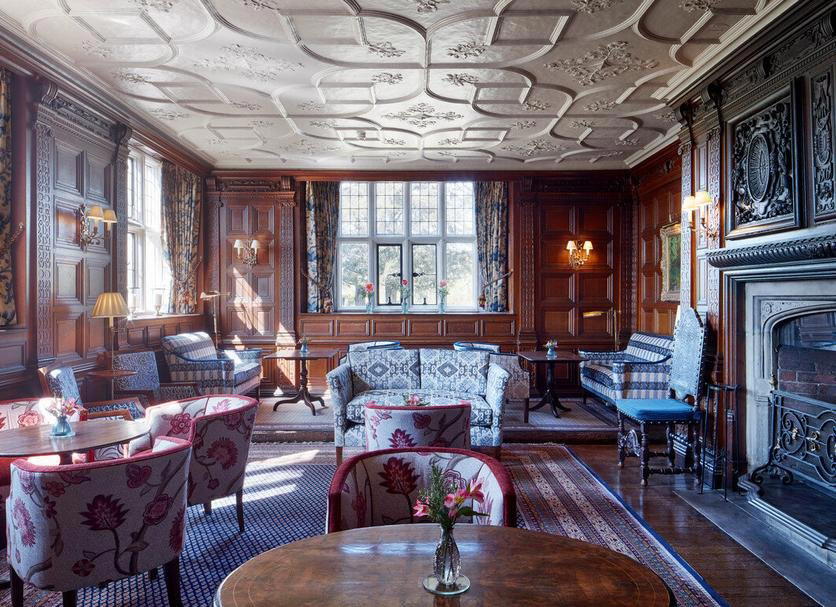
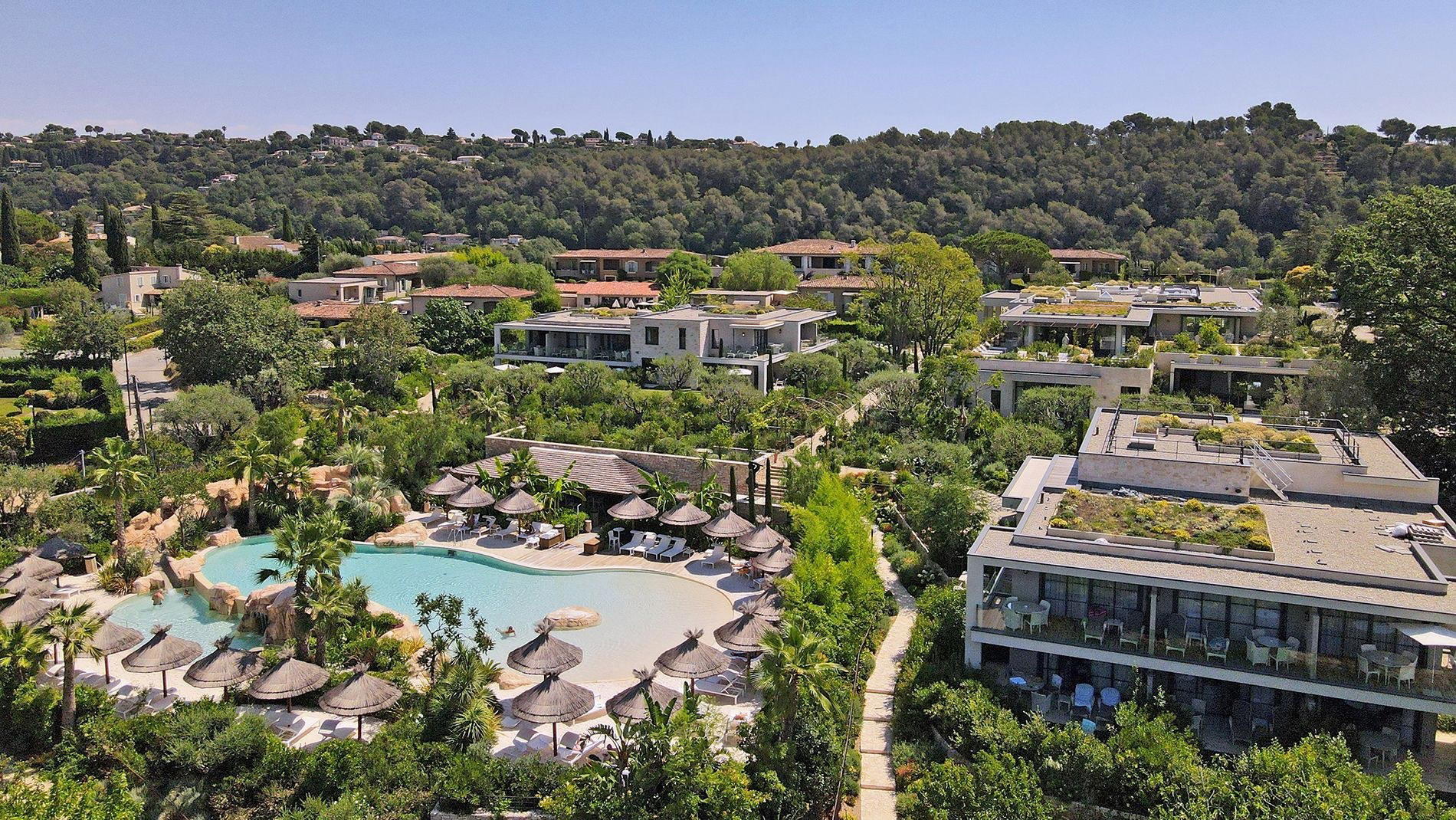
Inside L' Île de la Lagune Thalasso & Spa
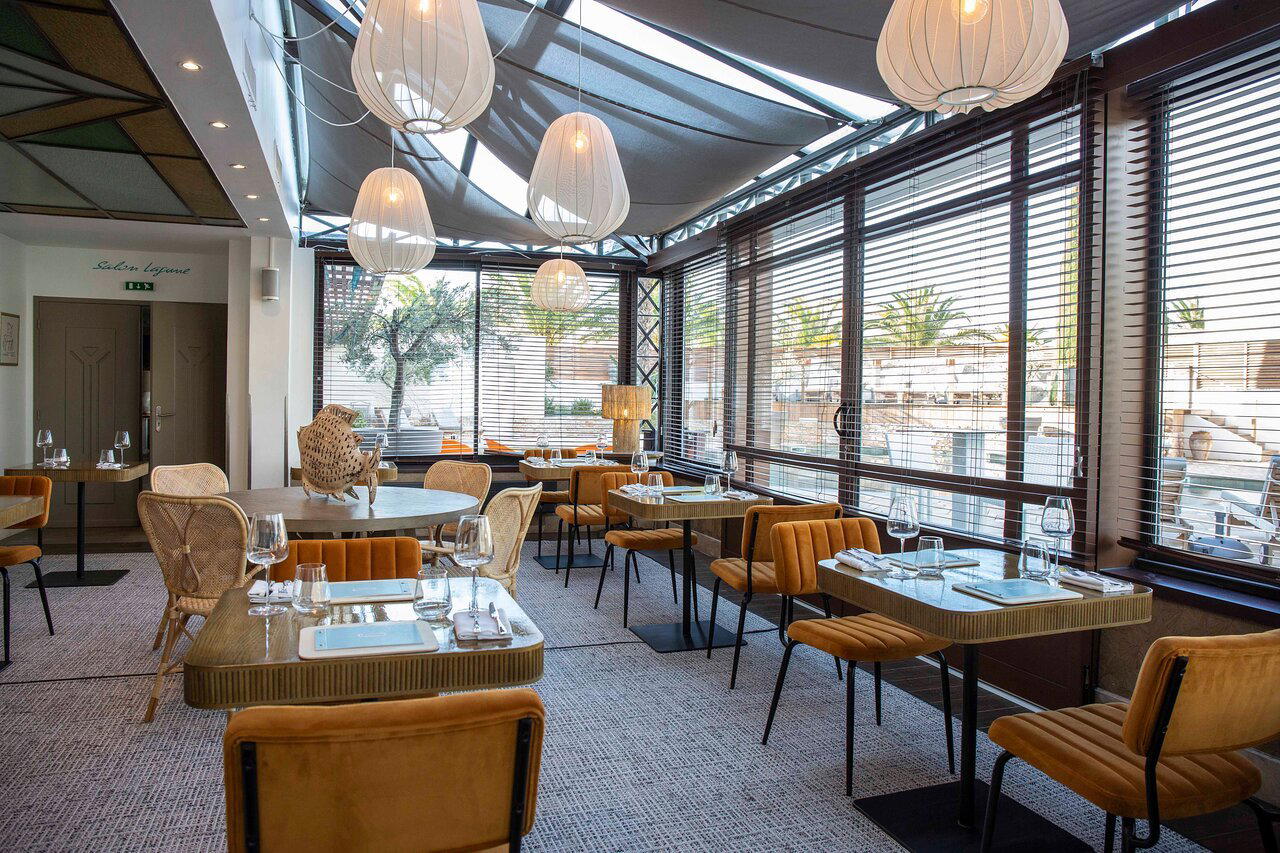
Planning details
- Location
- Bd de l'Almandin, 66750 Saint-Cyprien
- Website
- hotel-ile-lagune.com/fr
- Phone
- +33 4 68 21 01 02
The take
The Take
The Vibe
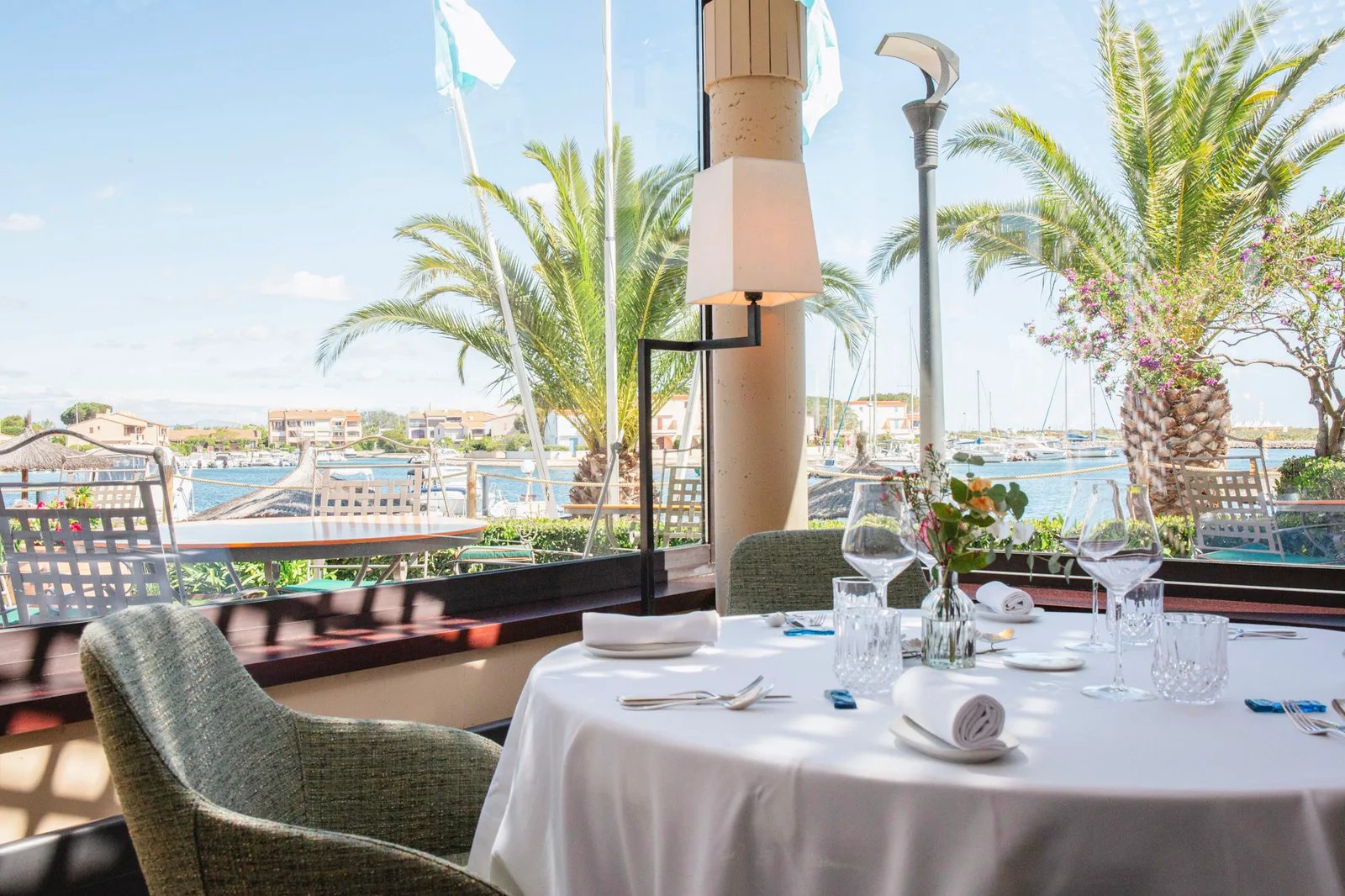
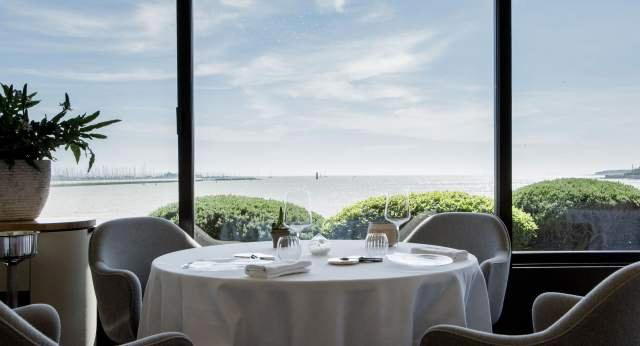
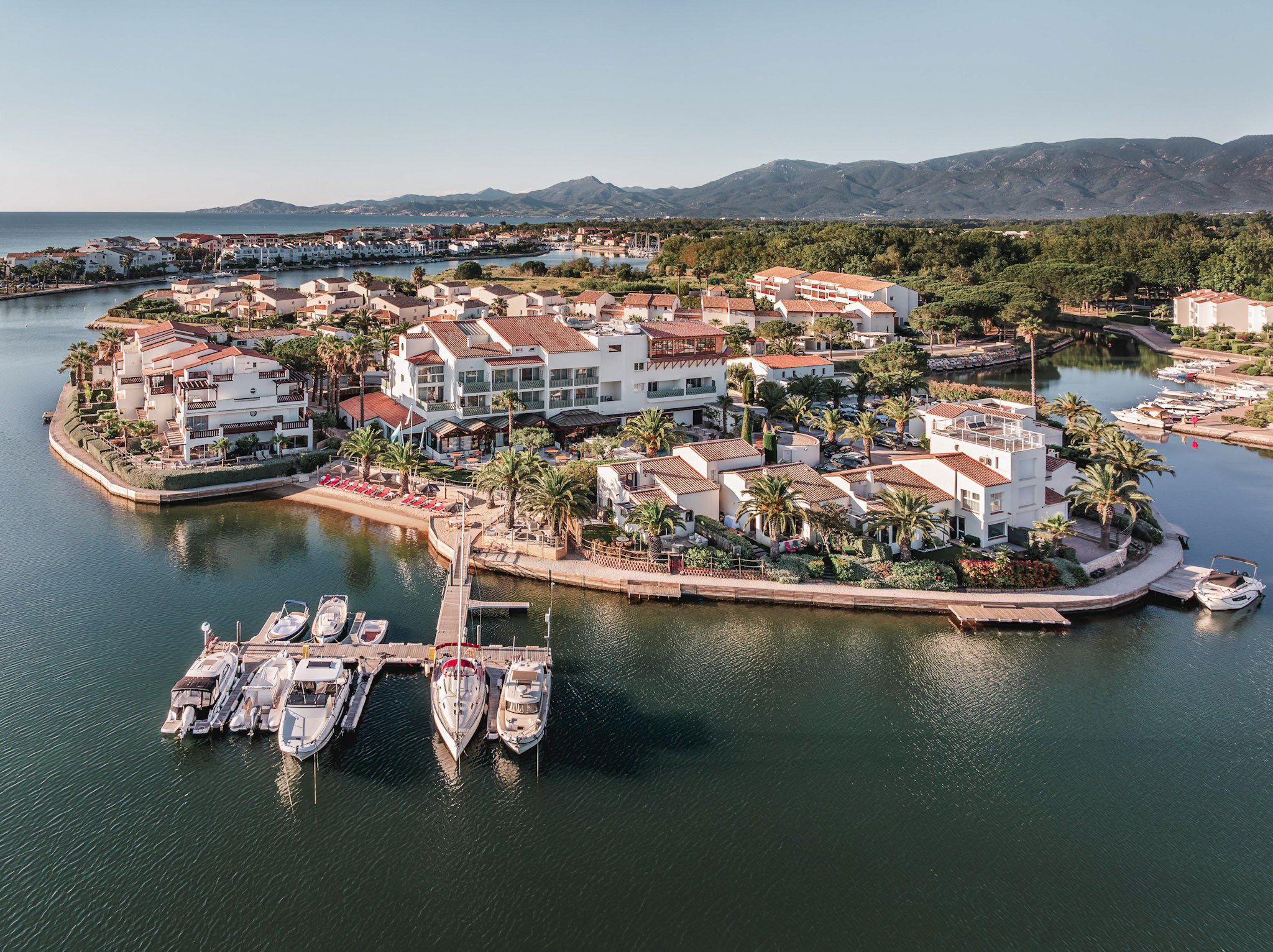
L'Île de la Lagune Thalasso & Spa reads as an inward-looking, quietly assured retreat. The property orients around the glassy Saint-Cyprien lagoon rather than dramatic sea cliffs, so architecture and landscape feel enclosed and composed. Design here dissolves tension with its surroundings: buildings lean into sheltered water and calm, creating a serene, intimate atmosphere. The hotel’s thalasso focus reinforces a restorative, low-key mood—this is the sort of place that privileges placidity and measured detail over spectacle. Guests encounter understated luxury and a deliberately relaxed tempo, making the stay feel private and discreet rather than performative.
Best For
This hotel is best for travelers who choose to detour from busier coastal resorts in search of a quieter, restorative stay. It suits wellness-minded visitors drawn to a thalassotherapy spa and couples seeking an intimate, low-key romantic escape. Because the property turns inward toward the lagoon, it appeals to those who value calm water views and an understated register rather than Côte d’Azur glamour. Guests looking for design-minded tranquility, a private-feeling setting, and a slower pace on the southern French coast find this property especially rewarding.
Venue details
Ambiance
Relaxed and elegant with stunning lagoon views, warm professional service, and a serene spa atmosphere.
Tags
Vibe
Best For
Experience
Amenities
View
Accessibility
About the Stay
- Rooms
- 100
- Check-in
- 16:00
- Check-out
- 12:00
- Property Style
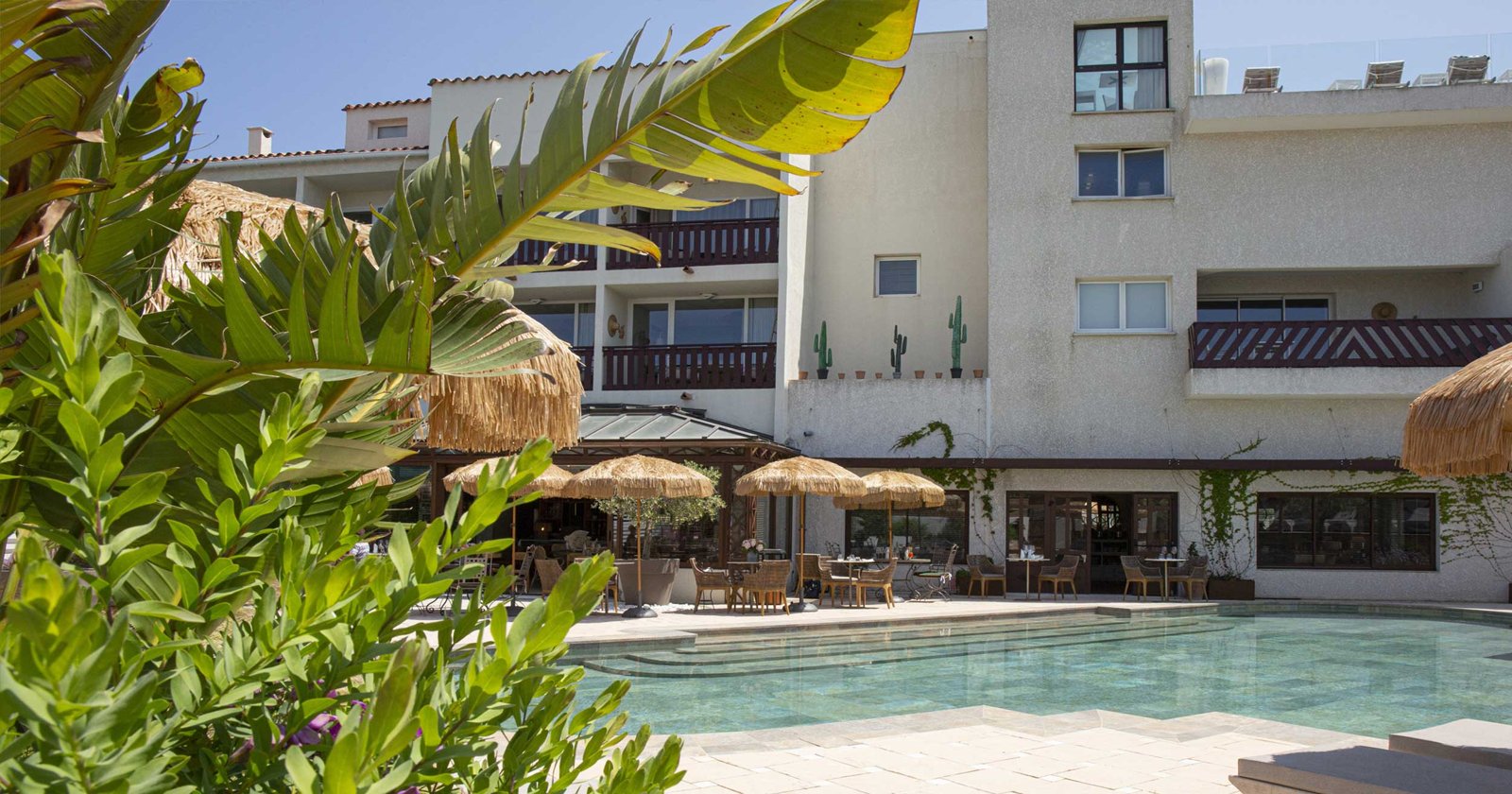
- Luxury Beachfront Resort with Thalasso Spa
- Design Style
- Modern Elegant with Lagoon Views
- Airport Transfer
- Available
- Pool
- Yes
- Spa
- Yes
- Pets
- Allowed
- Families
- Welcome
- Cancellation
- Moderate
Know before you go
Know Before You Go
- Getting there
- Bd de l'Almandin, 66750 Saint-Cyprien
Planning details
Location
Recognition and awards


Also consider
Also Consider
- Maison Nova, Notable alternative
- Les Roches Brunes, Notable alternative
- Villa Camille, Notable alternative
- Hotel Peralada Wine Spa & Golf, Notable alternative
- Hotel Mas Lazuli, Notable alternative
Hotel context
How it compares in and around Saint-Cyprien
Choose L' Île de la Lagune Thalasso & Spa if the stay needs hotel recognition, a calmer Saint-Cyprien base, and an easy-booking profile. Maison Nova, Les Roches Brunes, and Villa Camille are better cross-shops if the priority is a different room style or a more intimate hotel feel, but the safer choice here is the property with clearer hotel recognition and a spa-led identity.
For a wine-and-resort angle, Hotel Peralada Wine Spa & Golf is the more obvious alternative, especially if golf or wine-country structure matters more than staying in Saint-Cyprien. Hotel Mas Lazuli is the stronger cross-shop for guests who want a quieter countryside mood. For value, compare live rates across all five rather than assuming the coastal hotel is the splurge; no reliable price tier is listed for this set.
If the trip is business-adjacent, L' Île de la Lagune Thalasso & Spa is the practical pick when the brief is privacy, recovery time, and a contained schedule. If the brief is activity-led, Peralada has the broader resort logic; if the brief is low-key ambience, Mas Lazuli or Villa Camille may feel easier to justify.
Explore Saint-Cyprien
Around this place
Discover more on Pearl
Unlock the full L' Île de la Lagune Thalasso & Spa guide in Pearl, including awards, comparisons, FAQs, planning details, and nearby places.
Compare L' Île de la Lagune Thalasso & Spa
| Venue | Location | Awards |
|---|---|---|
| L' Île de la Lagune Thalasso & Spa | Saint-Cyprien | 2026 Relais Chateaux Hotels2025 Michelin Selected Hotels2025 Relais Chateaux Award2025 Gault & Millau Exceptional Hotel |
| Maison Nova | Collioure | No published awards |
| Les Roches Brunes | Collioure | No published awards |
| Villa Camille | Banyuls-sur-Mer | No published awards |
| Hotel Peralada Wine Spa & Golf | Peralada | 2026 Mr & Mrs Smith Luxury Hotels2026 Michelin 1 Key2025 Michelin 1 Key2024 Michelin 1 Key |
| Hotel Mas Lazuli | Girona | 2026 Michelin 1 Key2025 Michelin 1 Key2024 Michelin 1 Key |


How L' Île de la Lagune Thalasso & Spa compares with similar nearby venues.
FAQ
Frequently Asked Questions
How does L' Île de la Lagune Thalasso & Spa compare to other hotels?
It is best compared on its features rather than assumed amenities: L' Île de la Lagune Thalasso & Spa is a Saint-Cyprien hotel with smart casual dress code and recognition from Gault & Millau, Relais Chateaux, and the MICHELIN Guide hotel selection. Other options to compare include Maison Nova, Les Roches Brunes, Hotel Peralada Wine Spa & Golf, Hotel Mas Lazuli, and Villa Camille.
How is the location of L' Île de la Lagune Thalasso & Spa?
When is the best time to book L' Île de la Lagune Thalasso & Spa?
Specific demand patterns are not detailed here, so booking timing should depend on your travel dates and flexibility. Its recognition includes Gault & Millau Exceptional Hotel recognition for 2025 with 5pts, a Relais Chateaux Award for 2026, and MICHELIN Guide, Hotels Selected recognition for 2025, which makes it sensible to check current availability directly for important trips.
Do loyalty programs work at L' Île de la Lagune Thalasso & Spa?
Loyalty-program details are not available here. Do not choose it for points or elite-perk value unless your booking channel makes those benefits explicit. Key reasons to consider it are the Saint-Cyprien location, smart casual dress code, and hotel recognition.
Is L' Île de la Lagune Thalasso & Spa good for business travel?
Business-travel facilities and transport convenience are not detailed here. If you are considering it for work, confirm the details you need directly with the hotel or your booking channel before reserving.