




Villa Agrippina a Gran Melià Hotel
Trastevere, Rome
Hotel in Rome, Italy
 Book with Pearl
The Read
Janiculum Garden Seclusion
Why go
A strong pick for travelers who want a polished Rome hotel with more breathing room than many historic-center boutiques. Villa Agrippina a Gran Melià Hotel is especially sensible for families or first-timers who prefer a calmer Vatican-side base over step-out nightlife, with external recognition from Forbes, La Liste, MICHELIN Guide hotels, Virtuoso, and Leading Hotels of the World.
About Villa Agrippina a Gran Melià Hotel
Villa Agrippina a Gran Melià Hotel in Rome has several confirmed third-party signals that make it a serious luxury-hotel contender: La Liste Top Hotels (2026) lists it at 91pts, and the hotel is also noted as a Leading Hotels of World Member (2025), Forbes 4-Star (2026), Virtuoso Luxury Hotel Partner (2026), and MICHELIN Guide, Hotels Selected (2025). Those recognitions do not guarantee a particular room, view, amenity, or service moment, but they do place the hotel in a more vetted bracket than many Rome stays.
The clearest guidance is that this is a polished Rome hotel with smart-casual dress code expectations. Beyond the confirmed recognition and dress code, specific claims about room categories, facilities, family services, dining, pricing, or booking difficulty should be checked directly with the hotel before planning around them.
A Rome luxury base with confirmed third-party recognition
For travelers comparing premium hotels in Rome, the main reason to keep Villa Agrippina a Gran Melià Hotel on the shortlist is the strength of its confirmed recognition. La Liste Top Hotels (2026): 91pts, Forbes 4-Star (2026), Virtuoso Luxury Hotel Partner (2026), Leading Hotels of World Member (2025), and MICHELIN Guide, Hotels Selected (2025) are useful external signals when choosing between luxury options.
Those signals are best read as screening tools rather than promises about the exact stay. They support the hotel as a credible luxury choice in Rome, while details such as room type, amenities, dining availability, and special requests should be at booking.
Where the value makes sense, and where it does not
Book this when confirmed luxury-hotel recognition matters to the trip. If the hotel is only a place to sleep, another Rome option may be more practical depending on budget, location preference, or room needs. If a vetted hotel profile is important, Villa Agrippina a Gran Melià Hotel has enough confirmed recognition to justify closer consideration.
For more Rome planning around the stay, use Our full Rome hotels guide, then pair the area with Our full Rome restaurants guide, Our full Rome bars guide, and Our full Rome experiences guide.
Planning details
- Location
- Via del Gianicolo, 3, 00165 Roma RM
- Website
- melia.com/en/hotels/italy/rome/villa-agrippina-gran-melia
- Phone
- +39 06 925901
The take
The Take
The Vibe
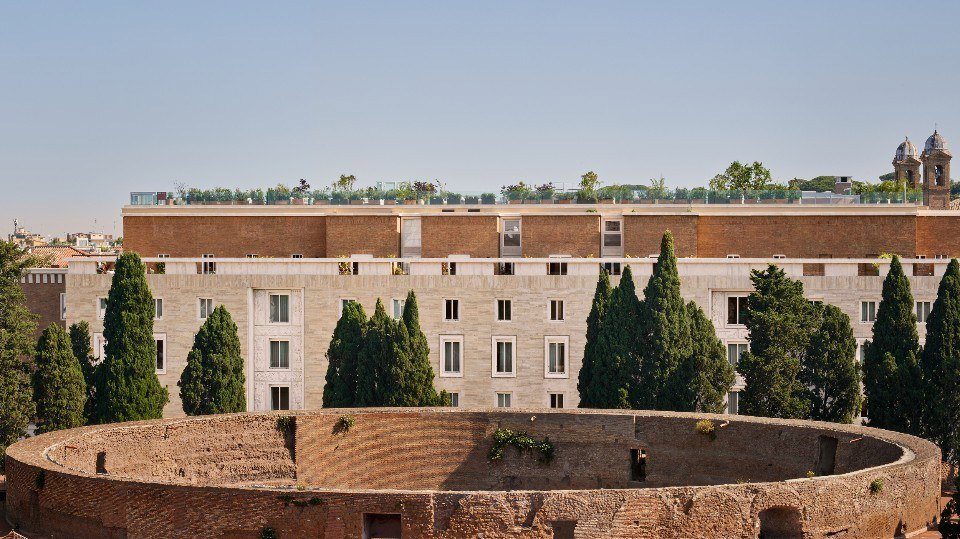
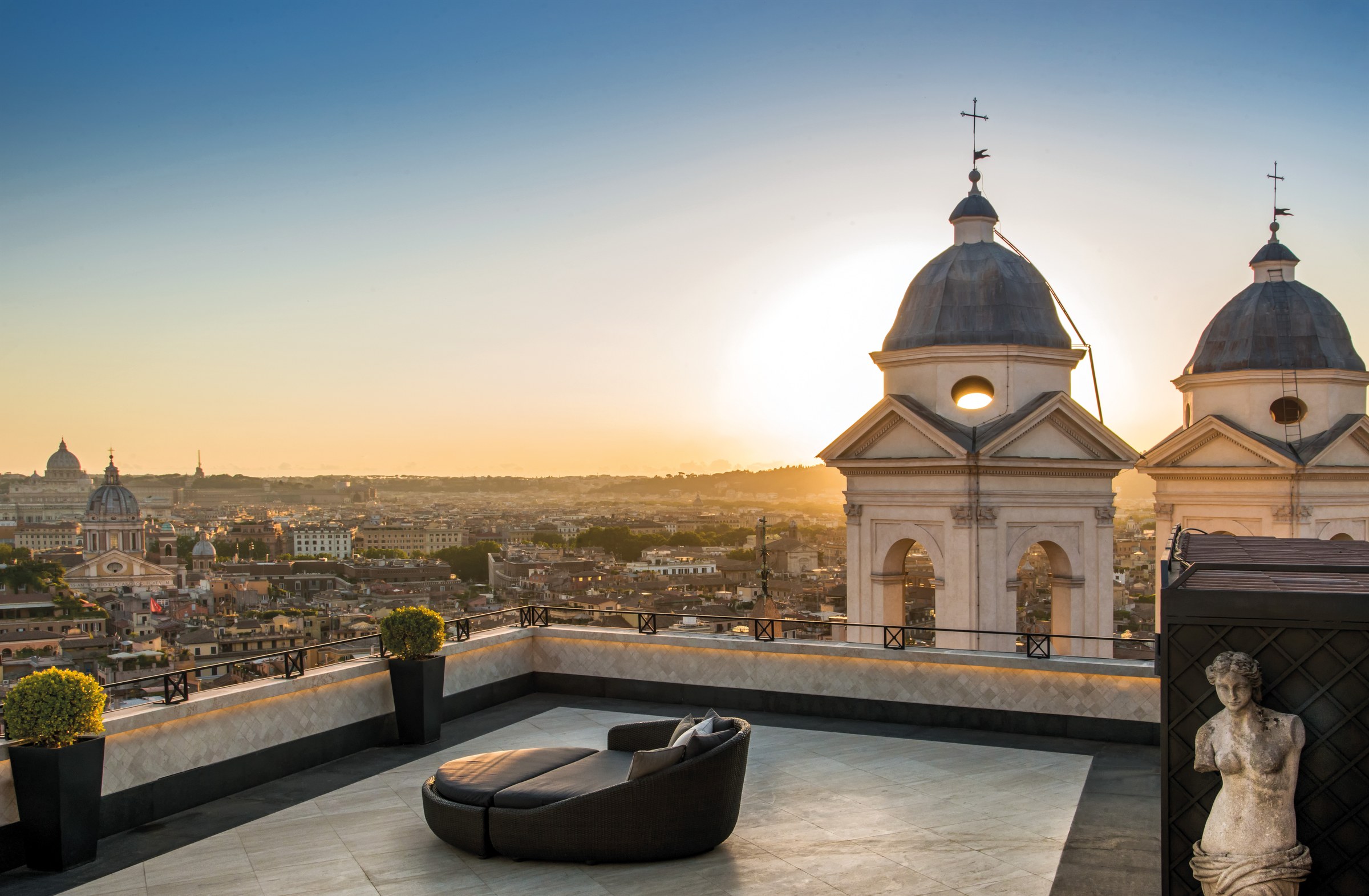
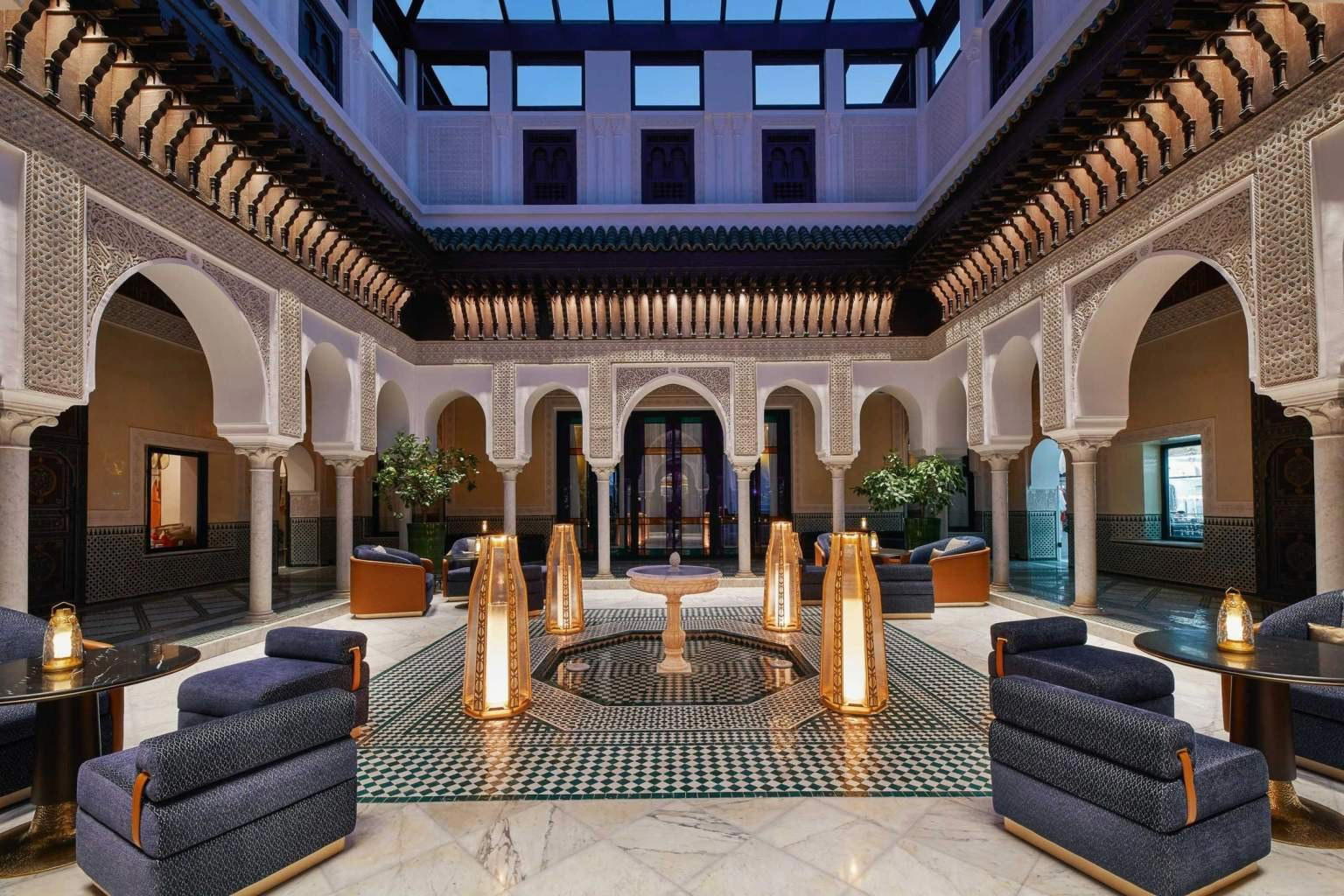
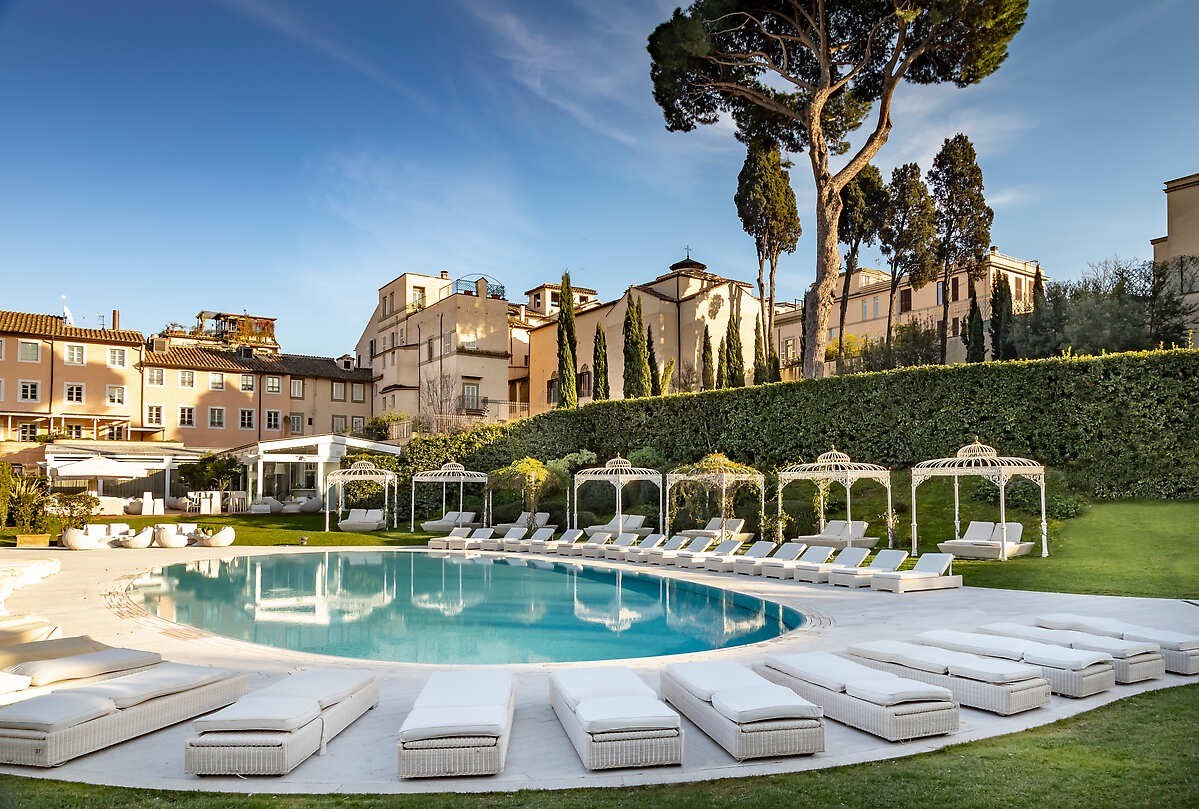
Villa Agrippina Gran Meliá reads like a small private estate perched above the city. Mature, landscaped gardens and a 1920s‑style pool ringed with cabanas give the property a residential, quietly luxurious feel that is deliberately removed from Rome’s busier hotel districts. Excavations during construction uncovered first‑century archaeological finds that the hotel makes accessible on site, layering everyday comfort with a palpable sense of history. The result is an intimate, historic refuge: polished and refined without the public theatre of the more central palazzo hotels.
Best For
This property is best for travelers seeking a peaceful, intimate stay in Rome — couples on romantic getaways, newlyweds on honeymoon, and pairs marking anniversaries all find the setting well suited to privacy and quiet. The estate‑like grounds and pool area also lend themselves to restorative short breaks, so guests pursuing a wellness‑focused escape will appreciate the distance from the city's pedestrian pulse and the verdant grounds that frame the hotel.
Stay Tips
Ask for a room facing the gardens or grounds to maximize the property's enclave feel and to be closest to the landscaped approach and pool. Inquire with the concierge about access to pool cabanas if you value a more private day beside the 1920s‑style pool. Also request information about the hotel's on‑site archaeological displays so you can plan a time to view the first‑century finds uncovered during construction.
Venue details
Ambiance
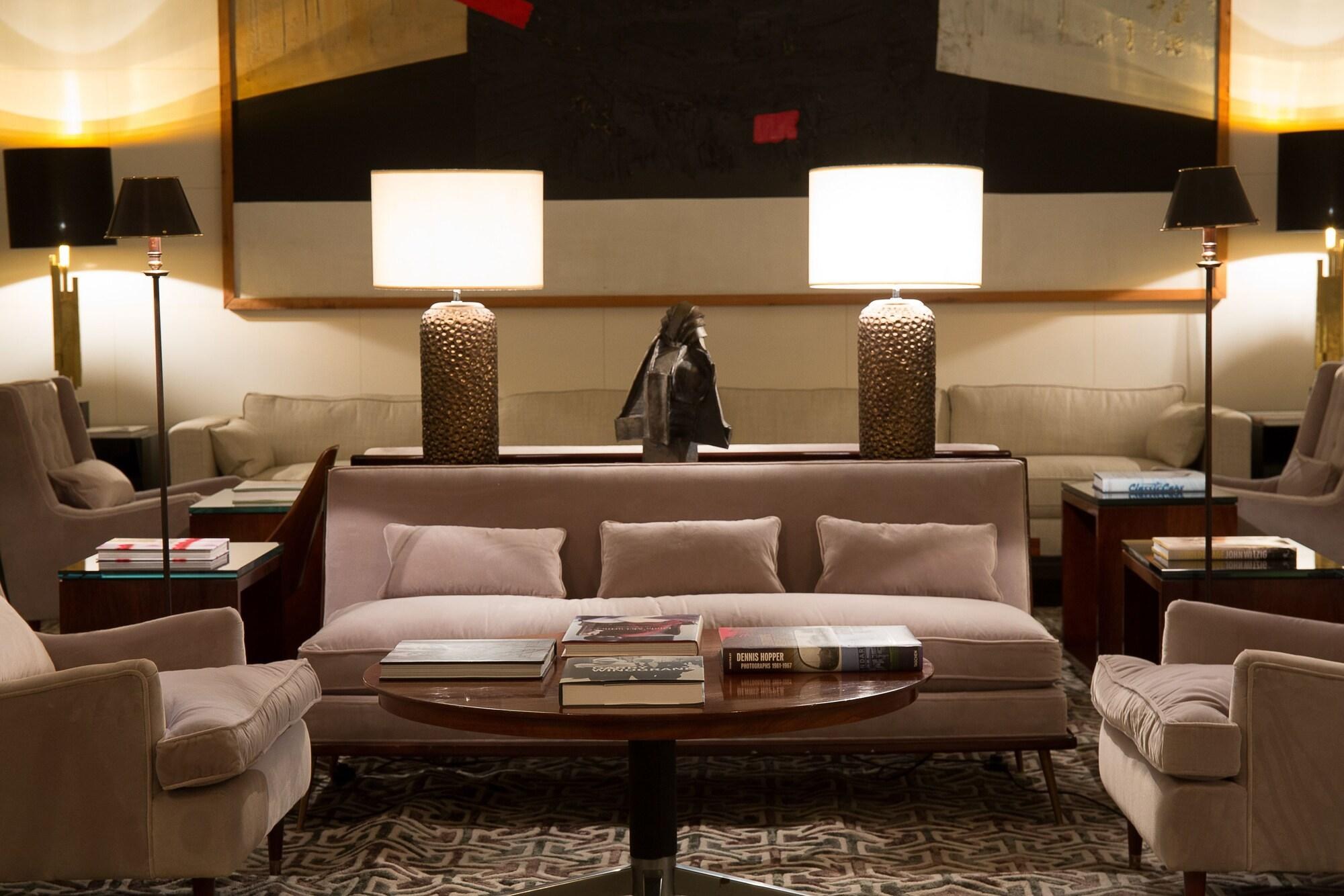
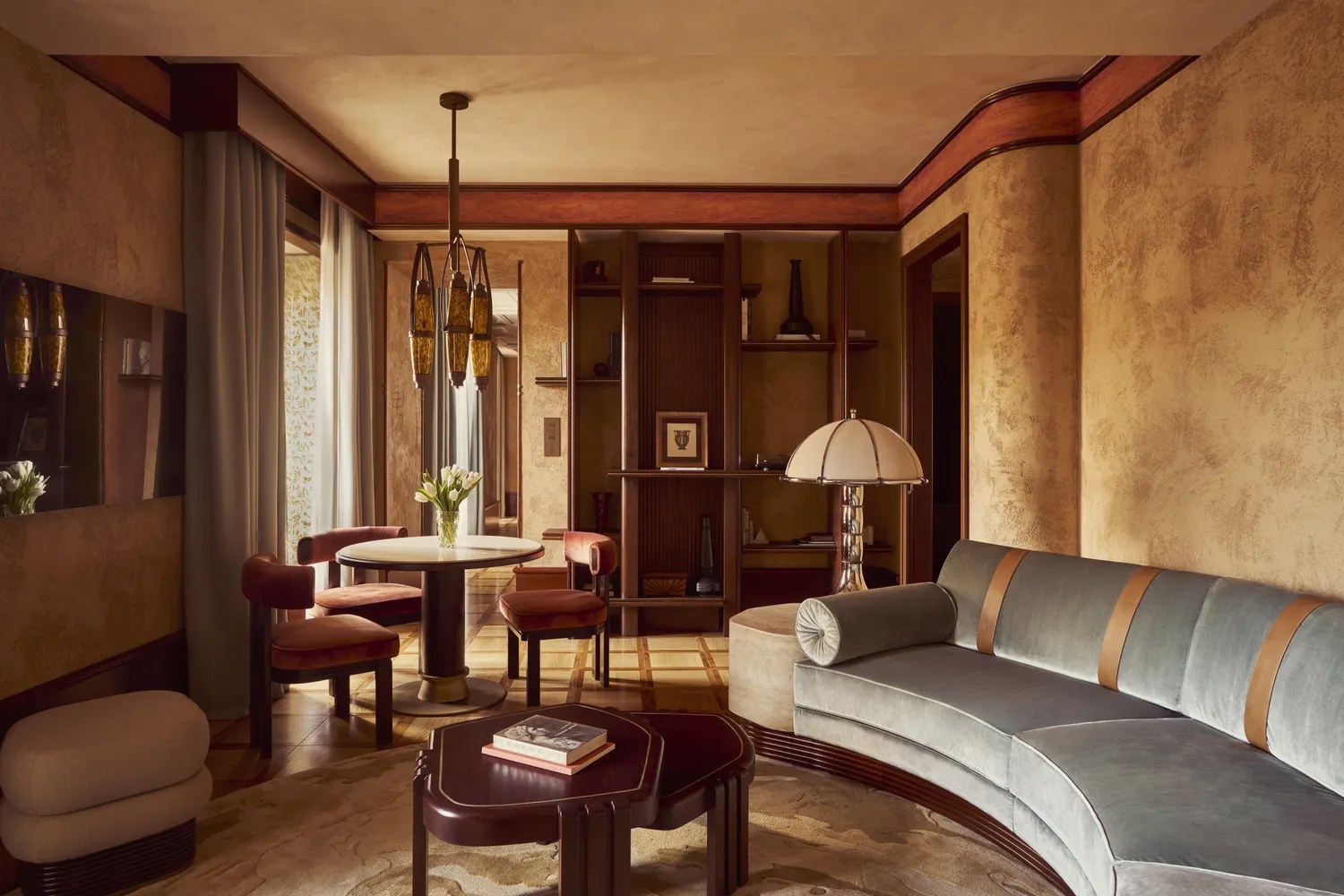
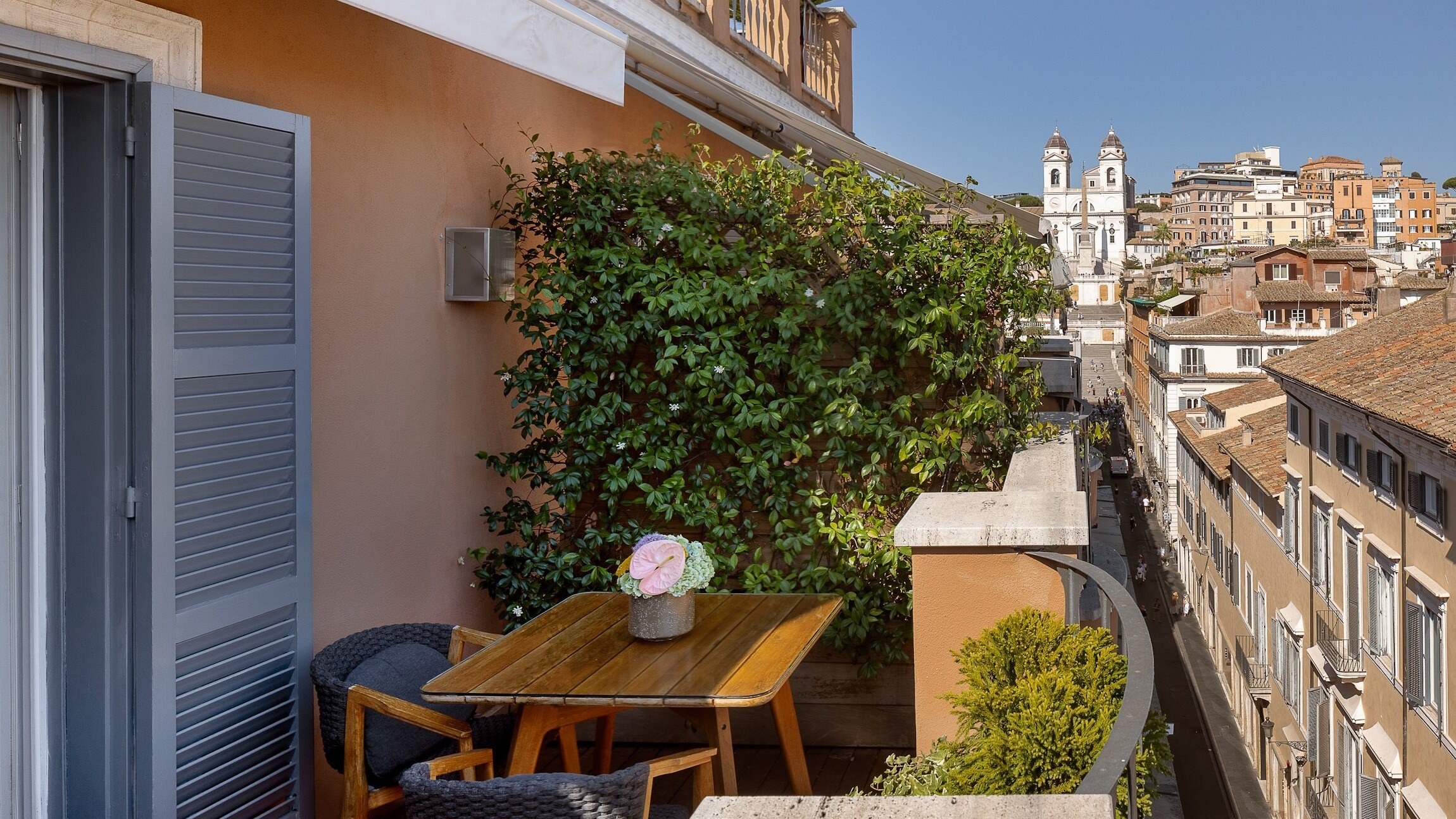
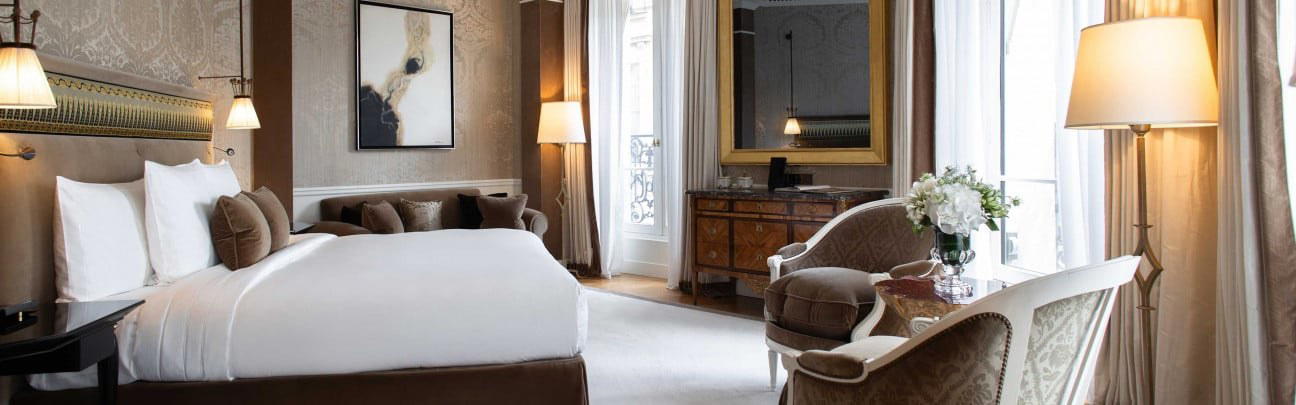
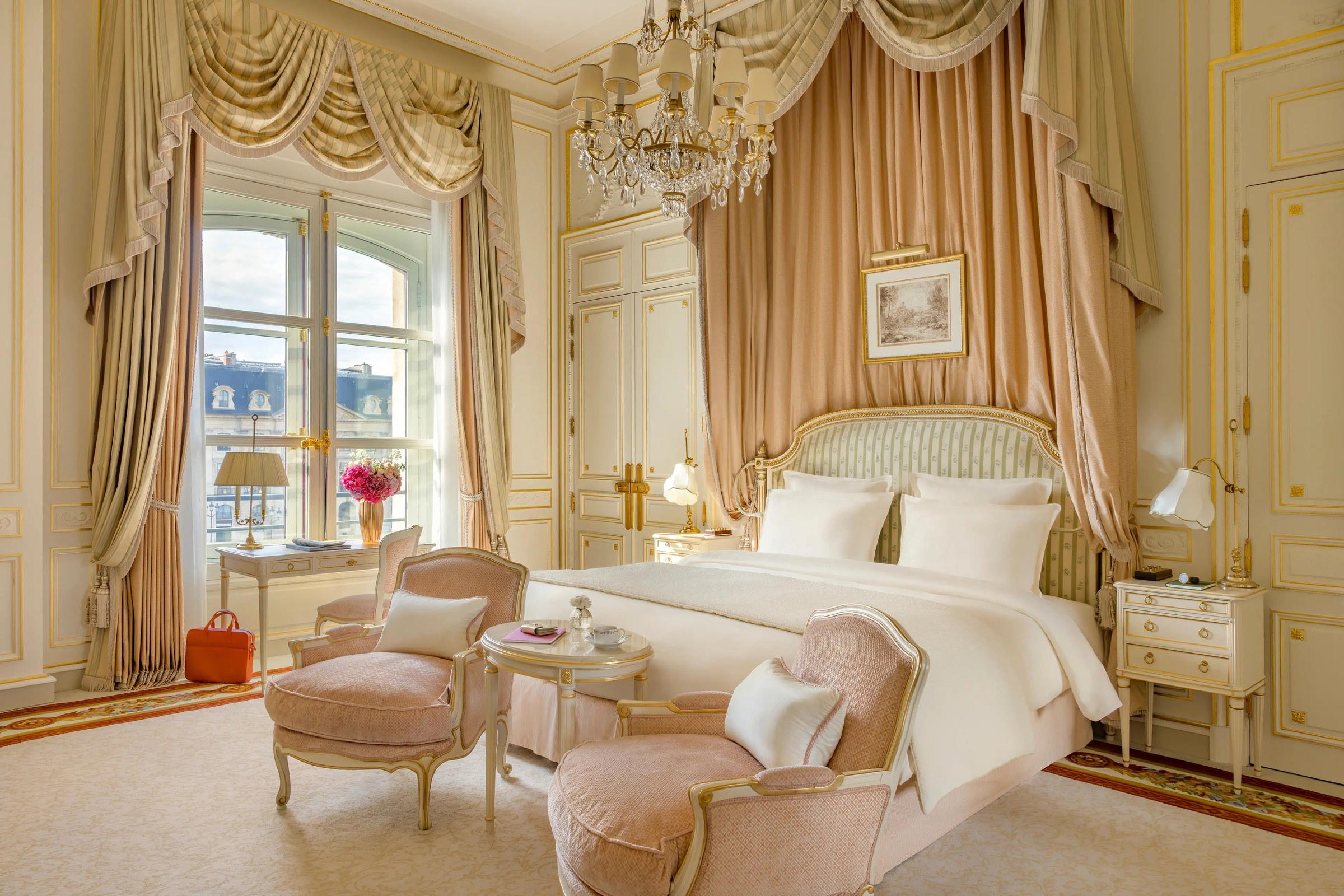
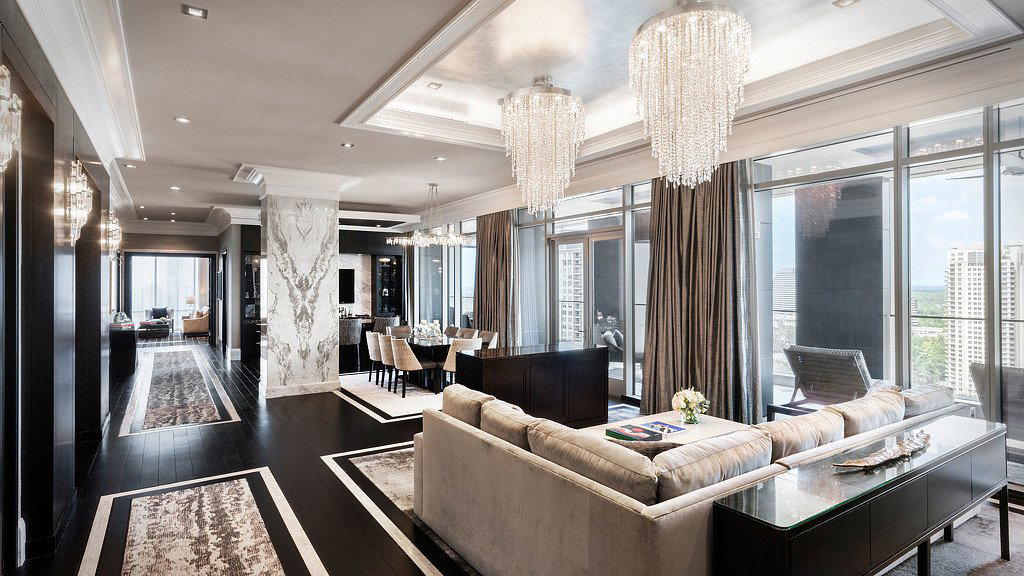
Elegant and serene with natural light-filled spaces, lush gardens, and a resort-like pool area praised for its peaceful, sophisticated atmosphere.
Tags
Vibe
Best For
Experience
Amenities
View
Accessibility
About the Stay
- Rooms
- 120
- Check-in
- 15:00
- Check-out
- 12:00
- Property Style
- Modern Luxury Roman Villa
- Design Style
- Contemporary with Classic Italian Elements
Know before you go
Know Before You Go
- Getting there
- Via del Gianicolo, 3, 00165 Roma RM
Planning details
Location
Via del Gianicolo, 3, 00165 Roma RM · Directions
Recognition and awards




Also consider
If this is full, where to look next
Try Hotel Indigo Rome - St. George by IHG if the goal is a reliable Rome base with easier city-center movement. Try San Pietro Boutiquerooms if staying near the Vatican matters more than a full luxury-hotel setup.
Hotel context
How it compares with other Rome stays
Choose Villa Agrippina a Gran Melià Hotel over Hotel Indigo Rome - St. George by IHG if the priority is a more resort-like luxury stay and stronger third-party recognition. Hotel Indigo is the more practical cross-shop for travelers who want a branded stay closer to the historic-center rhythm, while Villa Agrippina is the better fit when space, calm, and family logistics matter more than being in the middle of the evening scene.
Against Trastevere and DOM Hotel, the decision is about mood. Trastevere is the smarter direction for visitors who want a more neighborhood-led Rome stay, while DOM Hotel suits travelers looking for a smaller, design-forward base. Villa Agrippina is more compelling for families, multi-day stays, and guests who want hotel infrastructure rather than a compact boutique feel.
Relais Palazzo Taverna and San Pietro Boutiquerooms are better cross-shops when value and simplicity matter more than full-service luxury. If availability is tight here, those two make sense for a lower-friction stay; if the trip calls for a more polished hotel experience, Villa Agrippina is the stronger splurge.
Around this place
Discover more on Pearl
Unlock the full Villa Agrippina a Gran Melià Hotel guide in Pearl, including awards, comparisons, FAQs, planning details, and nearby places.
Compare Villa Agrippina a Gran Melià Hotel
| Venue | Location | Awards |
|---|---|---|
| Villa Agrippina a Gran Melià Hotel | Rome | 2026 Forbes 4-Star2026 Virtuoso Luxury Hotel Collection2026 La Liste Top HotelsLeading Hotels of the World 20262025 Michelin Selected Hotels2025 Forbes 4-Star |
| Hotel Indigo Rome - St. George by IHG | Rome | No published awards |
| Trastevere | Rome | No published awards |
| DOM Hotel | Rome | 2026 Mr & Mrs Smith Luxury Hotels2025 Michelin Selected HotelsPreferred Hotels L.V.X. Collection 2025 |
| Relais Palazzo Taverna | Rome | No published awards |
| San Pietro Boutiquerooms | Rome | No published awards |

How Villa Agrippina Rome compares with similar nearby venues.
FAQ
Frequently Asked Questions
How is the location of Villa Agrippina a Gran Melià Hotel?
The location information supports describing the hotel as being in Rome. For exact positioning, transfer planning, and neighborhood fit, confirm the current details directly with the hotel or your booking channel.
Which room category is best at Villa Agrippina a Gran Melià Hotel?
The data does not include room categories. Choose based on your party size, budget, and preferred configuration, and confirm the exact room features directly before booking.
What is check-in like at Villa Agrippina a Gran Melià Hotel?
The data does not include check-in details. The hotel is a Leading Hotels of World Member (2025), but arrival time, early check-in, luggage handling, and related arrangements should be confirmed directly with the hotel.