

Palazzo Velabro
Ripa, Rome
Hotel in Rome, Italy
 Book with Pearl
The Read
Price
$200–300per night
Why go
Palazzo Velabro is a smart central Rome pick for travelers who want design credibility, a practical address, and an easier sightseeing base. It makes the strongest case for couples or families who value location and style over resort-style amenities, with 2026 Design Hotels and Mr & Mrs Smith recognition plus a 2025 MICHELIN Guide hotel selection.
About Palazzo Velabro
Palazzo Velabro in Rome has three key recognitions: 2026 Design Hotels membership, a 2026 Mr & Mrs Smith Seal of Approval, and a 2025 MICHELIN Guide hotel selection. That makes it a credible shortlist option for travelers considering a design-led stay in Rome.
Palazzo Velabro should be evaluated by its hotel recognition rather than by claims about facilities, room types, dining, or neighborhood specifics. Travelers should confirm any trip-critical details directly before booking.
A design-led Rome base that works for practical travelers
Choose Palazzo Velabro if the priority is a Rome stay with clear design and hotel-selection credentials. The recognition from Design Hotels, Mr & Mrs Smith, and the MICHELIN Guide gives a grounded reason to consider it alongside other hotel options in the city.
A full amenity profile is not available. If specific facilities, dining, family needs, or service details are essential, confirm those details directly with the hotel before committing.
Families should value the confirmed facts more than assumptions
For parents or groups, the main planning point is to avoid assuming unspecified details. Palazzo Velabro is in Rome and has recognized hotel and design credentials, but specific family amenities, room configurations, dining formats, and on-property services should be checked directly.
Do not choose it based on unspecified children's facilities, wellness amenities, or resort-style features. Choose it if the recognition and Rome location are enough to make it a strong candidate, then confirm the practical details that matter for your trip.
For broader planning, compare it against Pearl's Rome hotels guide, then build meals and evenings from the Rome restaurants guide and Rome bars guide. Other Rome hotel options to cross-check include 47 Boutique Hotel, Hotel Chapter Roma, Nerva Boutique Hotel, Palm Suite, and The Inn at the Roman Forum.
Quick reference: book for a Rome hotel with design and hotel-selection credentials; confirm any specific amenities, services, or room needs directly before relying on them.
Planning details
- Location
- Via del Velabro 16, Rome 00186, Italy
- Website
- marriott.com/en-us/hotels/rompv-palazzo-al-velabro-a-member-of-design-hotels/overview
- Phone
- +39 06 97619197
The take
The Take
The Vibe
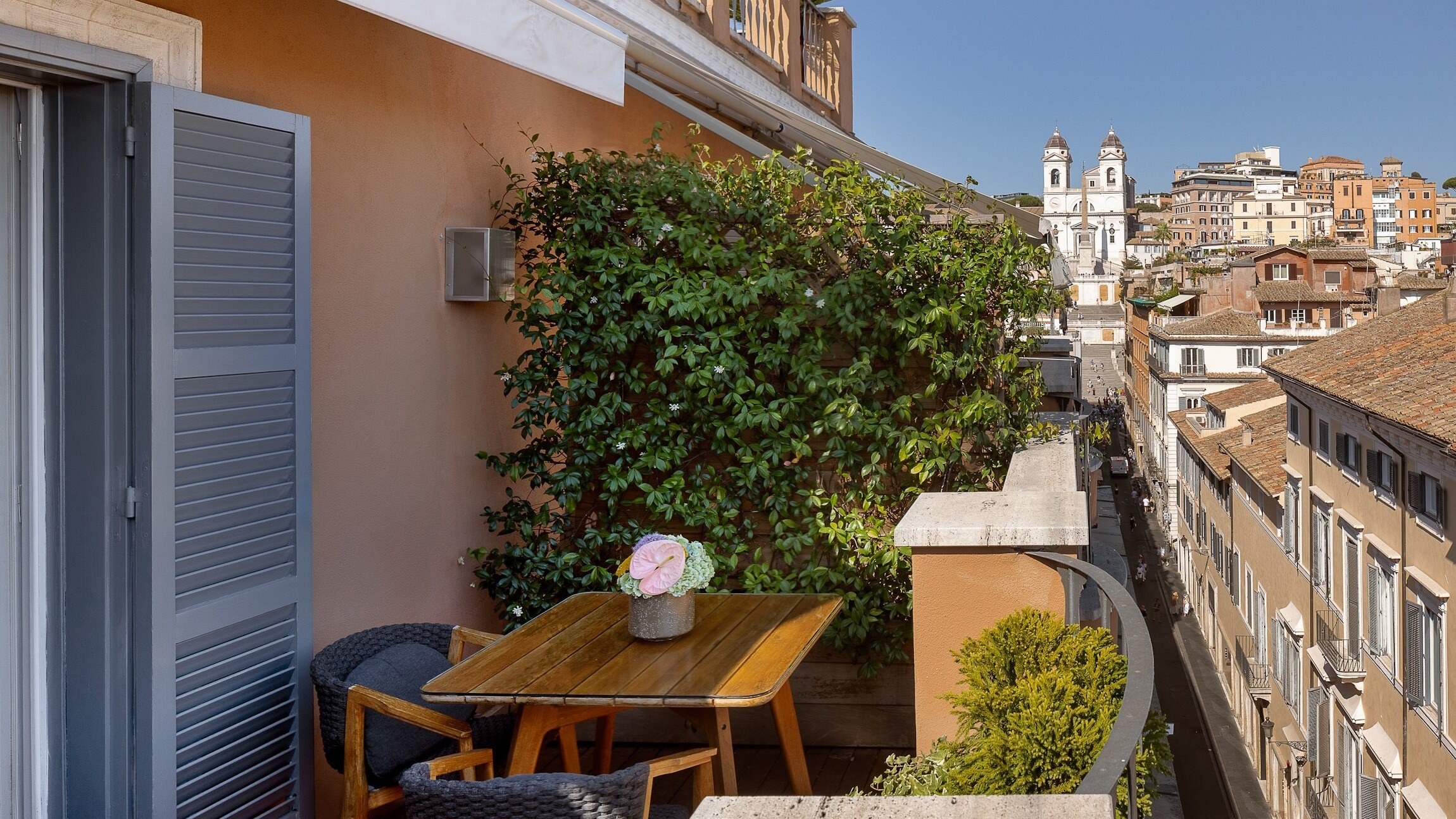
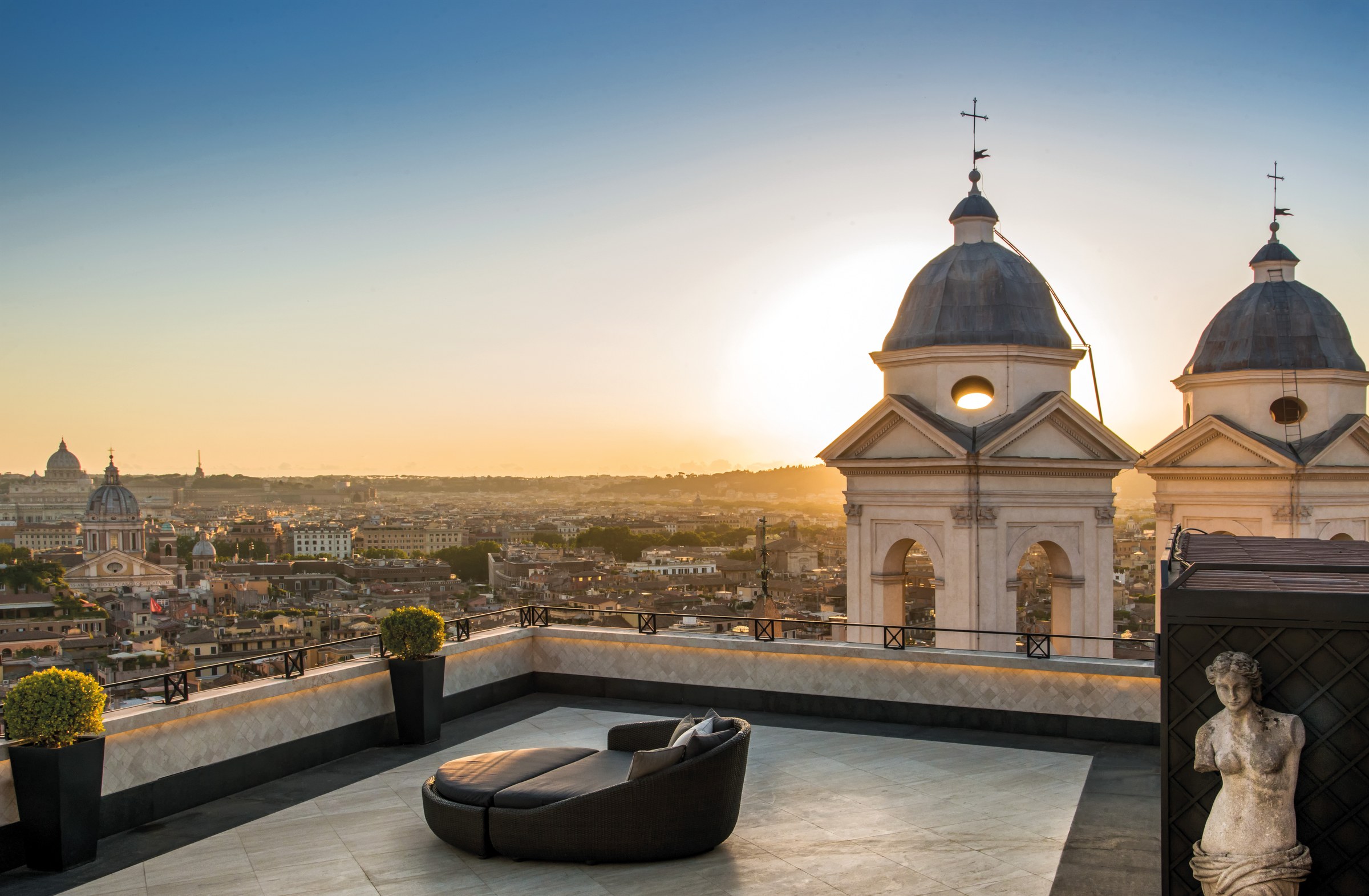
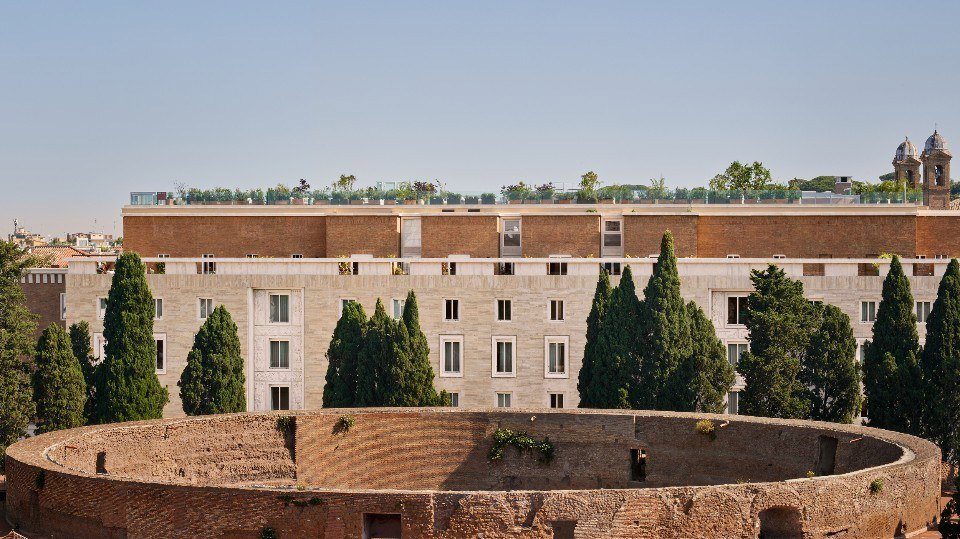
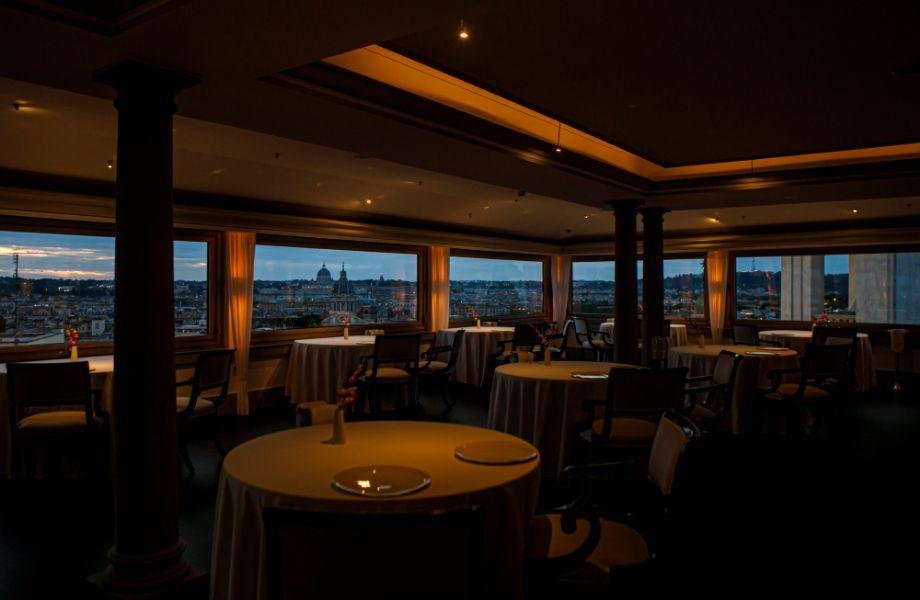
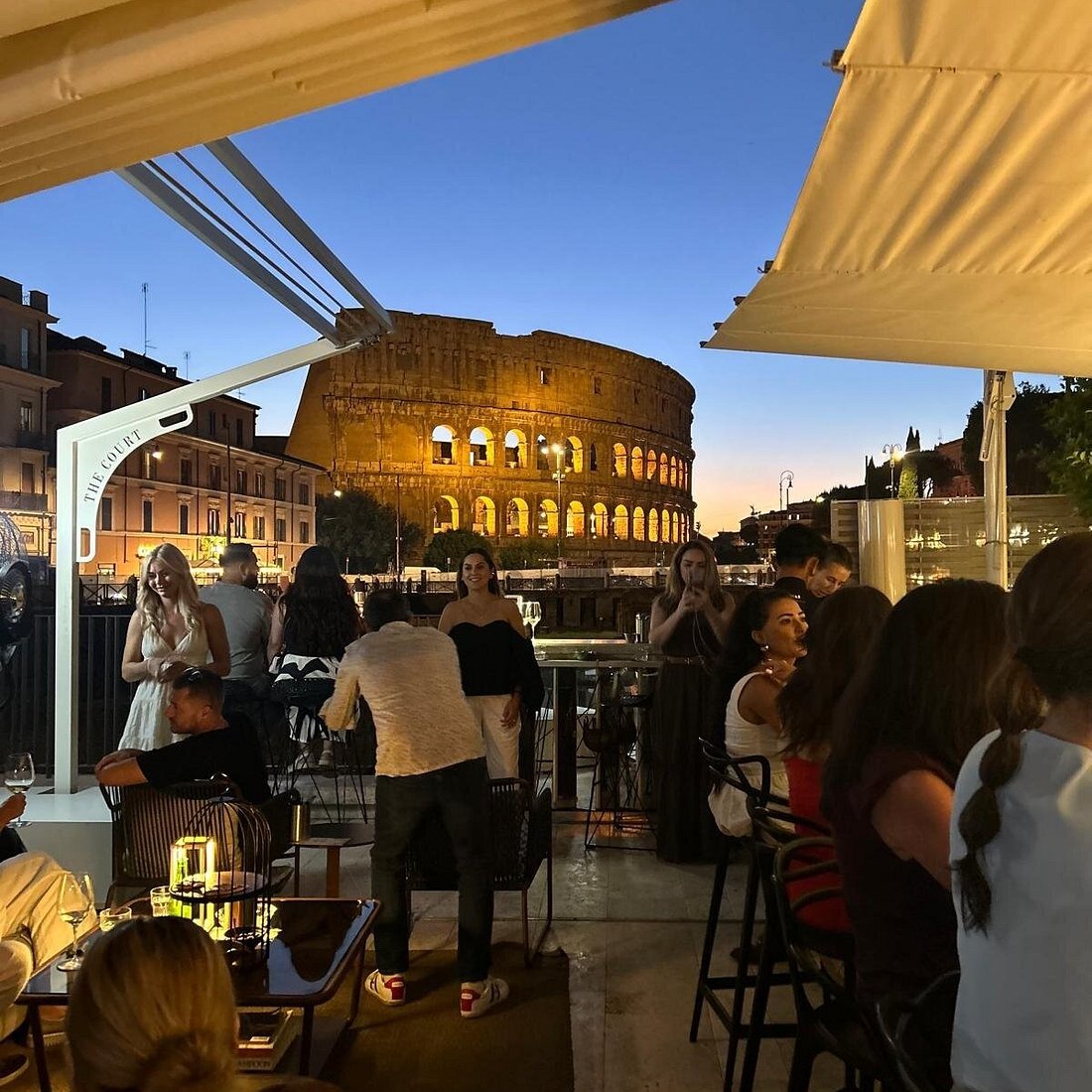
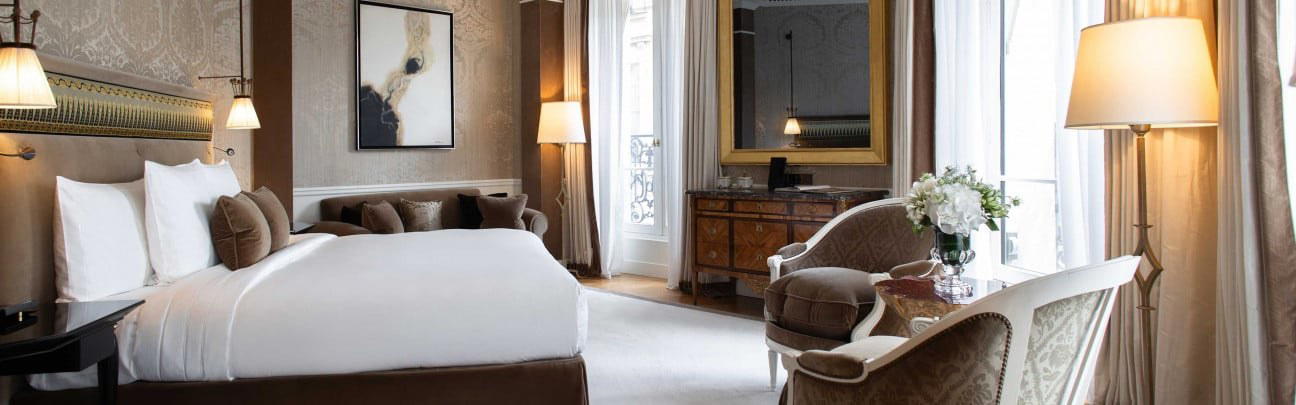
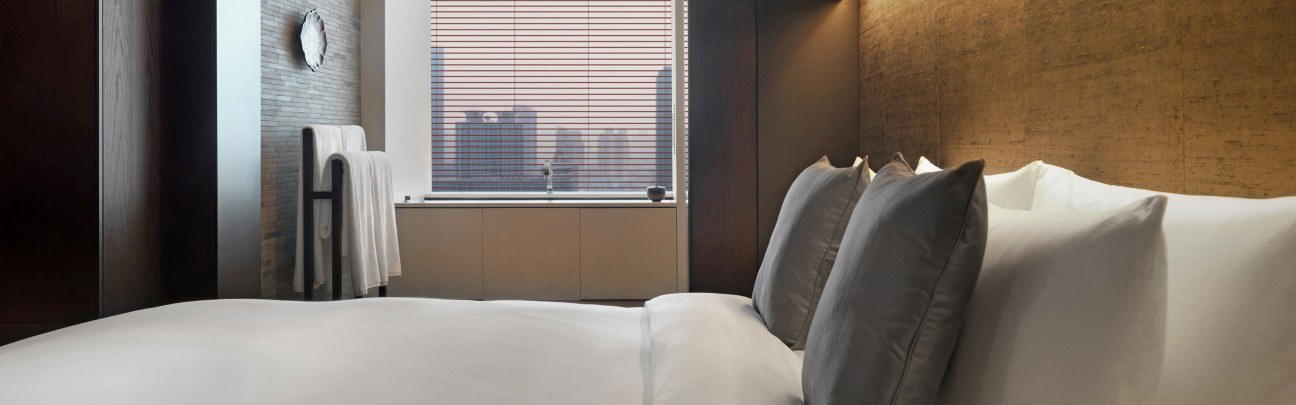
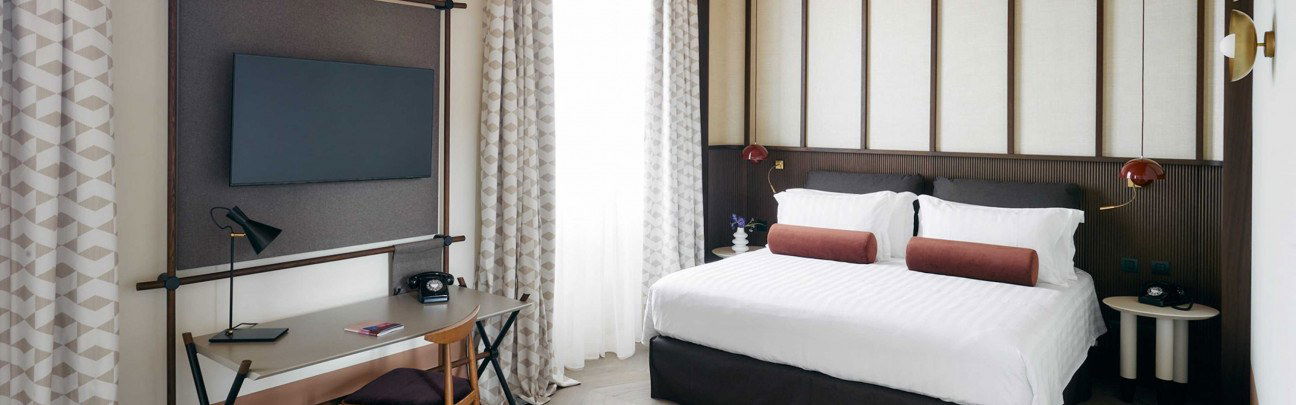
Palazzo Velabro reads like a quietly grand palazzo conversion: an 18th‑century mansion that foregrounds architectural proportion and a measured pace. Rooms are notably larger than the typical centro storico geometry, and the building frames panoramic sightlines onto Rome’s oldest layer from its windows. The immediate neighbourhood is residential and monumental—the Arch of Janus and the Church of San Giorgio in Velabro anchor a narrow street—so the overall impression is historic, scenic, and understatedly serene. The hotel trades flashy programming for space and context, offering a contemplative base for exploring the Forum and surrounding ruins.
Best For
Best for travelers who prize space, history, and proximity to Rome’s archaeological core. Guests who value large, well‑proportioned rooms and direct views into the city’s oldest quarters choose this address over hotels that compete on spa infrastructure or high‑profile restaurants. The property suits visitors who want a calmer, more residential base for daytime exploration of the Forum and nearby monuments, and anyone for whom the building’s architecture and outlook are primary parts of the stay. It is a choice driven by sense of place rather than extra on‑site programming.
Stay Tips
When booking, prioritize rooms described as offering 'panoramic views' or those noted for their larger proportions—the description highlights generous room scale as the principal draw. Ask the property which room categories maximize window sightlines toward the Velabro district and the Forum. Keep in mind the hotel sits in a slower, residential zone rather than a busy tourist strip, so plan daytime walks to nearby monuments. If your priority is space and outlook rather than spa or dining facilities, confirm with reservations that the room you select emphasizes volume and views.
Venue details
Ambiance
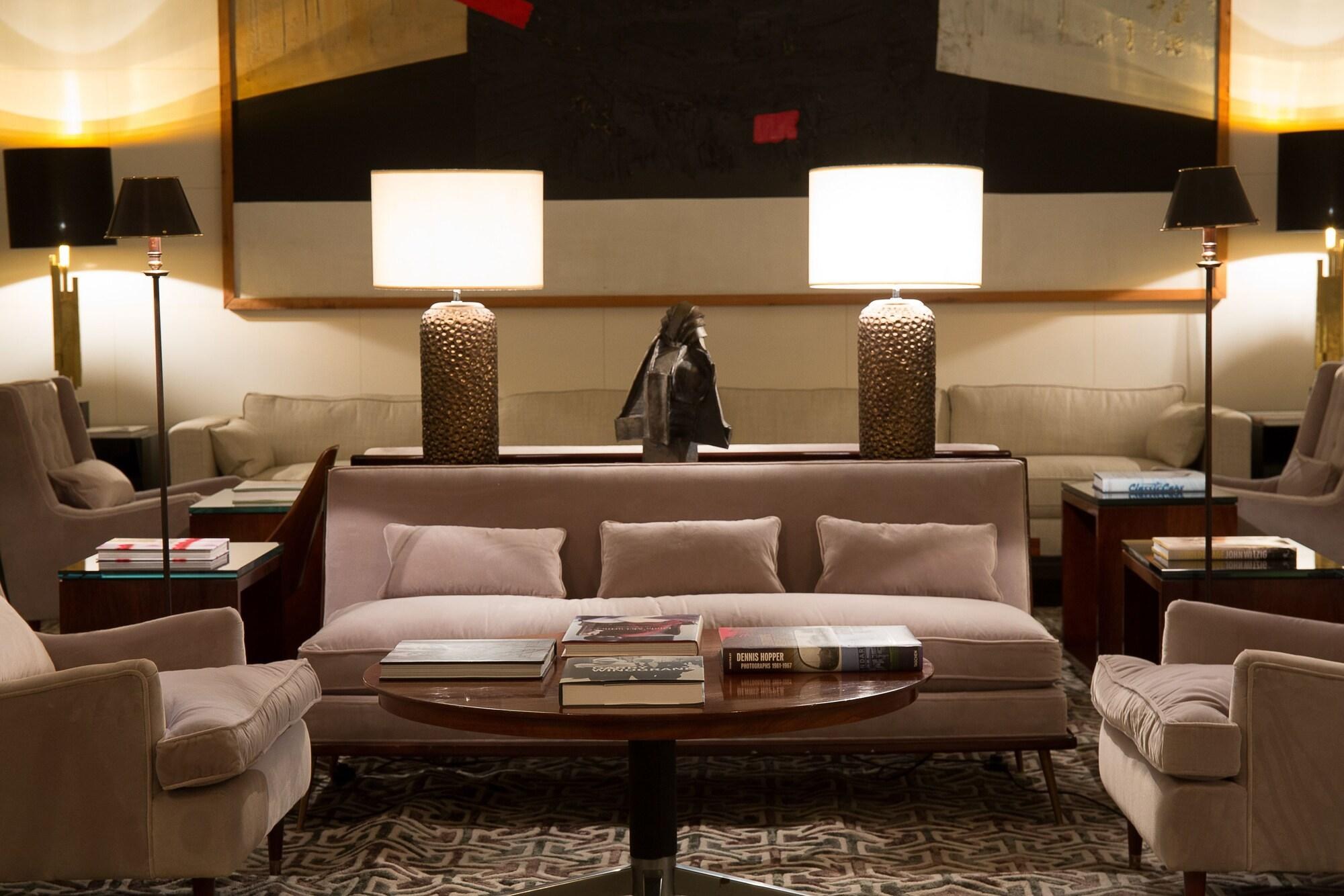
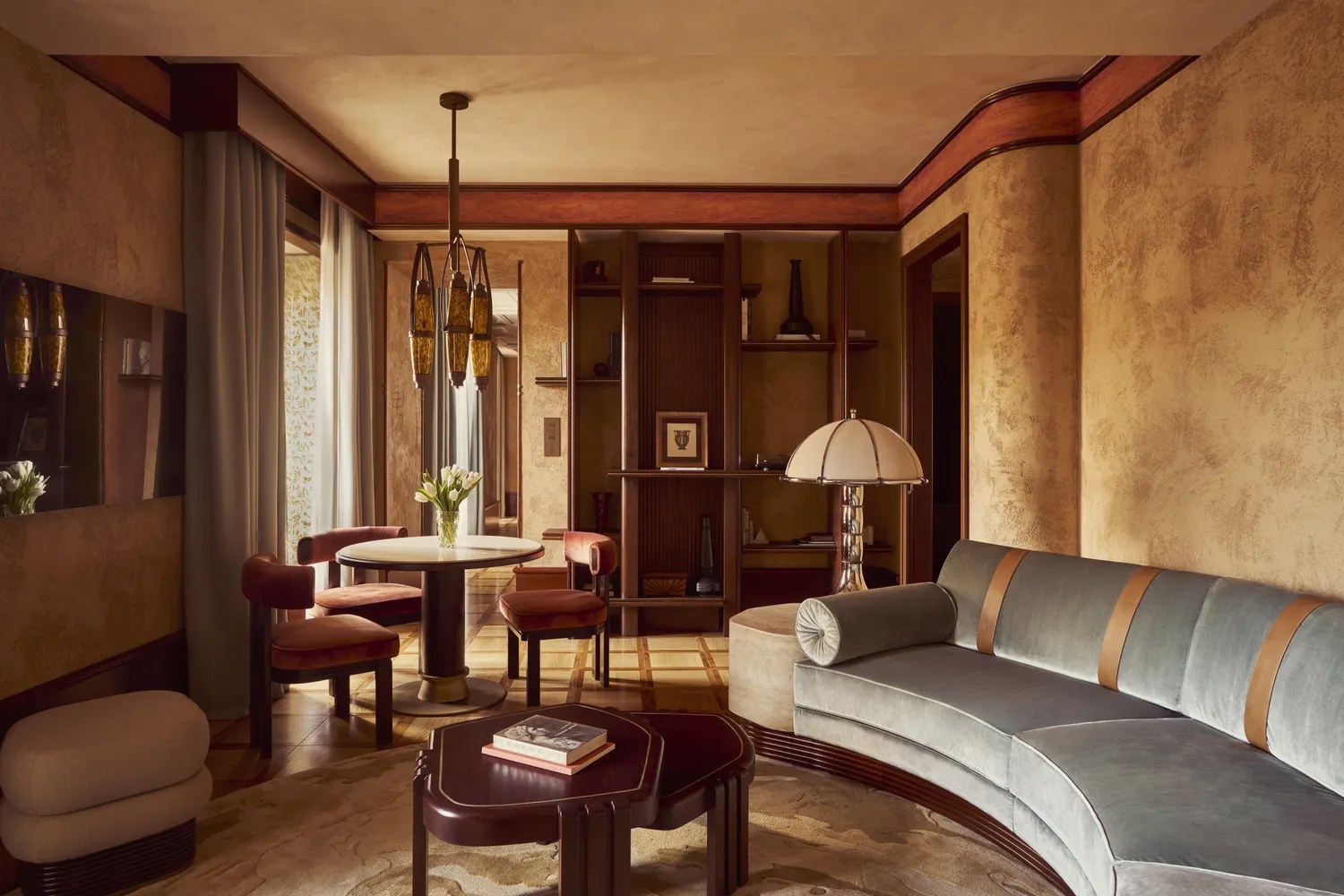
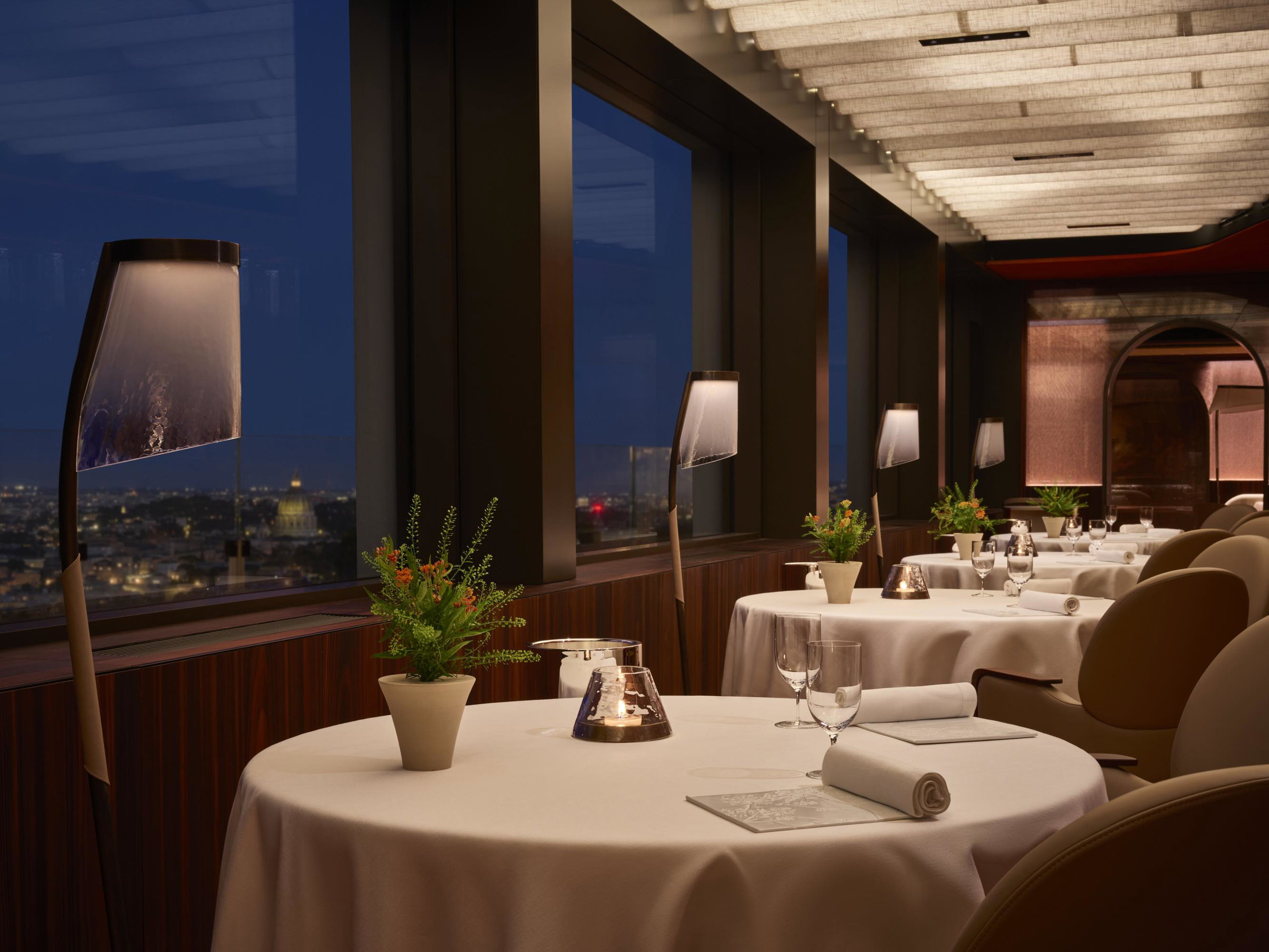
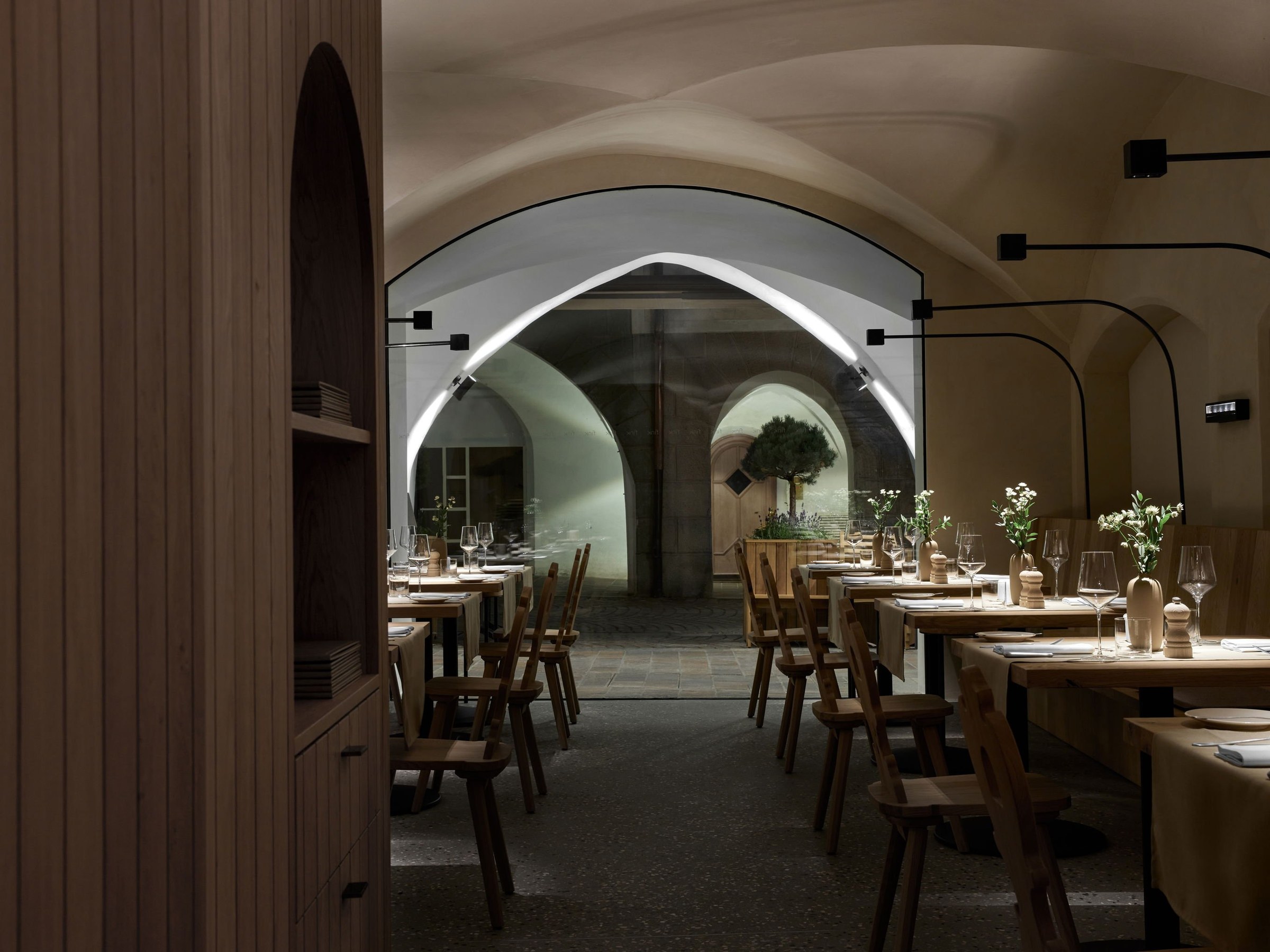
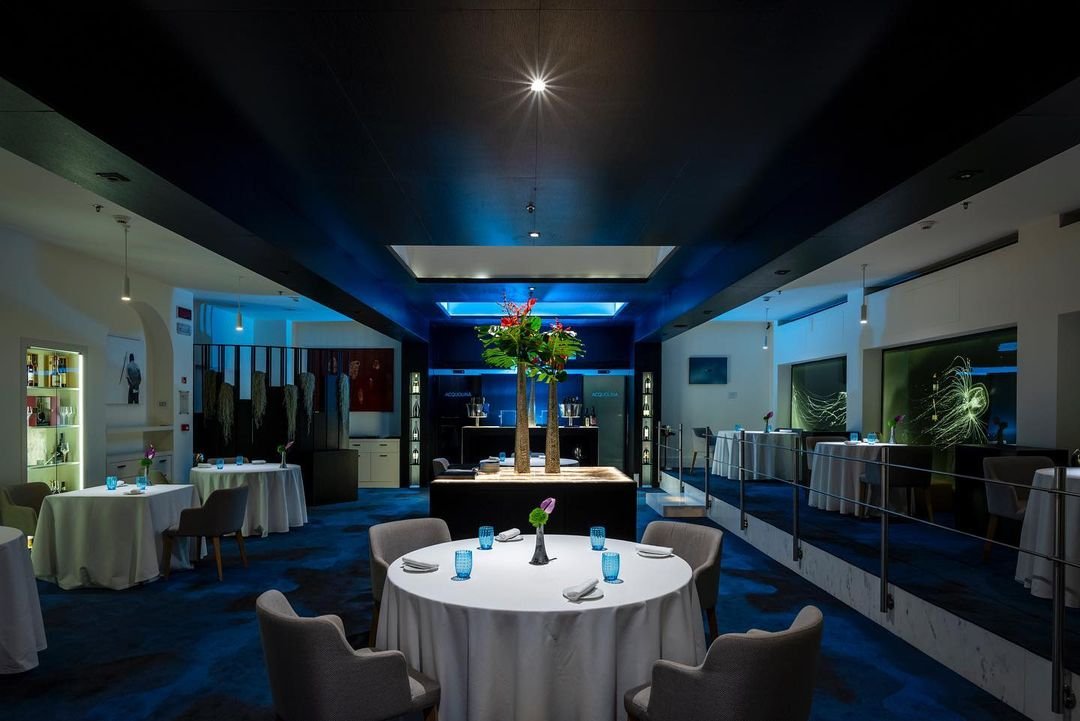
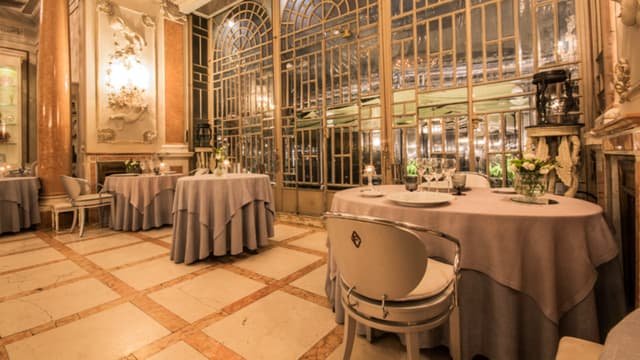
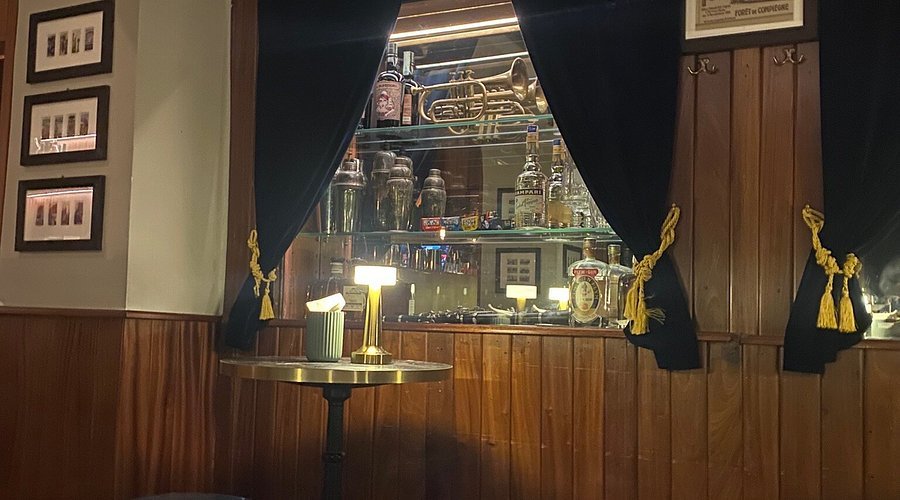
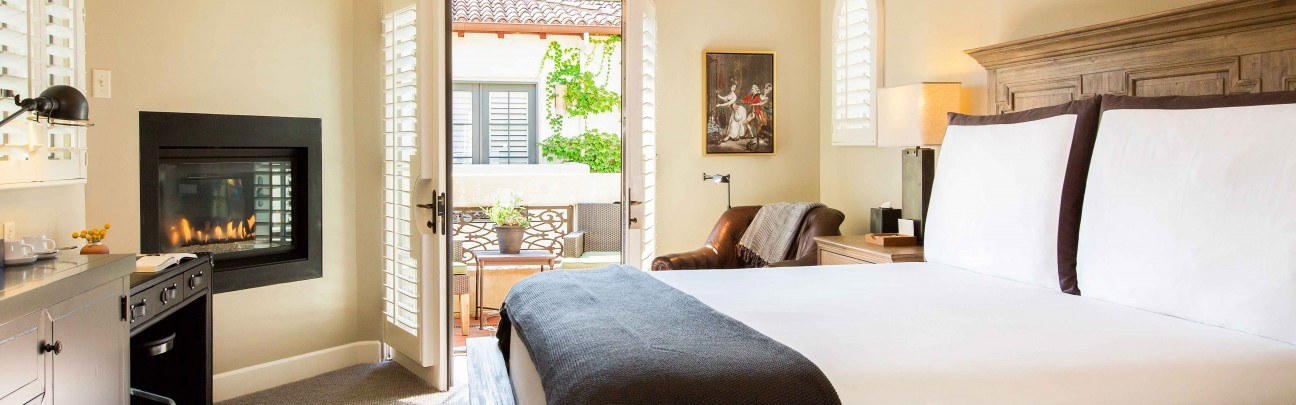
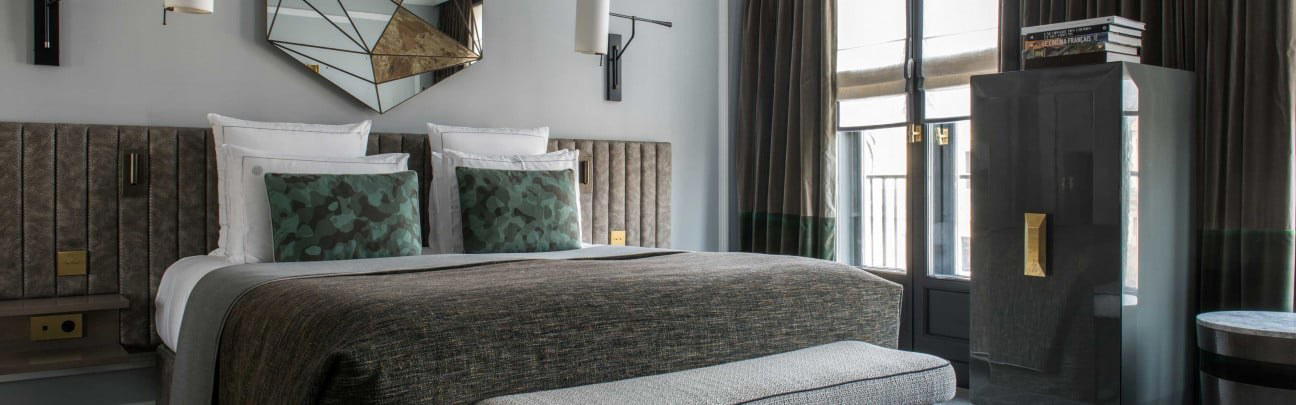
Elegant and tranquil with natural light, hand-painted frescoes, and a homely welcoming atmosphere enhanced by stylish decor in sage green, brick pink, and cobalt blue.
Tags
Vibe
Best For
Experience
Amenities
View
Accessibility
About the Stay
- Rooms
- 33
- Property Type
- Boutique hotel
- Property Style
- Historic 18th Century Mansion Remodeled as a Design Forward Boutique Hotel Blending Timeless Architecture with Modern Luxury.
- Design Style
- Vintage Inspired Colors Like Sage Green, Brick Pink, and Cobalt Blue with Fluted Walls and Bespoke Furnishings.
- Pets
- Allowed
Know before you go
Know Before You Go
- Getting there
- Via del Velabro 16, Rome 00186, Italy
Planning details
Location
Via del Velabro 16, Rome 00186, Italy · Directions
marriott.com/en-us/hotels/rompv-palazzo-al-velabro-a-member-of-design-hotels/overview
Recognition and awards
Also consider
Where to look if this is not the right fit
If Palazzo Velabro is unavailable, try Nerva Boutique Hotel for a nearby central Rome alternative with a boutique scale, or Palm Suite if the priority is a smaller, more residential-feeling stay.
For a stronger historic-Rome mood, check The Inn at the Roman Forum. For a more lifestyle-driven option, compare Hotel Chapter Roma.
Hotel context
How Palazzo Velabro compares in central Rome
Against 47 Boutique Hotel, Palazzo Velabro is the better fit if design validation matters more than a conventional boutique-hotel feel. Both work for central Rome sightseeing, but Palazzo Velabro has the stronger recognition stack, with Design Hotels, Mr & Mrs Smith, and MICHELIN Guide hotel selection attached to the stay.
Nerva Boutique Hotel and The Inn at the Roman Forum are the more obvious cross-shops for travelers focused on atmosphere around the ancient city. Pick Palazzo Velabro if the decision is driven by contemporary design and a quieter sense of polish; look at those peers if the trip needs a more overtly historic mood.
Hotel Chapter Roma and Palm Suite are better comparisons for travelers who want personality rather than a large-hotel template. Palazzo Velabro is the safer choice for value-seekers who want third-party recognition and easy booking difficulty; Palm Suite is the one to check if a smaller, more residential-feeling stay is the priority.
Around this place
Discover more on Pearl
Unlock the full Palazzo Velabro guide in Pearl, including awards, comparisons, FAQs, planning details, and nearby places.
Compare Palazzo Velabro
| Venue | Location | Awards |
|---|---|---|
| Palazzo Velabro | Rome | 2026 Design Hotels Collection2026 Mr & Mrs Smith Luxury Hotels2025 Michelin Selected Hotels |
| 47 Boutique Hotel | Rome | No published awards |
| Nerva Boutique Hotel | Rome | No published awards |
| Hotel Chapter Roma | Rome | 2026 Design Hotels Collection2026 Mr & Mrs Smith Luxury Hotels2026 La Liste Top Hotels2025 Michelin Selected Hotels |
| The Inn at the Roman Forum | Rome | 2024 Michelin 1 Key |
| Palm Suite | Rome | 2026 Mr & Mrs Smith Luxury Hotels2025 Michelin Selected HotelsSmall Luxury Hotels Member 2025 |



How Palazzo Velabro Rome compares with similar nearby venues.
FAQ
Frequently Asked Questions
How is the pool and spa at Palazzo Velabro?
Pool or spa details for Palazzo Velabro are not specified. Its credentials are 2026 Design Hotels membership, a 2026 Mr & Mrs Smith Seal of Approval, and a 2025 MICHELIN Guide hotel selection. If wellness facilities are a deciding factor, confirm them directly with the hotel before booking.
When is the best time to book Palazzo Velabro?
Book once your Rome dates are fixed if Palazzo Velabro's design and hotel recognition make it a strong fit. The recognition from Design Hotels, Mr & Mrs Smith, and the MICHELIN Guide supports considering it for a Rome stay. For a more flexible plan, compare against Nerva Boutique Hotel or Hotel Chapter Roma.
How does Palazzo Velabro compare to other Rome hotels?
Pick Palazzo Velabro if you want a Rome hotel with design and hotel-selection recognition. 47 Boutique Hotel, Nerva Boutique Hotel, and Hotel Chapter Roma are useful city-stay comparisons, while The Inn at the Roman Forum and Palm Suite are also worth checking for a Rome-focused hotel shortlist.
How is the location of Palazzo Velabro?
Palazzo Velabro is in Rome. Details about the specific street address or neighborhood are not available, so location planning should be based on Rome and checked directly if exact positioning matters for your itinerary.