
Martius Private Suites
Colonna, Rome
Hotel in Rome, Italy
 Book with Pearl
Why go
Martius Private Suites is a sensible Rome pick if the trip is built around the city rather than the hotel. Book it for a central, private-suite style base; cross-shop larger hotels if on-site dining, spa facilities, or full-service depth matter more than location and independence.
About Martius Private Suites
Should you book Martius Private Suites in Rome? The public signals are limited, so the safest read is simple and intentionally conservative: consider it as a Rome stay with confirmed recognition from MICHELIN Guide Hotels Selected 2025 and the Mr & Mrs Smith Seal of Approval 2026. Those two public markers give the property a measure of external validation, but they do not, on their own, describe the full guest experience. The dress code is smart casual, which is useful to know when thinking about what to pack.
Book for the Rome hotel signals, not unconfirmed extras
Martius Private Suites is in Rome, has a smart casual dress code, appears in MICHELIN Guide Hotels Selected 2025, and has a Mr & Mrs Smith Seal of Approval 2026. That is a meaningful but narrow set of signals. It supports interest from travelers who value recognized hotel listings and who are comfortable making a booking around a concise, profile. Beyond that, do not assume a particular service style, dining setup, wellness offering, or room format unless the property confirms it for your dates. The absence of detail should not be treated as a negative by itself, but it does mean you should avoid filling in the blanks with expectations borrowed from other Rome hotels.
For travelers planning meals separately, use Our full Rome restaurants guide and keep the hotel decision separate from dinner strategy. The same logic applies to drinks and add-on planning through Our full Rome bars guide, Our full Rome experiences guide, and Our full Rome wineries guide. If restaurants, bars, experiences, or wineries are central to the trip, plan those elements on their own merits rather than assuming the hotel will solve them for you.
Who should cross-shop before committing
If you want to compare other Rome hotel options, look at Corinthia Rome and Palazzo Roma. Casa de'Coronari, Gigli d'Oro Suite Hotel, and Residenza Napoleone III are also relevant names to consider while deciding what kind of Rome stay fits your trip. The point of cross-shopping is not to decide that one property is automatically better, but to clarify your priorities: whether recognition, style, setting, services, or confirmed practical details matter most. For a wider scan of the city, use Our full Rome hotels guide.
The verdict is cautious but useful: book Martius Private Suites if the confirmed Rome setting, smart casual standard, and recognized hotel listings match what you need. It is best suited to a traveler who is comfortable with limited public detail and willing to verify essentials directly.
Planning details
- Location
- Via degli Uffici del Vicario, 49, 00186 Roma RM, Italy
- Website
- martiusprivatesuites.com
- Phone
- +39 06 678 4157
The take
The Take
The Vibe
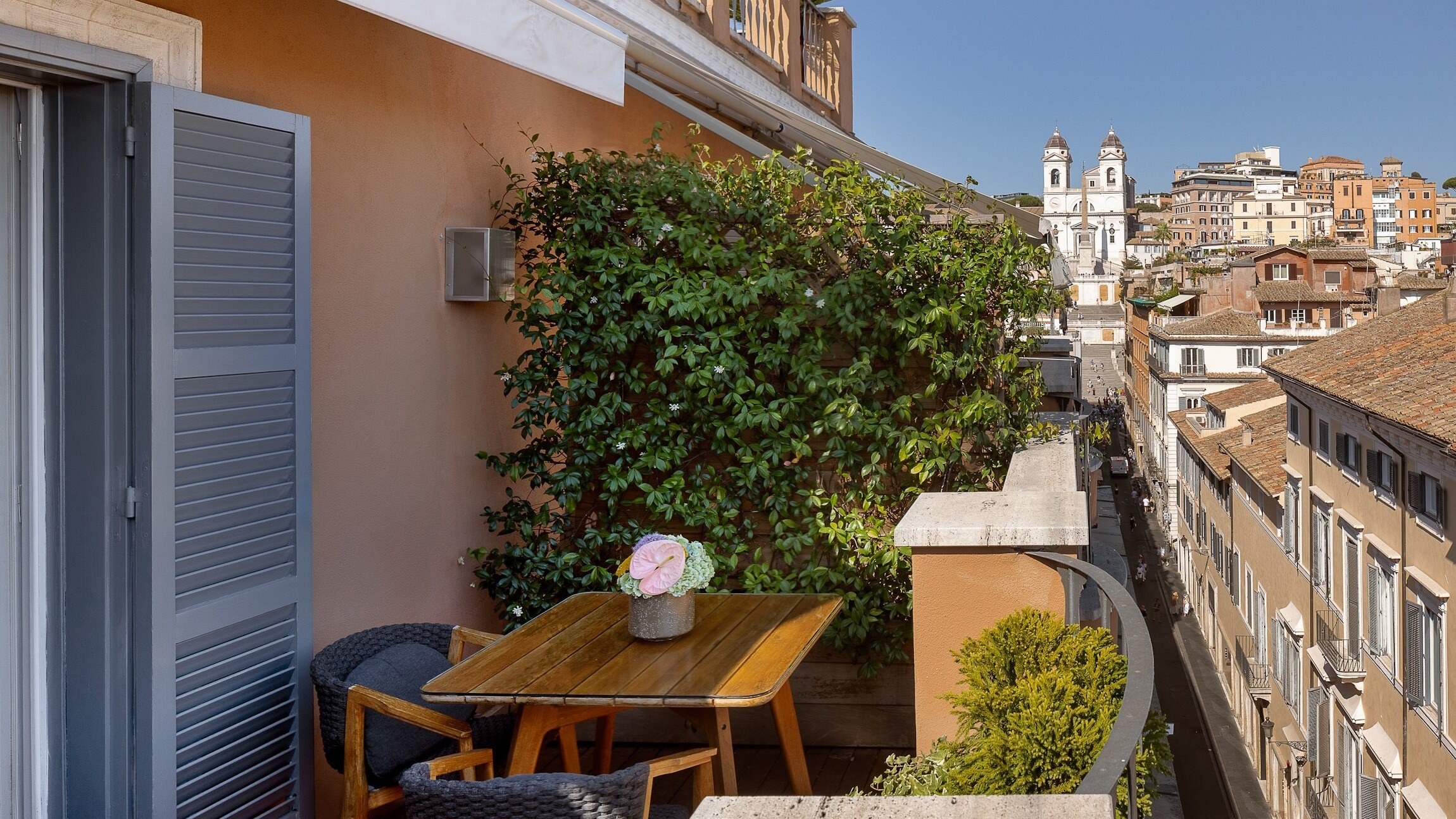
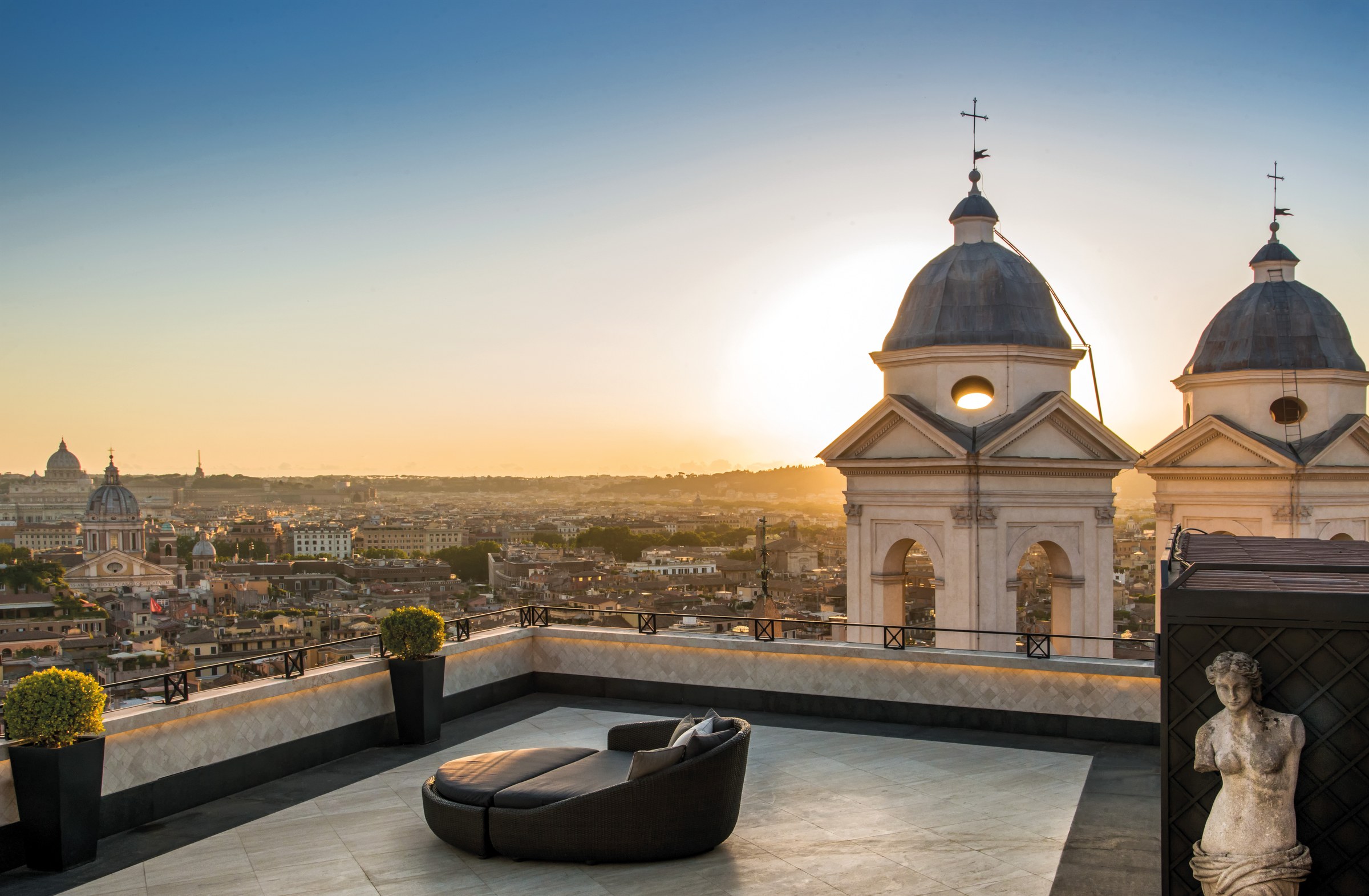
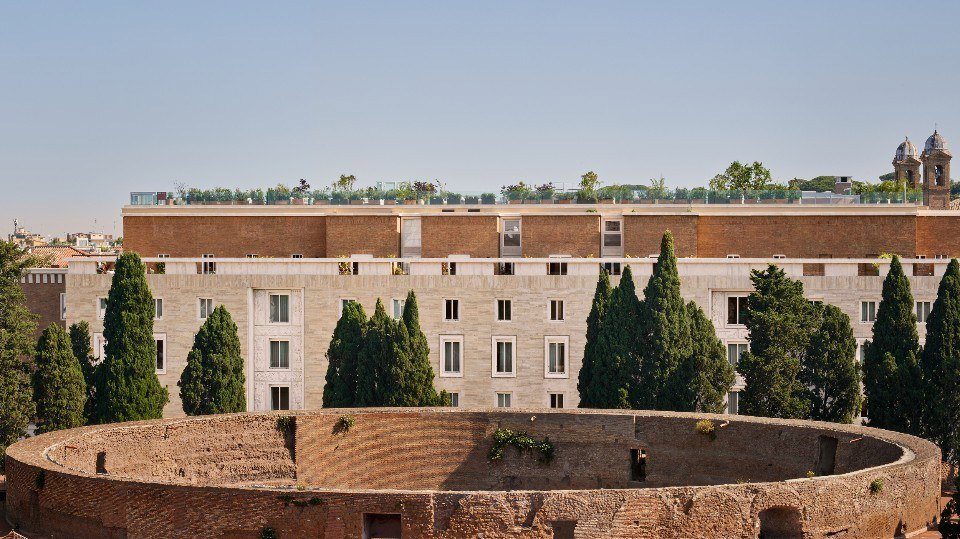
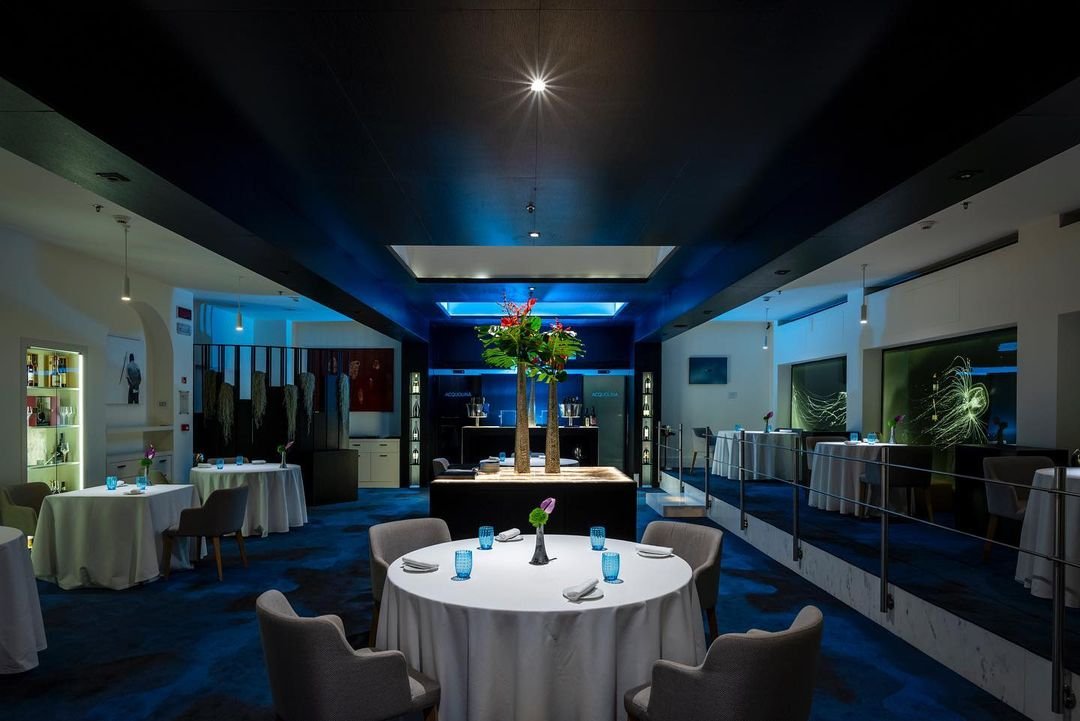
Martius Private Suites reads like a discreet Roman palazzo tailored for travellers who prefer refinement without spectacle. The property is deliberately small: a limited number of suites means the architecture and the building’s inheritance take precedence over a showy lobby. It sits in a compact, layered quarter where medieval alleys and piazzas fold into one another; the Pantheon and Piazza Navona are an easy walk away, so the city’s monumental presence is always nearby but never imposed. The overall effect is quietly refined: a low-key, classical address that prizes privacy, attentiveness and a contained kind of luxury.
Best For
This is an ideal stay for travellers who value proximity to Rome’s key ancient and Baroque sites while avoiding larger hotel theatrics. Couples and small-party travellers seeking an intimate, low‑inventory base appreciate the heightened attention that comes with fewer rooms. It also suits history- and architecture-minded visitors who want to sleep inside a palazzo form and use the city’s compact centre as their daily itinerary. The Michelin Guide recognition signals elevated standards without the trappings of conventional palace hotels, so guests expect polished, discreet service and a calm city-centre retreat.
Stay Tips
Book early: the property emphasizes a reduced inventory and close attention, so suites can fill quickly, particularly during high season around central attractions. When reserving, note your interest in walking access to the Pantheon and Piazza Navona so the team can advise on arrival logistics and the most convenient suite for navigating the neighbourhood. Treat the address as part of the experience, its discreet presentation is intentional, and plan to explore on foot; the hotel’s strengths are its location and pared-back, service-focused format rather than on-site spectacle.
Venue details
Ambiance
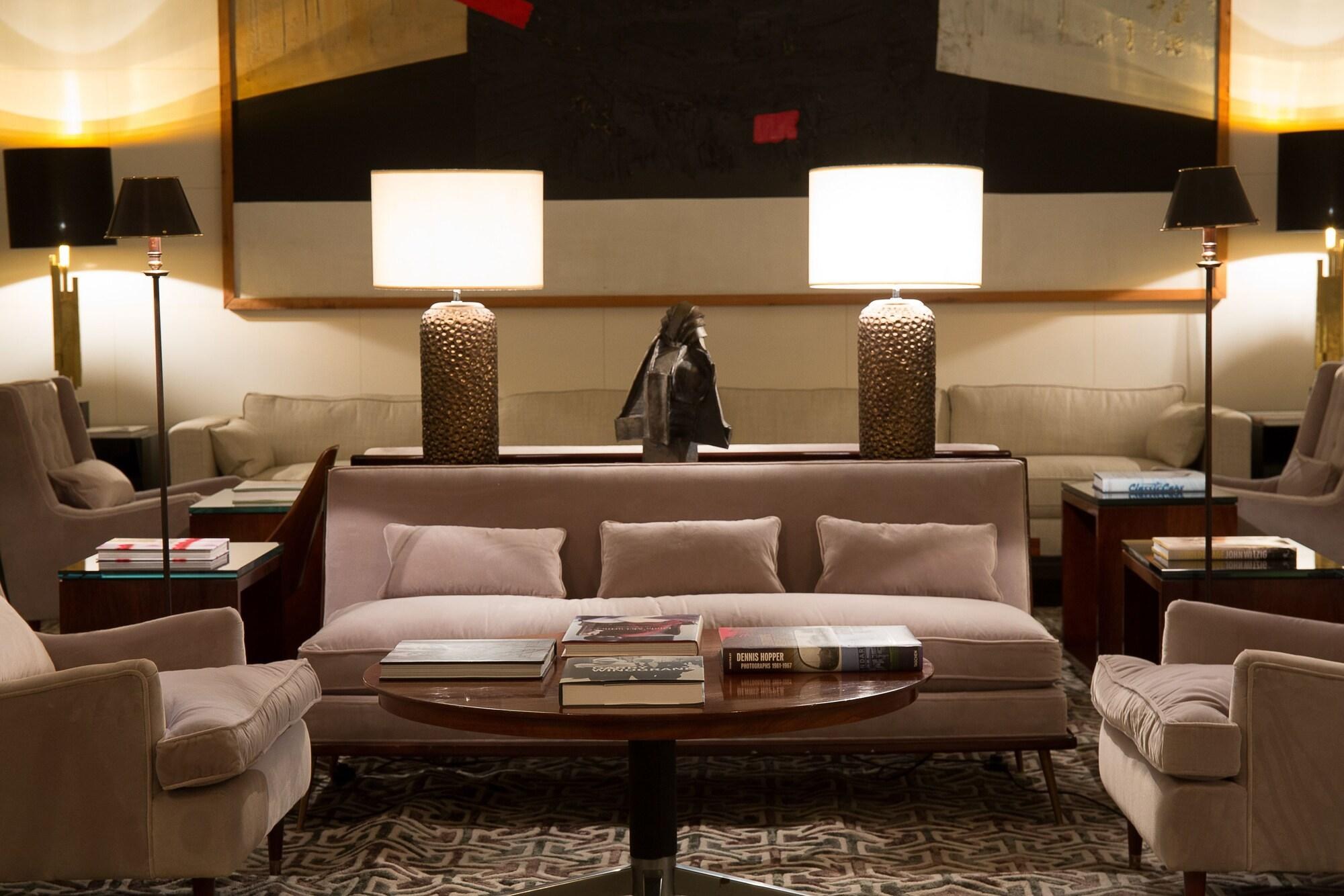
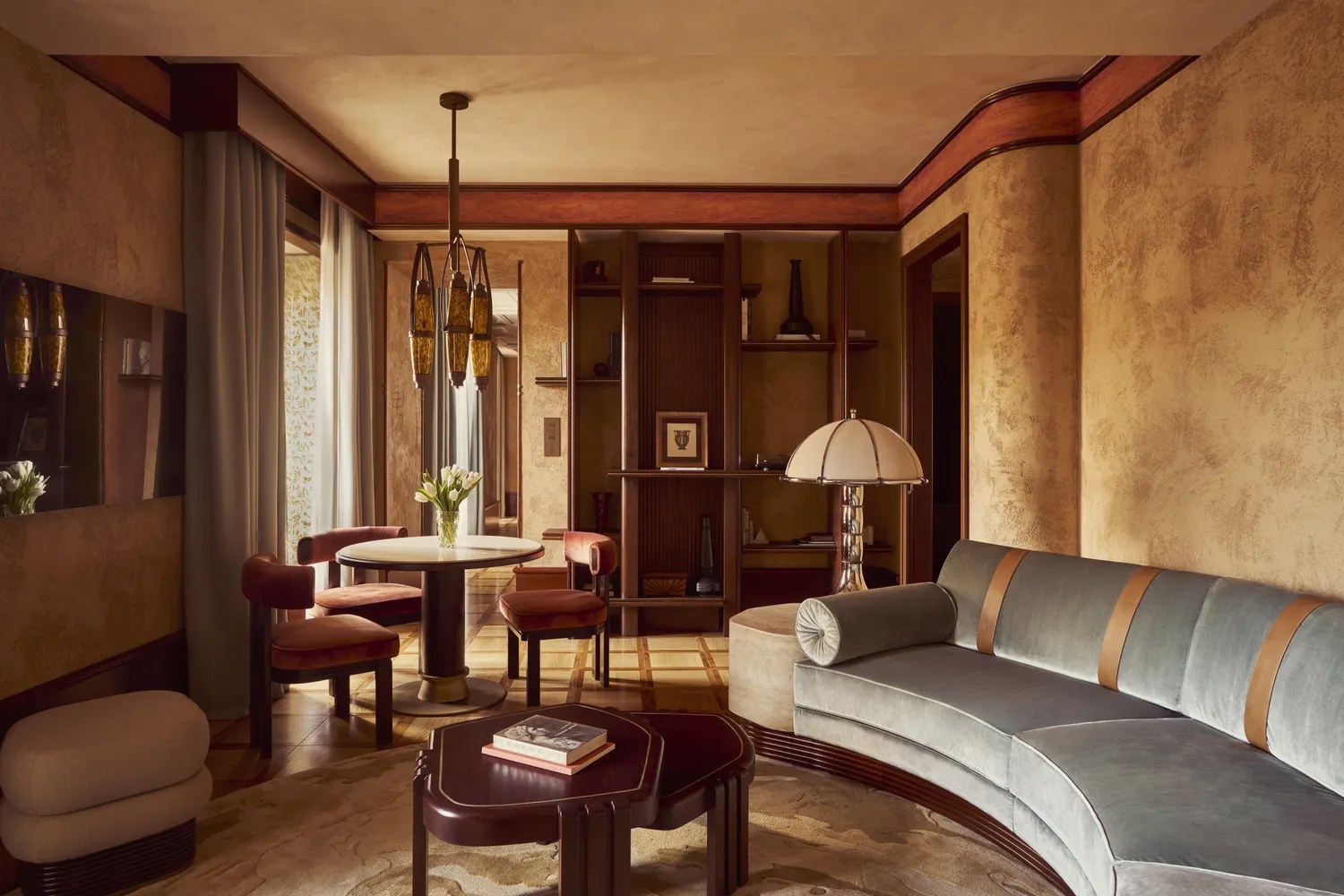
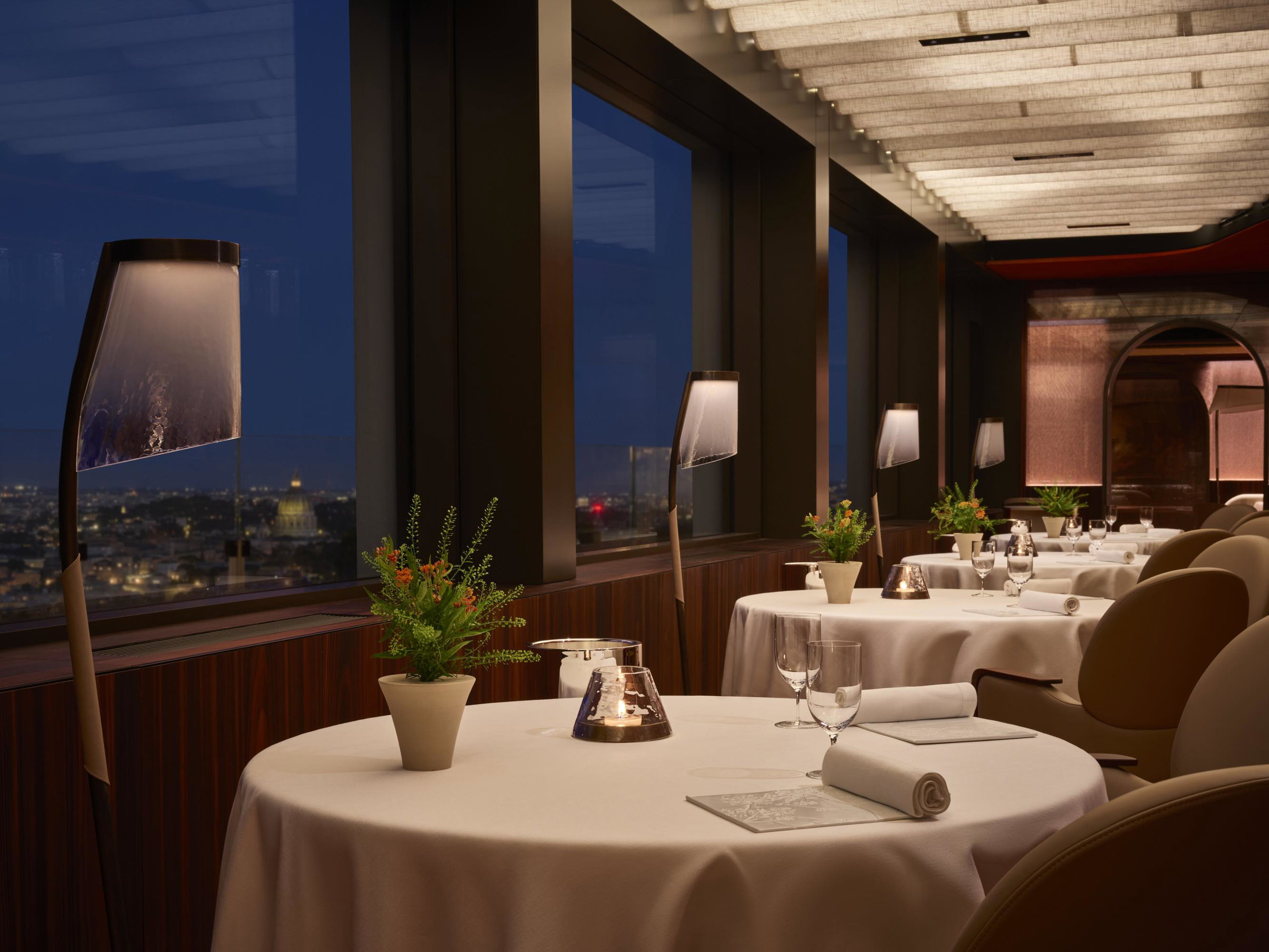
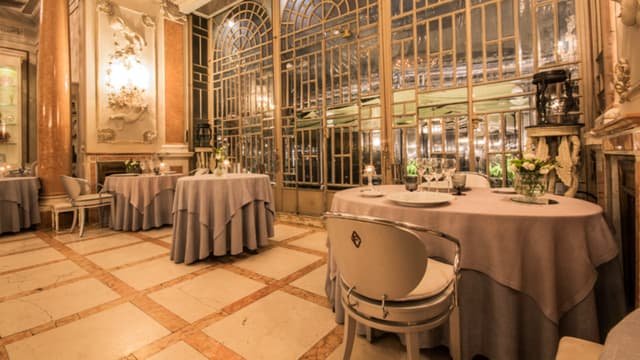
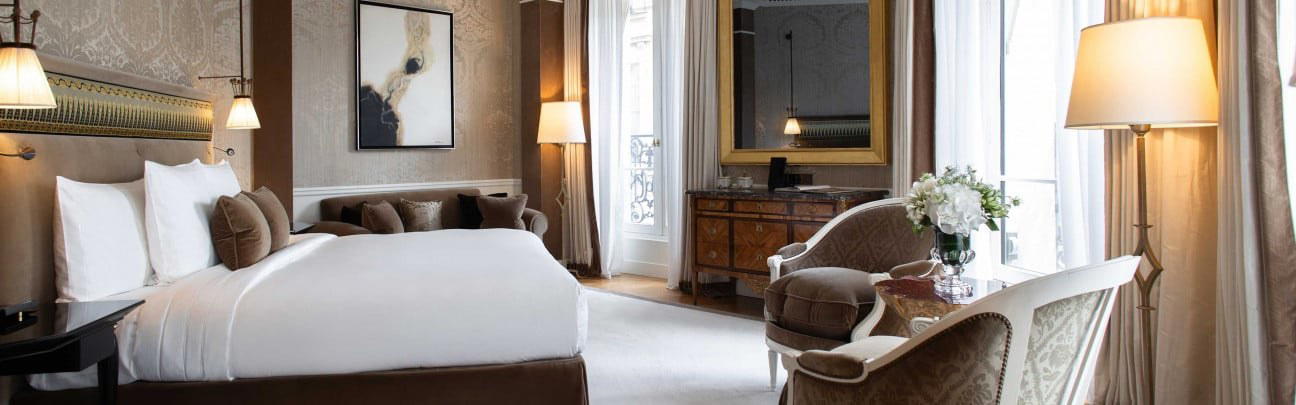
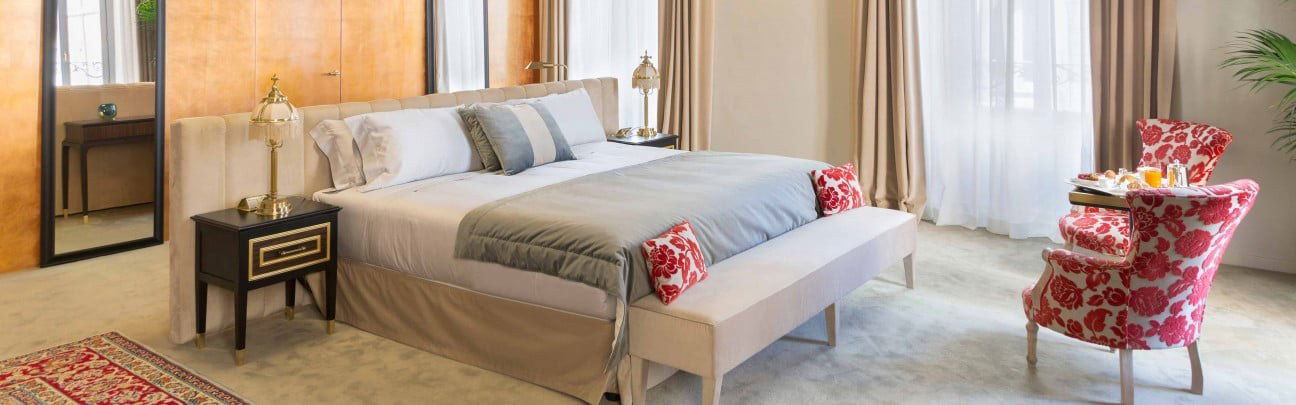
Refined and elegant atmosphere with high frescoed ceilings, plush fabrics, and a peaceful oasis despite central location.
Tags
Vibe
Best For
Experience
Amenities
View
About the Stay
- Rooms
- 8
- Check-in
- 14:00
- Check-out
- 11:00
- Property Type
- Boutique hotel
- Property Style
- Historic Palazzo with Modern Luxury Suites
- Design Style
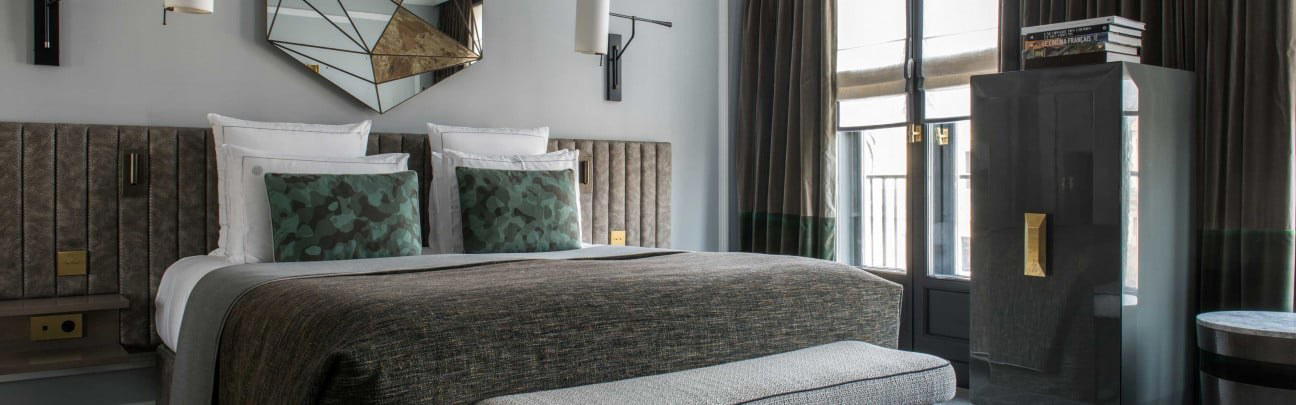
- Art Deco with Renaissance Frescoes and Elegant Contemporary Finishes
- Breakfast
- Included
- Airport Transfer
- Available
Know before you go
Know Before You Go
- Getting there
- Via degli Uffici del Vicario, 49, 00186 Roma RM, Italy
Planning details
Location
Via degli Uffici del Vicario, 49, 00186 Roma RM, Italy · Directions
Recognition and awards
Also consider
If this is not the right fit
Try Corinthia Rome if the stay needs broader luxury-hotel services and a more complete on-property experience. Try Casa de'Coronari if the goal is still a smaller central Rome stay but availability or price makes Martius Private Suites less appealing.
Hotel context
How it compares in Rome
Choose Martius Private Suites if the priority is a central, suite-style stay with less emphasis on full-service hotel infrastructure. Corinthia Rome is the safer cross-shop for travelers who want a bigger luxury-hotel feel, while Palazzo Roma is the better comparison if atmosphere and a more formal Roman hotel setting matter.
For smaller-property shoppers, Casa de'Coronari and Gigli d'Oro Suite Hotel are the closest practical alternatives: both make sense for travelers who want central Rome without committing to a large hotel. Residenza Napoleone III is the stronger cross-shop for guests who want a more historic, residence-led mood.
Booking difficulty is easy, so the decision should be about fit rather than scarcity. Martius Private Suites is the value-minded choice if the room and location are doing the work; Corinthia Rome is the splurge-leaning choice for broader service; Casa de'Coronari and Gigli d'Oro Suite Hotel are worth checking when availability or rate pushes this above comfort.
Around this place
Discover more on Pearl
Unlock the full Martius Private Suites guide in Pearl, including awards, comparisons, FAQs, planning details, and nearby places.
Compare Martius Private Suites
| Venue | Location | Awards |
|---|---|---|
| Martius Private Suites | Rome | 2026 Mr & Mrs Smith Luxury Hotels2025 Michelin Selected Hotels |
| Corinthia Rome | Rome | 2026 Michelin Guide New Hotels2026 Conde Nast Traveler Hot List HotelsTown & Country Hotel Awards 20262026 Michelin 1 Key2025 Michelin Selected Hotels |
| Casa de'Coronari | Rome | No published awards |
| Gigli d'Oro Suite Hotel | Rome | No published awards |
| Palazzo Roma | Rome | 2026 Mr & Mrs Smith Luxury HotelsLeading Hotels of the World 20262026 Michelin 1 Key2025 Michelin 1 Key |
| Residenza Napoleone III | Rome | No published awards |





How Martius Private Suites Rome compares with similar nearby venues.
FAQ
Frequently Asked Questions
Do loyalty programs work at Martius Private Suites?
The confirmed signals are its Rome location, smart casual dress code, MICHELIN Guide Hotels Selected 2025 recognition, and Mr & Mrs Smith Seal of Approval 2026. If elite perks matter most, compare it with other Rome hotels such as Corinthia Rome and confirm benefits directly before booking.
How is the location of Martius Private Suites?
Martius Private Suites is in Rome. Casa de'Coronari is another Rome option to compare if location fit is central to your decision.
How is the pool and spa at Martius Private Suites?
The confirmed hotel signals are the 2025 MICHELIN Guide Hotels Selected listing and 2026 Mr & Mrs Smith Seal of Approval. If wellness facilities are non-negotiable, compare Rome options such as Corinthia Rome and verify facilities directly.