


Hotel Chapter Roma
Regola, Rome
Hotel in Rome, Italy
 Book with Pearl
The Read
Historic-Centre Intimacy
Why go
Hotel Chapter Roma is a strong pick for a design-led central Rome stay, especially for couples, anniversaries, or business travelers who want boutique scale with credible recognition. Its La Liste 90.5-point rating, Design Hotels membership, Mr & Mrs Smith approval, and MICHELIN hotel selection make it easier to trust than many small historic-centre options.
About Hotel Chapter Roma
Hotel Chapter Roma is a Rome hotel with notable recognition: La Liste Top Hotels lists it at 90.5 points for 2026, it is a 2026 Design Hotels member, it has a 2026 Mr & Mrs Smith Seal of Approval, and it was selected in the MICHELIN Guide hotels selection for 2025. Those credentials are a strong reason to consider it.
Shortlist Hotel Chapter Roma if recognized hotel credentials and a smart-casual dress code matter to the trip. If room categories, amenities, dining, service format, rates, or neighborhood positioning are important to your stay, confirm those details directly before booking.
Good for a Rome stay when design recognition matters more than extras
Hotel Chapter Roma is best framed as a Rome hotel with design and guide recognition rather than as a property defined by a long list of facilities. Its Design Hotels membership, Mr & Mrs Smith approval, La Liste Top Hotels score, and MICHELIN hotel selection give travelers concrete signals to weigh when comparing stays in the city.
For broader trip planning, pair this page with Our full Rome hotels guide, Our full Rome restaurants guide, and Our full Rome bars guide.
The upgrade strategy is simple: compare total stay value, not just room rate
Before committing, compare the final stay terms, including rates, room categories, breakfast, loyalty benefits, and package details. Check cancellation terms, included benefits, and the exact room category with the hotel or booking channel rather than assuming what is included.
The same logic applies to any upgrade decision. Hotel Chapter Roma has a strong recognition profile, but the best value depends on the confirmed offer in front of you: dates, inclusions, flexibility, and the room actually being booked.
Know Before You Go
- Decision: Consider it for a Rome stay with design and hotel-guide recognition.
- Recognition: La Liste Top Hotels 2026 lists Hotel Chapter Roma at 90.5 points; it is also a 2026 Design Hotels member, has a 2026 Mr & Mrs Smith Seal of Approval, and appears in the 2025 MICHELIN Guide hotels selection.
- Dress code: Smart casual.
- Confirm before booking: Rates, room categories, inclusions, amenities, and arrival details.
- Plan around: Compare final inclusions before paying more for a room category upgrade.
Inside Hotel Chapter Roma
Planning details
- Location
- Via di S. Maria de' Calderari, 47, 00186 Roma RM
- Website
- chapter-roma.com
- Phone
- +39 06 8993 5351
The take
The Take
The Vibe
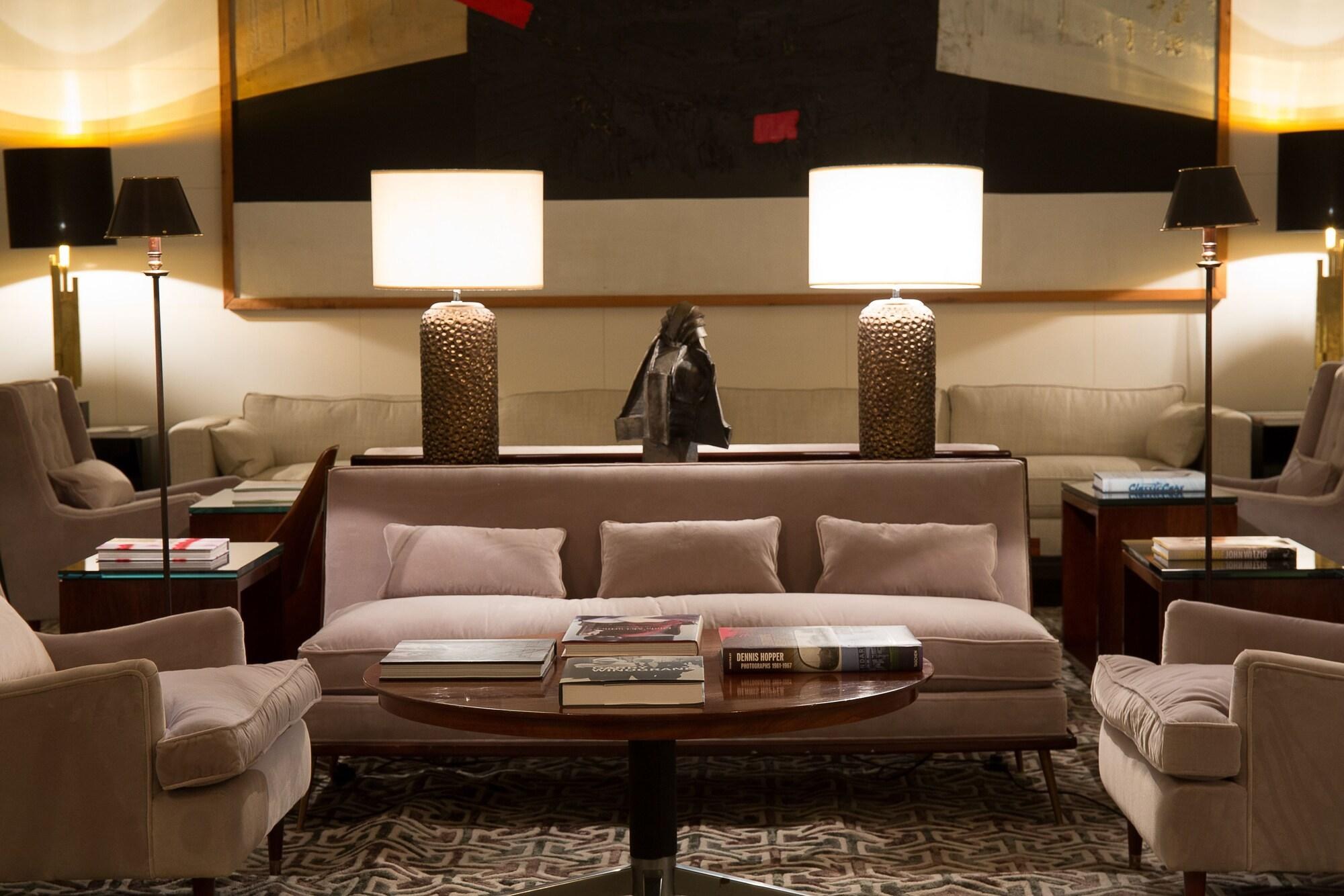
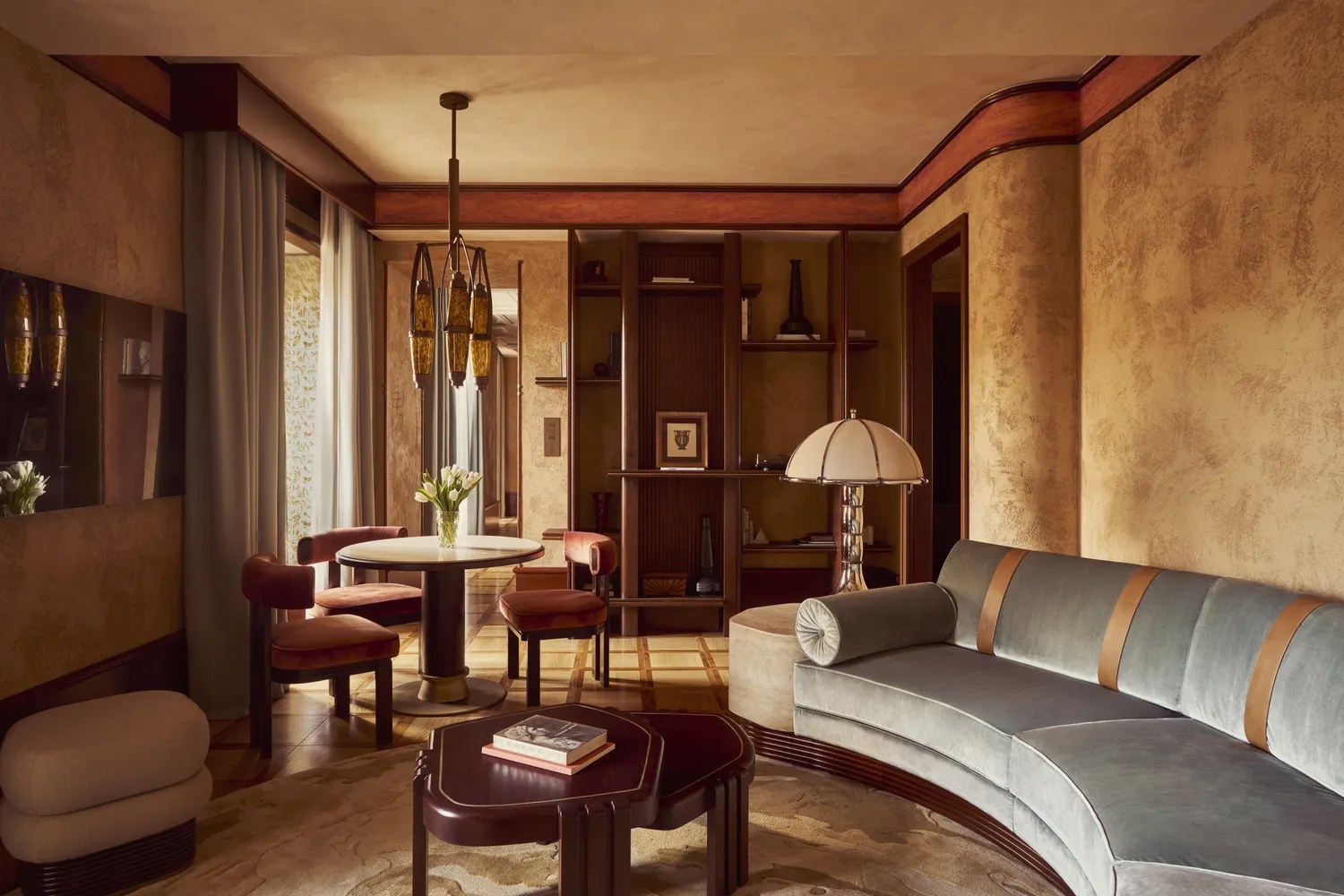
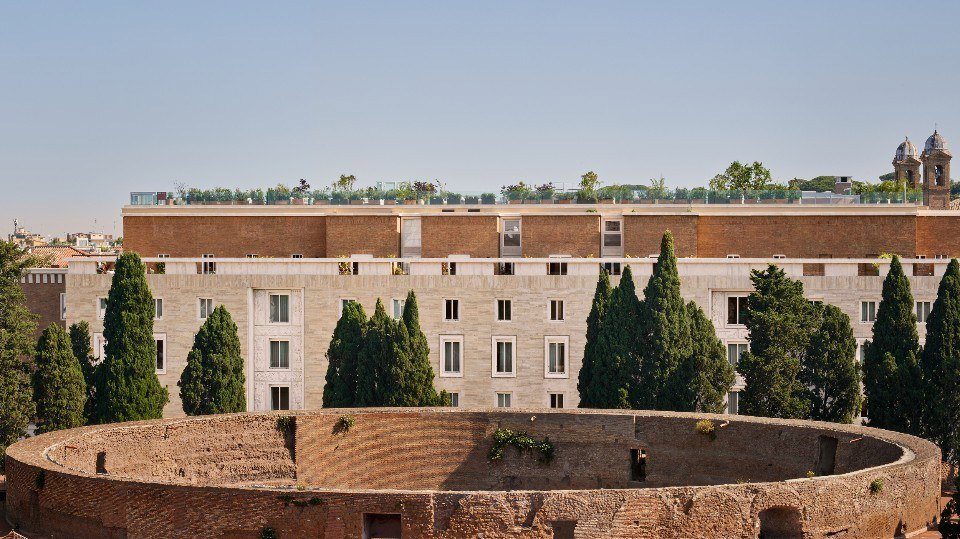
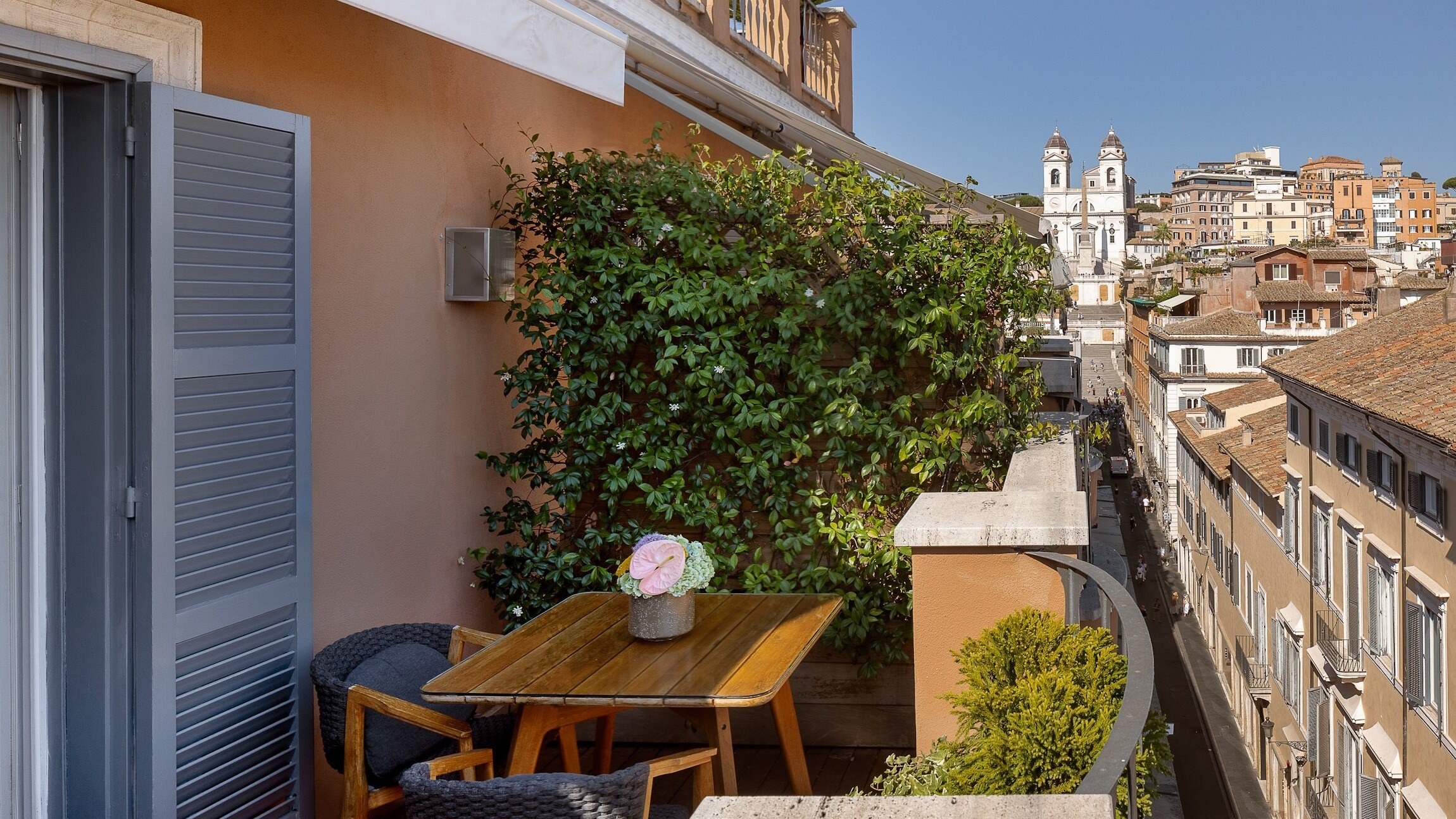
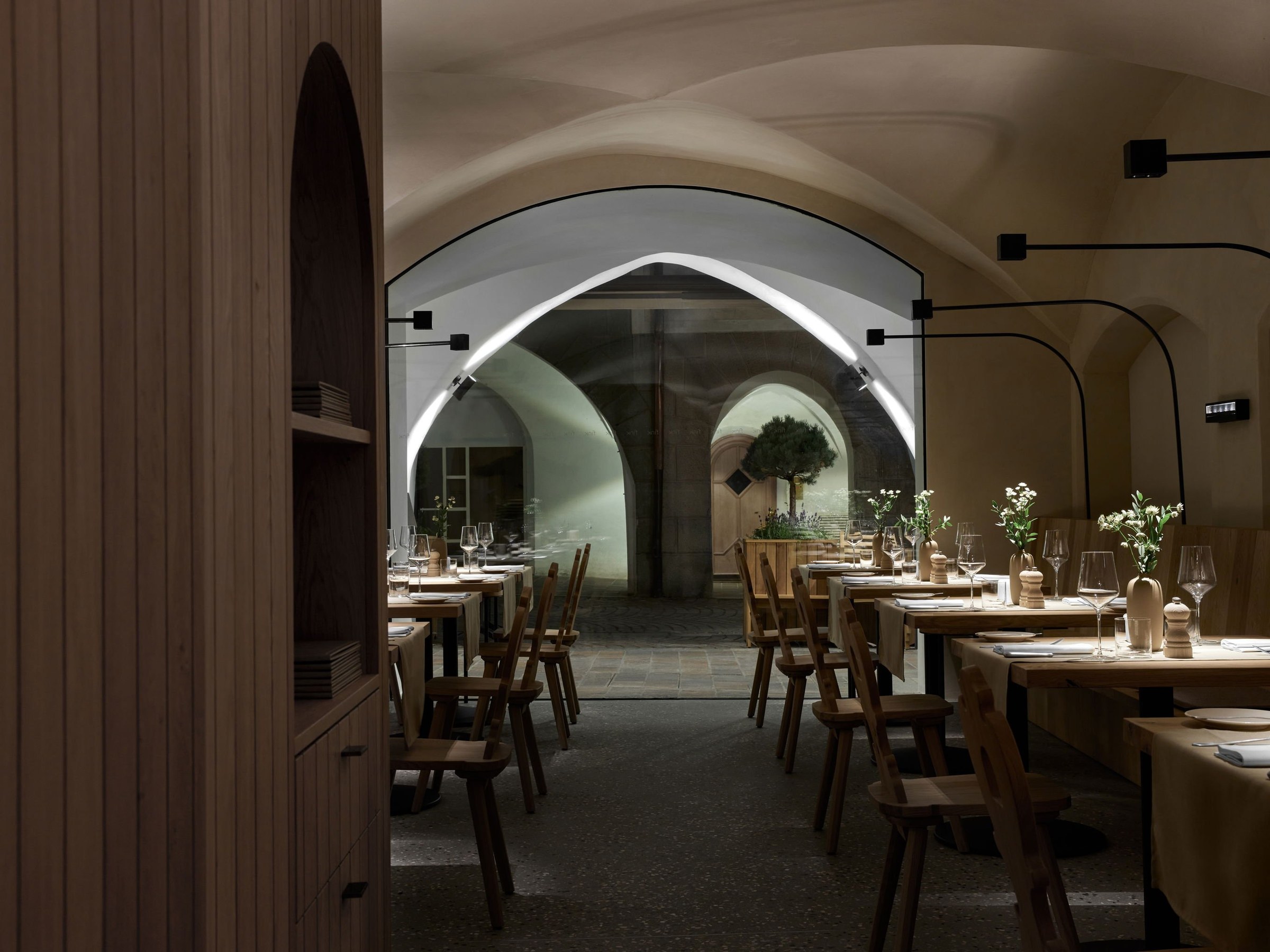
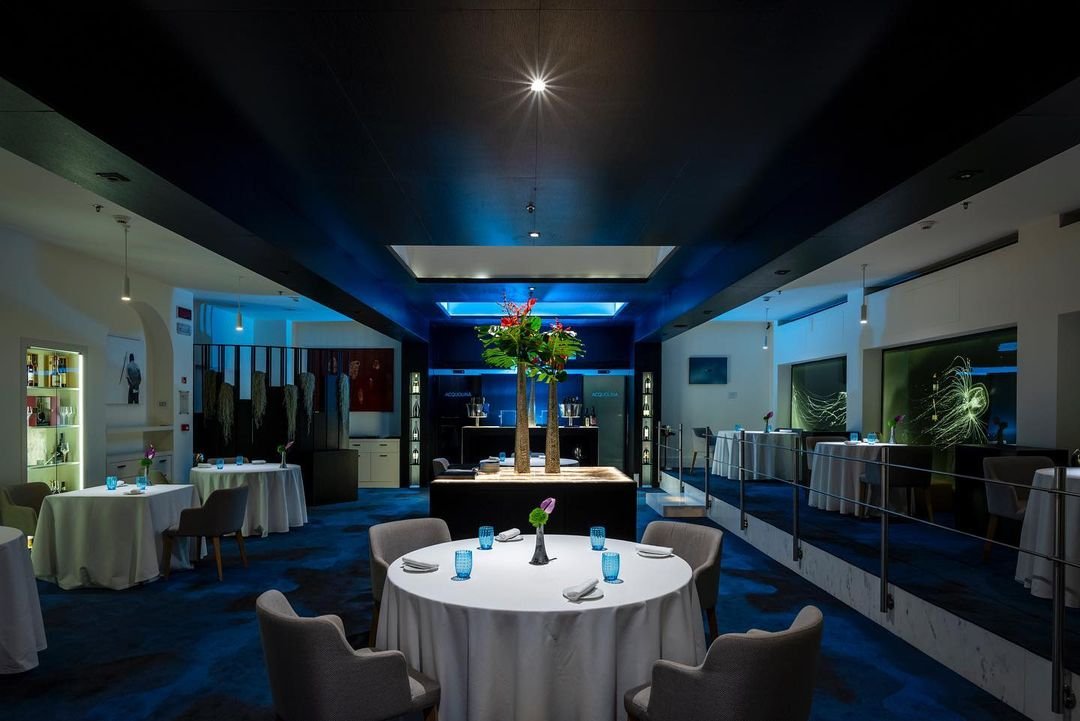
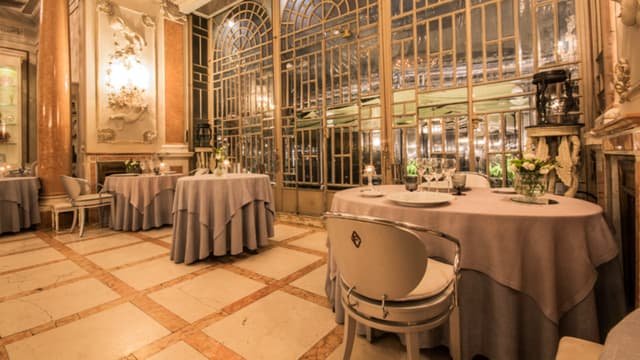
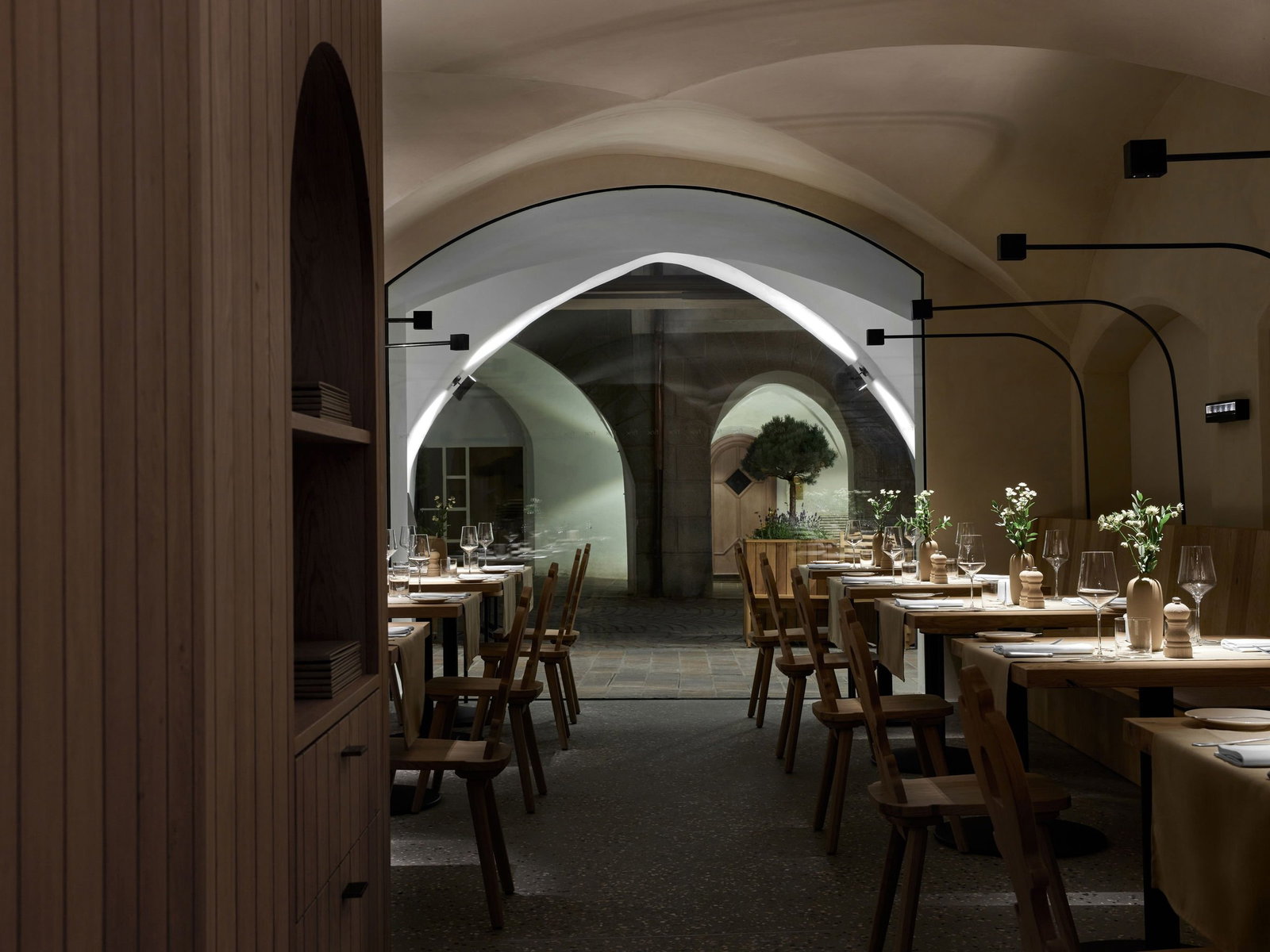
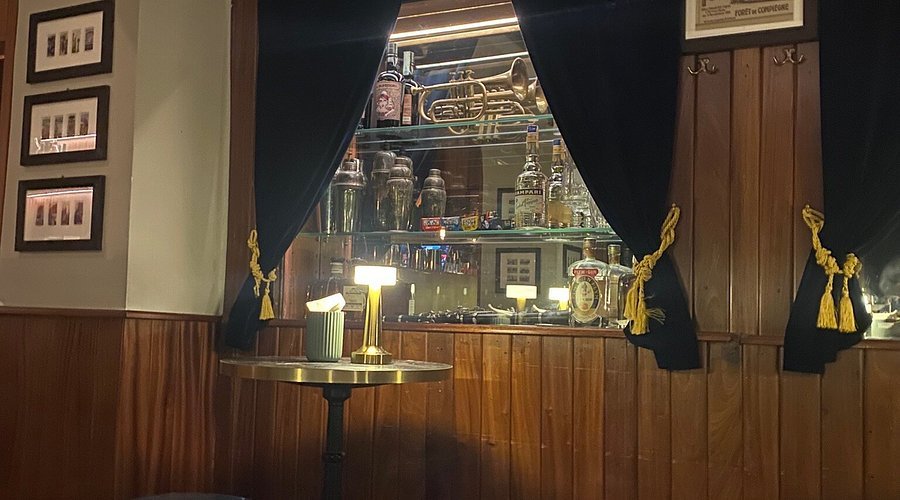
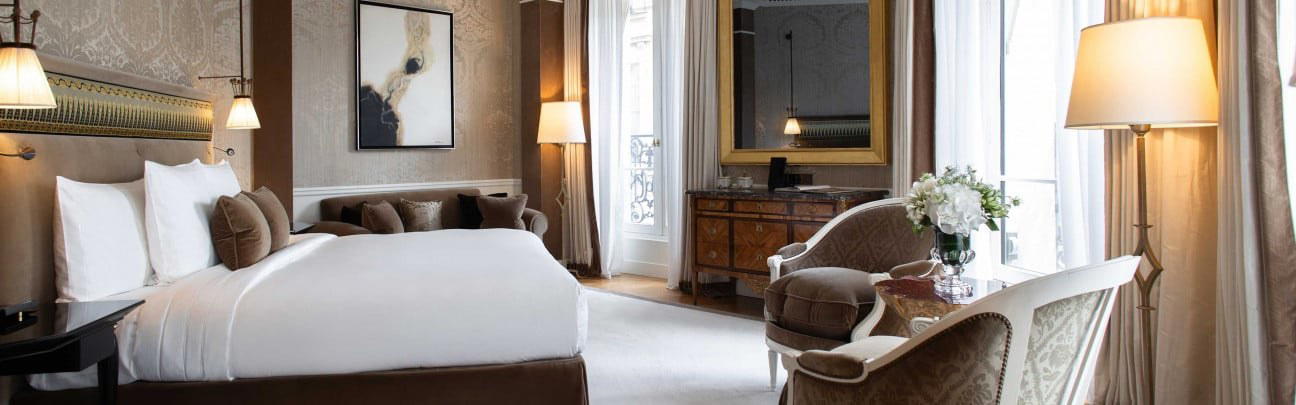
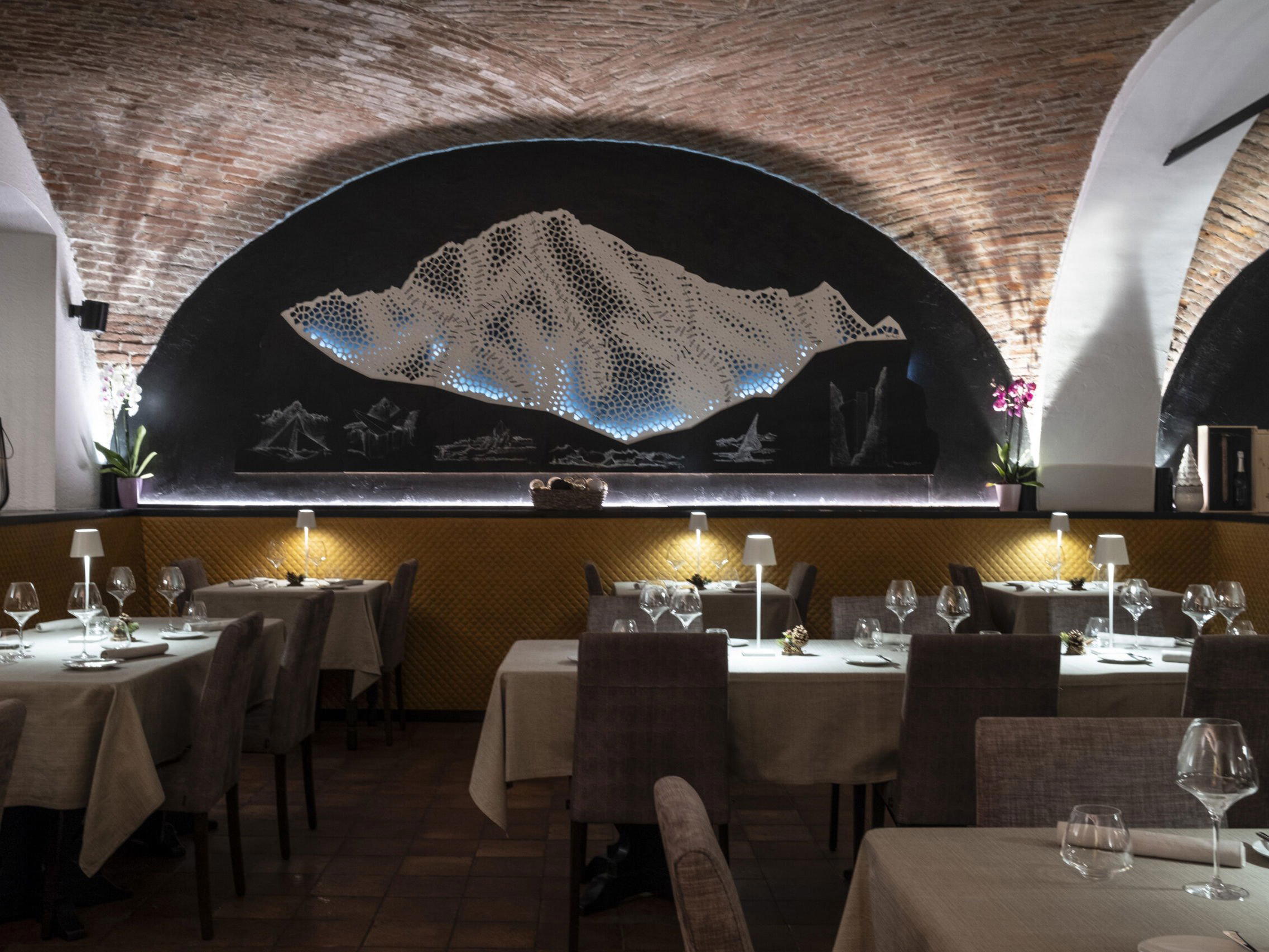
Hotel Chapter Roma presents an art-forward, historically rooted personality that foregrounds the building as material. It sits in the narrow lanes of Rome's Jewish Ghetto, where the architecture and pavements carry visible layers of the neighbourhood's past, and the hotel's design deliberately preserves and showcases that history. The property reads as a boutique, design-led intervention rather than a blank-slate conversion: artworks and considered design choices feel integrated with old masonry and irregular streetscapes. The result is an intimate cultural hideaway that balances contemporary art sensibilities with the weight and texture of Rome's layered urban fabric.
Best For
Chapter Roma suits travellers who prioritise design and context over anonymous luxury. It appeals to art-minded visitors and history-focused explorers who want to stay within the particular atmosphere of the Jewish Ghetto rather than the larger flagship hotels near the Spanish Steps. Because the hotel is modest in scale and intentionally rooted in its setting, it works well for short, culturally oriented stays and quiet weekend exploration of Rome's lesser-known historic quarters. The hotel's strong placement in La Liste underlines its appeal to guests seeking a boutique, thoughtfully curated stay rather than a generic chain experience.
Venue details
Ambiance
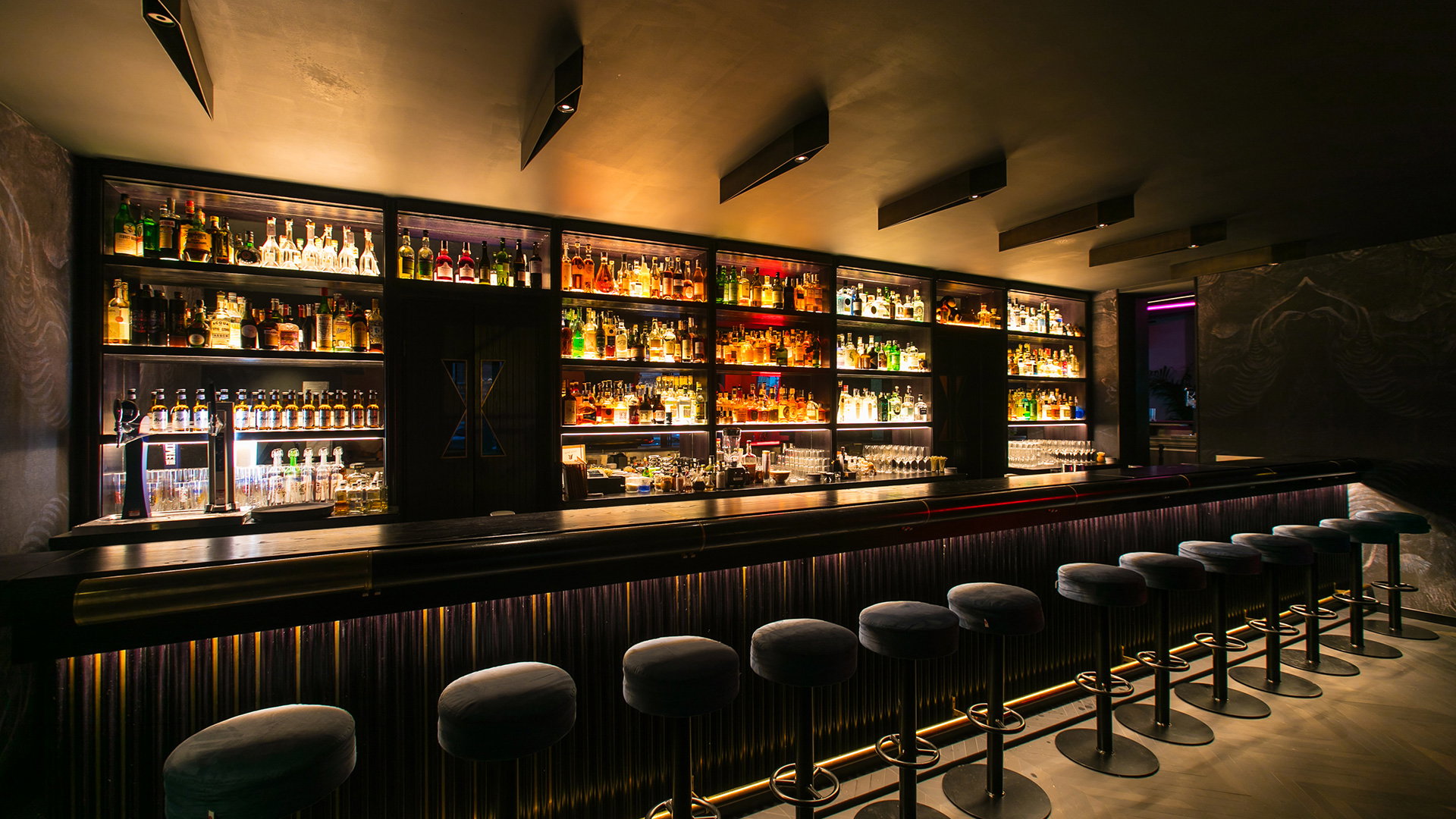
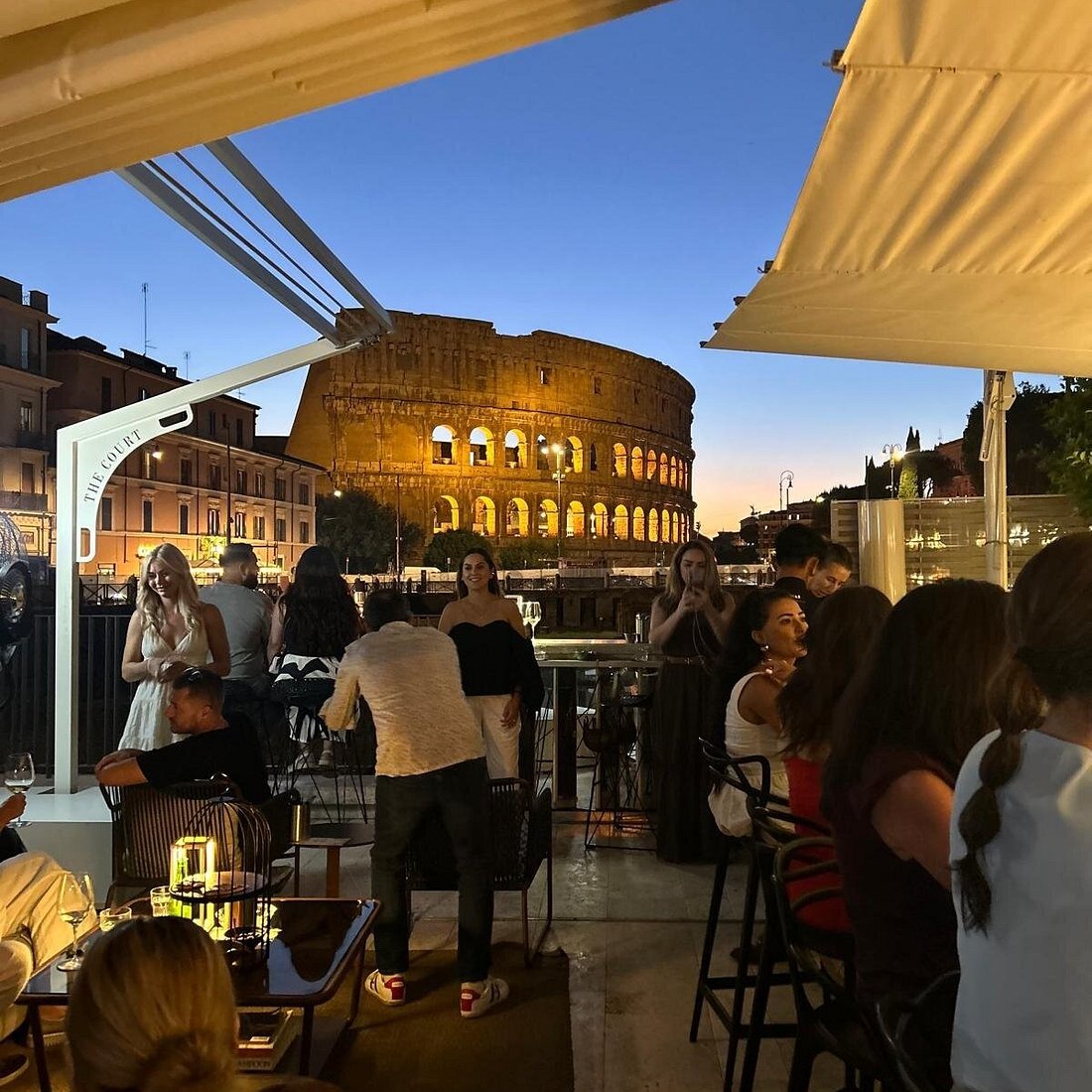
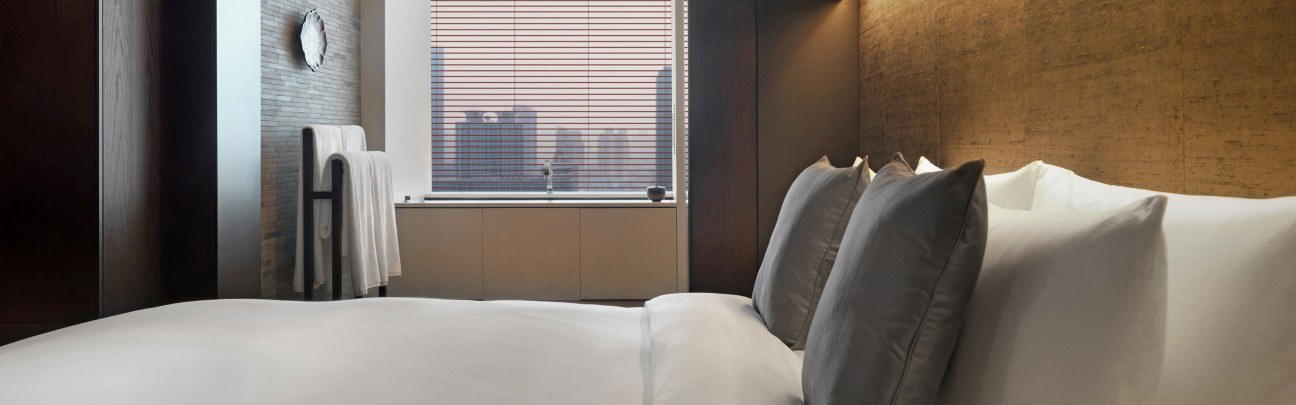
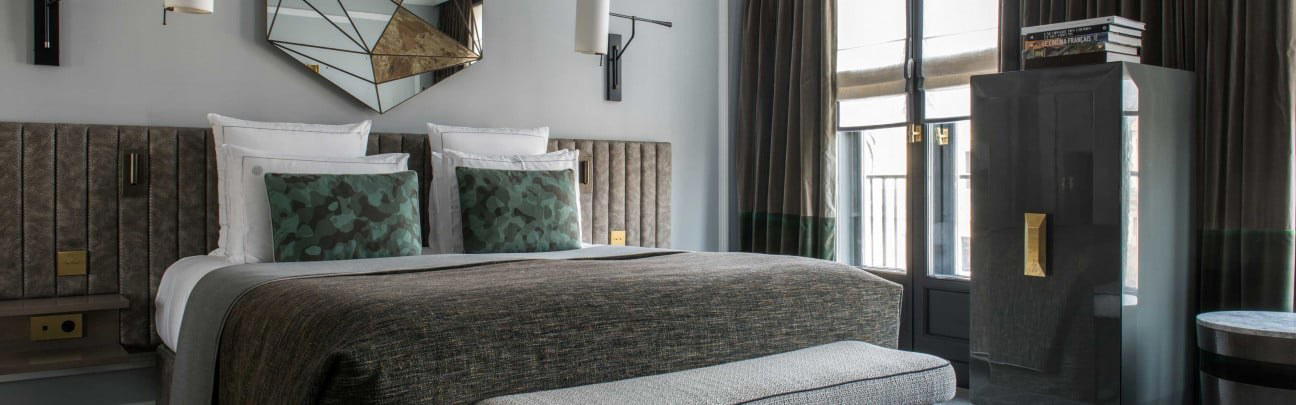
Stylish and chic with minimalist design, vibrant yet relaxed atmosphere, soundproof rooms, and modern lighting praised for cleanliness and luxury feel.
Tags
Vibe
Best For
Experience
Amenities
View
Accessibility
About the Stay
- Rooms
- 47
- Check-in
- 15:00
- Check-out
- 11:00
- Property Style
- Boutique Design Hotel in Historic 19th Century Building with Contemporary Industrial Minimalist Interiors.
- Design Style
- Post Industrial Patina Mixed with High Gloss Elegance and Designer Furnishings.
Know before you go
Know Before You Go
- Getting there
- Via di S. Maria de' Calderari, 47, 00186 Roma RM
Planning details
Location
Recognition and awards

Also consider
Also Consider
- Campo de Fiori Suits, Notable alternative
- Argentina Residenza Style Hotel, Notable alternative
- Martis Palace Hotel Rome, Notable alternative
- Hotel Scenario, Notable alternative
- Tree Charme, Notable alternative
Hotel context
How Hotel Chapter Roma compares nearby
Choose Hotel Chapter Roma over Campo de Fiori Suits if the stay needs stronger design-hotel credibility and a more occasion-ready feel. Campo de Fiori Suits is the more practical cross-shop for travelers who want a simpler base near the same central Rome rhythm, especially if the hotel is mainly for sleeping between meals, museums, and walks.
Argentina Residenza Style Hotel and Martis Palace Hotel Rome are the closest comparisons for travelers who want central positioning without overcomplicating the booking. Hotel Chapter Roma is the better fit when ambiance and design recognition matter; Argentina Residenza Style Hotel is the cleaner fallback if the priority is straightforward central convenience, while Martis Palace Hotel Rome is worth checking when a more classic Rome stay feels right for the trip.
Hotel Scenario and Tree Charme make sense as backups if availability or final rate pushes Hotel Chapter Roma out of range. For a celebration, stay with Hotel Chapter Roma if the price gap is manageable. For a low-friction city break where the room is secondary, cross-shop the alternatives first.
Around this place
Discover more on Pearl
Unlock the full Hotel Chapter Roma guide in Pearl, including awards, comparisons, FAQs, planning details, and nearby places.
Compare Hotel Chapter Roma
| Venue | Location | Awards |
|---|---|---|
| Hotel Chapter Roma | Rome | 2026 Design Hotels Collection2026 Mr & Mrs Smith Luxury Hotels2026 La Liste Top Hotels2025 Michelin Selected Hotels |
| Campo de Fiori Suits | Rome | No published awards |
| Argentina Residenza Style Hotel | Rome | No published awards |
| Martis Palace Hotel Rome | Rome | No published awards |
| Hotel Scenario | Rome | No published awards |
| Tree Charme | Rome | No published awards |
How Hotel Chapter Roma compares with similar nearby venues.
FAQ
Frequently Asked Questions
What is check-in like at Hotel Chapter Roma?
Confirm arrival timing, identification requirements, luggage options, and any late-arrival procedure directly with Hotel Chapter Roma before travel.
How does Hotel Chapter Roma compare to other hotels?
Choose Hotel Chapter Roma if its recognition profile matters to you: La Liste Top Hotels 2026 at 90.5 points, 2026 Design Hotels membership, a 2026 Mr & Mrs Smith Seal of Approval, and the 2025 MICHELIN Guide hotels selection. For comparison, you may also look at Campo de Fiori Suits, Argentina Residenza Style Hotel, Martis Palace Hotel Rome, Hotel Scenario, and Tree Charme, while confirming current rates and inclusions for each property.
Is Hotel Chapter Roma good for business travel?
It may work as a Rome base. Before booking for work, confirm the practical details you need, such as room setup, connectivity, arrival timing, and cancellation flexibility.
What is Hotel Chapter Roma known for?
Hotel Chapter Roma is known for its hotel recognition: La Liste Top Hotels 2026, Design Hotels membership, Mr & Mrs Smith Seal of Approval, and MICHELIN Guide hotels selection.