

G-Rough
Parione, Rome
Hotel in Rome, Italy
 Book with Pearl
The Read
Price
$500–750per night
Why go
Design-forward and centrally placed, G-Rough is worth booking for a Rome stay built around Piazza Navona access, client meals, and walking the historic center. It is less compelling for travelers who need large-hotel facilities, extensive work infrastructure, or a resort-style spa setup.
About G-Rough
G-Rough is a Rome stay with a smart-casual dress code and two recognition signals: 2026 Design Hotels Member - G-Rough and MICHELIN Guide, Hotels Selected in 2025. Travelers should confirm amenities, room formats, services, and location details directly before booking.
Book for design recognition and a Rome base
G-Rough's Rome setting, smart-casual positioning, 2026 Design Hotels membership, and 2025 MICHELIN Guide hotel selection support reading it as a design-recognized hotel option in Rome. Confirm details such as room count, dining program, wellness facilities, business services, pricing, and exact location within the city before booking.
For planning, treat G-Rough as a Rome hotel to compare against your schedule, budget, and room needs. Confirm practical details directly before committing, especially if your trip depends on particular facilities or services. Travelers comparing wider Rome options can scan Our full Rome hotels guide, then cross-check dining and evening plans through Our full Rome restaurants guide, Our full Rome bars guide, Our full Rome wineries guide, and Our full Rome experiences guide.
Better for travelers who value recognition without making assumptions
G-Rough is easiest to assess on its core details: it is in Rome, has a smart-casual dress code, is listed as a 2026 Design Hotels member, and was selected in the MICHELIN Guide hotel coverage for 2025. If you need a hotel with specific amenities, room configurations, family services, meeting facilities, or wellness features, confirm those details directly rather than inferring them from the hotel's recognition.
The broader decision is whether G-Rough is the right Rome base for your trip. For comparison, look at other Rome options such as Campo de Fiori Suits, G-Rough, Hotel De' Ricci, Hotel Raphaël, Martis Palace Hotel Rome, and MyNavona, or compare Rome hotels more generally based on the services and room details you need.
Planning details
- Location
- Piazza Pasquino 69, Rome 00186, Italy
- Website
- marriott.com/hotels/travel/ROMDS
- Phone
- +39 06 68801085
The take
The Take
The Vibe
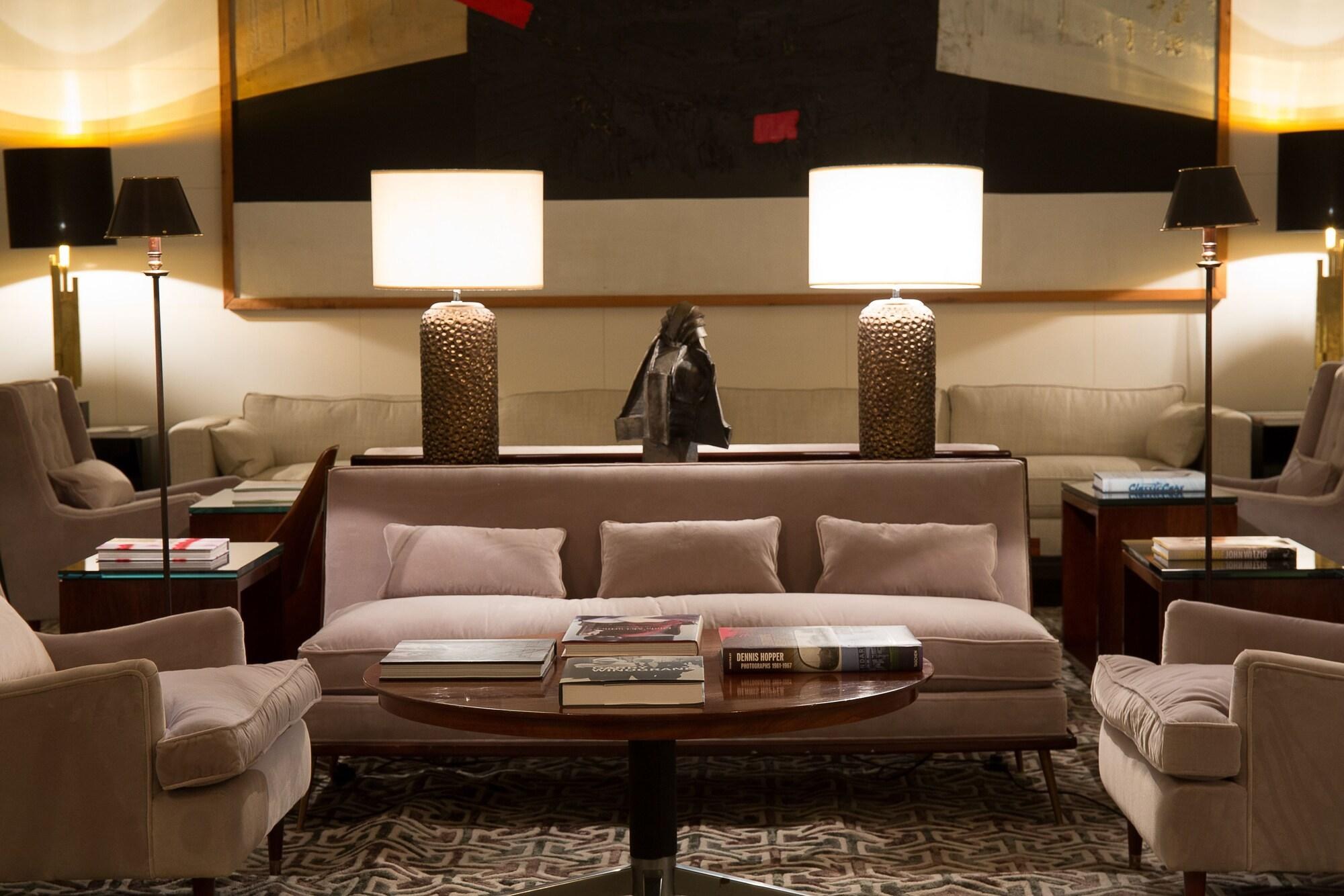
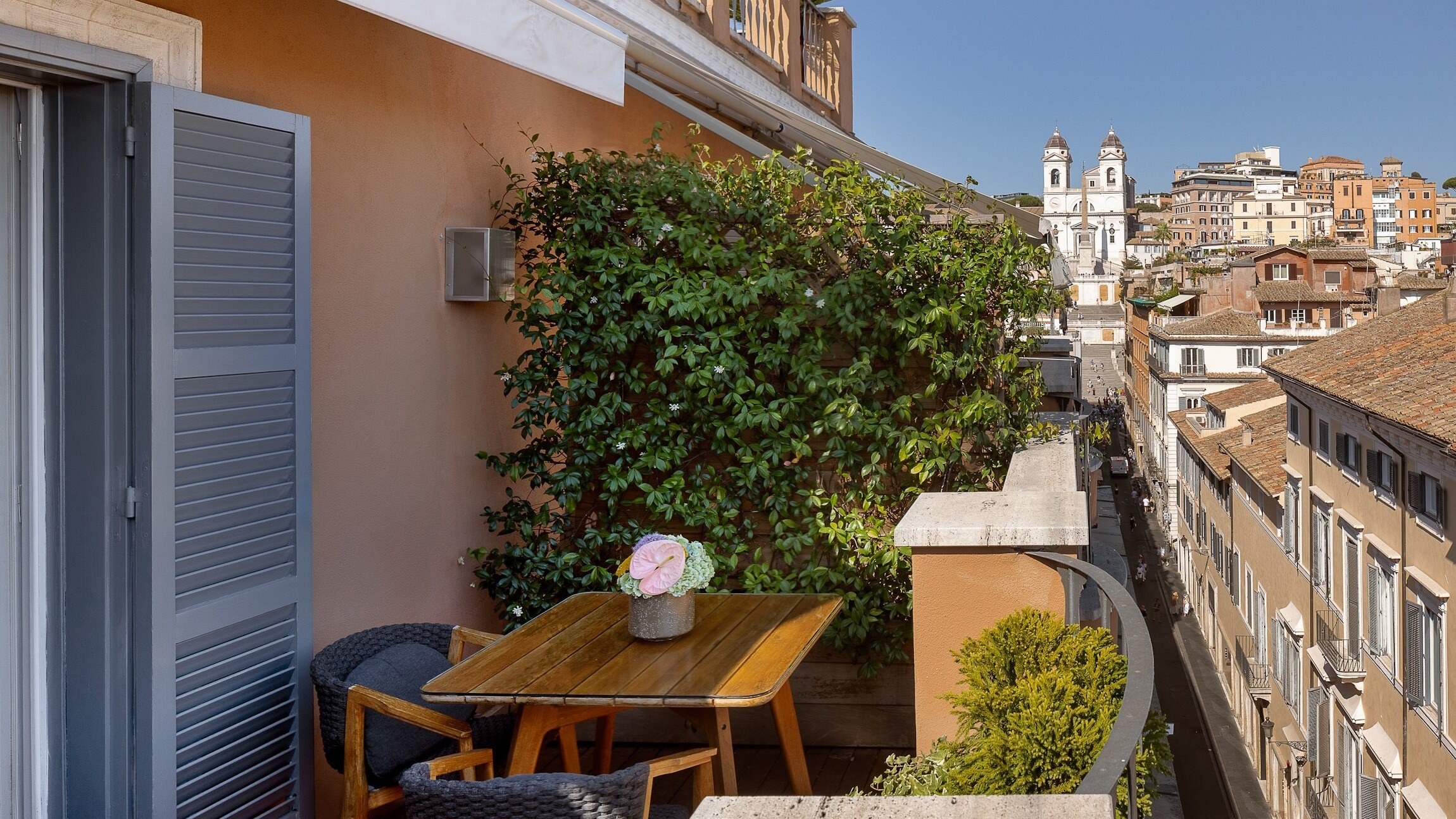
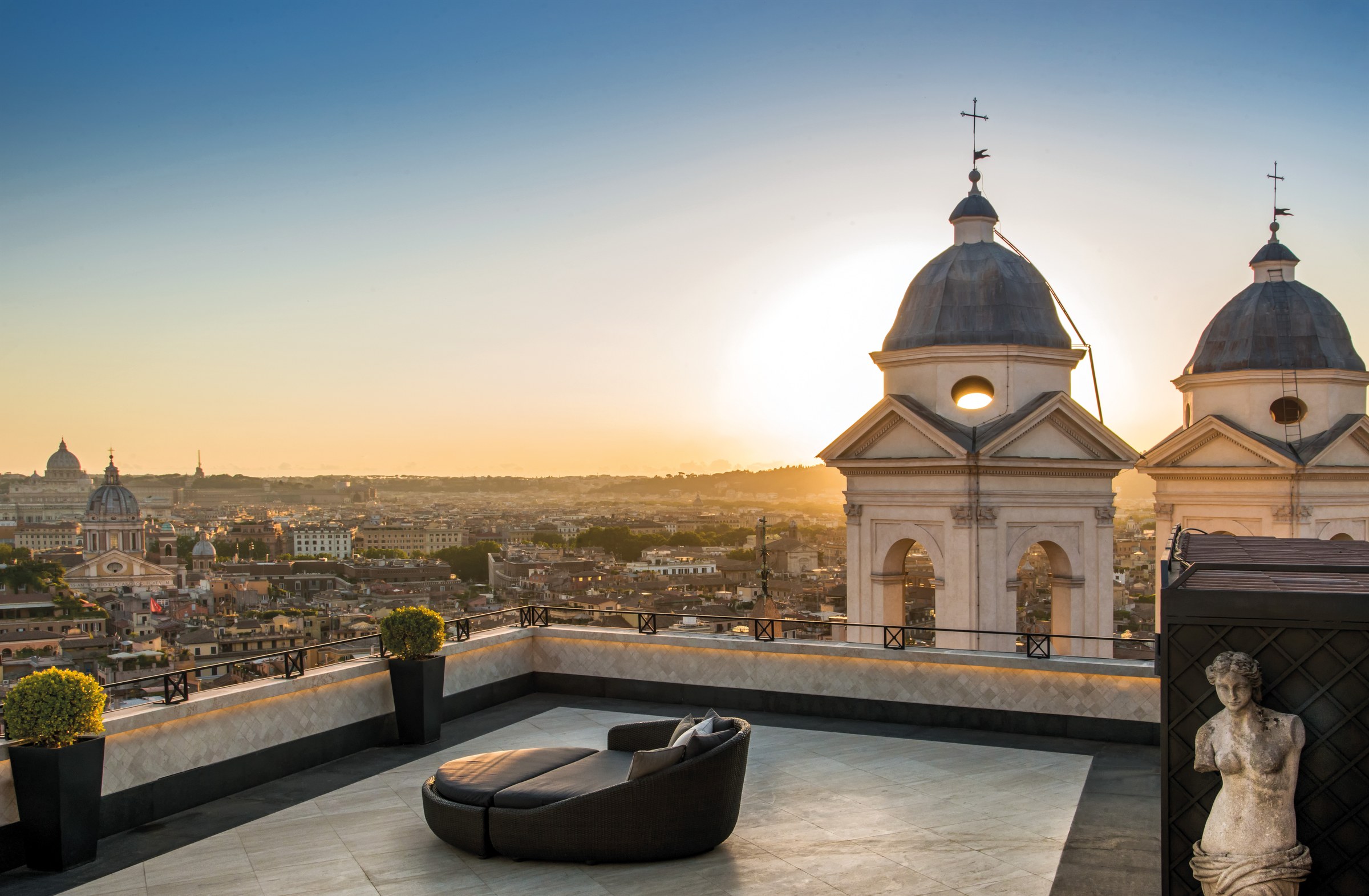
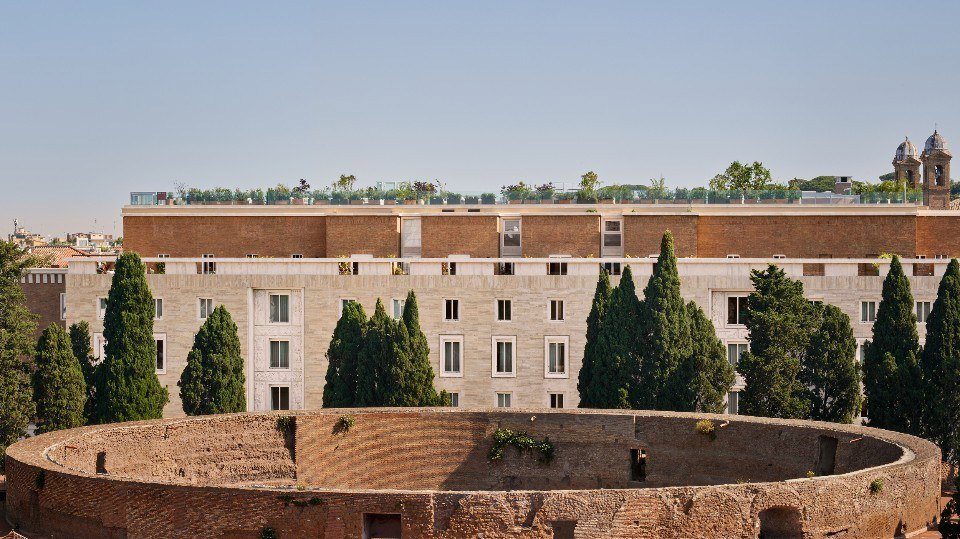
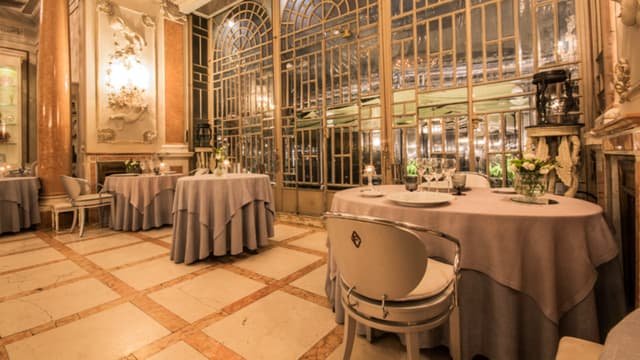
G-Rough reads more like a well-appointed private residence than a traditional Roman palazzo. The hotel embraces an understated, boutique form of luxury that favors character over ceremony, placing guests squarely inside the city's baroque fabric without the fanfare of larger properties. Its location on Piazza Pasquino keeps it tied to the rhythms of the Historical Center and the nearby Piazza Navona, while the immediate surroundings retain a quieter, working-Roman quality. The overall effect is charming and quietly historic, a restrained and intimate counterpoint to Rome’s ostentatious grand hotels.
Best For
G-Rough is ideal for travelers who want a centrally located base that feels embedded in Roman life rather than isolated from it. Couples seeking an intimate, quietly luxurious stay and solo explorers who value neighbourhood character both benefit from the hotel’s residential scale and proximity to Piazza Navona. The property suits weekend escapes and culturally minded visitors who prefer personality and context over ceremonial pomp. It is less oriented to large groups or banquet-style stays, instead rewarding guests who enjoy a quieter, design-aware boutique experience.
Venue details
Ambiance
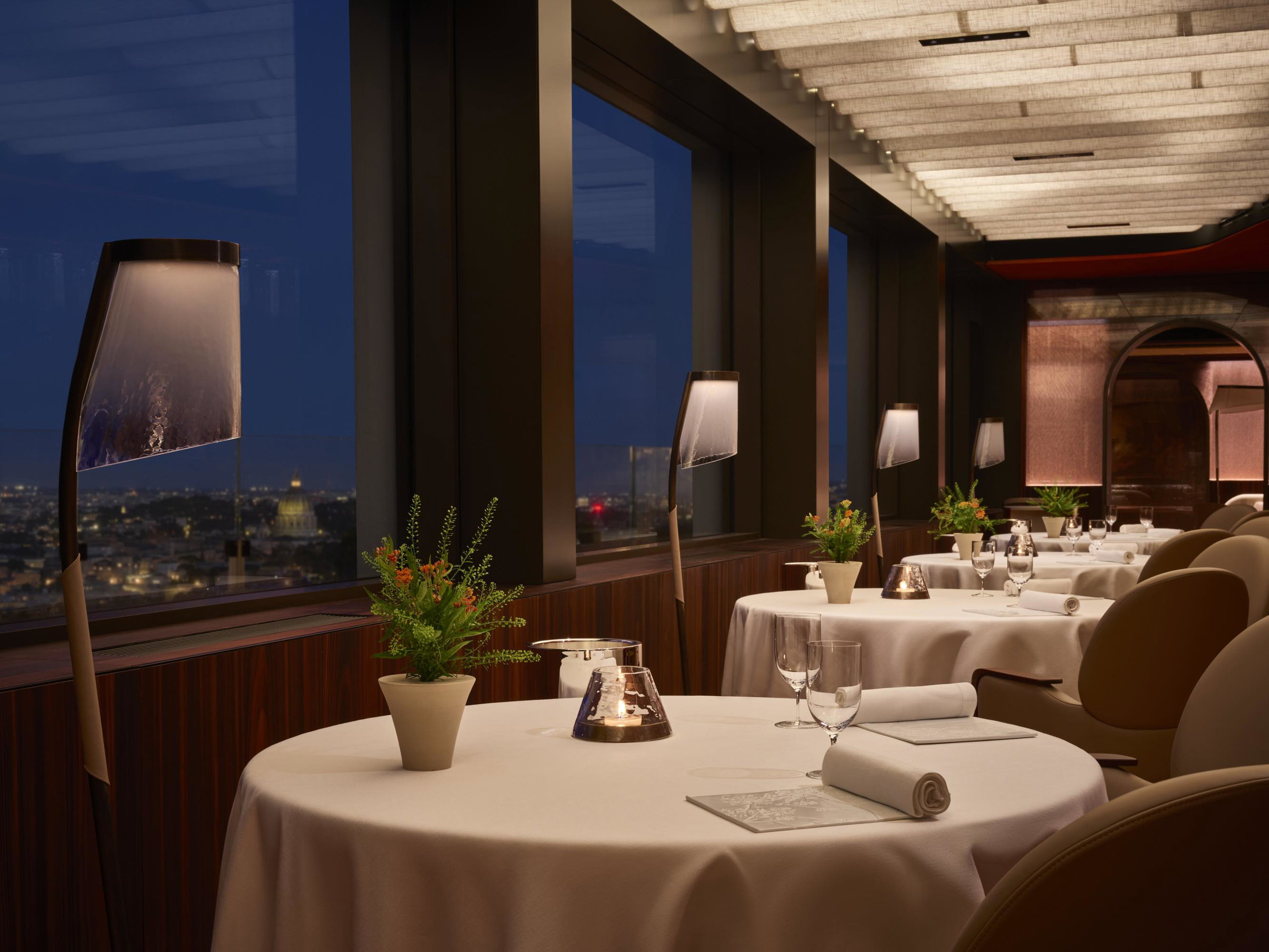
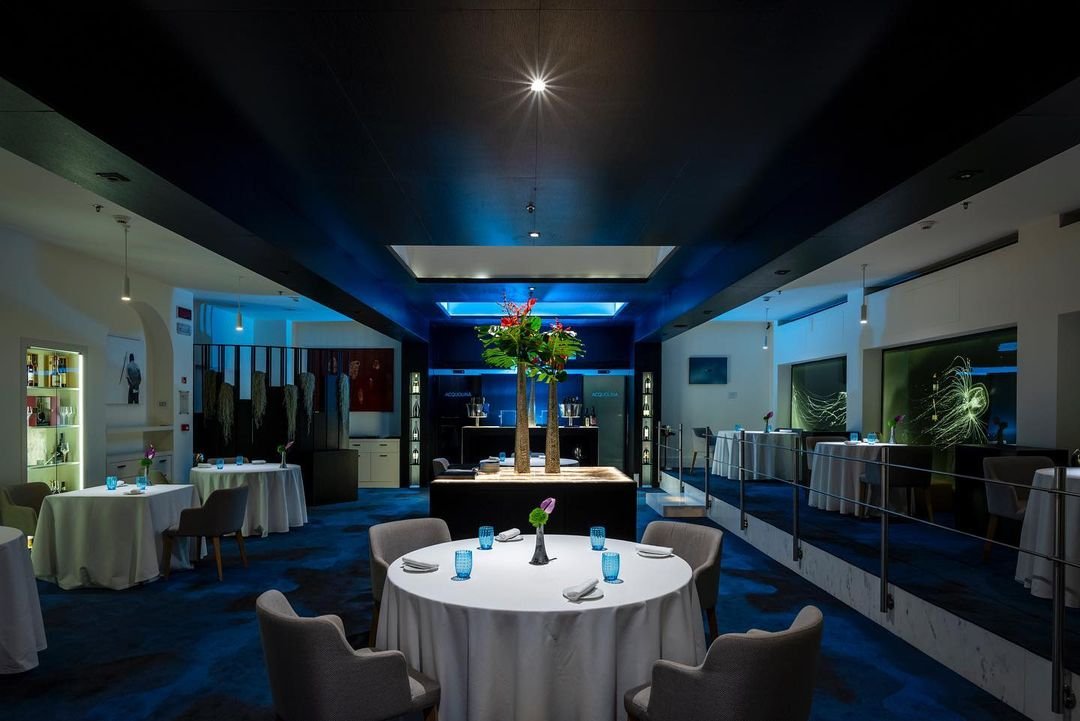
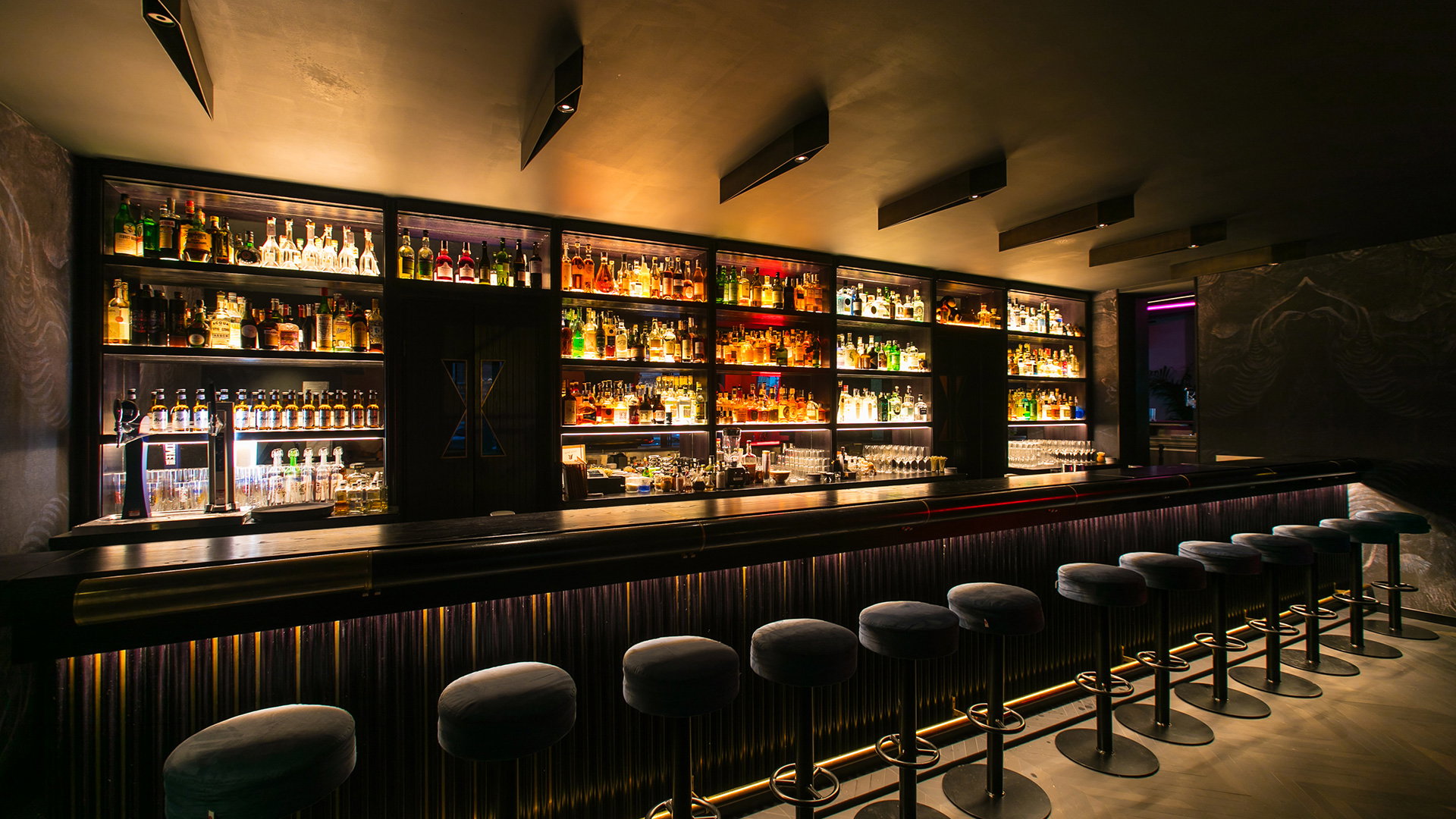
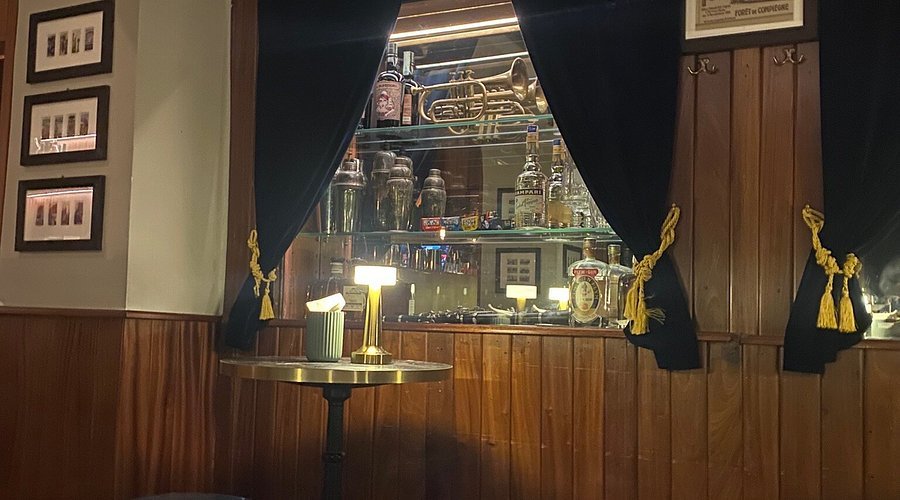
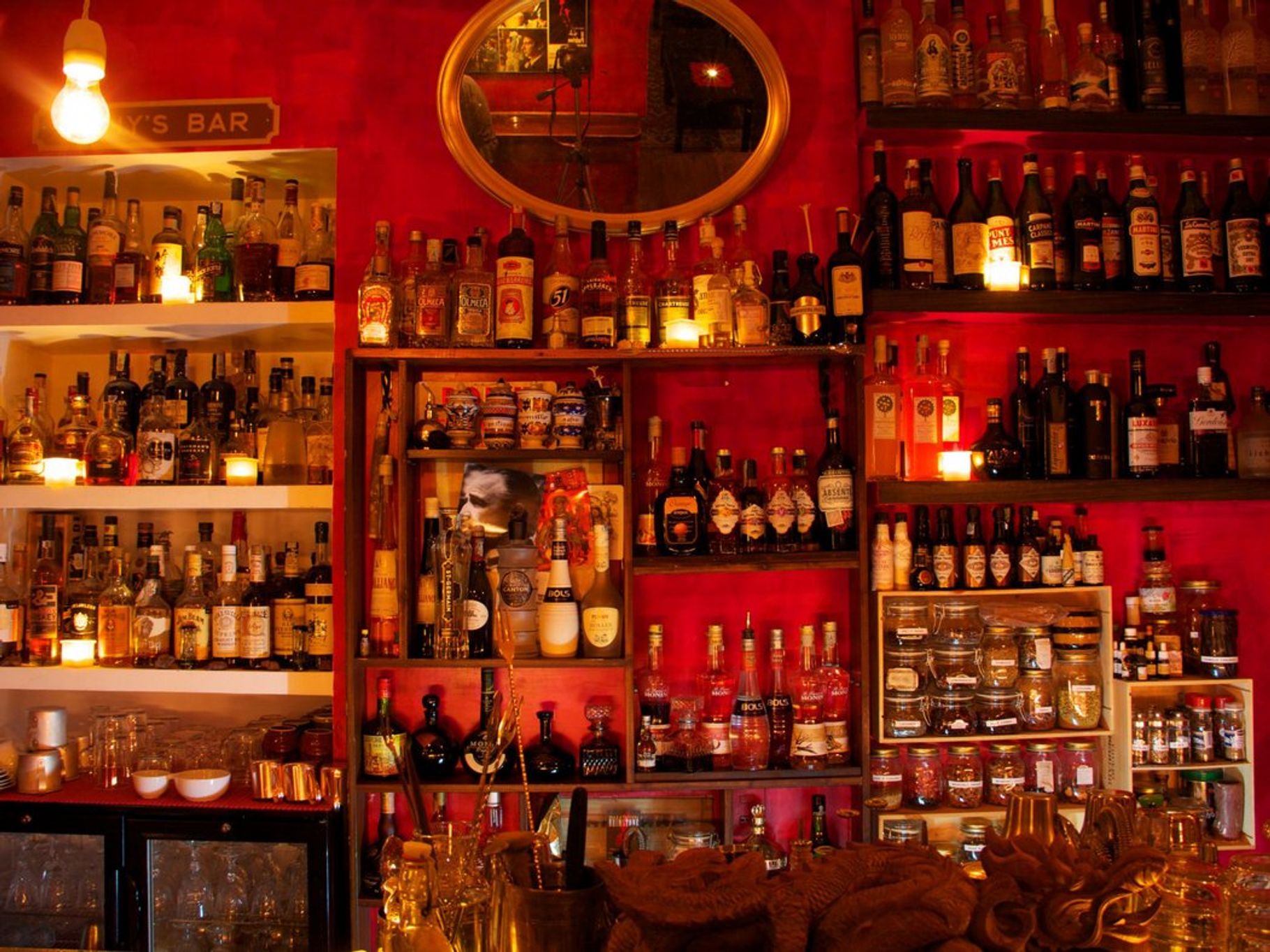
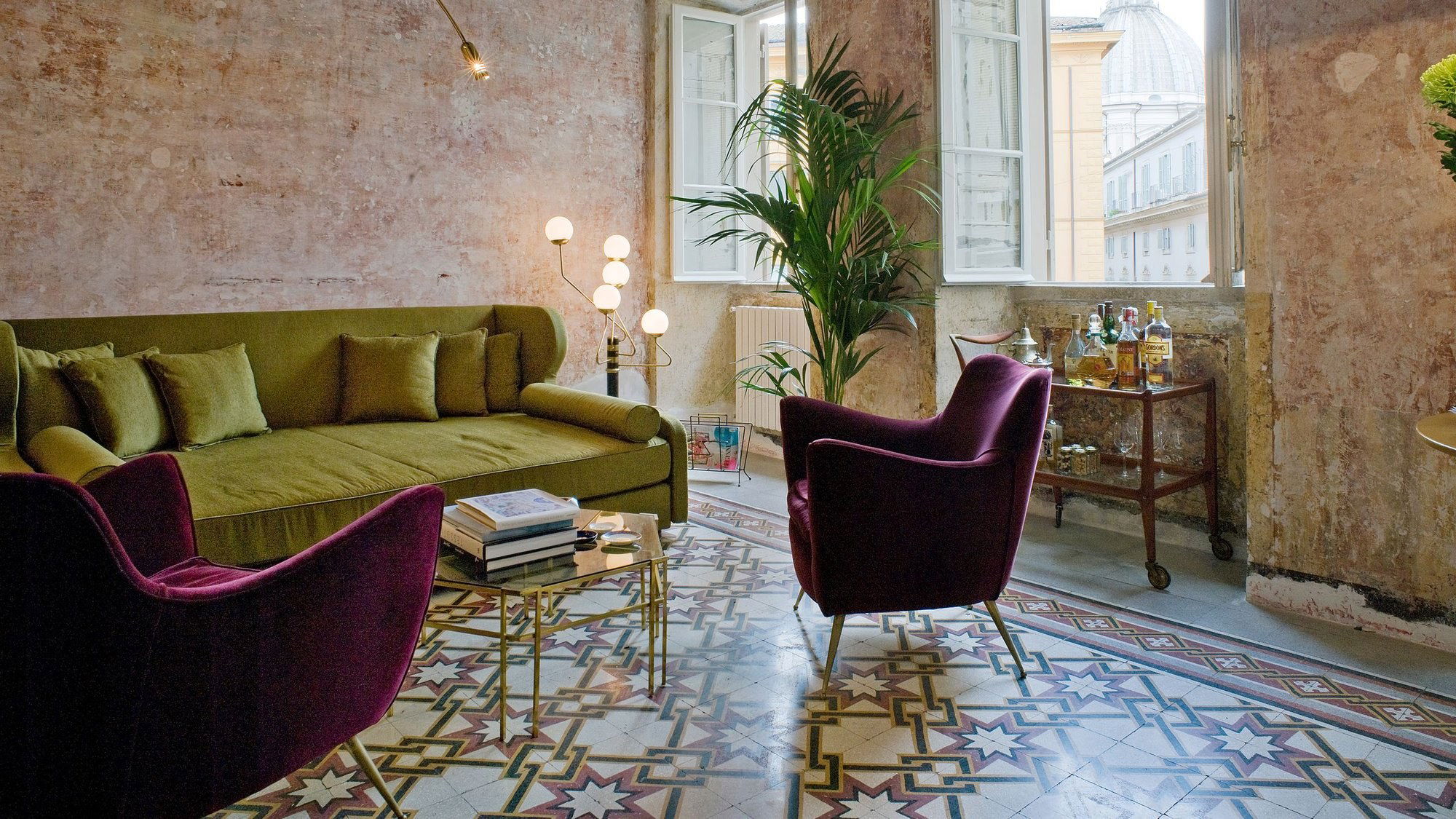
Eclectic mix of vintage furniture and curated decor creating a stylish, character-filled atmosphere with lively bar evenings.
Tags
Vibe
Best For
Experience
Amenities
View
Accessibility
About the Stay
- Rooms
- 10
- Check-in
- 14:00
- Check-out
- 12:00
- Property Type
- Boutique hotel
- Property Style
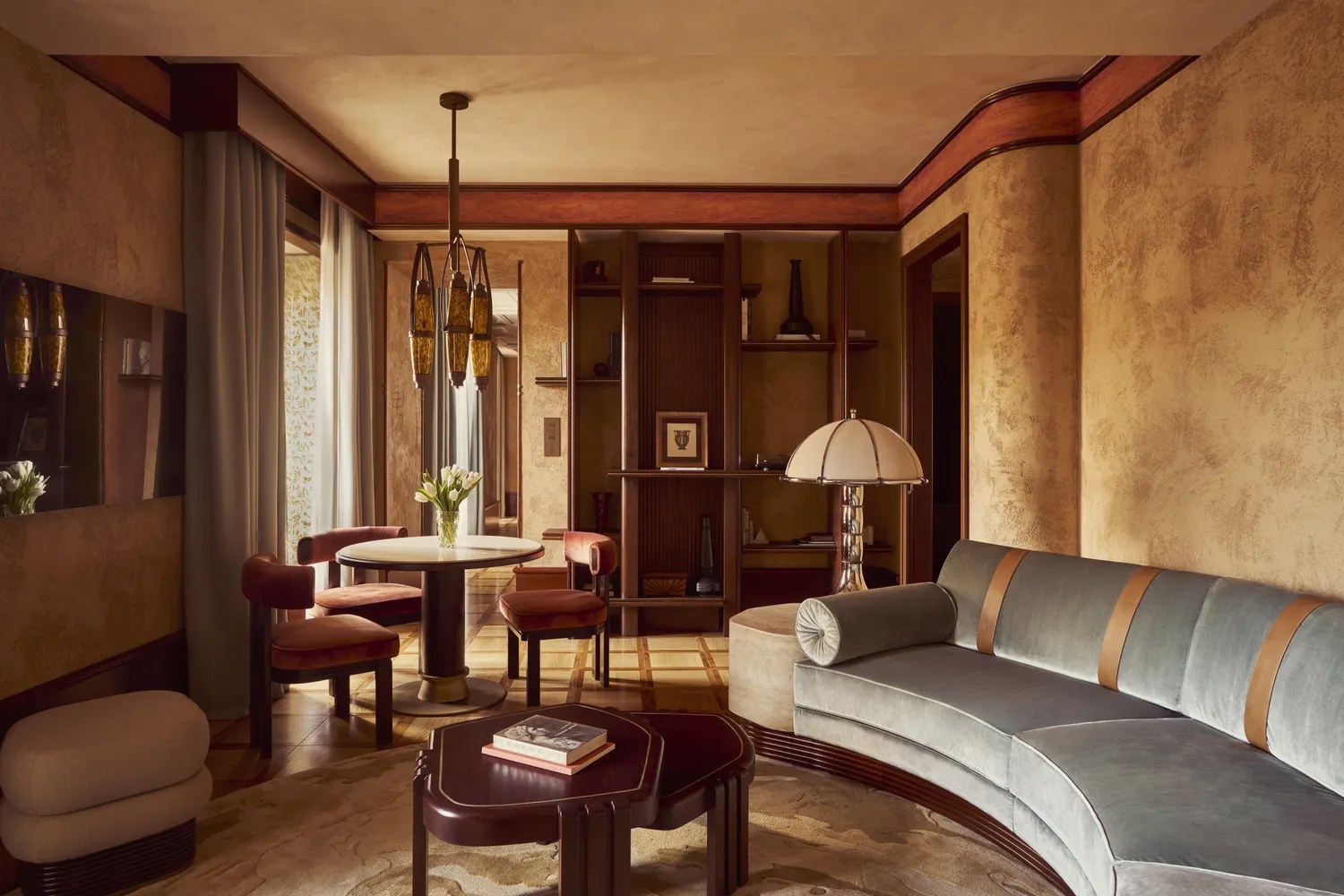
- Unconventional Luxury Suites in Historic 17th Century Palazzo with Designer Furnishings.
- Design Style
- Mid Century Modern Italian Design with Eclectic Vintage Elements and Patinated Walls.
- Airport Transfer
- Available
- Pets
- Allowed
Know before you go
Know Before You Go
- Getting there
- Piazza Pasquino 69, Rome 00186, Italy
Planning details
Location
Recognition and awards
Also consider
Where to look if this is not the right fit
If the goal is central Rome with a more familiar hotel setup, start with Martis Palace Hotel Rome. If the priority is controlling spend while staying close to the same part of the city, compare MyNavona and Campo de Fiori Suits.
Hotel context
How it compares with nearby Rome hotels
Choose G-Rough over Martis Palace Hotel Rome if design character matters more than a conventional city-hotel feel. Martis Palace is the safer pick for travelers who want a more familiar hotel setup near the same central Rome orbit, while G-Rough is the sharper choice for a short, style-led stay with easy historic-center access.
MyNavona and Campo de Fiori Suits are better cross-shops for value-minded travelers who mainly need location and a bed between Rome plans. G-Rough is the better fit when ambiance and design recognition justify paying above a simple guesthouse-style stay.
Hotel Raphaël and Hotel De' Ricci are stronger alternatives if the trip calls for a more classic hotel mood or a stay shaped around wine and hospitality polish. For an easy booking decision, pick G-Rough for a central design base, Hotel De' Ricci for a more wine-focused stay, and MyNavona or Campo de Fiori Suits when price control matters more than atmosphere.
Around this place
Discover more on Pearl
Unlock the full G-Rough guide in Pearl, including awards, comparisons, FAQs, planning details, and nearby places.
Compare G-Rough
| Venue | Location | Awards |
|---|---|---|
| G-Rough | Rome | 2026 Design Hotels Collection2025 Michelin Selected Hotels |
| Martis Palace Hotel Rome | Rome | No published awards |
| MyNavona | Rome | No published awards |
| Hotel Raphaël | Rome | No published awards |
| Hotel De' Ricci | Rome | 2026 Mr & Mrs Smith Luxury Hotels2025 Michelin Selected HotelsSmall Luxury Hotels Member 2025 |
| Campo de Fiori Suits | Rome | No published awards |

How G-Rough Rome compares with similar nearby venues.
FAQ
Frequently Asked Questions
When is the best time to book G-Rough?
Book when your Rome dates are firm and after confirming any practical details that matter to your stay. G-Rough is a 2026 Design Hotels member and a 2025 MICHELIN Guide hotel selection; booking timing, availability patterns, and seasonality should be checked directly.
How does G-Rough compare to other Rome hotels?
G-Rough can be compared with Rome options such as Hotel Raphaël, Hotel De' Ricci, Martis Palace Hotel Rome, MyNavona, and Campo de Fiori Suits. The distinction for G-Rough is its 2026 Design Hotels membership and 2025 MICHELIN Guide hotel selection; for amenities, room types, and rates, compare current hotel details directly.
How is the pool and spa at G-Rough?
If wellness amenities are important, confirm whether pool or spa facilities are available directly with the hotel before booking and compare other Rome hotels with clearly stated facilities.
Is G-Rough family-friendly?
Which room category is best at G-Rough?
Choose based on the hotel's current room descriptions, your space needs, and your budget, and compare those details with Hotel Raphaël, Hotel De' Ricci, Martis Palace Hotel Rome, MyNavona, or Campo de Fiori Suits if you are deciding among Rome hotels.