
Elizabeth Unique Hotel
Campo Marzio, Rome
Hotel in Rome, Italy
 Book with Pearl
Why go
Elizabeth Unique Hotel is the Rome pick for travelers who want a central, design-led stay rather than a large luxury hotel setup. Its 2026 Design Hotels membership and Mr & Mrs Smith Seal of Approval give it credible style signals; book it when location and room category matter more than resort-style amenities.
About Elizabeth Unique Hotel
Elizabeth Unique Hotel is in Rome, has a smart-casual dress code, is a 2026 Design Hotels member, and carries the Mr & Mrs Smith Seal of Approval for 2026. Specific public-facing details such as room count, pricing, facilities, dining format, and service style should be checked directly before booking.
The location should be described simply as Rome. If the goal is to compare the stay with other options, consider Bulgari Hotel Roma or Palazzo Ripetta alongside Elizabeth Unique Hotel before committing.
A Rome stay that rewards advance planning
Reasons to consider this hotel include its Rome setting, smart-casual dress code, and design affiliations: it is a 2026 Design Hotels member and carries the Mr & Mrs Smith Seal of Approval for 2026. Those are useful signals, but they do not replace the need to confirm practical details such as room category, cancellation terms, available facilities, and any on-property services directly with the hotel or booking channel.
Book only when the room details and terms match the trip. For planning around the stay, use Our full Rome restaurants guide, Our full Rome bars guide, and Our full Rome experiences guide.
Who should choose it, and who should cross-shop
Choose Elizabeth Unique Hotel if its design affiliations, smart-casual dress code, and Rome setting match the kind of stay you want. For comparison, Casa Fabbrini Boutique B & B, The First Roma Dolce, The Goethe Hotel, Bulgari Hotel Roma, and Palazzo Ripetta are natural names to review alongside it.
Travelers can also use this as a starting point for a broader hotel search: if the Design Hotels membership and Mr & Mrs Smith Seal of Approval are the draw, compare it against Our full Rome hotels guide before widening the search.
Planning details
- Location
- Via delle Colonnette, 35, Rome 00186, Italy
- Website
- marriott.com/hotels/travel/ROMDU
The take
The Take
The Vibe
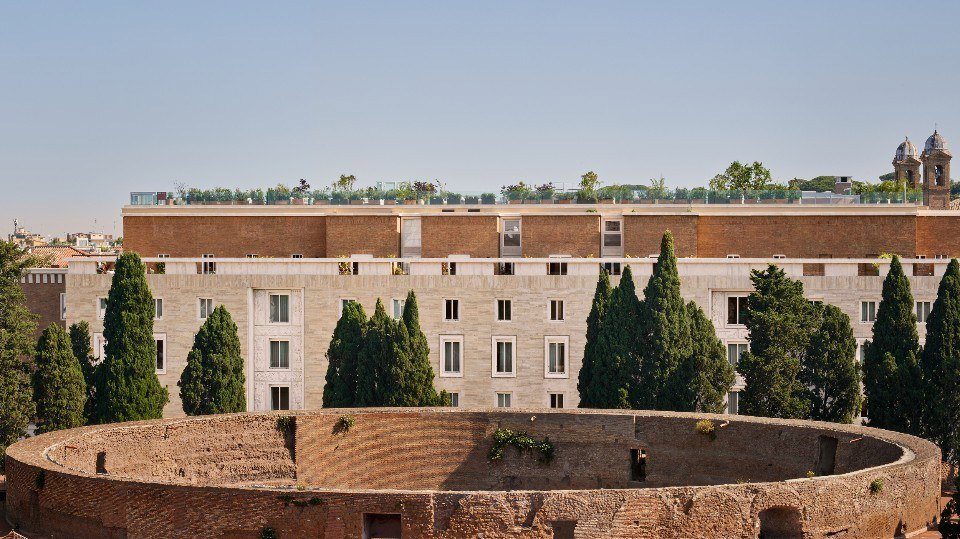
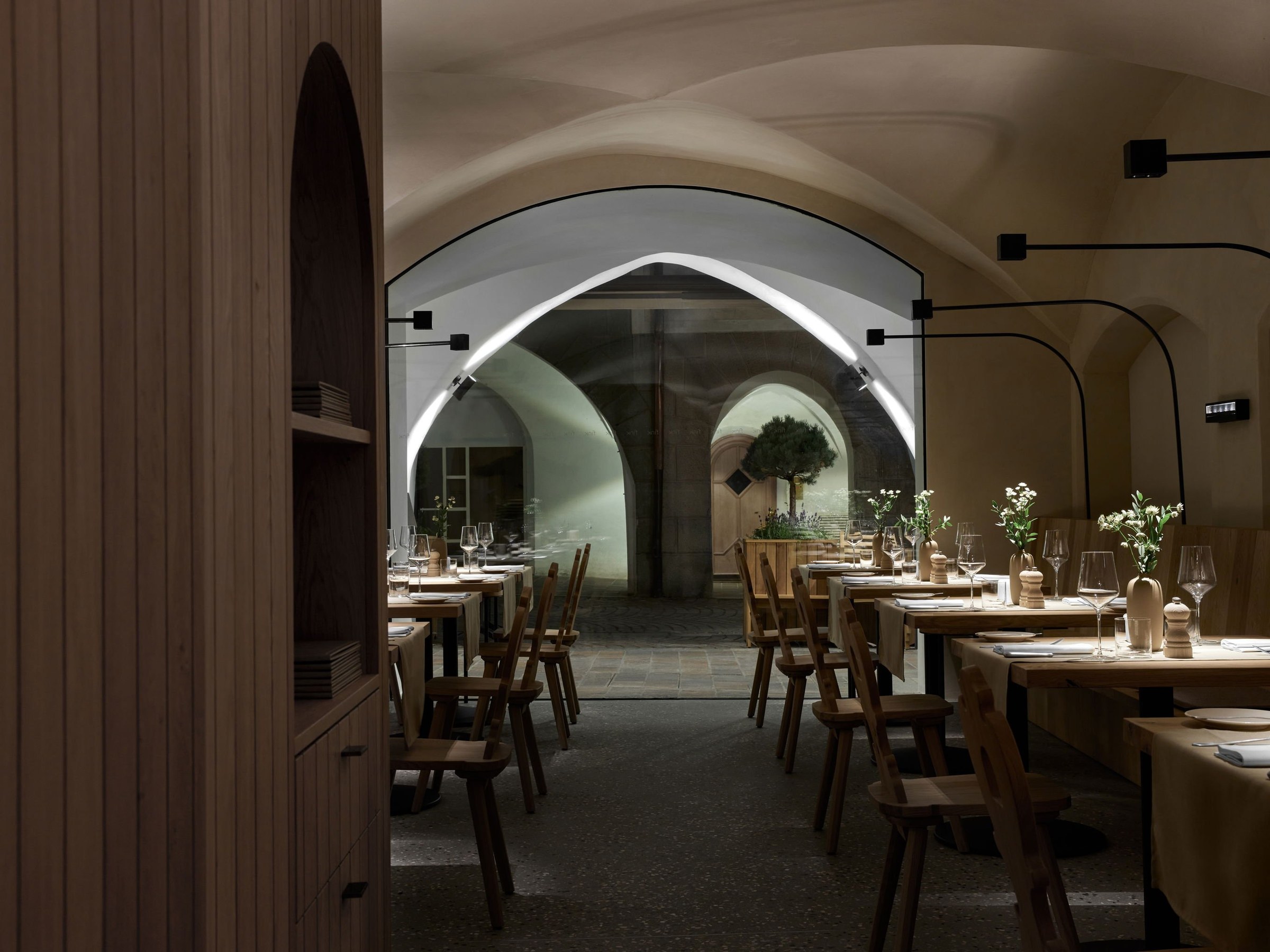
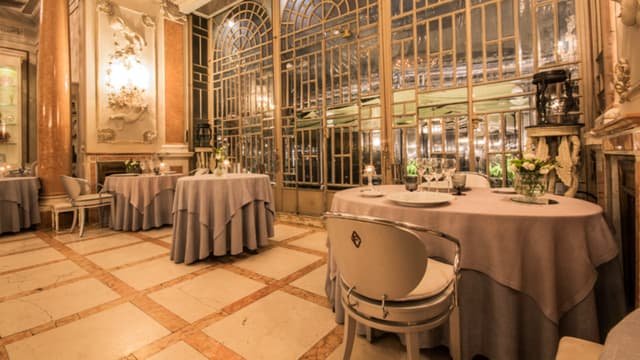
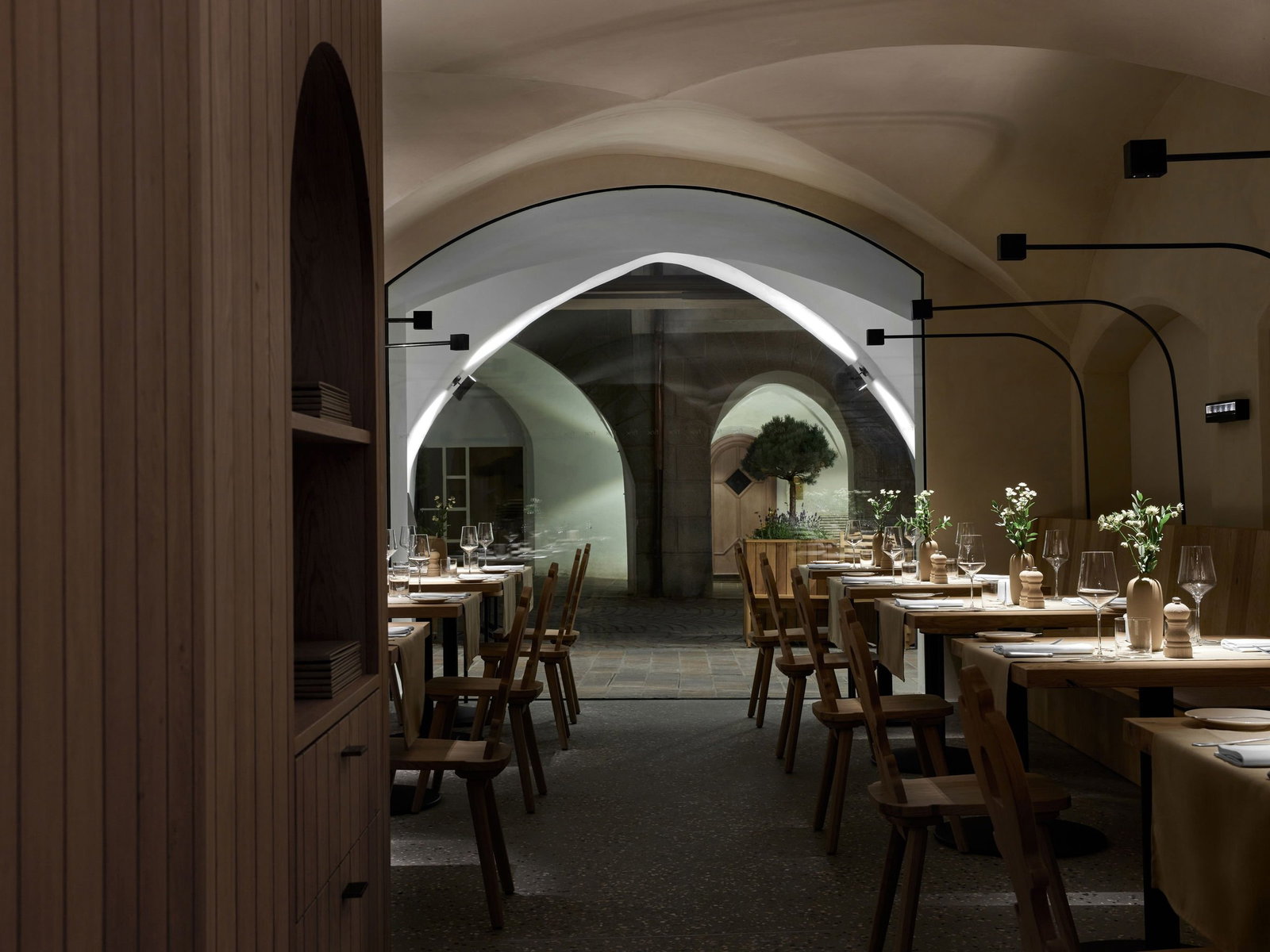
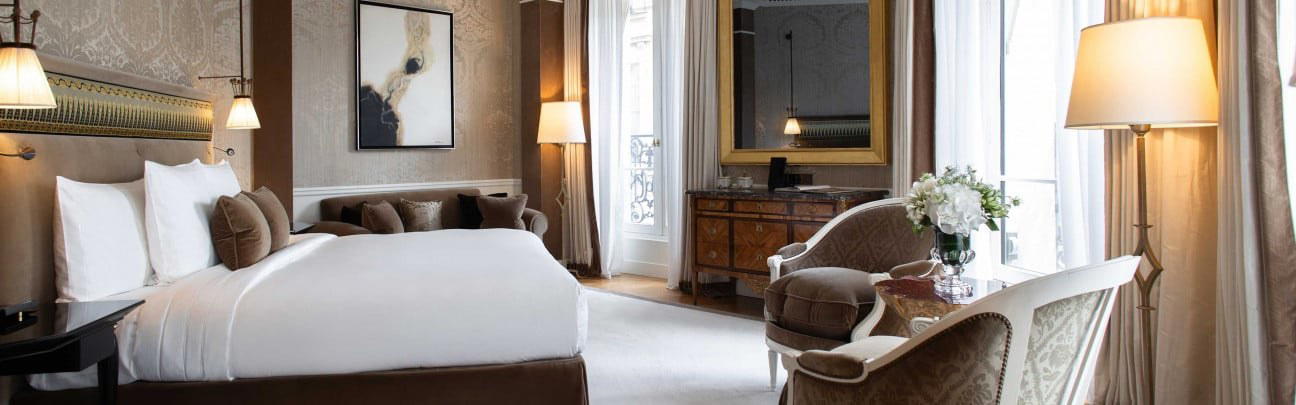
Elizabeth Unique Hotel presents the feel of a restored 17th-century Roman palazzo where architectural character defines the stay. The property leans into its historic fabric — thick stone walls, vaulted ground-floor volumes and taller, lighter upper levels — so design and location shape the atmosphere more than full-service frills. Guests encounter a compact, quietly refined experience rooted in the centro storico: narrow streets, nearby piazzas and local trattorie. Where many large international names trade on scale, Elizabeth trades on intimacy, preservation and the kind of restrained, classic charm that rewards travelers who value authenticity and architectural context.
Best For
This hotel suits travelers who prioritize location and character over large-hotel amenities. It is ideal for visitors who want to walk to the Pantheon and Campo de' Fiori, for architecture and design enthusiasts who appreciate a restored palazzo, and for couples seeking an intimate, quietly elegant base in Rome’s centro storico. The property works well for guests who prefer neighborhood trattorie to tourist-facing dining and for those who enjoy early-morning light on the piazzas before crowds arrive. It is less about resort-style service and more about being immersed in historic urban fabric.
Stay Tips
Room selection matters here: the description notes a clear spatial logic between floors. Guests who value natural light and views should prioritize upper-floor rooms; those who favor cooler, more shaded interiors may prefer ground-floor accommodations with vaulted, thick-walled proportions. If courtyard-oriented rooms are available, they typically offer a buffer from street noise. Given the hotel's walkable position between major monuments and local piazzas, plan arrival times to enjoy morning light and quieter streets, and book a preferred room tier in advance to secure the character you want.
Venue details
Ambiance
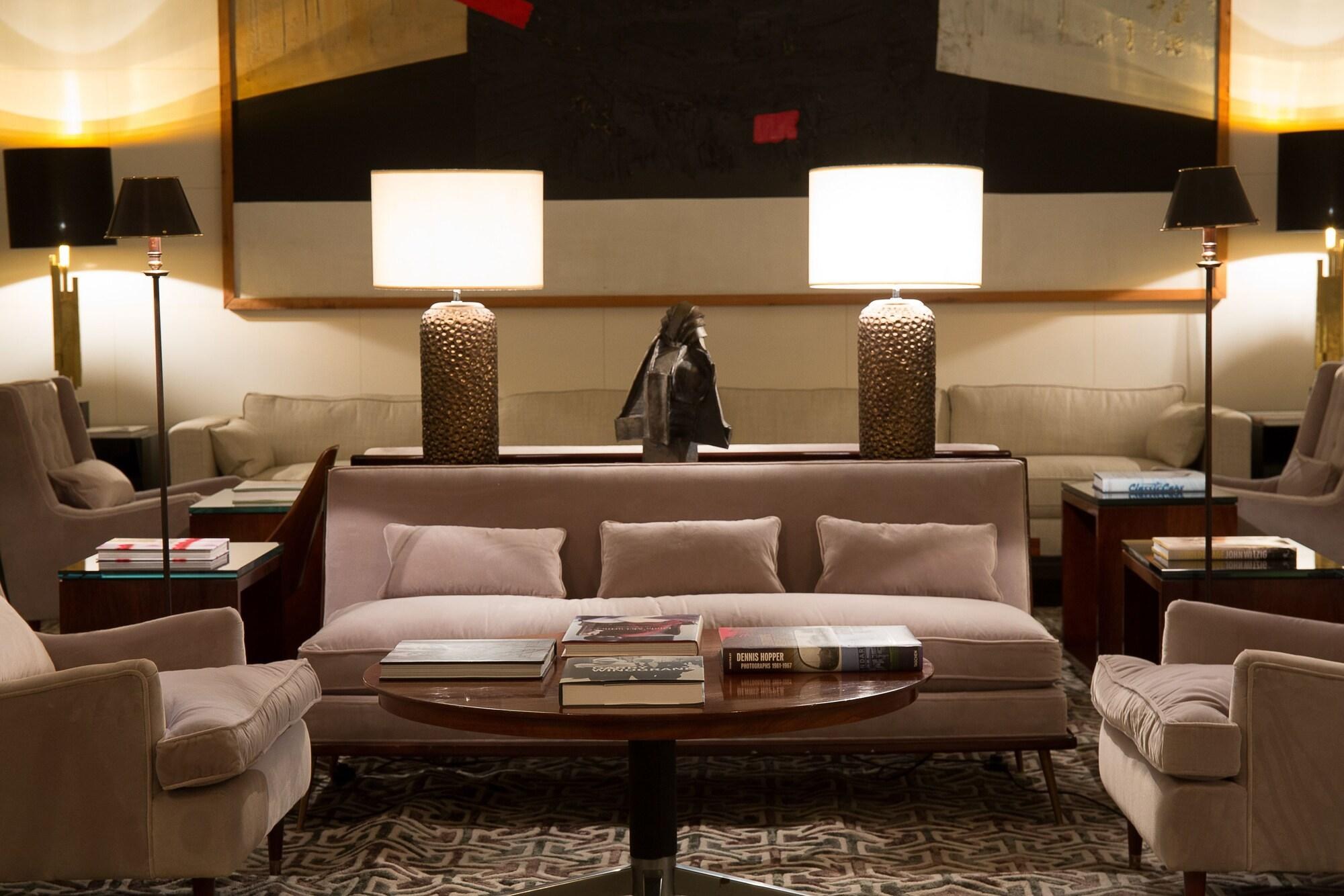
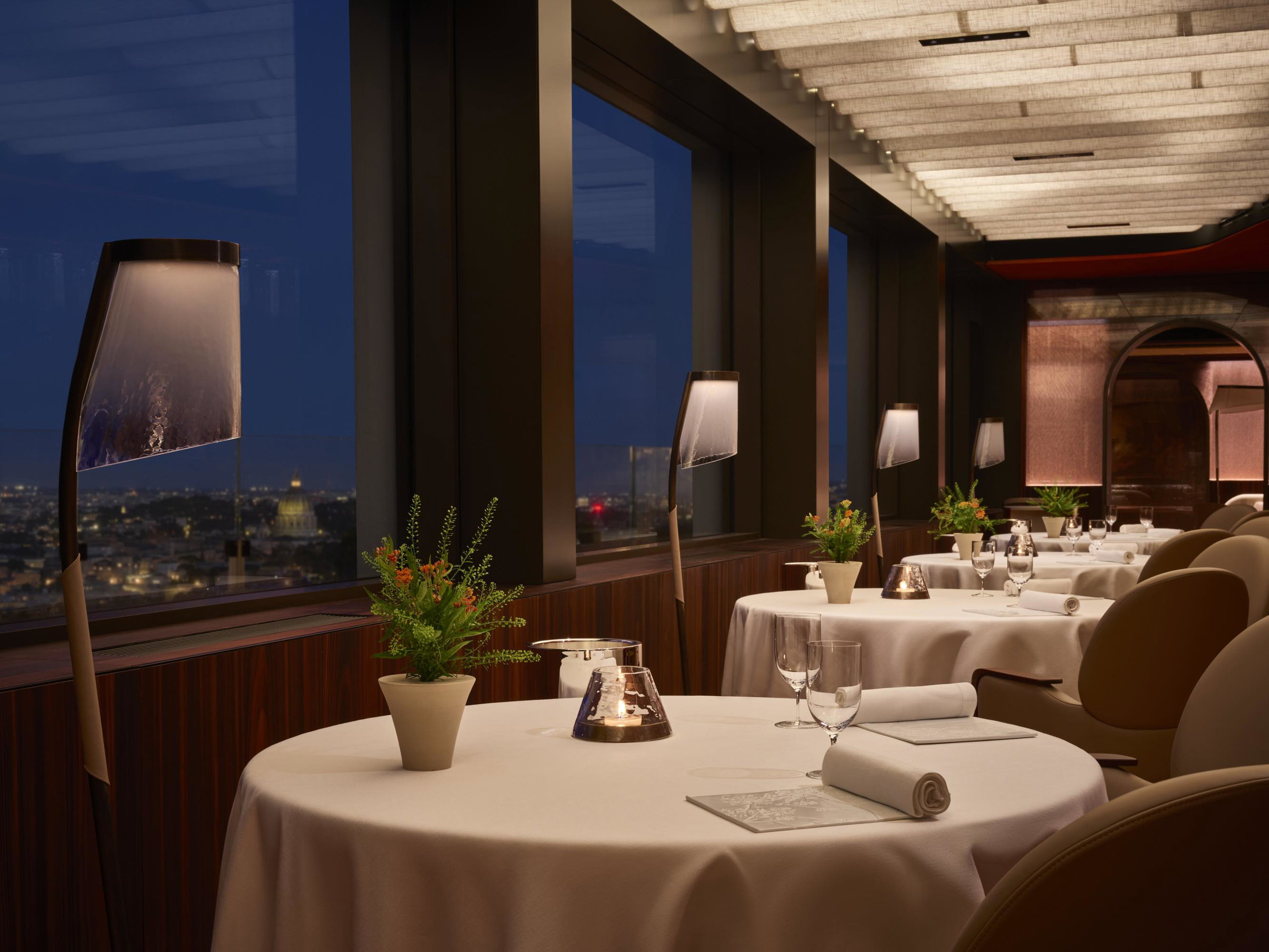
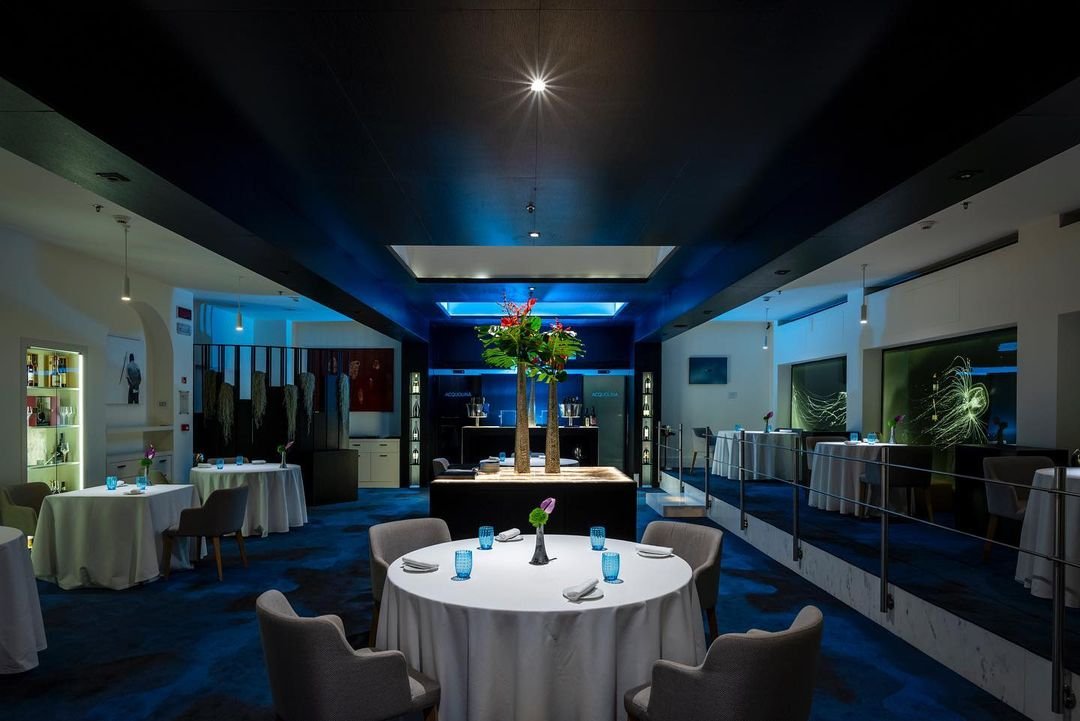
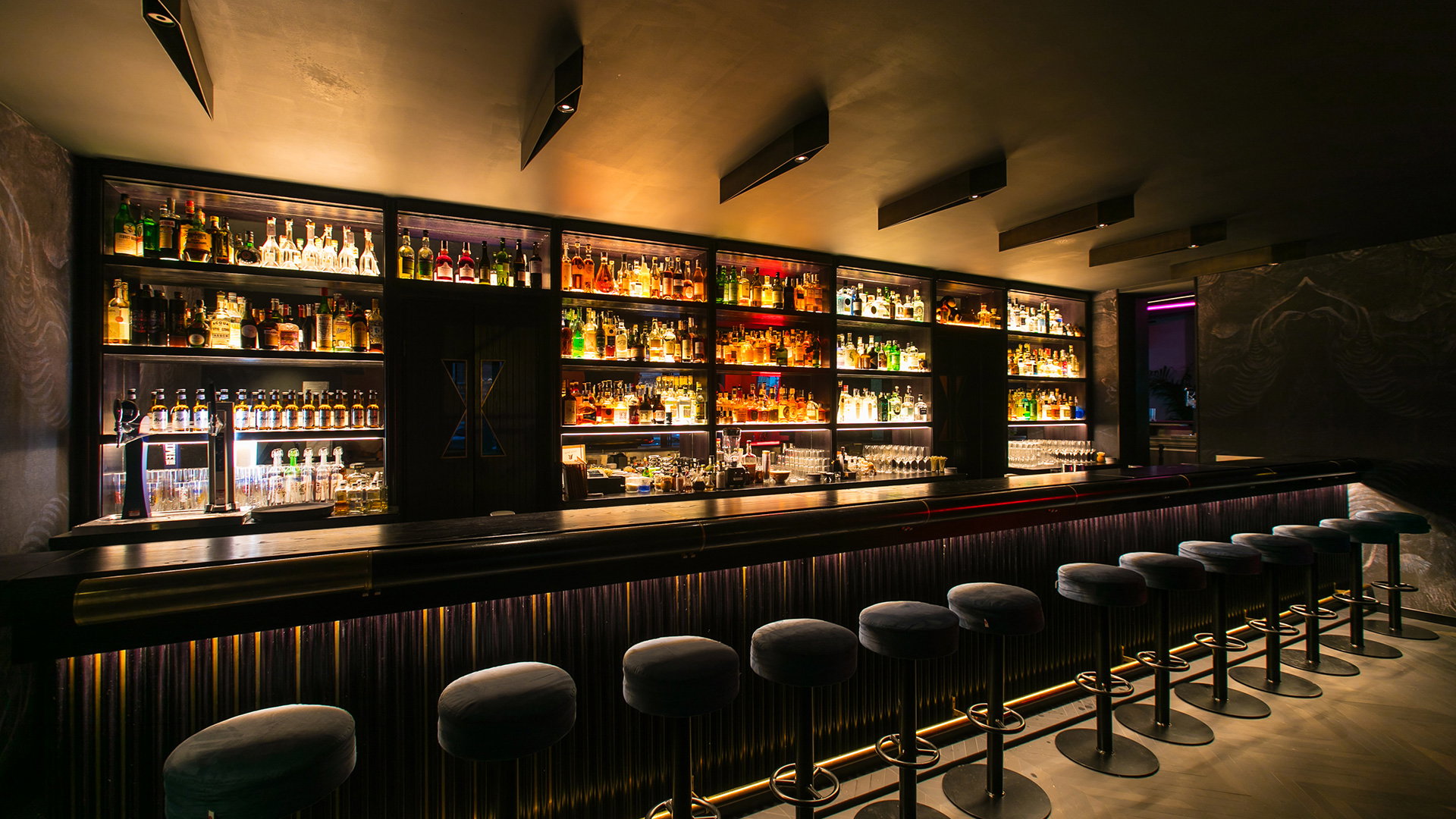
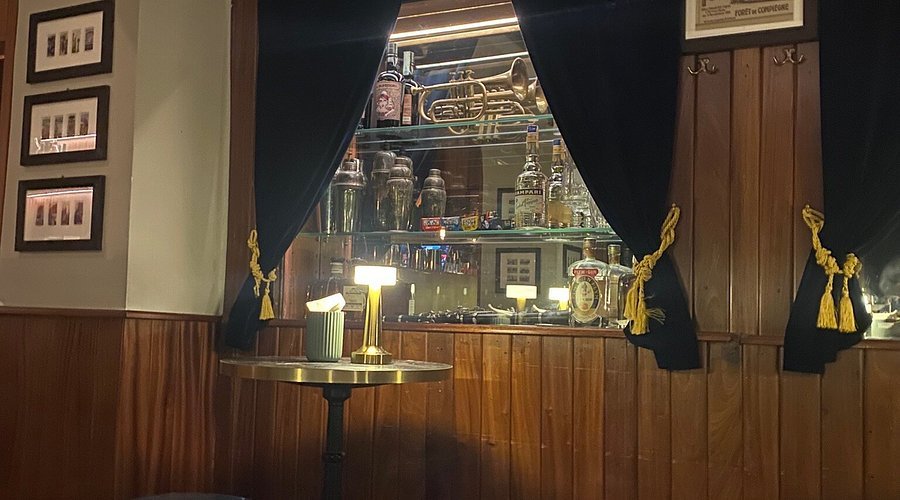
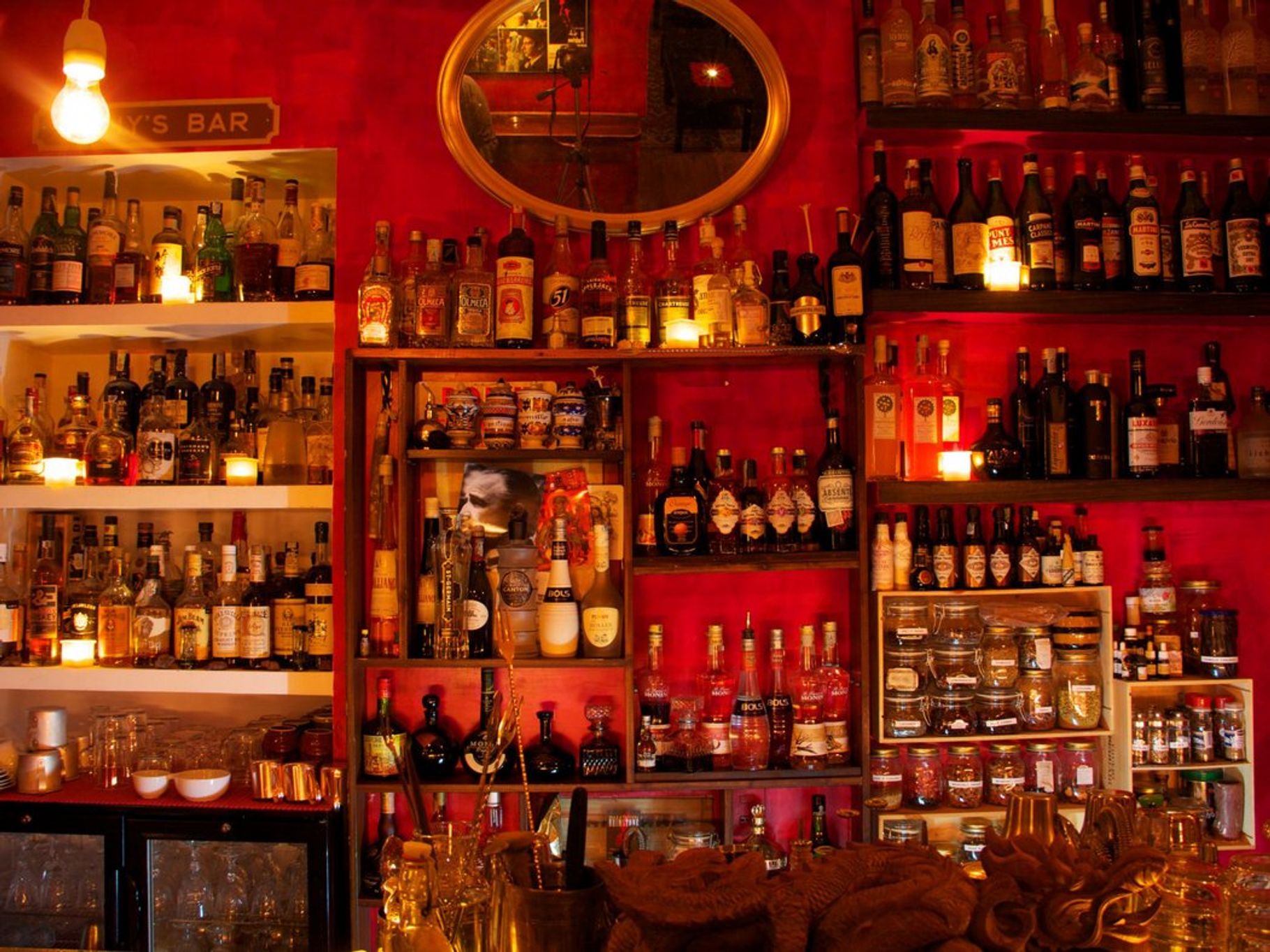
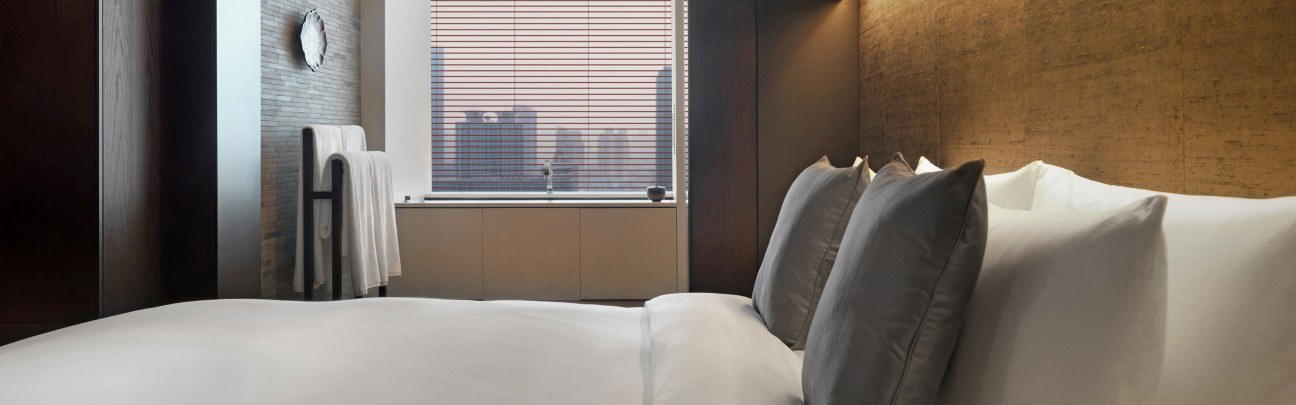
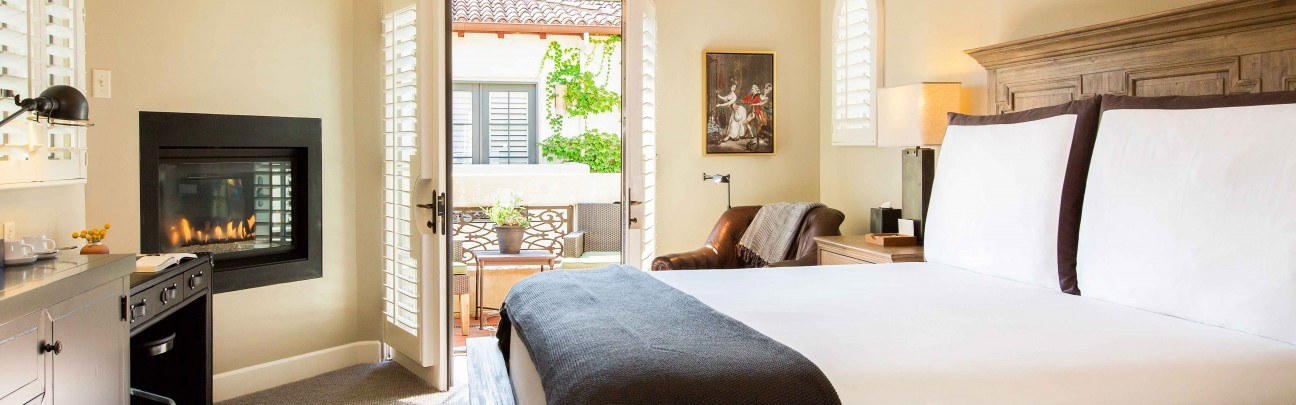
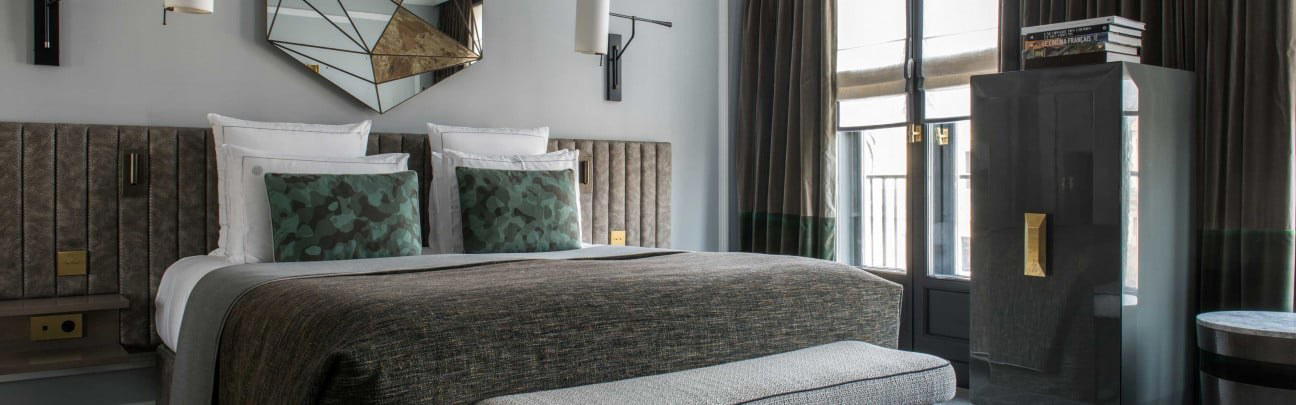
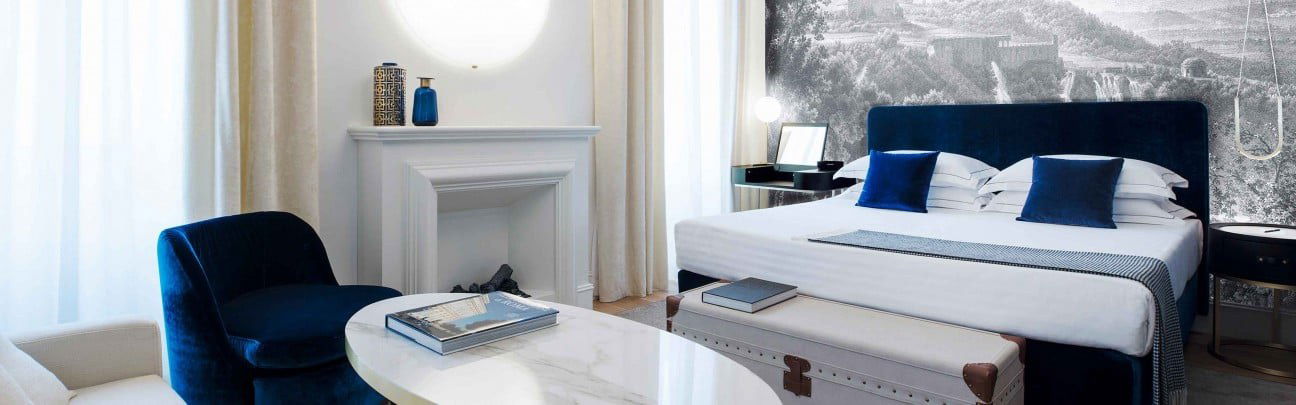
Refined lobby with double-height entrance, cozy reading room fireplace, modern art, marble and velvet furnishings, and a laid-back stylish bistro atmosphere.
Tags
Vibe
Best For
Experience
Amenities
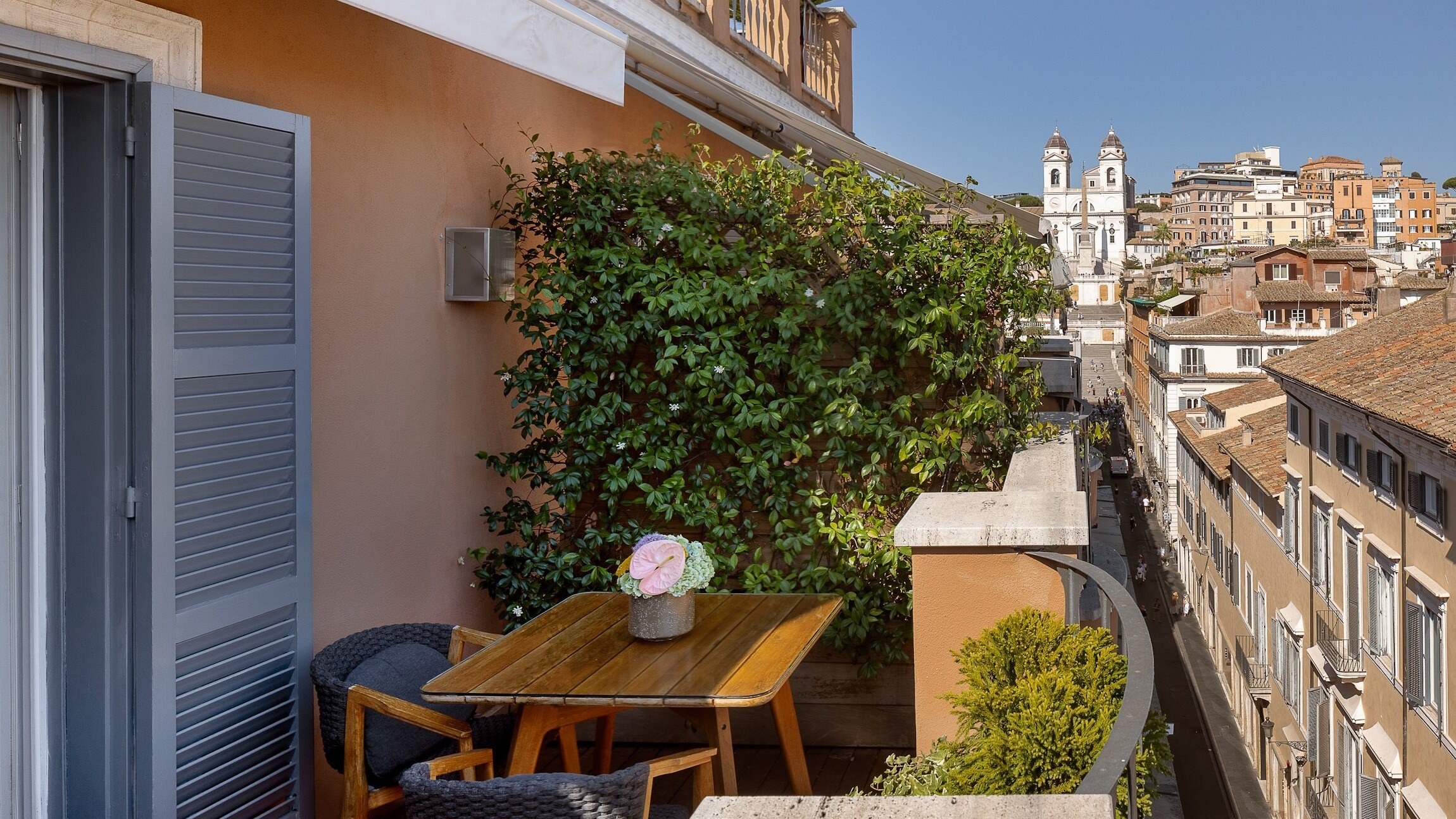
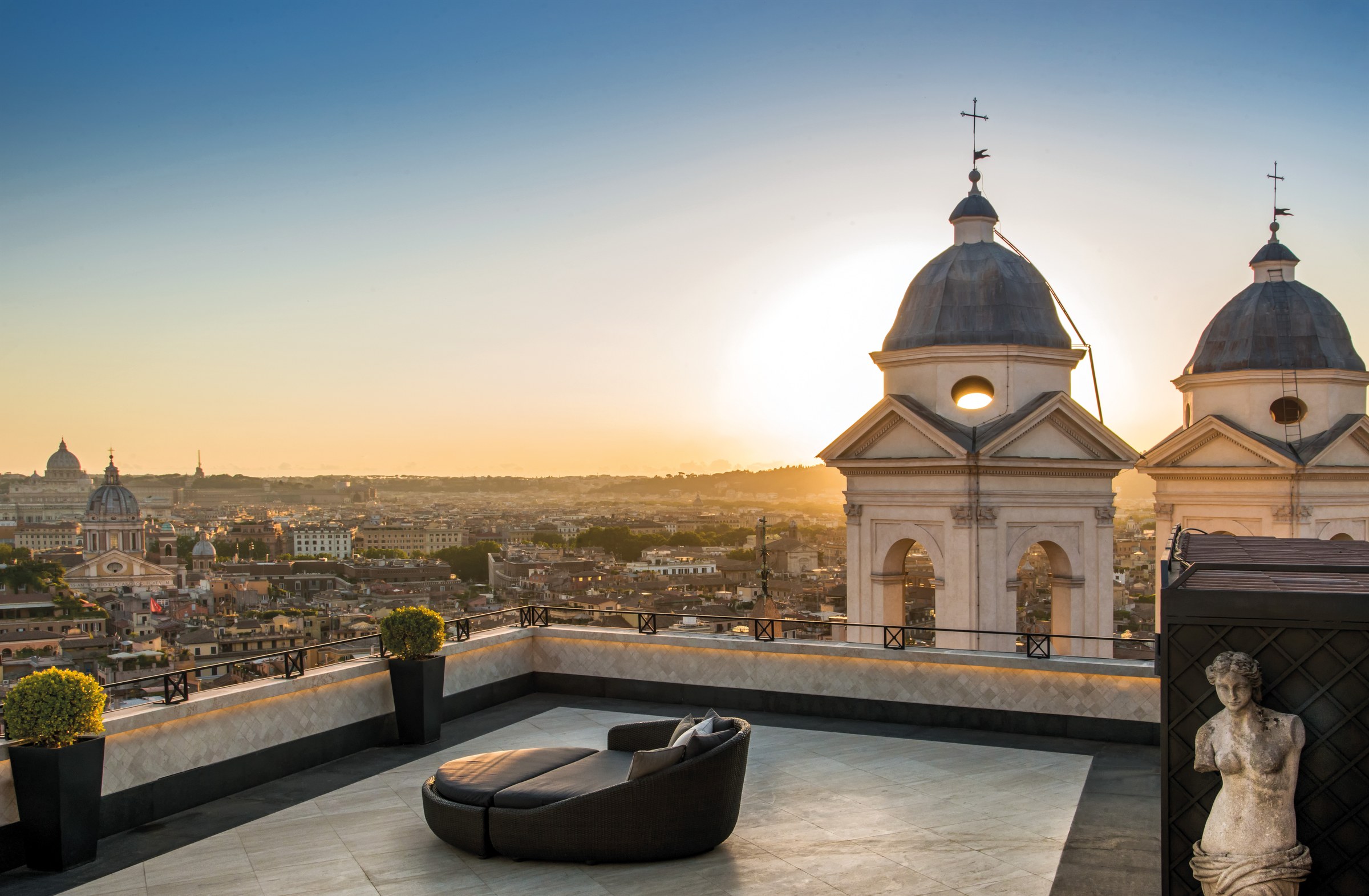
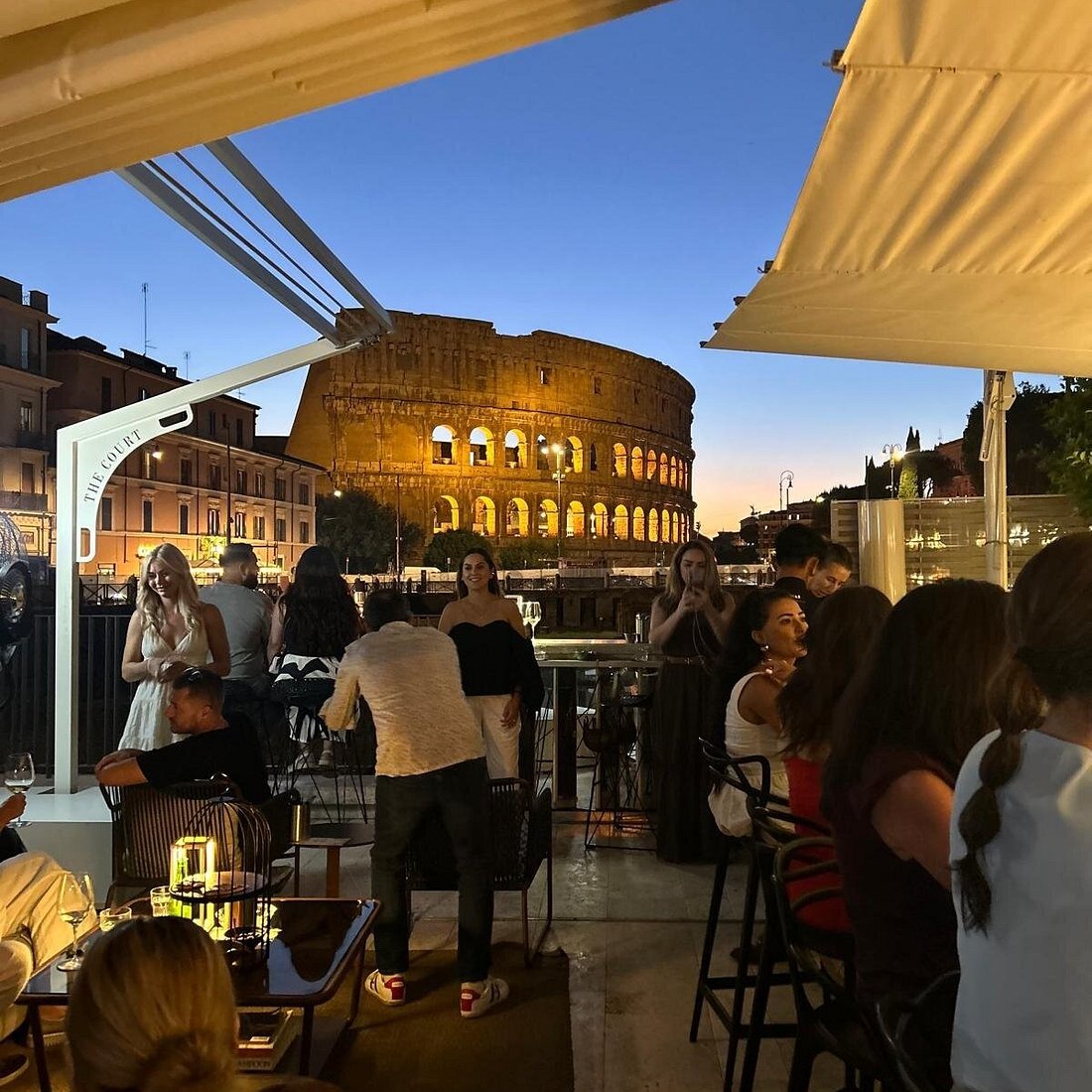
View
About the Stay
- Rooms
- 32
- Property Type
- Boutique hotel
- Property Style
- Italian Styled Boutique Art Hotel in a Renovated 19th Century Palace Near Spanish Steps
- Design Style
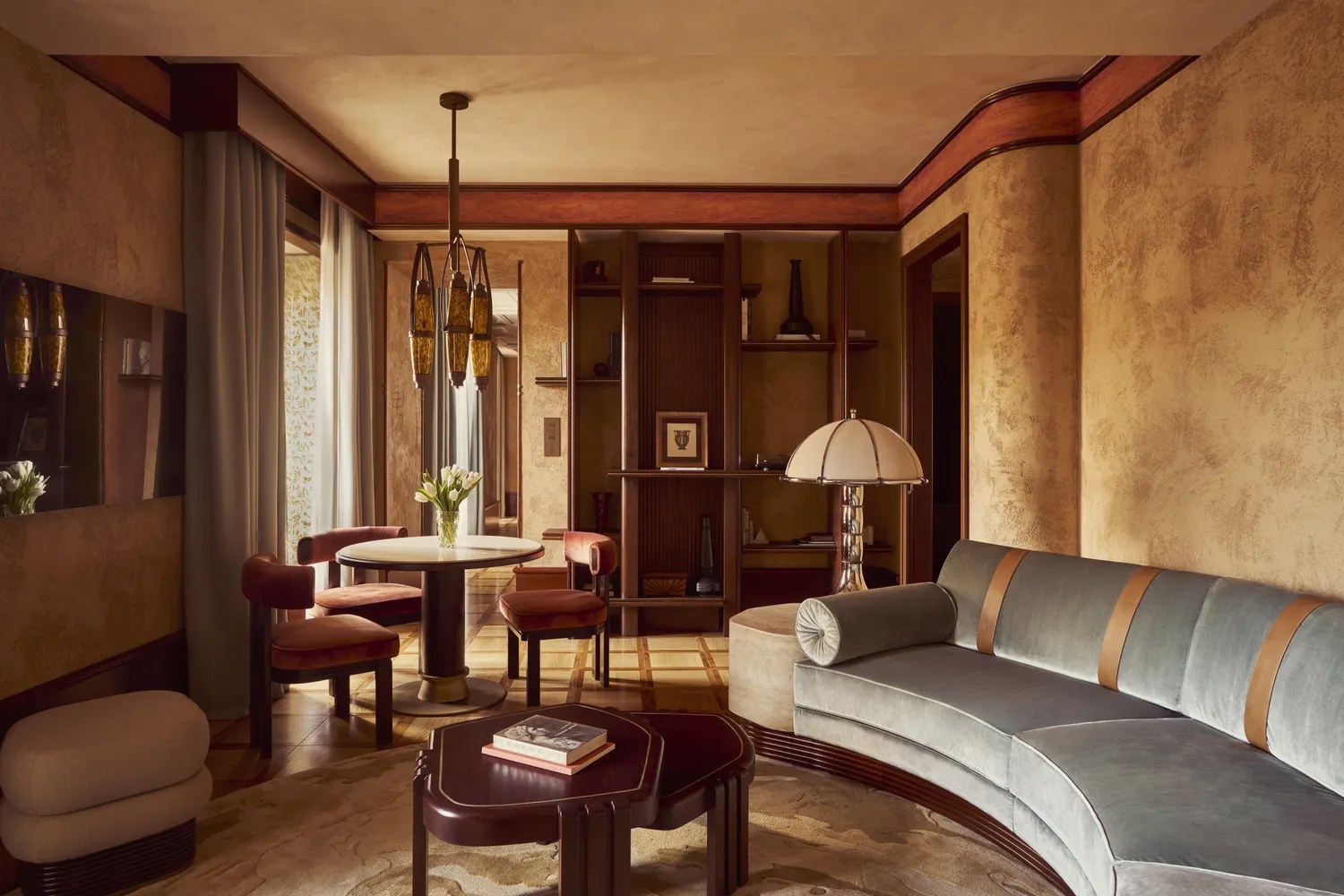
- Contemporary Art with Marble, Velvet, Sculptural Brass Lighting, and Modernist Furniture
- Breakfast
- Included
- Airport Transfer
- Available
- Pets
- Allowed
- Families
- Welcome
Know before you go
Know Before You Go
- Getting there
- Via delle Colonnette, 35, Rome 00186, Italy
Planning details
Location
Via delle Colonnette, 35, Rome 00186, Italy · Directions
Recognition and awards
Also consider
Where to look if this is not the right fit
If availability or rate does not work, start with The First Roma Dolce for a polished central alternative and Casa Fabbrini Boutique B & B for a more intimate stay. For a larger luxury comparison, check Bulgari Hotel Roma before widening the search.
Hotel context
How it compares in Rome
Against The First Roma Dolce, Elizabeth Unique Hotel reads as the more design-led boutique call, while The First Roma Dolce is the safer cross-shop for travelers who want a more conventional polished hotel feel. With easy booking difficulty, Elizabeth Unique Hotel is the lower-stress choice when availability matters, though final value depends on the room category and rate available for your dates.
Bulgari Hotel Roma is the one to compare if the trip is a splurge and the hotel itself is a major part of the itinerary. Elizabeth Unique Hotel is better for guests who plan to use the room as a central base and care about design credentials. Palazzo Ripetta sits closer to the classic Rome hotel lane, so choose it if scale and a more formal ambiance matter more than a smaller design-hotel feel.
For a softer, intimate alternative, Casa Fabbrini Boutique B & B is the sensible cross-shop. The Goethe Hotel is worth checking if availability or rate makes Elizabeth Unique Hotel less compelling. The practical verdict: book Elizabeth Unique Hotel for central Rome with a design filter; cross-shop the others when brand scale, classic ambiance, or a quieter B&B mood is the priority.
Around this place
Discover more on Pearl
Unlock the full Elizabeth Unique Hotel guide in Pearl, including awards, comparisons, FAQs, planning details, and nearby places.
Compare Elizabeth Unique Hotel
| Venue | Location | Awards |
|---|---|---|
| Elizabeth Unique Hotel | Rome | 2026 Design Hotels Collection2026 Mr & Mrs Smith Luxury Hotels |
| The First Roma Dolce | Rome | 2026 Virtuoso Luxury Hotel CollectionPreferred Hotels L.V.X. Collection 2025 |
| Bulgari Hotel Roma | Rome | 2026 World’s 50 Best Hotels 1-50 · #32100 Most Incredible Hotels in the World · 20262026 Virtuoso Luxury Hotel Collection2026 Forbes 4-Star2026 Michelin 3 Keys2025 World’s 50 Best Hotels · #222025 Michelin 3 Keys2024 Michelin 1 Key |
| Casa Fabbrini Boutique B & B | Rome | No published awards |
| Palazzo Ripetta | Rome | No published awards |
| The Goethe Hotel | Rome | Small Luxury Hotels Member 2025 |










How Elizabeth Unique Hotel Rome compares with similar nearby venues.
FAQ
Frequently Asked Questions
When is the best time to book Elizabeth Unique Hotel?
Book when your Rome dates, room category, and cancellation terms are clear. The hotel is a 2026 Design Hotels member and carries the Mr & Mrs Smith Seal of Approval for 2026, but specific availability patterns should be confirmed through the hotel or booking channel.
Do loyalty programs work at Elizabeth Unique Hotel?
Do not assume a standard chain loyalty fit. The hotel is a 2026 Design Hotels member, so any benefits should be confirmed through the relevant booking program or directly with the hotel.
How does Elizabeth Unique Hotel compare to other hotels?
Use Elizabeth Unique Hotel as a Rome option with design affiliations and a smart-casual dress code. Compare it with Bulgari Hotel Roma, Palazzo Ripetta, The First Roma Dolce, The Goethe Hotel, and Casa Fabbrini Boutique B & B based on the specific room, rate, and stay details available for your dates.
What is check-in like at Elizabeth Unique Hotel?
Is Elizabeth Unique Hotel good for business travel?
It may be worth considering for a Rome trip if the hotel profile fits your needs, but business-specific facilities should be confirmed with the hotel. Confirm workspace, meeting, Wi-Fi, and transport requirements directly before booking.
Is Elizabeth Unique Hotel family-friendly?
Family-specific facilities and policies should be confirmed with the hotel. Travelers with children should confirm room configuration, occupancy rules, extra-bed or cot availability, and any relevant services directly with the hotel.