
Sofitel Quiberon Thalassa Sea & Spa
Quiberon
Hotel in Quiberon, France
 Book with Pearl
The Read
Atlantic Thalassotherapy Precision
Why go
Book Sofitel Quiberon Thalassa Sea & Spa if the trip is built around coastal wellness, spa time, and a polished Accor stay on the Quiberon peninsula. It is less compelling for a quick overnight or a town-first itinerary, where Le Celtique or a Vannes-area hotel may make more sense.
About Sofitel Quiberon Thalassa Sea & Spa
Sofitel Quiberon Thalassa Sea & Spa in Quiberon features its Quiberon setting, a smart-casual dress code, and Gault & Millau Exceptional Hotel recognition in 2025 with 5pts. This allows identification of the property, but without specific information on room categories, facilities, dining, prices, hours, or specific services.
This serves as a cautious booking note rather than a full feature review. Gault & Millau recognition is a useful quality signal, but travelers should still check the hotel directly for current amenities, packages, dining arrangements, and any practical details that matter for the trip.
Choose it for a Quiberon hotel with a recognized profile
Sofitel Quiberon Thalassa Sea & Spa is best considered by travelers who specifically want to stay in Quiberon and are comfortable confirming the finer details before booking. It features a smart-casual dress code and 2025 Gault & Millau Exceptional Hotel recognition, but travelers should not assume particular facilities, views, meal formats, or included services.
The practical question is whether the identity of the property is enough for your trip, or whether you need more detail before committing. If specific amenities, accessibility needs, dietary requirements, family arrangements, or transport logistics are important, confirm them with the hotel's official channels before booking.
Who should cross-shop before booking
Travelers comparing hotel options may also want to review Le Celtique, Le Manoir de Kerbot, Le Maury Vannes, Domaine du Liziec - MGallery, and Hotel les Rives du Ter, depending on the route and style of stay you want.
For broader planning, dining-led travelers can pair the hotel search with our full Quiberon restaurants guide. Keep comparisons practical: decide first whether Quiberon is the right base, then confirm the details that matter most directly with each property.
Bottom line: book Sofitel Quiberon Thalassa Sea & Spa if you want this specific Quiberon hotel and its recognition is meaningful to you. Cross-shop or contact the hotel first if your decision depends on amenities, dining, pricing, or services that require direct confirmation.
Planning details
- Location
- Bd Louison Bobet, 56170 Quiberon
- Website
- sofitel.accor.com/hotels/0557?merchantid=seo-maps-FR-0557&sourceid=aw-cen
- Phone
- +33 2 97 50 20 00
The take
The Take
The Vibe
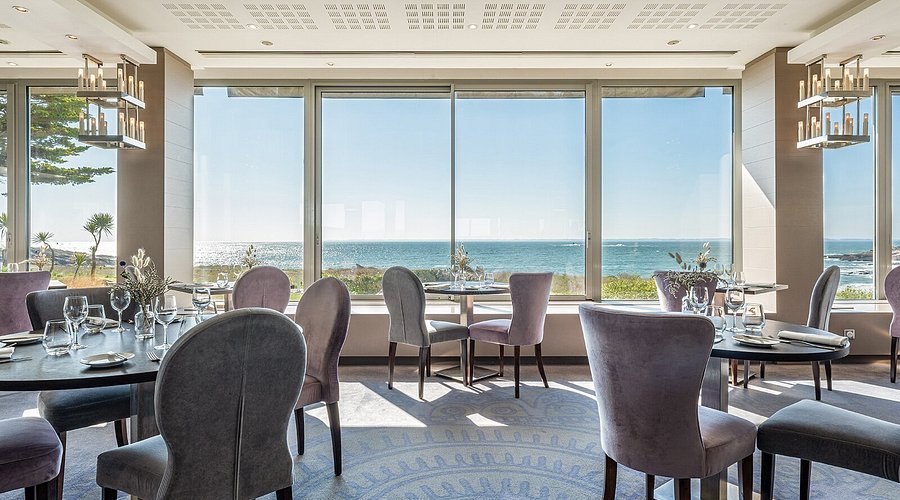
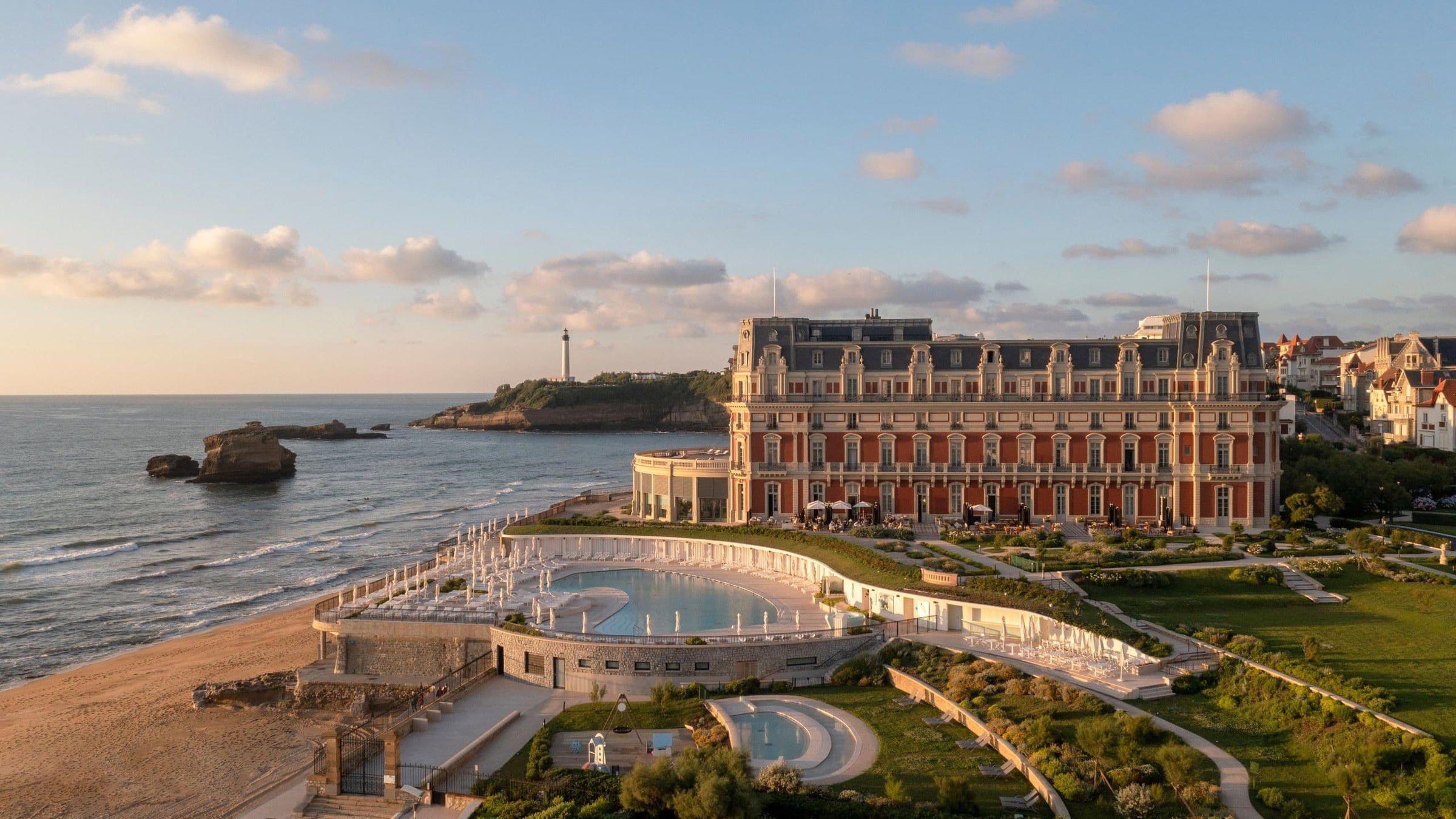
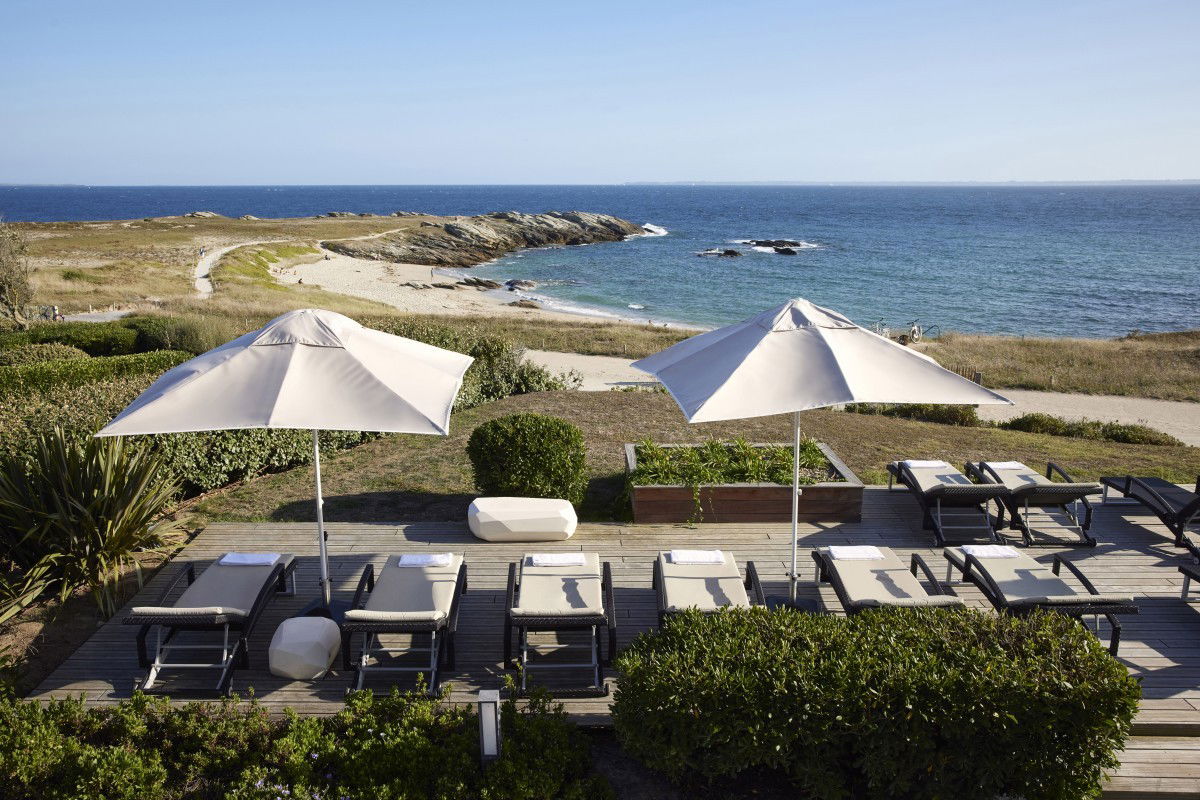
Sofitel Quiberon Thalassa Sea & Spa reads like a purpose-built coastal institution: architecture, circulation and programming are arranged around the Atlantic. The hotel leans into exposure rather than hiding from it, with large glazed facades that foreground the sea and a design lineage rooted in nineteenth‑century French thalassotherapy. The mood is calm and restorative rather than bustling; spaces prioritize therapeutic clarity over ornament. Contemporary lines meet a long spa tradition, producing an experience that feels both modern and quietly historic, perfect for travelers who want attentive design and ocean air as part of their recovery.
Best For
This property is best for people seeking a seawater‑centric wellness stay and short coastal escapes. Its position at the tip of the Quiberon peninsula gives guests access to both sheltered bays and wild cliffs within minutes, so it's equally suited to low‑effort relaxation and brisk outdoor activity. The hotel’s thalassotherapy infrastructure makes it a natural pick for spa‑focused visitors, while the relative remoteness—reachable by TGV to Auray plus a local connection—keeps the feeling of a genuine weekend retreat rather than a city break.
Stay Tips
Prioritize booking thalassotherapy treatments and water‑circuit sessions in advance, since the seawater pools and treatment flow are central to the hotel’s offering. Ask for a sea‑facing room or one near the glazed facades to make the most of the Atlantic outlook. For travel, note the common route by TGV to Auray followed by a local connection; allow time for that last leg if you’re planning a short weekend. Bring swimwear and light layers for ocean breezes; reserve spa slots early during popular dates.
Venue details
Ambiance
Peaceful and relaxing with natural light from sea views, serene spa atmosphere, and elegant French coastal elegance.
Tags
Vibe
Best For
Experience
Amenities
View
Accessibility
About the Stay
- Rooms
- 199
- Check-in
- 16:00
- Check-out
- 12:00
- Property Style
- Luxury Beachfront Resort with Thalassotherapy Focus
- Design Style
- Modern French Elegance with Sea Inspired Minimalism
Know before you go
Know Before You Go
- Getting there
- Bd Louison Bobet, 56170 Quiberon
Planning details
Location
Bd Louison Bobet, 56170 Quiberon · Directions
sofitel.accor.com/hotels/0557?merchantid=seo-maps-FR-0557&sourceid=aw-cen
Recognition and awards

Also consider
Also Consider
- Le Celtique, Notable alternative
- Le Manoir de Kerbot, Notable alternative
- Le Maury Vannes, Notable alternative
- Domaine du Liziec - MGallery, Notable alternative
- Hotel les Rives du Ter, Notable alternative
Hotel context
How it compares in and around Quiberon
Sofitel Quiberon Thalassa Sea & Spa is the choice for travelers who want the hotel itself to drive the trip: spa time, sea-facing atmosphere, and a resort rhythm. Le Celtique is the sharper cross-shop for a more compact Quiberon stay where town access matters more than wellness infrastructure. With easy booking difficulty, Sofitel is also less stressful to plan than many high-demand coastal resort stays, though peak holiday periods still reward earlier planning.
Le Manoir de Kerbot is better suited to travelers who want a quieter countryside mood rather than a thalasso-led coastal hotel. Le Maury Vannes makes more sense if the itinerary is built around Vannes, restaurants, and urban access rather than the peninsula. Sofitel is the stronger pick when the sea setting is the point; Le Maury Vannes is the cleaner choice when logistics around Vannes matter more.
Within the broader, Domaine du Liziec - MGallery is the natural comparison for Accor loyalists who want a different atmosphere, while Hotel les Rives du Ter works for travelers seeking a water-adjacent stay without committing to Quiberon's spa-resort format. Value depends on how much time will be spent on property: Sofitel is worth prioritizing when the spa and coastal setting are used, less so when the hotel is mainly a base for driving around Brittany.
Explore Quiberon
Around this place
Discover more on Pearl
Unlock the full Sofitel Quiberon Thalassa Sea & Spa guide in Pearl, including awards, comparisons, FAQs, planning details, and nearby places.
Compare Sofitel Quiberon Thalassa Sea & Spa
| Venue | Location | Awards |
|---|---|---|
| Sofitel Quiberon Thalassa Sea & Spa | Quiberon | 2025 Gault & Millau Exceptional Hotel |
| Le Celtique | Carnac | No published awards |
| Le Manoir de Kerbot | Sarzeau | No published awards |
| Le Maury Vannes | Vannes | No published awards |
| Domaine du Liziec - MGallery | Vannes | No published awards |
| Hotel les Rives du Ter | Larmor Plage | No published awards |
How Sofitel Quiberon Thalassa Sea & Spa compares with similar nearby venues.
FAQ
Frequently Asked Questions
Is Sofitel Quiberon Thalassa Sea & Spa family-friendly?
Do loyalty programs work at Sofitel Quiberon Thalassa Sea & Spa?
How is the pool and spa at Sofitel Quiberon Thalassa Sea & Spa?
For specific pool and spa details, please check directly with the hotel. The property is Sofitel Quiberon Thalassa Sea & Spa in Quiberon, featuring a smart-casual dress code and Gault & Millau Exceptional Hotel recognition in 2025 with 5pts.
When is the best time to book Sofitel Quiberon Thalassa Sea & Spa?
For booking patterns and seasonal availability, check the hotel's official availability and cancellation terms before making plans.
How does Sofitel Quiberon Thalassa Sea & Spa compare to other hotels?
Le Celtique, Le Manoir de Kerbot, Le Maury Vannes, Domaine du Liziec - MGallery, and Hotel les Rives du Ter may also be useful alternatives to review, depending on the route and style of stay you want.
How is the location of Sofitel Quiberon Thalassa Sea & Spa?
Sofitel Quiberon Thalassa Sea & Spa is in Quiberon. For more specific location details, please contact the hotel directly.