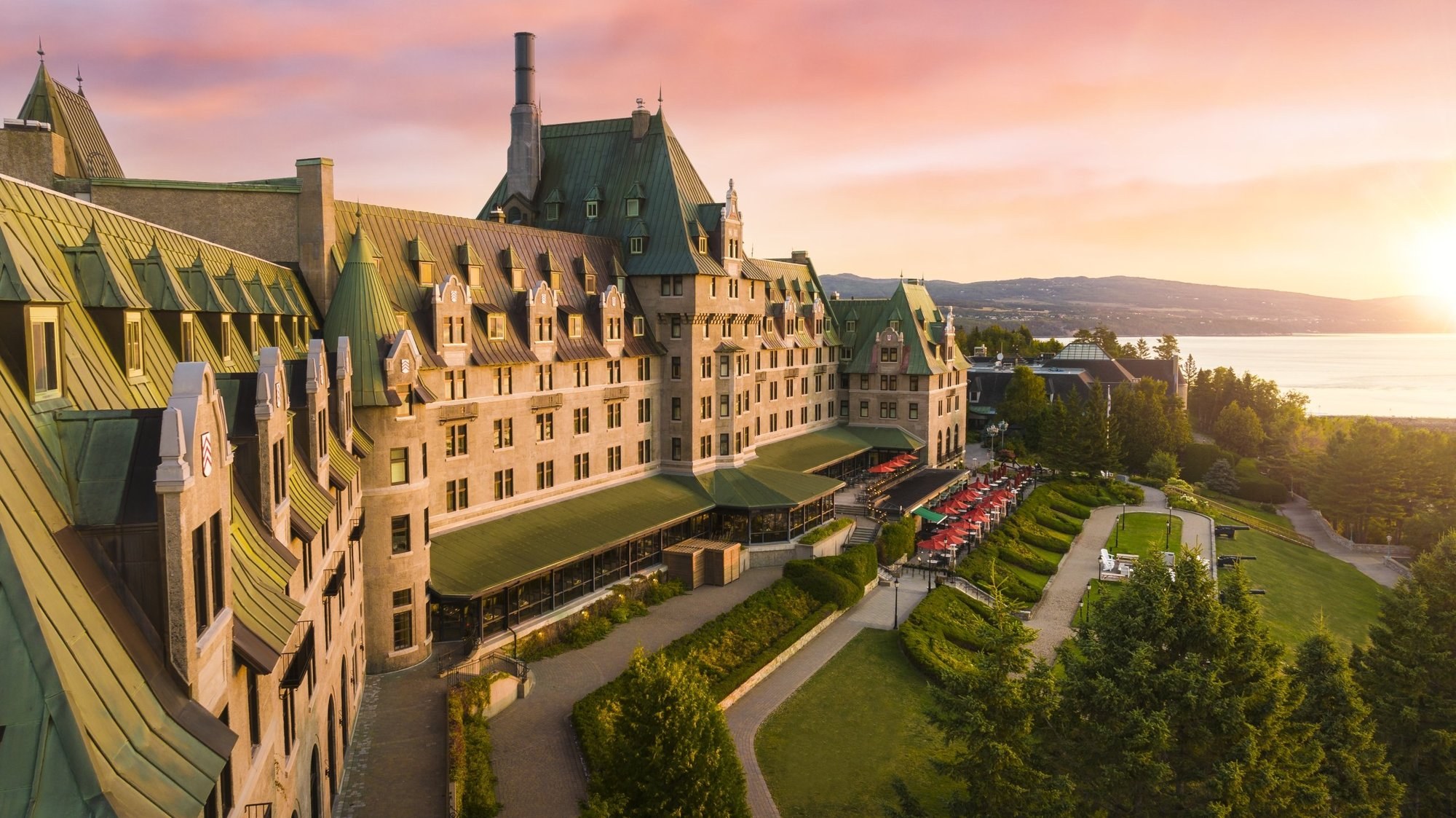






Auberge Saint-Antoine
Old Port, Québec
Hotel in Québec, Canada
 Book with Pearl
Why go
Auberge Saint-Antoine is the Québec City hotel to book when the old-city address and heritage-hotel depth justify paying more. The 2 MICHELIN Keys, Relais & Châteaux recognition, Forbes recommendation, Star Wine List signal make it a stronger choice for leisure and food-focused stays than for basic business travel.
About Auberge Saint-Antoine
2 MICHELIN Keys is the useful signal here: in Québec, Auberge Saint-Antoine is a premium hotel to consider when verified recognition matters. The confirmed credentials are MICHELIN Guide, Hotels 2 Keys (2025), Relais Chateaux Award (2026), Forbes Recommended (2026), and Star Wine List (2026). If the goal is simply to compare other Québec options, Hotel 71 or Hôtel Le Germain Québec may also be worth checking.
The location should be described simply as Québec. Beyond that, this guide does not verify a street address, neighborhood, landmark position, room count, amenities list, or service format. Treat the hotel's confirmed recognition as the strongest available basis for comparison, rather than relying on unverified claims about specific facilities or setting.
Book for verified recognition, not for a bargain claim
The case for booking is strongest when you want a Québec hotel with multiple confirmed external signals. MICHELIN Guide, Hotels 2 Keys, Forbes Recommended, Relais Chateaux Award, Star Wine List recognition give Auberge Saint-Antoine a clearer profile than a hotel described only in general luxury terms.
That does not make it the default for every traveler. Fairmont Le Château Frontenac is another prominent Québec hotel to compare. Monsieur Jean, Hôtel Particulier, Hôtel du Vieux-Québec, Hotel 71, Hôtel Le Germain Québec can also make sense depending on availability, rate, style preference, the kind of stay you want.
Who should choose it, who should not
Choose Auberge Saint-Antoine if confirmed hotel recognition is central to the decision and you want a smart-casual, premium Québec stay. The Star Wine List credential is also a relevant signal for guests who care about wine recognition, without needing to assume any unverified details about a specific beverage program.
Do not choose it based on unsupported specifics such as a particular room view, spa setup, pool offering, restaurant format, price level, or exact location detail. The practical move is to compare Auberge Saint-Antoine against Hotel 71, Hôtel Le Germain Québec, Fairmont Le Château Frontenac, Monsieur Jean, Hôtel Particulier, Hôtel du Vieux-Québec for your dates, then decide whether the confirmed recognition justifies the stay.
Inside Auberge Saint-Antoine
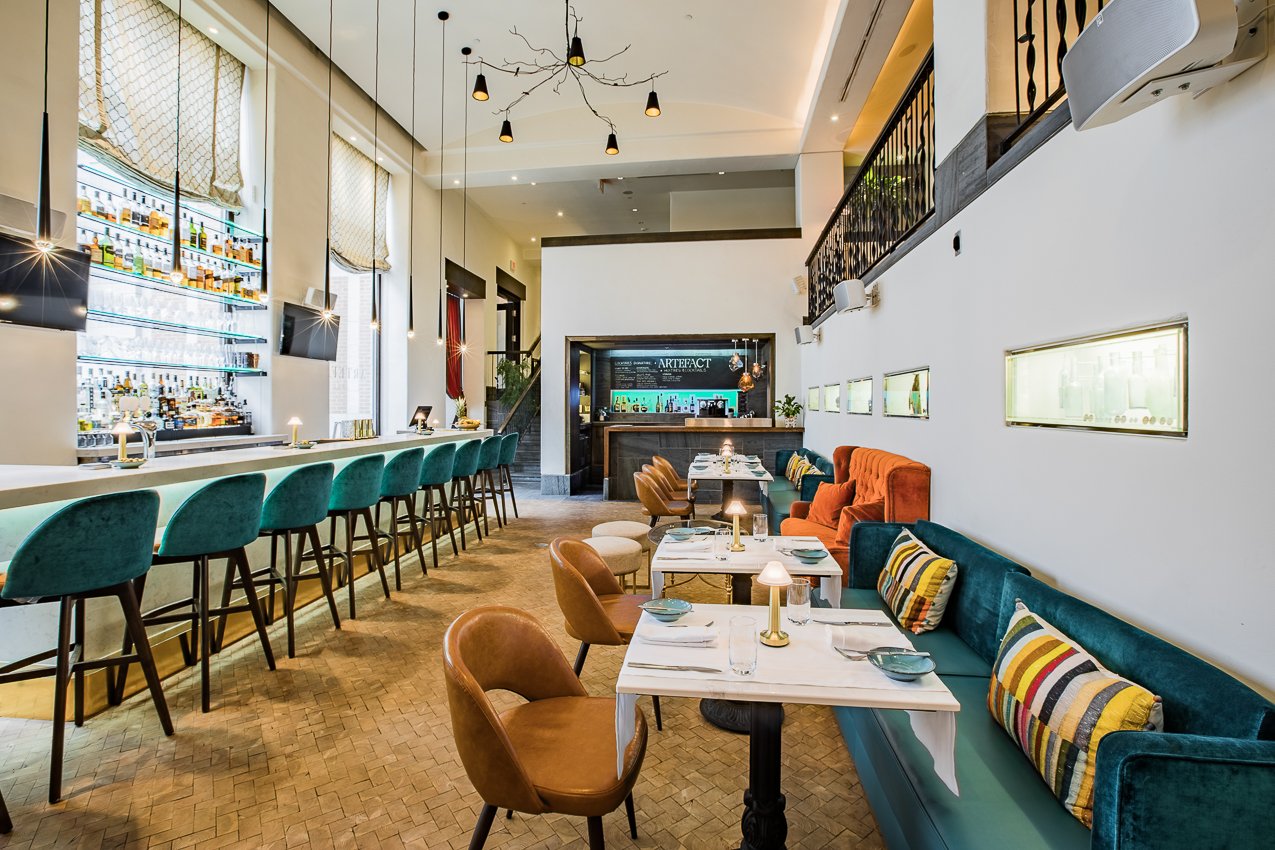
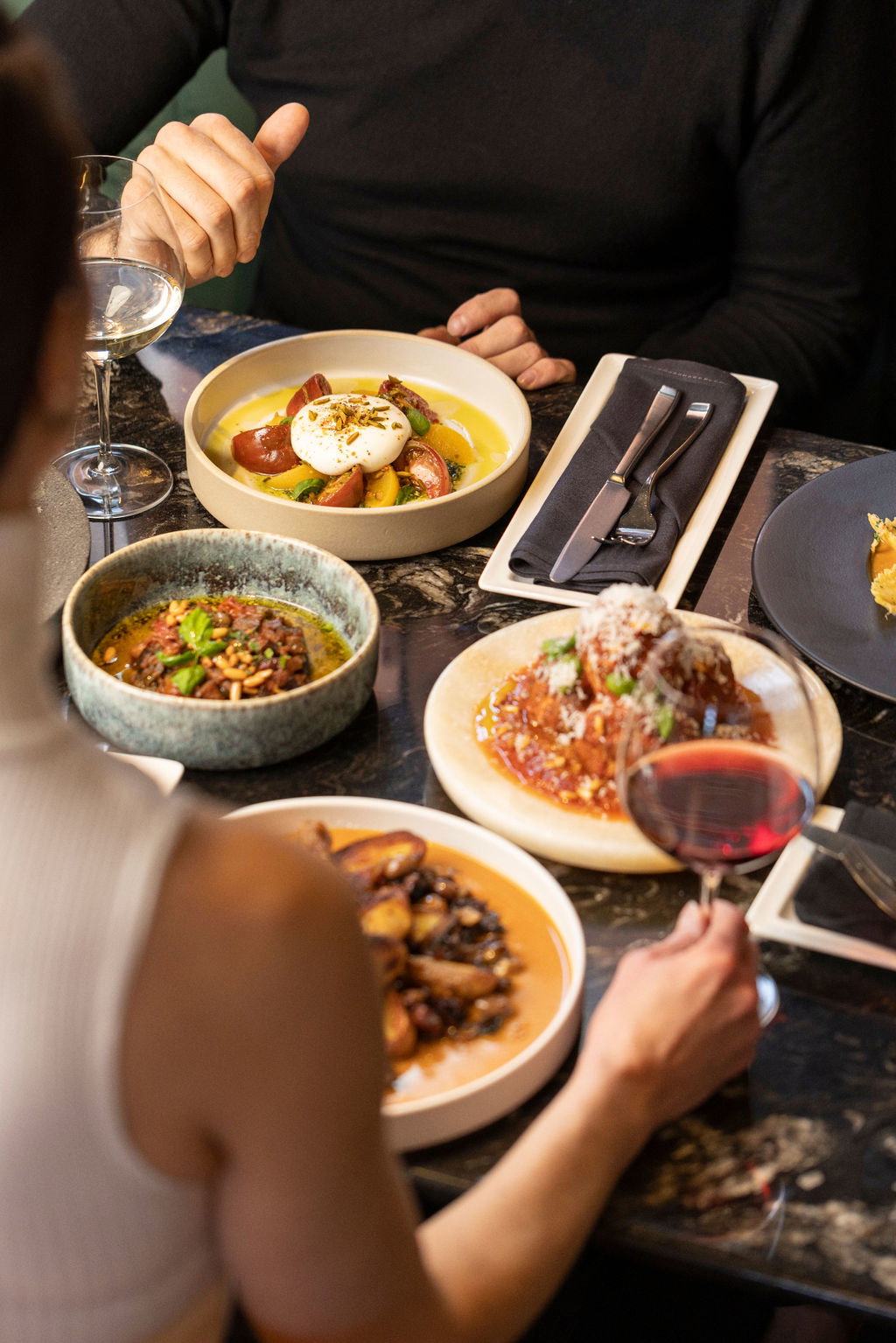
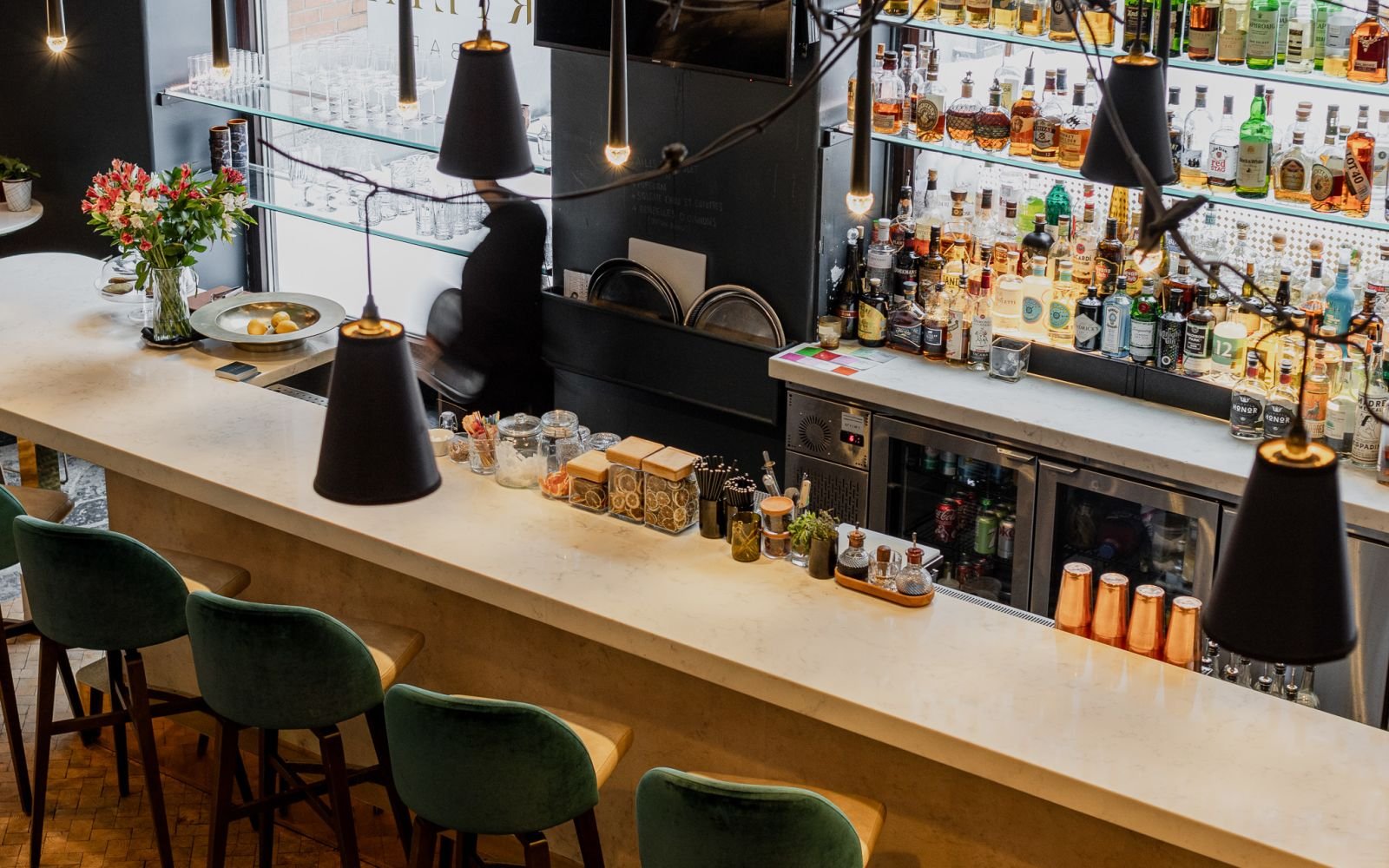
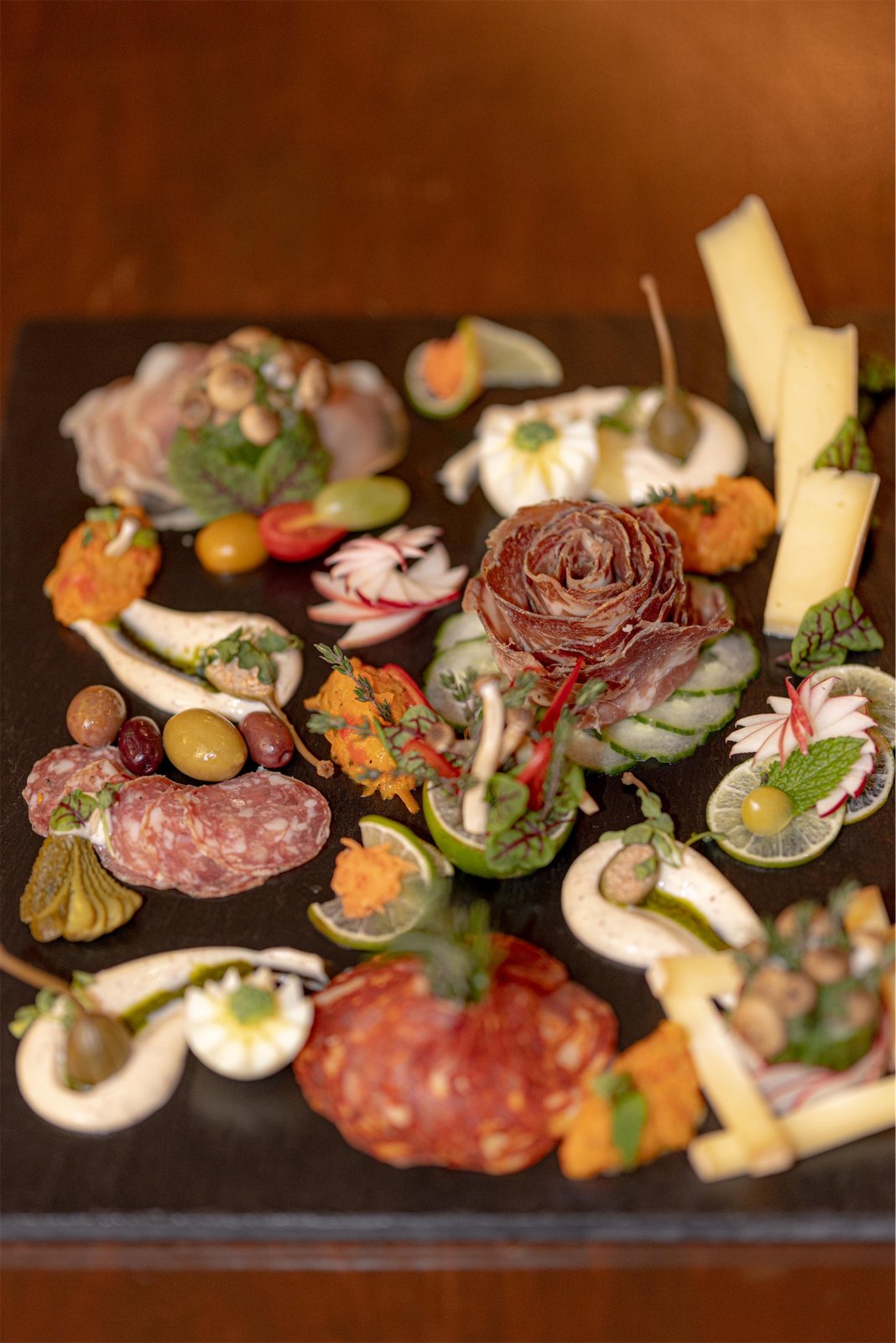
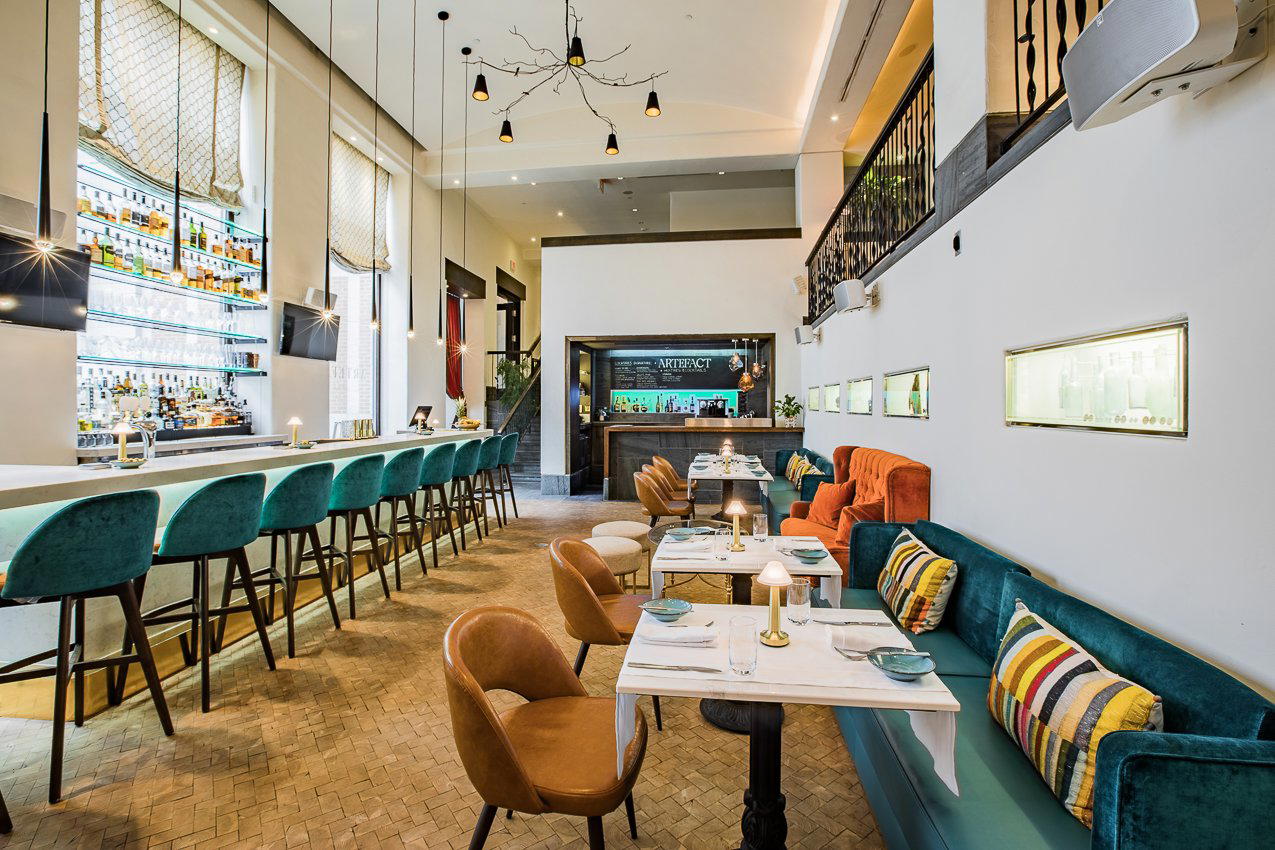 restaurantArtefactArtefact is a bistro-style address in Québec City where the room matters as much as the plate: historical objects, alcoves and a cocktail-led bar setting place the meal inside Old Québec’s sense of memory. Chef Lucas Brocheton’s kitchen fits the city’s terroir conversation, favouring regional identity over imported spectacle.
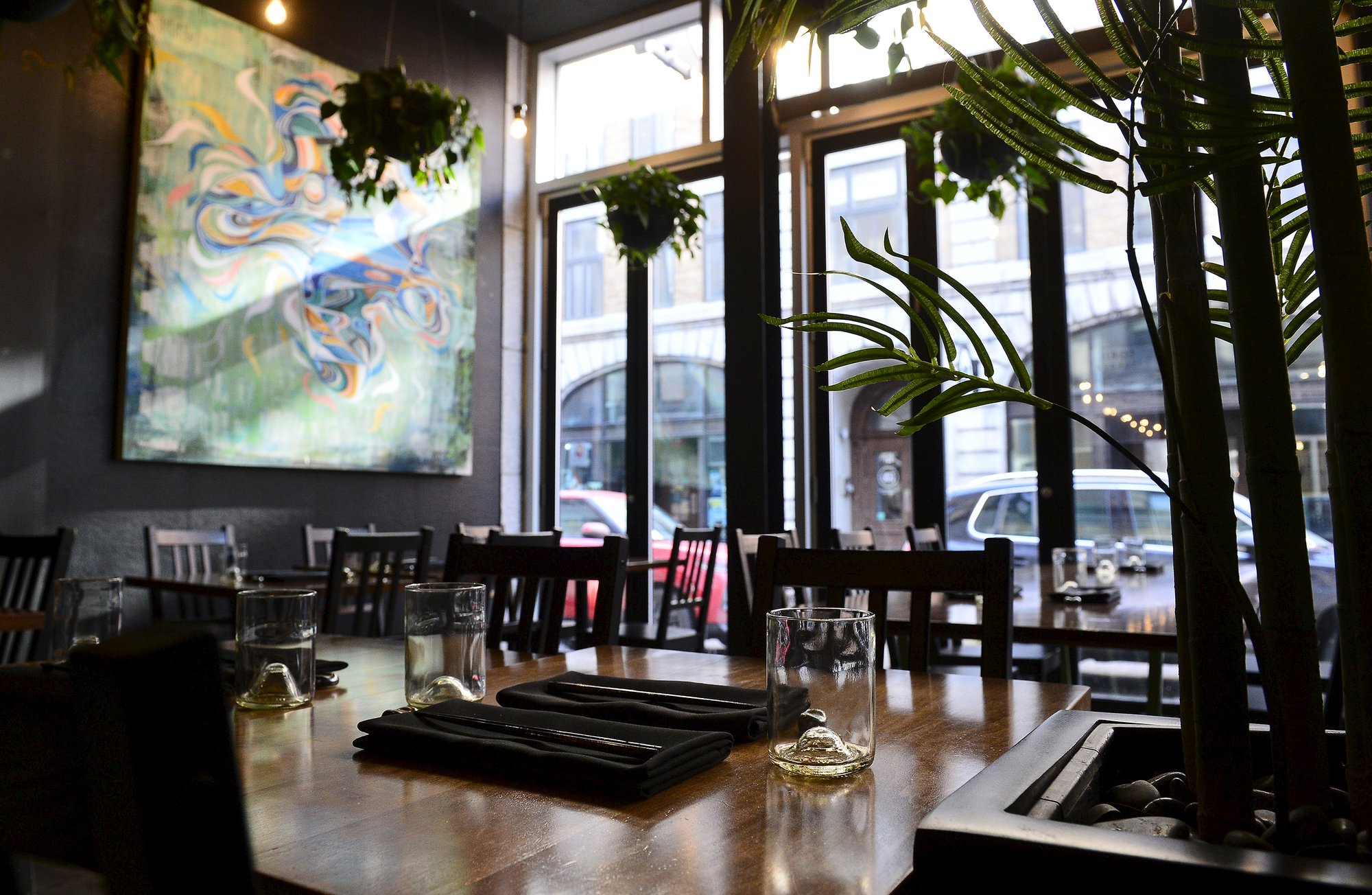
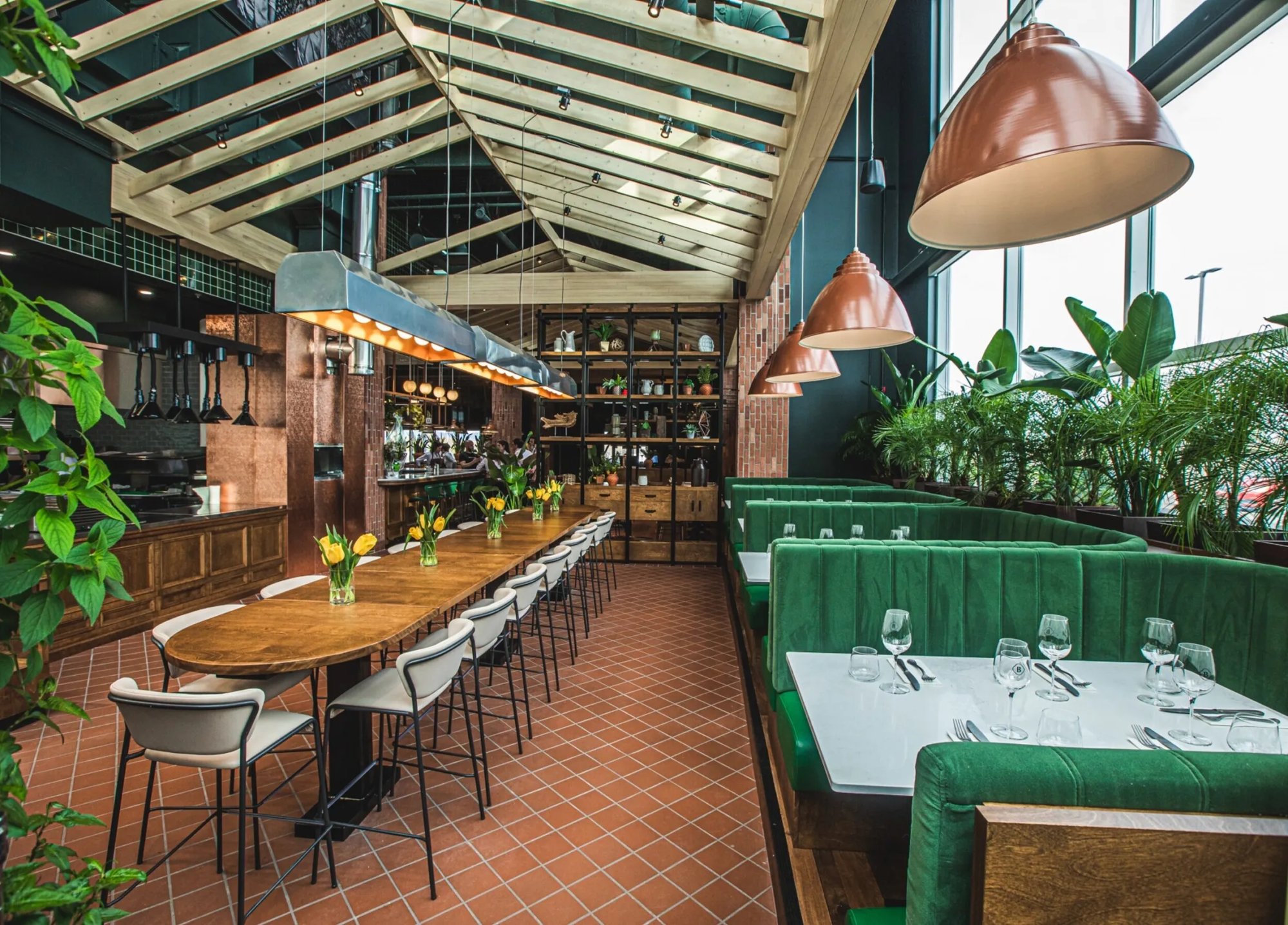
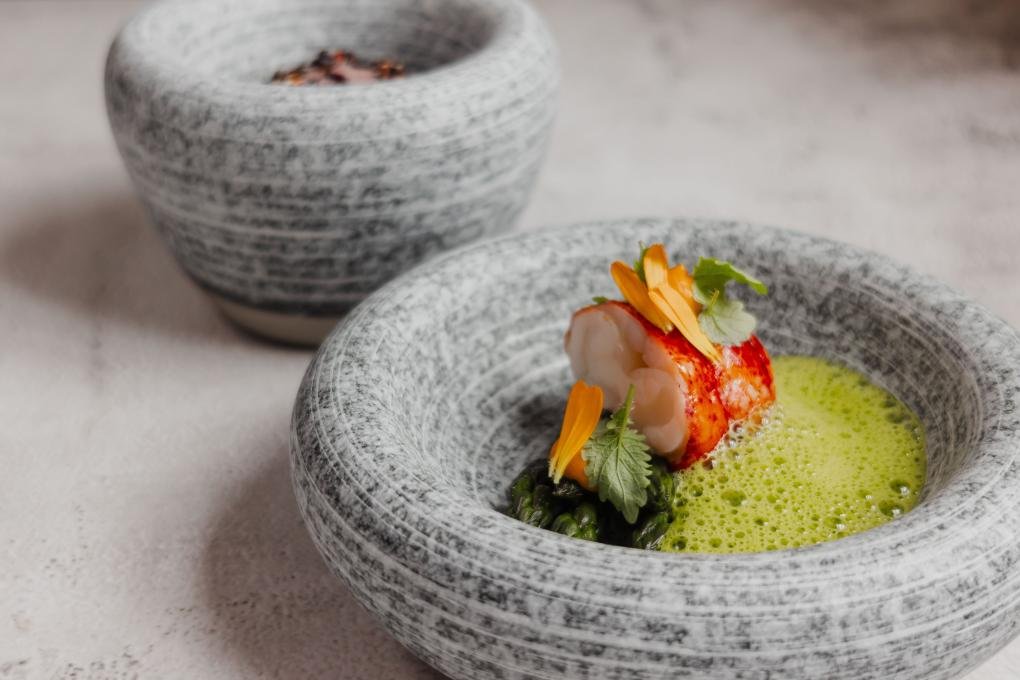
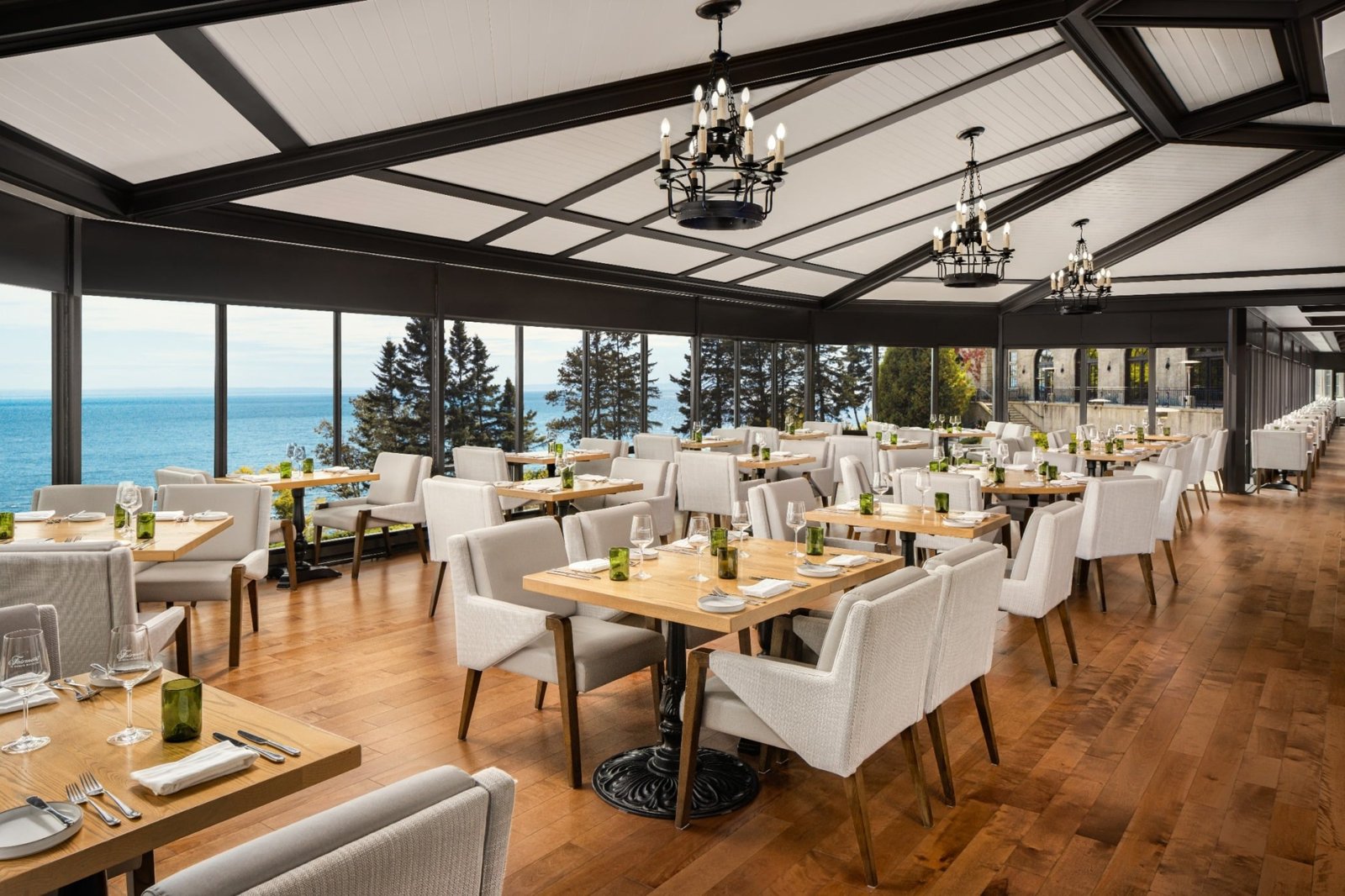
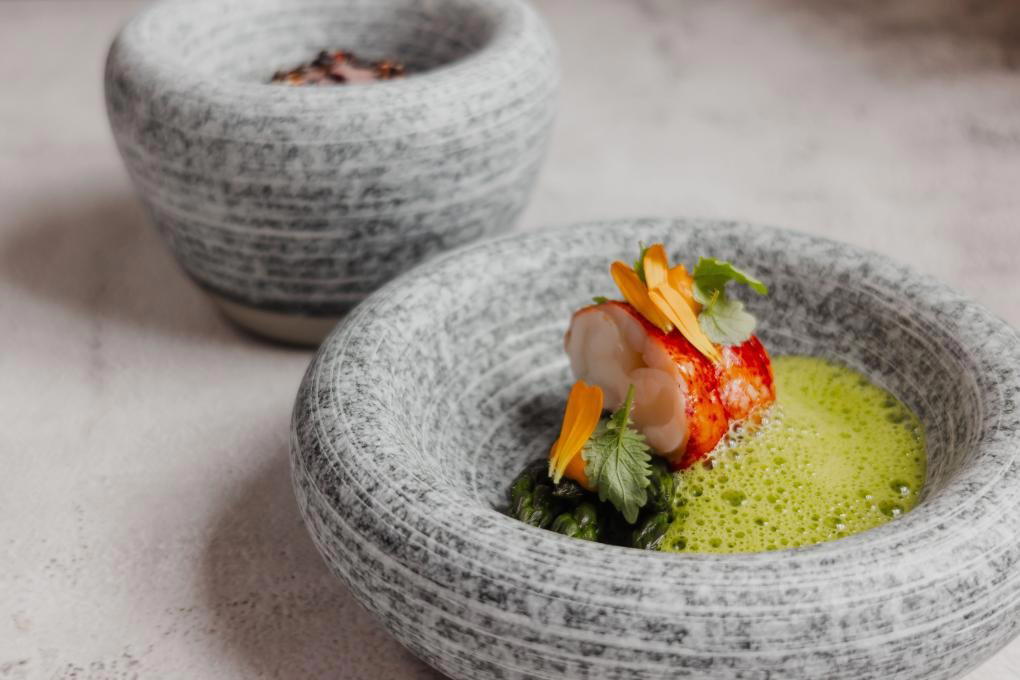 restaurantCoteauA hotel restaurant in Old Québec with a direct line to a biodynamic farm a few kilometres away, Coteau builds its menu around roughly 30 harvested fruits, vegetables, herbs, and wild plants, supplemented by a wine list of more than 700 labels. It sits close to the Petit Champlain neighbourhood, the St Lawrence River, and the Musée de la Civilisation, making it a natural stop on any considered itinerary through the old city.
Planning details
- Location
- 8 Rue Saint-Antoine, Québec City
- Website
- saint-antoine.com/en
- Phone
- 418-692-2211
The take
The Take
The Vibe
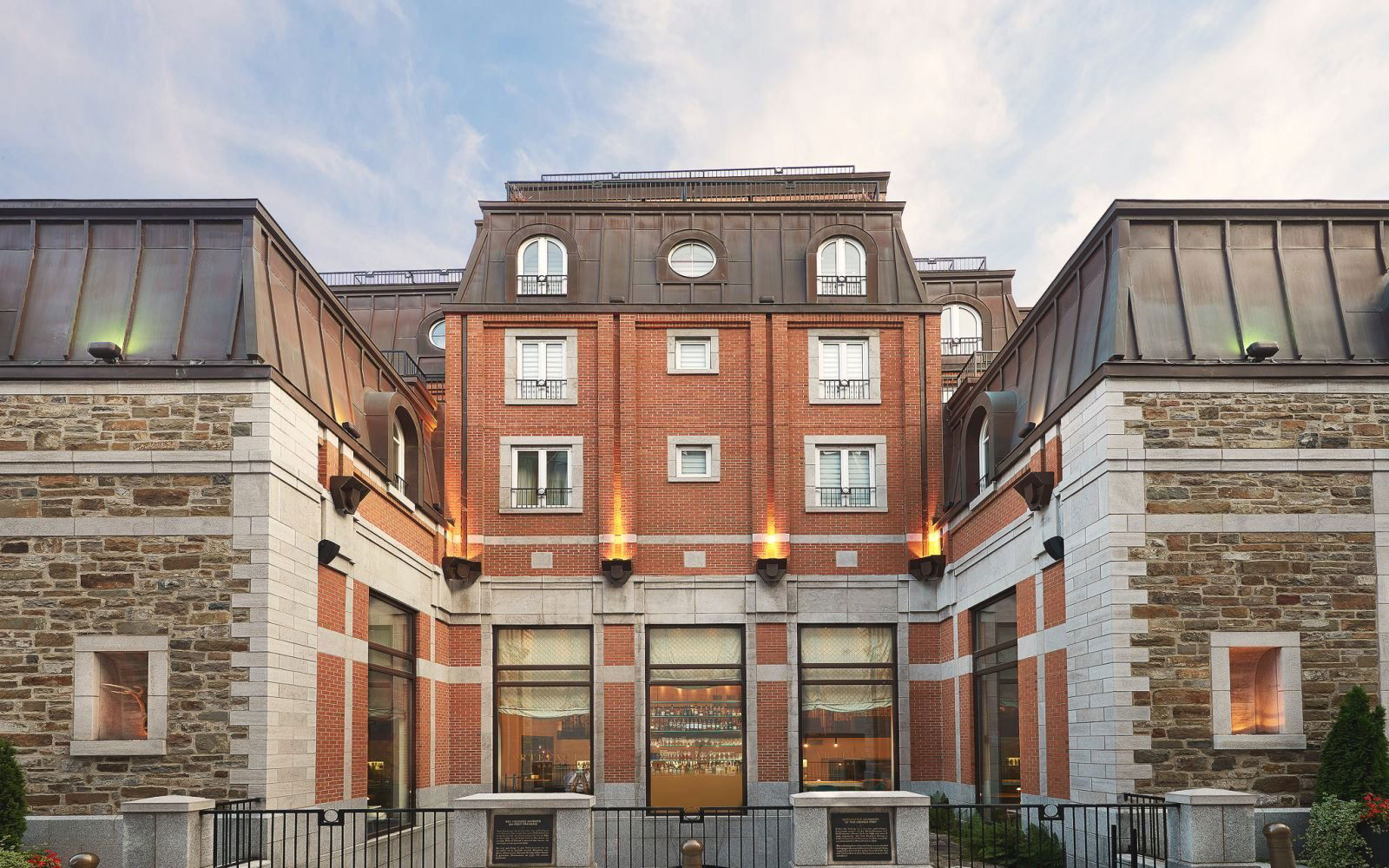
Auberge Saint-Antoine presents a boutique, history-forward stay that leans on its waterfront address as the organizing idea. The hotel integrates archaeological finds and interpretive displays into public areas and guest rooms, so the past feels present rather than decorative. Rooms and corridors sit within a compressed, centuries-old streetscape that frames views toward the St. Lawrence and the cliff of Cap Diamant. The result is a scenic, thoughtfully curated hotel experience where historical detail and riverside location define the mood more than flashy amenities, making the property feel like a lived-in museum crafted for modern travelers.
Best For
This property suits travelers who prize place and provenance: history-minded visitors, couples seeking a romantic Old Quebec base, and anyone planning a short cultural escape. Its waterfront-adjacent location puts the Old Port, the funicular and the Château Frontenac plateau within easy walking distance, which makes it convenient for sightseeing on foot. The hotel’s boutique scale and archaeological narrative also appeal to guests who prefer character-rich, intimate accommodations over impersonal chain hotels. It’s particularly well matched to weekend escapes and romantic getaways where the setting is as important as the room.
Venue details
Ambiance
Intimate and tranquil with soundproofed rooms, fireplaces, heated floors, and soft lighting creating a sophisticated, historic atmosphere.
Tags
Vibe
Best For
Experience
Amenities
View
Accessibility
About the Stay
- Rooms
- 95
- Property Style
- Historic Boutique Hotel with Archaeological Integration and Custom Designed Luxury Rooms
- Design Style
- Contemporary with Natural Textures, Understated Neutrals, and Unique Artifact Inspired Decor
Planning details
Location
Recognition and awards





Also consider
If this is unavailable
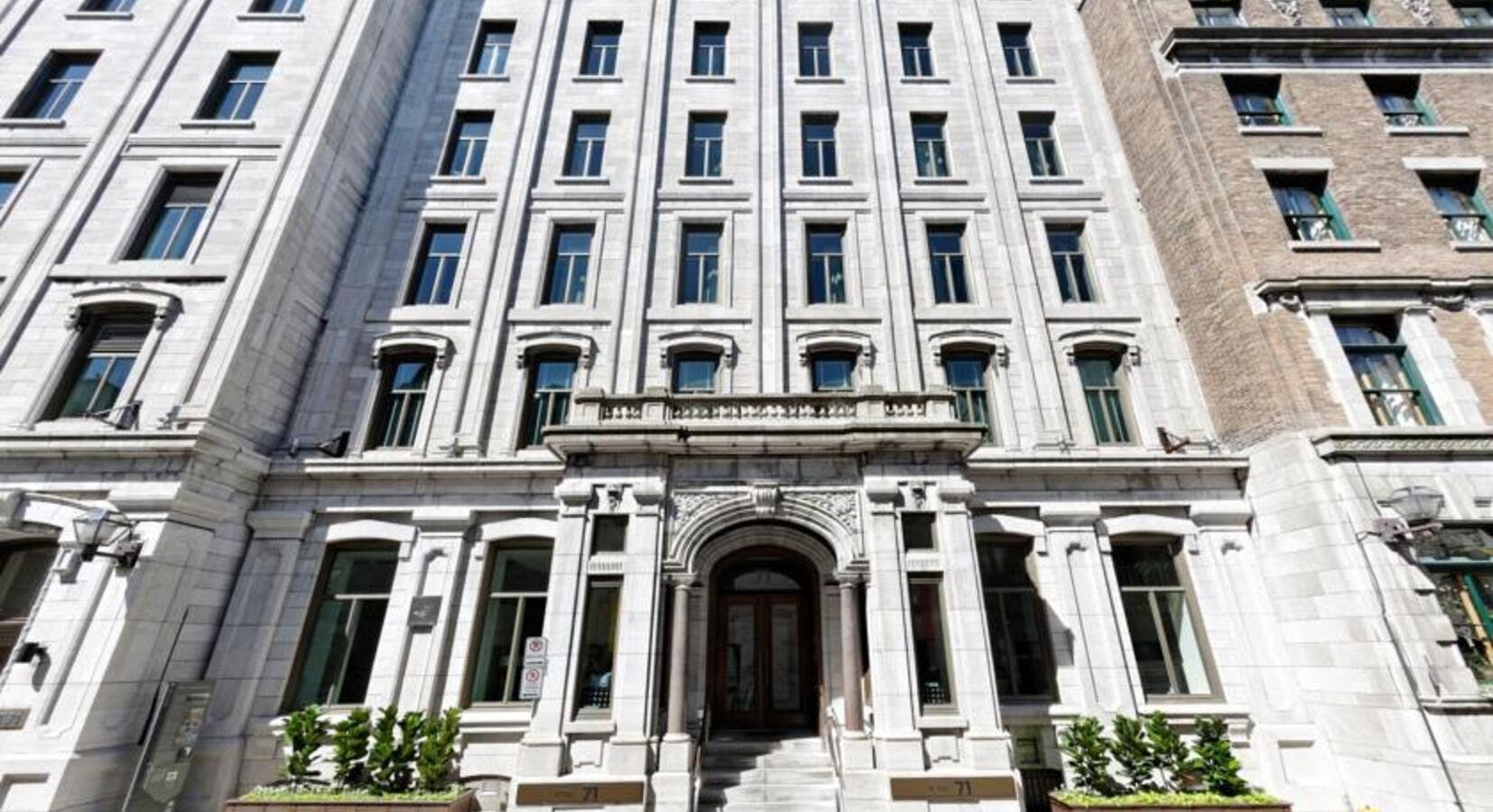
Check Hotel 71 first if the priority is staying in Québec with less emphasis on a destination-hotel feel. It is the cleaner fallback for a practical city stay.
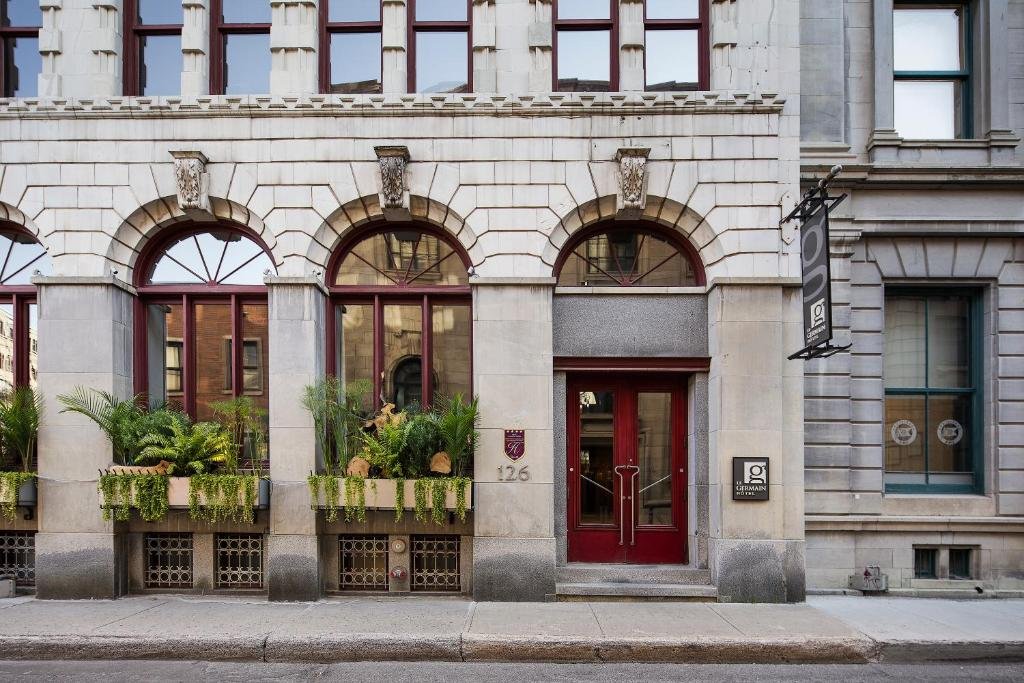
Choose Hôtel Le Germain Québec if the trip leans business or if a more contemporary, polished stay matters more than heritage atmosphere.
Hotel context
How it compares in Québec
Auberge Saint-Antoine is the stronger pick when the hotel itself needs to feel like part of the Québec City trip. Against Hotel 71 and Hôtel Le Germain Québec, it has the heavier recognition profile: MICHELIN Guide Hotels 2 Keys, Relais & Châteaux, Forbes Recommended, Star Wine List. Those signals make it easier to justify for leisure travelers who care about atmosphere, service credibility, wine.
Fairmont Le Château Frontenac is the better choice if the goal is a landmark stay with a grand-hotel feel. Auberge Saint-Antoine is a better fit for travelers who want something more intimate in the old-city context. Monsieur Jean, Hôtel Particulier is the more contemporary cross-shop, especially for guests who prefer a less traditional hotel mood.
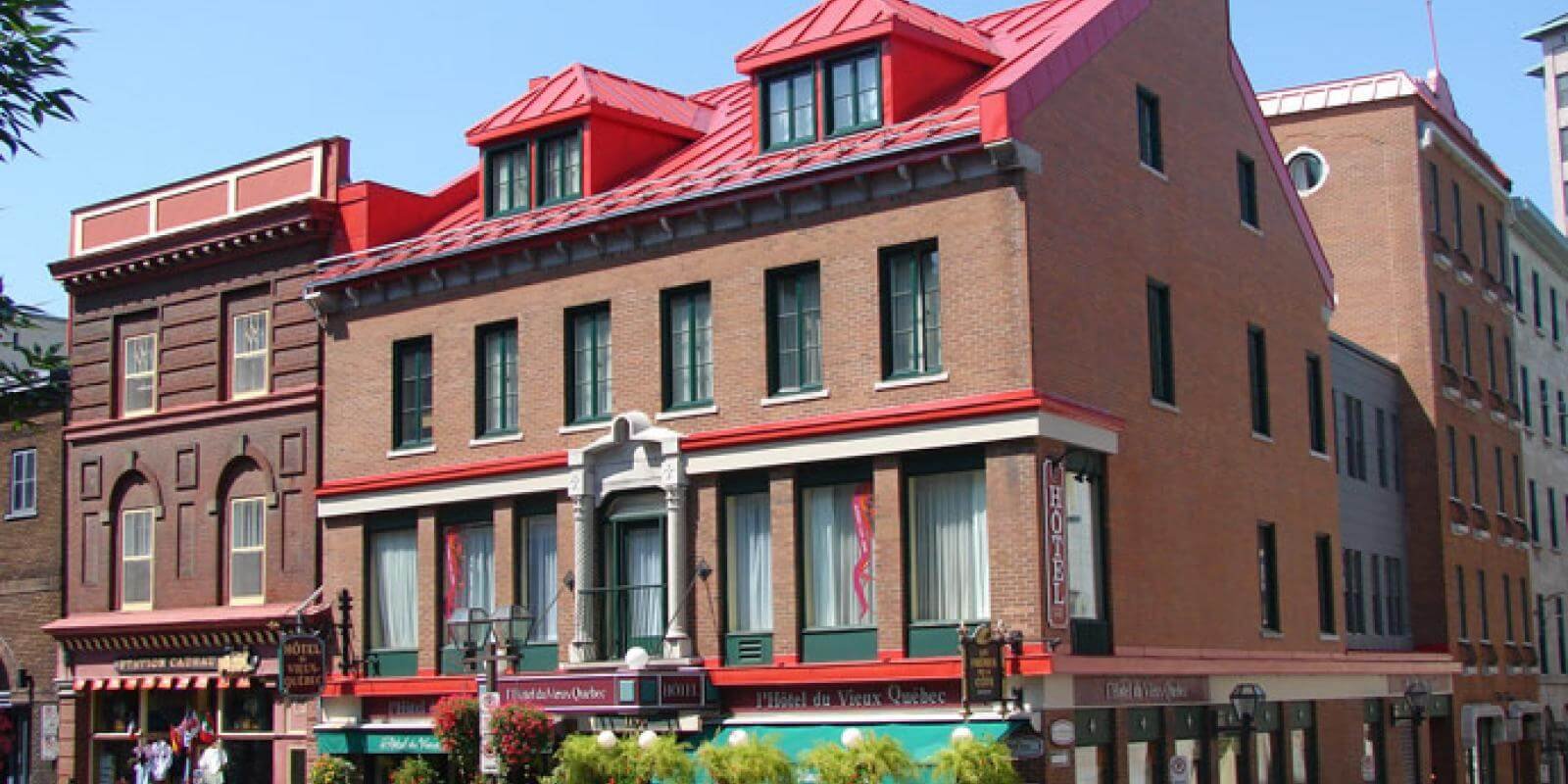
For value, Hôtel du Vieux-Québec is the one to check if the nightly rate here feels too high. For a business trip, Hotel 71 or Hôtel Le Germain Québec may be the cleaner choice. For a food-and-wine weekend or a stay where the address is part of the reason to travel, Auberge Saint-Antoine is the more convincing splurge.
Explore Québec
Around this place
Discover more on Pearl
Unlock the full Auberge Saint-Antoine guide in Pearl, including awards, comparisons, FAQs, planning details, and nearby places.
Compare Auberge Saint-Antoine
| Venue | Location | Awards |
|---|---|---|
| Auberge Saint-Antoine | Québec | 2026 Forbes Recommended2026 Virtuoso Luxury Hotel CollectionStar Wine Lists 20262026 La Liste Top Hotels2026 Relais Chateaux HotelsMichelin 2 Keys 20252025 Forbes Recommended2025 Michelin 2 Keys2025 Relais Chateaux Award |
| Hotel 71 | Québec | 2025 Michelin Selected HotelsPreferred Hotels Member 2025 |
| Hôtel Le Germain Québec | Québec | No published awards |
| Fairmont Le Château Frontenac | Quebec City | 100 Most Incredible Hotels in the World · 20262026 Virtuoso Luxury Hotel CollectionStar Wine Lists 20262026 La Liste Top Hotels2025 Michelin 1 Key |
| Monsieur Jean, Hôtel Particulier | Quebec City | Small Luxury Hotels Member 2025 |
| Hôtel du Vieux-Québec | Québec | No published awards |





How Auberge Saint-Antoine Québec compares with similar nearby venues.
FAQ
Frequently Asked Questions
Is Auberge Saint-Antoine good for business travel?
It can be considered for a Québec work trip if you want a premium hotel with confirmed recognition, including MICHELIN Guide, Hotels 2 Keys (2025) and Forbes Recommended (2026). Specific business facilities or meeting services are not verified here, so confirm those directly before booking.
How is the location of Auberge Saint-Antoine?
Auberge Saint-Antoine is in Québec. This guide does not verify a street address, neighborhood, or landmark-based location claim, so location-sensitive travelers should confirm the exact position directly before booking.
Which room category is best at Auberge Saint-Antoine?
No specific room categories, views, sizes, or layouts are verified here. Choose based on the current booking page, your budget, any details confirmed directly by the hotel.
Do loyalty programs work at Auberge Saint-Antoine?
No specific loyalty-program details are verified here. The confirmed draw is the hotel's recognition, including MICHELIN Guide, Hotels 2 Keys (2025), Relais Chateaux Award (2026), and Forbes Recommended (2026).
How does Auberge Saint-Antoine compare to nearby hotels?
Auberge Saint-Antoine is a strong comparison point if confirmed recognition matters. Hotel 71, Hôtel Le Germain Québec, Fairmont Le Château Frontenac, Monsieur Jean, Hôtel Particulier, Hôtel du Vieux-Québec are other Québec hotels to compare by rate, availability, preferred style.
How is the dining at Auberge Saint-Antoine?
The verified dining-related signal is Star Wine List (2026). Specific restaurant formats, menus, chefs, prices, or service details are not verified here, so confirm current dining information directly before planning around it.