




Augustine, A Luxury Collection Hotel
Mala Strana, Prague
Hotel in Prague, Czech Republic
 Book with Pearl
The Read
Monastic Conversion Hospitality
Why go
A strong Prague choice if Malá Strana is the right base for the trip. Augustine, A Luxury Collection Hotel suits special occasions, family stays, and business travel that benefits from a quieter luxury setting, with Michelin 1 Key, Forbes 4-Star, Virtuoso, La Liste, and Star Wine List recognition supporting the case.
About Augustine, A Luxury Collection Hotel
94.5 is the useful signal here: in Prague, Augustine, A Luxury Collection Hotel is a luxury-hotel choice with broad recognition rather than a page that can be judged by one single feature. The confirmed record includes Michelin 1 Key (2025), La Liste Top Hotels (2026) at 94.5pts, Forbes 4-Star (2026), Virtuoso Luxury Hotel Partner (2026), and Star Wine List (2026). Book it when those trust signals and the Prague setting fit your trip.
The confirmed information supports a direct verdict: Augustine is best evaluated as a recognized Prague luxury hotel, not through claims about a specific room, service style, neighborhood advantage, or dining format. The dress code is smart casual, which is useful to know for planning, but the data does not establish details such as room layouts, exact facilities, cuisine, prices, or hours.
A recognized Prague luxury-hotel choice
The right booking logic is to treat this as a high-end Prague stay and confirm the practical details that matter for your trip directly before committing. Travelers comparing room categories, views, family setup, business logistics, dining plans, or arrival timing should verify those specifics with the hotel, because they are not established in the record here.
Trust signals are unusually broad for a Prague hotel: Michelin 1 Key, Forbes 4-Star recognition, Virtuoso affiliation, La Liste hotel scoring, and Star Wine List recognition. Read that as a sign that Augustine has credible luxury-hotel recognition across multiple sources, not as a promise of any single feature. The safer recommendation is to book when the hotel itself and the Prague setting fit the trip.
How to compare it with Prague peers
Against Mandarin Oriental, Prague, Golden Well Hotel Prague, Aria Hotel Prague, Alchymist Grand Hotel & Spa, and Vintage Design Hotel Sax, Augustine should be compared on the specific needs of your stay: loyalty preferences, room requirements, budget, atmosphere, and the practical location within Prague. The facts here do not support ranking those hotels by service style, size, design, or dining strength.
For broader planning, compare Augustine with other Prague luxury-hotel options and confirm the details that matter most before booking. Use our full Prague hotels guide, then pair the stay with our full Prague restaurants guide and our full Prague bars guide.
Part of
Luxury Collection87 locations on PearlInside Augustine, A Luxury Collection Hotel
Planning details
- Location
- Letenská 12/33, Malá Strana, 118 00 Praha-Praha 1
- Website
- marriott.com/en-us/hotels/prglc-augustine-a-luxury-collection-hotel-prague/overview/?scid=f2ae0541-1279-4f24-b197-a979c79310b0
- Phone
- +420 266 112 233
The take
The Take
The Vibe
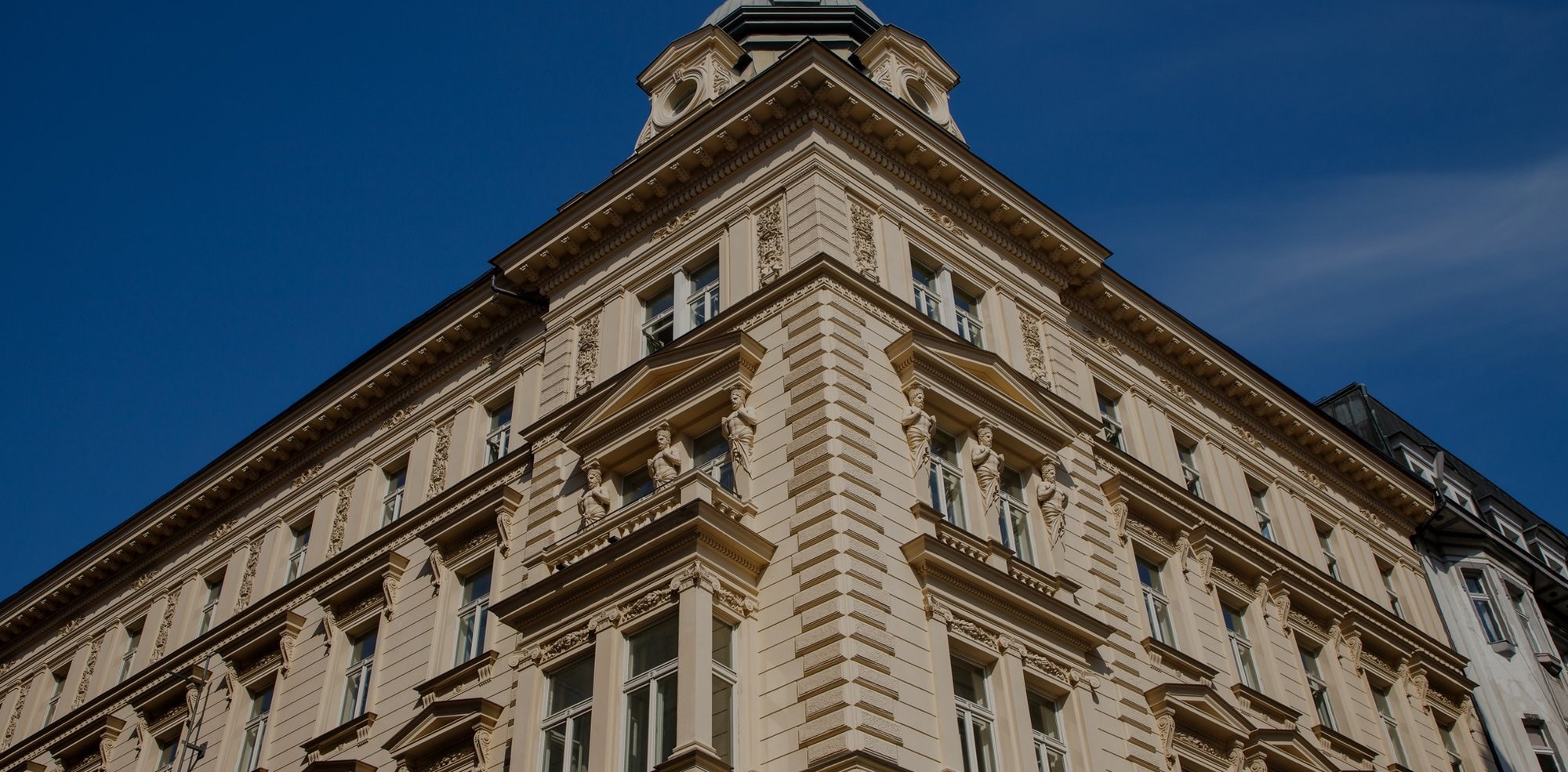
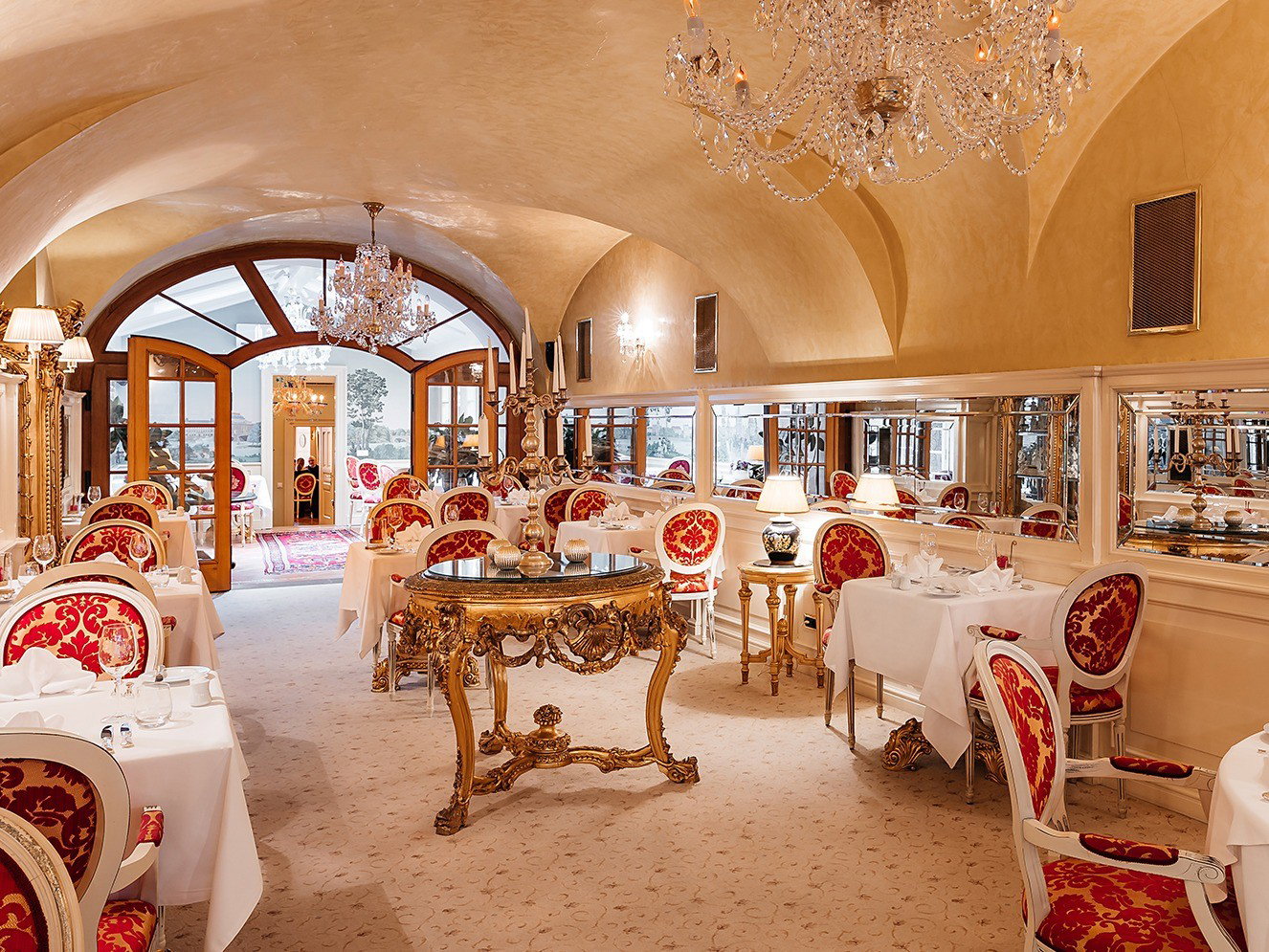
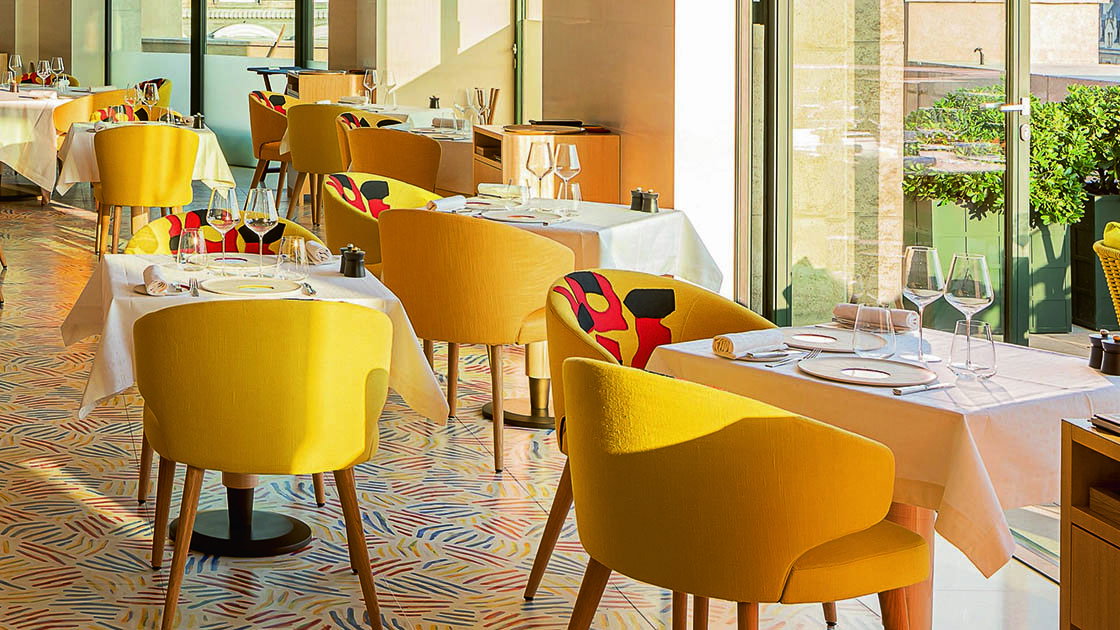
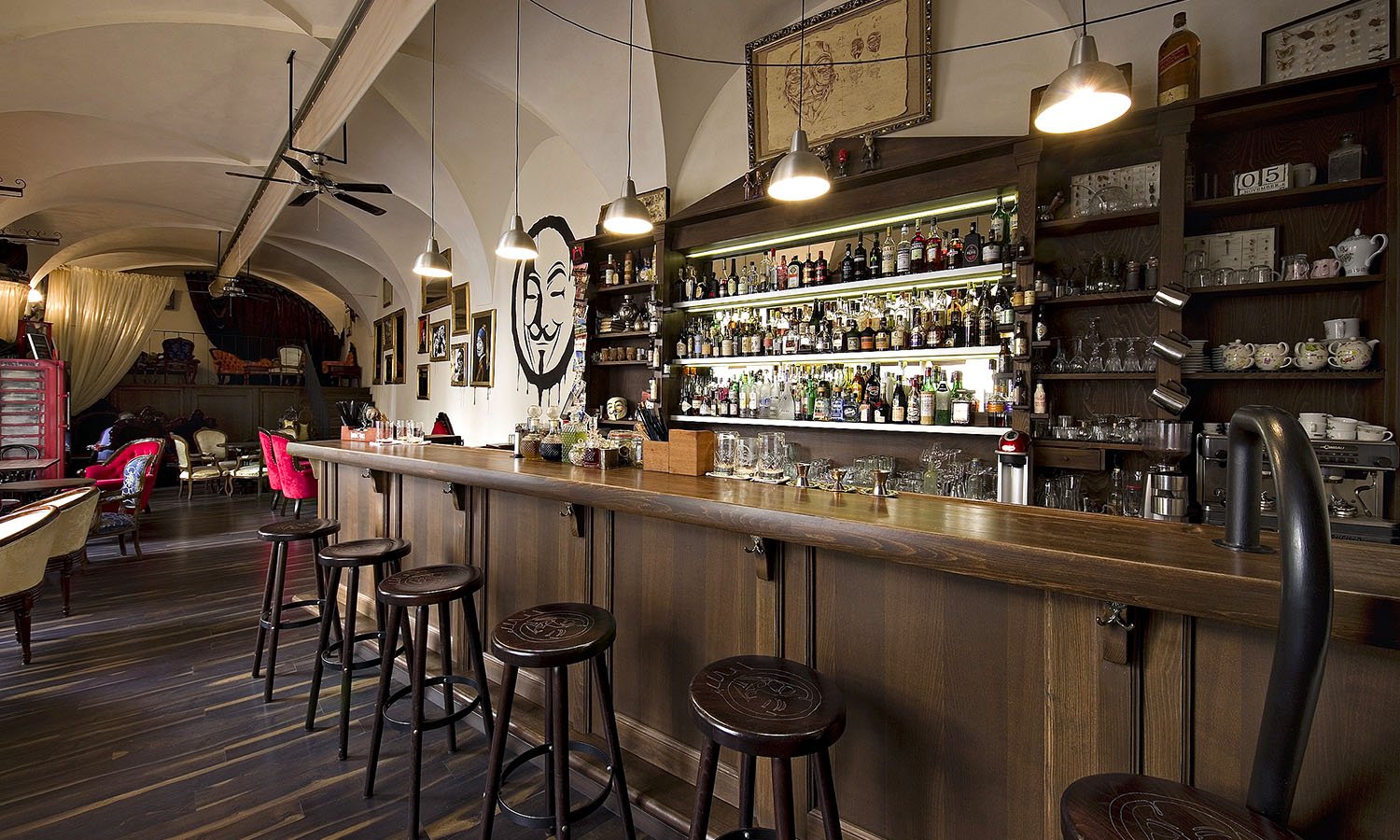
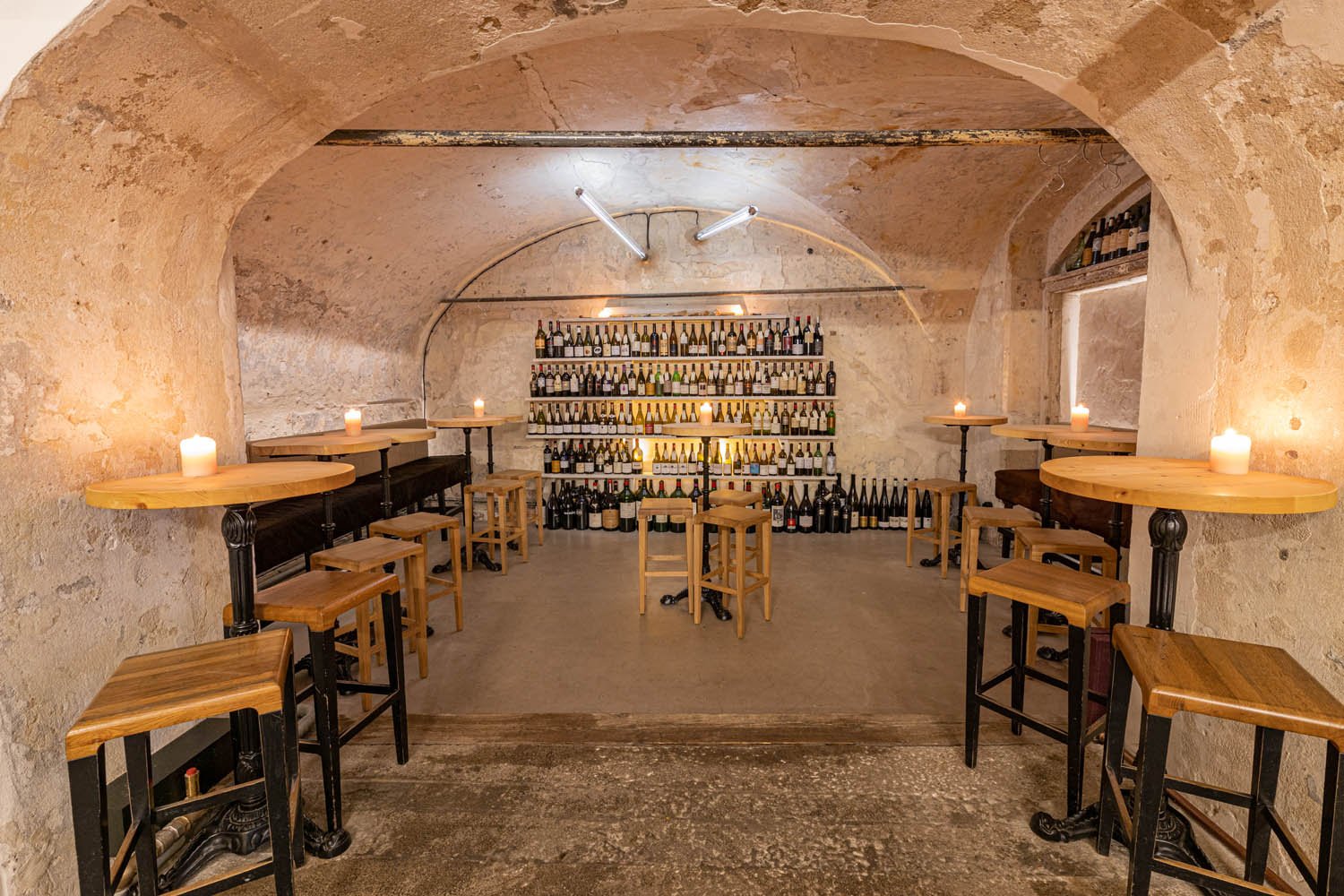
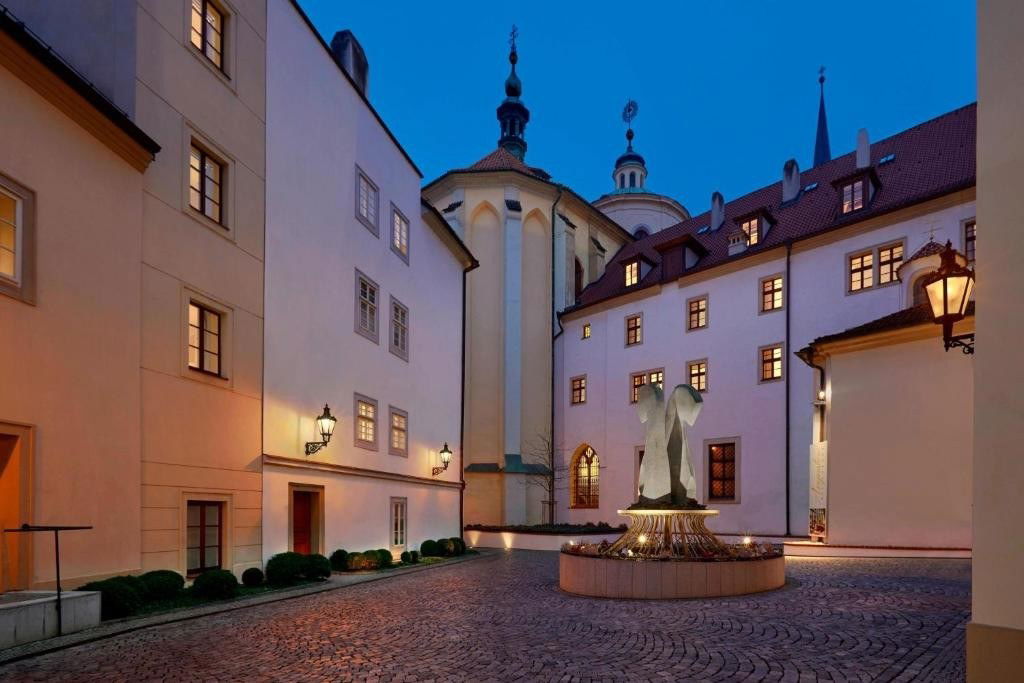
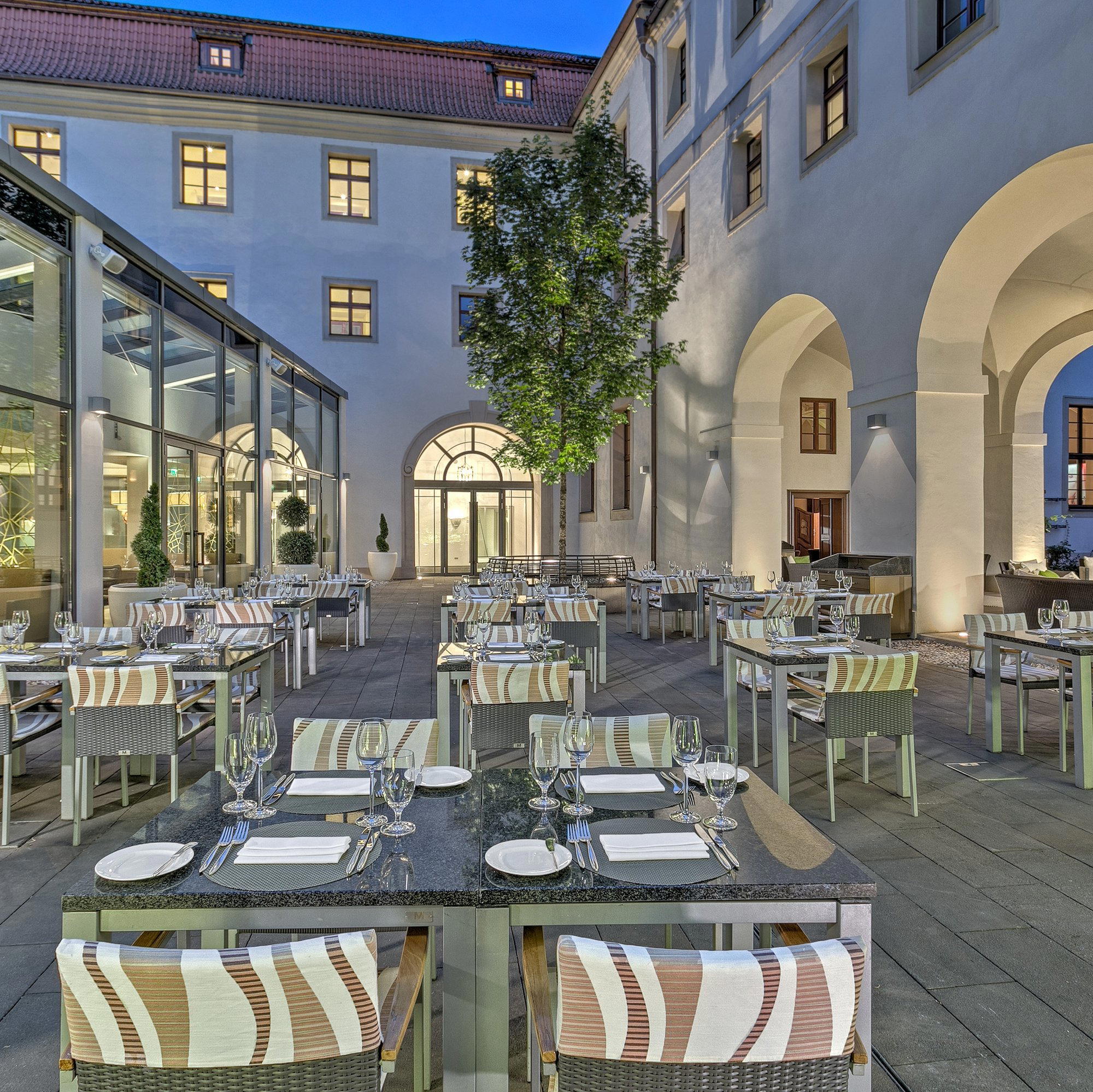
Augustine occupies a near-continuous Augustinian monastic complex and still houses a small community of monks, which gives the hotel an unmistakably historic character. The approach along Letenská is deliberately understated; once you pass through the gates the city’s ambient noise drops and the property unfolds around a quiet courtyard. The on-site historical library is described by guests as resembling a Gothic novel — dusty volumes and vaulted silence — and Olga Polizzi’s conversion layers ecclesiastical detailing, Baroque ornament and Czech Cubist furniture reproductions for a refined, quietly evocative atmosphere.
Best For
This is a hotel for travelers who care about history, architecture and calm. Guests interested in Prague’s monastic heritage and Baroque Malá Strana will appreciate access to the church and library, and the property’s restful courtyard makes it a good choice for anyone seeking a quieter base in the city. Design-minded visitors also benefit from the sensitive conservation and curated interiors. Augustine suits culturally focused stays and travelers who prefer contemplative luxury over riverfront bustle or high-energy city hotels.
Stay Tips
The hotel’s entrance is intentionally low-key — approach on Letenská street and pass through the gates to reach the courtyard. If the monastic experience matters to you, plan your visit around the Tuesday or Thursday tours of the monastery, church and historical library, which are led by monks; align your dates to attend those tours. At check-in, ask staff about tour times and access to the library. Expect a quieter, contemplative atmosphere rather than late-night hotel activity.
Venue details
Ambiance
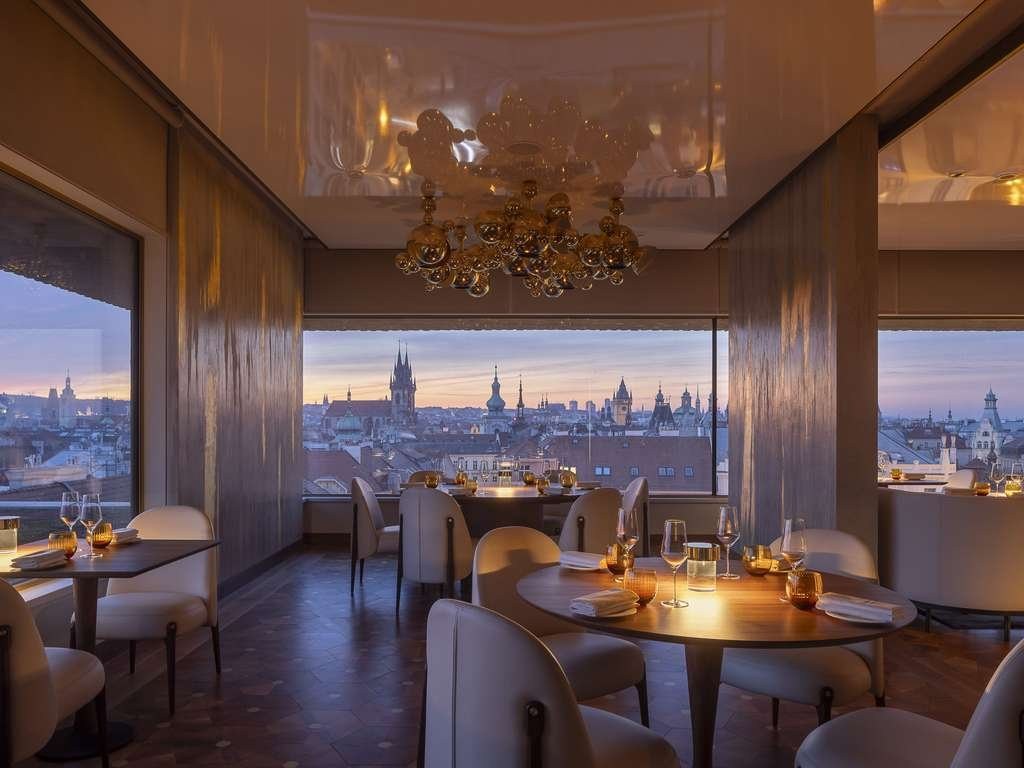
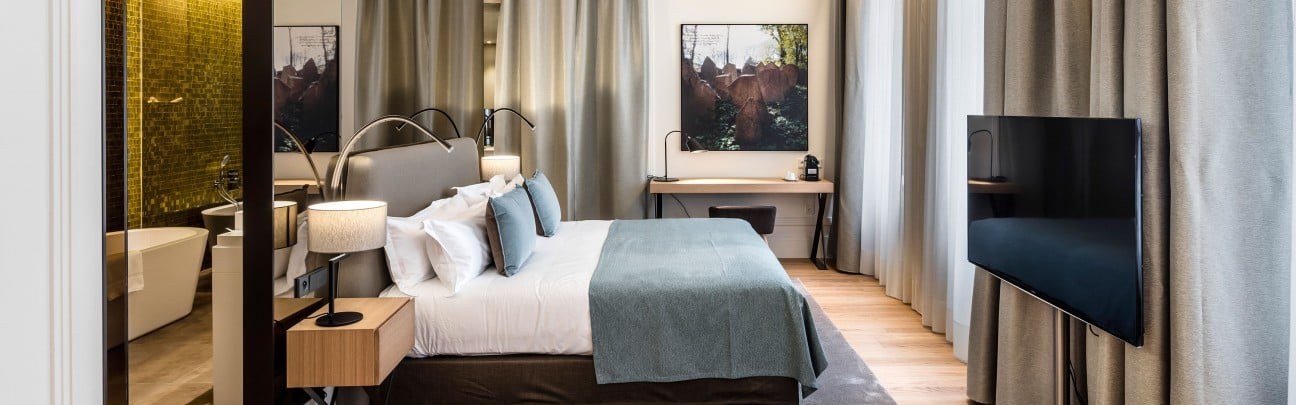
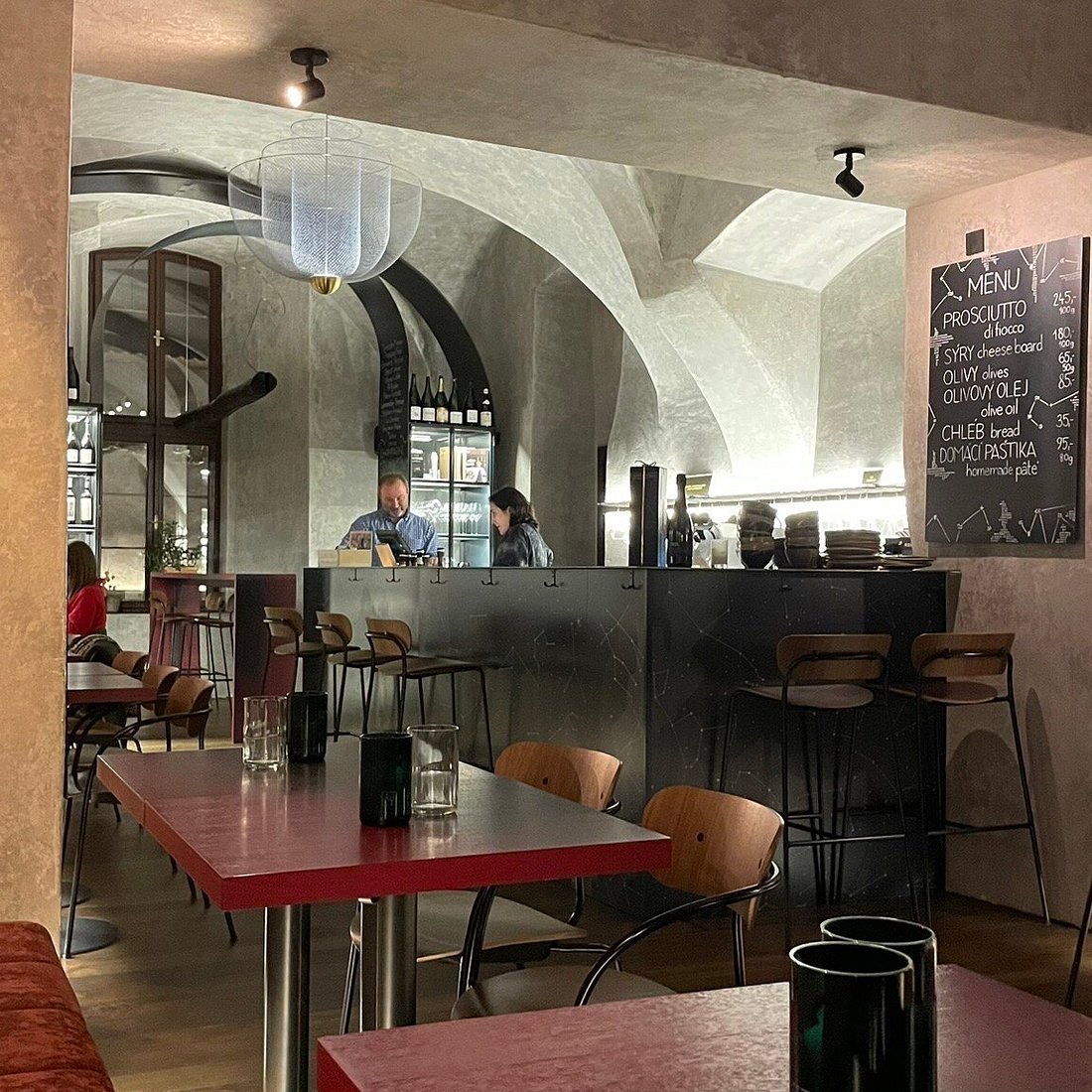
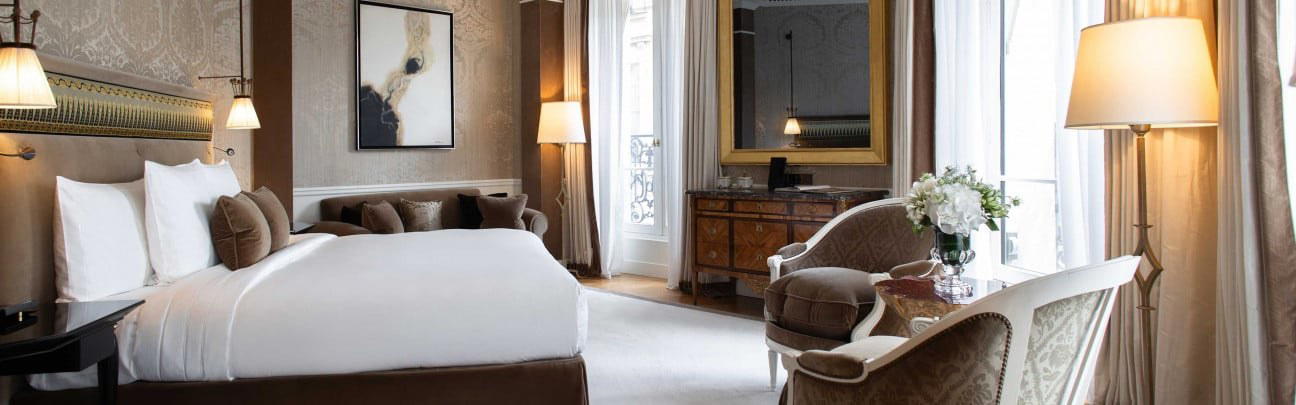
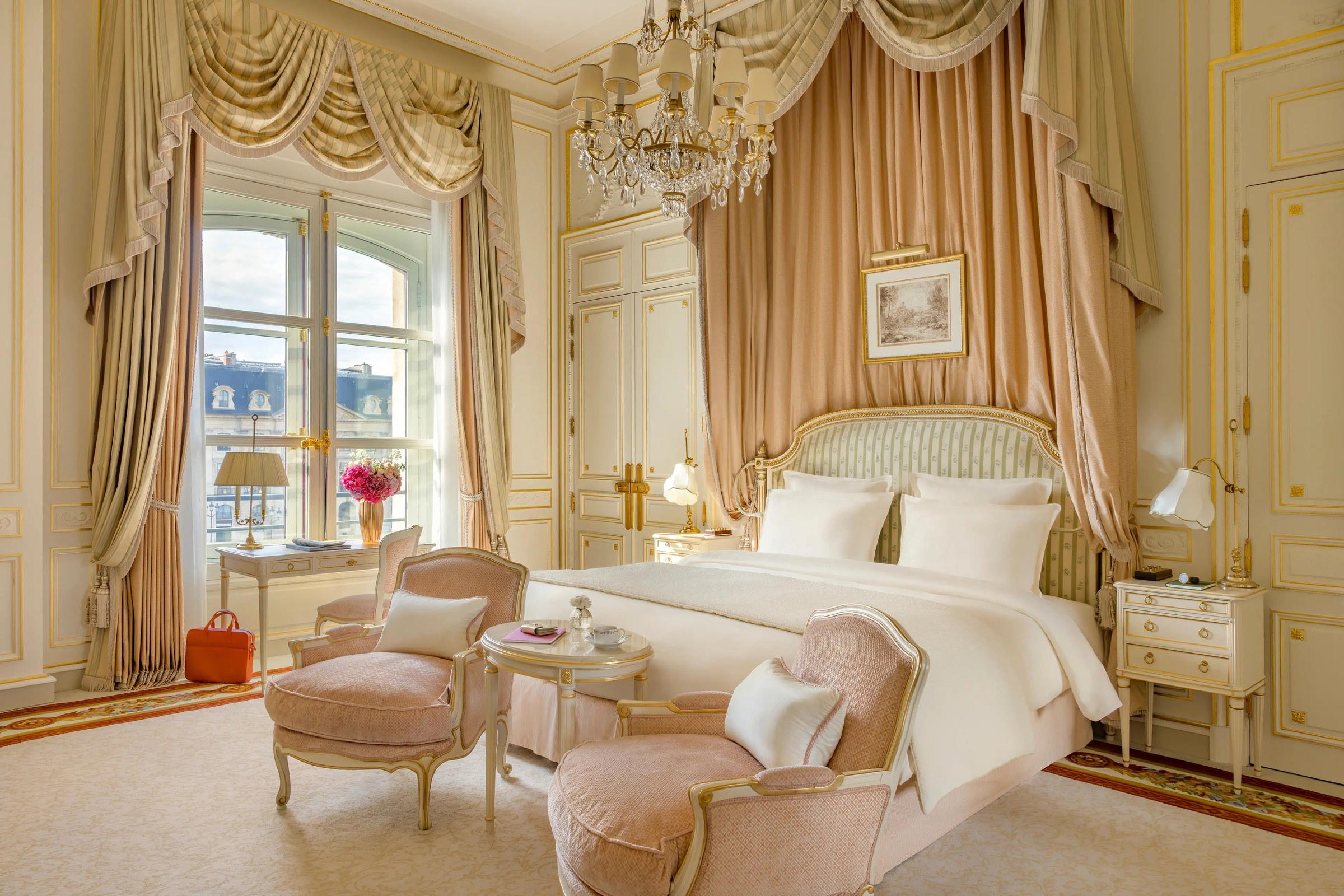
Sophisticated and elegant atmosphere blending monastic heritage with contemporary luxury, serene spa areas, and individually decorated rooms.
Tags
Vibe
Best For
Experience
Amenities
View
Accessibility
About the Stay
- Rooms
- 101
- Check-in
- 15:00
- Check-out
- 11:00
- Property Style
- Historic Luxury Monastery Conversion with Timeless Elegance
- Design Style
- Individually Furnished and Decorated Rooms Blending Heritage and Contemporary Sophistication
Know before you go
Know Before You Go
- Getting there
- Letenská 12/33, Malá Strana, 118 00 Praha-Praha 1
Planning details
Location
Letenská 12/33, Malá Strana, 118 00 Praha-Praha 1 · Directions
Recognition and awards




Also consider
Also Consider
- Golden Well Hotel Prague, Notable alternative
- Aria Hotel Prague, Notable alternative
- Alchymist Grand Hotel & Spa, Notable alternative
- Mandarin Oriental, Prague, Notable alternative
- Vintage Design Hotel Sax, Notable alternative
Hotel context
How It Compares
Choose Augustine, A Luxury Collection Hotel if the brief is a polished Malá Strana stay with major luxury-hotel recognition and Marriott connection. Mandarin Oriental, Prague is the closest serious cross-shop for travelers who want an international luxury feel in the same broad area; Augustine is the more practical pick for Marriott loyalists and guests who want a calmer celebration base.
Golden Well Hotel Prague is better for a smaller, more intimate Prague stay, especially for couples who care more about atmosphere than brand infrastructure. Aria Hotel Prague is the stronger choice for boutique personality, while Alchymist Grand Hotel & Spa leans more romantic and decorative.
If value matters more than service depth, Vintage Design Hotel Sax is the sensible fallback. For a hard-to-book luxury stay, Augustine is worth prioritizing when Malá Strana location, recognition, and a quieter mood are part of the reason for the trip.
Explore Prague
Around this place
Discover more on Pearl
Unlock the full Augustine, A Luxury Collection Hotel guide in Pearl, including awards, comparisons, FAQs, planning details, and nearby places.
Compare Augustine, A Luxury Collection Hotel
| Venue | Location | Awards |
|---|---|---|
| Augustine, A Luxury Collection Hotel | Prague | 2026 Virtuoso Luxury Hotel CollectionStar Wine Lists 20262026 Forbes 4-Star2026 La Liste Top HotelsMichelin 1 Key 20252025 Michelin 1 Key2025 Forbes 4-Star |
| Golden Well Hotel Prague | Prague | 2026 La Liste Top Hotels |
| Aria Hotel Prague | Prague | 2026 La Liste Top Hotels2025 Michelin Selected Hotels |
| Alchymist Grand Hotel & Spa | Prague | 2026 Forbes Recommended2026 La Liste Top HotelsWorld Travel Awards 20252025 Forbes RecommendedPreferred Hotels L.V.X. Collection 2025 |
| Mandarin Oriental, Prague | Prague | 2026 Forbes 4-Star2026 Virtuoso Luxury Hotel Collection2026 La Liste Top Hotels2025 Michelin Selected Hotels2025 Forbes 4-Star |
| Vintage Design Hotel Sax | Prague | No published awards |



How Augustine, A Luxury Collection Hotel Prague compares with similar nearby venues.
FAQ
Frequently Asked Questions
Is Augustine, A Luxury Collection Hotel family-friendly?
Augustine is a recognized luxury hotel in Prague, including Michelin 1 Key (2025), but the data here does not establish specific family facilities, room configurations, or services for children. If you are planning a mixed-age trip, confirm room setup and practical details directly before booking. Aria Hotel Prague is another Prague option to compare.
Which room category is best at Augustine, A Luxury Collection Hotel?
The data does not identify a best room category at Augustine, A Luxury Collection Hotel. Choose based on the space, quiet, view, and configuration you need, and confirm those details directly with the hotel before booking.
When is the best time to book Augustine, A Luxury Collection Hotel?
The data does not establish booking windows, peak-demand patterns, or availability rules for Augustine, A Luxury Collection Hotel. Because it is a recognized luxury hotel in Prague, it is sensible to book once your dates and room needs are clear. Mandarin Oriental, Prague can be a useful comparison if you are weighing other luxury-hotel options in the city.
How is the location of Augustine, A Luxury Collection Hotel?
Augustine, A Luxury Collection Hotel is in Prague. The data here does not support a more specific location description, street address, neighborhood claim, or landmark-based positioning. Golden Well Hotel Prague is another Prague hotel to compare when choosing the right base.
How is the dining at Augustine, A Luxury Collection Hotel?
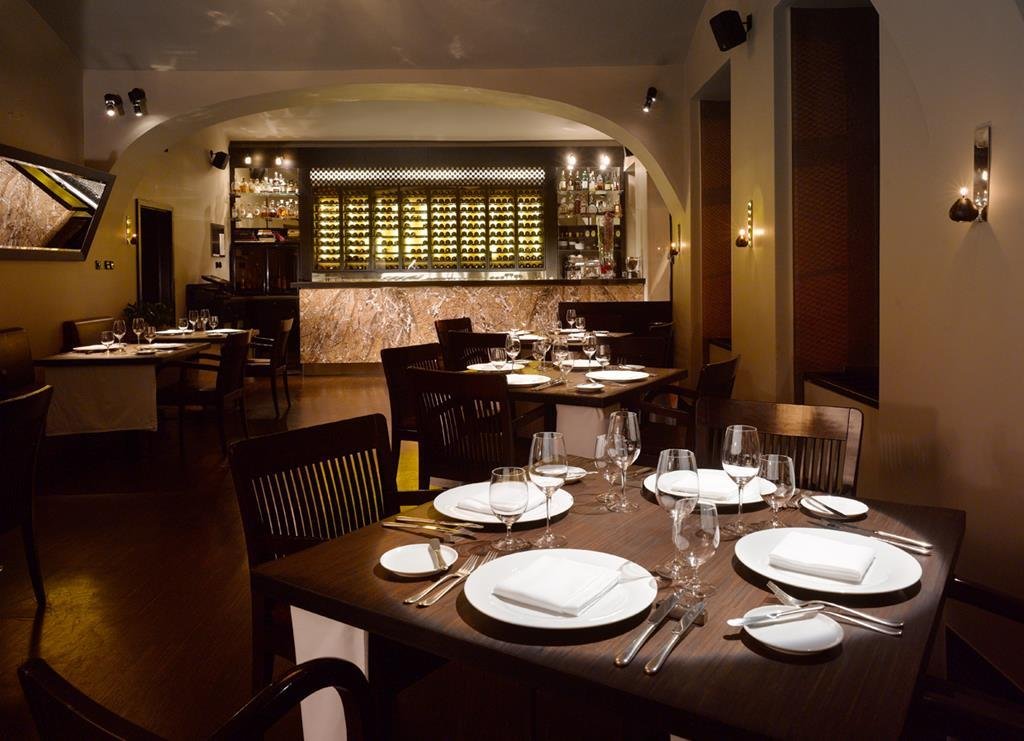
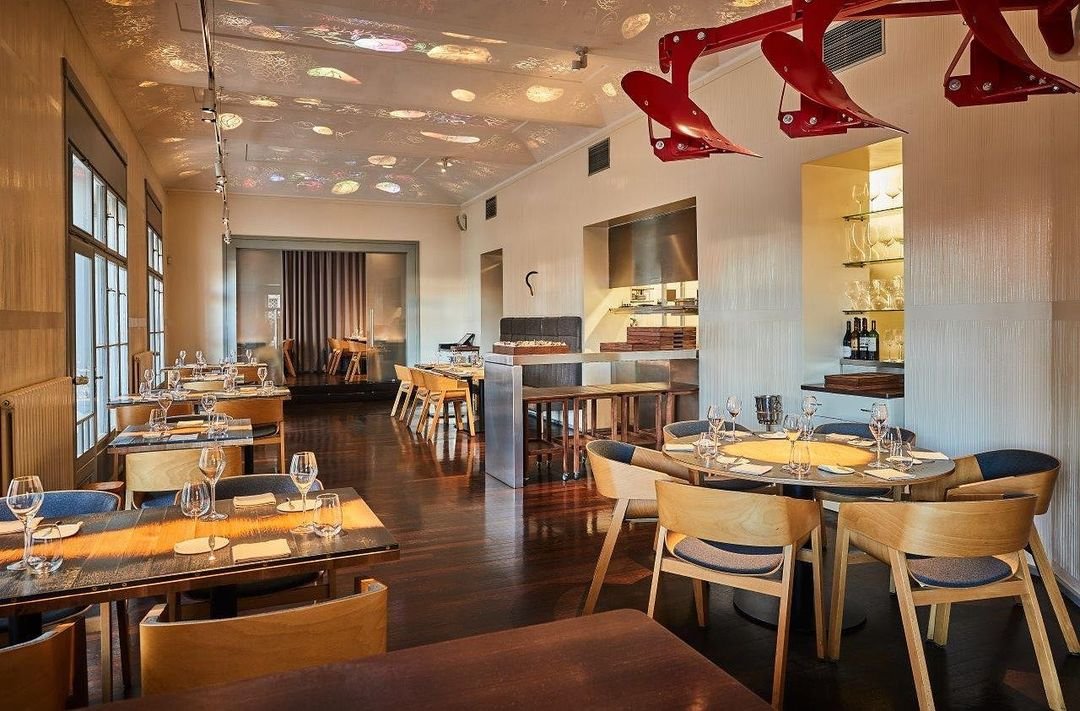
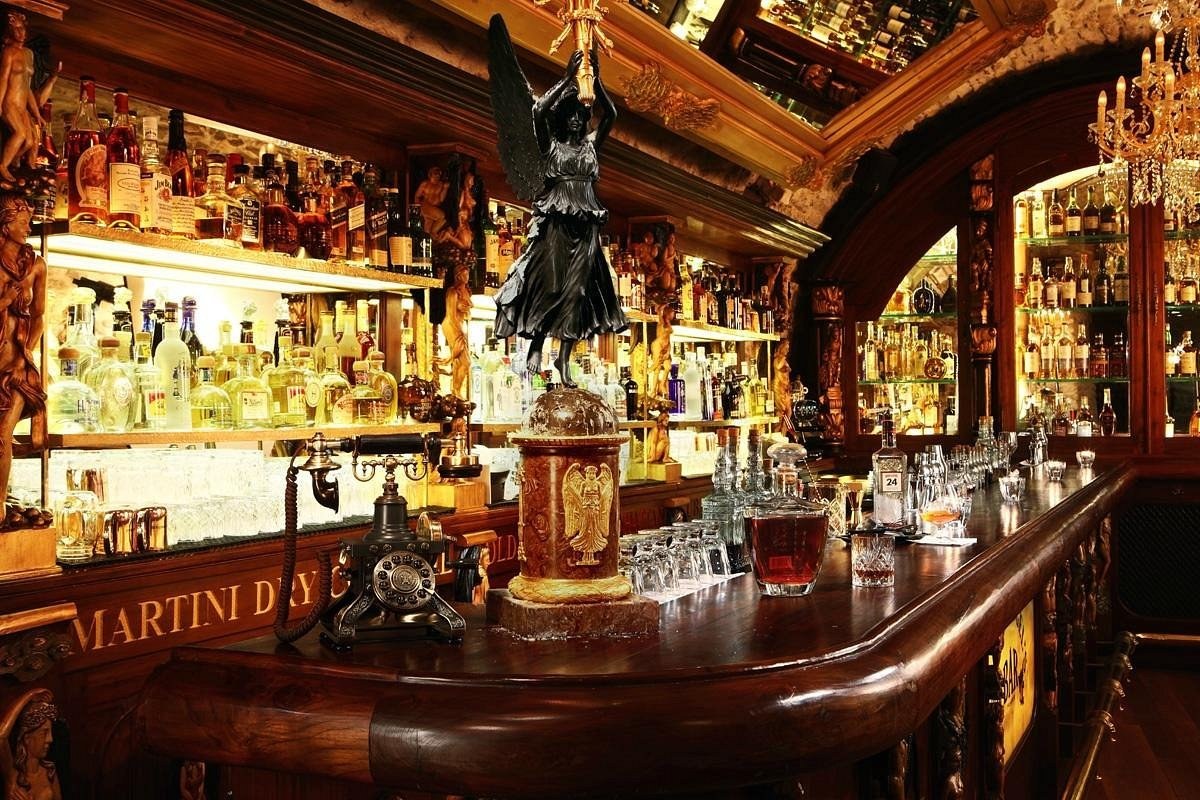
The data confirms Star Wine List (2026) recognition, but it does not establish cuisine, menus, meal periods, prices, or a specific dining format at Augustine, A Luxury Collection Hotel. Treat dining details as something to confirm directly before booking or planning an on-site meal. Vintage Design Hotel Sax is another Prague hotel to consider when comparing stays.
How does Augustine, A Luxury Collection Hotel compare to Prague hotels?
Augustine has recognition: Michelin 1 Key (2025), La Liste Top Hotels (2026) at 94.5pts, Forbes 4-Star (2026), Virtuoso Luxury Hotel Partner (2026), and Star Wine List (2026). Compare it with Mandarin Oriental, Prague, Alchymist Grand Hotel & Spa, Aria Hotel Prague, Golden Well Hotel Prague, and Vintage Design Hotel Sax based on your dates, room needs, budget, and preferred style of stay.
Is Augustine, A Luxury Collection Hotel good for business travel?
Augustine is a luxury hotel in Prague with credible recognition, including Forbes 4-Star (2026). The data does not establish meeting facilities, workspace details, corporate services, or commute advantages, so business travelers should confirm those specifics before booking. Vintage Design Hotel Sax is another Prague option to compare.