



Amanzoe
Porto Heli
Hotel in Porto Heli, Greece
 Book with Pearl
The Read
Hilltop Pavilion Seclusion
Why go
Book Amanzoe if the trip is built around privacy, space, and a resort-led stay in Porto Heli. Its Michelin 2 Keys, La Liste 2026 score, Virtuoso status, and Mr & Mrs Smith approval support the premium positioning, but the value depends on using the room and property rather than treating it as a simple base.
About Amanzoe
Amanzoe is a luxury hotel in Porto Heli with a smart-casual dress code and several recognitions. Its accolades include Michelin 2 Keys in 2025, La Liste Top Hotels 2026 with 92.5 points, Virtuoso Luxury Hotel Partner status for 2026, and a Mr & Mrs Smith Seal of Approval for 2026.
Specific details such as room categories, dining formats, prices, facilities, opening periods, and service inclusions should be confirmed directly with the hotel before booking.
Book with the confirmed essentials in mind
Amanzoe is in Porto Heli. Beyond that city-level location, no more specific address detail is included here. Travelers comparing hotels should focus on whether Amanzoe's luxury recognition and smart-casual positioning match the tone of the stay they want.
The strongest reason to shortlist Amanzoe is its recognition set. Michelin 2 Keys in 2025 places it among hotels recognized by Michelin, while La Liste, Virtuoso, and Mr & Mrs Smith recognition support its luxury-hotel profile. Those signals are useful, but they do not replace checking current rates, room details, and policies directly.
The room decision should match hotel information
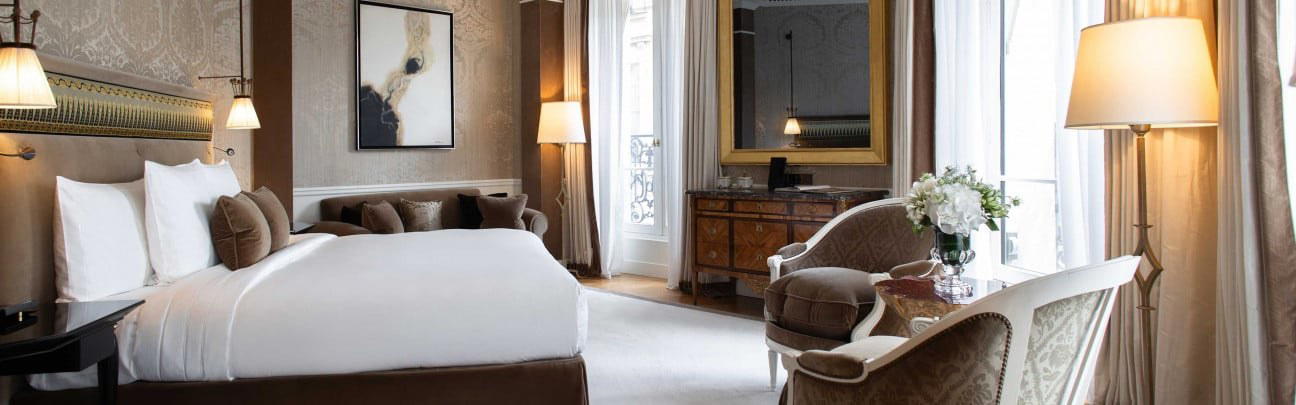
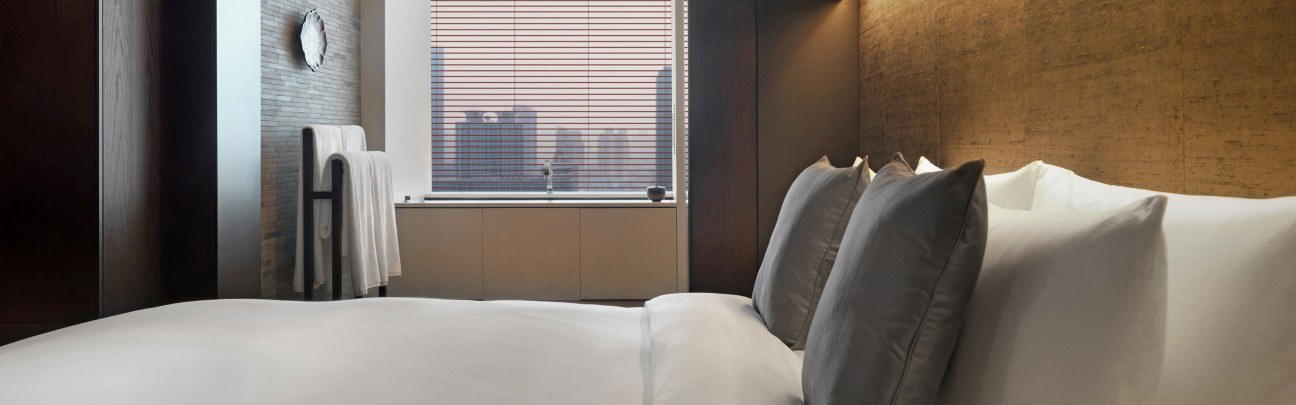
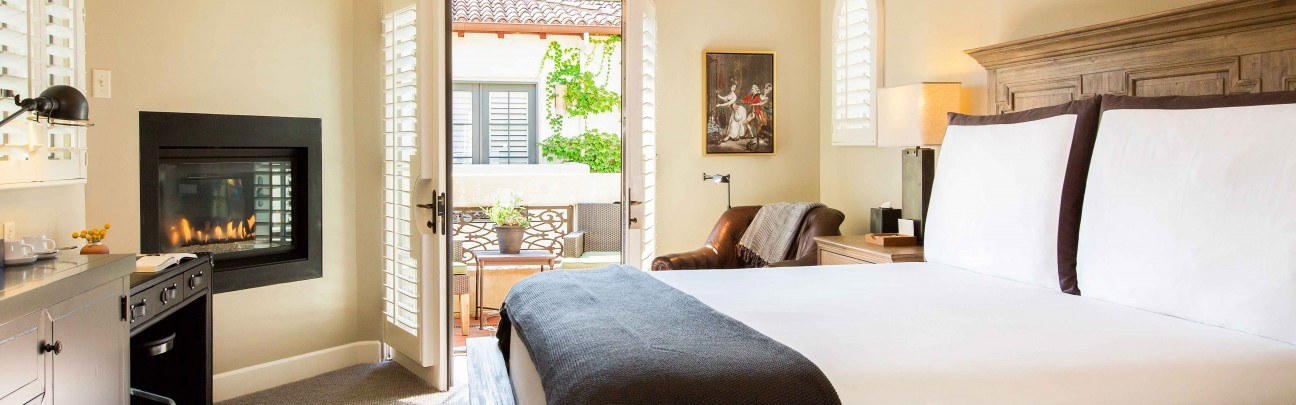
No room-category list, room size, view type, or price information is available. For that reason, this guide should not recommend a specific category or claim that one room type is better value than another.
Before committing, confirm the current room options, inclusions, cancellation terms, and any stay requirements with Amanzoe or your booking advisor. The facts support Amanzoe as a highly recognized hotel in Porto Heli, but the practical fit depends on current details not listed here.
Use peers to decide whether the premium is doing enough work
If the priority is the broader Porto Heli hotel search, start with the full Porto Heli hotels guide and compare Amanzoe with other relevant luxury options. For a wider benchmark set, travelers may also compare it with Euphoria Retreat, Four Seasons Astir Palace Hotel Athens, La Villa de Madeleine, Mandraki Beach Resort, and Poseidonion Grand Hotel Spetses, while keeping in mind that not every comparison is a Porto Heli stay.
For dining-led planning, use the Porto Heli restaurants guide and confirm current restaurant details separately. This Amanzoe page verifies hotel recognition and dress code only; it does not confirm a specific dining program, bar program, cuisine, or meal service.
Part of
Aman46 locations on PearlPlanning details
- Location
- Agios Panteleimonas,Kranidi,213 00, Kranidi 213 00
- Website
- aman.com/resorts/amanzoe?y_source=1_MTU3MDczODEtNzE1LWxvY2F0aW9uLndlYnNpdGU%3D
- Phone
- +30 2754 772888
The take
The Take
The Vibe
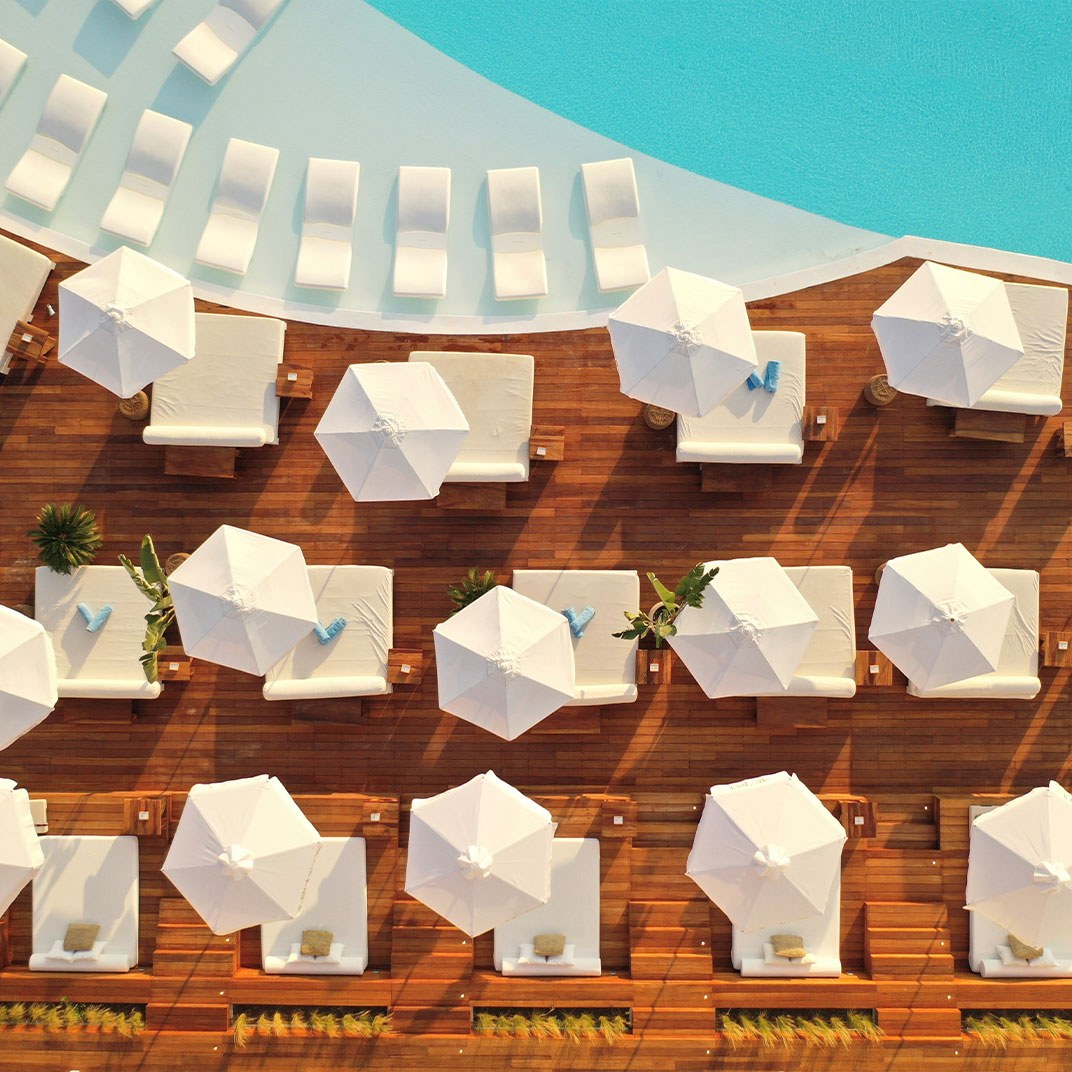
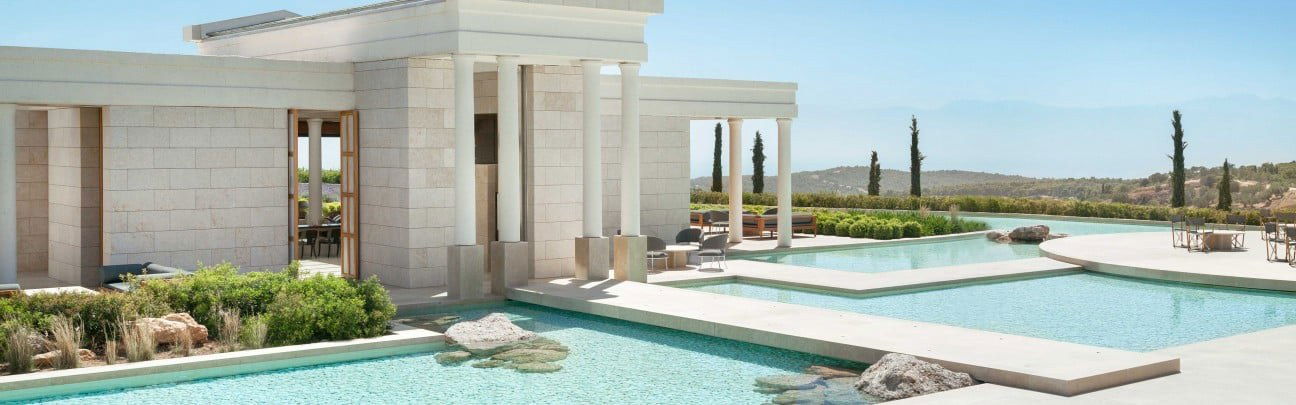
Amanzoe reads as a classical, quietly staged resort where architecture is the organizing principle. The compound settles on a hilltop plateau of pale stone and colonnaded pergolas, with a long reflective pool that frames sightlines down to the Argosaronic Gulf. The design deliberately references Doric proportion and mainland Hellenic form, producing a restrained and measured luxury that favors composition over ornament. A meditative sensibility threads through the property—marble porte-cochere, olive groves and distant islands combine to create a serene, formally elegant atmosphere that feels at once austere and deeply site-specific.
Best For
Amanzoe is ideally suited to intimate, restorative stays—think honeymooners, couples on anniversary trips and guests seeking a wellness-focused escape. The hilltop setting and ubiquitous sea views lend themselves to quiet moments and scenic relaxation rather than high-energy nightlife. Its architectural framing and refined program position it for weekend escapes where the priority is restorative privacy, considered design and uninterrupted vistas. The resort’s upper-tier recognition underscores that this is a destination for travelers who want a composed, luxurious retreat focused on place and presence.
Stay Tips
Book well in advance: Amanzoe’s design-led lodging and limited pavilion inventory reward early reservations, especially in high season. When securing a stay, request accommodations oriented toward the reflection pool or seaward sightlines to maximize the framed views described throughout the property. Given the resort’s emphasis on architecture and tranquility, plan downtime into your itinerary—allow for poolside or terrace time to experience the intended spatial composition. For special occasions, confirm any package or timing details directly with the resort to ensure preferred accommodations and outlooks.
Venue details
Ambiance
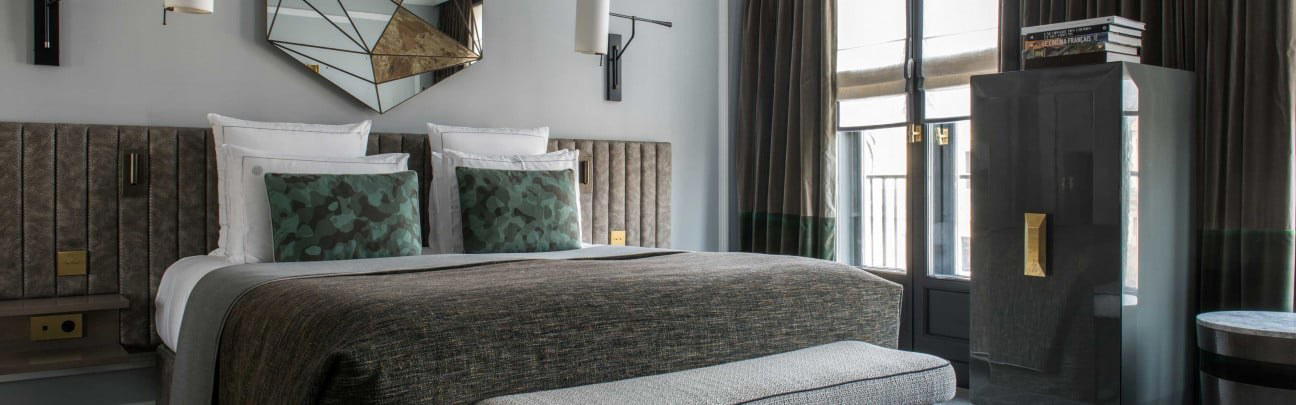
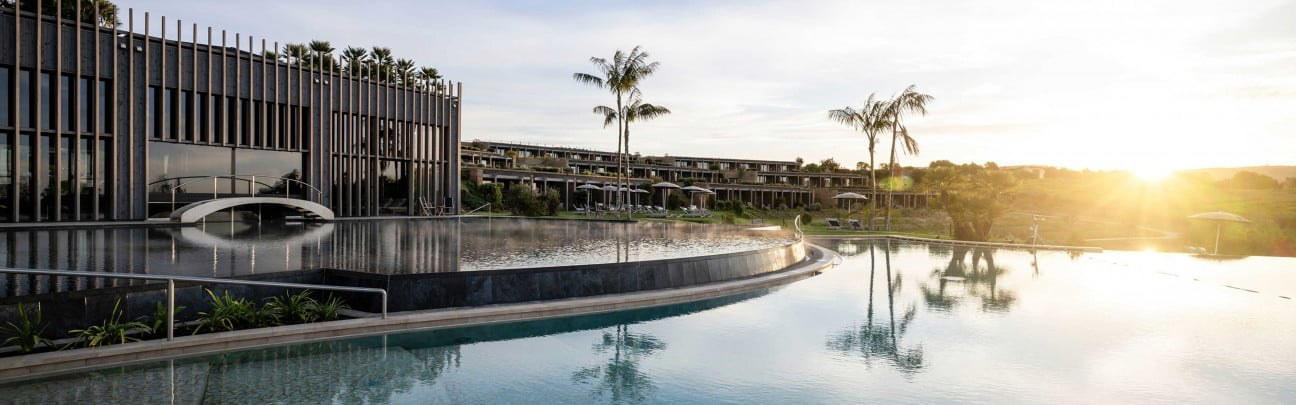
Tranquil and peaceful with minimalist, light-filled spaces, stunning sea views, and a serene atmosphere praised for its quiet luxury and impeccable service.
Tags
Vibe
Best For
Experience
Amenities
View
About the Stay
- Rooms
- 38
- Property Style
- Contemporary Classical Greek Temple Inspired Architecture with Freestanding Pavilions and Villas
- Design Style
- Minimalist Luxury with Neutral Palettes, Marble Floors, and Seamless Indoor Outdoor Flow
Know before you go
Know Before You Go
- Getting there
- Agios Panteleimonas,Kranidi,213 00, Kranidi 213 00
Planning details
Location
Agios Panteleimonas,Kranidi,213 00, Kranidi 213 00 · Directions
aman.com/resorts/amanzoe?y_source=1_MTU3MDczODEtNzE1LWxvY2F0aW9uLndlYnNpdGU%3D



Also consider
Also Consider
- Poseidonion Grand Hotel Spetses, Notable alternative
- Mandraki Beach Resort, Notable alternative
- La Villa de Madeleine, Notable alternative
- Euphoria Retreat, Notable alternative
- Four Seasons Astir Palace Hotel Athens, Notable alternative
Hotel context
How Amanzoe compares with nearby luxury hotels
Amanzoe is the strongest choice here for a high-privacy resort stay where the hotel is the center of the trip. Poseidonion Grand Hotel Spetses is the better fit if the reader wants a more town-connected island hotel feel, while Mandraki Beach Resort makes more sense for a softer beach-resort mood. Choose Amanzoe when quiet, space, and luxury-hotel recognition matter more than being close to a denser social scene.
La Villa de Madeleine reads as the smaller-scale alternative for travelers who do not need the full Aman resort frame. Euphoria Retreat is the stronger cross-shop if wellness is the main reason for traveling, not Porto Heli specifically. Amanzoe wins for a polished Peloponnese resort stay; Euphoria is the cleaner pick for a retreat-first itinerary.
Four Seasons Astir Palace Hotel Athens is the safer option for travelers who want luxury with easier city access and a broader Athens Riviera setting. Amanzoe is harder to treat casually and should be booked earlier, especially for peak holiday periods. If the trip needs convenience, choose Four Seasons Astir Palace; if the trip is meant to feel removed from the city, Amanzoe is the more convincing splurge.
Explore Porto Heli
Around this place
Discover more on Pearl
Unlock the full Amanzoe guide in Pearl, including awards, comparisons, FAQs, planning details, and nearby places.
Compare Amanzoe
| Venue | Location | Awards |
|---|---|---|
| Amanzoe | Porto Heli | 2026 Virtuoso Luxury Hotel Collection2026 Mr & Mrs Smith Luxury Hotels2026 La Liste Top Hotels2025 Michelin 2 KeysMichelin 2 Keys 2025Aman Hotels |
| Poseidonion Grand Hotel Spetses | Spetses | No published awards |
| Mandraki Beach Resort | Hydra | No published awards |
| La Villa de Madeleine | Arcadia | No published awards |
| Euphoria Retreat | Mystras | 2026 Virtuoso Luxury Hotel CollectionMichelin 1 Key 20252025 Michelin 1 KeySmall Luxury Hotels Member 2025 |
| Four Seasons Astir Palace Hotel Athens | Athens | 2026 World’s 50 Best Hotels 1-50 · #272026 Virtuoso Luxury Hotel Collection2026 Forbes 5-StarStar Wine Lists 20262026 Vogue Best Hotels in AthensConde Nast Gold List 20262026 La Liste Top Hotels2025 World’s 50 Best Hotels · #172025 Forbes 5-Star |








How Amanzoe Porto Heli compares with similar nearby venues.
FAQ
Frequently Asked Questions
How is the location of Amanzoe?
Amanzoe is in Porto Heli. No more specific address detail is included here, so confirm exact arrival and transfer information directly with the hotel before travel.
Is Amanzoe good for business travel?
Business facilities, meeting-room details, work amenities, and corporate services are not listed here. It is best to confirm those details directly with Amanzoe before booking a business stay.
Which room category is best at Amanzoe?
No room-category details are available here. Ask Amanzoe or your booking advisor for the current room list, inclusions, views, and pricing before choosing a category.
When is the best time to book Amanzoe?
How does Amanzoe compare to other hotels?
Amanzoe can be compared with other luxury options such as Euphoria Retreat, Four Seasons Astir Palace Hotel Athens, La Villa de Madeleine, Mandraki Beach Resort, and Poseidonion Grand Hotel Spetses. The most grounded comparison point here is Amanzoe's recognition: Michelin 2 Keys in 2025, La Liste Top Hotels 2026 with 92.5 points, Virtuoso Luxury Hotel Partner status for 2026, and a Mr & Mrs Smith Seal of Approval for 2026.