
Parador de Pontevedra
Pontevedra Old Town, Pontevedra
Hotel in Pontevedra, Spain
 Book with Pearl
Why go
Parador de Pontevedra is worth considering if the main goal is a central, heritage-led stay in Pontevedra rather than a resort-style hotel. The strongest reason to book is location: it suits first-timers, couples, solo travelers, and business guests who want the city within easy reach on foot.
About Parador de Pontevedra
Parador de Pontevedra is a hotel in Pontevedra that carries a MICHELIN Guide Hotels Selected recognition for 2025, with a smart casual dress code.
That makes the appeal primarily one of confidence and fit. If you want a Pontevedra hotel with a MICHELIN hotel-selection signal, Parador de Pontevedra belongs on the shortlist. Beyond that, specific claims about cuisine, room count, amenities, service style, or neighborhood should be checked directly with the property before booking.
Book for a Pontevedra hotel choice
The decision is simple: choose it if you want to stay in Pontevedra and value the reassurance of a MICHELIN Guide Hotels Selected listing. Details about resort facilities, dining format, prices, room features, or a precise address are not available, so check directly with the property.
Travelers comparing hotel styles should also look at other named options such as Attica21 Vigo, Casa Beatnik Hotel, Gran Hotel Nagari Boutique & Spa, Pepe Vieira Restaurant & Hotel, and Villa Boutique 1880. Use our full Pontevedra hotels guide if the hotel is the main decision, and pair it with our full Pontevedra restaurants guide if dinner plans matter as much as the room.
Who should choose it first
This is a sensible first look for travelers who specifically want a Pontevedra hotel with a MICHELIN hotel-selection reference. Detailed claims about business amenities, family facilities, a restaurant concept, or a destination-resort experience are not available.
For a broader Pontevedra trip, it makes sense to plan the hotel separately from meals, drinks, wineries, and local activities unless those details are confirmed directly by the venue. Start with our full Pontevedra bars guide, our full Pontevedra wineries guide, and our full Pontevedra experiences guide if the itinerary needs more than a hotel room.
Planning details
- Location
- Rúa do Barón, 19, 36002 Pontevedra, Spain
- Website
- parador.es/es/paradores/parador-de-pontevedra
- Phone
- +34 986 85 58 00
The take
The Take
The Vibe
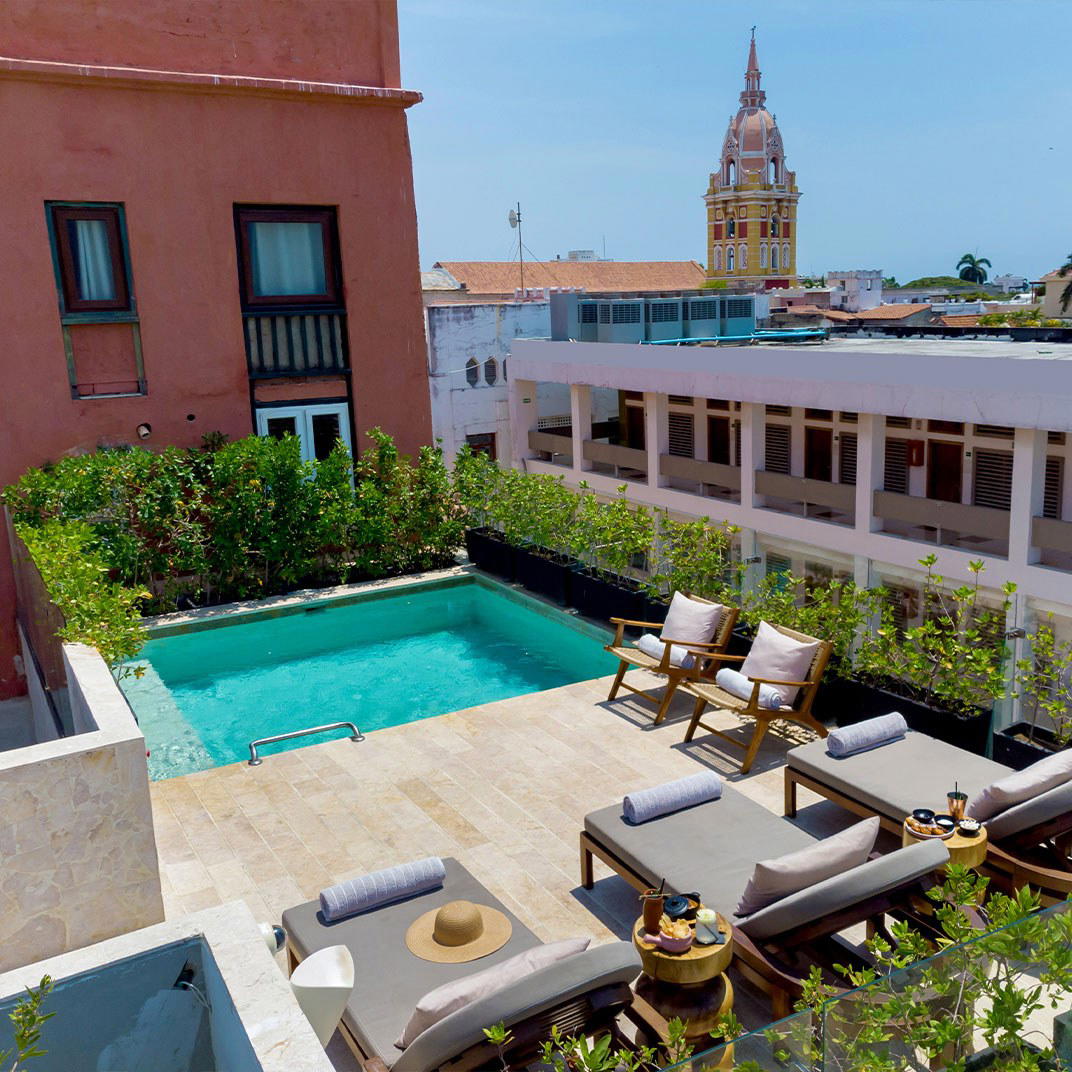
Parador de Pontevedra occupies a 16th-century Renaissance pazo and presents itself as more civic monument than conventional hotel. Its stone façades and measured proportions announce the building’s pedigree, and an internal courtyard anchors the layout. Approaching the property through pedestrianised granite lanes reinforces the sense of being embedded in a living old town rather than a tourist enclave. The tone is restrained and quietly dignified: restored historic fabric meets understated hospitality, and the result feels like an architectural stay that foregrounds place, history and the calm of Galicia’s preserved urban center.
Best For
This Parador suits travellers who want to be inside Pontevedra’s old town rather than commuting from the coast—people who prize architecture, quiet streets and an authentic city center experience. The hotel is a natural base for visitors routing between Santiago de Compostela and the Rías Baixas who prefer to overnight in a historic manor instead of a modern resort. It also appeals to those looking for a low-key, culturally rooted weekend stay where local life and a quieter rhythm are part of the attraction.
Venue details
Ambiance
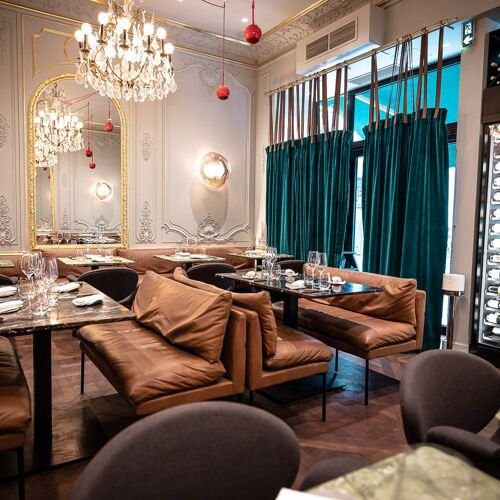
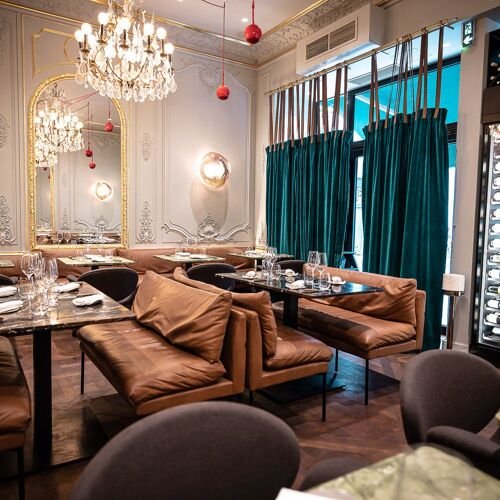
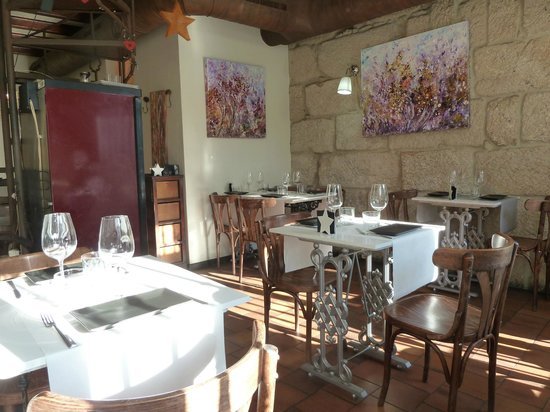
Stately and regal with chandeliers, antiques, classic furniture, and a serene landscaped garden.
Tags
Vibe
Best For
Experience
Amenities
View
Accessibility
About the Stay
- Rooms
- 47
- Check-in
- 15:00
- Check-out
- 12:00
- Property Type
- Heritage hotel
- Property Style
- Historic Palace Hotel
- Design Style
- Renaissance Classic with Antiques
- Families
- Welcome
Know before you go
Know Before You Go
- Getting there
- Rúa do Barón, 19, 36002 Pontevedra, Spain
Planning details
Location
Rúa do Barón, 19, 36002 Pontevedra, Spain · Directions
Recognition and awards
Also consider
Also Consider
- Pepe Vieira Restaurant & Hotel, Notable alternative
- Villa Boutique 1880, Notable alternative
- Gran Hotel Nagari Boutique & Spa, Notable alternative
- Attica21 Vigo, Notable alternative
- Casa Beatnik Hotel, Notable alternative
Hotel context
How it compares with nearby hotel options
Choose Parador de Pontevedra if Pontevedra itself is the priority. Compared with Pepe Vieira Restaurant & Hotel and Casa Beatnik Hotel, it is the more practical city-base choice: less destination-driven, but better suited to a first visit built around walking, meetings, and local dining.
Villa Boutique 1880 is the closer cross-shop for travelers who want a smaller boutique feel, while Parador de Pontevedra is the safer pick for a more traditional heritage stay. If spa facilities or a Vigo address matter more than Pontevedra access, compare against Gran Hotel Nagari Boutique & Spa or Attica21 Vigo instead.
For value, the right question is not which hotel has the longest amenity list. It is whether paying for a Pontevedra base saves time and friction. If yes, Parador de Pontevedra makes sense; if the hotel itself needs to carry the trip, the out-of-metro peers are stronger cross-shops.
Explore Pontevedra
Around this place
Discover more on Pearl
Unlock the full Parador de Pontevedra guide in Pearl, including awards, comparisons, FAQs, planning details, and nearby places.
Compare Parador de Pontevedra
| Venue | Location | Awards |
|---|---|---|
| Parador de Pontevedra | Pontevedra | 2025 Michelin Selected Hotels |
| Pepe Vieira Restaurant & Hotel | Poio | 2026 Mr & Mrs Smith Luxury Hotels2026 Michelin 2 Keys2025 Michelin 2 Keys2024 Michelin 2 Keys |
| Villa Boutique 1880 | A Lama | No published awards |
| Gran Hotel Nagari Boutique & Spa | Vigo | No published awards |
| Attica21 Vigo | Vigo | No published awards |
| Casa Beatnik Hotel | A Coruña | No published awards |


How Parador de Pontevedra compares with similar nearby venues.
FAQ
Frequently Asked Questions
Is Parador de Pontevedra good for business travel?
Parador de Pontevedra may be considered for a work trip if you want a hotel in Pontevedra with a MICHELIN Guide Hotels Selected recognition for 2025. Specific business facilities or services are not available, so check directly with the property before relying on them.
How does Parador de Pontevedra compare to other hotels?
Choose Parador de Pontevedra when you want a Pontevedra hotel with a MICHELIN hotel-selection signal. For comparison, travelers may also look at Attica21 Vigo, Casa Beatnik Hotel, Gran Hotel Nagari Boutique & Spa, Pepe Vieira Restaurant & Hotel, and Villa Boutique 1880, depending on the kind of stay they are planning.
Do loyalty programs work at Parador de Pontevedra?
Loyalty-program details are not available. If points, member benefits, or brand-specific privileges matter to the booking, confirm them directly with Parador de Pontevedra before reserving.
How is the dining at Parador de Pontevedra?
How is the location of Parador de Pontevedra?
Parador de Pontevedra is in Pontevedra. A more specific street address or neighborhood detail is not available, so confirm the exact location directly with the property or booking channel.
Is Parador de Pontevedra family-friendly?
Family-specific facilities or services are not available. Families considering Parador de Pontevedra should confirm room setup, policies, and any child-related services directly with the hotel before booking.