

La Bandita Townhouse
Historic Center of Pienza, Pienza
Hotel in Pienza, Italy
 Book with Pearl
The Read
Price
$300–500per night
Why go
Book La Bandita Townhouse if you want a design-led Pienza base in the historic center rather than a countryside retreat. The credibility signals are strong, with Design Hotels, Mr & Mrs Smith, and MICHELIN Guide hotel recognition, but the value case is mainly about location and ease rather than resort-style amenities.
About La Bandita Townhouse
For a stay in Pienza, choose La Bandita Townhouse if being in the town itself matters more than a resort-style premise. It is a Pienza lodging choice with confirmed recognition. The appeal should be understood through the lens of location and credibility.
The stronger case here is confidence, not flash. Recognition as a 2026 Design Hotels Member, a 2026 Mr & Mrs Smith Seal of Approval property, and a 2025 MICHELIN Guide hotels selection gives the stay a credibility floor. That does not automatically make it the right spend for every traveler, but it does provide clear third-party signals for guests comparing lodging in and around Pienza. Those signals are useful because they help narrow a field that can otherwise be difficult to judge from style, photography, or broad travel language alone.
Pick it for Pienza access, not a sealed-off resort feel
La Bandita Townhouse is in Pienza, which is the practical point for travelers who want their stay anchored in town. That matters most for guests who want the rhythm of the trip to start and end in Pienza rather than treating the town as one stop on a wider itinerary. For guests comparing other nearby stays, Lupaia or VILLA POGGIANO may be worth considering separately. For guests comparing smaller stays associated with Pienza, Bed and Breakfast Val d'Orcia and Casa Newton are natural cross-shops.
The venue name, Pienza location, smart casual dress code, listed service hours, and hotel recognition are confirmed. Details such as a spa program, seat count, price range, restaurant format, chef, room categories, or a detailed facilities list are not available. Consider it when Pienza itself is the priority, and confirm any more granular questions directly before committing.
The value equation is strongest for travelers staying in town
Without a price range, the decision should be framed by what the stay needs to accomplish. If the plan is centered on Pienza, La Bandita Townhouse has a clear town-first appeal. If the trip is mostly about time outside town, compare it with other nearby lodging before deciding which setting fits better. The distinction is less about ranking one option above another and more about matching the property to the way the days are actually going to be spent.
Hours are Monday 7:30–9 PM; Tuesday through Sunday 12:30–2:30 PM and 7:30–9 PM. The dress code is smart casual. Specific menus, cuisine, takeout, delivery, allergy accommodations, beverage programs, or pricing should be confirmed directly before booking. Confirming operational details is important for travelers planning tightly, as they can affect expectations once the trip is underway.
For wider planning, use our full Pienza hotels guide alongside our full Pienza restaurants guide, our full Pienza bars guide, our full Pienza wineries guide, and our full Pienza experiences guide. The clean recommendation: book this if staying in Pienza and choosing a property with confirmed design and hotel-guide recognition matters. Cross-shop the other nearby options if the stay needs a different setting or a different style of trip, or if the most important parts of the itinerary sit beyond the town itself.
Planning details
- Location
- Corso il Rossellino, 111, 53026 Pienza SI, Italy
- Website
- la-bandita.com
- Phone
- +39 0578 749005
The take
The Take
The Vibe
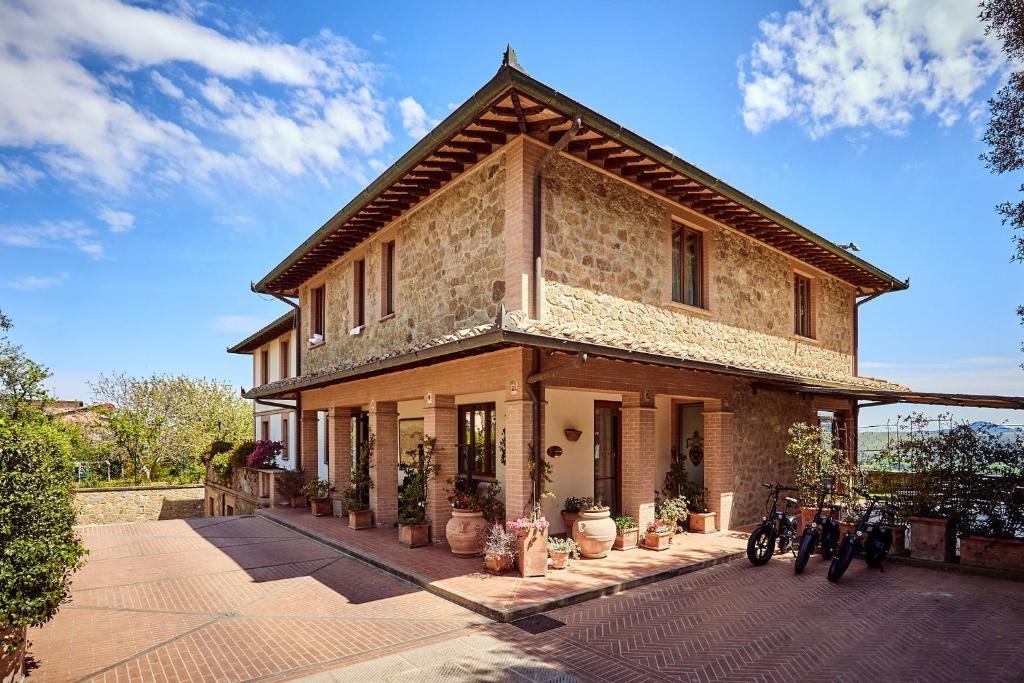
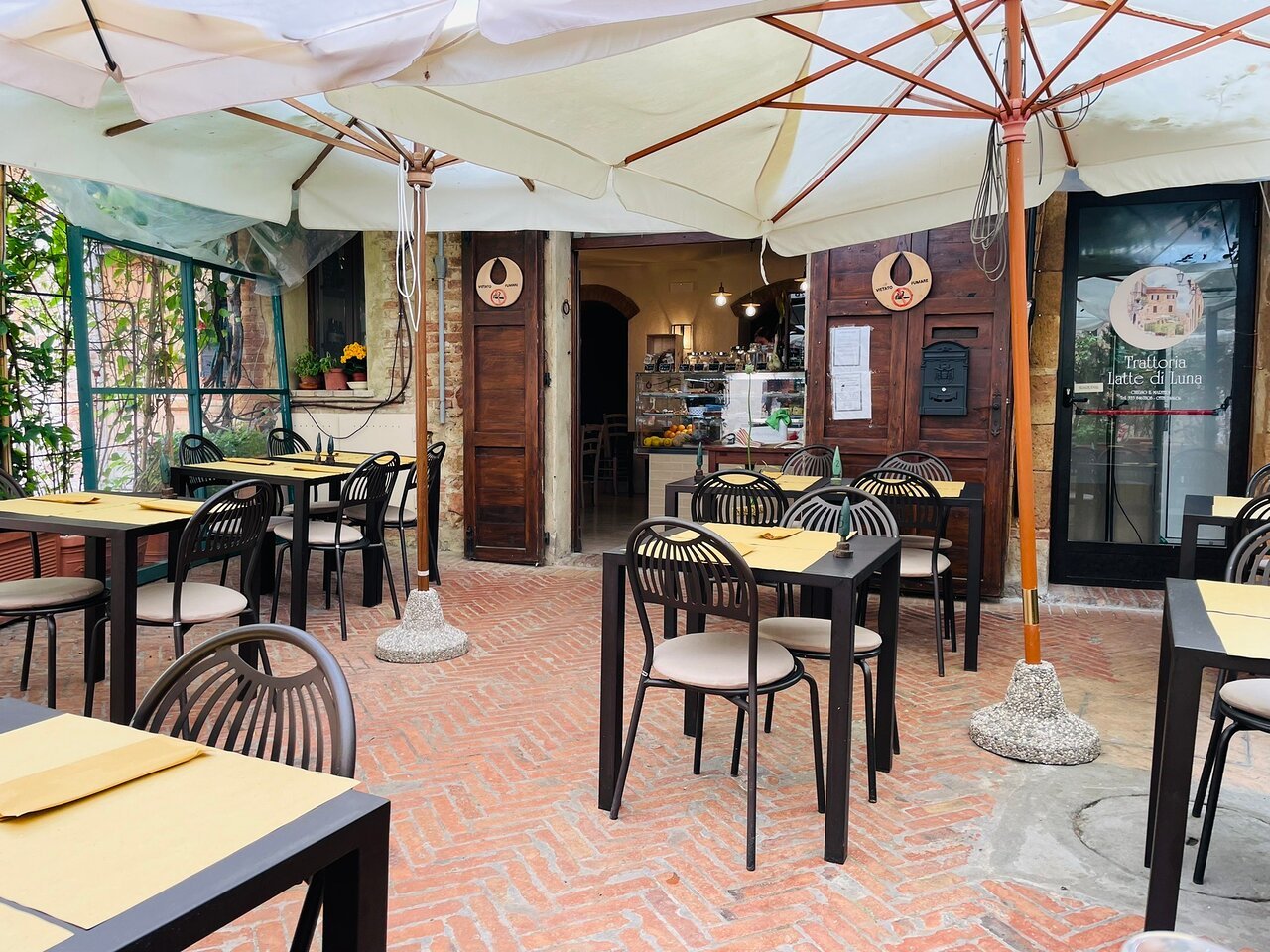
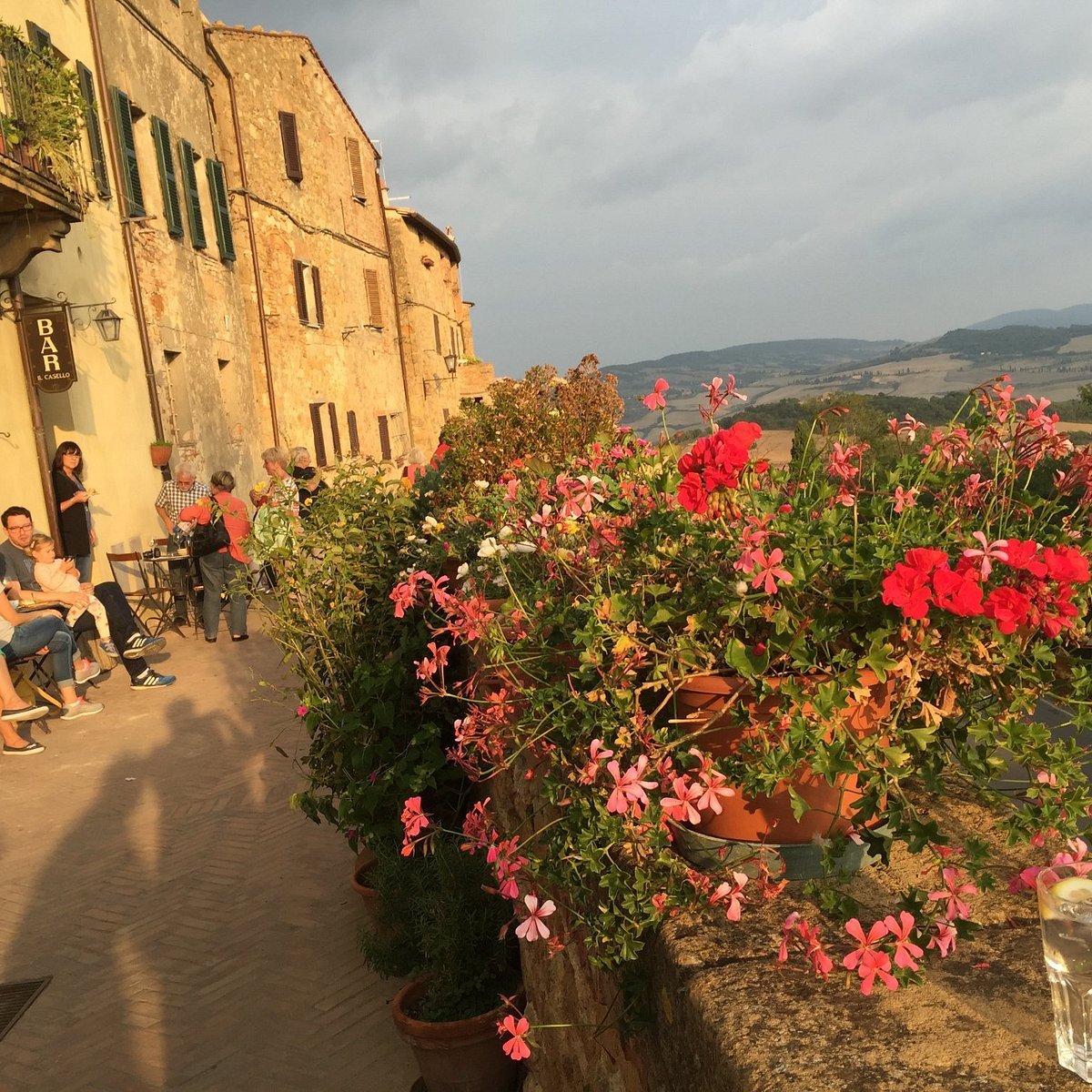
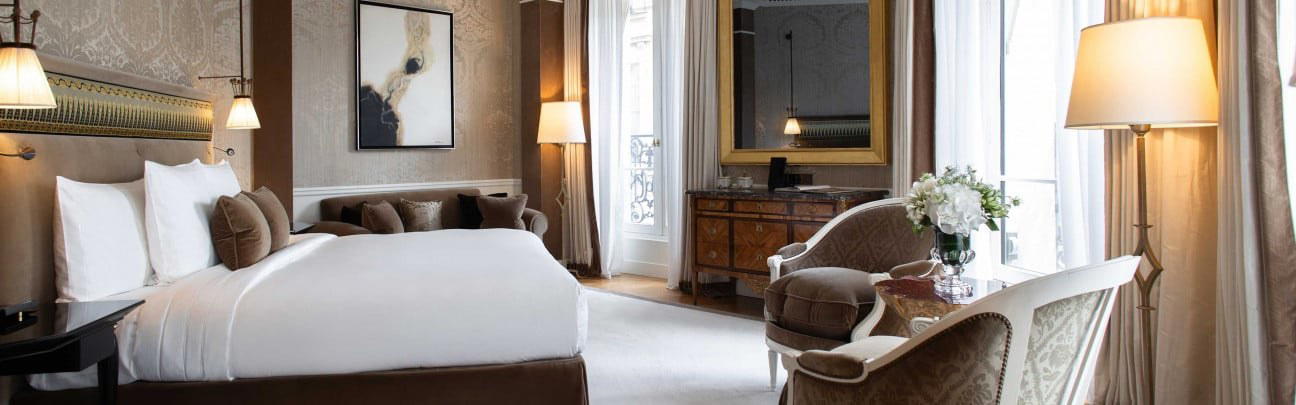
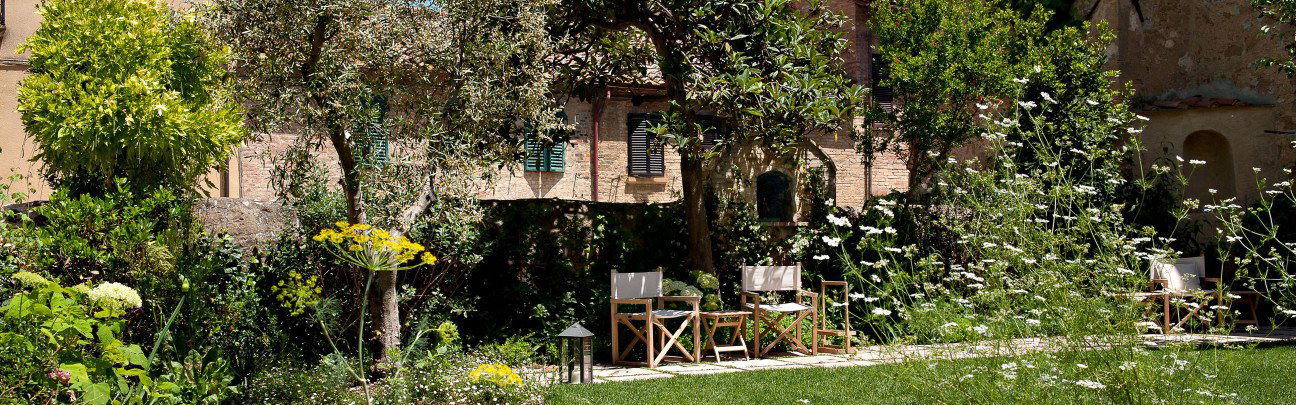
La Bandita Townhouse inhabits a fifteenth-century convent with the lived-in feeling of a small hill town. Stone walls, heavy proportions and light that cuts across interior courtyards underscore the building's age and architectural memory while careful renovation keeps the rooms welcoming rather than museum-like. The hotel's front door opens directly onto Pienza's main corso, so the bustle of market stalls, trattorie and the Duomo frames the stay. The result is a quietly charming, historically rooted property that foregrounds place — you feel the town's rhythms from the moment you step inside and out again.
Best For
This small-town hotel is ideally suited to travelers who want to center a short Tuscan escape on wandering and discovery. It works especially well for romantic getaways, anniversaries or honeymooners who value intimacy combined with immediate access to the village: the Duomo, Saturday market and local trattorias are steps away. Weekend escapes and contemplative solo visits also benefit from the hotel's civic address; guests step into town life rather than secluding themselves on an estate. The property rewards visitors who plan to spend time exploring Pienza on foot and sampling nearby food stalls and restaurants.
Venue details
Ambiance
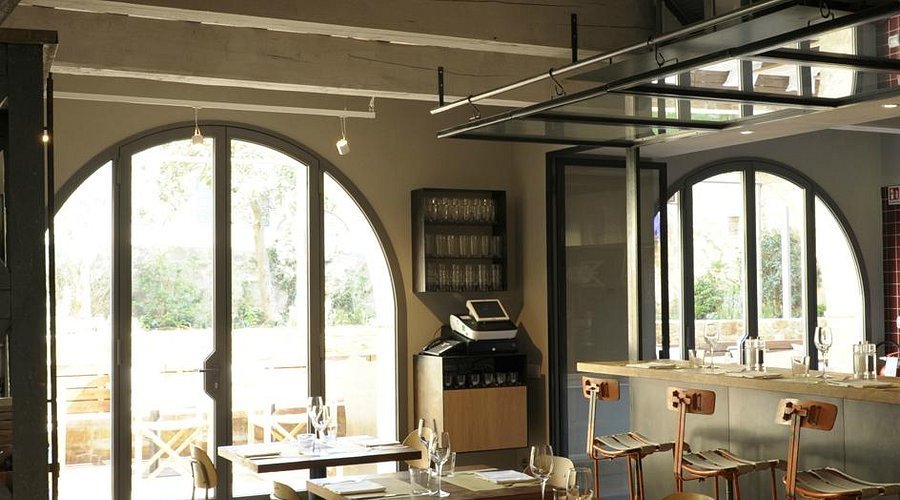
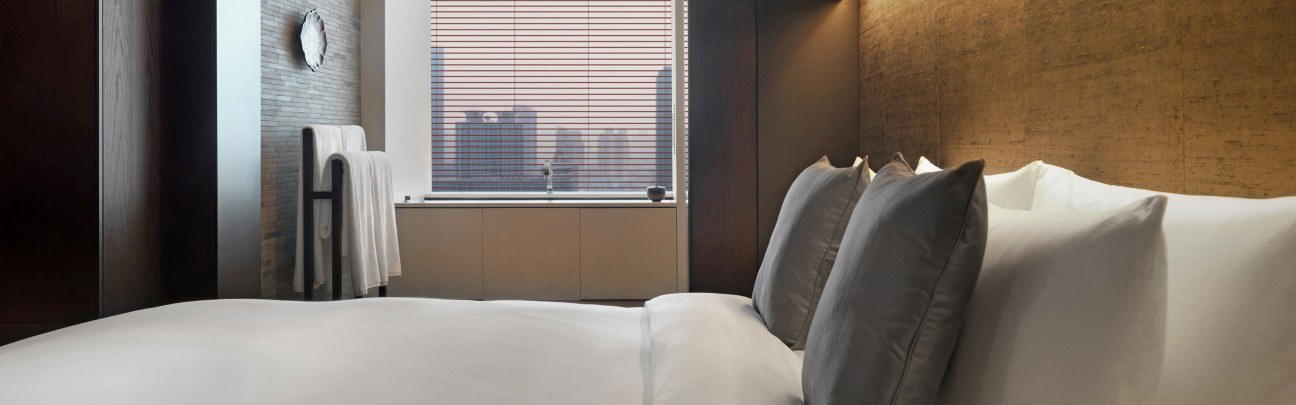
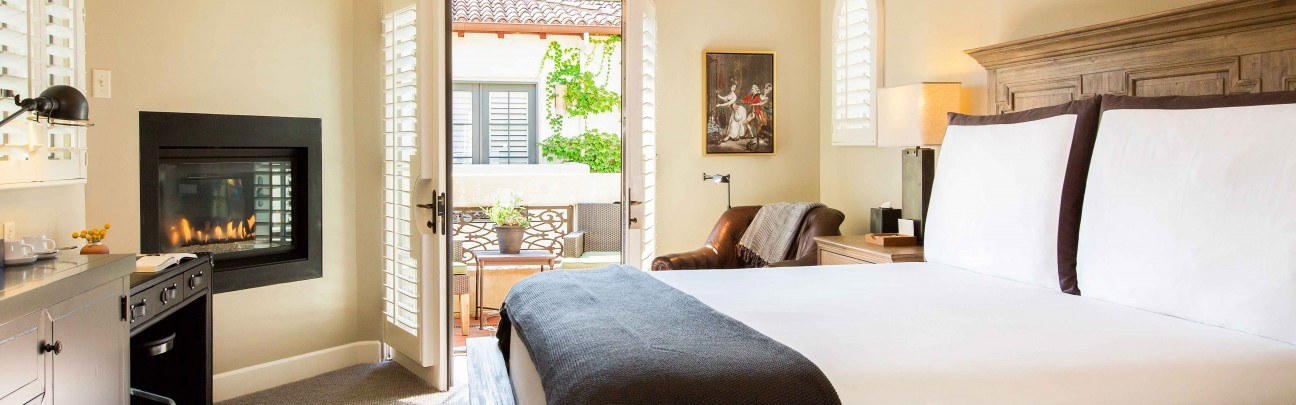
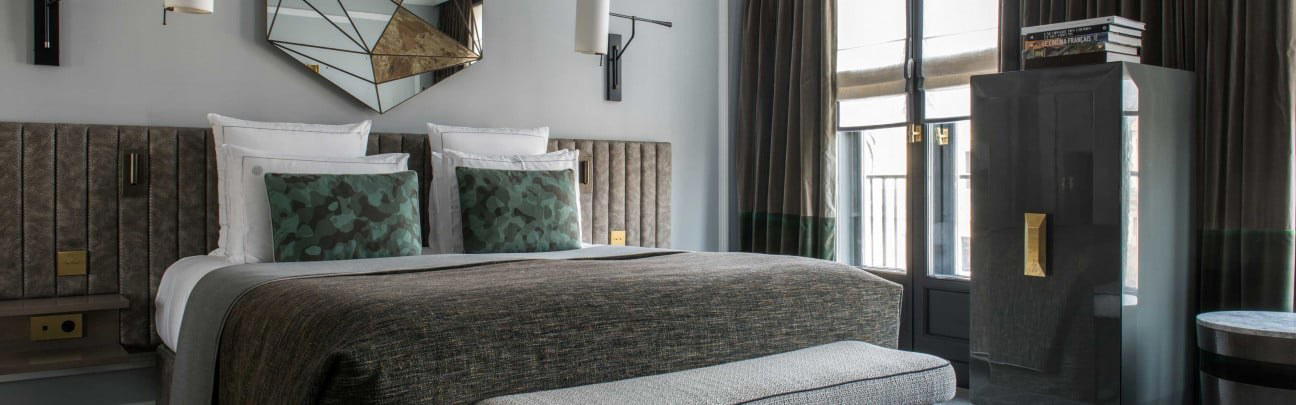
Light and bright with warm Tuscan aesthetics; stone walls, wood-beamed ceilings, and parquet floors create a sophisticated yet intimate atmosphere enhanced by a library with vinyl records and evening aperitivos.
Tags
Vibe
Best For
Experience
Amenities
View
Accessibility
About the Stay
- Rooms
- 12
- Check-in
- 15:00
- Check-out
- 12:00
- Property Type
- Boutique hotel
- Property Style
- Contemporary Luxury Boutique Hotel Integrated Into a Historic Village Setting with Minimalist Modern Interiors Contrasting with Renaissance Architectural Elements.
- Design Style
- Modern Minimalist Design with Preserved Renaissance Features Including Exposed Stone Walls, Wood Beams, and Parquet Floors; Curated with Attention to User Experience and Local Cultural Integration.
- Breakfast
- Included
- Airport Transfer
- Available
- Spa
- Yes
- Pets
- Allowed
- Families
- Welcome
- Cancellation
- Moderate
Know before you go
Know Before You Go
- Getting there
- Corso il Rossellino, 111, 53026 Pienza SI, Italy
Planning details
Location
Recognition and awards
Also consider
Where to look if this is not the fit
Try Casa Newton if the priority is staying in Pienza with a lower-friction small-property feel. Choose Lupaia if the trip needs countryside atmosphere rather than a town-base setup.
Hotel context
How It Compares
La Bandita Townhouse is the more polished town-center pick for travelers who want Pienza on foot. Bed and Breakfast Val d'Orcia and Casa Newton are the closer value cross-shops if the priority is a simpler small-stay format rather than design-hotel confidence.
For ambiance, the split is clear: choose La Bandita Townhouse for a compact, in-town stay; choose Lupaia or VILLA POGGIANO if the trip needs more countryside breathing room. Those peers make more sense for travelers who expect the property itself to carry more of the day.
Follonico Suite B&B; is another sensible fallback for guests who want a softer rural base outside the town-center lane. Booking difficulty is easier here, so La Bandita Townhouse is the safer first check when the brief is Pienza access with recognized hotel credentials.
Around this place
Discover more on Pearl
Unlock the full La Bandita Townhouse guide in Pearl, including awards, comparisons, FAQs, planning details, and nearby places.
Compare La Bandita Townhouse
| Venue | Location | Awards |
|---|---|---|
| La Bandita Townhouse | Pienza | 2026 Design Hotels Collection2026 Mr & Mrs Smith Luxury Hotels2025 Michelin Selected Hotels |
| Bed and Breakfast Val d'Orcia | Pienza | No published awards |
| Casa Newton | Pienza | 2026 Mr & Mrs Smith Luxury HotelsTablet Hotels Design Awards 2026: Best New Hotel Designs (Europe)2026 Michelin 1 Key2025 Michelin 1 Key |
| VILLA POGGIANO | Montepulciano | No published awards |
| Lupaia | Torrita di Siena | 2026 Mr & Mrs Smith Luxury Hotels2026 Michelin 1 Key2025 Michelin 1 KeySmall Luxury Hotels Member 20252024 Michelin 1 Key |
| Follonico Suite B&B | Torrita di Siena | 2026 Mr & Mrs Smith Luxury Hotels2025 Michelin Selected Hotels2024 Michelin 1 Key |




How La Bandita Townhouse Pienza compares with similar nearby venues.
FAQ
Frequently Asked Questions
Which room category is best at La Bandita Townhouse?
Room categories, room sizes, or a recommended category are not available. Choose based on your own space needs and confirm current room details directly with the property before booking.
How is the location of La Bandita Townhouse?
La Bandita Townhouse is in Pienza. That makes it relevant for travelers who want their stay based in the town itself, while other nearby properties such as Lupaia, Follonico Suite B&B;, or VILLA POGGIANO may suit different trip styles.
Is La Bandita Townhouse good for business travel?
It can work if your plans specifically require staying in Pienza, but business facilities, meeting rooms, or work-focused services are not specified. Check directly with the property if those details matter for your trip.
Do loyalty programs work at La Bandita Townhouse?
Recognition includes 2026 Design Hotels Member status, the 2026 Mr & Mrs Smith Seal of Approval, and selection in the 2025 MICHELIN Guide hotels list. Any specific loyalty benefits, booking perks, or program rules should be confirmed through the booking channel you plan to use.
When is the best time to book La Bandita Townhouse?
Book when your Pienza dates are fixed, especially if your travel dates are inflexible. Hours are Monday 7:30–9 PM and Tuesday through Sunday 12:30–2:30 PM and 7:30–9 PM; confirm current availability and any seasonal changes directly before finalizing plans.