



Trisara
Thalang, Phuket
Hotel in Phuket, Thailand
 Book with Pearl
The Read
Cape Seclusion, Zero-Waste Dining
Price
$1,000–1,500per night
Why go
Trisara is worth booking for a privacy-first Phuket stay where the resort is the point of the trip, not just a base. Its Michelin 1 Key, La Liste score, Conde Nast Gold List recognition, and Virtuoso status make it a stronger pick for returning Phuket travellers than for first-timers chasing constant movement across the island.
About Trisara
Is Trisara worth booking in Phuket? It can be, if you are considering a recognized hotel in Phuket and want a choice supported by confirmed third-party signals. The recognition includes Michelin 1 Key in 2025, La Liste Top Hotels 2026 with 96.5 points, Conde Nast Gold List 2025, and Virtuoso Luxury Hotel Partner 2026.
In Phuket's hotel set, the decision is less about whether the island has enough options and more about which property best matches the trip. Trisara's confirmed recognition gives it a clearer trust signal than a choice based only on general reputation. The dress code is smart casual.
Book this for a recognition-led Phuket hotel choice
The right booking strategy is to treat Trisara as one of Phuket's clearly recognized hotel options. If you are cross-shopping, Banyan Tree Phuket and Anantara Layan Phuket Resort are useful comparisons for guests weighing different versions of a Phuket hotel stay. Trisara is a persuasive pick when confirmed recognition is a priority.
For a repeat Phuket trip, the value case may be easier to understand. First-timers often want to explore widely; returning guests may already know what kind of hotel stay they prefer. Trisara makes the most sense when its recognition, Phuket setting, and smart-casual dress code match the trip you want.
The trade-off is choosing recognition over specifics
Trisara reads as a better fit for travellers who want a Phuket hotel with strong confirmed recognition, rather than a choice built around details not available in the data. For broader planning, use our full Phuket hotels guide, then sense-check the rest of the trip with our full Phuket restaurants guide.
Book it as a deliberate Phuket choice. The strongest grounded reasons to consider it are its Michelin 1 Key, La Liste Top Hotels score, Conde Nast Gold List placement, and Virtuoso Luxury Hotel Partner status. If you are comparing other Phuket stays, Anantara Layan Phuket Resort, Banyan Tree Phuket, Layan Residences by Anantara, Movenpick Resort Bangtao Beach, and The Pavilions Phuket are the natural names to put beside it.
The clear no: do not book Trisara if you need details on specific facilities, dining formats, prices, or services before shortlisting a hotel. Book it when confirmed recognition, a Phuket setting, and a smart casual dress code are enough to make it relevant to your search.
Inside Trisara
Planning details
- Location
- 60 Cherngtalay 1 Srisoonthorn Road Tambon Choeng Thale, Amphoe Thalang, Chang Wat Phuket 83110
- Website
- trisara.com
- Phone
- +66 76 310 100
The take
The Take
The Vibe
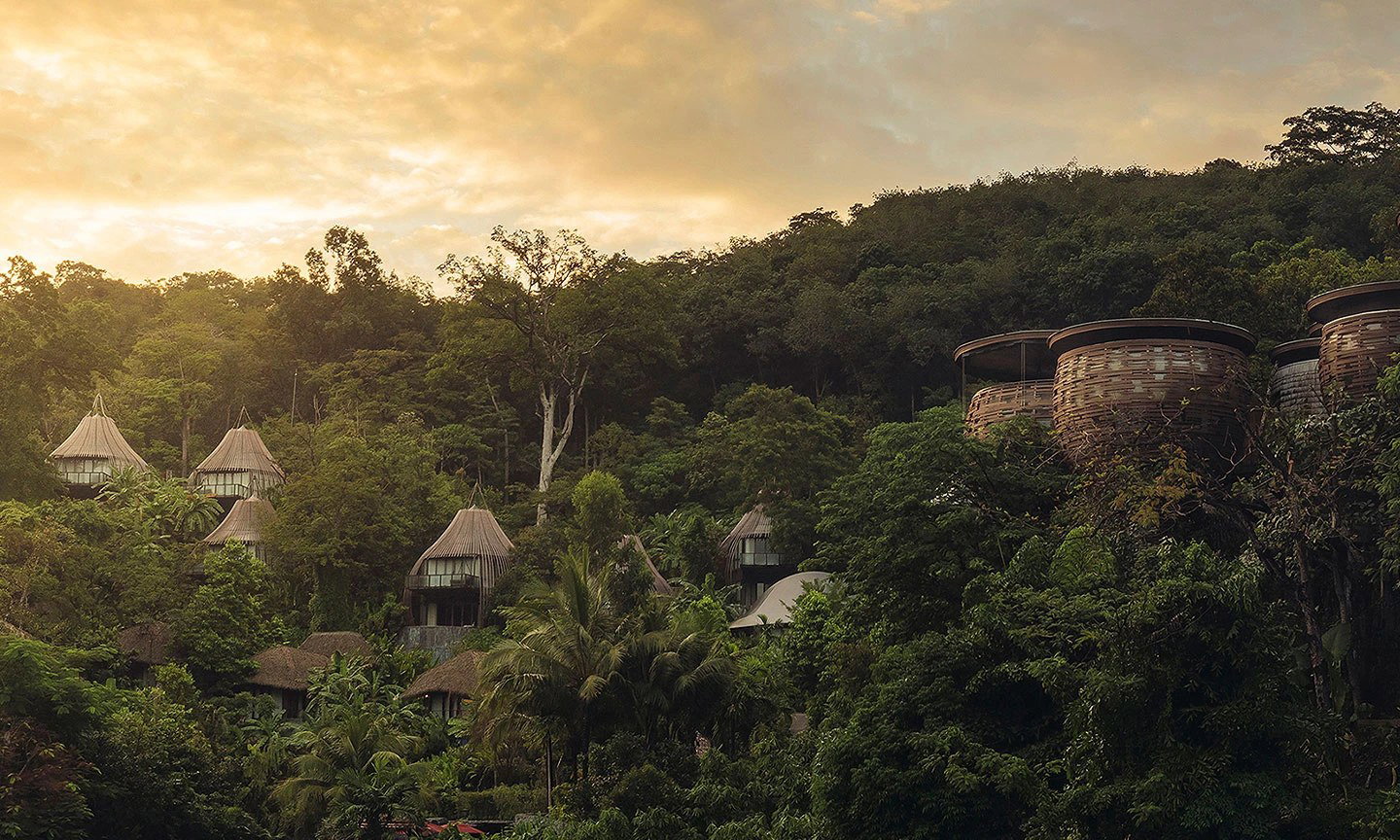
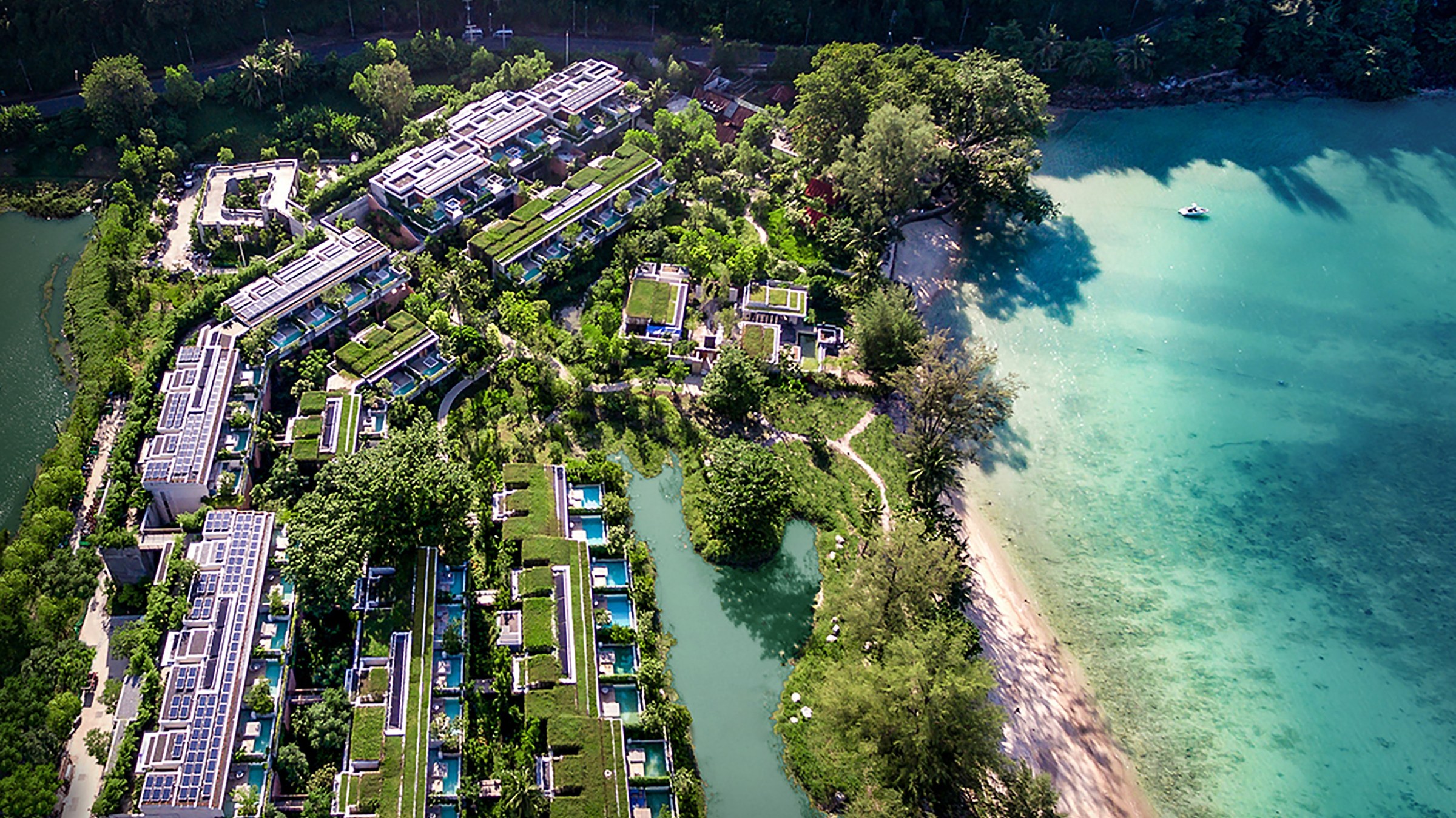
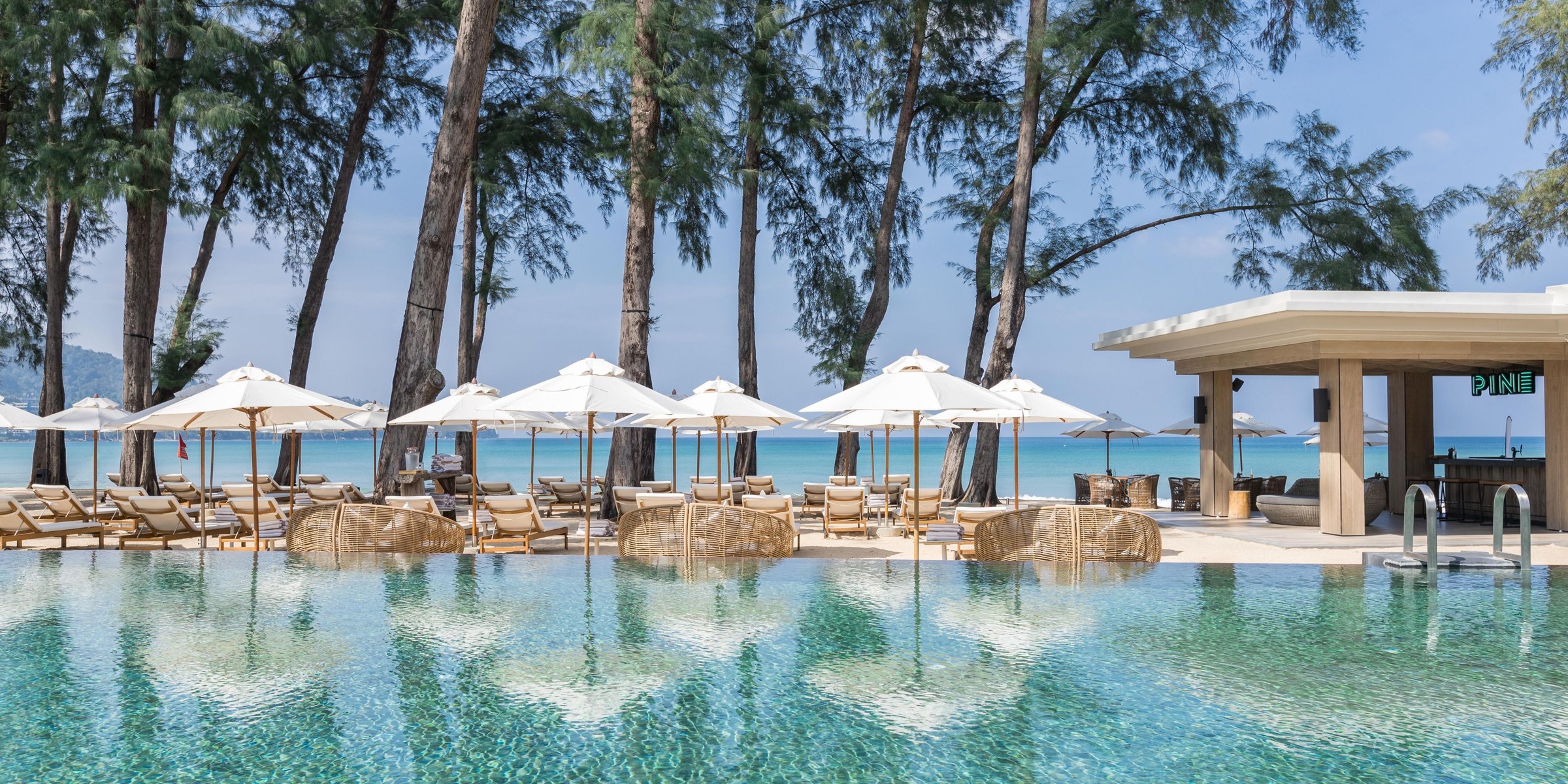
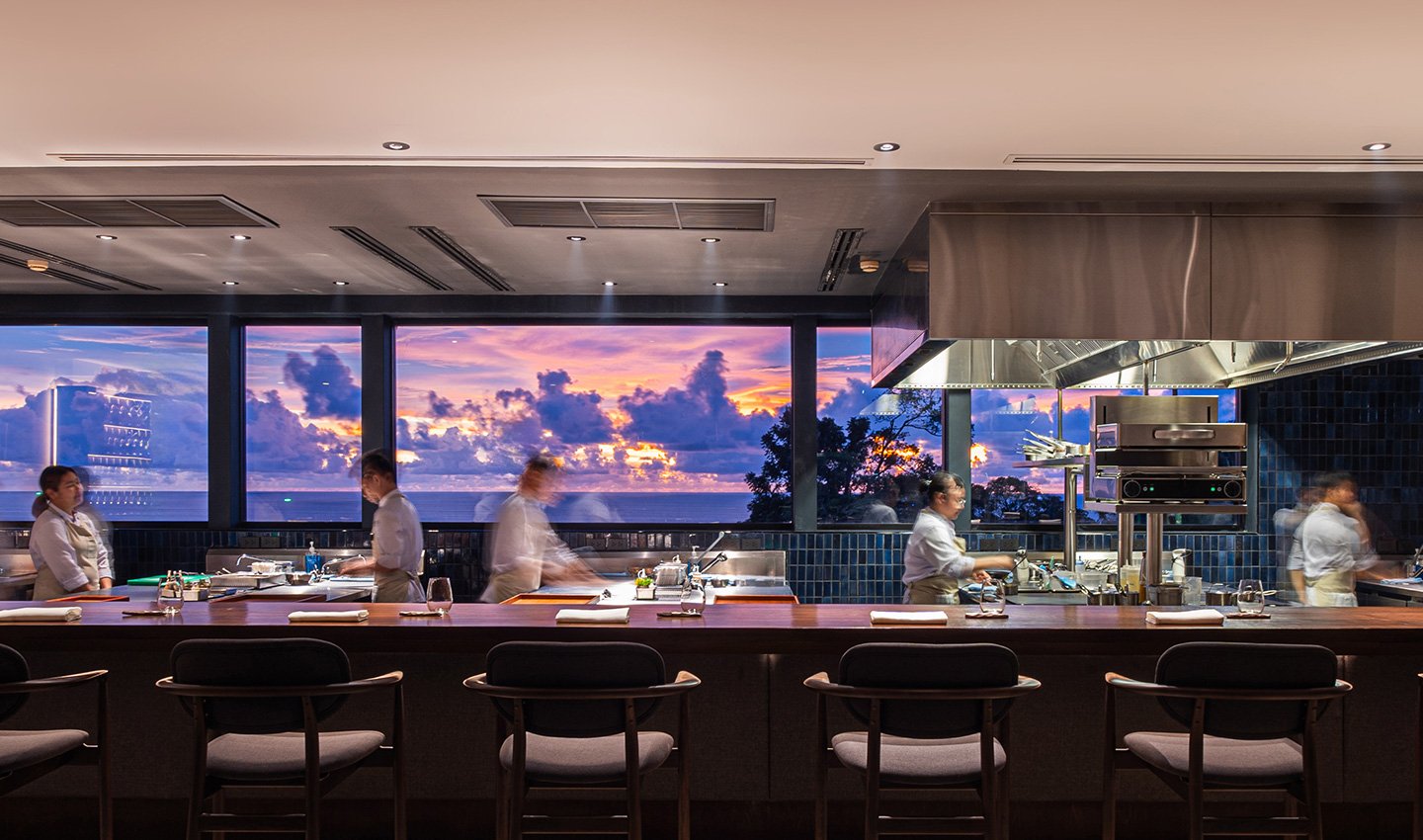
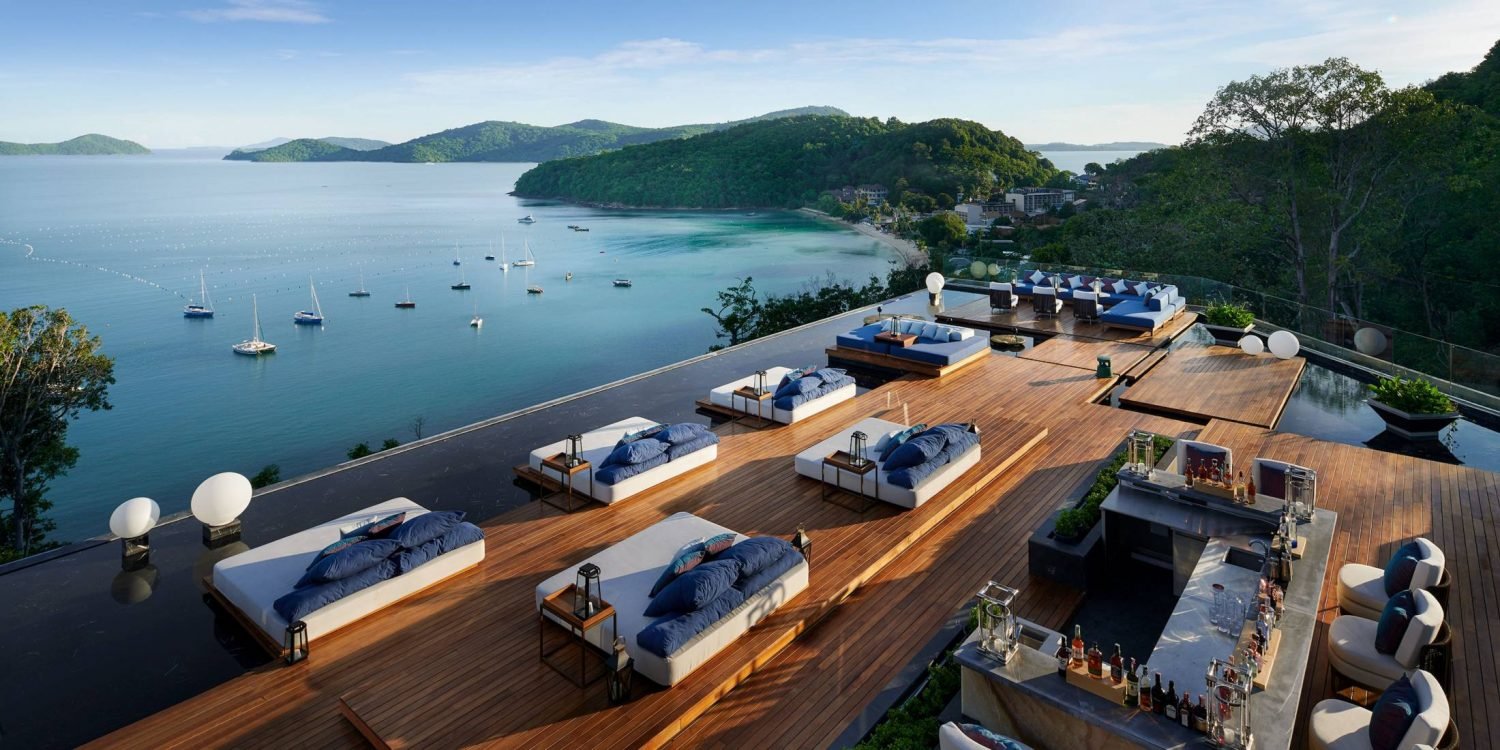
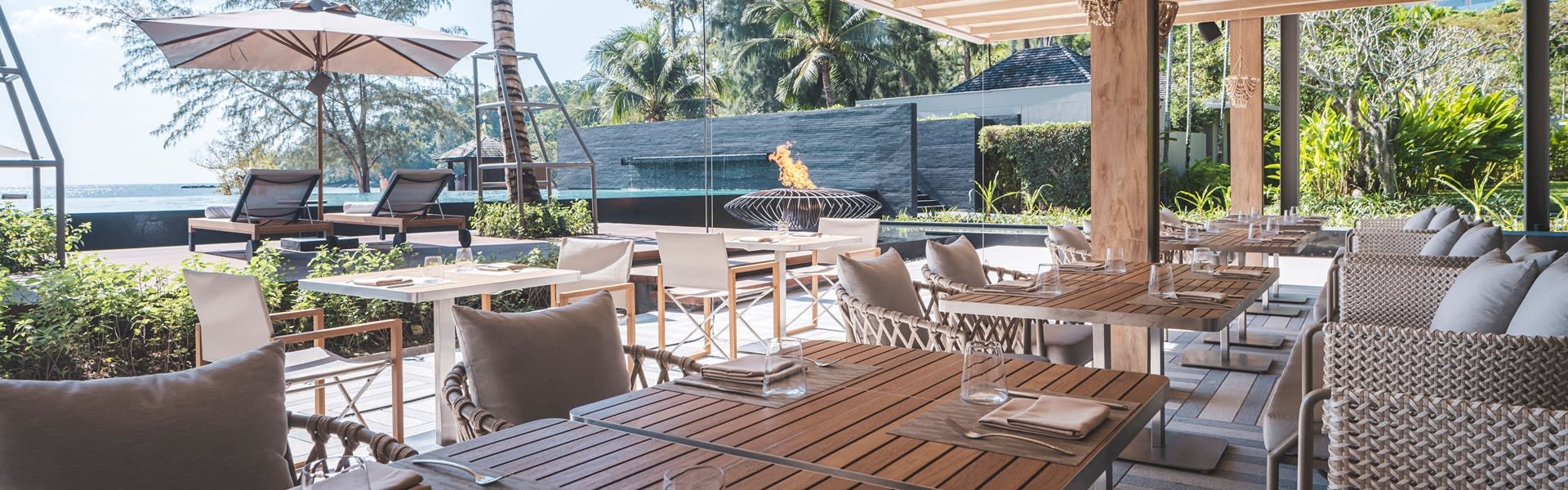
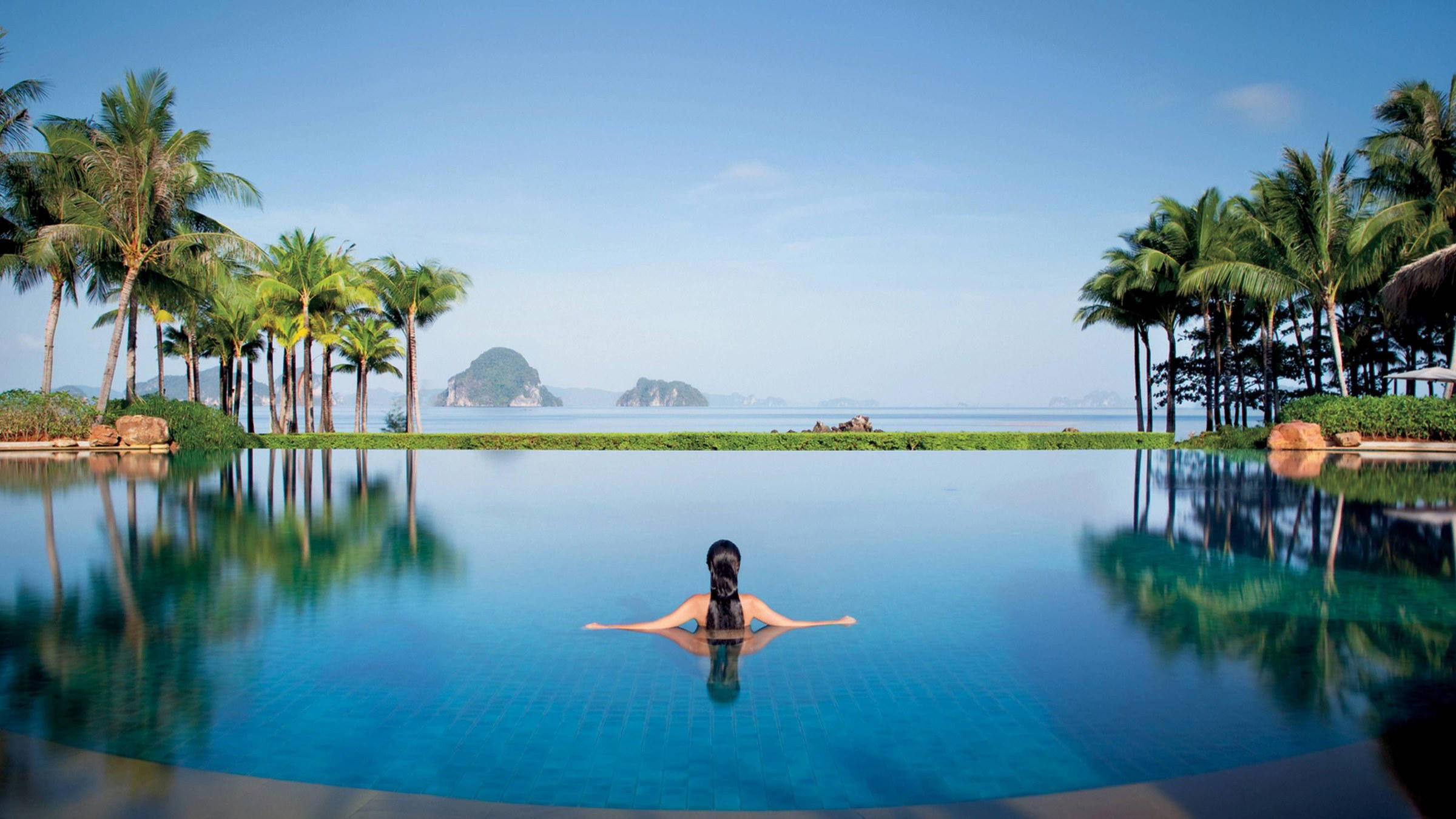
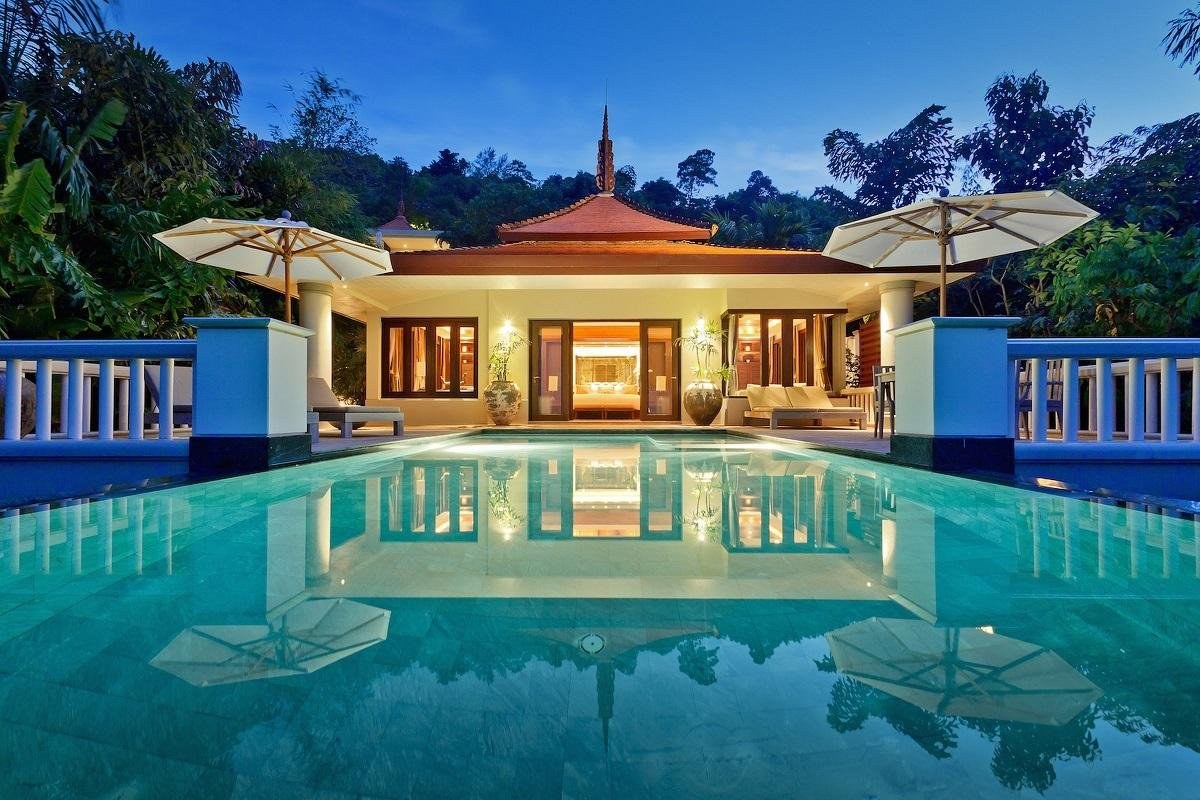
Trisara presents itself as a quietly opulent retreat perched on a forested headland above its own stretch of Andaman shoreline. The resort emphasizes seclusion — villas and suites are scattered across the cape, most with private pools — so the sense of privacy and calm underpins the overall atmosphere. Dining is a highlight: a restaurant programme that has earned Michelin recognition reinforces the property’s upscale, refined character. Rates sit at the sharper end of Phuket’s luxury tier, and the independent operation favors understated exclusivity rather than theatrical brand signaling.
Best For
This is a property tailored to travelers seeking privacy, romance and a restorative escape. Couples and honeymooners find the all-pool-villa layout and private beach especially appealing, while those focused on relaxation appreciate the resort’s secluded setting away from the island’s busier southern resorts. The Michelin-recognized dining and high service standards make it suitable for anniversaries and other special occasions where discretion and quality are priorities. Its positioning and pricing also target guests looking for a premium, low-density resort experience rather than an activity-packed family stay.
Stay Tips
Book early and plan logistics: villas with private pools are central to the experience, so reserve the villa type you prefer well in advance. The property’s restaurant programme has received Michelin recognition, so secure dining reservations ahead of your stay if you want prime seating or specific dining times. Note the practical entry point for rates (the description cites approximately $1,979 per night) and factor that into budgeting. The resort arranges airport meet-and-transfer services for guests, so confirm transfer details with the hotel as part of your booking to ensure a smooth arrival.
Venue details
Ambiance
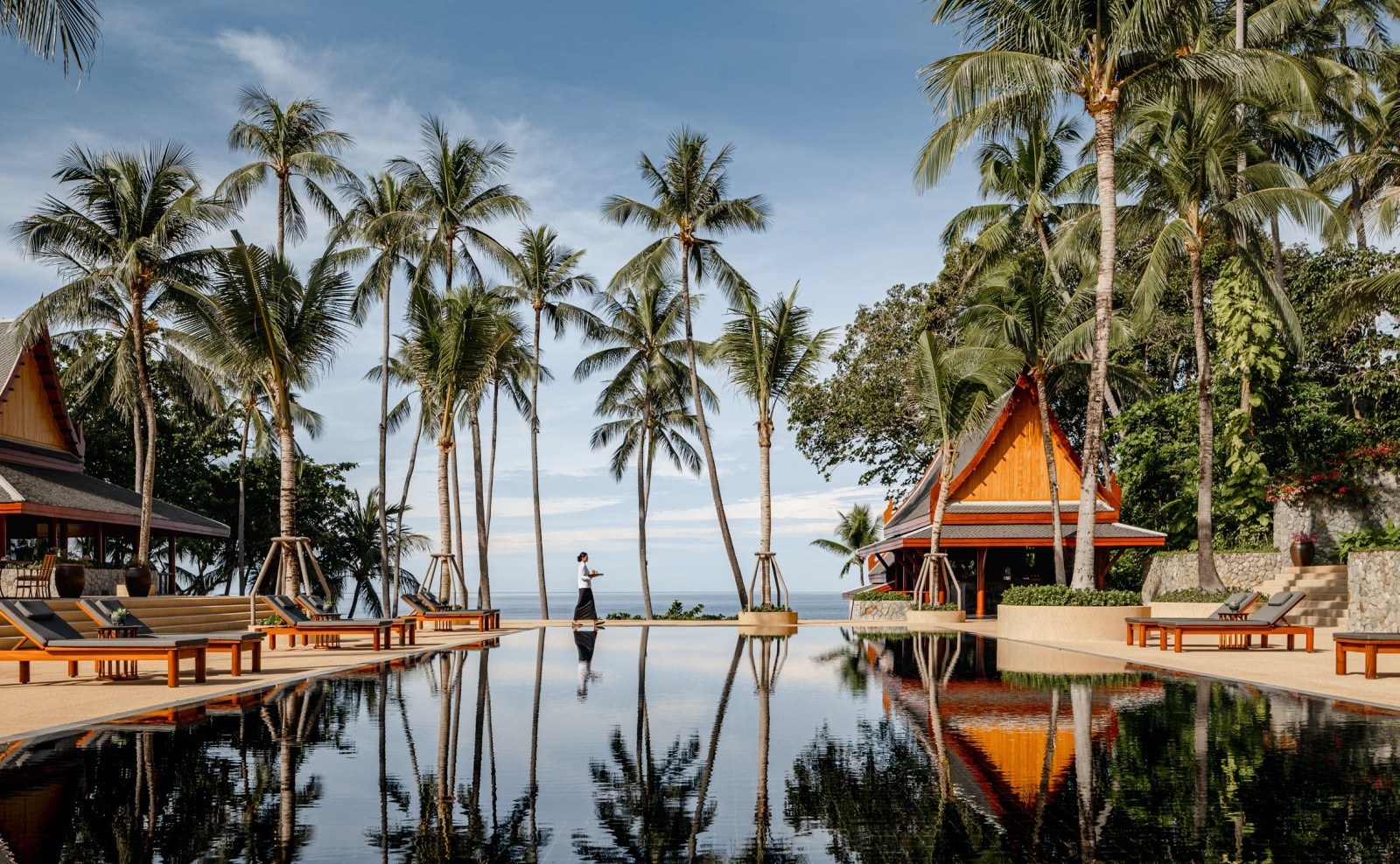
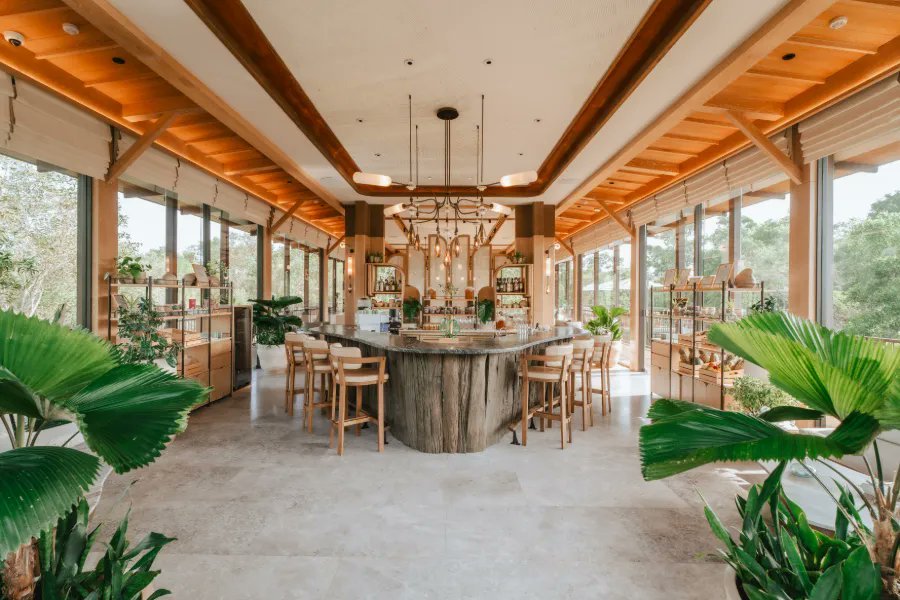
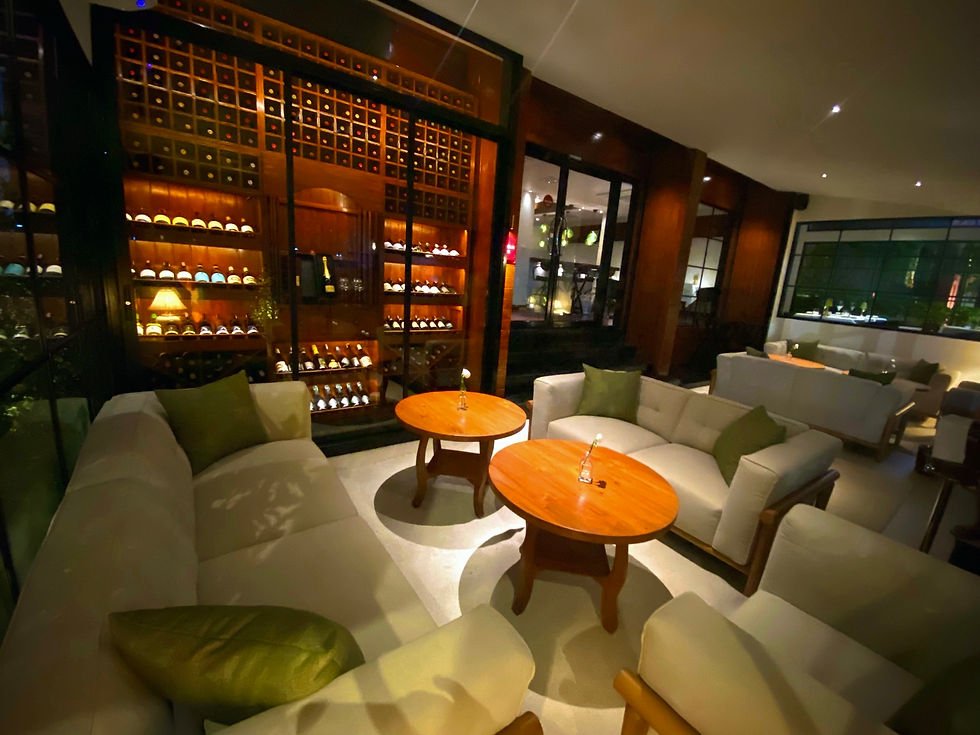
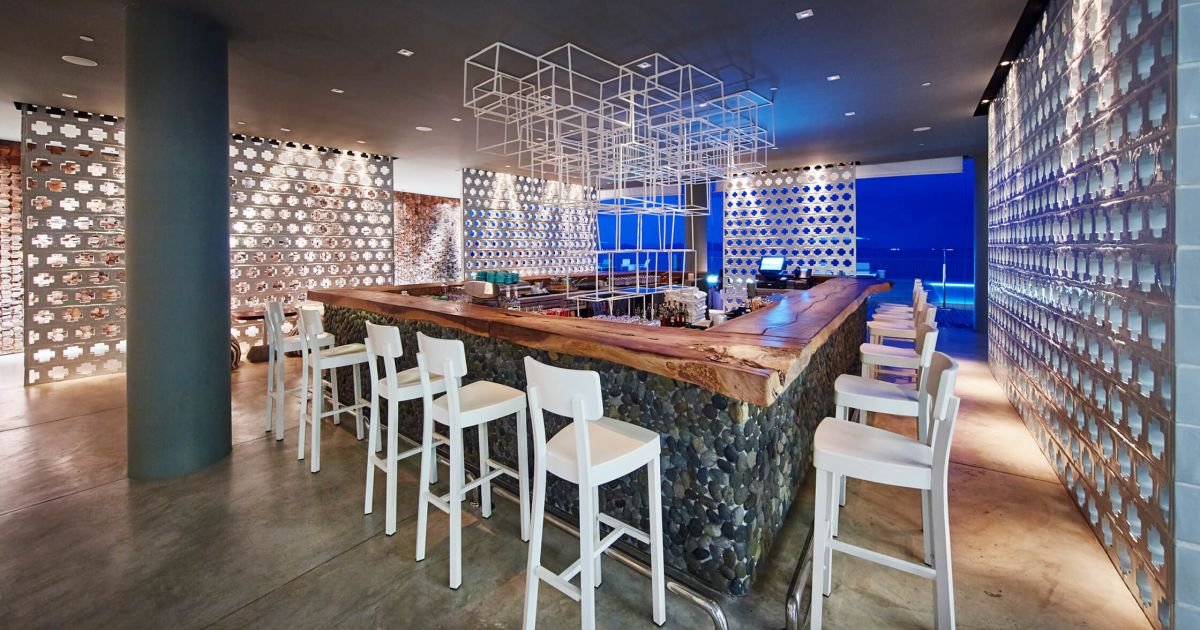
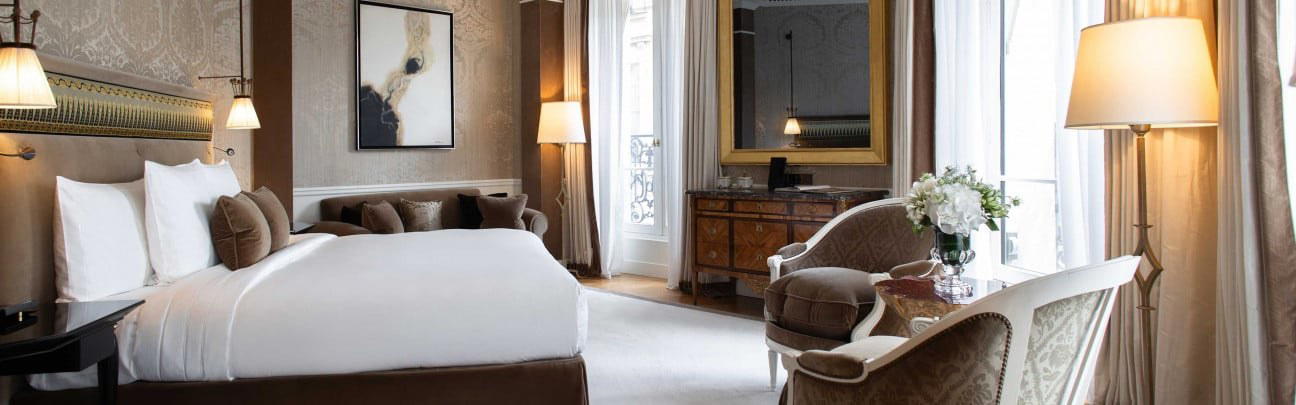
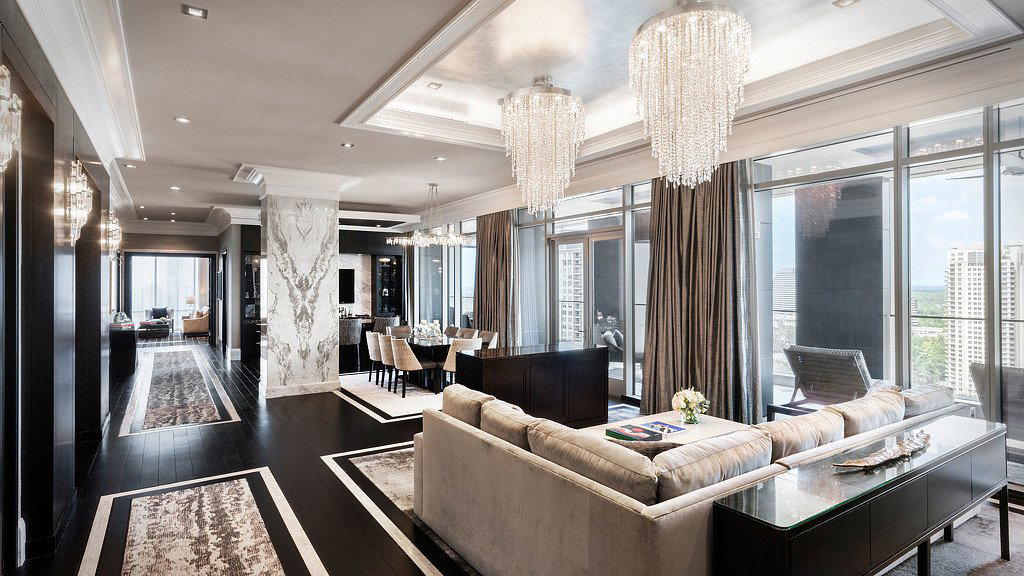
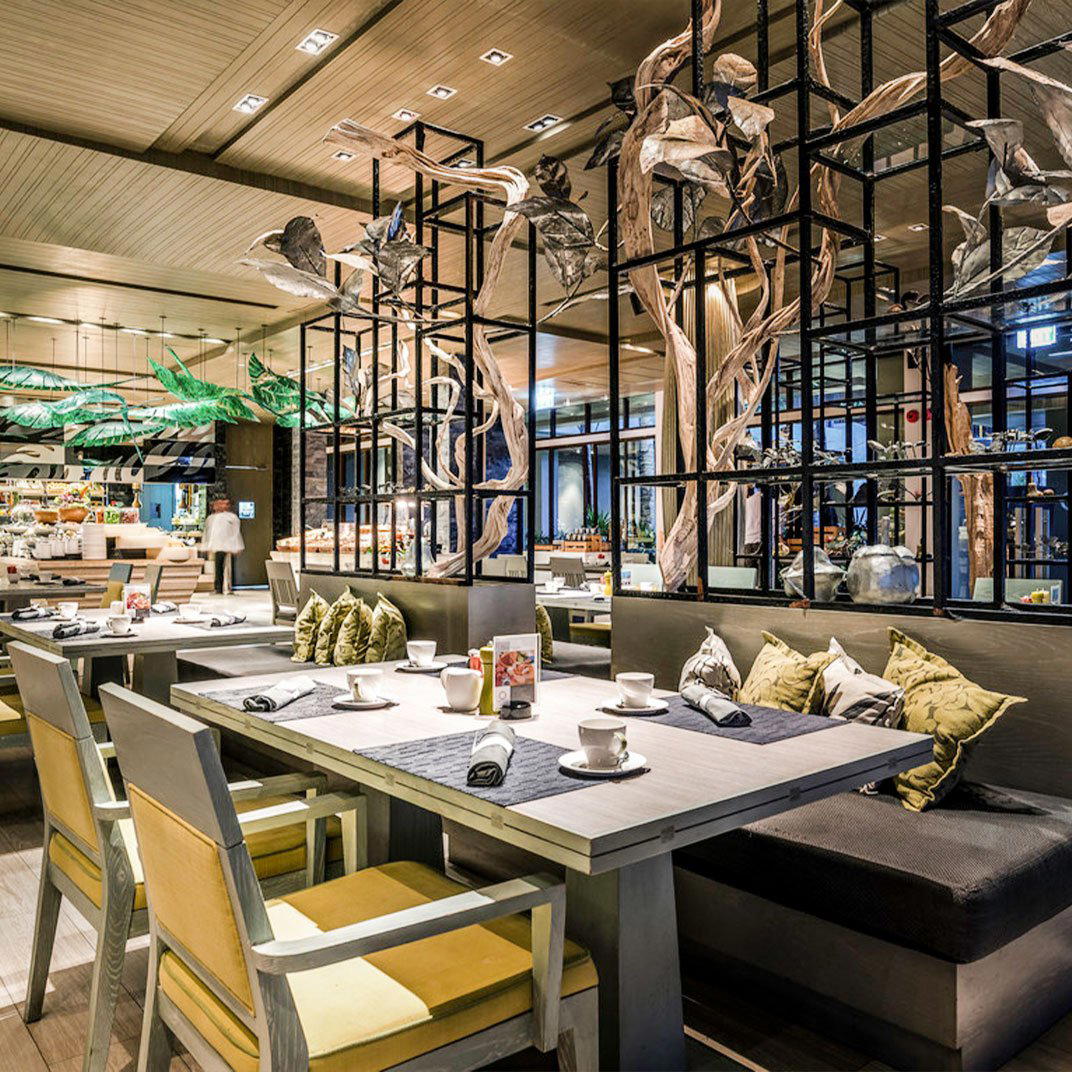
Serene and luxurious with natural light from floor-to-ceiling windows, warm Thai wood and stone elements, fostering tranquility and connection to nature.
Tags
Vibe
Best For
Experience
Amenities
View
About the Stay
- Rooms
- 39
- Check-in
- 15:00
- Check-out
- 12:00
- Property Type
- Boutique hotel
- Property Style
- Secluded Luxury Resort Blending Thai Heritage with Modern Privacy
- Design Style
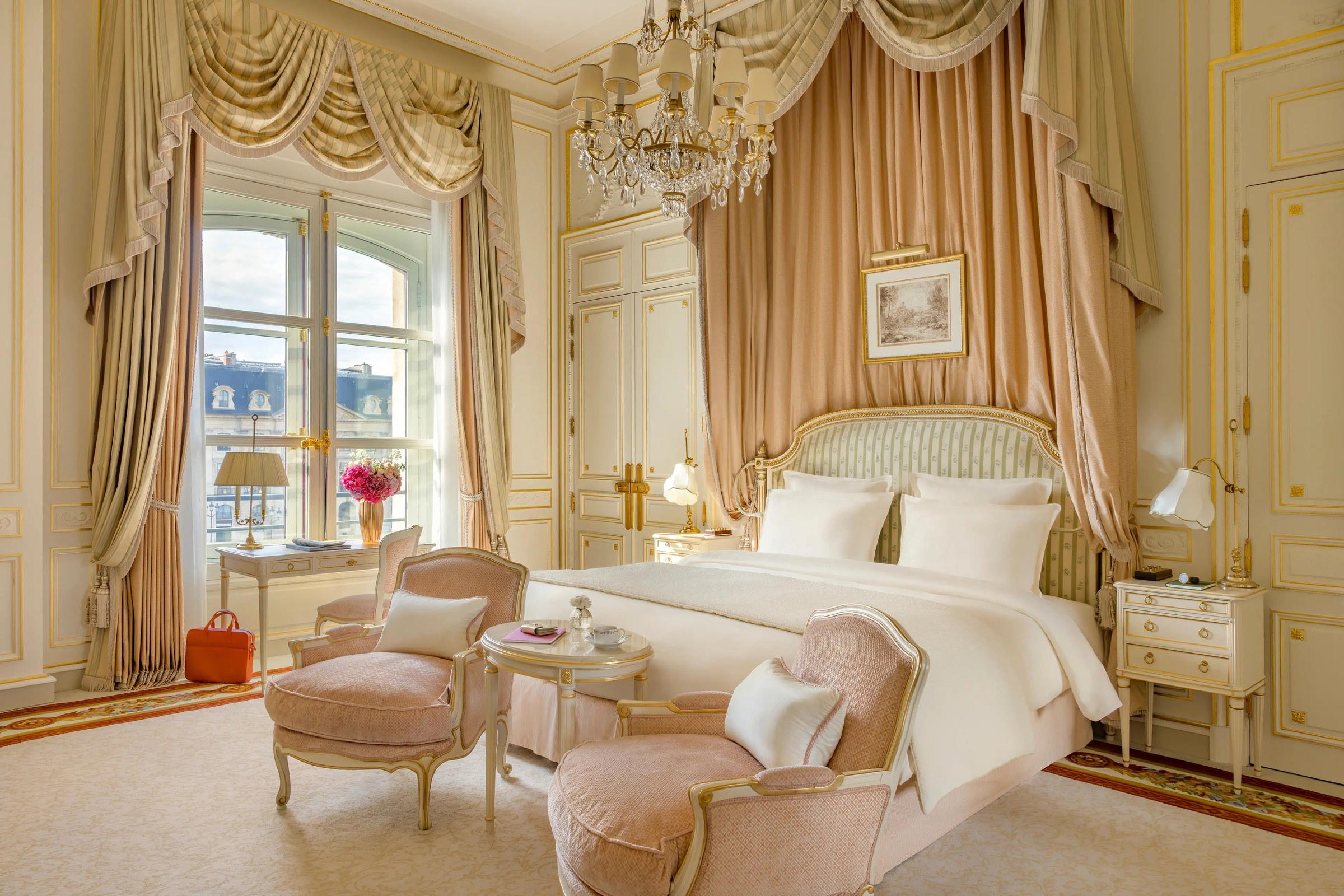
- Traditional Thai Architecture with Modern Luxury, Warm Wood, Rattan, and Stone
- Airport Transfer
- Available
- Pool
- Yes
- Spa
- Yes
- Families
- Welcome
- Cancellation
- Moderate
Know before you go
Know Before You Go
- Getting there
- 60 Cherngtalay 1 Srisoonthorn Road Tambon Choeng Thale, Amphoe Thalang, Chang Wat Phuket 83110
Planning details
Location
60 Cherngtalay 1 Srisoonthorn Road Tambon Choeng Thale, Amphoe Thalang, Chang Wat Phuket 83110 · Directions
Recognition and awards



Also consider
Also Consider
- Layan Residences by Anantara, Notable alternative
- Anantara Layan Phuket Resort, Notable alternative
- The Pavilions Phuket, Notable alternative
- Banyan Tree Phuket, Notable alternative
- Movenpick Resort Bangtao Beach, Notable alternative
Hotel context
How Trisara compares in Phuket
Choose Trisara over Layan Residences by Anantara if the stay is meant to feel like a polished resort booking rather than a residence-led setup. Layan Residences is the better cross-shop for longer stays or groups that want more home-style space; Trisara is the stronger call when hotel recognition, privacy, and a tighter resort rhythm matter more.
Anantara Layan Phuket Resort is the safer choice for guests who like a bigger brand environment and may want an easier planning experience. The Pavilions Phuket is a useful fallback for a quieter Phuket mood if Trisara is not available, while Banyan Tree Phuket suits travellers who want a broader resort ecosystem.
For value-sensitive beach stays, Movenpick Resort Bangtao Beach is the more practical comparison. It makes sense when the budget needs to stretch and the room is not the main event. Trisara is the splurge pick in this set: harder to book, less casual, and better suited to guests who want the hotel itself to justify the trip.
Explore Phuket
Around this place
Discover more on Pearl
Unlock the full Trisara guide in Pearl, including awards, comparisons, FAQs, planning details, and nearby places.
Compare Trisara
| Venue | Location | Awards |
|---|---|---|
| Trisara | Phuket | 2026 Virtuoso Luxury Hotel Collection2026 La Liste Top Hotels2026 Michelin 2 KeysMichelin 1 Key 20252025 Michelin 1 Key2025 Conde Nast Hotels Gold List |
| Layan Residences by Anantara | Phuket | No published awards |
| Anantara Layan Phuket Resort | Tambon Choeng Thale | 2026 Travel + Leisure 100 Favorite Hotels in the World · #81Star Wine Lists 20262026 Virtuoso Luxury Hotel Collection2026 La Liste Top Hotels2025 Michelin Selected Hotels |
| The Pavilions Phuket | Phuket | 2026 Michelin 1 Key2025 Michelin 1 Key |
| Banyan Tree Phuket | Phuket | No published awards |
| Movenpick Resort Bangtao Beach | Phuket | No published awards |




How Trisara Phuket Review compares with similar nearby venues.
FAQ
Frequently Asked Questions
How is the location of Trisara?
Trisara is in Phuket. Treat it as a Phuket hotel choice and compare it with other Phuket options based on the kind of stay you want. For another Phuket option, Movenpick Resort Bangtao Beach is a useful comparison.
Is Trisara family-friendly?
The data does not specify family facilities, children's programming, or family policies. Trisara is a recognized Phuket hotel with Michelin 1 Key 2025, Conde Nast Gold List 2025, La Liste Top Hotels 2026, and Virtuoso Luxury Hotel Partner 2026 recognition. Layan Residences by Anantara may also be worth considering as another Phuket comparison.
How is the pool and spa at Trisara?
The data does not specify pool or spa facilities. Trisara's confirmed hotel recognition includes Michelin 1 Key, La Liste Top Hotels 2026 with 96.5 points, and Conde Nast Gold List 2025, but specific pool and spa details should be checked directly with the venue. If you want to compare another Phuket hotel, Banyan Tree Phuket is a natural reference point.
Is Trisara good for business travel?
The data does not specify meeting facilities, work amenities, or business-travel services. What is confirmed is that Trisara is in Phuket and is a Virtuoso Luxury Hotel Partner for 2026, with additional recognition from Michelin, La Liste, and Conde Nast. For a different Phuket stay to compare, The Pavilions Phuket is another Phuket option.