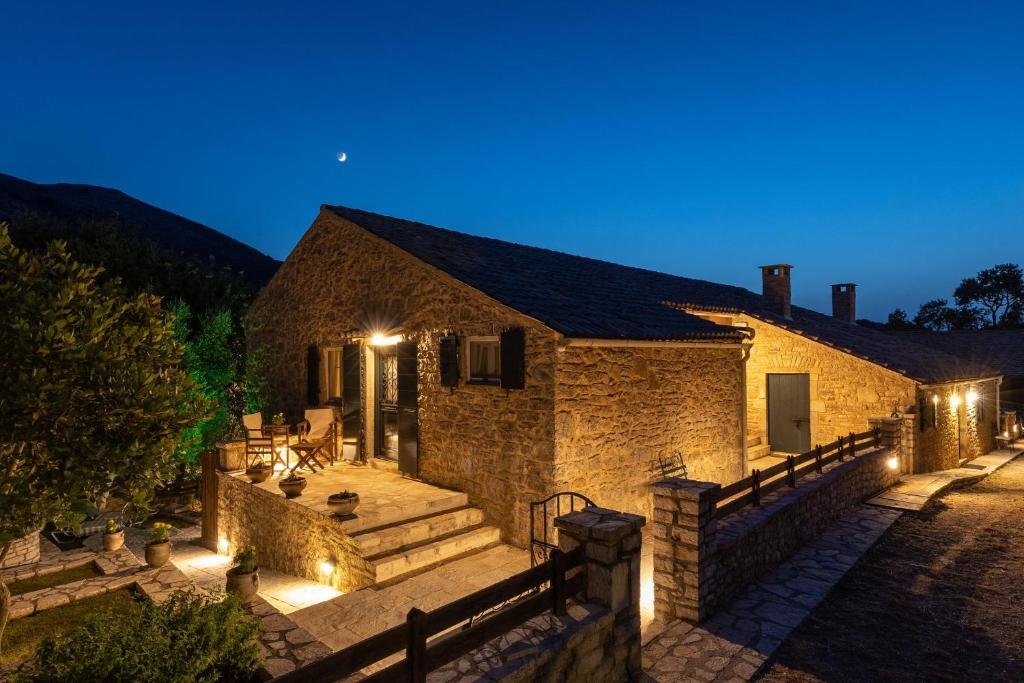

The Merchant's House
Old Perithia, Perithia
Hotel in Perithia, Greece
 Book with Pearl
The Read
Venetian Village Immersion
Why go
The Merchant's House is worth considering if Old Perithia itself is the point of the trip: quieter, more village-driven, and less resort-shaped than Corfu's coastal alternatives. The La Liste 2026 score gives it a credible quality signal, but travelers wanting beach facilities, loyalty benefits, or a larger-service setup should compare it with Corfu's resort peers first.
About The Merchant's House
90.5 points on La Liste Top Hotels 2026 is the useful signal here: The Merchant's House is a Perithia stay to consider when that recognition and location fit the trip. Beyond the La Liste listing and the Perithia location, specific public details should be checked directly before booking.
Book this only if a Perithia base suits your itinerary.
Choose it for Perithia, not for resort assumptions
The main decision point is simple: The Merchant's House is in Perithia and has a confirmed La Liste Top Hotels 2026 score of 90.5 points. If the trip depends on specific resort facilities, beach logistics, multiple outlets, or a branded-hotel environment, compare it against other options before committing.
The practical fit depends on the details you confirm at booking. Couples, solo travelers, families, business travelers, and loyalty-focused guests should all verify the current room setup, services, policies, and any on-site arrangements directly with the venue before choosing it over a larger or more standardized stay.
For broader trip planning, use current official sources and compare The Merchant's House with other stays or unnamed dining options in Perithia where relevant.
Planning details
- Location
- Old Perithia, Κέρκυρα 49081
- Website
- themerchantshousecorfu.com
- Phone
- +30 694 481 7173
The take
The Take
The Vibe
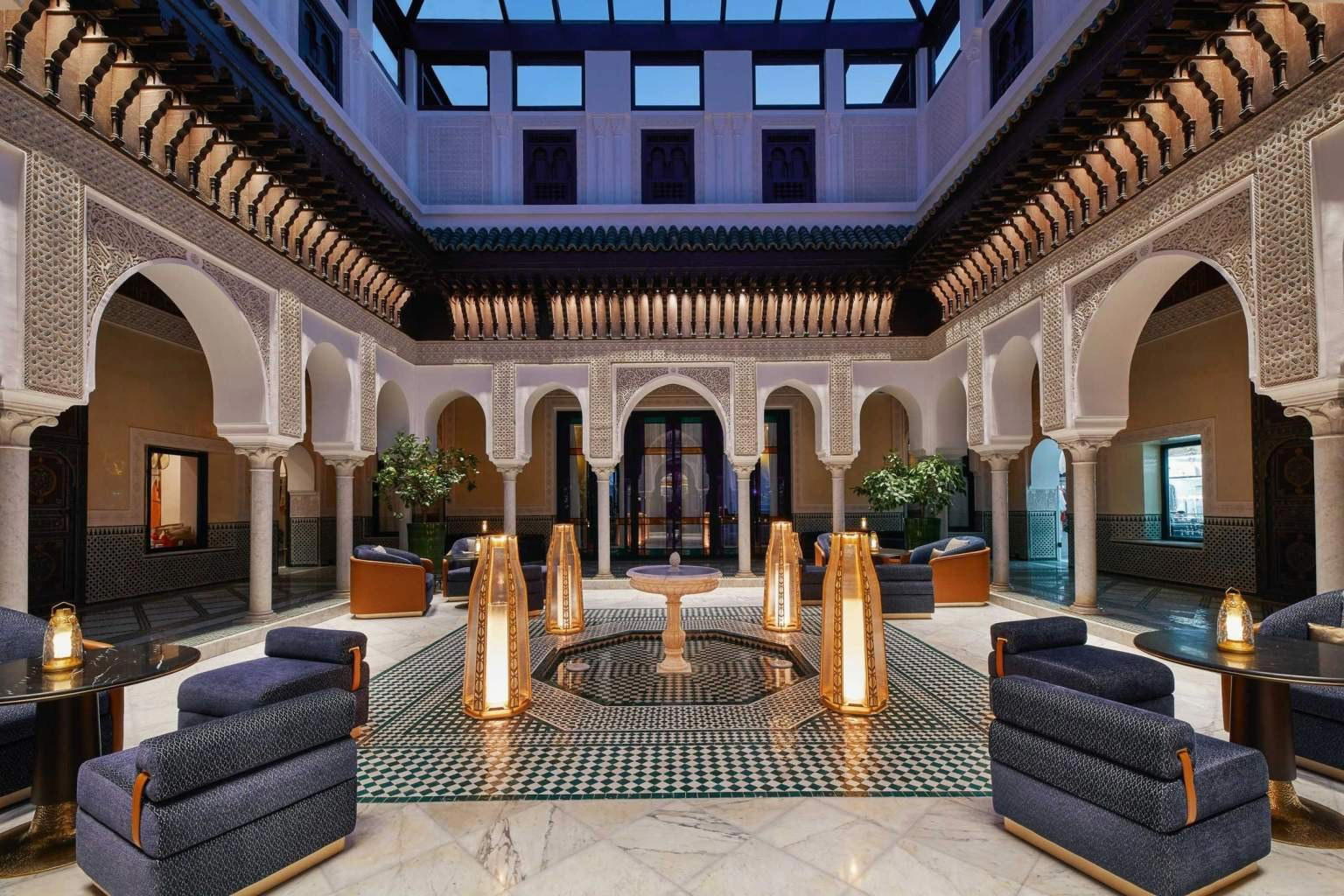
The Merchant's House reads as a quietly classic, intimate retreat anchored in preserved Venetian architecture. Thick limestone walls, period proportions and stone detailing make architecture the chief amenity: the building feels like an authentic domestic house rather than a purpose-built hotel. The setting—unpaved lanes, largely uninhabited structures and a hush that the copy calls 'silence'—reinforces a serene tone. Interiors and internal courtyards favor inward-focused, modestly scaled spaces that privilege conservation and context over modern spectacle, creating a charming and intimately scaled place for guests who prize authenticity and slow movement through a historic landscape.
Best For
This property suits travelers seeking solitude, authenticity and a slow-paced escape: romantic getaways and weekend escapes who want to be immersed in a preserved village rather than a resortized base. The Merchant's House appeals to pairs or small groups who value architectural context—the Venetian-era fabric and inner courtyards—and who are drawn to conservation-minded hospitality. La Liste recognition underscores a high standard of stewardship, so guests looking for careful restoration, quiet days on Mount Pantokrator and time spent wandering historic lanes will find the experience especially rewarding.
Stay Tips
Plan logistics with the remote approach in mind: the road climbs Mount Pantokrator and passes unpaved village lanes, so allow extra travel time and confirm vehicle access. Book ahead, since the property is embedded in historic fabric rather than a large hotel complex. Lean into the building's strengths—request accommodations that preserve original proportions or face internal courtyards if available—and expect a stripped-back, authentic stay rather than resort conveniences. Contact the hotel about arrival logistics and accessibility given the village's uneven, preserved streets.
Venue details
Ambiance
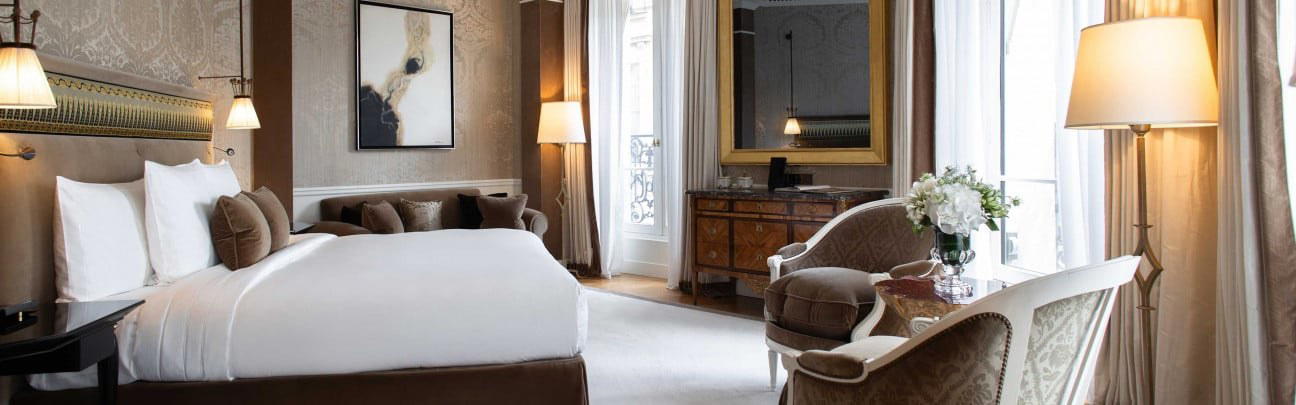
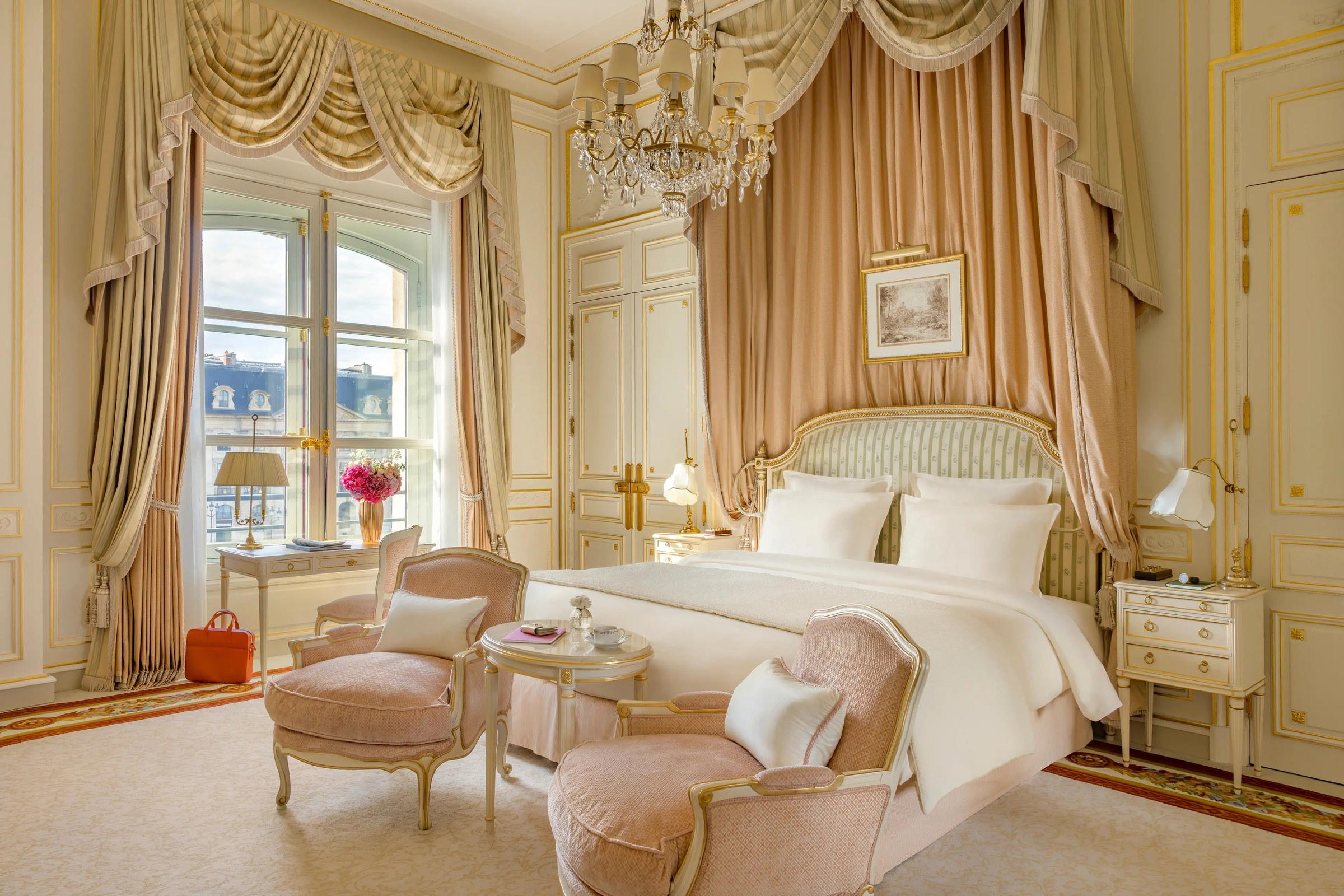
Tranquil and calming atmosphere with warm hospitality, Venetian-style decor in rich colors, wooden beams, limestone accents, and serene terraces overlooking mountains and gardens.
Tags
Vibe
Best For
Experience
Amenities
View
About the Stay
- Rooms
- 6
- Check-in
- 15:00
- Check-out
- 11:00
- Property Style
- Restored 17th Century Heritage Guesthouse with Venetian Splendor and Modern Comforts.
- Design Style
- Venetian Inspired with Rich Tints, Wooden Beams, Limestone Walls, and Timeless Elegance.
Know before you go
Know Before You Go
- Getting there
- Old Perithia, Κέρκυρα 49081
Planning details
Location
Recognition and awards

Also consider
Also Consider
- Corfu Imperial, A Grecotel Resort to Live, Notable alternative
- Siora Vittoria Boutique Hotel, Notable alternative
- Delfino Blu Wellness Boutique Hotel, Notable alternative
- Domes of Corfu, Autograph Collection, Notable alternative
- Alkyna Lifestyle Beach Resort (Adults-Only), Notable alternative
Hotel context
How it compares on Corfu
Choose The Merchant's House if the priority is Old Perithia atmosphere and an easier, quieter booking decision. Corfu Imperial, A Grecotel Resort to Live is the stronger fit for travelers who want a full resort setting; Siora Vittoria Boutique Hotel makes more sense for a town-based boutique stay.
For a beach-led trip, compare hard against Delfino Blu Wellness Boutique Hotel, Domes of Corfu, Autograph Collection, and Alkyna Lifestyle Beach Resort (Adults-Only). Those peers are safer choices when water access, resort services, or a more programmed stay matter more than village character.
Value depends on what the trip is trying to solve. The Merchant's House is the practical pick for a low-friction, atmosphere-first stay in Perithia. Corfu Imperial and Domes of Corfu are better for resort comfort; Siora Vittoria is better for a boutique town base; Alkyna is the clearer adults-only alternative.
Explore Perithia
Around this place
Discover more on Pearl
Unlock the full The Merchant's House guide in Pearl, including awards, comparisons, FAQs, planning details, and nearby places.
Compare The Merchant's House
| Venue | Location | Awards |
|---|---|---|
| The Merchant's House | Perithia | 2026 La Liste Top Hotels |
| Corfu Imperial, A Grecotel Resort to Live | Corfu | No published awards |
| Siora Vittoria Boutique Hotel | Corfu | No published awards |
| Delfino Blu Wellness Boutique Hotel | Corfu | No published awards |
| Domes of Corfu, Autograph Collection | Corfu | No published awards |
| Alkyna Lifestyle Beach Resort (Adults-Only) | Corfu | No published awards |
How The Merchant's House Perithia compares with similar nearby venues.
FAQ
Frequently Asked Questions
How is the dining at The Merchant's House?
Do not assume a particular restaurant format, cuisine, meal service, or menu before confirming directly. For a comparison with another hotel option, Corfu Imperial, A Grecotel Resort to Live is another stay to consider.
Is The Merchant's House family-friendly?
Families should check current room arrangements and services directly before booking. If you want to compare with other hotel options, Domes of Corfu, Autograph Collection or Alkyna Lifestyle Beach Resort (Adults-Only) are other stays to review.
When is the best time to book The Merchant's House?
Book when your dates are firm and after confirming the current room and service details directly with the venue. Siora Vittoria Boutique Hotel is another option to compare for a different style of stay.