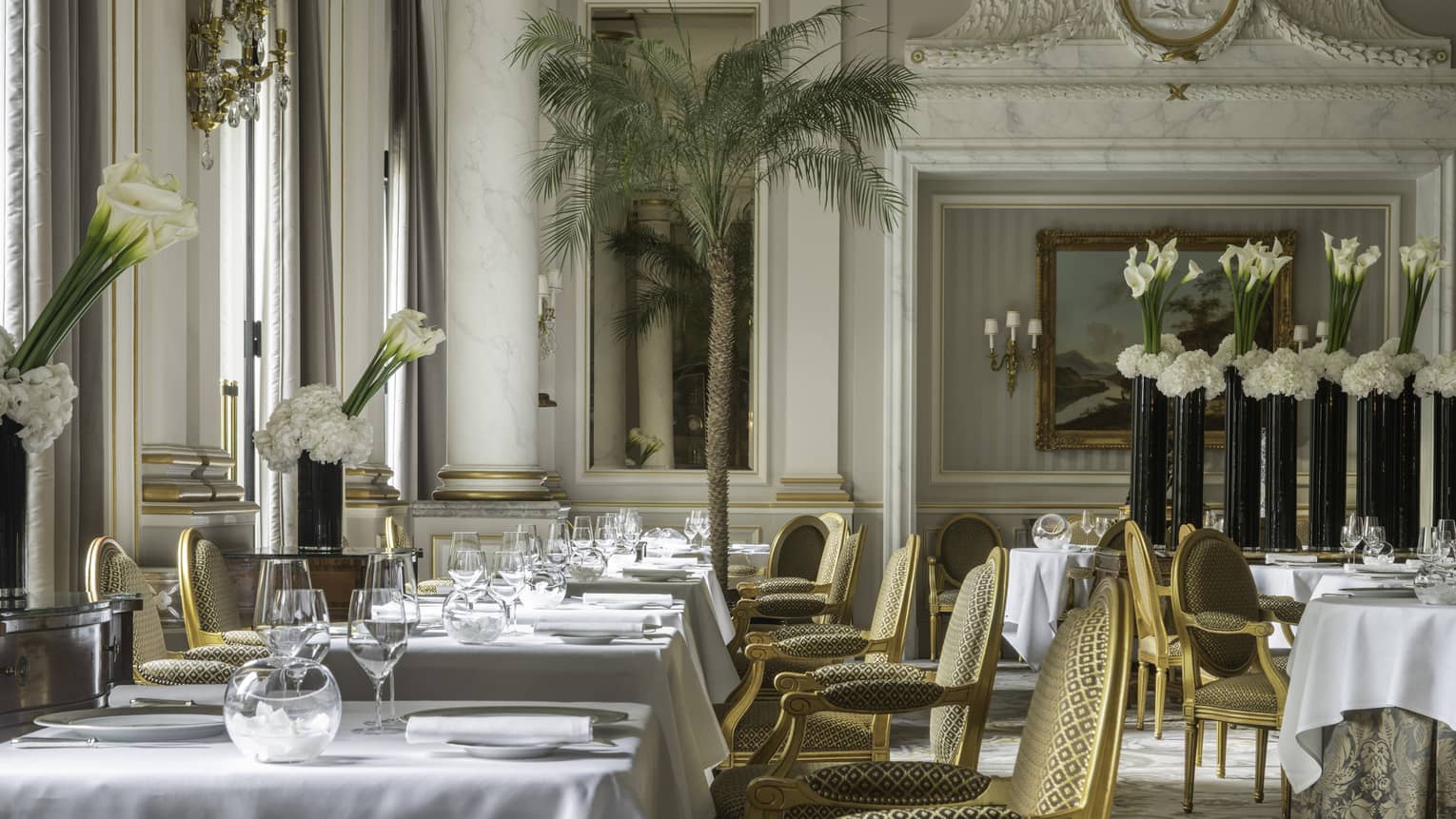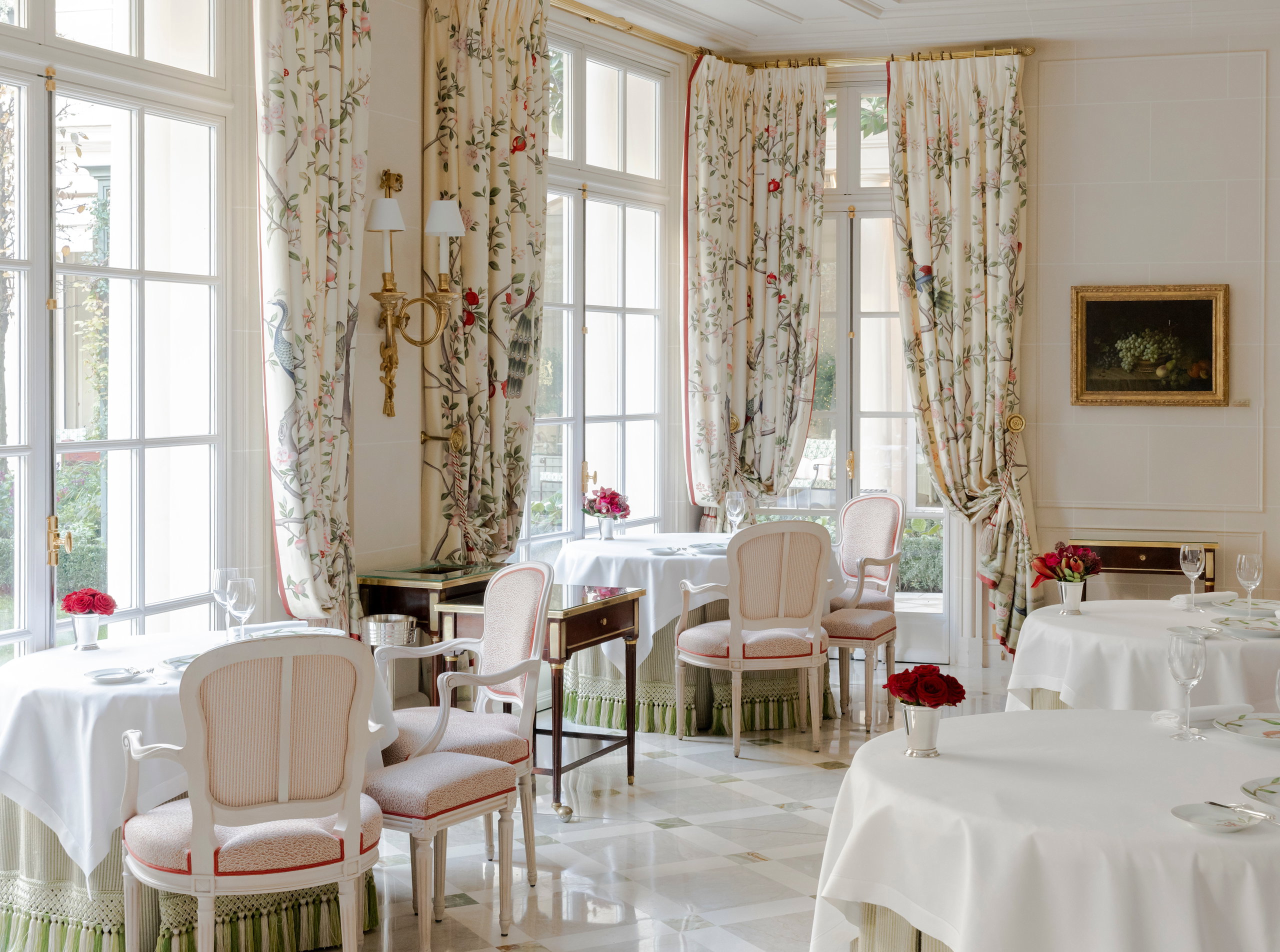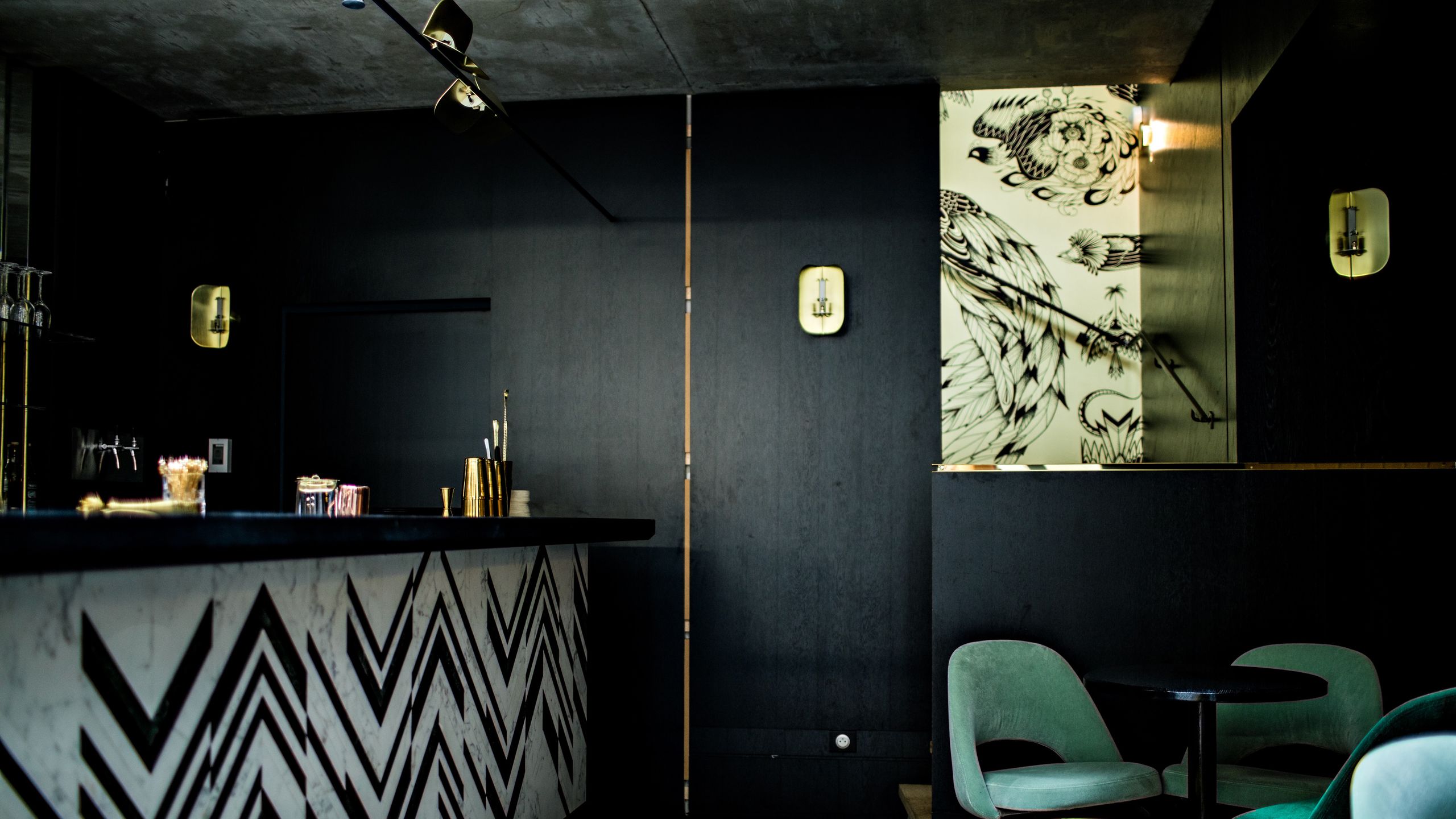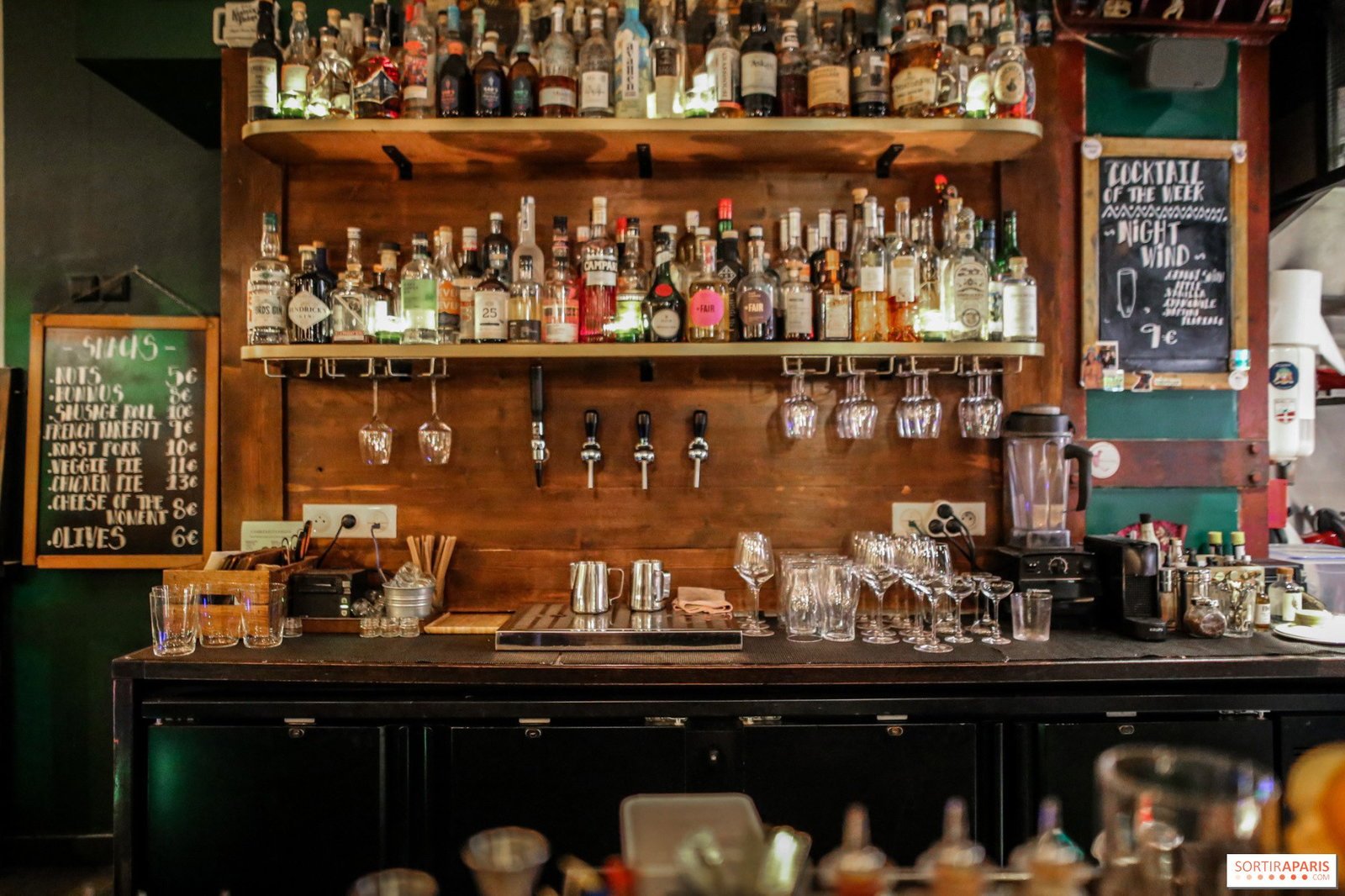
    Hotel in Paris, France

    Banke Opéra Paris – A Radisson Collection Hotel

    150Pearl Points

    Adaptive Reuse Hotel

    About Banke Opéra Paris – A Radisson Collection Hotel

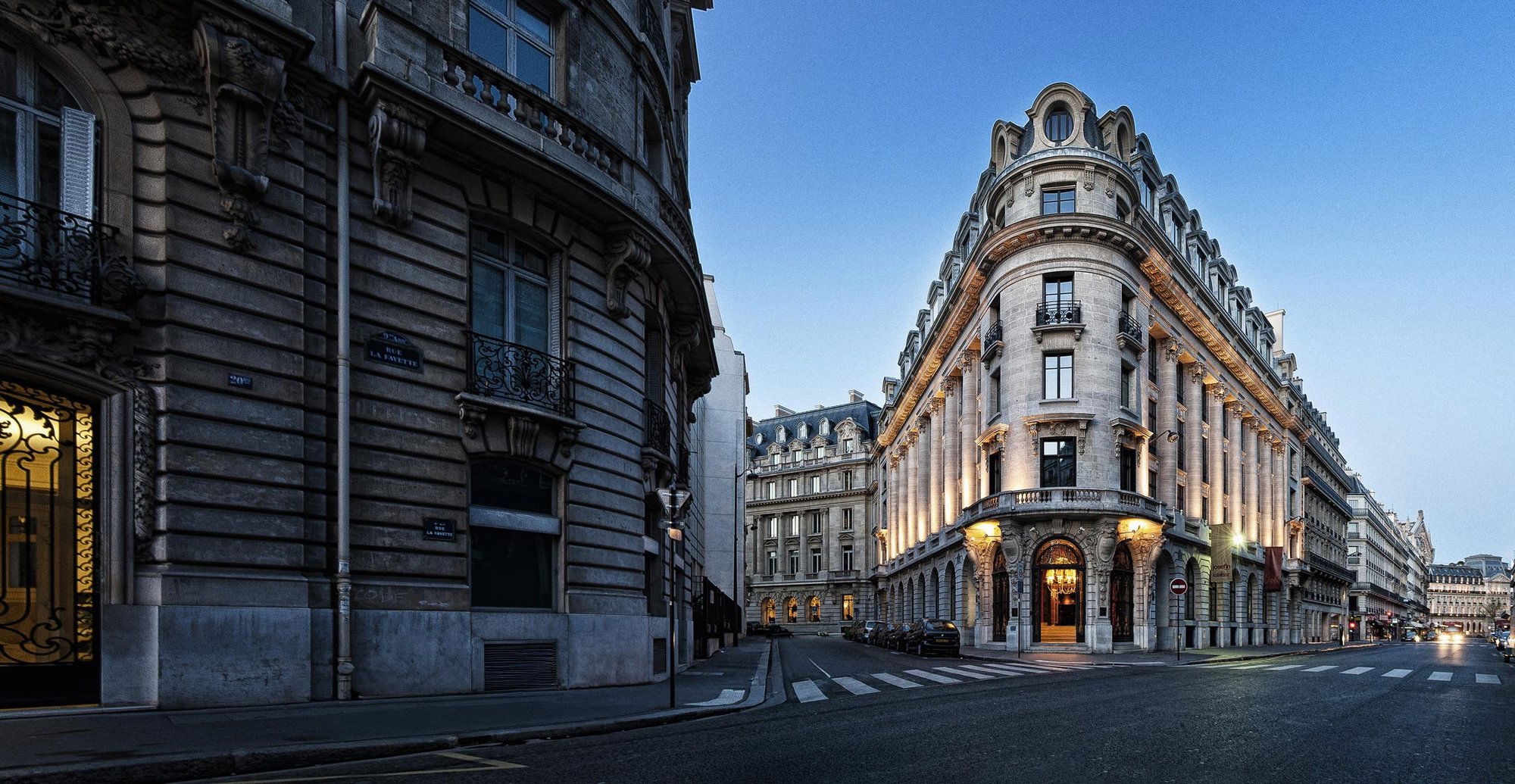
    Banke Opéra Paris – A Radisson Collection Hotel belongs to the Paris hotel category shaped by architecture as much as service: converted banks, former mansions, palace-era addresses, and department-store districts repurposed for contemporary travel. Its appeal is tied to the Opéra quarter, where Haussmannian scale, retail gravity, and transport convenience make design and location carry much of the hotel argument.

    Bank architecture in the Opéra quarter

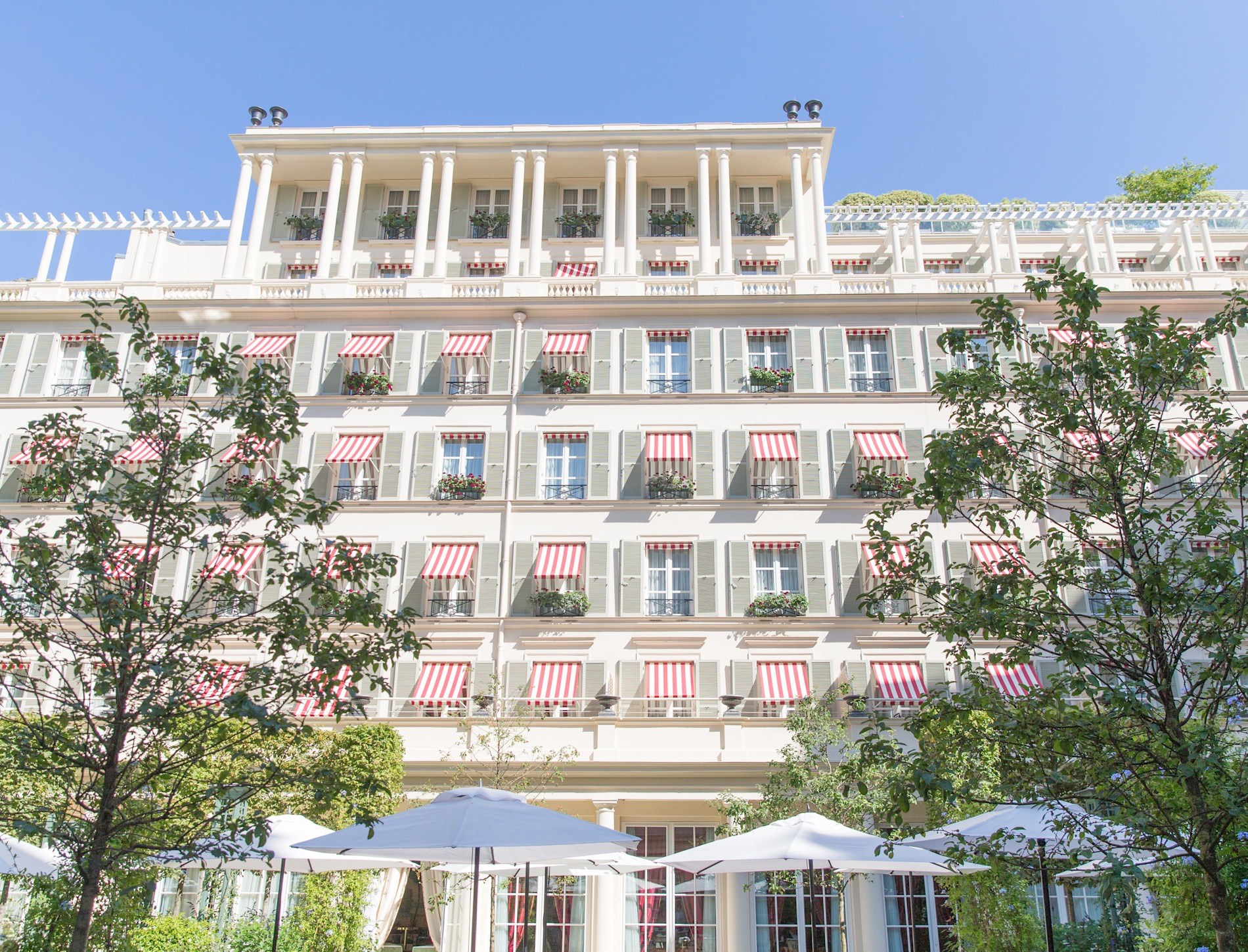
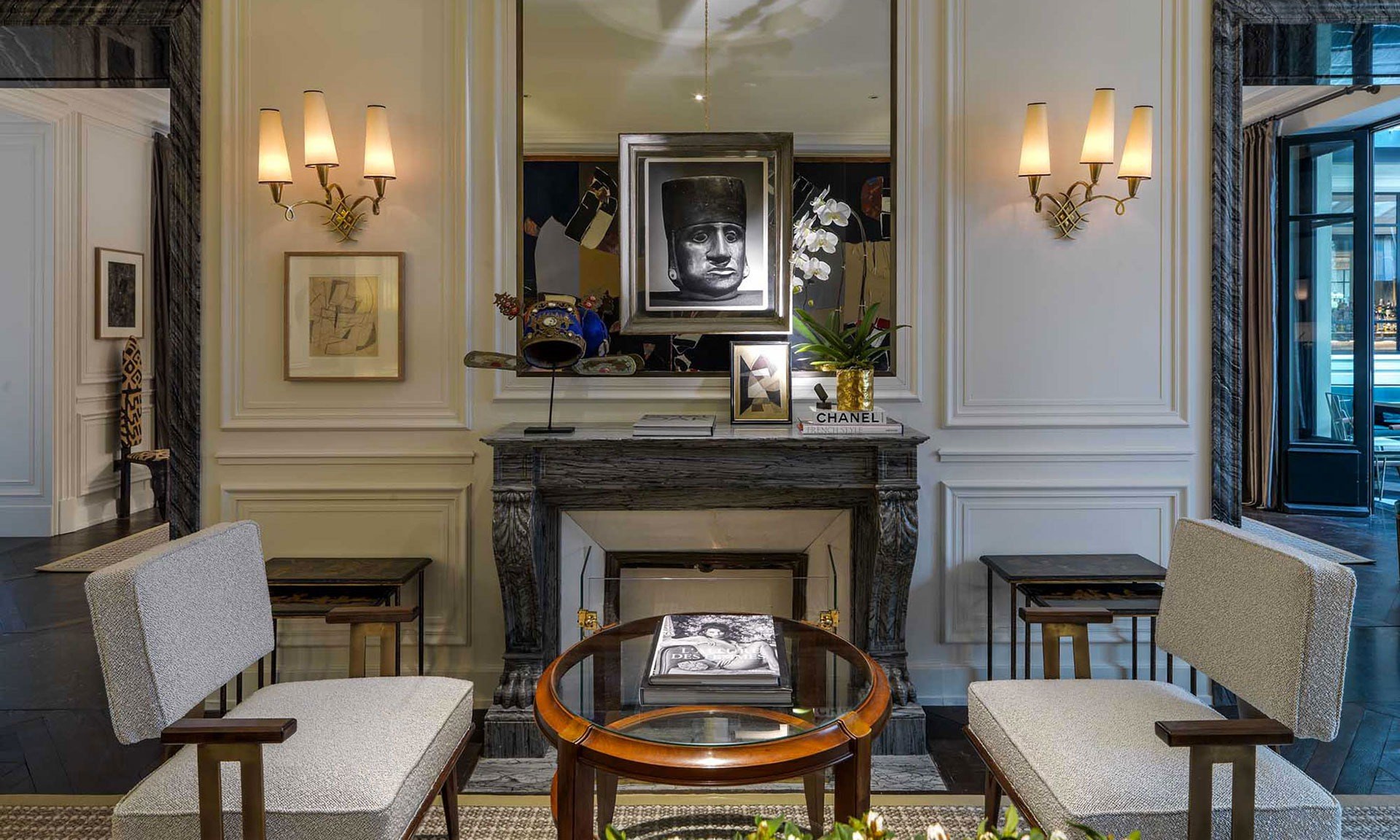
    The approach to a Paris hotel near Opéra is rarely quiet. The district works at boulevard scale: stone façades, office traffic, shoppers moving between grands magasins, theatre crowds, and the constant pull of nearby transit. In that setting, Banke Opéra Paris – A Radisson Collection Hotel belongs to a particular Parisian hotel type, the adaptive reuse address where the building does much of the storytelling before service, room category, or restaurant credentials enter the conversation.

    Paris has long understood hospitality through architecture. The city’s grand hotel tradition is not limited to palace properties around the Right Bank and the Champs-Élysées. It also includes converted private residences, commercial buildings, former institutional spaces, and urban blocks whose proportions were fixed by 19th-century planning. A hotel in the Opéra area inherits a different rhythm from the riverfront houses or Avenue Montaigne addresses: less ceremonial seclusion, more city friction. That friction can be useful for travellers who want Paris as a working capital rather than a postcard.

    The Radisson Collection flag in the name is the clearest verified positioning signal here. It places the property inside an upper-upscale international collection rather than the independent palace circuit. That matters in Paris, where the hotel market splits sharply between heritage palaces such as Hotel Plaza Athénée, fashion-and-retail statements such as Cheval Blanc Paris, residential privacy plays such as La Réserve Paris, and branded design hotels that compete on location, building character, and reliable systems.

    Why Opéra changes the hotel brief

    The Opéra district is not the Paris of long lunches in the 7th or late-night Left Bank wandering. It is a commercial and cultural hinge: Palais Garnier, department stores, business addresses, train and metro connections, and fast access toward both the Louvre axis and the northern stations. Hotels here have to satisfy mixed travel patterns. A guest may arrive for a short business stay, a shopping-heavy weekend, an opera booking, or a first Paris visit that prioritises movement across the city.

    That makes atmosphere different from the palace corridors of Le Bristol Paris or the restored ceremonial calm of Hôtel de Crillon. Around Opéra, a hotel needs a lobby with urban stamina. The surrounding neighbourhood is active from morning commerce through evening performance schedules, and the building has to absorb that pace without pretending to be a countryside retreat. For design-led travellers, this is often the appeal: the hotel sits inside a working Parisian machine.

    From a planning perspective, Opéra is also a practical base. Travellers who intend to divide time among restaurants, bars, museums, shopping, and rail connections can avoid the isolation that sometimes comes with more residential quarters. Paris planning works best by use case rather than postcard appeal.

    The design argument: reuse over resort fantasy

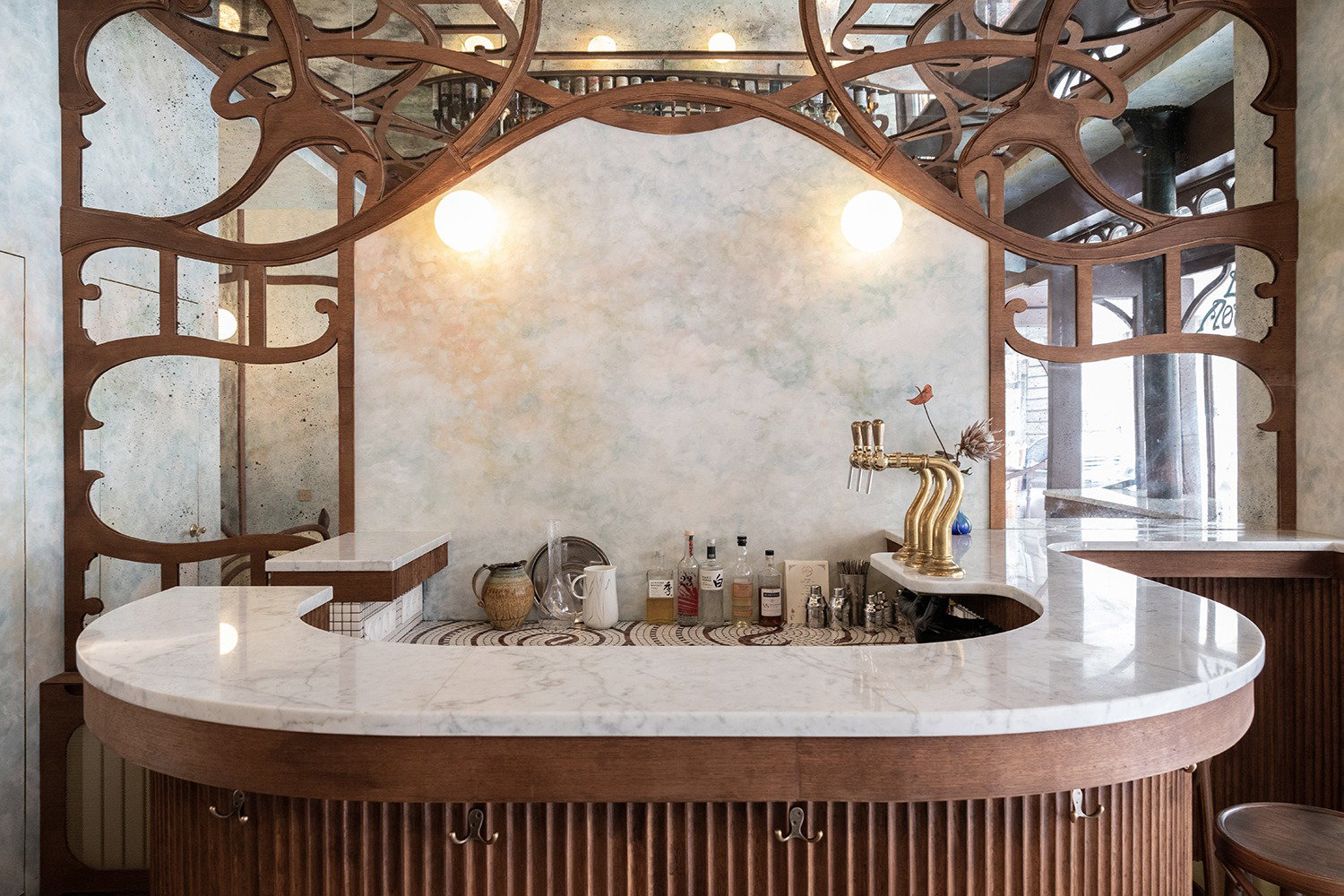
    The design reading of this hotel starts with category rather than decoration. In a city crowded with historic shells, adaptive reuse has become a serious hospitality language. A former bank or commercial building carries scale, volume, and institutional memory; the hotel conversion then has to decide whether to soften that authority or emphasise it. The better examples do not erase the prior function. They let a visitor understand that Paris is built from layers of money, commerce, bureaucracy, theatre, and domestic life.

    This is where Banke Opéra Paris – A Radisson Collection Hotel sits apart from resort-inflected French luxury. Compare it with Hotel Du Cap-Eden-Roc in Cap d'Antibes, where the Riviera hotel myth is about sea air, gardens, and seasonal social codes, or La Bastide de Gordes in Gordes, where the village setting and Provençal stone shape the stay. In central Paris, especially near Opéra, architecture is denser and more vertical. The experience is less about withdrawal and more about inhabiting a repurposed civic interior.

    The useful comparison inside Paris is not only with palace hotels. Le Meurice and Four Seasons George V operate in the city’s high-ceremony bracket, where dining credentials, flower budgets, suite inventory, and international recognition define the conversation. A Radisson Collection address in Opéra is judged by another matrix: how convincingly the building has been reworked, how useful the location is, and whether the public spaces deliver a sense of arrival without palace theatre.

    Paris hotel tiers, read without sentimentality

    Paris rewards precision when choosing a hotel. The word luxury covers too much ground to be helpful. There are palace hotels built around ritual and recognition, fashion-linked properties that behave like cultural flagships, boutique addresses in residential districts, and upper-upscale branded hotels that trade on location, design, and operational predictability. The Opéra choice belongs to that final group unless verified awards or ratings say otherwise. The record does not list Michelin, Forbes Travel Guide, or restaurant awards, so claims should remain disciplined.

    That lack of listed accolade data does not make the hotel irrelevant; it simply changes the way it should be evaluated. In Paris, not every useful hotel needs to compete with Airelles Château de Versailles - Le Grand Contrôle for theatrical historical immersion or with La Réserve Paris for discreet residential polish. Some stays are won by geography and building character. Opéra is an argument for guests who want a central Right Bank base with cultural proximity and efficient movement.

    A hotel near Opéra should be read as an urban tool: close to culture, retail, transport, and the Right Bank’s dense hotel ecosystem.

    Who should place it on a Paris shortlist

    The strongest case is for travellers who value architecture and neighbourhood utility over resort-style enclosure. A stay in this part of Paris suits a first-night arrival, a two- or three-day cultural itinerary, or a work trip where evenings can still reach the city’s dining and drinking circuits. The hotel name confirms the city and collection affiliation; it does not provide verified room types, rates, dining format, chef details, or awards in the available record. That absence should shape expectations before comparing it with properties that publish extensive accolade data.

    For guests deciding between Paris and other European grand-city hotels, the right comparison may be urban restoration rather than pure luxury hierarchy. The Fifth Avenue Hotel in New York City also asks travellers to think about historic fabric and contemporary hospitality in a dense commercial district. Hôtel de Paris Monte-Carlo in Monte Carlo draws power from civic centrality and social theatre. Badrutt's Palace Hotel in St. Moritz is shaped by mountain season and old resort codes. Paris Opéra is more immediate: step out, and the city is already moving.

    Food, drink, and the wider Paris plan

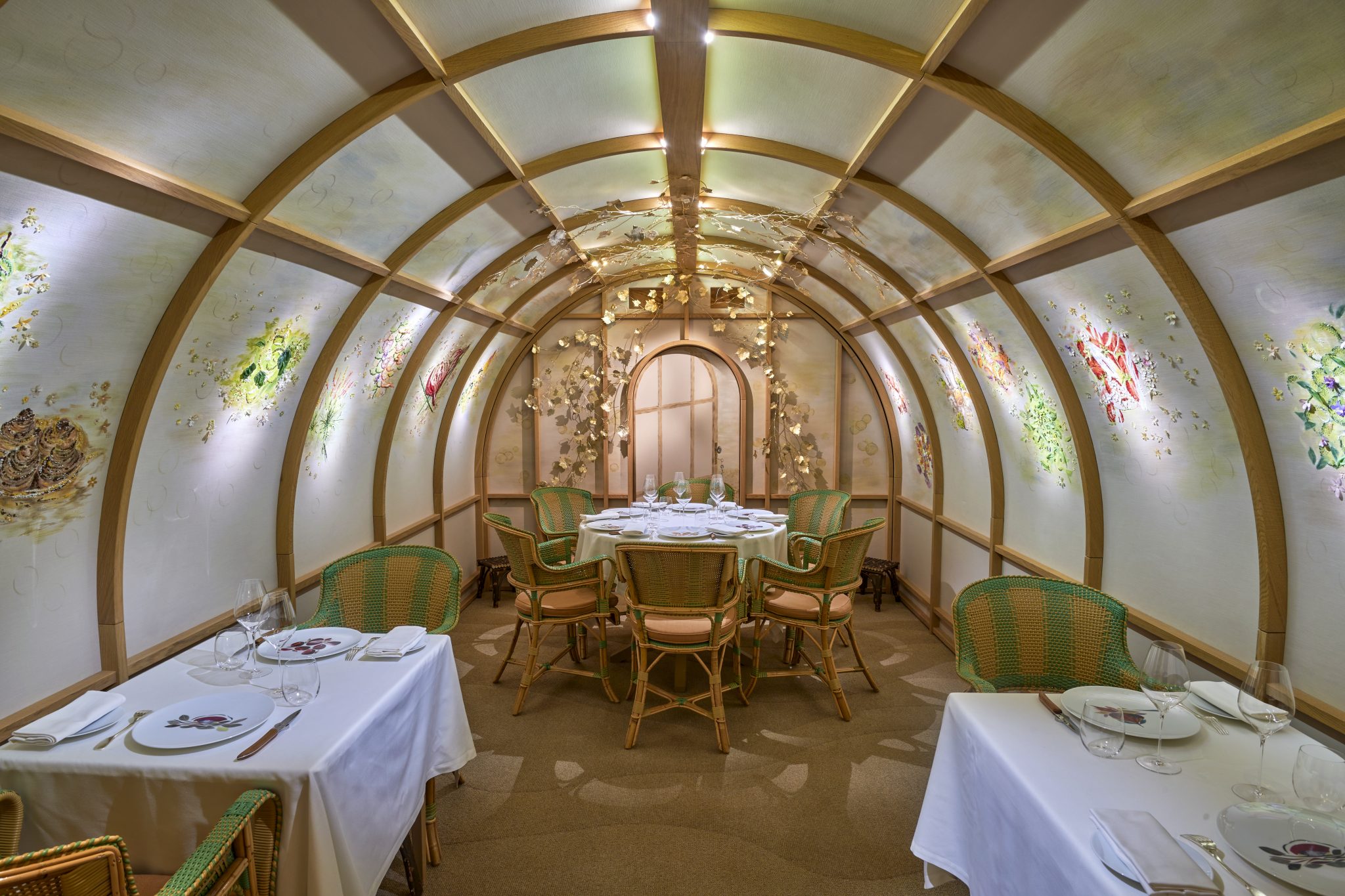
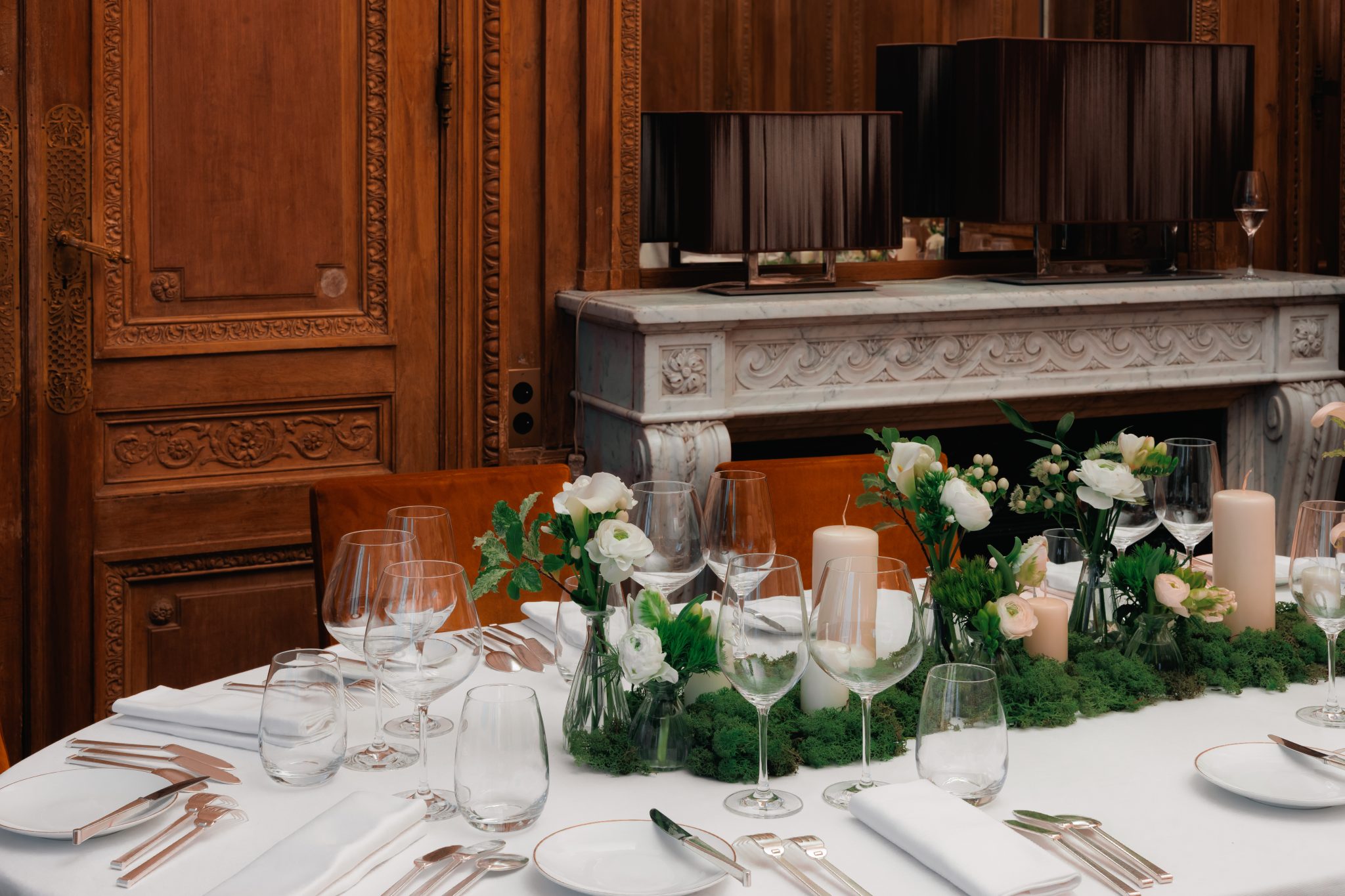
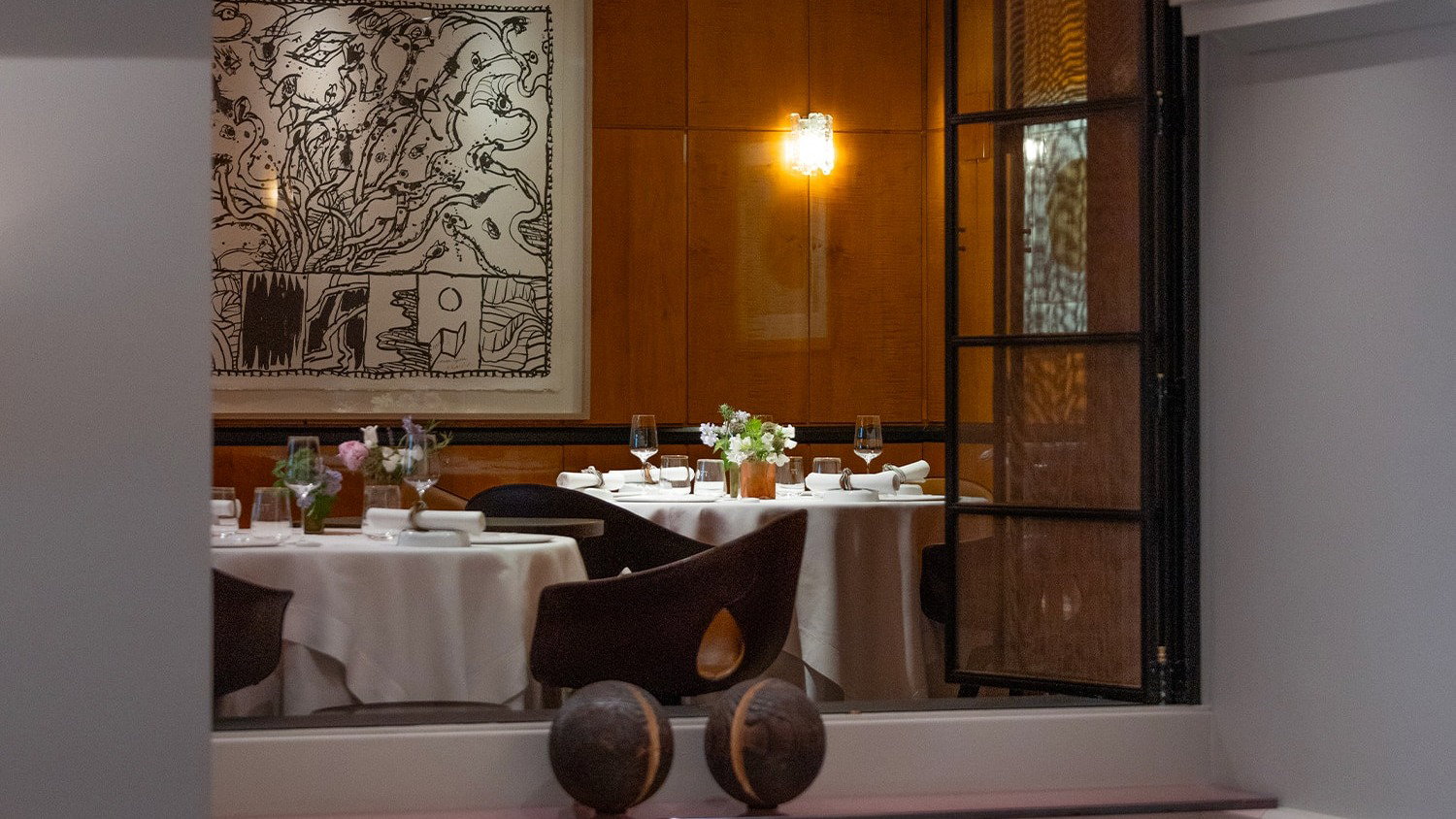
    The record does not list a cuisine type, chef name, signature dishes, bar programme, restaurant awards, or opening hours for the hotel. That means the safer editorial approach is to treat in-house dining as unverified and build the trip around the surrounding city. Paris is one of the few capitals where hotel choice and restaurant planning should be separated early, especially when awards, chef credentials, and booking methods are not documented in the hotel record.

    In practice, an Opéra base gives access to several eating patterns. The Right Bank can support a high-structure tasting-menu evening, a brasserie lunch, or a bar-led itinerary without long transfers across the city. The neighbourhood also works for travellers who want to spend days between museums and retail, then use taxis or the metro for dinner rather than choose a hotel solely because of an attached restaurant. This is less romantic than the all-under-one-roof palace model, but it is often the smarter move for a short Paris stay.

    Planning notes: booking, arrival, and expectations

    No official website, phone number, booking method, address, or hours appear in the record. Travellers should verify current reservations, rates, room categories, cancellation terms, and arrival details before committing. That is especially relevant in Paris, where event weeks, fashion calendars, trade fairs, and holiday periods can compress availability and move rates sharply across neighbouring properties.

    Atmosphere-wise, expect the surrounding district to feel urban rather than hushed. Opéra is a high-traffic part of Paris, and its advantage is access. Travellers seeking a retreat-like stay may find stronger alignment outside the central commercial corridors, for example at resort and coastal properties such as The Maybourne Riviera in Roquebrune-Cap-Martin, La Réserve Ramatuelle - Hôtel, Spa and Villas in Ramatuelle, Villa La Coste in Le Puy-Sainte-Réparade, or Hôtel & Spa du Castellet in Le Castellet. For a Paris city stay, the Opéra trade-off is clear: less seclusion, more reach.

    Location

    Paris, France

    Keep this place

    Save or rate Banke Opéra Paris – A Radisson Collection Hotel on Pearl

    Keep this venue in your Pearl passport, rate it after you visit, and track it alongside every other place you collect.